
The Limits of Grazing: When Tangs Alone Aren't Enough for Algae Control

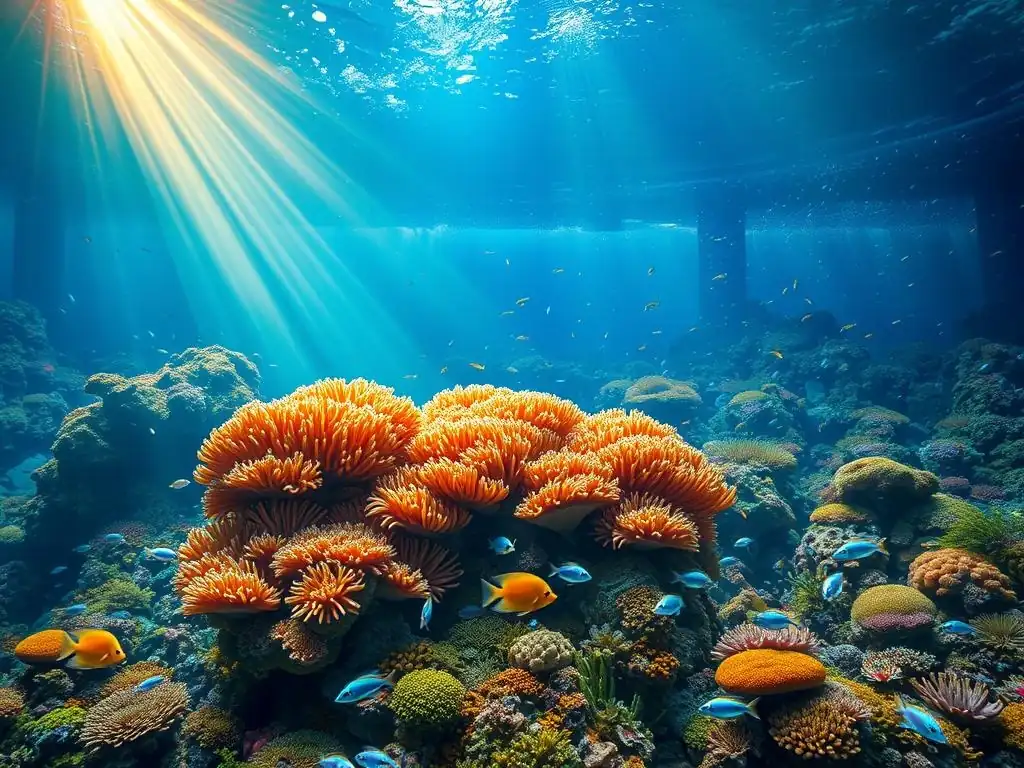
Welcome to Aquarium Mastery!
Ever wondered if a Tangs is all you need for a sparkling clean saltwater aquarium? While these elegant grazers are fantastic additions, relying solely on them for algae control can lead to some unexpected challenges. Dive in to discover the limitations of Tangs and explore a more holistic approach to maintaining a thriving, algae-free environment for your aquatic friends. Let's unlock the secrets to a perfectly balanced reef!
- Understanding Tangs and Their Role in Algae Management
- Tangs Algae Control Limitations: Identifying the Shortcomings
- Factors Affecting Tangs' Algae Consumption Efficiency
-
Beyond Tangs: Complementary Algae Control Strategies
- Manual Algae Removal: A Necessary Supplement to Grazing
- Chemical Algae Control: Using Algaecides Safely and Effectively
- Biological Algae Control: Introducing Algae-Eating Invertebrates
- Optimizing Water Chemistry: Reducing Nutrient Levels to Prevent Algae Blooms
- Utilizing Refugiums: A Natural Algae Filter
- Selecting the Right Tang Species for Algae Control in Your Aquarium
- Maintaining a Healthy Tang Population for Optimal Algae Control
- Conclusion: Integrating Tangs into a Comprehensive Algae Management Plan
-
Frequently Asked Questions
- How effective are Tangs at controlling all types of algae in a saltwater aquarium?
- What are the "Tangs Algae Control Limitations" discussed in the article?
- Besides Tangs, what other methods should be used for effective algae control in a reef tank?
- How many Tangs can I safely keep in my aquarium to maximize algae control, and what factors should I consider?
- What are the potential downsides of relying too heavily on Tangs for algae control?
- Final Reflection: Beyond the Tang: A Holistic Approach to Reef Health
- Transform Your Tank: Take Control of Algae Today!
Understanding Tangs and Their Role in Algae Management
The Natural Grazing Behavior of Tangs in Reef Aquariums
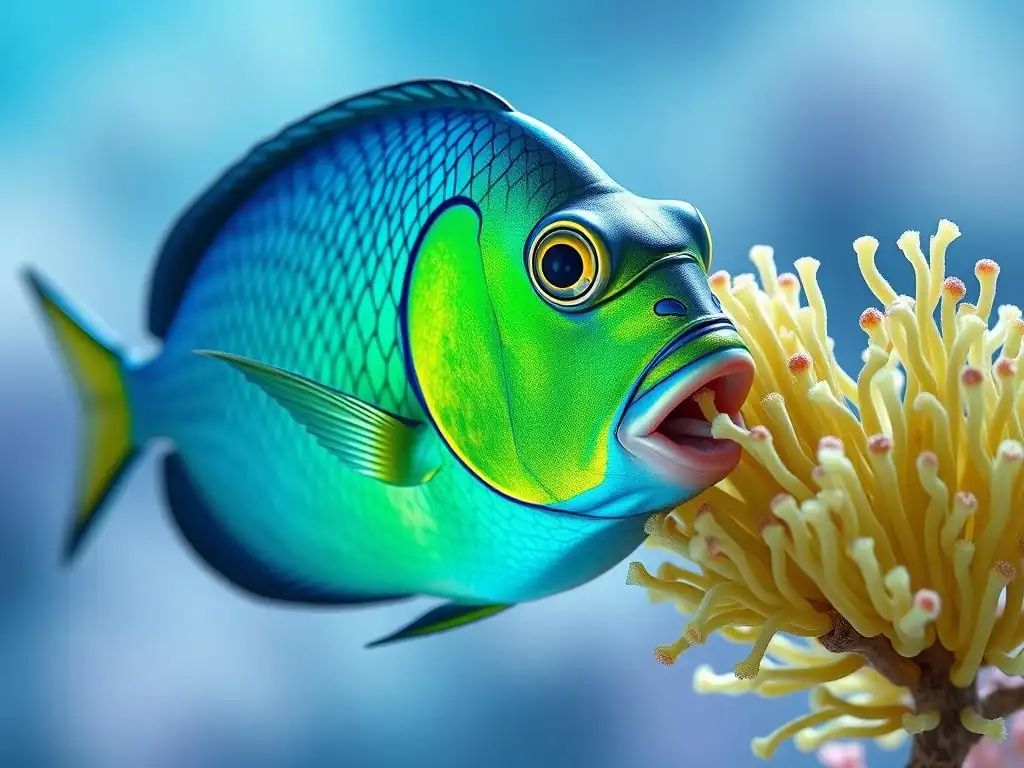
Tangs, also known as surgeonfish, are renowned for their continuous grazing behavior, a trait deeply ingrained from their natural reef habitats. In the wild, species like the Yellow Tang ( Zebrasoma flavescens) spend the vast majority of their day browsing on various forms of benthic algae, meticulously picking at surfaces of rocks, coral skeletons, and even the sandy substrate. Their specialized mouths and unique dentition are perfectly adapted for scraping off and consuming filamentous and film algae, making them highly efficient natural lawnmowers of the reef.
This incessant browsing in their natural environment translates directly to their role in the home aquarium. By constantly nibbling on developing algae, tangs help to prevent large, unsightly mats from forming, mimicking the natural ecological balance found on healthy coral reefs. This continuous activity is not just about food intake; it's a fundamental part of their behavior, keeping them active and engaged, and providing a natural method of algae control that many aquarists seek to leverage.
Benefits of Tangs for Natural Algae Reduction in Saltwater Tanks
The primary benefit of introducing tangs into a saltwater aquarium is their ability to provide ongoing, natural algae reduction. Their consistent grazing helps to keep common nuisance algae, such as green film algae and some shorter forms of hair algae, at bay. This significantly reduces the reliance on manual scrubbing and can contribute to a more stable and aesthetically pleasing reef environment, allowing corals and other invertebrates to thrive without being overshadowed by rampant algal growth.
Beyond the visible reduction in algae, tangs contribute to the overall health of the ecosystem. By consuming detritus and microalgae, they help to process organic matter and prevent nutrient buildup, which in turn stifles future algae blooms. For instance, a healthy Yellow Tang in a 100-gallon tank can significantly decrease the frequency of glass cleaning needed, acting as a proactive measure against minor algae outbreaks and showcasing their valuable role in daily tank maintenance.
Tangs Algae Control Limitations: Identifying the Shortcomings
Why Tangs Cannot Eliminate All Algae Types
While tangs are exceptional grazers, it's crucial to understand that their effectiveness has inherent Tangs algae control limitations. They are selective eaters, preferring certain types of algae over others, often based on palatability, texture, and nutritional content. Their specialized mouthparts, while efficient for some algae, are not universally suited for every form of algal growth, especially those with tough cell walls or complex structures.
Furthermore, even the most diligent tang can be overwhelmed by the sheer volume of algae produced in a high-nutrient system. If nutrient input (from overfeeding, insufficient water changes, or decaying organic matter) is excessive, algae can grow at an exponential rate that far outpaces a tang's ability to consume it. A single tang, or even a small group, simply cannot keep up with such prolific growth, highlighting a significant limitation in relying solely on them for comprehensive algae management.
Common Algae That Tangs Don't Eat (Or Eat Sparingly)
Despite their reputation, several common types of nuisance algae are largely ignored by tangs, underscoring the Tangs algae control limitations. Understanding these specific exclusions is vital for effective algae management in a reef aquarium.
Hair Algae: A Persistent Problem for Tangs
Hair algae, particularly longer, tougher varieties, often presents a persistent problem that tangs struggle to control. While some tang species, especially when young or if no other food is available, might pick at shorter, softer strands of green hair algae (e.g., Derbesia sp. ), they rarely eradicate established, dense mats. The fibrous and often unpalatable nature of mature hair algae makes it difficult for a tang's grazing teeth to effectively break down and consume.
For example, a thick carpet of green hair algae exceeding an inch in length can quickly overwhelm even a dedicated grazer like a Yellow Tang. The tang may attempt to graze on the tips, but the underlying mass remains largely untouched, continuing to proliferate. This makes hair algae a classic example of Tangs algae control limitations, requiring additional manual removal or biological controls like emerald crabs.
Bryopsis: Tangs' Aversion to This Nuisance Algae
Bryopsis is perhaps one of the most notorious nuisance algae in reef aquariums, and it is almost universally ignored by tangs. Characterized by its distinctive feathery, fern-like appearance and a dark green color, Bryopsis is known for its incredibly tough cell walls and potential chemical defenses that make it unpalatable to nearly all common aquarium herbivores.
This widespread aversion means that if Bryopsis takes hold in your tank, a tang will offer virtually no assistance in its removal. Aquarists often resort to specialized chemical treatments, such as Fluconazole, or very rigorous manual removal to combat this resilient pest, as it falls well outside the scope of Tangs algae control limitations by grazing.
Cyanobacteria: Tangs and the "Red Slime" Issue
Cyanobacteria, commonly referred to as "red slime algae" or blue-green algae, is not actually an algae but a prokaryotic organism. It forms slimy, often reddish-brown or purplish mats that can quickly cover sandbeds, rocks, and even corals. Due to its texture and unique biological composition, cyanobacteria is almost entirely unpalatable to tangs and other herbivorous fish.
Tangs will typically swim right over or around cyanobacteria mats without attempting to graze on them. This prevalent issue is primarily a symptom of nutrient imbalances (particularly low nitrates relative to phosphates) and insufficient flow, rather than an algae type that can be controlled by grazing. Therefore, managing cyanobacteria requires addressing water chemistry and flow dynamics, reinforcing that this issue is beyond Tangs algae control limitations.
Factors Affecting Tangs' Algae Consumption Efficiency
Tank Size and Tang Population Density: Finding the Right Balance
The efficiency of tangs as algae grazers is significantly influenced by their living environment, particularly tank size and population density. Tangs are active swimmers and require ample space to thrive and exhibit their natural grazing behaviors. Housing a tang in a tank that is too small (e.g., a 40-gallon tank for an adult Yellow Tang, which typically grows to 6-8 inches) can lead to chronic stress, stunted growth, and a marked reduction in their grazing activity and overall health.
Similarly, overstocking tangs, especially species with similar body shapes or temperaments, can lead to aggression and competition for space and food. This stress not only impacts their well-being but also diverts their energy from grazing, making them less effective at algae control. For optimal grazing, a single Zebrasoma tang generally requires a minimum of 75-100 gallons, while multiple tangs often necessitate tanks of 180 gallons or more to provide adequate territory and reduce Tangs algae control limitations stemming from stress.
Water Quality Parameters and Their Impact on Tang Health and Grazing
Consistent and optimal water quality is paramount for maintaining healthy, active tangs that graze effectively. Poor water parameters, such as persistently high nitrates, elevated phosphates, or unstable pH, can severely stress tangs, making them susceptible to diseases like Marine Ich ( Cryptocaryon irritans) or Lateral Line Erosion (LLE). A stressed or sick tang will have a significantly reduced appetite and will cease its diligent grazing activities.
For instance, if nitrate levels consistently exceed 20 ppm or phosphates rise above 0.1 ppm, tangs may become lethargic and lose interest in grazing, despite the presence of nuisance algae. Maintaining stable parameters—nitrates below 10 ppm and phosphates below 0.03 ppm—along with a stable pH of 8.1-8.4, is crucial for ensuring tangs remain vigorous grazers. Unhealthy water conditions directly contribute to Tangs algae control limitations by compromising the fish's ability and willingness to graze.
Competition for Food: Ensuring Tangs Get Enough Algae
In a mixed-reef aquarium, tangs may face competition for available algae from other herbivores or even omnivores. Species such as certain blennies (e.g., Lawnmower Blennies), snails (e.g., Turbo snails, Trochus snails), and hermit crabs also consume algae, which can deplete the natural food source for tangs. If the tank is already very clean due to a robust cleanup crew or if there are too many competing grazers, tangs might not find enough naturally occurring algae to sustain their grazing habits.
When the natural supply of algae is insufficient, tangs may become less active grazers, or their health might decline if their dietary needs are not met. To counteract this, it's essential to supplement their diet with high-quality marine-based foods like dried nori (seaweed sheets), spirulina flakes, and other plant-based pellets. Providing supplemental food ensures they remain well-nourished and active, thus mitigating Tangs algae control limitations caused by food scarcity or competition.
The Importance of a Varied Diet for Tang Health, Beyond Algae
While tangs are primarily herbivorous, a diet consisting solely of the algae found in an aquarium is often insufficient for their long-term health and vitality. Tangs require a broad spectrum of nutrients, including vitamins, minerals, and specific amino acids, which may not be adequately supplied by a limited variety of tank algae. A varied diet is crucial for bolstering their immune system, maintaining vibrant coloration, and preventing nutritional deficiencies.
A diet lacking diversity can lead to serious health issues, such as Lateral Line Erosion (LLE), compromised immune function, and general emaciation. For example, a tang fed only limited tank algae might develop LLE over several months, a condition characterized by pitting and erosion along the lateral line, which severely impacts its health and, consequently, its grazing efficiency. To ensure optimal health and maximize their Tangs algae control limitations capabilities, it's vital to provide a varied diet including fresh or dried seaweed, spirulina, and occasional high-quality pellet or flake foods.
Beyond Tangs: Complementary Algae Control Strategies
Manual Algae Removal: A Necessary Supplement to Grazing
Even with the most dedicated tangs in your aquarium, manual algae removal remains an indispensable part of comprehensive algae management. Tangs, despite their grazing prowess, cannot reach every nook and cranny, nor can they perfectly clean every surface, especially glass panes, powerheads, and intricate rockwork. Regular manual intervention is crucial for maintaining pristine tank aesthetics and preventing algae from becoming too established.
Using tools such as magnetic algae cleaners, handheld scrapers, and brushes allows aquarists to remove film algae from glass, scrub stubborn patches from rocks, and clean equipment. Incorporating a routine manual cleaning schedule, perhaps 2-3 times a week for glass and once a week for rockwork, significantly complements the work of tangs. This proactive approach prevents algae from gaining a foothold and growing beyond the manageable scope of Tangs algae control limitations.
Chemical Algae Control: Using Algaecides Safely and Effectively
Chemical algaecides can be a viable option for severe or persistent algae outbreaks, but they should generally be considered a last resort and used with extreme caution. These products work by interfering with the algae's metabolic processes or by directly killing algal cells. However, improper use or overdose can have detrimental effects on corals, invertebrates, and even fish, as many algaecides are broad-spectrum and do not discriminate between nuisance algae and beneficial organisms.
When considering chemical treatments, it is crucial to accurately identify the type of algae present and select a product specifically designed for that algae, if possible. For instance, hydrogen peroxide can be used for targeted spot treatment of certain nuisance algae, while specific algaecides exist for hair algae or dinoflagellates. Always follow dosage instructions precisely and ensure adequate aeration. It's important to remember that algaecides treat the symptom, not the root cause, and should be coupled with nutrient control strategies to avoid recurring issues, especially given the inherent Tangs algae control limitations.
Biological Algae Control: Introducing Algae-Eating Invertebrates
Introducing a diverse cleanup crew of algae-eating invertebrates is an excellent biological strategy to complement the grazing efforts of tangs. Various species of snails and hermit crabs specialize in consuming different types of algae, often reaching areas that fish cannot. This multi-species approach creates a more robust and comprehensive algae control system.
For example, Turbo snails ( Turbo fluctuosa) and Trochus snails ( Trochus niloticus) are highly effective at cleaning film algae from glass and rock surfaces. Nassarius snails ( Nassarius vibex) help keep the sandbed clean by sifting detritus and uneaten food. Hermit crabs, such as the Blue Leg Hermit Crab ( Clibanarius tricolor), will graze on various algae and detritus. A general guideline is to add 1 Turbo snail per 10-15 gallons or 1 Trochus snail per 5-10 gallons. These invertebrates pick up where Tangs algae control limitations leave off, tackling algae on substrate and in tight crevices.
Optimizing Water Chemistry: Reducing Nutrient Levels to Prevent Algae Blooms
The most fundamental and effective long-term strategy for algae control lies in optimizing water chemistry, specifically by consistently reducing nutrient levels. Algae thrive on excess nitrates and phosphates, which are typically introduced through overfeeding, decaying organic matter, and tap water impurities. Addressing these root causes is far more impactful than relying solely on grazers.
Implementing practices such as regular water changes (e.g., 10-20% weekly or bi-weekly with RODI water), conscientious feeding habits (feeding only what fish can consume in a few minutes), and ensuring efficient protein skimming are crucial. These measures directly reduce the available fuel for algae growth, creating an environment where even if Tangs algae control limitations exist, the overall algae load is significantly minimized.
Controlling Phosphates: The Key to Limiting Algae Growth
Phosphates are a primary limiting nutrient for algae growth, meaning that even very low concentrations can fuel significant algae blooms. Elevated phosphate levels, often originating from tap water, fish food, or decaying organic matter, are a common culprit behind persistent nuisance algae. Controlling phosphates is therefore a critical step in preventing and managing algae outbreaks.
Methods for phosphate control include the use of Granular Ferric Oxide (GFO) in a fluidized reactor, which chemically binds phosphates, rendering them unavailable to algae. Regular testing of phosphate levels (aiming for less than 0.03 ppm) and proactive measures, such as rinsing frozen foods and using phosphate-free salt mixes, are essential. A well-maintained GFO reactor can reduce phosphates from 0.1 ppm to undetectable levels within days, drastically curtailing algae growth and mitigating Tangs algae control limitations from nutrient overload.
Managing Nitrates: Another Crucial Aspect of Water Quality
Nitrates are the final product of the nitrogen cycle and, while less directly linked to algae outbreaks than phosphates, still contribute significantly to algal proliferation when present in high concentrations. High nitrate levels often indicate an overloaded biological filter, overstocking, or insufficient water changes. Managing nitrates is key to overall water quality and long-term algae prevention.
Strategies for nitrate reduction include consistent and adequate water changes, efficient protein skimming to remove organic waste before it breaks down, and the use of live rock or deep sand beds for anaerobic denitrification. Incorporating a refugium with macroalgae (like Chaetomorpha) also helps export nitrates as the macroalgae grows. Aiming to keep nitrates below 10 ppm is a common target for reef aquariums to prevent nuisance algae and support the overall health of the system, thereby reducing the pressure on Tangs algae control limitations.
Utilizing Refugiums: A Natural Algae Filter
A refugium is a separate compartment, typically in a sump, designed to cultivate beneficial macroalgae (e.g., Chaetomorpha, Ulva, Caulerpa) and provide a safe haven for microfauna. This setup acts as a natural biological filter, effectively outcompeting nuisance algae in the display tank for excess nutrients like nitrates and phosphates.
As the macroalgae grows in the refugium, it absorbs these undesirable nutrients from the water column. When the macroalgae is periodically harvested (e.g., 25-50% every 1-2 weeks), the absorbed nutrients are physically removed from the system. A well-established refugium can significantly reduce nitrate levels by 5-10 ppm weekly and help control phosphates, providing a continuous and natural method of nutrient export that greatly assists in overcoming Tangs algae control limitations by reducing the overall nutrient load available for nuisance algae.
Selecting the Right Tang Species for Algae Control in Your Aquarium
Identifying Algae Types Before Choosing a Tang
Before acquiring a tang specifically for algae control, it is paramount to accurately identify the type(s) of nuisance algae present in your aquarium. Different tang species have varying dietary preferences and mouth structures, making some more effective against certain algae types than others. Choosing a tang without understanding the specific algae problem is akin to guessing and can lead to disappointment regarding its efficacy.
For instance, if your tank is plagued by Bryopsis, acquiring a Yellow Tang will yield virtually no results, as they famously ignore it. Conversely, if you have a pervasive diatom bloom or green film algae, a Bristletooth Tang might be an excellent choice. Knowing your enemy (the specific algae) allows you to select the most appropriate tang species, thereby minimizing the impact of inherent Tangs algae control limitations and maximizing your chances of successful biological control.
Recommended Tang Species for Specific Algae Problems
Certain tang species are particularly renowned for their algae-grazing capabilities, though each still has its specific preferences and limitations.
The Yellow Tang (Zebrasoma flavescens): A Popular Choice
The Yellow Tang ( Zebrasoma flavescens) is arguably one of the most popular and recognizable tangs in the hobby, largely due to its vibrant color and active grazing habits. They are excellent generalist grazers, constantly picking at film algae, diatoms, and shorter varieties of green hair algae on rocks and glass surfaces. Their constant movement and picking make them very effective at keeping common nuisance algae at bay.
These tangs typically grow to about 6-8 inches and require a minimum tank size of 75-100 gallons to thrive. While they are diligent grazers, it's important to remember their Tangs algae control limitations; they are not effective against tougher algae like Bryopsis or the slimy mats of cyanobacteria, and they can be overwhelmed by severe hair algae outbreaks.
The Bristletooth Tang (Ctenochaetus strigosus): The Algae Vacuum
Bristletooth Tangs, such as the Kole Tang ( Ctenochaetus strigosus) or Tomini Tang ( Ctenochaetus tominiensis), are highly prized for their unique bristle-like teeth, which are exceptionally effective at scraping diatoms, detritus, and microalgae from rock surfaces and sandbeds. They are often seen constantly sifting the sand and meticulously cleaning every crevice of live rock, acting like natural "algae vacuums."
These tangs are generally smaller, typically reaching 5-6 inches, making them suitable for slightly smaller tanks (around 70 gallons minimum) compared to Zebrasoma tangs. While they are phenomenal at keeping rockwork pristine and controlling film algae, their Tangs algae control limitations include a general disinterest in longer hair algae and an absolute aversion to Bryopsis and cyanobacteria. They are best utilized for their specialized role in detritus and microalgae removal.
Tang Compatibility: Avoiding Aggression and Competition
When selecting tangs, especially if considering more than one, compatibility is a critical factor to ensure their health and grazing effectiveness. Tangs are notoriously territorial, and aggression can become a significant issue, particularly between species of the same genus or those with similar body shapes. Stress from constant harassment can lead to weakened immune systems, disease, and a significant reduction in grazing activity.
For instance, housing multiple Zebrasoma species (e.g., a Yellow Tang and a Sailfin Tang) in tanks smaller than 180-200 gallons often leads to intense territorial disputes. A general rule of thumb is to either keep only one tang per tank unless it's a very large system (250+ gallons) or introduce all tangs simultaneously, or introduce the smallest and least aggressive species first, followed by larger, more assertive ones. Proper stocking and careful species selection are vital to prevent aggression-induced Tangs algae control limitations.
Maintaining a Healthy Tang Population for Optimal Algae Control
Proper Acclimation and Quarantine Procedures
The health and effectiveness of your tangs as algae grazers begin long before they enter your display tank. Proper acclimation is crucial to minimize stress from changes in water parameters (temperature, salinity, pH). A slow, drip acclimation process over an hour or more is highly recommended to allow the fish to gradually adjust to the new environment.
Even more critical is the use of a dedicated quarantine tank (QT) for all new fish, including tangs, for a minimum of 4-6 weeks. This allows for observation, deworming, and treatment of common diseases like Marine Ich ( Cryptocaryon irritans) or Marine Velvet ( Amyloodinium ocellatum) without exposing your main display tank. A sick tang will not graze effectively, and introducing disease can decimate your entire fish population. Proactive health management through QT is paramount to ensure your tangs are healthy, active grazers and to prevent Tangs algae control limitations due to illness.
Recognizing and Treating Common Tang Diseases
Tangs are susceptible to several common marine fish diseases, which can severely impact their health and their role as algae grazers. Marine Ich and Marine Velvet are highly contagious external parasites that cause visible white spots or a dusty appearance, rapid breathing, and lethargy. Lateral Line Erosion (LLE), characterized by pitting and erosion along the fish's sensory line, is often linked to poor diet, inadequate water quality, or activated carbon exposure.
Recognizing symptoms early is key to successful treatment. For parasitic infections like Ich or Velvet, copper-based medications or the tank transfer method in a quarantine tank are common treatments. LLE often improves with a varied, vitamin-rich diet and pristine water conditions. A tang battling disease will prioritize survival over grazing, making effective treatment vital to restore their health and overcome significant Tangs algae control limitations in algae control.
Providing Adequate Swimming Space and Hiding Places
Tangs are highly active fish that require ample open swimming space to thrive. Their natural behavior involves constant movement and exploration, which directly contributes to their grazing efficiency. A tank that is too small or overly cluttered with rockwork can restrict their movement, leading to stress and reduced activity.
In addition to open swimming areas, tangs also need plenty of hiding places and crevices within the rockwork. These provide essential retreats when they feel threatened, are resting, or are establishing territory. A well-designed aquascape with a balance of open water and intricate rock structures contributes to a tang's overall well-being and confidence. For example, a Yellow Tang requires a minimum of 6-8 feet of linear swimming length to maintain its natural activity levels and maximize its grazing potential, ensuring that environmental stress does not contribute to Tangs algae control limitations.
Conclusion: Integrating Tangs into a Comprehensive Algae Management Plan
Combining Grazing with Other Control Methods for a Balanced Approach
While tangs are invaluable assets in the ongoing battle against nuisance algae in saltwater aquariums, it is clear that relying on them as a standalone solution is fraught with Tangs algae control limitations. Their specific dietary preferences, susceptibility to stress, and inability to handle severe outbreaks or certain algae types necessitate a multi-faceted, integrated approach. True algae control is achieved by combining the biological grazing of tangs with mechanical, chemical, and proactive nutrient management strategies.
A balanced algae management plan should strategically leverage the strengths of tangs for daily maintenance and film algae control, while simultaneously employing manual removal for stubborn patches, utilizing a diverse cleanup crew for areas tangs can't reach, and, most importantly, addressing the root causes of algae growth through optimal water chemistry and nutrient export. This synergistic approach ensures a cleaner, healthier, and more stable reef environment.
Long-Term Strategies for Preventing Algae Outbreaks in Reef Tanks
The ultimate goal in reef keeping is not just to react to algae outbreaks but to prevent them from occurring in the first place. This requires a commitment to long-term strategies that focus on maintaining a healthy, balanced ecosystem. Consistent water testing for nitrates and phosphates, regular and appropriately sized water changes with RODI water, and responsible feeding practices are the bedrock of prevention.
Furthermore, ensuring adequate flow, proper protein skimming, and considering nutrient export methods like refugiums or GFO reactors are crucial proactive measures. By understanding and addressing the fundamental factors that fuel algae growth, while integrating tangs as a vital component of the biological cleanup crew, aquarists can achieve sustainable algae control. This holistic perspective is essential for overcoming Tangs algae control limitations and fostering a thriving, algae-free reef aquarium for years to come.
Frequently Asked Questions
How effective are Tangs at controlling all types of algae in a saltwater aquarium?
Tangs are excellent algae grazers, but they are not a silver bullet. They primarily consume hair algae and some film algae, but may ignore other problematic types like cyanobacteria or dinoflagellates.
What are the "Tangs Algae Control Limitations" discussed in the article?
The article highlights that relying solely on Tangs for algae control has limitations. These include their specific algae preferences, the need for supplemental feeding (they can't live on algae alone), and the fact that underlying nutrient issues will still fuel algae growth.
Besides Tangs, what other methods should be used for effective algae control in a reef tank?
Successful algae control often requires a multi-faceted approach. This includes maintaining proper water chemistry (nitrates, phosphates), using a protein skimmer, employing algae scrubbers or refugiums, and performing regular water changes.
How many Tangs can I safely keep in my aquarium to maximize algae control, and what factors should I consider?
The number of Tangs depends heavily on the tank size and species. Overcrowding can lead to stress and aggression. Always research the adult size and temperament of the Tang species you are considering before adding them to your aquarium.
What are the potential downsides of relying too heavily on Tangs for algae control?
Over-reliance on Tangs can lead to nutrient deficiencies for the fish if algae levels are too low. It can also mask underlying problems with water quality, preventing you from addressing the root cause of the algae issue and potentially harming other inhabitants of the tank.
Final Reflection: Beyond the Tang: A Holistic Approach to Reef Health
The exploration of Tangs algae control limitations reveals a crucial truth: relying solely on one solution, however effective it may seem initially, is rarely sufficient for long-term success in complex ecosystems. Just as a single brushstroke cannot complete a masterpiece, a single fish species cannot guarantee a perfectly balanced reef. The intricacies of marine environments demand a more nuanced and comprehensive understanding.
This realization underscores the importance of holistic reef management, a concept that extends far beyond simply adding Tangs to an aquarium. It necessitates a deep appreciation for the interconnectedness of all living organisms and the delicate balance that sustains them. In nature, nothing exists alone.
- Rachel Carson. This quote perfectly encapsulates the need to consider the broader context when addressing algae control, recognizing that Tangs are just one piece of a much larger puzzle.
Ultimately, the lessons learned about the limitations of Tangs in algae control serve as a powerful reminder for all aquarists. Let us move beyond simplistic solutions and embrace a more thoughtful and informed approach to reef keeping. Consider the entire ecosystem, understand the underlying causes of algae blooms, and implement a multifaceted strategy that promotes long-term health and stability. Your reef, and the creatures that inhabit it, will thank you for it.
Transform Your Tank: Take Control of Algae Today!
Thank you for exploring the nuances of algae control with us! We hope you now have a clearer understanding of when tangs need a little help from their friends (or you!). Now, let's put that knowledge into action and create a thriving, algae-free aquarium.
Here are some steps you can take right now:
- Take action and proactively test your phosphate and nitrate levels. This will give you vital insights into whether supplemental methods are needed beyond your tangs' natural grazing.
- Explore some alternative algae control methods. Have you considered introducing a small team of nerite snails or regularly using a phosphate-absorbing media?
- Share your insights! What algae control methods have worked best for you? Join the conversation in our comments section below and help fellow aquarists conquer the green menace.
What specific parameter will you test first to improve your algae control strategy?