
The Ultimate Guide to Schooling Fish: Cardinalfish & Anthias for Dynamic Reef Tanks

Welcome to Aquarium Mastery!
Ever wondered how to create a truly captivating reef tank, teeming with life and vibrant color? Get ready to dive deep! In this guide, we're unlocking the secrets to achieving a mesmerizing, schooling display, focusing specifically on the beauty and compatibility of Cardinalfish and Anthias. Prepare to discover how to build a thriving ecosystem that will leave you (and your visitors!) in awe. Curious to learn more about setting up the perfect Cardinalfish schooling reef tank? Let's get started!
- Introduction to Schooling Fish for Reef Aquariums
- Understanding Cardinalfish for Reef Aquariums
- Exploring Anthias for Dynamic Reef Aquariums
- Setting Up Your Reef Tank for Cardinalfish and Anthias
- Maintaining a Healthy School of Cardinalfish and Anthias
- Troubleshooting Common Issues with Cardinalfish and Anthias
- Advanced Tips for Keeping Cardinalfish and Anthias
- Conclusion: Creating a Stunning Reef Aquarium with Schooling Fish
-
Frequently Asked Questions
- What are the benefits of keeping schooling Cardinalfish in a reef tank?
- How many Cardinalfish should I keep in a school for a reef tank environment?
- Are Cardinalfish and Anthias compatible in the same reef tank?
- What are some common water chemistry parameters to monitor when keeping Cardinalfish in a reef tank?
- What type of food should I feed my Cardinalfish in a reef tank?
- Final Reflection: Embracing the Symphony of the Reef
- Ignite Your Reef: Embrace the Schooling Spectacle!
Introduction to Schooling Fish for Reef Aquariums
The Allure of Schooling Fish in Saltwater Tanks
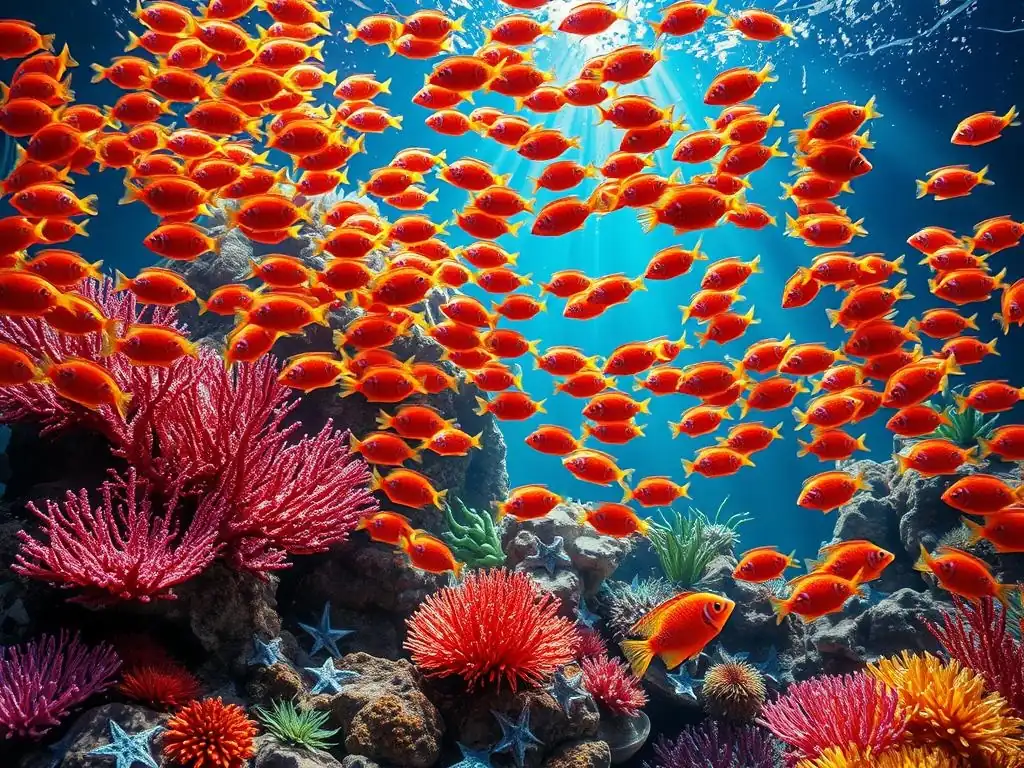
The mesmerizing sight of a synchronized school of fish gliding through a vibrant coral reef tank is arguably one of the most captivating displays in marine aquascaping. This dynamic movement brings a sense of natural flow and life to an aquatic environment, transforming a static display into a living, breathing ecosystem.
Unlike solitary species, schooling fish offer continuous visual interest, their collective motion creating a sense of scale and depth that individual fish cannot replicate. A well-established Cardinalfish schooling reef tank, for instance, can evoke the serene beauty of the ocean's depths, providing a focal point that draws the eye and calms the mind.
Beyond their aesthetic appeal, schooling fish contribute significantly to the perceived health and vitality of a reef aquarium. Their active presence indicates a thriving system, as these species often require stable water parameters and a consistent food supply to exhibit their natural behaviors. Observing the intricate social dynamics and coordinated movements of a school provides aquarists with a deeper connection to the marine world, making the effort of creating such an environment incredibly rewarding.
Cardinalfish and Anthias: Ideal Choices for Reef Environments
When considering schooling fish for a dedicated reef aquarium, Cardinalfish and Anthias consistently emerge as top contenders due to their combination of reef-safe characteristics, manageable size, and stunning coloration. Both families offer species that thrive in the typical conditions of a coral-dominated tank, showing little to no interest in nipping at corals or invertebrates. This makes them significantly more compatible than many other schooling species that might pose a risk to sensitive corals or anemones.
Their relatively compact sizes, generally ranging from 2 to 6 inches, allow for the keeping of multiple individuals even in moderately sized reef tanks, facilitating the formation of a true school or harem. This size also minimizes their bioload compared to larger fish, making it easier to maintain pristine water quality essential for both corals and fish. The diverse array of colors and patterns found within Cardinalfish and Anthias species ensures that aquarists can select inhabitants that perfectly complement their existing reefscape, adding splashes of vibrant hues without overwhelming the delicate balance of the ecosystem.
Why Choose Cardinalfish and Anthias for Your Reef Tank?
Opting for Cardinalfish and Anthias in your reef tank presents numerous advantages, making them an excellent choice for both novice and experienced aquarists aiming for a lively and harmonious display. Firstly, their generally peaceful temperament ensures they coexist well with a wide variety of other reef-safe fish and invertebrates. This reduces the likelihood of aggression-related stress within the community, promoting a healthier overall tank environment. A peaceful Cardinalfish schooling reef tank allows all inhabitants to flourish without undue competition or harassment.
Secondly, these species exhibit fascinating natural behaviors, from the mouthbrooding of Banggai Cardinalfish to the dynamic haremic social structures of Anthias. Observing these natural instincts enriches the aquarium experience, providing insights into marine biology. Furthermore, many species within these groups are relatively hardy once acclimated, making them more forgiving for aquarists who may be new to saltwater fish keeping. Their vibrant colors and constant motion provide an unparalleled visual spectacle, transforming your reef aquarium into a captivating underwater ballet.
Understanding Cardinalfish for Reef Aquariums
Cardinalfish Species Profiles for Reef Tanks
Cardinalfish are a diverse family of nocturnal, generally peaceful fish known for their large eyes and often striking patterns. Many species are excellent candidates for a Cardinalfish schooling reef tank due to their relatively small size and calm demeanor. They typically prefer dimmer lighting and often seek out caves or overhangs during the day, becoming more active as the light fades.
Their adaptability to captive environments and their compatibility with various corals make them a popular choice among reef aquarists. While some species are solitary or pair-forming, many thrive in small to medium-sized groups, exhibiting their natural schooling behaviors. Ensuring a stable environment with plenty of hiding spots is key to their long-term health and willingness to display their schooling tendencies.
Banggai Cardinalfish ( Pterapogon kauderni): Care and Considerations
The Banggai Cardinalfish, Pterapogon kauderni, is perhaps one of the most iconic and recognizable Cardinalfish, originating exclusively from the Banggai Archipelago in Indonesia. These distinctive fish feature a striking silver body adorned with black vertical stripes and prominent fins, often reaching a size of up to 3 inches (approximately 7.5 cm). They are renowned for their unique mouthbrooding behavior, where the male incubates the eggs and even the fry in his mouth, offering a fascinating glimpse into parental care in a reef tank.
In terms of care, Banggai Cardinalfish are relatively peaceful, though males can be territorial with each other, especially in smaller tanks. A minimum tank size of 30 gallons (approximately 113 liters) is recommended for a small group or a pair, providing adequate space for individual territories and swimming. They prefer moderate water flow and plenty of shaded areas created by live rockwork or coral structures, mimicking their natural habitat of seagrass beds and shallow reefs. Their diet should consist of small meaty foods such as mysis shrimp, enriched brine shrimp, and finely chopped seafood, offered 2-3 times daily.
Pajama Cardinalfish ( Sphaeramia nematoptera): A Peaceful Schooling Option
The Pajama Cardinalfish, Sphaeramia nematoptera, is another highly popular choice for a Cardinalfish schooling reef tank, known for its unique and appealing coloration. This species boasts a vibrant yellow face, a broad dark band across its midsection, and a spotted pattern on its posterior half, making it instantly recognizable. Growing to about 3 inches (approximately 7.5 cm), they are generally very peaceful and less prone to aggression than Banggai Cardinals, making them excellent community tank inhabitants.
Pajama Cardinalfish are ideal for beginners due to their hardiness and adaptability to various tank conditions. They thrive in groups of three or more, exhibiting a loose schooling behavior, especially when feeling secure. A minimum tank size of 20 gallons (approximately 75 liters) is suitable for a small group, with larger tanks allowing for more individuals and a more pronounced schooling effect.
They appreciate ample rockwork with caves and overhangs for hiding during the day. Their diet is similar to other Cardinalfish, requiring small, meaty foods like mysis shrimp, enriched brine shrimp, and various frozen preparations, fed 2-3 times per day.
Yellow Cardinalfish ( Apogon flavus): Adding a Splash of Yellow to Your Reef
For aquarists looking to infuse a bright, sunny hue into their reef aquarium, the Yellow Cardinalfish, Apogon flavus, is an excellent option. As its name suggests, this species is characterized by its brilliant, uniform yellow coloration, which stands out beautifully against the blues and greens of a reef tank. These small fish typically reach a size of about 2.5 inches (approximately 6.3 cm), making them suitable for even smaller nano reef setups.
Yellow Cardinalfish are peaceful and generally shy, preferring to hide among the rockwork and corals during the day, often becoming more active at dusk or under dimmer lighting conditions. They can be kept individually or in small groups, where they exhibit a more cohesive schooling behavior than some other Cardinalfish species.
A tank size of 20 gallons (approximately 75 liters) or larger is recommended for a single specimen or a small group. Providing ample hiding spots and a varied diet of small, meaty frozen foods, such as enriched brine shrimp and copepods, offered 2-3 times daily, will ensure their health and vibrant coloration.
Cardinalfish Schooling Behavior in Reef Tanks
The schooling behavior of Cardinalfish in a reef tank is a fascinating aspect of their natural biology, driven by both safety in numbers and social cohesion. While some species, like the Banggai Cardinalfish, may form looser aggregations or pairs, others, such as the Pajama or Yellow Cardinalfish, exhibit more pronounced schooling, especially when initially introduced or when perceiving a threat. This collective movement can be a stunning display, with the group moving as one fluid unit.
Factors influencing the tightness and frequency of schooling include tank size, the presence of compatible tank mates (or perceived predators), and feeding times. In larger tanks with ample open swimming space and a sense of security, Cardinalfish are more likely to display their natural schooling tendencies. Providing a stable environment with consistent water parameters and regular, small feedings can encourage them to feel safe enough to school more frequently, making your Cardinalfish schooling reef tank truly dynamic.
Creating the Ideal Habitat for Cardinalfish Schools
Establishing the perfect habitat is paramount for the long-term health and successful schooling of Cardinalfish. This involves meticulous attention to water parameters, tank dimensions, aquascaping, and the selection of appropriate tank mates. A well-designed environment not only supports their physiological needs but also encourages their natural behaviors, allowing them to thrive and display their full beauty.
The goal is to replicate their natural reef environment as closely as possible, providing both open swimming areas and secure retreats. This balance is crucial for reducing stress and promoting the confident schooling behavior that makes these fish so appealing. Careful planning in these areas will lead to a more resilient and visually stunning Cardinalfish schooling reef tank.
Water Parameters for Cardinalfish Success
Maintaining stable and appropriate water parameters is critical for the health of Cardinalfish and the overall success of a reef tank. These fish, like most marine inhabitants, are sensitive to fluctuations. The ideal temperature range for Cardinalfish is typically between 74-78°F (23-26°C). Salinity should be kept stable at 1.023-1.026 specific gravity, reflecting natural ocean conditions. The pH level should consistently be between 8.1-8.4, while alkalinity should be maintained at 8-12 dKH. Calcium levels should range from 400-450 ppm, and magnesium at 1250-1350 ppm.
Monitoring these parameters weekly with reliable test kits is essential, and any necessary adjustments should be made gradually to avoid shocking the fish. High water quality, characterized by low nitrates (ideally below 10 ppm) and undetectable ammonia and nitrites, is also crucial. Regular partial water changes, typically 10-20% bi-weekly, help to replenish trace elements and remove accumulated toxins, contributing significantly to the vitality of a Cardinalfish schooling reef tank.
Tank Size and Aquascaping for Cardinalfish Schooling
The appropriate tank size is vital for allowing Cardinalfish to school effectively and reduce stress. While a single Pajama Cardinalfish might survive in a 10-gallon tank, a true schooling display for a group of 5-7 individuals often requires a minimum of 30-50 gallons (113-189 liters), depending on the specific species and other tank inhabitants. Larger tanks, such as 75 gallons (284 liters) or more, are even better, providing ample swimming space and allowing for a more prominent and natural schooling formation.
Aquascaping plays an equally important role. Cardinalfish appreciate environments with numerous caves, overhangs, and shaded areas created by live rock structures. These provide essential hiding spots and a sense of security, which encourages them to venture out and school in the open areas of the tank. Designing the rockwork with multiple swim-throughs and varied depths can also enhance their natural exploration and interaction within the school. Balancing open water space with intricate rock formations is key to a thriving Cardinalfish schooling reef tank.
Compatible Tank Mates for Cardinalfish in Reef Aquariums
Selecting appropriate tank mates is crucial for maintaining a peaceful and thriving Cardinalfish schooling reef tank. Cardinalfish are generally very peaceful and can become stressed or cease schooling if housed with overly aggressive or boisterous species. Ideal tank mates include other docile, reef-safe fish such as small gobies ( Gobiodon species, Stonogobiops species), blennies ( Salarias species, Meiacanthus species), certain wrasses ( Halichoeres species, Macropharyngodon species), and clownfish ( Amphiprion species).
Avoid housing Cardinalfish with large, predatory fish like lionfish or groupers, or highly aggressive species such as triggers or large angelfish, as these will view Cardinalfish as food or competition. Similarly, very fast-moving or hyperactive fish might intimidate the more sedate Cardinalfish. Peaceful invertebrates like snails, hermit crabs, and various shrimp species (e.g., cleaner shrimp, peppermint shrimp) are also excellent additions, contributing to the tank's ecosystem without posing a threat to the Cardinalfish.
Exploring Anthias for Dynamic Reef Aquariums
Anthias Species Profiles for Reef Tanks
Anthias are a diverse and captivating group of fish belonging to the Serranidae family (sea basses and groupers), known for their vibrant colors, active swimming, and complex social structures. They are a staple in many dynamic reef aquariums, bringing continuous movement and a splash of tropical brilliance. Unlike Cardinalfish, Anthias are often diurnal and require frequent feedings due to their high metabolism.
Many Anthias species exhibit sexual dimorphism, with males often displaying more intense coloration and elongated fins than females. They typically live in harems, with one dominant male overseeing a group of females. All Anthias are protogynous hermaphrodites, meaning they are born female and can change sex to male if the dominant male is removed. Understanding these social dynamics is key to successfully keeping Anthias in a reef environment.
Lyretail Anthias ( Pseudanthias squamipinnis): A Vibrant Reef Addition
The Lyretail Anthias, Pseudanthias squamipinnis, is one of the most popular and readily available Anthias species, celebrated for its striking colors and active nature. Males typically exhibit a brilliant orange to magenta body with an elongated lyre-shaped tail, while females are a vibrant orange-yellow. They can grow up to 5 inches (approximately 12.7 cm), making them a noticeable presence in a reef tank. Originating from the Indo-Pacific, they are found in large schools over outer reef slopes.
These Anthias are relatively hardy for their genus, making them a good choice for aquarists new to keeping Anthias. They require a minimum tank size of 75 gallons (approximately 284 liters) for a small harem (one male and 3-5 females) to provide ample swimming space and diffuse potential aggression. Lyretails are constant grazers in the wild, so frequent small feedings (3-5 times daily) of high-quality, meaty foods like mysis shrimp, enriched brine shrimp, and copepods are essential to prevent starvation. They thrive in strong water flow and bright lighting conditions typical of a healthy reef.
Sunset Anthias ( Pseudanthias parvirostris): A Hardy and Colorful Choice
The Sunset Anthias, Pseudanthias parvirostris, is a beautiful and somewhat hardier Anthias species, making it an excellent option for those looking to add Anthias to their reef tank without the extreme demands of some other species. This fish displays a stunning gradient of colors, typically transitioning from a bright orange-pink head to a yellow or lavender body, often with a distinctive red spot on the dorsal fin. They are smaller than Lyretails, reaching about 3.5 inches (approximately 8.9 cm) in length.
Sunset Anthias are known for their relatively peaceful nature, though a single male should still be kept with multiple females to establish a stable harem. A minimum tank size of 50 gallons (approximately 189 liters) is recommended for a small group. Like all Anthias, they have a high metabolism and require frequent feedings throughout the day. Their diet should be varied, including enriched mysis shrimp, cyclop-eeze, and high-quality marine pellets. They appreciate moderate to strong water flow and plenty of open swimming space, making them a dynamic addition to any reef aquarium.
Bartlett's Anthias ( Pseudanthias bartlettorum): A Deeper Dive into Anthias Keeping
Bartlett's Anthias, Pseudanthias bartlettorum, offers a unique and captivating color pattern, featuring a lavender anterior body transitioning to a vibrant yellow posterior, often with a bright red spot on the dorsal fin. Growing to approximately 3.5 inches (approximately 8.9 cm), these are active and beautiful fish found in deeper reef environments of the Pacific. While visually stunning, they are considered slightly more challenging to keep than Lyretail or Sunset Anthias, primarily due to their need for very pristine water quality and even more frequent feeding.
A minimum tank size of 75 gallons (approximately 284 liters) is advisable for a small group (e.g., one male and 4-6 females) to ensure adequate space and reduce stress, which can lead to aggression. Bartlett's Anthias are voracious eaters and require at least 4-5 small feedings per day of a varied diet, including small, vitamin-enriched meaty foods such as mysis shrimp, copepods, and high-quality frozen preparations. They thrive in strong water flow and well-oxygenated water, mimicking their natural deep reef habitat. Their beauty and constant activity make them a highly rewarding species for dedicated aquarists.
Anthias exhibit complex social structures, predominantly forming harems where a single dominant male presides over a group of females. This social hierarchy is maintained through subtle behaviors and, occasionally, more overt displays of dominance. All Anthias are protogynous hermaphrodites, meaning they begin life as females and have the ability to change sex to male if the dominant male is removed or dies. This inherent flexibility ensures the continuity of the harem structure.
For successful Anthias keeping, it is crucial to introduce a single male with multiple females (typically 3-7 females per male, depending on species and tank size). Introducing multiple males or an insufficient number of females can lead to severe aggression, stress, and even fatalities. Providing ample space, numerous hiding spots, and consistent, frequent feedings helps to diffuse aggression and promote a stable, thriving harem, allowing their natural schooling and social dynamics to flourish in your reef tank.
Meeting the Specific Needs of Anthias in Reef Aquariums
Successfully keeping Anthias in a reef aquarium requires a dedicated approach to their specific needs, particularly concerning their diet and water quality. Their high metabolism and active lifestyles mean they have different requirements compared to many other reef fish. Neglecting these needs can quickly lead to health issues, faded coloration, and a decline in their vibrant activity.
Understanding and catering to their dietary demands and ensuring a stable, pristine environment are the cornerstones of maintaining healthy and thriving Anthias. This proactive care ensures they remain active, colorful, and continue to be a dynamic focal point in your reef ecosystem.
Anthias Feeding Requirements: A Frequent and Varied Diet
The most critical aspect of Anthias care is their feeding regimen. Unlike many other reef fish that can thrive on one or two feedings per day, Anthias have a very high metabolism and are constant grazers in their natural habitat. Therefore, they require frequent, small feedings throughout the day to sustain their energy levels and prevent starvation. It is recommended to feed Anthias at least 3-5 times daily, or even more if possible, especially during the initial acclimation period.
Their diet should be varied and consist primarily of small, meaty foods. Excellent choices include vitamin-enriched mysis shrimp, enriched brine shrimp, cyclop-eeze, copepods, and finely chopped frozen marine preparations. High-quality marine pellets designed for small carnivorous fish can also be offered as a supplement. Ensuring the food is small enough for their mouths and easily digestible will prevent issues. Consistent and adequate nutrition is paramount for their vibrant coloration, active behavior, and overall longevity in your reef tank.
Maintaining Optimal Water Quality for Anthias Health
Maintaining optimal water quality is paramount for the health and longevity of Anthias in a reef aquarium. These fish are highly sensitive to fluctuating or poor water conditions, particularly elevated nitrates and phosphates. Pristine water quality, mirroring natural reef environments, is essential. This means keeping ammonia and nitrites at zero, nitrates below 5-10 ppm, and phosphates as close to zero as possible.
Robust filtration is crucial, including a high-quality protein skimmer, live rock, and potentially a refugium or other biological filtration methods. Regular partial water changes, typically 10-20% bi-weekly, help to dilute pollutants and replenish essential trace elements. Consistent monitoring of temperature (74-78°F), salinity (1.023-1.026), pH (8.1-8.4), and alkalinity (8-12 dKH) is also vital, as stability is often more important than hitting exact numbers. Strong water circulation, provided by powerheads, helps to oxygenate the water and simulate their natural habitat.
Managing Aggression and Competition Among Anthias
Aggression and competition can be significant challenges when keeping Anthias, particularly within a harem structure or if conditions are not optimal. The primary driver of aggression is often the establishment and maintenance of the social hierarchy, particularly among males or between males and subdominant females. To mitigate this, it is crucial to introduce a single male with multiple females simultaneously, or introduce females first and add the male later. Avoid introducing multiple males into the same tank unless it is exceptionally large (e.g., 200+ gallons) and designed to break lines of sight.
Providing ample hiding spots within the rockwork allows subordinate individuals to retreat from aggressive encounters. Consistent and frequent feeding is also vital, as food scarcity can exacerbate competition. If aggression becomes severe, re-aquascaping the tank to disrupt territories or adding more females to diffuse aggression can be effective strategies. In extreme cases, removing the aggressor may be necessary to ensure the survival of other individuals within the Anthias school.
Setting Up Your Reef Tank for Cardinalfish and Anthias
Planning Your Reef Tank Layout for Schooling Fish
Careful planning of your reef tank layout is essential to create an environment that caters to the specific needs of schooling fish like Cardinalfish and Anthias. The layout should strike a balance between providing ample open swimming space for the school to move freely and offering numerous hiding spots and sheltered areas within the rockwork. For Cardinalfish, who are often more nocturnal and shy, intricate rock structures with caves, overhangs, and crevices are paramount. These provide security and resting places during the day.
For Anthias, while they also appreciate hiding spots, their active, pelagic nature means they require more unobstructed water columns for their continuous swimming. Designing the aquascape with a "front and center" open area, surrounded by diverse rock formations, can accommodate both groups. Consider the flow patterns as well; while Anthias prefer strong flow, Cardinalfish might appreciate areas with more moderate movement. A thoughtful layout not only enhances the visual appeal but also promotes natural behavior and reduces stress for all inhabitants in your Cardinalfish schooling reef tank.
Essential Equipment for a Thriving Reef Ecosystem
To support a healthy and dynamic reef ecosystem featuring Cardinalfish and Anthias, specific equipment is indispensable. Beyond the tank itself, a robust filtration system, appropriate lighting, and stable temperature control are fundamental. These components work in concert to maintain the pristine water quality and environmental conditions that both corals and fish require to thrive.
Investing in quality equipment from the outset will save time and prevent potential issues down the line, ensuring a stable and resilient habitat for your schooling fish. Each piece plays a critical role in mimicking the complex natural reef environment.
Choosing the Right Lighting for Cardinalfish and Anthias
Selecting the appropriate lighting for a Cardinalfish schooling reef tank involves balancing the needs of the fish with those of any corals you plan to keep. Cardinalfish generally prefer dimmer lighting conditions, often seeking out shaded areas during the brightest parts of the day. Overly intense lighting can stress them and cause them to hide excessively. Anthias, on the other hand, are typically found in brighter, shallower reef environments and are more tolerant of intense light, especially if they have access to shaded retreats.
For a mixed reef, moderate intensity LED or T5 fluorescent lighting systems are often ideal. These allow for fine-tuning of intensity and spectrum to meet coral requirements while providing dimmer zones for Cardinalfish. Consider a lighting schedule that includes a dawn/dusk cycle, gradually increasing and decreasing intensity, which can encourage more natural behavior from both fish groups. Aim for a photoperiod of 8-12 hours for the main lights, with moonlight phases for nocturnal viewing.
Filtration and Water Circulation for a Healthy Reef Environment
Effective filtration and robust water circulation are cornerstones of a healthy reef environment, particularly when housing active fish like Anthias and the more sensitive Cardinalfish. A high-quality protein skimmer is essential for removing organic waste before it breaks down into nitrates and phosphates, which are detrimental to corals and fish health. Live rock and a deep sand bed provide excellent biological filtration, converting ammonia and nitrites into less harmful nitrates. Many aquarists also utilize a sump with filter socks, refugiums, and media reactors (e.g., for GFO or carbon) to further enhance water purity.
Water circulation is equally vital. Anthias thrive in strong, turbulent flow that mimics their natural habitat on exposed reef slopes, helping to deliver food and oxygen. Cardinalfish, while preferring more moderate flow, also benefit from good circulation to prevent dead spots and maintain water quality.
Multiple powerheads or wavemakers strategically placed throughout the tank can create varied flow patterns, ensuring all areas of the tank are well-oxygenated and that detritus is kept in suspension for removal by the filtration system. Aim for a total tank turnover rate of 10-20 times per hour or more, adjusted for specific fish and coral needs.
Acclimation and Introduction of Cardinalfish and Anthias
The process of acclimation and introduction is a critical step that significantly impacts the long-term health and survival of Cardinalfish and Anthias. These fish are highly susceptible to stress from sudden changes in water parameters, and improper acclimation can lead to shock, disease, and even death. A slow and careful approach minimizes stress and allows the fish to gradually adjust to their new environment.
It is highly recommended to use a quarantine tank (QT) for all new fish introductions. A QT of at least 10-20 gallons, equipped with basic filtration and heating, allows for observation, deworming, and disease treatment without risking the main display tank. This proactive measure protects your existing inhabitants from potential pathogens and gives new fish a stress-free environment to recover from shipping and adjust to captive life before entering the dynamic reef environment.
The drip acclimation method is generally preferred for marine fish. This involves slowly dripping water from the display tank into the container holding the new fish over a period of 45-60 minutes, gradually equalizing temperature, pH, and salinity. Once acclimated, dim the lights in the main tank and introduce the fish, allowing them to find hiding spots without immediate harassment. Introducing a small group of schooling fish simultaneously can help them feel more secure and begin to display their natural behaviors more quickly.
Maintaining a Healthy School of Cardinalfish and Anthias
Regular Water Testing and Maintenance
Consistent and thorough water testing is the backbone of maintaining a healthy Cardinalfish schooling reef tank. Regular monitoring allows aquarists to identify and address issues before they escalate into serious problems. Key parameters to test weekly include temperature, salinity, pH, alkalinity, calcium, magnesium, and nitrates. Aim for stable readings within the recommended ranges: Temperature 74-78°F, Salinity 1.023-1.026, pH 8.1-8.4, Alkalinity 8-12 dKH, Calcium 400-450 ppm, and Magnesium 1250-1350 ppm.
Beyond testing, routine maintenance is crucial. This includes bi-weekly or weekly partial water changes of 10-20% using high-quality saltwater mixed from RODI water. Regular cleaning of the protein skimmer collection cup, filter socks, and powerheads prevents the buildup of organic waste. Siphoning detritus from the sand bed and wiping down algae from the glass also contribute to overall water quality and a clean aesthetic. These practices collectively ensure a stable and pristine environment, vital for the long-term health and vibrant coloration of your Cardinalfish and Anthias.
Feeding Strategies for Optimal Growth and Coloration
Optimal growth and vibrant coloration in Cardinalfish and Anthias are directly linked to their feeding strategies. As previously noted, Anthias require frequent, small feedings (3-5 times daily) due to their high metabolism, while Cardinalfish generally do well with 2-3 daily feedings. The key is consistency and variety. Offer a diverse diet comprising high-quality frozen foods such as mysis shrimp, enriched brine shrimp, copepods, and finely chopped seafood. Supplement with high-quality marine pellets or flakes specifically formulated for carnivorous or omnivorous marine fish.
Consider target feeding for shyer Cardinalfish or newly introduced Anthias to ensure they receive enough food, especially if they are competing with more aggressive tank mates. Soaking frozen foods in vitamin supplements (e.g., Selcon) before feeding can significantly enhance the nutritional value, boosting the fish's immune system and intensifying their natural colors. Observing their feeding behavior will help you adjust quantities and frequency to prevent overfeeding, which can lead to water quality issues, while ensuring all fish are well-nourished.
Identifying and Treating Common Diseases in Cardinalfish and Anthias
Despite best efforts, fish in a reef tank can occasionally fall ill. Early identification and prompt treatment are crucial for the recovery of Cardinalfish and Anthias. Many common marine fish diseases are caused by parasites or bacteria, often triggered by stress from poor water quality, improper acclimation, or aggressive tank mates. Recognizing the subtle signs of stress or illness is the first step towards effective intervention.
Maintaining a well-stocked fish medicine cabinet with essential treatments and having a dedicated quarantine tank are invaluable tools. This allows for isolation and treatment of affected fish without medicating the entire display tank, which can harm corals and invertebrates. Proactive measures, such as proper quarantine of all new arrivals, are the best defense against introducing pathogens into your established Cardinalfish schooling reef tank.
Recognizing Signs of Stress in Schooling Fish
Recognizing signs of stress in schooling fish like Cardinalfish and Anthias is paramount for early intervention. Stressed fish are more susceptible to disease and may stop exhibiting their natural schooling behaviors. Common indicators include:
- Clamped fins: Fins held tight against the body, not spread naturally.
- Rapid or labored breathing: Gills moving quickly, indicating respiratory distress.
- Fading or dull coloration: Loss of vibrant hues, appearing pale or washed out.
- Hiding excessively: Retreating into rockwork more than usual, avoiding open water.
- Loss of appetite or refusal to eat: A significant red flag for any fish.
- Erratic swimming patterns: Jerky movements, darting, or rubbing against objects.
- Isolation from the school: A schooling fish separating itself from the group.
- White spots or fuzzy patches: Visible signs of external parasites or fungal infections.
Observing these signs should prompt immediate investigation into water parameters, tank mate compatibility, and overall tank conditions. Addressing the root cause of stress is often the most effective first step in prevention and recovery.
Addressing Parasites and Bacterial Infections
Parasites and bacterial infections are common ailments in marine aquariums.
- Marine Ich (Cryptocaryon irritans): Appears as small, white spots resembling salt grains on the body and fins. Fish may scratch against surfaces. Treatment often involves transferring affected fish to a quarantine tank for copper-based medications or hyposalinity (lowering salinity to 1.008-1.009). The main display tank must remain fallow (fish-free) for 6-8 weeks to break the parasite's life cycle.
- Marine Velvet (Amyloodinium ocellatum): More aggressive than Ich, appearing as a fine, dusty, yellowish-brown coating. Fish often breathe rapidly and show signs of irritation. This progresses quickly and requires immediate treatment in a quarantine tank, typically with copper or formalin-based medications.
- Bacterial Infections: Can manifest as fin rot, cloudy eyes, ulcers, or red sores. These are often secondary infections following stress or parasitic infestations. Treatment typically involves broad-spectrum antibiotics in a quarantine tank, as many antibiotics can harm beneficial bacteria in the main display.
Always use caution with medications in a reef tank, as many are toxic to corals and invertebrates. The best approach remains prevention through diligent quarantine practices, stable water parameters, and excellent husbandry.
Troubleshooting Common Issues with Cardinalfish and Anthias
Dealing with Aggression within the School
Aggression within a school of Cardinalfish or Anthias can stem from various factors, including insufficient space, an imbalanced male-to-female ratio, or competition for resources. For Anthias, aggression often manifests as the dominant male harassing subdominant males or females, sometimes leading to injuries or death. In Cardinalfish, particularly Banggai Cardinals, aggression between males can occur if the tank is too small or lacks adequate hiding spots.
To address aggression:
- Increase Tank Size: If possible, move the school to a larger aquarium to provide more territory.
- Add More Individuals: For Anthias, increasing the number of females (e.g., to 6-8 per male) can diffuse aggression by spreading it among more individuals.
- Rearrange Rockwork: Altering the aquascape can break established territories and provide new hiding spots.
- Ensure Adequate Feeding: Frequent, small feedings reduce competition for food, a common trigger for aggression.
- Remove Aggressor: As a last resort, if one fish is consistently bullying others, it may need to be removed from the tank.
Addressing Poor Feeding Habits
Poor feeding habits in Cardinalfish and Anthias can be a serious concern, as both groups have relatively high metabolisms. If fish are refusing food or not eating sufficiently, it can quickly lead to emaciation and weakened immune systems. Common causes include stress, disease, poor water quality, or inappropriate food types.
To encourage feeding:
- Check Water Parameters: Ensure all parameters are stable and within optimal ranges. Stress from poor water quality is a common reason for appetite loss.
- Offer Varied Foods: Experiment with different types of frozen foods (mysis shrimp, brine shrimp, copepods, krill) and high-quality pellets. Soaking food in garlic supplements can sometimes entice picky eaters.
- Frequent Small Feedings: Especially for Anthias, offering very small amounts of food multiple times a day can stimulate appetite.
- Observe Feeding Behavior: Watch closely to see if other tank mates are outcompeting them for food. Target feeding with a pipette can ensure shyer fish get their share.
- Consider Disease: If appetite loss is sudden and accompanied by other symptoms (e.g., clamped fins, hiding), it may indicate an underlying illness requiring treatment.
Preventing and Managing Algae Blooms
Algae blooms are a common nuisance in reef tanks and, while not directly harmful to fish, indicate underlying water quality issues that can stress Cardinalfish and Anthias. Excessive nutrients (nitrates and phosphates) are the primary cause of algae outbreaks.
To prevent and manage algae blooms:
- Nutrient Control:
- Efficient Protein Skimming: Ensure your skimmer is properly sized and operating efficiently to remove organic waste.
- Regular Water Changes: Perform consistent 10-20% weekly or bi-weekly water changes to dilute accumulated nutrients.
- RODI Water: Always use purified RODI (Reverse Osmosis Deionized) water for mixing saltwater and for top-offs to avoid introducing phosphates and silicates.
- Reduce Overfeeding: Feed only what your fish can consume within a few minutes to prevent excess food from decaying and adding to nutrient load.
- Use Phosphate Removers: GFO (Granular Ferric Oxide) or other phosphate-absorbing media can be used in a media reactor.
- Refugium: A refugium with macroalgae (e.g., Chaetomorpha) can effectively export nitrates and phosphates as the macroalgae grows.
- Lighting Control: Ensure your lights are not on for too long (typically 8-12 hours for main lights) and that intensity is appropriate for your tank.
- Robust Clean-up Crew: Introduce various snails (Nassarius, Trochus, Turbo), hermit crabs, and possibly an emerald crab to graze on algae.
Advanced Tips for Keeping Cardinalfish and Anthias
Enhancing Coloration through Diet and Lighting
To truly maximize the vibrant coloration of your Cardinalfish and Anthias, advanced aquarists focus on specific dietary components and lighting strategies. Many of the brilliant reds, oranges, and yellows seen in these fish are derived from carotenoid pigments in their diet. Feeding foods rich in natural astaxanthin, such as krill, spirulina-enriched brine shrimp, and high-quality marine pellets containing these pigments, can significantly intensify their hues. Offering a diverse array of fresh and frozen meaty foods also ensures a full spectrum of necessary nutrients, contributing to overall health and color.
Beyond diet, the right lighting can also play a role. While Cardinalfish prefer dimmer conditions, Anthias thrive under brighter, full-spectrum reef lighting. Utilizing LED lights with adjustable spectrums allows for emphasizing certain wavelengths (e.g., blues) that can make fluorescent colors pop. However, it's crucial to balance this with the needs of any corals and to avoid stressing the fish with overly harsh or sudden light changes. A consistent, high-quality diet combined with appropriate lighting will ensure your schooling fish display their most stunning natural colors.
Encouraging Natural Behavior in Your Schooling Fish
Encouraging natural behavior in your schooling Cardinalfish and Anthias goes beyond just keeping them alive; it means creating an environment where they can truly thrive and exhibit their innate instincts. This involves careful attention to tank design, water flow, and group dynamics. For Cardinalfish, providing ample secure hiding spots and a relatively calm environment will encourage them to emerge more frequently and display their loose schooling. For Anthias, strong, undulating water flow mimicking natural reef currents will encourage their constant, active swimming and typical schooling patterns.
Maintaining stable and appropriate group sizes is critical. For Anthias, a well-balanced harem (one male, multiple females) is essential to prevent aggression and promote their natural social interactions. For Cardinalfish, keeping them in groups of 5-7 or more, depending on species and tank size, reinforces their schooling instinct. Observing their natural behaviors – such as the mouthbrooding of Banggai Cardinalfish or the sex-changing dynamics of Anthias – adds immense satisfaction and depth to the reef keeping hobby, turning your aquarium into a truly dynamic and educational living display.
Conclusion: Creating a Stunning Reef Aquarium with Schooling Fish
The Rewards of Keeping Cardinalfish and Anthias
The journey of creating and maintaining a vibrant Cardinalfish schooling reef tank with Anthias is incredibly rewarding, culminating in a dynamic and visually stunning underwater tableau. These two groups of fish, with their diverse colors, fascinating behaviors, and general reef-safe nature, bring unparalleled life and movement to a coral ecosystem. From the subtle, synchronized drifts of Cardinalfish to the energetic, constant motion of Anthias harems, the continuous activity provides endless fascination for any aquarist.
Beyond the aesthetic appeal, successfully nurturing these species fosters a deeper understanding of marine ecology and the intricate balance required to maintain a thriving reef environment. The dedication to stable water parameters, precise feeding regimens, and thoughtful aquascaping is repaid with healthy, colorful fish that exhibit their natural schooling instincts. The sheer beauty and dynamic presence of a well-established school of Cardinalfish and Anthias transform a reef tank into a living work of art, a testament to the aquarist's skill and passion.
Further Resources for Reef Aquarium Enthusiasts
For those passionate about expanding their knowledge and refining their reef-keeping skills, a wealth of information is available through various educational platforms. Continuous learning is a hallmark of successful aquarists, as the marine hobby is constantly evolving with new research and best practices. Consulting reputable online forums and communities dedicated to saltwater aquariums can provide access to shared experiences and expert advice from seasoned hobbyists.
Engaging with detailed care guides and scientific articles on marine fish and coral husbandry offers deeper insights into specific species requirements and advanced techniques. Participating in local aquarium club meetings or events can also provide valuable networking opportunities and hands-on learning from fellow enthusiasts. Embracing a mindset of continuous education will ensure your reef aquarium, especially one featuring a thriving Cardinalfish schooling reef tank display, continues to flourish and bring joy for years to come.
Frequently Asked Questions
What are the benefits of keeping schooling Cardinalfish in a reef tank?
Keeping schooling Cardinalfish in a reef tank can provide a natural and visually appealing display. They are generally peaceful and can help create a more dynamic and active environment within the tank. Their presence can also encourage other shy fish to come out of hiding.
How many Cardinalfish should I keep in a school for a reef tank environment?
The ideal number depends on the tank size, but generally, a group of at least 6 Cardinalfish is recommended to observe natural schooling behavior. Larger tanks can accommodate larger schools, but ensure you have adequate space and filtration capacity.
Are Cardinalfish and Anthias compatible in the same reef tank?
Yes, Cardinalfish and Anthias can often be kept together, but careful consideration of species and tank size is crucial. Anthias require larger tanks and more frequent feeding than Cardinalfish, so ensure your system can support both species' needs.
What are some common water chemistry parameters to monitor when keeping Cardinalfish in a reef tank?
Stable water parameters are critical. Key parameters to monitor include salinity, pH, ammonia, nitrite, and nitrate levels. Maintaining these within the recommended ranges for reef tanks is essential for their health.
What type of food should I feed my Cardinalfish in a reef tank?
Cardinalfish are carnivorous and require a varied diet of small meaty foods. Offer a mix of high-quality flake food, frozen mysis shrimp, and brine shrimp to ensure they receive all the necessary nutrients.
Final Reflection: Embracing the Symphony of the Reef
The vibrant dance of schooling fish, particularly Cardinalfish and Anthias, transforms a reef tank from a static display into a living, breathing ecosystem. Their collective movement, a mesmerizing ballet of color and form, underscores the delicate balance and inherent beauty we strive to replicate in our home aquariums. Understanding their needs and behaviors, as we've explored, is not merely about aesthetics; it's about fostering a thriving, sustainable environment.
This journey into the world of schooling fish has profoundly impacted my own perspective on reef keeping. It's shifted from a focus on individual specimens to a deeper appreciation for the interconnectedness of life within the tank. The success of a Cardinalfish schooling reef tank hinges on creating a harmonious community, a microcosm of the ocean itself. In nature, nothing exists alone.
- Rachel Carson. This quote resonates deeply, reminding us that our actions, however small, have ripple effects throughout the entire ecosystem we create.
As you consider adding Cardinalfish or Anthias to your reef tank, I urge you to reflect on the principles we've discussed. Don't just aim for a visually stunning display; strive to build a thriving, balanced ecosystem where these magnificent creatures can truly flourish. Embrace the challenge, commit to providing the optimal environment, and witness the unparalleled beauty and dynamism that a well-maintained schooling reef tank can bring to your life.
Ignite Your Reef: Embrace the Schooling Spectacle!
Thank you for diving into the world of schooling fish and uncovering the secrets to vibrant reef tanks. Now, it's time to transform your aquarium from a display into a dynamic, living masterpiece. Ready to make a splash?
Here are some actionable steps you can take right now:
- Prioritize Compatibility: Before adding any schooling fish, meticulously research the specific needs of Cardinalfish and Anthias, ensuring a harmonious environment.
- Document your aquascape design and compare it to Cardinalfish and Anthias natural environment for inspiration.
- Share this guide with fellow reef enthusiasts to spread the word about creating stunning schooling displays!
What fascinating behaviors have you observed in your own schooling fish, and how have you adapted your reef to enhance their well-being?