
Lionfish Water Parameters: Maintaining a Pristine Environment for Your Predator

Welcome to Aquarium Mastery!
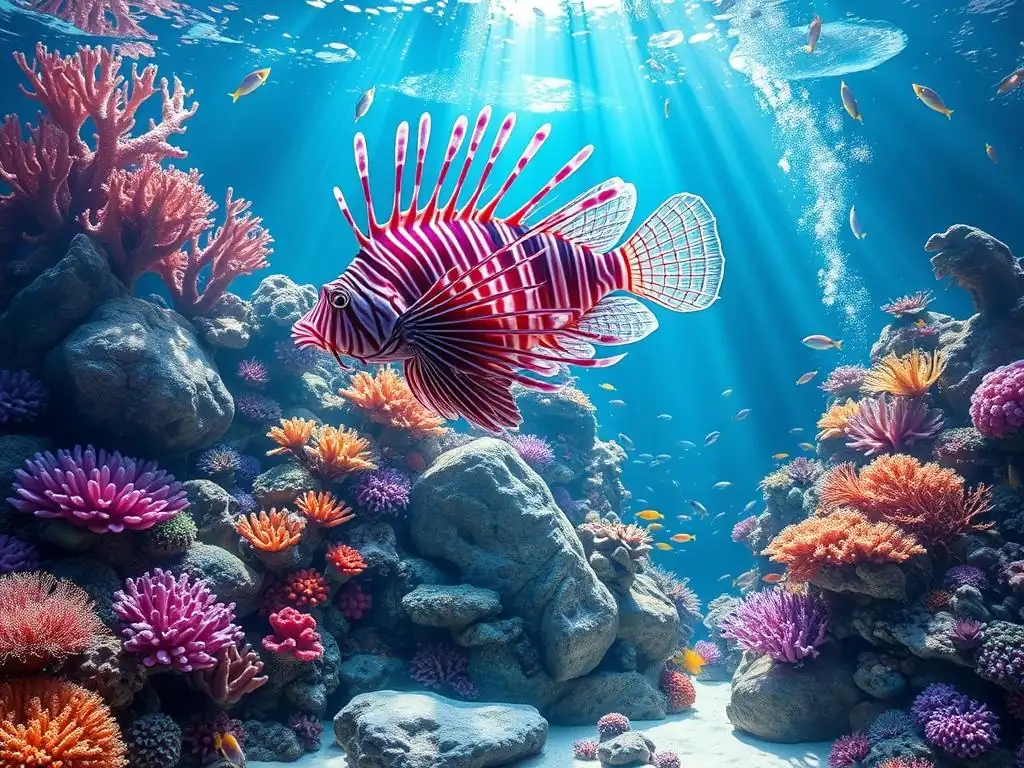
Ever wondered if your Lionfish is truly thriving? Dive into our comprehensive Lionfish Water Parameter Guide to unlock the secrets of creating the perfect environment for these captivating predators. Discover the precise conditions they need to flourish, avoid common pitfalls, and witness your Lionfish reach its full, majestic potential. Ready to master the art of Lionfish care? Let's begin!
- Introduction to Saltwater Aquarium Care and Water Quality
- Saltwater Aquarium Water Parameter Guide: Key Elements for a Healthy Habitat
- Essential Water Testing for Saltwater Aquariums
- Water Changes: A Cornerstone of Aquarium Maintenance
- Filtration Strategies for a Pristine Environment
- Addressing Common Water Quality Issues
- Choosing the Right Salt Mix
- Advanced Techniques for Maintaining Water Quality
- Troubleshooting Fish Health Issues Related to Water Parameters
- Conclusion: Mastering Water Parameters for Long-Term Health
-
Frequently Asked Questions
- What are the ideal water parameters for keeping Lionfish?
- How often should I perform water changes in a Lionfish aquarium?
- What type of filtration system is best for a Lionfish tank?
- What happens if the water parameters in my Lionfish tank are not optimal?
- What specific tests should I regularly perform to monitor Lionfish water parameters?
- Final Reflection: Nurturing the Depths
- Ignite Your Lionfish Sanctuary!
Introduction to Saltwater Aquarium Care and Water Quality
The Importance of Optimal Water Parameters for Fish Health
Maintaining optimal water parameters is the bedrock of a successful saltwater aquarium. Stable and appropriate water chemistry directly influences the health, behavior, and longevity of all marine inhabitants. When parameters like salinity, temperature, and pH deviate from their ideal ranges, fish experience stress, which compromises their immune systems, making them highly susceptible to diseases, parasitic infestations, and bacterial infections. For instance, a sudden drop in pH can lead to acidosis, causing respiratory distress and tissue damage.
Furthermore, a pristine water environment minimizes the physiological stress on fish, allowing them to thrive rather than merely survive. Consistent water quality ensures that essential biological processes, such as osmoregulation (the regulation of water and salt balance in the body), metabolism, and respiration, function efficiently. In a well-maintained tank, fish display vibrant colors, exhibit natural behaviors, and are more resilient against environmental fluctuations, which is particularly crucial for sensitive species.
Understanding the Needs of Fish in Captivity
Fish in captivity rely entirely on their aquarist to replicate and maintain the complex chemical and physical conditions of their natural habitats. Unlike the vast oceans, a closed aquarium system quickly accumulates waste products and experiences mineral depletion, necessitating constant monitoring and intervention. Without proper care, the water can rapidly become toxic, leading to severe health issues and even mortality. This highlights the critical role of a comprehensive Lionfish water parameter guide.
Lionfish, as predatory and somewhat sensitive marine fish, have specific requirements that must be met to ensure their well-being. Their health is directly tied to the stability of their environment; even minor fluctuations can induce stress, leading to a refusal to feed or a weakened immune response. Understanding their natural habitat, which typically involves stable oceanic conditions, underscores the need for meticulous attention to water quality in their captive environment to support their unique physiological demands and predatory lifestyle.
Saltwater Aquarium Water Parameter Guide: Key Elements for a Healthy Habitat
Salinity: Achieving the Ideal Specific Gravity
Salinity, the measure of dissolved salts in water, is one of the most critical parameters for saltwater aquariums. It is typically measured using a hydrometer or, more accurately, a refractometer, and expressed as specific gravity (SG) or parts per thousand (ppt). For most marine fish, including Lionfish, the ideal specific gravity range is between 1.023 and 1.026, which closely mimics natural ocean conditions. Maintaining this narrow range is vital for osmoregulation, preventing both dehydration and overhydration in marine organisms.
For a robust Lionfish water parameter guide, specifically targeting SG between 1.024 and 1.026 is highly recommended. Lionfish are sensitive to rapid changes in salinity; even a quick shift of 0.002 SG can cause significant stress. When preparing new saltwater, it's essential to mix the salt thoroughly and allow it to circulate for at least 24 hours to ensure complete dissolution and stabilization before adding it to the aquarium. Regular calibration of your refractometer with a 35 ppt reference solution is also crucial for accurate readings.
Temperature: Maintaining a Stable and Suitable Range
Temperature profoundly impacts the metabolic rate of marine fish, the solubility of gases (like oxygen), and the activity of beneficial bacteria. Fluctuations can lead to severe stress, weaken immune systems, and even cause thermal shock. For most tropical marine aquariums, a stable temperature range of 75-79°F (24-26°C) is generally considered ideal, providing a comfortable and consistent environment for a wide array of species.
When considering a Lionfish water parameter guide, maintaining a consistent temperature within the 75-79°F (24-26°C) range is paramount. Lionfish are particularly susceptible to rapid temperature swings, which can lead to lethargy, loss of appetite, and increased susceptibility to diseases like marine ich. Using a reliable aquarium heater with a thermostat, and potentially a chiller in warmer climates, ensures temperature stability. It's advisable to use two smaller heaters rather than one large one in case of a single unit failure, providing a safety net against drastic temperature drops.
pH Levels: The Significance of Proper Alkalinity
pH measures the acidity or alkalinity of water on a scale from 0 to 14, with 7 being neutral. In saltwater aquariums, the ideal pH range is typically between 8.1 and 8.4, reflecting the slightly alkaline nature of natural seawater. Maintaining a stable pH is crucial because it influences various biological and chemical processes, including nitrification, calcification for corals (if present), and the overall well-being of fish. Significant pH fluctuations can cause stress, respiratory issues, and even lead to death.
For Lionfish, a consistent pH level within the 8.1-8.4 range is vital. While minor daily fluctuations (e.g., 0.1-0.2 unit) are common due to photosynthesis and respiration cycles, large swings are detrimental. Low alkalinity (measured in dKH, ideally 8-12 dKH) can lead to unstable pH. Regular water changes with properly mixed saltwater are the primary method to maintain pH and alkalinity, as they replenish buffers. Ensuring adequate aeration also helps by off-gassing excess carbon dioxide, which can lower pH.
Ammonia, Nitrite, and Nitrate: Mastering the Nitrogen Cycle
Understanding the Nitrogen Cycle and its Impact
The nitrogen cycle is the cornerstone of water quality management in any aquarium, converting highly toxic waste products into progressively less harmful compounds. It begins with ammonia (NH3/NH4+), produced from fish waste, uneaten food, and decaying organic matter. Nitrifying bacteria (Nitrosomonas) convert ammonia into nitrite (NO2-), which is also highly toxic. Subsequently, another group of bacteria (Nitrobacter) converts nitrite into nitrate (NO3-), a much less toxic compound that accumulates over time.
For any effective Lionfish water parameter guide, understanding and managing the nitrogen cycle is non-negotiable. Ammonia and nitrite are lethal to fish, even at very low concentrations (e.g., 0.25 ppm). They damage gills, inhibit oxygen uptake, and severely compromise the fish's immune system, making Lionfish highly vulnerable to infections. A properly cycled tank will show zero ammonia and zero nitrite, indicating a healthy and established bacterial colony capable of processing waste efficiently.
Strategies for Controlling Ammonia and Nitrite
The primary strategy for controlling ammonia and nitrite is ensuring the aquarium is fully cycled before introducing any fish, especially sensitive predators like Lionfish. This involves establishing a robust colony of nitrifying bacteria, a process that typically takes 4-6 weeks in a new tank. Methods like "fishless cycling" using an ammonia source or adding live rock and beneficial bacteria cultures can accelerate this process. Once cycled, the biological filter continuously processes these toxins.
Ongoing control involves preventing their accumulation. Overfeeding is a common culprit, as uneaten food quickly breaks down into ammonia. Feeding Lionfish appropriately sized portions that they consume entirely is crucial. Adequate biological filtration media (like live rock or ceramic rings) provides ample surface area for bacteria. If ammonia or nitrite are detected in an established tank, immediate action is required, usually a significant water change (25-50%) and identifying the source of the spike (e.g., a dead fish, filter malfunction).
Managing Nitrate Levels: Water Changes and Filtration Techniques
While nitrate is significantly less toxic than ammonia or nitrite, high levels (generally above 20 ppm, and ideally below 10 ppm for sensitive fish like Lionfish) can still lead to chronic stress, stunted growth, weakened immune systems, and contribute to nuisance algae blooms. Unlike ammonia and nitrite, nitrate is the end product of the aerobic nitrogen cycle and is not typically removed by standard biological filtration in the display tank.
The most effective and common method for managing nitrate levels is regular partial water changes. A weekly or bi-weekly water change of 10-20% of the tank volume effectively dilutes nitrates and replenishes essential trace elements. Other techniques that complement water changes include the use of protein skimmers, which remove dissolved organic waste before it breaks down into nitrates, and incorporating a refugium with macroalgae (like Chaetomorpha), which absorb nitrates as they grow. Anaerobic zones in deep sand beds or specialized nitrate reactors can also facilitate denitrification, converting nitrate into nitrogen gas.
Essential Water Testing for Saltwater Aquariums
Recommended Testing Schedule
Regular water testing is the aquarist's most vital tool for maintaining a healthy saltwater environment. For a new aquarium undergoing the cycling process, daily testing for ammonia, nitrite, and nitrate is critical to track the cycle's progression. Once the tank is established and stable, a consistent weekly testing schedule for key parameters is recommended. This includes specific gravity, temperature (though often monitored continuously), pH, ammonia, nitrite, and nitrate.
Beyond the weekly routine, it's beneficial to test alkalinity (dKH), calcium, and magnesium monthly, especially if you have a mixed-reef or fish-only-with-live-rock tank, as these minerals are consumed. For a dedicated Lionfish water parameter guide, consistency in testing is paramount. Any deviation from ideal ranges can be caught early, preventing minor issues from escalating into major health crises for your predatory fish. Keeping a log of your test results allows you to identify trends and react proactively.
Choosing the Right Test Kits: Accuracy and Reliability
The accuracy of your test kits directly impacts your ability to make informed decisions about your aquarium's water chemistry. For saltwater aquariums, liquid reagent test kits are generally far more accurate and reliable than test strips. While test strips offer convenience, their precision can be questionable, and they often have a shorter shelf life once opened. Reputable brands like Salifert, API Saltwater Master Test Kit, Red Sea, and Hanna Instruments (for digital checkers) are highly recommended for their consistency and precision.
When selecting a refractometer for specific gravity, ensure it is designed for saltwater and preferably has automatic temperature compensation (ATC). It is crucial to calibrate your refractometer regularly, at least monthly, using a 35 ppt (or 1.026 SG) calibration solution, not distilled water, to ensure accurate readings. Investing in high-quality testing equipment is a small price to pay compared to the cost of treating sick fish or replacing an entire tank of livestock due to inaccurate readings from a subpar Lionfish water parameter guide.
Interpreting Test Results: Identifying and Addressing Imbalances
Interpreting test results involves comparing your readings against the ideal ranges for a saltwater aquarium and, specifically, for your Lionfish. Zero readings for ammonia and nitrite are always the goal. Nitrate levels should be kept below 20 ppm, ideally below 10 ppm for sensitive species. Salinity should be stable between 1.024-1.026 SG, pH between 8.1-8.4, and temperature within 75-79°F. Deviations from these benchmarks signal an imbalance that requires attention.
If ammonia or nitrite are detected, it indicates a compromised biological filter or an excessive bioload; immediate large water changes (e.g., 25-50%) are necessary. High nitrates suggest insufficient water changes or nutrient export. Low pH might point to low alkalinity or poor aeration. Understanding the root cause is crucial for effective problem-solving. For example, consistently low pH might require investigating carbon dioxide levels or alkalinity supplementation, rather than just adding a pH buffer, which can cause dangerous swings. Always retest after making adjustments to confirm the desired effect.
Water Changes: A Cornerstone of Aquarium Maintenance
Frequency and Volume of Water Changes
Regular partial water changes are arguably the single most important maintenance activity for any saltwater aquarium, especially for those housing Lionfish. They serve multiple vital functions: diluting accumulated nitrates and other dissolved organic compounds, replenishing essential trace elements that are consumed by marine life, and maintaining stable alkalinity and pH. For most established saltwater fish-only tanks, a weekly or bi-weekly water change of 10-20% of the total tank volume is a widely accepted practice.
For a comprehensive Lionfish water parameter guide, considering their bioload and sensitivity, a consistent 15-20% weekly water change is highly beneficial. This frequency helps to keep nitrates consistently low, which is crucial for preventing chronic stress and ensuring the long-term health of these predatory fish. Skipping water changes, even for a week or two, can lead to a rapid decline in water quality, manifesting as increased nitrates, reduced alkalinity, and potential health issues for your Lionfish.
Preparing New Saltwater: Avoiding Common Mistakes
Proper preparation of new saltwater is critical to avoid shocking your aquarium inhabitants. The first and most important step is to use high-quality source water, typically reverse osmosis/deionized (RO/DI) water, which removes impurities like chlorine, chloramines, phosphates, and nitrates found in tap water. Using tap water without proper conditioning can introduce harmful chemicals and nutrients that fuel algae growth. Once you have RO/DI water, add a high-quality marine salt mix according to the manufacturer's instructions.
Common mistakes often include not mixing the salt thoroughly or not allowing it enough time to dissolve and stabilize. New saltwater should be mixed in a separate container and allowed to circulate with a powerhead and heater for at least 24 hours to ensure complete dissolution of the salt and to match the temperature and specific gravity of the display tank water. Adding salt directly to the display tank is a dangerous practice as it can cause localized salinity spikes and precipitate minerals, stressing or harming your Lionfish and other tank inhabitants.
The Importance of Matching Water Parameters During Water Changes
Matching the water parameters of the new saltwater to those of the existing aquarium water is paramount to prevent stress and shock to your fish. The two most critical parameters to match are temperature and specific gravity (salinity). A sudden temperature difference of even a few degrees Fahrenheit (e.g., 2-3°F) can induce thermal shock, leading to lethargy, erratic swimming, and a weakened immune system in your Lionfish.
Similarly, a significant discrepancy in specific gravity can cause osmotic shock, where the fish's cells either rapidly absorb or lose water, leading to severe physiological distress. Aim for the new water's specific gravity to be within 0.001-0.002 SG of the tank water. While pH is also important, matching temperature and salinity will generally stabilize pH sufficiently. Gradually adding the new water, especially during larger water changes, further minimizes stress on the fish, ensuring a smooth transition and contributing to a successful Lionfish water parameter guide.
Filtration Strategies for a Pristine Environment
Mechanical Filtration: Removing Particulate Matter
Mechanical filtration is the first line of defense in maintaining water clarity and removing visible particulate matter from the aquarium water. This includes uneaten food, fish waste, and detritus. Common mechanical filtration media include filter socks, sponges, filter floss, and filter pads, which physically trap these particles as water passes through them. By removing these solids, mechanical filtration prevents them from breaking down and contributing to the biological load and nutrient accumulation in the system.
For a Lionfish water parameter guide, effective mechanical filtration is crucial because these predators can be messy eaters, producing significant amounts of waste. Filter socks, for instance, are highly efficient at trapping fine particles, but they must be cleaned or replaced frequently (e.g., every 2-3 days) to prevent them from becoming a source of nitrates and phosphates themselves. Neglecting mechanical media can lead to cloudy water, elevated nutrient levels, and an increased risk of disease for your Lionfish.
Chemical Filtration: Using Activated Carbon and Other Media
Chemical filtration utilizes specialized media to remove dissolved organic compounds, odors, discoloration, and certain toxins from the water that mechanical and biological filtration cannot. Activated carbon is the most common chemical filtration media, renowned for its ability to adsorb impurities that cause yellowing of the water and unpleasant smells. It effectively polishes the water, improving clarity and light penetration, which is beneficial for overall tank aesthetics and health.
Other chemical media include phosphate removers (e.g., granular ferric oxide, GFO) and ammonia-removing resins. Phosphate removers are particularly useful for controlling nuisance algae blooms, as phosphates are a primary nutrient for algae growth. For a Lionfish water parameter guide, incorporating chemical filtration is important for maintaining exceptionally clear water and preventing the accumulation of dissolved organics that can stress fish and lead to poor health. Activated carbon should typically be replaced every 2-4 weeks as its adsorptive capacity becomes exhausted.
Biological Filtration: Cultivating Beneficial Bacteria
Biological filtration is the foundation of a healthy saltwater aquarium and the most critical component for maintaining stable water parameters. It relies on beneficial bacteria (nitrifying bacteria) that colonize porous surfaces within the aquarium system. These bacteria are responsible for the vital processes of the nitrogen cycle: converting toxic ammonia into less toxic nitrite, and then converting nitrite into relatively harmless nitrate. Without robust biological filtration, an aquarium would quickly become lethal due to the accumulation of fish waste.
For Lionfish, which can produce a significant bioload, a strong biological filter is indispensable. Live rock, which is porous and provides an immense surface area, is the most common and effective biological filter in marine aquariums, often recommended at a rate of 1 to 1.5 pounds per gallon. Other media like bio-balls, ceramic rings, and plastic bio-media also provide surface area for bacterial colonization, often used in sumps or external filters. Ensuring ample biological filtration capacity is a key element of any effective Lionfish water parameter guide, directly impacting the fish's long-term health and survival.
Addressing Common Water Quality Issues
Cloudy Water: Causes and Solutions
Cloudy water is a common and often alarming issue for aquarists. It can be caused by several factors, including a bacterial bloom in new or unstable tanks (which appears milky white), excessive particulate matter (appearing hazy), overfeeding, insufficient mechanical filtration, or disturbance of the substrate. A bacterial bloom typically occurs during the cycling phase or if there's a sudden increase in organic waste, leading to a rapid proliferation of heterotrophic bacteria.
To address cloudy water, the first step is to test all water parameters (ammonia, nitrite, nitrate, pH, salinity) to rule out a toxic spike. If ammonia or nitrite are present, perform an immediate partial water change (25-50%). Solutions include improving mechanical filtration (e.g., adding filter socks, regularly cleaning filter floss), reducing feeding to prevent excess organic waste, and ensuring proper water circulation.
If it's a bacterial bloom in a new tank, patience is key, as the bloom will subside as the nitrogen cycle matures. For established Lionfish tanks, cloudy water often signals a need for more diligent maintenance or a review of feeding habits.
Algae Blooms: Controlling Excessive Algae Growth
Algae blooms are a common nuisance in saltwater aquariums, manifesting as green film on glass, brown diatoms, or red slime algae (cyanobacteria). They are typically a symptom of excess nutrients, primarily nitrates and phosphates, combined with sufficient light. While some algae are natural, an uncontrolled bloom indicates an imbalance in the system, which can negatively impact water quality and aesthetics.
Controlling algae involves addressing the root cause: nutrient export. This includes consistent and adequate water changes (e.g., 15-20% weekly) to dilute nitrates and phosphates. Reducing overfeeding is crucial, as uneaten food breaks down into these nutrients. Using a protein skimmer effectively removes dissolved organic compounds before they become nutrients. Chemical media like GFO (granular ferric oxide) can specifically remove phosphates. Limiting light duration (e.g., 8-10 hours daily) and cleaning the tank regularly also help. For a Lionfish water parameter guide, minimizing algae allows for clearer observation of your fish and ensures vital light reaches the tank's inhabitants.
Fluctuations in pH: Stabilizing Water Chemistry
Fluctuations in pH can be detrimental to marine fish, including Lionfish, causing stress and impacting their physiological functions. Common causes of pH swings include low alkalinity (insufficient buffering capacity), excessive carbon dioxide in the water (often due to poor aeration or a heavily stocked tank), rapid changes during water changes if the new water's pH differs significantly, or the presence of decaying organic matter.
To stabilize pH, first ensure your alkalinity (dKH) is within the ideal range of 8-12 dKH; if it's low, regular water changes with a high-quality salt mix will help replenish buffers. Increasing surface agitation through powerheads or air stones can improve gas exchange, off-gassing excess CO2. Ensuring consistent and matched water parameters during water changes prevents sudden shifts. For persistent low pH, dosing a buffer solution or kalkwasser (calcium hydroxide) can be considered, but these advanced methods require careful monitoring. A stable pH is a hallmark of a well-maintained Lionfish water parameter guide.
Choosing the Right Salt Mix
Key Considerations When Selecting a Salt Mix
Choosing the right marine salt mix is a foundational decision for any saltwater aquarium, as it provides the essential mineral base for your water. Key considerations include the purity of the ingredients, consistency from batch to batch, and the balance of major and minor trace elements. A high-quality salt mix should dissolve quickly and completely, leaving no residue, and should consistently yield the desired specific gravity and alkalinity when mixed according to instructions.
Different salt mixes are formulated for various aquarium types; some are "reef formulas" with elevated calcium, alkalinity, and magnesium, while others are "fish-only" blends. For a Lionfish water parameter guide, a high-quality fish-only or even a reef formula can be suitable, prioritizing purity and stability. Avoid cheaper, unbranded mixes that may contain impurities or lack consistent elemental concentrations. Researching reviews and checking analyses from independent labs can help in making an informed decision about the best salt for your Lionfish's environment.
Recommended Salt Mix Brands
Several reputable brands consistently produce high-quality marine salt mixes that are widely trusted by aquarists. These brands are known for their purity, consistent formulations, and balanced elemental compositions, ensuring a stable and healthy environment for marine life. Examples include Instant Ocean Reef Crystals, which is popular for its balanced formula and affordability, and Red Sea Coral Pro Salt, often favored for its elevated levels of calcium, magnesium, and alkalinity, beneficial for tanks with live rock.
Other highly regarded brands include Fritz RPM Salt, Brightwell Aquatics NeoMarine, and Seachem Salinity. While some brands might market specific benefits, the most important aspect is to choose a brand and stick with it, as switching frequently can introduce subtle shifts in trace element profiles. Consistency in your choice of salt mix contributes significantly to maintaining a stable Lionfish water parameter guide, minimizing stress on your predatory fish and promoting their long-term health.
Advanced Techniques for Maintaining Water Quality
Using a Protein Skimmer for Enhanced Waste Removal
A protein skimmer is a highly effective piece of equipment for advanced saltwater aquarium maintenance, playing a crucial role in maintaining pristine water quality. It works by creating a column of fine bubbles that attract and remove dissolved organic compounds (DOCs) from the water before they can break down into nitrates and phosphates. These DOCs adhere to the surface of the bubbles and are then collected as a dark, foul-smsmelling "skimmate" in a collection cup.
For a Lionfish water parameter guide, a protein skimmer is almost essential, especially for larger tanks or those with a higher bioload. Lionfish are predatory and can produce a significant amount of waste, making efficient removal of organics vital. A properly sized and maintained skimmer significantly reduces the workload on biological filtration, lowers nitrate accumulation, improves water clarity, and increases oxygen levels. Oversizing a skimmer slightly for your tank volume is often beneficial to ensure optimal performance.
Incorporating a Refugium for Natural Filtration
A refugium is a separate, often smaller, compartment or sump connected to the main display tank that serves as a natural filtration zone and a safe haven for beneficial micro-organisms. Typically, a refugium houses macroalgae, such as Chaetomorpha or Caulerpa, which actively absorb nitrates and phosphates as they grow, effectively exporting these nuisance nutrients from the system when harvested. It can also contain a deep sand bed (DSB) for anaerobic denitrification and live rock.
Incorporating a refugium is an excellent advanced technique for maintaining superior water quality in a Lionfish aquarium. Beyond nutrient export, refugiums help stabilize pH by absorbing CO2 during the lights-on cycle and releasing it during the lights-off cycle, counteracting the pH drop that often occurs overnight. They also cultivate copepods and amphipods, which can serve as a natural food source for some fish or simply contribute to the tank's biodiversity and overall stability.
The Role of Live Rock in Water Quality
Live rock, consisting of porous skeletal remains of corals and other marine organisms, is the cornerstone of biological filtration in most modern saltwater aquariums. Its highly porous structure provides an enormous surface area for the colonization of beneficial aerobic and anaerobic bacteria. Aerobic bacteria on the outer surfaces perform nitrification (converting ammonia to nitrite to nitrate), while anaerobic bacteria deep within the rock's pores can perform denitrification, converting nitrate into harmless nitrogen gas.
Beyond biological filtration, live rock also contributes to the aesthetic appeal of the aquarium and provides hiding places and territories for fish like Lionfish. For an effective Lionfish water parameter guide, ensuring an adequate amount of cured live rock (typically 1 to 1.5 pounds per gallon) is crucial for establishing a robust and stable biological filter capable of handling their bioload. Proper curing of new live rock is essential to prevent ammonia spikes that can be detrimental to your existing fish.
Identifying Symptoms of Poor Water Quality in Fish
Fish health is a direct reflection of water quality. Identifying symptoms of poor water quality early is crucial for intervention. Common signs include rapid or labored breathing (gasping at the surface or flared gills), clamped fins, lethargy or unusual hiding, loss of appetite, dulling of colors, and white spots (ich) or cloudy eyes. Fish may also "flash" or rub against tank decorations, indicating irritation from parasites or chemical burns.
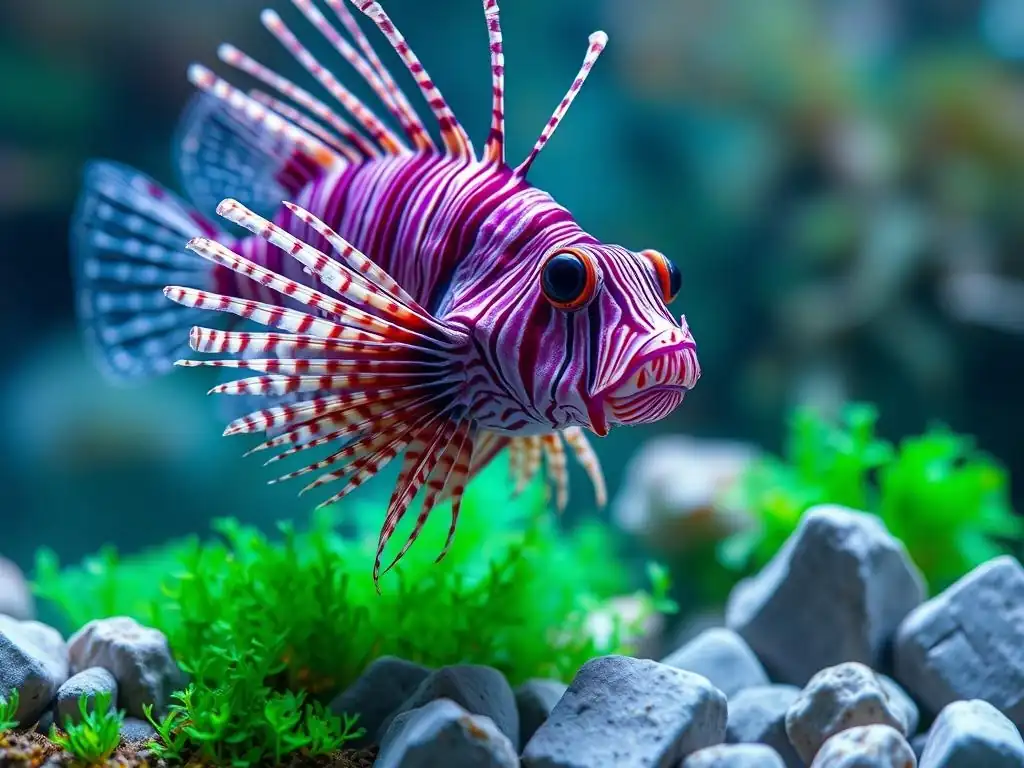
For Lionfish, these symptoms are particularly alarming given their sensitivity. They might become unusually reclusive, refuse to eat their favorite foods, or exhibit stress marks. Any deviation from their normal predatory behavior or appearance should prompt an immediate check of all water parameters. For instance, a Lionfish suffering from ammonia poisoning might show dark, blotchy patches and rapid gill movement, necessitating urgent action.
Immediate Steps to Take When Water Parameters Are Out of Range
When water parameters are found to be out of the ideal range, immediate action is necessary to prevent severe stress or loss of your Lionfish.
- High Ammonia/Nitrite: Perform an immediate, large water change (25-50%) using properly prepared and matched saltwater. Increase aeration (e.g., via an air stone) to maximize oxygen availability, as these toxins reduce oxygen uptake. Identify and remove the source of the spike (e.g., dead fish, overfeeding).
- High Nitrate: Perform a 20-30% water change. If levels remain high, increase water change frequency or volume, and evaluate filtration (e.g., protein skimmer performance, macroalgae growth in refugium).
- Low pH/Alkalinity: Perform a partial water change. Ensure sufficient aeration. Check for sources of acidity. Consider adding a buffer or kalkwasser slowly, monitoring pH closely.
- Incorrect Salinity/Temperature: Adjust slowly. For salinity, make small, incremental water changes. For temperature, use heaters/chillers to bring it to the correct range over several hours, not minutes.
Never add chemicals blindly without understanding the root cause, as this can often exacerbate the problem.
Preventing Future Water Quality Problems: Proactive Maintenance
Preventing water quality problems is always more effective than reacting to them. Proactive maintenance is the cornerstone of a stable and thriving Lionfish aquarium. This involves a consistent routine of water testing, regular partial water changes, and diligent filter maintenance. Establishing a weekly schedule for testing specific gravity, pH, ammonia, nitrite, and nitrate, coupled with a 15-20% weekly water change, forms a robust foundation.
Beyond these routine tasks, proactive measures include avoiding overfeeding, ensuring adequate biological and mechanical filtration, and regularly cleaning protein skimmer collection cups. Quarantining new fish before introduction prevents disease outbreaks that can stress the entire system. Understanding the nuances of your Lionfish water parameter guide and adhering to a strict maintenance schedule will significantly reduce the likelihood of water quality issues, ensuring your predatory fish remains vibrant, healthy, and long-lived.
Conclusion: Mastering Water Parameters for Long-Term Health
Key Takeaways for Maintaining a Thriving Aquarium
Mastering water parameters is not a one-time task but an ongoing commitment that underpins the success and longevity of any saltwater aquarium, especially one dedicated to Lionfish. The key takeaways include the absolute necessity of stability in salinity, temperature, and pH, coupled with zero tolerance for ammonia and nitrite. Regular and accurate water testing is your primary diagnostic tool, allowing you to catch and correct imbalances before they escalate. Consistent partial water changes are irreplaceable for nutrient export and element replenishment.
Furthermore, a robust filtration strategy encompassing mechanical, chemical, and biological components, ideally supplemented by a protein skimmer and refugium, is crucial for handling the bioload of predatory fish. Understanding the nitrogen cycle and its implications empowers you to maintain a safe environment. Ultimately, a proactive and diligent approach to your Lionfish water parameter guide ensures that your aquarium provides a pristine and stable habitat, mirroring the natural conditions that allow these captivating predators to thrive.
Resources for Further Learning About Aquarium Care
The journey of mastering aquarium care is continuous, with new insights and techniques constantly emerging. To deepen your understanding of water parameters and general marine husbandry, there are numerous valuable resources available. Reputable online forums and communities, such as those found on AquariumMastery.com, offer opportunities to engage with experienced aquarists, ask specific questions, and learn from real-world experiences and troubleshooting scenarios.
Furthermore, comprehensive books on saltwater aquarium keeping provide foundational knowledge, while scientific articles and university extension publications offer in-depth insights into marine biology and water chemistry. Consistently seeking out reliable information and applying it to your specific Lionfish water parameter guide will enhance your skills as an aquarist, allowing you to adapt to your tank's evolving needs and ensure the long-term health and vitality of your impressive predatory fish.
Frequently Asked Questions
What are the ideal water parameters for keeping Lionfish?
Lionfish require stable and specific conditions. The ideal parameters include a temperature of 72-78°F, a salinity of 1.020-1.025, and a pH between 8.1 and 8.4. Maintaining stable parameters is crucial for their health.
How often should I perform water changes in a Lionfish aquarium?
Regular water changes are essential. Aim for 10-20% water changes every 1-2 weeks, depending on the bioload and tank size. This helps remove nitrates and maintain water quality.
What type of filtration system is best for a Lionfish tank?
A robust filtration system is a must. A combination of mechanical, chemical, and biological filtration is ideal, including a protein skimmer, a sump, and a sufficient amount of live rock.
What happens if the water parameters in my Lionfish tank are not optimal?
Suboptimal water parameters can stress Lionfish, leading to health problems. This can manifest as a loss of appetite, lethargy, susceptibility to diseases, and ultimately, reduced lifespan.
What specific tests should I regularly perform to monitor Lionfish water parameters?
Regular testing is key to preventing problems. Monitor ammonia, nitrite, nitrate, pH, salinity, and temperature. Consider investing in a reliable test kit or a digital meter for accurate readings.
Final Reflection: Nurturing the Depths
The intricacies of maintaining optimal water parameters, as highlighted throughout this guide, are not merely technical specifications; they represent a commitment to the well-being of these magnificent, yet invasive, creatures. Understanding and adhering to these guidelines is paramount to ensuring the health and longevity of lionfish in captivity, and preventing the unintended release of these predators into vulnerable ecosystems.
The responsibility we bear as aquarists extends beyond the confines of our tanks. The delicate balance of nature demands our respect and diligence, and the choices we make directly impact the wider marine environment. We are tied to the ocean. And when we go back to the sea, whether it is to sail or to watch - we are going back from whence we came.
- John F. Kennedy. This quote reminds us of our inherent connection to the ocean and the moral imperative to protect it.
As you embark on, or continue, your journey of lionfish keeping, remember that knowledge is power. Let this guide serve as a foundation for responsible stewardship. Take the time to meticulously monitor your water parameters, adapt your practices as needed, and share your knowledge with others. By embracing a proactive and informed approach, you contribute to a future where both the beauty of lionfish and the health of our oceans can thrive.
Ignite Your Lionfish Sanctuary!
Thank you for diving deep into the world of lionfish! We hope you've gained valuable insights into creating the perfect aquatic haven for these magnificent predators. Now, let's transform that knowledge into action!
Here's how you can elevate your lionfish keeping game:
- Commit to weekly water testing! This is the single most important step in ensuring a healthy and thriving environment for your lionfish.
- Share this article with fellow aquarists and spark a conversation about best practices for lionfish care. Let's learn and grow together as a community!
- Try a small, controlled water change using reverse osmosis water treated with a trusted marine salt mix, and document the subtle changes in your lionfish's behavior over the next few days. (Remember to always acclimate your lionfish to new water parameters slowly.)
What fascinating behavior shifts have you noticed in your lionfish after fine-tuning your water parameters? Share your observations in the comments below!