
Mastering Cardinalfish Care: Essential Tips for Thriving Schools

Welcome to Aquarium Mastery!
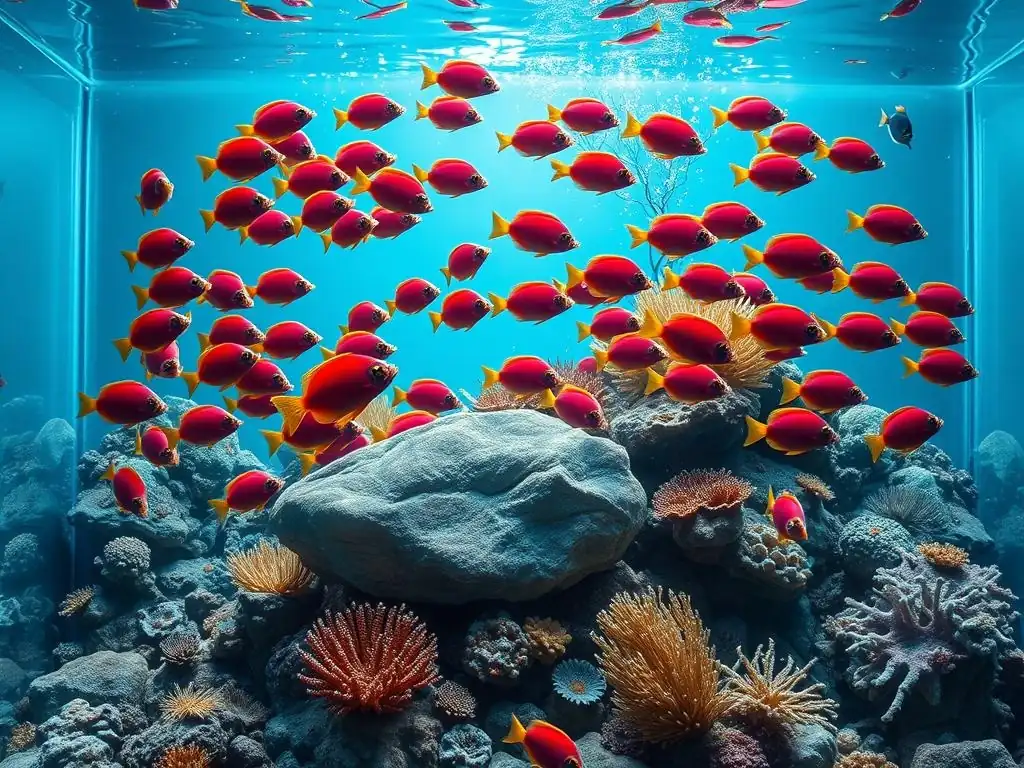
Dive into the captivating world of saltwater aquariums and unlock the secrets to a thriving underwater ecosystem. Ever wondered how to cultivate a dazzling school of vibrant Cardinalfish? Your journey to mastering Cardinalfish care starts here! Discover essential tips and expert advice to ensure your Cardinalfish not only survive, but flourish in a harmonious and visually stunning display. Let's explore the keys to thriving schools together...
- Introduction to Cardinalfish in Reef Aquariums
-
Frequently Asked Questions
- How many Cardinalfish should I keep together to ensure a thriving school?
- What are the key water parameters for optimal Cardinalfish care?
- What type of food should I provide to my Cardinalfish to ensure their health and vitality?
- Are Cardinalfish reef safe? What should I consider when adding them to a reef tank?
- What are some common health issues that affect Cardinalfish and how can I prevent them?
- Final Reflection: Cultivating Underwater Harmony
- Unleash Your Cardinalfish Paradise!
Introduction to Cardinalfish in Reef Aquariums
Understanding the Appeal of Cardinalfish for Saltwater Aquariums
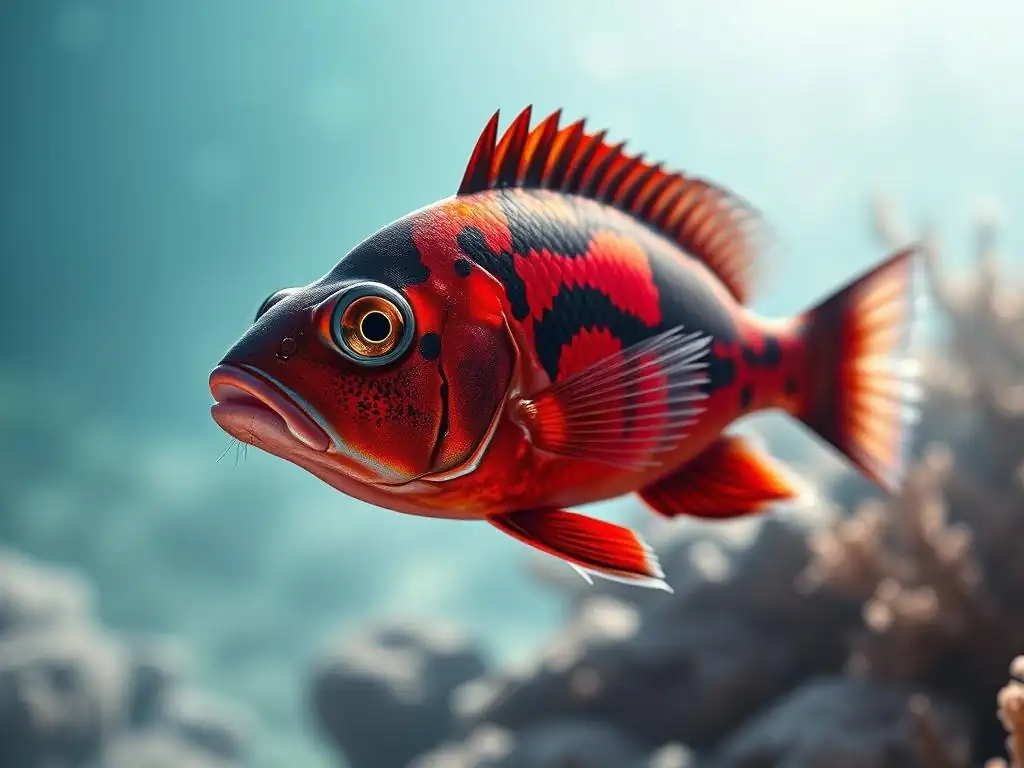
Cardinalfish, with their striking patterns, vibrant colors, and captivating schooling behavior, are a highly sought-after addition to many saltwater reef aquariums. Species like the popular Pajama Cardinalfish ( Sphaeramia nematoptera ) with its distinctive large black spot and yellow fins, or the elegant Banggai Cardinalfish ( Pterapogon kauderni ) known for its intricate black and silver stripes, bring a unique aesthetic to the marine environment.
Their tendency to congregate in tight groups creates a dynamic visual display, adding movement and life to the rockwork and open water columns, making them a focal point for any aquarist aiming for a lively and visually engaging tank.
Beyond their beauty, Cardinalfish are also appreciated for their generally peaceful temperament, making them excellent candidates for community reef tanks. Their nocturnal tendencies, often becoming more active and visible as the main lights dim, offer a different perspective on tank inhabitants. This combination of aesthetic appeal, schooling dynamics, and a relatively calm demeanor contributes significantly to the overall appeal, encouraging aquarists to delve into effective Cardinalfish care for thriving schools within their home ecosystems.
Cardinalfish: A Beginner-Friendly Schooling Fish?
Cardinalfish are often recommended as a suitable choice for novice marine aquarists due to their general hardiness and adaptability compared to some more delicate reef species. Many species, particularly the Pajama and Banggai Cardinalfish, can tolerate a slightly wider range of water parameters than extremely sensitive corals or fish, making the initial setup and maintenance less daunting. Their peaceful nature also reduces the likelihood of aggression towards other tank inhabitants, simplifying the process of selecting compatible tank mates and fostering a harmonious environment.
However, labeling Cardinalfish as entirely "beginner-friendly" requires a nuanced understanding. While robust, ensuring their long-term health and fostering truly thriving schools still demands consistent attention to water quality, appropriate feeding, and a suitable environment. For instance, maintaining stable salinity around 1.025 specific gravity and a temperature range of 75-82°F (24-28°C) is crucial for their well-being. Furthermore, while individual Cardinalfish might be hardy, establishing a cohesive and stress-free school, which is key to optimal Cardinalfish care thriving schools, requires sufficient tank space and careful observation to prevent any subtle inter-species or intra-species aggression.
Frequently Asked Questions
How many Cardinalfish should I keep together to ensure a thriving school?
Cardinalfish are social creatures and thrive in groups. Aim for a minimum of six individuals, though larger groups are generally better. This helps reduce stress and encourages natural behaviors.
What are the key water parameters for optimal Cardinalfish care?
Cardinalfish prefer stable water conditions. Maintain a temperature of 72-78°F, a pH of 8.1-8.4, and a specific gravity of 1.023-1.025. Consistent water changes are crucial.
What type of food should I provide to my Cardinalfish to ensure their health and vitality?
Cardinalfish are carnivores and require a varied diet. Offer a mix of high-quality flake food, frozen foods like mysis shrimp and brine shrimp, and small live foods. Regular feedings are important.
Are Cardinalfish reef safe? What should I consider when adding them to a reef tank?
Yes, Cardinalfish are generally considered reef safe. However, avoid keeping them with aggressive fish that might bully them. Ensure adequate hiding places and peaceful tank mates for a successful reef environment.
What are some common health issues that affect Cardinalfish and how can I prevent them?
Common issues include ich and other parasitic infections. Quarantine new fish before introducing them to the main tank. Maintain pristine water quality and provide a varied diet to boost their immune system.
Okay, here's a final reflection designed to fit your article "Mastering Cardinalfish Care: Essential Tips for Thriving Schools," optimized for the keyword "Cardinalfish care thriving schools," and following the structure you provided:
Final Reflection: Cultivating Underwater Harmony
The journey into cardinalfish care and the creation of thriving schools doesn't end with the last page of this article. It begins. The knowledge shared here is not just about maintaining an aquarium; it's about fostering a miniature ecosystem, a vibrant community where these captivating fish can flourish, mirroring the delicate balance we strive for in our own world.
This endeavor extends beyond the glass walls of a tank. It's a testament to our capacity for responsible stewardship, a microcosm of the larger environmental challenges we face. The dedication required to create a thriving cardinalfish school reflects a deeper commitment to understanding and preserving the natural world. In the end, we will conserve only what we love; we will love only what we understand; and we will understand only what we are taught.
- Baba Dioum. This quote encapsulates the essence of responsible aquarium keeping and its potential to inspire broader conservation efforts.
Now, consider the lessons learned. Reflect on the importance of meticulous planning, consistent care, and a deep understanding of the needs of these fascinating creatures. Let the principles of cardinalfish care thriving schools guide you not only in your aquarium hobby but also in your approach to other aspects of life. Embrace the challenge, celebrate the successes, and remember that every small act of care contributes to a more vibrant and harmonious world, both above and below the surface.
Unleash Your Cardinalfish Paradise!
Thanks for diving deep into the world of cardinalfish care! We hope you found these tips helpful in creating the perfect environment for your shimmering school. Now, let's put that knowledge into action!
Here's how you can take your cardinalfish keeping to the next level:
- Commit to observing your cardinalfish daily for any signs of stress or illness. Early detection is key to their long-term health and happiness.
- Share this article with fellow aquarium enthusiasts on social media! Help spread the word and build a community of thriving cardinalfish keepers.
- Consider setting up a dedicated quarantine tank. You might be surprised how invaluable this can be for introducing new fish or isolating sick ones.
What's one small change you can make in your aquarium setup today to benefit your cardinalfish? Let us know in the comments below!