
Lymphocystis in Tangs: Identifying and Managing This Common Viral Condition

Welcome to Aquarium Mastery!
Curious about those strange, cauliflower-like growths on your beloved Tang? You're in the right place. Lymphocystis can be a concerning sight, but understanding it is the first step to managing it effectively. Dive into our guide on Tang lymphocystis treatment options and discover practical strategies to help your fish thrive. Keep reading to unlock the secrets to a healthier, happier aquarium!
- Understanding Lymphocystis in Tangs: An Overview
- Identifying Lymphocystis in Tangs: Symptoms and Diagnosis
- Causes and Contributing Factors to Lymphocystis Outbreaks in Tangs
- Tang Lymphocystis Treatment Options: A Comprehensive Guide
- Natural Remedies and Alternative Treatments for Lymphocystis in Tangs
- Preventing Lymphocystis in Your Tangs: Proactive Measures
- Advanced Cases of Lymphocystis: When to Seek Expert Advice
- Long-Term Management and Prevention of Lymphocystis Recurrence in Tangs
- Frequently Asked Questions
- Final Reflection: Navigating the Waters of Tang Health
- Unveil a Healthier Aquarium: Your Next Steps Await!
Understanding Lymphocystis in Tangs: An Overview
Lymphocystis is a common, chronic, and generally benign viral disease that affects a wide array of marine and freshwater fish, including many popular tang species. This condition is caused by a DNA virus belonging to the Iridoviridae family, specifically the genus Lymphocystivirus. The virus primarily targets and infects dermal fibroblasts, which are cells responsible for producing connective tissue in the skin, causing them to undergo significant hypertrophy, meaning they enlarge dramatically.
The most distinctive characteristic of Lymphocystis is its appearance: discrete, wart-like nodules or cauliflower-like growths that manifest on the skin, fins, and occasionally on the eyes or mouth of the affected fish. While these growths can be unsightly and concerning for aquarists, they are typically not lethal unless they become severely extensive, leading to secondary bacterial infections, or if they impair vital functions like feeding or swimming.
The progression of the disease is often slow, and in many cases, spontaneous regression of the lesions can occur over a period ranging from several weeks to a few months, especially when environmental conditions are improved.
Common Tang Species Affected by Lymphocystis
While numerous marine fish species can contract Lymphocystis, tangs, also known as surgeonfish, appear to be particularly susceptible to the condition. This heightened susceptibility is often linked to stress factors prevalent in home aquarium environments. Popular tang species frequently observed exhibiting Lymphocystis lesions include the vibrant Yellow Tang ( Zebrasoma flavescens), the iconic Blue Tang ( Paracanthurus hepatus), and the delicate Powder Blue Tang ( Acanthurus leucosternon). Other species such as the Kole Tang ( Ctenochaetus strigosus) and the Purple Tang ( Zebrasoma xanthurum) can also be affected, highlighting the widespread potential for this virus among the surgeonfish family.
The increased propensity for tangs to develop Lymphocystis can be attributed to several factors. Their active nature and often territorial behavior, especially when housed in smaller or overcrowded tanks, can lead to chronic stress. Furthermore, many tang species, particularly when newly introduced to an aquarium or kept under suboptimal conditions, possess more delicate immune systems, making them more vulnerable to viral expression once exposed to the Lymphocystis virus. The presence of the virus in wild populations also suggests a natural susceptibility, which becomes exacerbated under the stressors of captivity.
Distinguishing Lymphocystis from Other Tang Diseases
Accurate identification of Lymphocystis is crucial, as its external appearance can sometimes be confused with other common tang ailments that require different Tang lymphocystis treatment options. For instance, it's essential to differentiate Lymphocystis from marine ich ( Cryptocaryon irritans), which manifests as numerous, smaller, salt-grain-like white spots scattered across the fish's body and fins. Ich cysts are typically more widespread and often accompanied by behavioral signs such as flashing (rubbing against tank decor) or rapid breathing, whereas Lymphocystis lesions are generally larger, more irregular, and appear as fixed, firm nodules.
Further distinction must be made from bacterial infections, which might present as red sores, fin rot, or cottony growths, and fungal infections, which typically appear as fuzzy white patches. Lymphocystis growths are characteristically firm and nodular, and they do not easily rub off. It's also important to differentiate them from trematode infestations (flukes), which can cause mucus production or skin irritation but do not produce the distinctive cauliflower-like growths seen with Lymphocystis. Precise identification of the disease is the foundational step towards implementing the most appropriate and effective management strategies.
Identifying Lymphocystis in Tangs: Symptoms and Diagnosis
Recognizing the Visual Symptoms of Lymphocystis on Tangs
The hallmark visual symptom of Lymphocystis in tangs is the appearance of small, white to greyish, nodular growths on the skin and fins. These distinctive nodules often begin as tiny, pearl-like bumps that can gradually increase in size and coalesce to form larger, irregular, cauliflower-like masses. A key characteristic is their texture: they are typically firm to the touch and, unlike parasitic cysts, cannot be easily rubbed off the fish's body.
The progression of the disease usually starts with one or two isolated lesions, frequently appearing on the delicate fin rays, especially the pectoral or caudal fins, or around the mouth area. Over time, if the underlying environmental conditions are not improved or if the fish remains stressed, these lesions can multiply and spread across various parts of the body.
In more severe, albeit less common, instances, the growths can even affect the eyes or gills. Importantly, in the early stages of Lymphocystis, the affected fish usually maintains normal behavior, appetite, and coloration, which helps to distinguish it from more acute, systemic diseases that rapidly impact the fish's overall vitality.
Early Signs of Lymphocystis in Surgeonfish
Early detection of Lymphocystis is paramount for effective management and can significantly influence the speed of recovery. Initial signs can be quite subtle, often appearing as a single, minute, slightly opaque bump on a fin ray or close to the base of a fin. At this nascent stage, it can easily be mistaken for a minor physical injury, a piece of debris, or even a normal part of the fish's skin texture. Therefore, vigilant and consistent observation during daily feeding routines and routine tank checks is crucial for aquarists to spot these burgeoning lesions.
Unlike highly contagious parasitic infections such as marine ich, Lymphocystis typically manifests in one or two individual fish initially, rather than causing a rapid, widespread outbreak across the entire aquarium population. Furthermore, the affected fish's behavior usually remains unchanged in the early phases, meaning there are no overt signs of scratching, darting, or labored breathing, which are common indicators of parasitic issues. This behavioral normalcy, coupled with the presence of small, firm, fixed nodules, strongly points towards a diagnosis of Lymphocystis, guiding the aquarist towards appropriate Tang lymphocystis treatment options.
Diagnosing Lymphocystis: Microscopic Confirmation
While visual identification is often sufficient for experienced aquarists to suspect Lymphocystis, a definitive diagnosis, particularly in ambiguous cases or for research purposes, requires microscopic examination. This involves taking a small biopsy or a gentle scrape of the lesion and examining the sample under a microscope. Under magnification, the characteristic sign of Lymphocystis is the presence of dramatically hypertrophied fibroblasts – these are cells that have enlarged up to 100 times their normal size, often appearing spherical or oval with a distinct, thick hyaline capsule surrounding them.
This microscopic confirmation is particularly valuable when the symptoms are not entirely clear or when it's necessary to definitively rule out other conditions that might present with similar external appearances, such as certain bacterial infections, fungal growths, or even benign tumors. For the average home aquarist, performing this diagnostic step themselves is typically not feasible. Instead, a veterinarian specializing in aquatic animals or a specialized fish pathology laboratory would be the appropriate resource to conduct such an examination. Understanding the exact nature of the problem through confirmed diagnosis is essential for applying the most effective Tang lymphocystis treatment options.
Causes and Contributing Factors to Lymphocystis Outbreaks in Tangs
Stress as a Primary Trigger for Lymphocystis in Tangs
Stress is unequivocally identified as the single most significant factor in precipitating Lymphocystis outbreaks in aquarium fish, especially tangs. When fish are subjected to chronic stress, their immune systems become suppressed, rendering them highly vulnerable to opportunistic pathogens like the Lymphocystis virus.
This virus may already be latent within their system or present in the surrounding environment, lying dormant until a stressor weakens the host's defenses. Common stressors for tangs include aggression from dominant tank mates, inadequate tank size leading to territorial disputes or insufficient swimming space, a poor or unvaried diet, and sudden or unstable fluctuations in water parameters.
The physiological impact of stress on the immune system is profound. For example, prolonged exposure to elevated nitrate levels or inconsistent pH can force a tang to expend vital energy on osmoregulation or detoxification processes, thereby diverting resources away from immune function. This leaves the fish highly susceptible to viral expression. It's a common observation that Lymphocystis often appears a few weeks after a new tang is introduced to an aquarium, or following a major tank disturbance or relocation, precisely because these events are intensely stressful and can trigger the dormant virus into an active state.
Poor Water Quality and its Link to Lymphocystis
Suboptimal water parameters are a direct and major contributor to Lymphocystis outbreaks, acting as a significant stressor on fish. Elevated levels of toxic compounds such as ammonia and nitrite, along with persistently high nitrates, or unstable pH levels and improper salinity, can severely compromise a tang's overall health and immune integrity. For instance, nitrate concentrations consistently above 20 ppm, or any detectable levels of ammonia or nitrite (even at 0.1 ppm), place immense physiological strain on fish, significantly weakening their natural defense mechanisms and making them highly susceptible to viral infections.
Maintaining pristine and consistent water quality is therefore paramount for preventing and managing Lymphocystis. A stable aquarium environment with ideal parameters—such as salinity between 1.023 and 1.025, pH ranging from 8.1 to 8.4, alkalinity between 8-12 dKH, calcium levels of 400-450 ppm, and magnesium at 1200-1350 ppm—allows the fish to allocate its metabolic resources to immune function rather than constantly combating environmental instability. Regular water changes, typically 10-20% weekly or bi-weekly, are crucial to dilute accumulating toxins, replenish essential trace elements, and ensure a stable, healthy environment conducive to the fish's well-being and recovery.
Introduction of Infected Fish and Lymphocystis Transmission
The Lymphocystis virus is indeed transmissible, primarily through direct contact with infected fish or indirectly via contaminated water, shared equipment, or even nets. The introduction of new fish into an established aquarium without implementing proper quarantine procedures is a leading cause for bringing the virus into a previously healthy system. Even fish that appear outwardly healthy can be asymptomatic carriers of the virus, especially if they have been recently stressed. These carriers may only begin to show signs of the disease after being introduced into a new environment where they encounter additional stressors.
The mechanism of transmission involves viral particles being shed from the characteristic lesions of infected fish directly into the water column. Other fish in the tank can then acquire the virus through minor skin abrasions, cuts, or simply through prolonged exposure to the viral load in the water.
While Lymphocystis is generally considered to be a slow-spreading disease and less virulent than some highly contagious parasitic infections, its introduction can nonetheless lead to outbreaks, particularly in aquariums housing tangs that are already stressed or immunocompromised. This highlights the critical importance of stringent quarantine protocols as a proactive measure to prevent the need for extensive Tang lymphocystis treatment options down the line.
Tang Lymphocystis Treatment Options: A Comprehensive Guide
Is There a Cure? Addressing the Myth of a Direct Cure
It is absolutely crucial for aquarists to understand and accept that there is no known direct "cure" for Lymphocystis. Unlike bacterial or parasitic infections for which specific medications exist, there is no antiviral drug or chemical treatment that can specifically target and eliminate the Lymphocystis virus from an infected fish's system. Any claims of quick-fix chemical solutions or "miracle cures" are generally misleading and can often cause more harm than good, potentially stressing the fish further or damaging the delicate balance of the aquarium ecosystem.
Instead of seeking a cure, the approach to Lymphocystis is centered on management and supportive care. The primary objective of effective Tang lymphocystis treatment options is to create and maintain an optimal environment that empowers the fish's own immune system to naturally fight off the virus and facilitate the regression of the lesions.
This natural healing process is not instantaneous; it can take anywhere from several weeks to many months, depending on the severity of the infection, the individual fish's overall health, and the consistency of environmental improvements. Patience, along with diligent and consistent optimal husbandry practices, proves far more effective than any purported pharmaceutical remedy.
Supportive Care: The Cornerstone of Tang Lymphocystis Treatment
Supportive care represents the most effective and widely recommended approach for managing Lymphocystis in tangs. This strategy primarily involves isolating the affected fish, if feasible, into a dedicated quarantine tank. While direct viral transmission is less of a concern than environmental factors, isolation can reduce stress on the individual fish and prevent potential secondary infections or harassment from tank mates.
The overarching focus, however, is on meticulously optimizing the fish's living conditions to bolster its natural immune defenses. This encompasses maintaining pristine water quality, providing a highly nutritious and varied diet, and diligently minimizing all potential stressors within the aquarium environment.
A stable, low-stress environment is essential as it allows the tang to redirect its vital energy towards healing and immune response rather than constantly combating adverse conditions. This means ensuring stable temperature, salinity, and pH levels, alongside consistently undetectable levels of ammonia and nitrite, and very low nitrate concentrations—ideally below 10 ppm. Providing ample swimming space, appropriate hiding spots, and a calm tank environment also significantly contributes to reducing stress. These fundamental supportive measures are the true foundation of successful Tang lymphocystis treatment options, enabling the fish to recover on its own terms.
Improving Water Quality for Lymphocystis Recovery
Improving and maintaining superior water quality is a critical component of any Tang lymphocystis treatment options. Regular and substantial water changes are paramount. For an affected tank, increasing the frequency of water changes to 20-25% weekly, or even twice a week in more severe cases, can dramatically reduce the accumulation of dissolved pollutants and replenish essential trace elements that are vital for fish health. It is also crucial to use high-quality source water, preferably RODI (Reverse Osmosis Deionized) water, to ensure no additional contaminants are introduced into the healing environment.
Beyond routine water changes, a robust and well-maintained filtration system is indispensable. Mechanical filtration media, such as filter socks or sponges, should be cleaned or replaced frequently, ideally every few days, to efficiently remove particulate matter and detritus.
Chemical filtration, utilizing activated carbon or GFO (granular ferric oxide), should be employed to actively remove dissolved organic compounds and phosphates, which can contribute to poor water quality and stress. Furthermore, a properly sized and efficiently operating protein skimmer is an absolute necessity in a saltwater aquarium, as it effectively removes organic waste before it breaks down into harmful nitrogenous compounds, thereby preventing the buildup of stressors that impede Lymphocystis recovery.
Boosting the Tang's Immune System: Diet and Supplements
A high-quality, varied, and nutrient-rich diet is absolutely critical for fortifying a tang's immune system, which is essential for overcoming Lymphocystis. Tangs are primarily herbivores, and as such, their diet should predominantly consist of marine-based algae and spirulina. Aquarists should offer a diverse array of foods, including high-quality spirulina flakes, sheets of dried seaweed (nori), and specialized tang pellets or frozen preparations that are rich in marine algae. Ensuring the fish receives sufficient amounts of essential vitamins, particularly Vitamin C, is also vital for robust immune function.
To further bolster the tang's immune response, incorporating vitamin supplements into their diet is highly recommended. This can be achieved by soaking their food in liquid vitamin preparations, such as commercial products like Selcon or Vita-Chem, or by utilizing vitamin-enriched frozen foods. Vitamin C, in particular, acts as a powerful antioxidant and plays a crucial role in supporting immune function and facilitating tissue repair.
For example, some scientific studies have indicated that a diet fortified with 100-200 mg of Vitamin C per kilogram of feed can significantly enhance fish immunity. Providing a consistently diverse and vitamin-rich diet effectively prevents nutritional deficiencies that could compromise the tang's ability to fight off the virus, making it a cornerstone of effective Tang lymphocystis treatment options.
Natural Remedies and Alternative Treatments for Lymphocystis in Tangs
Garlic as a Potential Immune Booster for Tangs
Garlic, specifically its active compound allicin, has gained considerable popularity among aquarists as a natural additive often lauded for its potential immune-boosting and appetite-stimulating properties in fish. While garlic is not a direct antiviral agent capable of eliminating the Lymphocystis virus, it can indirectly support the fish's overall health and well-being. Many aquarists routinely incorporate garlic extract, available in commercial fish foods or as a liquid supplement, into their tangs' diets. A common practice involves soaking frozen or dry foods in a garlic-infused liquid for approximately 15-20 minutes before feeding.
The rationale behind using garlic is multi-faceted. Firstly, garlic is known to enhance the palatability of food, which can be particularly beneficial for stressed or ailing fish that might otherwise refuse to eat, thereby ensuring they receive vital nutrients. Secondly, while scientific evidence specifically for Lymphocystis is limited and largely anecdotal, some preliminary studies and widespread aquarist experience suggest that garlic may possess mild antimicrobial properties and could potentially stimulate appetite and general vitality.
This indirect support can aid the fish's natural recovery process. It is important to emphasize that garlic serves as a supportive measure and should not be considered a standalone cure within the comprehensive array of Tang lymphocystis treatment options.
Vitamin Supplements to Aid Lymphocystis Recovery
Beyond the specific benefits of Vitamin C, comprehensive vitamin supplementation is critically important for aiding Lymphocystis recovery in tangs. A broad-spectrum vitamin supplement specifically formulated for marine fish, containing a full range of essential vitamins such as A, D, E, K, and the B-complex vitamins, is highly recommended.
These vitamins play integral roles in numerous physiological processes, including robust immune response, maintaining the integrity of skin and mucous membranes, and supporting overall metabolic health. For instance, Vitamin A is crucial for the health of epithelial tissues, including the skin and mucous membranes, which are the primary sites of Lymphocystis infection.
In practical terms, liquid vitamin supplements can be easily incorporated by adding them directly to the fish's food. Commercial products like Selcon or Vita-Chem are popular choices that can be used to soak frozen or dry foods for a short period before feeding, ensuring that the fish directly ingests the vital nutrients. Consistent provision of these essential micronutrients strengthens the tang's overall resilience and significantly enhances its ability to mount a more effective immune response against the Lymphocystis virus. This, in turn, can accelerate the natural regression of the lesions and promote a faster, more complete recovery.
Preventing Lymphocystis in Your Tangs: Proactive Measures
Quarantine Procedures for New Fish to Prevent Lymphocystis
Implementing a strict quarantine protocol for all new fish introductions is the single most effective preventative measure against bringing diseases, including Lymphocystis, into an established display tank. Every new fish, regardless of its apparent health upon arrival, should undergo a minimum quarantine period of 4-6 weeks in a separate, dedicated quarantine tank. This extended period allows ample time for any latent diseases, such as the slow-developing Lymphocystis lesions, to manifest. It also provides a crucial window for observation and, if necessary, for administering preventative treatments without risking the entire main aquarium.
A proper quarantine setup typically consists of a bare-bottom tank with minimal decor (such as PVC pipes for hiding spots), a reliable heater to maintain stable temperature, a filter (preferably sponge or hang-on-back for ease of cleaning), and an air stone for adequate oxygenation. During this quarantine period, diligently observe the new fish for any abnormalities, feed a high-quality and varied diet, and meticulously maintain pristine water parameters.
If any signs of Lymphocystis or other ailments appear, the fish can be treated in isolation, thereby preventing the potential spread to your existing, healthy tangs and significantly reducing the likelihood of needing extensive Tang lymphocystis treatment options in your main display.
Maintaining Optimal Water Parameters for Tang Health
Maintaining stable and optimal water parameters is critically important for the long-term health of tangs and serves as a fundamental preventative measure against Lymphocystis. For these marine fish, this means consistently ensuring salinity levels are between 1.023 and 1.025 specific gravity, pH remains stable within the range of 8.1 to 8.4, alkalinity is maintained at 8-12 dKH, calcium levels are between 400-450 ppm, and magnesium is at 1200-1350 ppm.
Crucially, ammonia and nitrite should always be undetectable (0 ppm), and nitrates should be kept as low as possible, ideally below 10 ppm. Regular testing, at least weekly, using reliable and accurate test kits, is essential to monitor these parameters and make timely adjustments.
Deviations from these ideal ranges create chronic physiological stress for tangs, severely weakening their immune systems and making them highly susceptible to viral expression, including Lymphocystis. Consistent water changes, typically 10-20% weekly, are vital not only for nutrient export but also for replenishing essential trace elements that are consumed by the aquarium inhabitants and biological processes. Furthermore, a robust and well-maintained filtration system, encompassing mechanical, chemical, and biological filtration, along with a properly sized and efficient protein skimmer, collectively contribute to maintaining this stable, healthy environment, thereby proactively preventing conditions that trigger Lymphocystis outbreaks.
Reducing Stress Factors in the Aquarium Environment
Identifying and actively mitigating common stressors in the aquarium environment is paramount for preventing Lymphocystis in tangs. Tank size is a crucial consideration for these active swimmers; for instance, a single Yellow Tang typically requires a minimum of 75-100 gallons to thrive, ensuring ample swimming space and reducing stress from confinement. Aggression from tank mates can also be a significant stressor; therefore, choosing compatible species and introducing fish in an appropriate order (e.g., less aggressive species first, then more aggressive tangs) helps establish a harmonious social structure.
Providing environmental enrichment is equally important for tang well-being. Offer plenty of live rock with crevices and caves to serve as hiding spots and natural grazing opportunities for their herbivorous diet. Ensure stable lighting cycles, mimicking natural day-night patterns, and avoid sudden or drastic changes in tank conditions.
Overstocking is a major stressor that leads to increased competition for resources and rapid deterioration of water quality; therefore, maintaining a reasonable bioload is essential. A calm, stable, and appropriately sized environment minimizes stress, allowing the tang's immune system to remain robust and effectively ward off potential Lymphocystis outbreaks, thereby reducing the need for Tang lymphocystis treatment options.
Advanced Cases of Lymphocystis: When to Seek Expert Advice
Recognizing Severe Lymphocystis Symptoms in Tangs
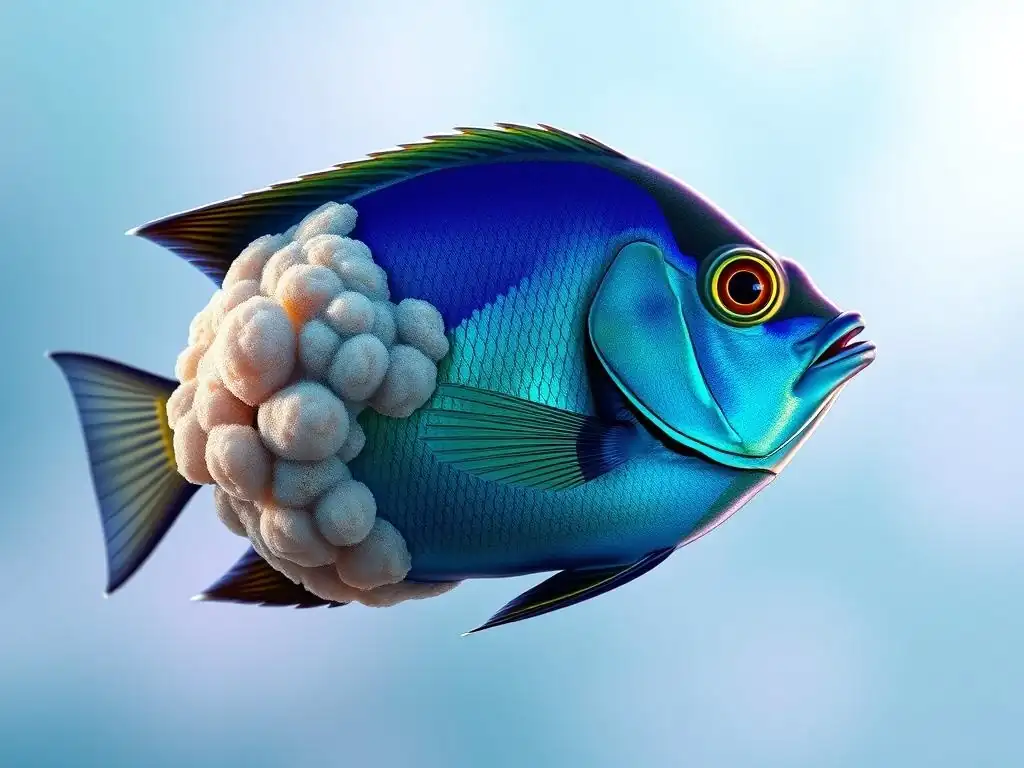
While Lymphocystis is generally considered a benign condition that often resolves spontaneously with improved husbandry, severe cases can certainly occur, particularly if the underlying stressors are not effectively addressed. Aquarists should recognize a "severe" case when the characteristic lesions become extensive, covering large areas of the fish's body or fins, or if they begin to obstruct vital functions such as the eyes, impeding vision, or the mouth, hindering feeding. If the growths are so numerous or large that they physically impede the fish's ability to swim normally, that also signifies an advanced stage.
Another critical indicator of a severe case is the presence of secondary complications. Be vigilant for signs of bacterial secondary infections, which can manifest as red, inflamed areas around the Lymphocystis lesions, fin rot, or a general decline in the fish's overall condition, such as pronounced lethargy, complete loss of appetite, or rapid and labored breathing. While Lymphocystis itself is rarely fatal, these secondary bacterial infections can be life-threatening. In such advanced instances, the standard Tang lymphocystis treatment options focused solely on supportive care might need to be augmented with targeted interventions.
Consulting with a Veterinarian or Experienced Aquarist
When severe symptoms of Lymphocystis are present, or if a tang's condition continues to deteriorate despite diligent implementation of supportive care measures, it is advisable to seek professional help. An aquatic veterinarian possesses the expertise to accurately diagnose any concurrent secondary bacterial infections and can prescribe appropriate antibiotics or other medications if necessary, offering a level of advanced care not available to the average aquarist. They can also definitively confirm the Lymphocystis diagnosis through microscopic examination of a biopsy, which is invaluable for ruling out other, potentially more serious, conditions that might mimic its appearance.
If access to a veterinarian specializing in aquatic animals is limited, consulting with highly experienced aquarists or reputable local fish stores with a strong background in marine fish health can be an invaluable alternative. While they cannot prescribe medication, their practical experience can provide crucial insights into specific challenges related to tang care or offer nuanced guidance on refining environmental parameters. Their collective knowledge can be instrumental in fine-tuning husbandry practices and ensuring that the most effective Tang lymphocystis treatment options are implemented, even in complex or persistent cases.
Long-Term Management and Prevention of Lymphocystis Recurrence in Tangs
Monitoring Your Tangs for Signs of Lymphocystis
Consistent, daily observation of your tangs is a fundamental cornerstone of long-term Lymphocystis prevention and management. Aquarists should make it a routine practice to thoroughly inspect all their tangs during feeding times and during general tank observation for any new or recurring lesions. Pay particular attention to the fins, mouth area, and the entire body surface for any small, pearl-like bumps or the characteristic cauliflower-like growths. Early detection allows for prompt adjustment of environmental factors or husbandry practices before the condition becomes widespread or severe, greatly simplifying any necessary Tang lymphocystis treatment options.
Maintaining a detailed log of your aquarium's parameters, water change schedules, and any observations related to fish health can be exceptionally beneficial. This meticulous record-keeping helps to identify patterns or potential triggers for Lymphocystis recurrence. For example, if Lymphocystis tends to reappear after a period of neglected water changes, following the introduction of a new fish, or after a specific tank maintenance procedure, it highlights areas where long-term management can be improved. This proactive and systematic monitoring is key to preventing future outbreaks and maintaining a healthy environment for your tangs.
Establishing a Consistent Aquarium Maintenance Routine
A rigorous and consistent aquarium maintenance routine is absolutely non-negotiable for preventing Lymphocystis recurrence in tangs and for ensuring their overall long-term health. This routine should include regular weekly water changes, typically 10-20% for a well-established reef tank, to dilute accumulated pollutants and replenish essential trace elements. Furthermore, mechanical filtration media, such as filter socks and sponges, must be cleaned or replaced frequently, often every few days, to efficiently remove particulate organic matter. Chemical filtration media, like activated carbon and GFO (granular ferric oxide), should also be replaced periodically as they become exhausted.
Beyond these routine tasks, it is crucial to implement proactive measures such as testing water parameters weekly or bi-weekly to ensure unwavering stability. Always top-off evaporated water with RODI (Reverse Osmosis Deionized) water to prevent salinity creep, which can be a significant stressor. Regularly inspect and clean powerheads and pumps to maintain optimal water flow and oxygenation throughout the tank. A well-maintained and clean aquarium minimizes environmental stressors and keeps the tangs' immune systems robust, significantly reducing the likelihood of the Lymphocystis virus manifesting and preventing the need for future Tang lymphocystis treatment options.
Preventing Future Lymphocystis Outbreaks: Proactive Strategies
Preventing future Lymphocystis outbreaks in tangs requires a holistic and proactive approach that addresses all potential contributing factors. A strict quarantine protocol for all new inhabitants, including fish, corals, and invertebrates, is paramount to prevent the introduction of pathogens into your display tank. Maintaining appropriate tank size and stocking levels is equally critical to prevent overcrowding and inter-species aggression, which are major stressors for tangs. Furthermore, providing a consistently varied and highly nutritious diet, adequately supplemented with essential vitamins, is crucial for bolstering their immune health and overall resilience.
Creating a stable and enriching environment for your tangs is also key. This involves providing ample live rock with plenty of crevices for grazing and hiding, ensuring stable lighting cycles that mimic natural conditions, and maintaining consistent water parameters without sudden fluctuations in temperature, salinity, or pH.
Avoid any abrupt changes in the aquarium environment that could induce stress. By diligently addressing the root causes of stress and consistently maintaining an optimal, stable environment, aquarists can significantly reduce the risk of Lymphocystis outbreaks, ensuring their tangs remain healthy, vibrant, and free from the need for extensive Tang lymphocystis treatment options.
Frequently Asked Questions
How can I identify Lymphocystis in my Tang?
Lymphocystis in Tangs is typically identified by the appearance of small, white or gray, cauliflower-like nodules on the fish's skin, fins, or gills. These growths are often clustered and can vary in size. Consider behavioral changes such as lethargy and loss of appetite.
What are the common causes of Lymphocystis in Tangs?
Lymphocystis is primarily caused by a viral infection, often triggered by stressful conditions in the aquarium. Poor water quality, overcrowding, and sudden changes in temperature or salinity are common contributing factors.
What are the best Tang lymphocystis treatment options?
There's no direct cure, but improving water quality and reducing stress is crucial. Consider supportive treatments such as vitamin supplements to boost the fish's immune system. In rare cases, surgical removal of nodules may be needed, but this is not recommended.
How can I prevent Lymphocystis from affecting my Tang?
Prevention focuses on maintaining a healthy aquarium environment. This includes regular water changes, proper filtration, and avoiding overcrowding. Introducing new fish gradually and quarantining them beforehand are also important.
Is Lymphocystis contagious to other fish in my aquarium?
While Lymphocystis is a viral infection, it's generally considered not highly contagious if the other fish are healthy and unstressed. However, it's still best to quarantine affected fish to prevent potential spread, particularly if other fish are stressed or have weakened immune systems.
The prevalence of Lymphocystis in Tangs, as we've explored, underscores the delicate balance within our aquariums and the constant vigilance required of responsible aquarists. Understanding the various Tang lymphocystis treatment options is not merely about curing a disease; it's about fostering a thriving ecosystem and ensuring the well-being of these magnificent creatures in our care. The knowledge shared here serves as a crucial tool in navigating the challenges of marine fishkeeping.
This seemingly small viral condition serves as a powerful reminder of the interconnectedness of all living things within an aquarium environment. My own experiences with Lymphocystis have taught me the importance of patience, observation, and preventative care. The best cure is prevention,
as the saying goes, and this holds especially true in the delicate world of marine aquariums. The health of our Tangs reflects the health of our entire system, demanding a holistic approach to their care.
Now, armed with this knowledge, I encourage you to reflect on your own practices. Are you providing the optimal environment for your Tangs to thrive? Are you vigilant in your observation and proactive in your care? Let this article serve as a catalyst for continuous learning and improvement, ensuring that the vibrant beauty of these fish continues to grace our aquariums for years to come.
Unveil a Healthier Aquarium: Your Next Steps Await!
Thank you for diving into the world of Lymphocystis with us! We hope this article has provided you with the knowledge to identify and manage this common condition in your Tangs. Now, let's put that knowledge into action.
- Prioritize water quality: Perform a water test today to ensure optimal conditions and minimize stress on your fish. High-quality water is the first line of defense!
- Share your experience: Discuss your observations or concerns about Lymphocystis in Tangs on our forum.
- Observe and learn: Document the healing process of affected fish with photos over time to help identify triggers and best practices in your aquarium.
What specific steps will you implement this week to improve your aquarium's health and prevent Lymphocystis from recurring?