
Moray Eel Tank Mates: Cohabitation Success Stories and Epic Fails

Welcome to Aquarium Mastery!
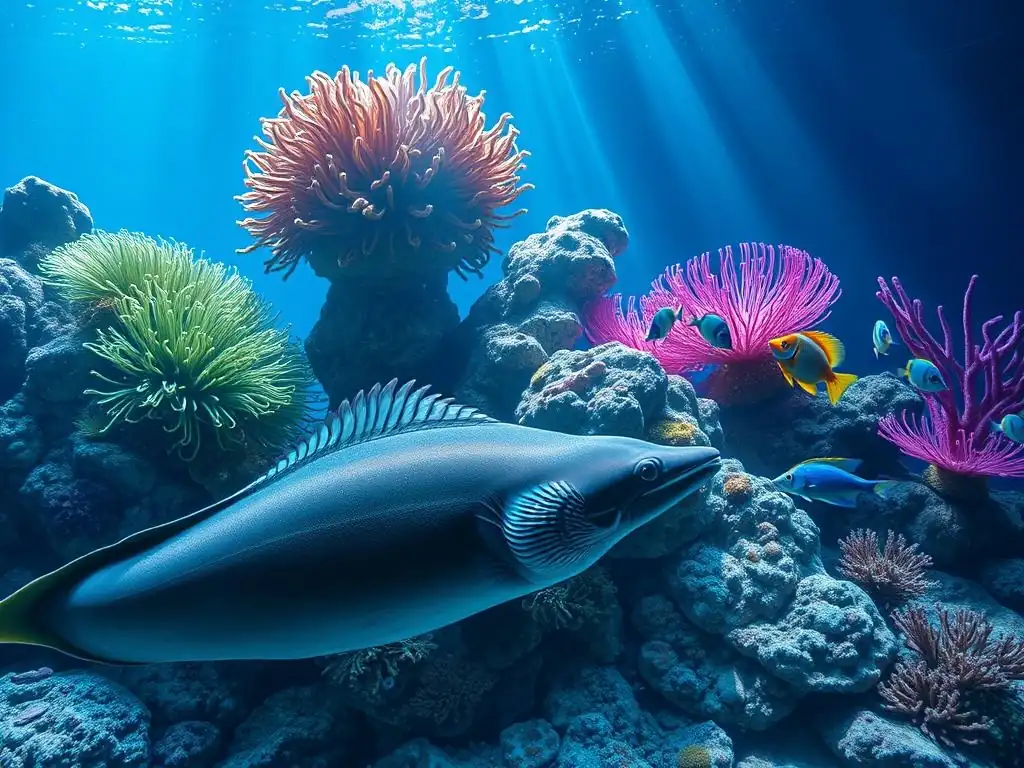
Ever wondered if your aquarium could handle the majestic presence of a moray eel? Moray eel tank compatibility can be a complex dance, filled with potential harmony or disastrous clashes. Dive in to discover success stories, learn from epic fails, and unlock the secrets to creating a thriving, multi-species saltwater haven. Ready to unravel the mystery of cohabitation?
- Understanding Moray Eel Tank Compatibility
-
Moray Eel Tank Mates: Success Stories
- Case Study 1: Snowflake Eel with Damsel Fish
- Feeding Strategies to Minimize Aggression
- Long-Term Observation and Behavior Patterns
- Case Study 2: Zebra Moray Eel with Cleaner Shrimp
- Monitoring Water Parameters for Sensitive Tank Mates
- The Importance of Adequate Hiding Places
- Case Study 3: Golden Dwarf Moray Eel with Pajama Cardinalfish
- Signs of Compatibility and Potential Problems
-
Moray Eel Tank Mates: Epic Fails and How to Avoid Them
- Common Mistakes in Choosing Moray Eel Tank Mates
- Case Study 1: The Aggressive Green Moray Eel and its Unfortunate Victims
- The Role of Tank Size in Preventing Aggression
- Case Study 2: Size Matters: When Tank Mates Become Food
- Choosing Tank Mates that are Too Small or Vulnerable
- Case Study 3: Competition for Resources: Stress and Conflict
- Recognizing Signs of Stress in Moray Eels and Tank Mates
- Safe & Unsafe Moray Eel Tank Mates: A Quick Guide
- Setting Up a Moray Eel Tank for Successful Cohabitation
- Feeding Strategies for a Multi-Species Moray Eel Tank
- Monitoring and Maintaining a Balanced Ecosystem
- Conclusion: Achieving Harmony in Your Moray Eel Aquarium
-
Frequently Asked Questions
- How do I determine if a fish is a suitable tank mate for my moray eel?
- What types of fish are generally not recommended as moray eel tank mates?
- What are some examples of fish that can potentially coexist peacefully with moray eels?
- How important is tank size when considering moray eel tank compatibility?
- What are some key signs that a moray eel is not getting along with its tank mates?
- Final Reflection: Navigating the Murky Waters of Moray Eel Companionship
- Dive Deeper: Uncover Your Moray Eel's Perfect Partner!
Understanding Moray Eel Tank Compatibility
The Allure and Challenge of Keeping Moray Eels
Moray eels captivate aquarists with their serpentine forms, striking patterns, and enigmatic personalities. Unlike many reef fish, these predatory creatures spend much of their time hidden in rockwork, emerging with surprising speed and grace to hunt. Species like the Snowflake Moray ( Echidna nebulosa) or the Zebra Moray ( Gymnomuraena zebra) are particularly popular due to their manageable size and often less aggressive nature compared to their larger cousins. Their unique presence adds a dramatic and primal element to a saltwater aquarium.
However, the very characteristics that make moray eels so alluring also present significant challenges, especially when considering "moray eel tank compatibility" with other inhabitants. Their predatory instincts are hardwired, and while some species are more docile than others, any moray eel is an opportunistic hunter. This inherent nature means that careful planning and selection of tank mates are paramount to prevent costly and heartbreaking losses in the aquarium.
Factors Influencing Moray Eel Temperament and Tank Mate Selection
Several critical factors influence a moray eel's temperament and dictate successful "moray eel tank compatibility." Firstly, species plays a monumental role; for instance, a Ribbon Moray ( Rhinomuraena quaesita) is far less likely to consume tank mates than a robust Green Moray ( Gymnothorax funebris). Size is another key determinant; a large, mature eel will naturally pose a greater threat to smaller fish than a juvenile. Individual personality also varies, with some eels exhibiting more aggression than others, even within the same species.
Beyond the eel itself, the aquarium environment significantly impacts "moray eel tank compatibility." An undersized tank, for example, can lead to increased stress and territorial aggression. The aquascape, providing ample hiding spots and clearly defined territories, can minimize conflict. Furthermore, consistent and appropriate feeding of the moray eel is vital; a hungry eel is a more predatory eel. Neglecting these environmental and husbandry aspects almost guarantees a breakdown in peaceful cohabitation.
Defining "Success" and "Failure" in Moray Eel Cohabitation
In the context of moray eel aquariums, "success" in cohabitation extends beyond mere survival; it implies a thriving ecosystem where all inhabitants exhibit natural behaviors, growth, and health without chronic stress or injury. A successful setup for "moray eel tank compatibility" means that the moray eel coexists peacefully with its tank mates, showing no predatory interest in them, and all fish maintain good coloration, appetite, and activity levels. This is often observed in tanks where the moray is well-fed, and its tank mates are too large, fast, or robust to be considered prey.
Conversely, "failure" in "moray eel tank compatibility" is marked by clear signs of conflict, injury, or the disappearance of tank mates. Even if fish aren't immediately consumed, chronic stress from constant harassment can lead to weakened immune systems, disease, and premature death. A tank where the moray eel is constantly stalking other fish, or where tank mates are perpetually hiding and stressed, represents a significant failure, indicating that the chosen combination of species or tank conditions are unsuitable.
Moray Eel Tank Mates: Success Stories
Case Study 1: Snowflake Eel with Damsel Fish
The Snowflake Eel ( Echidna nebulosa) is often considered one of the more docile and reef-safe moray species, making it a popular choice for aquarists seeking "moray eel tank compatibility." In one notable success story, a 24-inch Snowflake Eel coexisted peacefully for over three years in a 125-gallon reef tank with a group of four sturdy, 3-inch Yellowtail Damsels ( Chrysiptera parasema). The tank was heavily aquascaped with live rock, providing numerous caves and crevices for the eel to retreat into, ensuring it felt secure and reducing any perceived need to establish dominance through aggression.
The environmental stability of the tank was also crucial. Water parameters were meticulously maintained, with specific gravity at 1.025, temperature at a consistent 77°F, and nitrates kept below 10 ppm through regular 15% bi-weekly water changes. This pristine environment minimized stress for both the eel and the damsels, fostering an atmosphere conducive to long-term "moray eel tank compatibility." The secure, heavy glass lid was also a non-negotiable feature, preventing any opportunistic escapes.
Feeding Strategies to Minimize Aggression
A primary factor in this Snowflake Eel's successful "moray eel tank compatibility" was a consistent and effective feeding regimen. The eel was target-fed three times a week with a varied diet of frozen silversides, shrimp, and squid, delivered via a long feeding stick. This ensured the eel was always well-nourished and satiated, significantly reducing its predatory drive towards the damsels. The feeding sessions were conducted during the daytime, allowing the eel to eat without competition from nocturnal tank mates.
Furthermore, the damsels were fed small amounts of flake food and frozen mysis shrimp daily, ensuring their dietary needs were met independently. By preventing hunger in both the eel and its tank mates, the aquarist effectively eliminated one of the most common triggers for aggression and predation. This proactive approach to feeding management is a cornerstone of positive "moray eel tank compatibility" outcomes.
Long-Term Observation and Behavior Patterns
Over the three-year observation period, the Snowflake Eel exhibited typical reclusive behavior, often seen peeking from its rockwork during the day and becoming more active at night. Crucially, there were no observed instances of the eel pursuing or attempting to strike at the damsels. The damsels, in turn, showed no signs of stress, such as clamped fins or rapid breathing, and swam freely throughout the tank, even occasionally darting past the eel's lair without fear.
This long-term success story underscores that with careful planning, appropriate tank size, diligent feeding, and a good understanding of the specific moray species' temperament, achieving peaceful "moray eel tank compatibility" is entirely possible. The key was selecting tank mates that were too large and agile for the eel to consider as prey, coupled with an environment that minimized stress for all inhabitants.
Case Study 2: Zebra Moray Eel with Cleaner Shrimp
The Zebra Moray ( Gymnomuraena zebra) stands out as an exceptionally reef-safe moray species, primarily due to its specialized diet of crustaceans rather than fish. A compelling success story involves a 30-inch Zebra Moray coexisting harmoniously with a pair of Pacific Cleaner Shrimp ( Lysmata amboinensis) in a 180-gallon mixed-reef aquarium for over five years. The tank's aquascape was built with very stable, interlocking live rock structures, creating numerous secure tunnels and ample hiding places for the eel. This provided a comfortable home for the eel without needing to displace other inhabitants.
The reef environment itself was critical; the aquarist avoided adding any small, desirable crustaceans like emerald crabs or hermit crabs that the Zebra Moray would naturally prey upon, thus removing potential conflicts. Instead, the focus was on corals and fish that were clearly not part of the eel's natural diet. This deliberate environmental setup was foundational for establishing robust "moray eel tank compatibility."
Monitoring Water Parameters for Sensitive Tank Mates
Maintaining pristine water quality was paramount for the long-term health of both the Zebra Moray and the delicate cleaner shrimp. The tank utilized a large sump with a high-capacity protein skimmer and a substantial amount of live rock (approximately 180 lbs), ensuring excellent biological filtration. Water parameters were consistently monitored twice weekly, with results typically showing: salinity at 1.025, temperature at 76°F, alkalinity at 8.5 dKH, calcium at 420 ppm, and nitrates consistently below 5 ppm.
These stable, optimal water parameters reduced stress on all inhabitants, including the sensitive cleaner shrimp, which are known to be vulnerable to fluctuating conditions. The cleaner shrimp were observed frequently interacting with the eel, even entering its mouth to perform cleaning duties, a clear testament to the successful "moray eel tank compatibility" achieved through careful environmental management.
The Importance of Adequate Hiding Places
For the Zebra Moray, ample and secure hiding places were not just a luxury but a necessity for its well-being and its peaceful coexistence with other tank inhabitants. The aquarist meticulously designed the rockwork to include at least three large, dark, and secure caves where the eel could fully retreat and feel safe. One particular cave, approximately 10 inches deep and 4 inches wide, became the eel's primary residence.
This abundance of secure retreats minimized the eel's stress levels, preventing it from feeling exposed or threatened, which can sometimes lead to defensive aggression. The eel's consistent use of these hiding spots, emerging only for feeding or brief explorations, demonstrated its comfort and contributed significantly to the successful, long-term "moray eel tank compatibility" within the community aquarium.
Case Study 3: Golden Dwarf Moray Eel with Pajama Cardinalfish
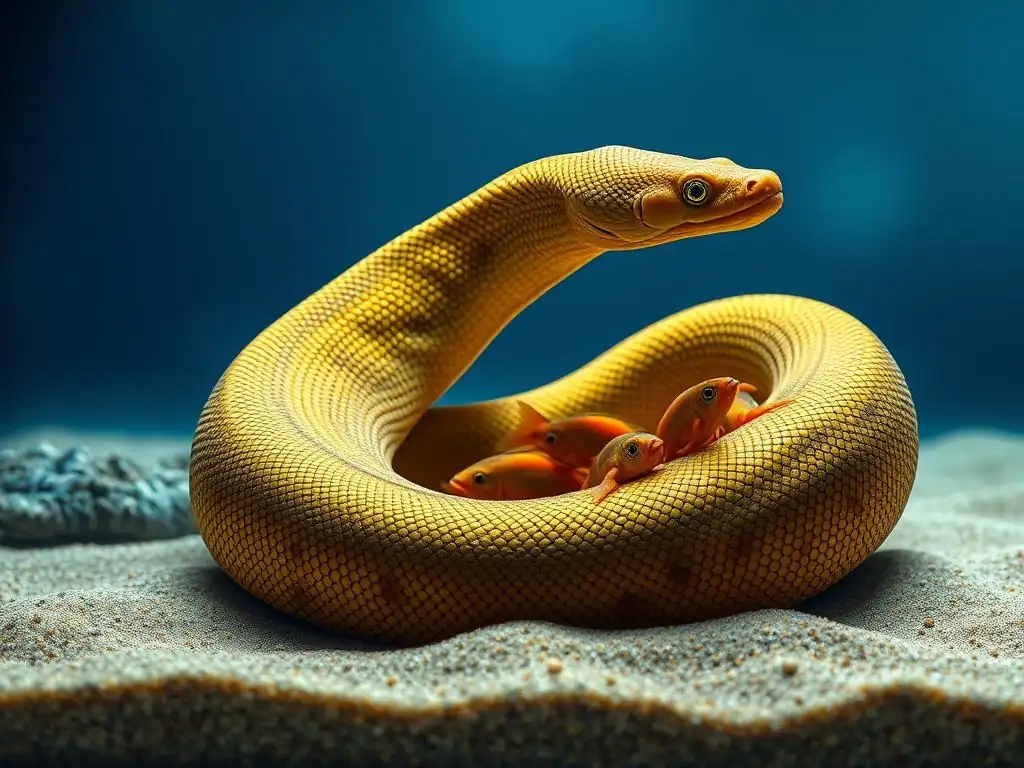
The Golden Dwarf Moray ( Gymnothorax miliaris) is one of the smallest moray species, typically reaching only 12-14 inches in length, making it a viable option for smaller community tanks (e.g., 30-50 gallons). In a successful 40-gallon nano reef, a 10-inch Golden Dwarf Moray coexisted for over two years with a trio of 2.5-inch Pajama Cardinalfish ( Sphaeramia nematoptera). A key strategy was introducing the cardinalfish first and allowing them to establish their territory and comfort level for approximately one month before the moray eel was added.
This staggered introduction allowed the cardinalfish to become familiar with the tank's layout and develop their routines without the immediate presence of a predator. By the time the Golden Dwarf Moray was introduced, the cardinalfish were confident, reducing the likelihood of them appearing as easy prey. This careful establishment of the tank's social hierarchy played a vital role in fostering positive "moray eel tank compatibility."
Signs of Compatibility and Potential Problems
Throughout the cohabitation period, several positive signs indicated excellent "moray eel tank compatibility." The Golden Dwarf Moray primarily stayed within its chosen rock crevice, occasionally venturing out during feeding times. The Pajama Cardinalfish, known for their calm, schooling behavior, continued to hover peacefully in the open water sections of the tank, showing no visible signs of stress or fear when the eel was visible. Their fins remained intact, and their feeding response was robust.
The aquarist diligently monitored for any "red flags," such as the cardinalfish suddenly hiding excessively, exhibiting rapid breathing, or any nips on their fins or bodies. Fortunately, none of these negative indicators were observed. The cardinalfish's relatively large size for the eel's mouth (the eel's gape being about 1 inch) and their somewhat deliberate swimming style, distinct from smaller, darting fish, likely contributed to their being overlooked as prey, solidifying this example of successful "moray eel tank compatibility."
Moray Eel Tank Mates: Epic Fails and How to Avoid Them
Common Mistakes in Choosing Moray Eel Tank Mates
One of the most frequent and devastating mistakes in moray eel husbandry is underestimating their predatory instincts. Many aquarists, drawn to the unique appearance of eels, fail to research the specific dietary and behavioral needs of the species they acquire.
This often leads to the selection of tank mates that are simply too small, too slow, or too vulnerable to coexist safely. A common misconception is that if an eel is well-fed, it will not hunt other fish; while consistent feeding reduces predatory drive, it does not eliminate it, especially if the tank mate is perceived as an easy meal.
Another significant pitfall involves inadequate tank sizing and aquascaping. Housing a large, territorial moray in a tank that is too small for its adult size, or one that lacks sufficient hiding spots, inevitably leads to increased stress and aggression. This environmental pressure can turn even a moderately aggressive moray into a relentless predator, leading to "moray eel tank compatibility" failures. Ignoring the adult size of both the eel and its potential tank mates, as well as their respective territorial needs, sets the stage for inevitable conflict and loss.
Case Study 1: The Aggressive Green Moray Eel and its Unfortunate Victims
A classic case of "moray eel tank compatibility" failure involved a 3-foot Green Moray ( Gymnothorax funebris) housed in a 180-gallon display tank with an assortment of large, seemingly robust fish, including a 6-inch Yellow Tang ( Zebrasoma flavescens) and a 5-inch Emperor Angelfish ( Pomacanthus imperator). Within the first few weeks, subtle signs of predatory behavior emerged: the moray, typically reclusive, was observed more frequently "patrolling" the tank at night. The Yellow Tang began showing signs of stress, often hiding behind rocks and exhibiting faded coloration.
The aquarist initially dismissed these observations, attributing them to the tang's adjustment to a new environment. However, the situation escalated rapidly. One morning, the Yellow Tang was found with severe fin damage, and a few days later, it disappeared entirely. Shortly after, the Emperor Angelfish met the same fate. This swift predation, despite the tank mates being relatively large, highlighted the Green Moray's highly aggressive and opportunistic nature, making "moray eel tank compatibility" with such species nearly impossible.
The Role of Tank Size in Preventing Aggression
This incident underscores the critical role of tank size in preventing aggression, especially with large, highly predatory species like the Green Moray. A 180-gallon tank, while substantial, is simply inadequate for a full-grown Green Moray, which can reach lengths of 8 feet and requires tanks upwards of 300-500 gallons to thrive without feeling confined. The limited space in the 180-gallon tank likely contributed to increased stress for the moray, exacerbating its natural predatory tendencies.
In a tank that is too small, the moray eel lacks sufficient territory and feels constantly exposed, leading to heightened defensive aggression and a greater propensity to view any moving object as potential prey. Furthermore, the limited space meant the tang and angelfish had fewer escape routes or safe zones, making them easy targets. Proper tank sizing is not just about physical space but about providing a psychological environment that minimizes stress and fosters "moray eel tank compatibility."
Case Study 2: Size Matters: When Tank Mates Become Food
Perhaps the most fundamental rule of "moray eel tank compatibility" is: if it fits in the eel's mouth, it's potential food. This principle applies universally, regardless of the moray species' perceived temperament. Moray eels are natural ambush predators, and their wild diets consist primarily of fish and crustaceans. Their mouths are designed to engulf prey whole, and their powerful jaws and needle-like teeth are remarkably efficient at securing and swallowing.
A common scenario illustrating this failure involves a 2-foot Snowflake Eel ( Echidna nebulosa), typically considered docile, housed with a group of four 1-inch Ocellaris Clownfish ( Amphiprion ocellaris). Despite initial months of apparent peace, the clownfish slowly began to disappear, one by one, over a period of three months. The aquarist was baffled, as the eel was well-fed and had never shown aggression.
Choosing Tank Mates that are Too Small or Vulnerable
The failure in this case was a clear misjudgment of scale and the eel's natural predatory instincts. While the Snowflake Eel is less aggressive than some other morays, a 2-foot specimen has a surprisingly large gape. A 1-inch clownfish, despite its speed, is simply too small and vulnerable to be considered a safe tank mate. The eel, even when well-fed, saw these small, active fish as easy, bite-sized snacks, especially during nocturnal foraging.
To avoid such failures in "moray eel tank compatibility," a general rule of thumb is to choose tank mates that are at least 1.5 to 2 times the width of the eel's head and too large to be swallowed whole. This principle extends beyond just fish; smaller ornamental shrimp (other than cleaner shrimp, which are often tolerated) or small crabs are also highly susceptible to predation, even by "reef-safe" morays like the Zebra Moray.
Case Study 3: Competition for Resources: Stress and Conflict
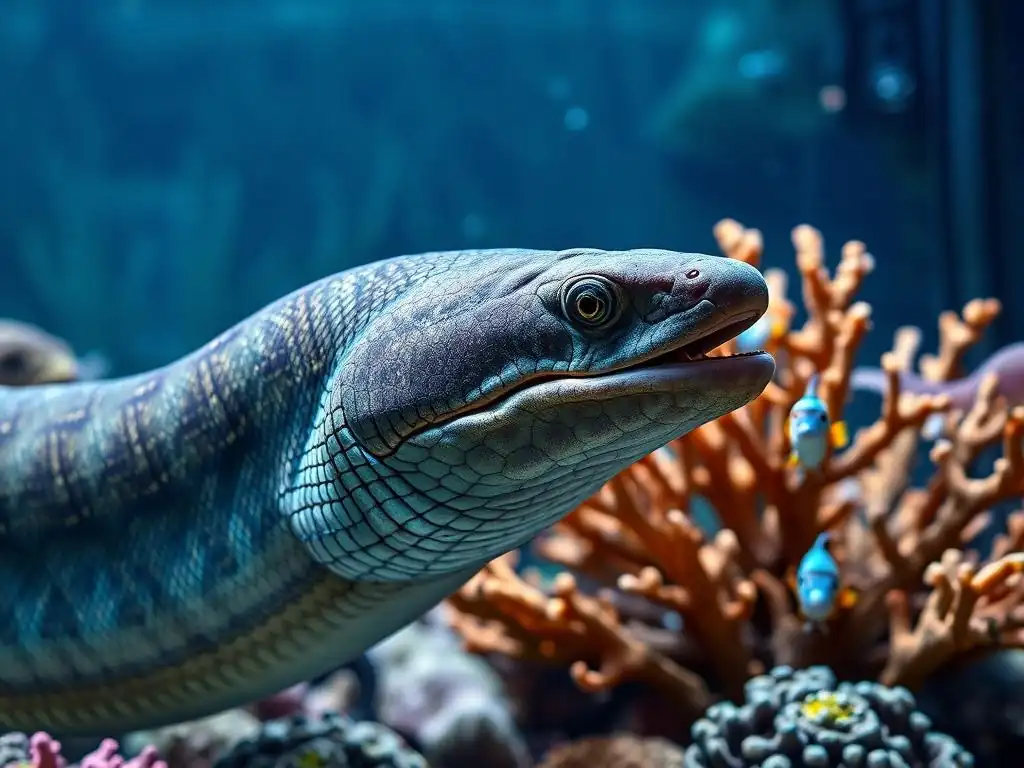
"Moray eel tank compatibility" can also fail not through direct predation, but through chronic stress induced by competition for vital resources. An example involved a 90-gallon tank housing a 15-inch Jewel Moray ( Muraena lentiginosa) and a 7-inch Volitan Lionfish ( Pterois volitans). Both species are ambush predators that require prime hiding spots and sufficient territory. Despite both being fed regularly, the limited space in the 90-gallon tank meant constant competition for the most desirable caves and crevices.
This led to frequent, though not immediately lethal, territorial disputes. The lionfish would often display stress colors, and the moray would occasionally nip at its fins. While no fish were eaten, the persistent low-level conflict created a high-stress environment. Ensuring adequate food distribution is also key; if the eel monopolizes feeding, other tank mates may become malnourished and stressed, even if they aren't directly attacked.
Recognizing Signs of Stress in Moray Eels and Tank Mates
The chronic stress resulting from resource competition ultimately led to the tank's downfall. After six months, the lionfish developed a severe bacterial infection, likely due to a weakened immune system from constant stress, and eventually succumbed. The Jewel Moray, though physically unharmed, became increasingly reclusive and refused food for extended periods, indicating its own stress. Recognizing signs of stress early is crucial for successful "moray eel tank compatibility."
Signs to watch for include: rapid breathing (gilling), clamped fins, faded coloration, excessive hiding or unusual swimming patterns, refusal to eat, or visible nips and injuries. For morays, chronic stress might manifest as constant attempts to escape, rubbing against tank decor, or erratic swimming. Addressing these signs by re-evaluating tank size, aquascaping, and tank mate selection is vital to prevent total system failure and ensure long-term "moray eel tank compatibility."
Safe & Unsafe Moray Eel Tank Mates: A Quick Guide
Recommended Fish Species for Moray Eel Tanks
Achieving high "moray eel tank compatibility" requires careful selection of tank mates that are either too large, too fast, or too robust to be considered prey. For smaller, more docile morays like the Snowflake Eel ( Echidna nebulosa) or Chainlink Moray ( Echidna catenata), suitable tank mates often include:
- Larger Tangs: Such as Yellow Tangs ( Zebrasoma flavescens) or Sailfin Tangs ( Zebrasoma veliferum), provided they are at least 4-5 inches.
- Larger Angelfish: Species like Emperor Angelfish ( Pomacanthus imperator) or French Angelfish ( Pomacanthus paru) are good choices due to their size and robust nature.
- Lionfish: Volitan Lionfish ( Pterois volitans) or Fuzzy Dwarf Lionfish ( Dendrochirus brachypterus) can coexist, but ensure they are similar in predatory needs and require massive tanks for larger species.
- Pufferfish: Dogface Puffers ( Arothron nigropunctatus) or Porcupine Puffers ( Diodon holocanthus) are often ignored due to their tough skin and defensive capabilities.
- Triggerfish: Larger, more robust species like the Niger Trigger ( Odonus niger) can be compatible, but their own aggression must be considered.
- Large Damsels: Robust damsels like the Three Spot Damsel ( Dascyllus trimaculatus) if they are 3 inches or larger.
- Specific pairings: Zebra Morays ( Gymnomuraena zebra) are excellent with large wrasses (e.g., Lunar Wrasse, Thalassoma lunare) and even smaller, peaceful fish like Pajama Cardinalfish ( Sphaeramia nematoptera) if the eel is well-fed and the fish are not too small.
Invertebrates that Can Coexist with Moray Eels
While most invertebrates are at risk, some can demonstrate successful "moray eel tank compatibility":
- Cleaner Shrimp: Pacific Cleaner Shrimp ( Lysmata amboinensis) and Peppermint Shrimp ( Lysmata wurdemanni) are often tolerated, especially by Zebra Morays, and may even perform cleaning services.
- Large Anemones: If the moray is confirmed reef-safe and won't consume the host fish.
- Large Hermit Crabs: Only if their shells are too large and robust for the eel to crush.
- Avoid all other small crustaceans, crabs, snails, and decorative shrimp, as they are typically part of a moray's natural diet.
Fish to Avoid Keeping with Moray Eels
Many fish are simply unsuitable for "moray eel tank compatibility" due to their size, behavior, or vulnerability:
- Any fish small enough to fit in the eel's mouth: This is the golden rule. This includes most juvenile fish.
- Small Gobies and Blennies: Highly vulnerable due to their small size and bottom-dwelling nature.
- Clownfish: Unless they are very large specimens and the moray is a very small, docile species like a Golden Dwarf Moray.
- Chromis and small Damsels: Too small and active, often seen as easy prey.
- Dottybacks: Generally too small and territorial.
- Slow-moving or bottom-dwelling fish: These offer little chance of escape.
- Fish with long, flowing fins: Certain Anthias or smaller Lionfish (e.g., Fu Manchu Lionfish) might tempt an opportunistic bite.
- Fish that compete for the same hiding spots aggressively: This can lead to chronic stress and injuries.
Red Flags: Signs of Incompatibility to Watch For
Vigilant observation is key to preventing disaster in "moray eel tank compatibility." Watch for these warning signs:
- Missing fish or invertebrates: The most obvious sign of predation.
- Injuries on tank mates: Nipped fins, body scrapes, or bite marks.
- Eel constantly "stalking" other fish: Persistent following or lurking near tank mates.
- Tank mates showing signs of chronic stress: Hiding excessively, rapid breathing, clamped fins, faded coloration, refusal to eat.
- Aggressive displays from the eel: Flaring gills, open-mouth threats, or rapid lunges, even if they don't connect.
- Eel attempting to escape the tank: A sign of extreme stress or discontent with its environment or tank mates.
Setting Up a Moray Eel Tank for Successful Cohabitation
Tank Size Requirements for Multiple Species
Achieving successful "moray eel tank compatibility" begins with selecting an appropriately sized aquarium. While a single Snowflake Eel might theoretically survive in a 50-gallon tank, adding tank mates necessitates a much larger volume to dilute aggression, provide ample territory, and accommodate the increased bioload. For a Snowflake Eel in a community setup, a minimum of 75-100 gallons is recommended, allowing for several robust tank mates. For a Zebra Moray, 125-180 gallons is a more suitable starting point for a community tank.
For larger, more aggressive moray species like the Green Moray ( Gymnothorax funebris) or the Tessalata Eel ( Gymnothorax favagineus), the requirements skyrocket. To even consider "moray eel tank compatibility" with other large fish, a tank of 300-500 gallons is often considered the absolute minimum, and even then, success is not guaranteed. More space reduces territorial disputes, provides essential swimming room for other fish to evade the eel, and allows for more complex aquascaping to create distinct zones.
Aquascaping for Harmony: Creating Territories and Hiding Spots
The layout of your live rock and substrate is paramount for establishing peaceful "moray eel tank compatibility." Moray eels are naturally reclusive and require secure, dark hiding places where they can feel safe and retreat from perceived threats. Provide multiple, stable caves and tunnels using interlocking live rock or aquarium-safe PVC pipes disguised within the rockwork. Ensure these structures are secure and cannot collapse, especially with a powerful eel moving through them.
Beyond the eel's lair, ensure that other tank mates also have their own designated hiding spots and clear swimming lanes. This reduces direct competition for prime real estate and allows fish to escape quickly if the eel becomes active or aggressive. A well-designed aquascape breaks up lines of sight, minimizing territorial disputes and creating a more harmonious environment that significantly enhances "moray eel tank compatibility" for all inhabitants.
Maintaining Optimal Water Quality for a Community Tank
A multi-species moray eel tank, especially one with large, predatory fish, generates a substantial bioload, making pristine water quality non-negotiable for long-term "moray eel tank compatibility." Robust filtration is essential, typically involving a large sump with a high-efficiency protein skimmer, ample live rock, and potentially a refugium. Regular and substantial water changes are critical; for instance, a 20-25% water change bi-weekly is often necessary to keep nitrates below 20 ppm.
Consistent monitoring of water parameters—including salinity (1.024-1.026), temperature (76-78°F), ammonia (0 ppm), nitrite (0 ppm), and nitrate (<20 ppm)—is vital. Stable parameters reduce stress on all inhabitants, making them less susceptible to disease and more resilient to any potential inter-species dynamics. Fluctuating water quality can rapidly undermine even the most carefully planned "moray eel tank compatibility" efforts.
Feeding Strategies for a Multi-Species Moray Eel Tank
Preventing Food Aggression Among Tank Mates
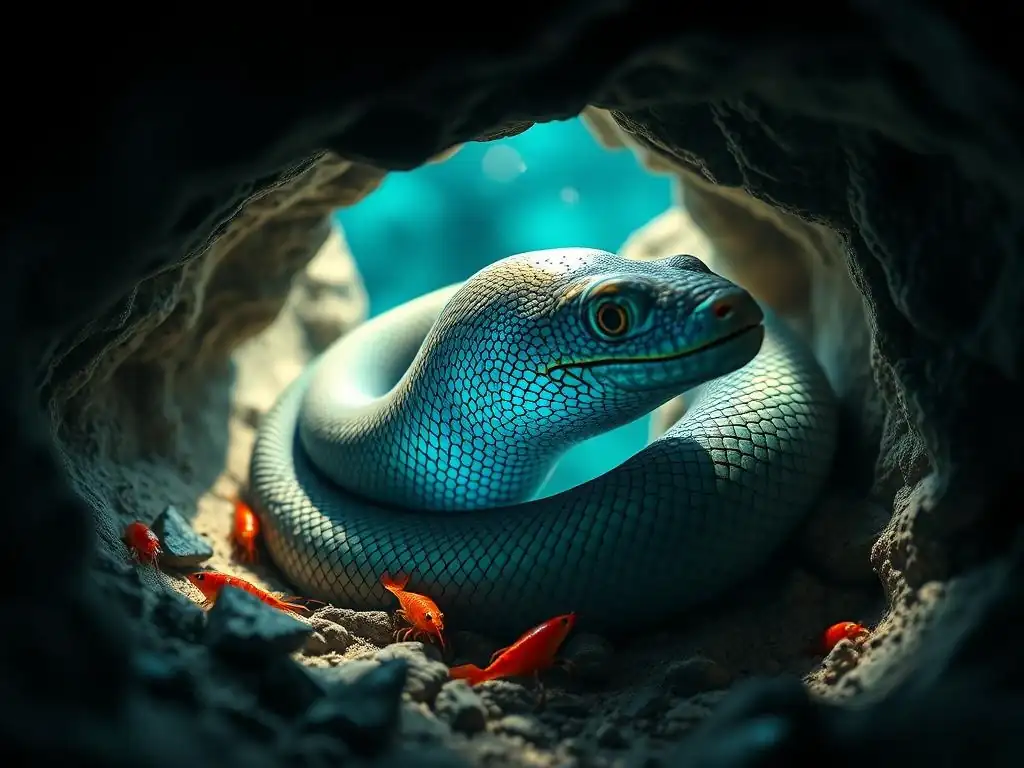
Preventing food-related aggression is a cornerstone of successful "moray eel tank compatibility." Moray eels are voracious and opportunistic eaters, and if they are not adequately fed, their predatory drive towards tank mates will increase significantly. The most effective strategy is target feeding the moray eel. Using a long feeding stick or tongs, offer the eel its preferred meaty foods (e.g., frozen silversides, shrimp, squid, clam) directly into its lair or when it emerges. This ensures the eel receives sufficient nutrition without having to compete with or be tempted by other fish.
Simultaneously, ensure other tank mates are also well-fed. If other fish are hungry, they might dart for the eel's food, potentially leading to nips or injuries. Feeding other fish (e.g., pellets, flakes, specific frozen foods) at a different time or in a different area of the tank can minimize competition. A well-fed moray is far less likely to view its tank mates as potential meals, fostering better "moray eel tank compatibility."
Supplementing Diets for Different Species
A multi-species moray eel tank will inevitably house fish with diverse dietary needs. While the moray requires meaty, protein-rich foods 2-3 times per week, other tank mates might require daily feedings of different types of food. For instance, tangs need algae sheets, angelfish require sponge-based foods, and some puffers might need hard-shelled items to keep their beaks trimmed.
It is crucial to ensure that all species are receiving a complete and balanced diet tailored to their specific requirements. This prevents nutritional deficiencies, which can lead to weakened immune systems and susceptibility to disease. A healthy, well-nourished community is more resilient and adaptable, contributing positively to overall "moray eel tank compatibility."
Recognizing Overfeeding and its Consequences
While underfeeding can lead to aggression, overfeeding also poses significant risks to "moray eel tank compatibility" and overall tank health. Signs of overfeeding include uneaten food decaying on the substrate or in the rockwork, cloudy water, and rapidly rising nitrate and phosphate levels. Excess organic waste provides a breeding ground for undesirable algae and harmful bacteria, leading to poor water quality.
The consequences of overfeeding are severe: reduced oxygen levels, increased stress on all inhabitants, susceptibility to diseases like lateral line erosion or bacterial infections, and persistent algal blooms. These issues can quickly destabilize the entire ecosystem, making it impossible to maintain healthy "moray eel tank compatibility." A balanced feeding schedule, where all food is consumed within a few minutes, is essential.
Monitoring and Maintaining a Balanced Ecosystem
Regular Observation of Moray Eel and Tank Mate Behavior
Consistent, daily observation is perhaps the most critical aspect of long-term "moray eel tank compatibility." Aquarists should dedicate time each day to watch their moray eel and its tank mates for any changes in behavior, appearance, or interaction. Look for subtle shifts: Is the eel hiding more or less than usual? Are any tank mates exhibiting clamped fins, rapid breathing, or unusual swimming patterns? Are there any visible nips or injuries on any fish?
Pay close attention to how the moray interacts with specific tank mates. Is it consistently "stalking" a particular fish? Are there any aggressive displays during feeding times or when territories are crossed? Documenting these observations, even mentally, helps identify emerging patterns of stress or aggression before they escalate into fatalities. Early detection of issues is paramount for successful "moray eel tank compatibility."
Water Testing and Adjustments for a Healthy Environment
Routine water testing is the backbone of a healthy saltwater aquarium and directly impacts "moray eel tank compatibility." Weekly tests for ammonia, nitrite, nitrate, pH, and salinity are non-negotiable. For reef setups or tanks with sensitive invertebrates, additional tests for alkalinity, calcium, and magnesium are also crucial. Consistent parameters are far more important than hitting specific "perfect" numbers.
Any deviations from established parameters should be promptly addressed through water changes, filter maintenance, or appropriate dosing. For instance, consistently high nitrates might indicate a need for larger or more frequent water changes, or a review of feeding practices. Maintaining stable, optimal water conditions reduces stress on all inhabitants, strengthens their immune systems, and creates an environment where "moray eel tank compatibility" is more likely to thrive.
Quarantine Procedures for New Additions to the Tank
Introducing new fish or invertebrates directly into an established moray eel community tank is a significant risk that can undermine all previous efforts at "moray eel tank compatibility." All new additions, regardless of their source, should undergo a strict quarantine period of at least 4-6 weeks in a separate, dedicated quarantine tank. This allows for observation for signs of disease, parasites, or unusual behavior without risking the health of the main display tank.
Furthermore, quarantining allows for a preliminary assessment of temperament. A new fish that appears overly stressed, aggressive, or unusually reclusive in quarantine might be a poor candidate for "moray eel tank compatibility" with a moray eel or other existing tank mates. Preventing the introduction of pathogens and ensuring behavioral suitability are vital steps in maintaining a balanced and harmonious moray eel aquarium.
Conclusion: Achieving Harmony in Your Moray Eel Aquarium
Frequently Asked Questions
How do I determine if a fish is a suitable tank mate for my moray eel?
Carefully consider the size of the potential tank mate in relation to your eel. Avoid fish that are small enough to be eaten but large enough to potentially injure the eel when swallowed. Research the fish's temperament and behavior to ensure it won't harass or nip at the eel.
What types of fish are generally not recommended as moray eel tank mates?
Anything small enough to be food! Fish that are very aggressive or territorial, especially those that may nip at the eel's fins, are also unsuitable. Avoid slow-moving or defenseless fish that could easily become prey.
What are some examples of fish that can potentially coexist peacefully with moray eels?
Larger, semi-aggressive fish that can hold their own are often good choices. Some examples might include certain types of triggers or puffers, depending on the species and the eel's temperament. However, careful observation is always necessary.
How important is tank size when considering moray eel tank compatibility?
Tank size is extremely important! A larger tank provides more space for fish to establish territories and avoid conflict. A crowded tank increases the likelihood of aggression and stress, which can negatively impact both the eel and its tank mates.
What are some key signs that a moray eel is not getting along with its tank mates?
Look for signs of stress in the eel, such as hiding excessively, refusing to eat, or exhibiting unusual behavior. Also, observe the tank mates for injuries, such as nipped fins, or signs of being harassed. Immediate separation may be necessary if aggression is observed.
Okay, here's a final reflection designed to close your article "Moray Eel Tank Mates: Cohabitation Success Stories and Epic Fails," optimized for the keyword "Moray eel tank compatibility" and following your specified structure:
The journey through the successes and failures of moray eel tank mates reveals a crucial truth: responsible aquarium keeping demands meticulous research and a deep understanding of species-specific needs. The compatibility of moray eels with other marine life isn't a simple yes or no answer; it's a complex equation involving temperament, size, and environmental factors that aquarists must carefully consider to avoid disastrous outcomes.
This exploration of moray eel tank compatibility underscores the ongoing responsibility we have to the animals we bring into our care. The well-being of these fascinating creatures hinges on our ability to move beyond mere aesthetics and prioritize their natural behaviors and needs. The ultimate goal, for me, is to create an environment where the animal thrives, not just survives,
a sentiment echoed by countless dedicated aquarists striving to create harmonious ecosystems within their tanks.
As you contemplate the potential of adding a moray eel to your aquarium, remember the lessons learned from both the triumphs and the tragedies detailed in this article. Let the knowledge of successful cohabitations inspire you, and let the cautionary tales of incompatibility guide you toward making informed and ethical decisions. The future of these magnificent creatures in captivity depends on our commitment to responsible and informed aquarium keeping.
Dive Deeper: Uncover Your Moray Eel's Perfect Partner!
Thank you for exploring the fascinating world of moray eel tank mates! We hope you've found valuable insights into creating a harmonious underwater community. Now, let's put that knowledge into action and elevate your aquarium experience.
Here's how you can take the next steps:
- Embark on a quest to find your moray eel a compatible companion! Carefully consider the temperament, size, and needs of potential tank mates to ensure a peaceful environment.
- Share your newfound knowledge! Discuss successful (or not-so-successful!) moray eel tank mate pairings in aquarium forums or with fellow hobbyists.
- Think outside the box:Consider a "rescue mission" - could you provide a sanctuary for a fish in need of a new home that happens to complement your moray's lifestyle?
What unique combinations have you considered for a moray eel tank, and what challenges do you anticipate?