
Setting Up a FOWLR Tank for Large Angelfish: A StepbyStep Guide

Welcome to Aquarium Mastery!
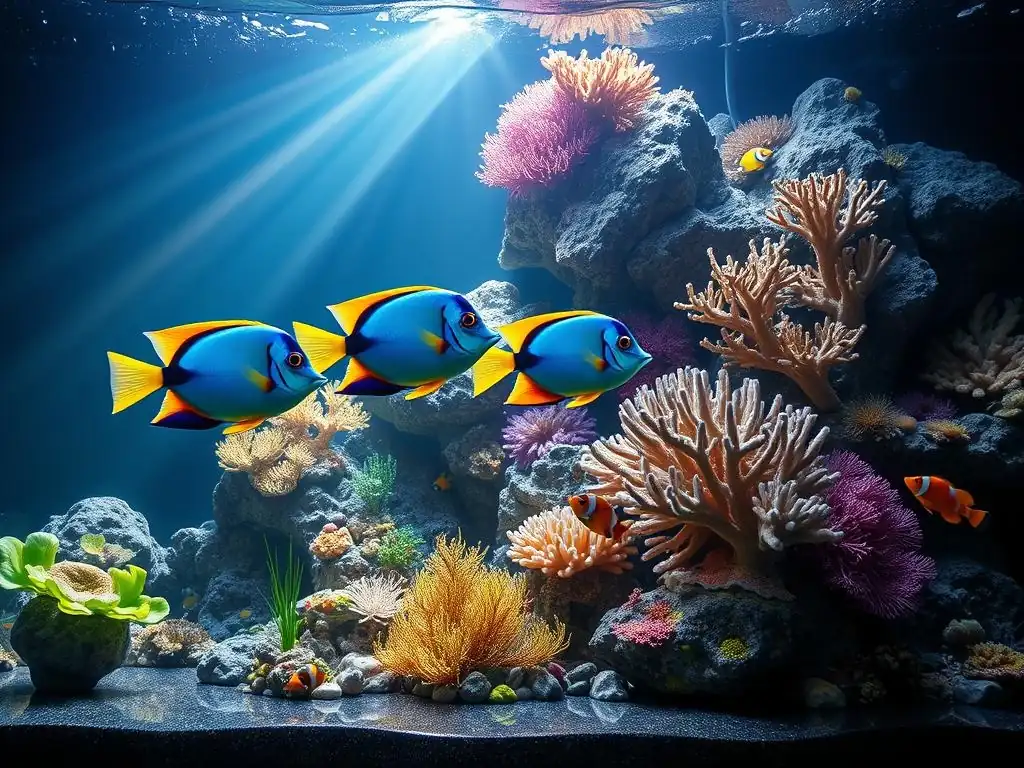
Ever dreamed of a vibrant FOWLR (Fish Only With Live Rock) tank teeming with majestic angelfish? Intrigued? You've come to the right place! We're diving deep into the essentials of a successful FOWLR tank angelfish setup, offering a step-by-step guide to create the perfect environment for these stunning creatures. Get ready to unlock the secrets to a thriving underwater paradise – let's get started!
- Introduction to FOWLR Tanks and Large Angelfish
- Step 1: Planning Your FOWLR Tank for Angelfish
-
Step 2: Selecting the Essential Equipment
- Choosing a High-Quality Aquarium Tank
- Filtration System for Angelfish FOWLR Tanks: Sump and Protein Skimmer
- Protein Skimmer Selection for Maintaining Water Quality
- Heaters and Thermostats: Maintaining Ideal Water Temperature
- Lighting for a FOWLR Tank: Standard Output Fluorescent or LED
- Powerheads and Circulation: Creating Water Flow for Angelfish
- Step 3: Setting Up the FOWLR Aquascape
- Step 4: Cycling Your New FOWLR Aquarium
- Step 5: Selecting Your Large Angelfish
- Step 6: Maintaining Water Quality in Your Angelfish FOWLR Tank
- Step 7: Feeding Your Large Angelfish
- Step 8: Monitoring Angelfish Health and Behavior
- Step 9: Potential Tank Mates for Large Angelfish in a FOWLR Setting
- Conclusion: Enjoying Your Large Angelfish FOWLR Tank
-
Frequently Asked Questions
- How large of a tank is generally recommended for a FOWLR (Fish Only With Live Rock) setup intended to house large angelfish?
- What are the key considerations for choosing live rock in a FOWLR tank setup for angelfish?
- What specific water parameters are crucial to maintain in a FOWLR tank with large angelfish?
- What types of filtration are recommended for a FOWLR angelfish tank?
- What are some common health issues to watch out for in angelfish in a FOWLR setup and how can they be prevented?
- Final Reflection: Embracing the Majesty of Marine Life
- Embark on Your Angelfish Adventure!
Introduction to FOWLR Tanks and Large Angelfish
What is a FOWLR Tank and Why Choose it for Angelfish?
A Fish Only With Live Rock (FOWLR) tank is a specialized marine aquarium setup that focuses on housing marine fish alongside a substantial amount of live rock, but typically without corals or other delicate invertebrates that require intense lighting and pristine reef-specific water parameters. This approach leverages the natural biological filtration capabilities of live rock, which is teeming with beneficial bacteria and micro-organisms, to process waste and maintain water quality.
For aquarists aiming to keep large angelfish, a FOWLR tank presents an ideal environment, offering the necessary space and stable water conditions without the complexities and potential compatibility issues associated with a full reef system. The live rock itself provides ample hiding spots and grazing surfaces, contributing to the well-being of the fish.
Choosing a FOWLR tank for a large angelfish setup is particularly advantageous because many popular angelfish species, especially the larger ones like the Emperor Angelfish ( Pomacanthus imperator) or Queen Angelfish ( Holacanthus ciliaris), are known to nip at or consume corals and other sessile invertebrates. This dietary habit makes them unsuitable for traditional reef tanks where the primary focus is coral growth.
In a FOWLR environment, these magnificent fish can thrive without the risk of damaging expensive coral colonies. Furthermore, the robust filtration provided by a mature live rock system can handle the bioload of larger fish more effectively than some simpler setups, making it a sustainable choice for these long-lived species.
Understanding the Unique Needs of Large Angelfish in Captivity
Large angelfish, such as the Grey Angelfish ( Pomacanthus arcuatus) which can reach up to 24 inches, or the French Angelfish ( Pomacanthus paru) growing to 15 inches, have distinct requirements that differentiate them from smaller marine fish. Primarily, their substantial adult size necessitates a significantly larger aquarium to ensure adequate swimming space and to dilute waste products effectively.
Insufficient space can lead to stunted growth, increased aggression, and chronic stress, ultimately shortening their impressive natural lifespans, which can exceed 15 years in proper care. Their natural behaviors, such as patrolling territories and grazing on rockwork, also demand an expansive habitat.
Beyond tank size, large angelfish require stable and pristine water parameters to flourish. While they are generally hardy, fluctuations in salinity, temperature, or nitrogenous compounds can quickly lead to health issues. Many large angelfish species are omnivorous, with a significant portion of their wild diet consisting of sponges, tunicates, and algae.
Replicating this diverse nutritional profile in captivity is crucial; a varied diet of high-quality pellets, frozen foods (like mysis shrimp, spirulina-enriched brine shrimp, and marine algae), and occasional fresh seafood is essential. Their intelligence and often curious nature also mean they benefit from a stimulating environment with plenty of rockwork for exploration and grazing, making the FOWLR tank angelfish setup an excellent choice.
Step 1: Planning Your FOWLR Tank for Angelfish
Determining the Appropriate Tank Size for Large Angelfish Species
The cornerstone of a successful FOWLR tank angelfish setup is selecting an appropriately sized aquarium. Large angelfish, by their very nature, require significant swimming space. For a single adult large angelfish like an Emperor Angelfish or Queen Angelfish, a minimum tank size of 180 gallons (approximately 700 liters) is generally recommended.
This allows for ample room for the fish to turn, swim freely, and establish a territory without feeling confined. If you plan to keep multiple large angelfish, or introduce other compatible large fish, the tank size should increase proportionally, often necessitating tanks of 300 gallons (about 1135 liters) or more to prevent aggression and ensure long-term health. Overstocking is a common pitfall that leads to poor water quality and stress, significantly reducing the lifespan of these magnificent creatures.
Consideration for future growth is paramount when determining tank size. A juvenile angelfish may seem small in a 100-gallon tank, but within a few years, it could easily outgrow that space. For instance, a juvenile French Angelfish, initially only a few inches, can reach its full adult size of 15 inches within 3-5 years.
Investing in a larger tank from the outset avoids the costly and stressful process of upgrading later. Additionally, larger tanks offer greater water volume, which provides increased stability for water parameters, making it easier to manage the bioload of a large fish and recover from minor fluctuations. This stability is crucial for the delicate balance required in any FOWLR tank for large angelfish, helping to prevent stress-related illnesses and maintain optimal health.
Selecting the Right Location for Your Saltwater Aquarium
Choosing the correct location for your saltwater aquarium is a critical planning step that impacts both the tank's stability and your enjoyment of the FOWLR tank angelfish setup. Firstly, the floor must be able to support the immense weight of a filled aquarium. A 180-gallon tank, once filled with water, live rock, substrate, and equipment, can easily weigh over 2000 pounds (approximately 900 kg).
For tanks larger than 120 gallons, it is highly advisable to place them on a load-bearing wall or consult a structural engineer to ensure the floor joists can handle the stress, especially in older homes or on upper floors. Placing the tank away from direct sunlight is also essential to prevent excessive algae growth and temperature fluctuations, which can stress angelfish and complicate water chemistry management.
Furthermore, the chosen location should be away from high-traffic areas to minimize vibrations and sudden movements that can startle fish. Proximity to power outlets is a practical consideration, as a FOWLR tank angelfish setup will require multiple electrical connections for filtration, heating, and lighting. Ensure there is enough space around the tank for maintenance activities, such as water changes, equipment access, and cleaning.
Avoid placing the tank near air conditioning vents or heating registers, as these can cause significant and rapid temperature swings, which are detrimental to marine life. Lastly, consider the aesthetic appeal; the tank will be a focal point in your home, so choose a location where it can be admired and enjoyed daily.
Budgeting for Your FOWLR Angelfish Setup: Initial Costs and Maintenance
Establishing a FOWLR tank for large angelfish involves a significant financial commitment, both upfront and ongoing. Initial costs for a 180-gallon FOWLR tank can range from $2,000 to $5,000 or more, depending on the quality and brand of equipment. This budget typically covers the aquarium itself, a sturdy stand, a robust filtration system (sump, protein skimmer, return pump), heaters, lighting (even basic FOWLR lighting), powerheads, and essential testing kits.
Live rock, which is crucial for biological filtration in a FOWLR angelfish setup, can cost anywhere from $5 to $10 per pound, and a 180-gallon tank might require 150-200 pounds, adding another $750 to $2,000. The angelfish themselves can range from $80 for a smaller species to over $300 for a prized adult Emperor or Queen Angelfish.
Beyond the initial investment, ongoing monthly maintenance costs must be factored into your budget. These include expenses for high-quality marine salt mix (e.g., a 200-gallon bucket might cost $60-$80 and last for several months depending on water change frequency), specialized angelfish foods (which can be $15-$30 per pack of frozen food), replacement filter media (e.g., carbon, filter socks), and electricity to run pumps, heaters, and lights.
For a 180-gallon FOWLR tank, electricity costs alone could add $30-$60 per month to your utility bill, depending on local rates and equipment efficiency. Regular water testing supplies, medications, and potential emergency equipment repairs also contribute to the long-term financial commitment, making a realistic budget plan essential for the sustained success of your FOWLR tank angelfish setup.
Step 2: Selecting the Essential Equipment
Choosing a High-Quality Aquarium Tank
The aquarium tank is the foundation of your FOWLR tank angelfish setup, and choosing a high-quality one is paramount for safety, durability, and aesthetics. Glass tanks are generally heavier and more scratch-resistant than acrylic, offering superior clarity over many years if properly maintained. Acrylic tanks, while lighter and stronger (less prone to shattering), are more susceptible to scratching and can sometimes yellow over time.
For tanks 180 gallons and above, glass tanks with low-iron fronts (often labeled "Starphire" or "Ultra-clear") are popular for their exceptional clarity, allowing for an unobstructed view of your magnificent angelfish. Ensure the tank comes with a robust stand specifically designed to support its weight when full, as a proper stand is critical for structural integrity and safety.
When inspecting a tank, look for clean silicone seams on glass tanks, free from bubbles or inconsistencies, which indicate a quality build. For acrylic tanks, check for smooth, polished edges and strong, seamless bonds. Many larger tanks designed for FOWLR or reef setups will include built-in overflows, which are crucial for connecting to a sump filtration system.
These overflows efficiently skim surface water, removing organic film and transporting it to the sump for processing. Investing in a reputable brand, even if it means a higher initial cost, can prevent leaks, structural failures, and other headaches down the line, ensuring a stable and secure environment for your large angelfish FOWLR system.
Filtration System for Angelfish FOWLR Tanks: Sump and Protein Skimmer
A robust filtration system is non-negotiable for maintaining the pristine water quality required by large angelfish in a FOWLR tank. The most effective setup typically involves a sump, which is a secondary tank located beneath the main display tank. A sump vastly increases the total water volume of the system, providing greater stability for water parameters and acting as a convenient location for essential equipment like protein skimmers, heaters, and reactors.
Water flows from the main display tank into the sump via an overflow, is processed through various chambers, and then returned to the main tank by a powerful return pump. This continuous circulation ensures efficient removal of waste and aeration of the water.
Within the sump, the primary mechanical and biological filtration components for a FOWLR tank angelfish setup are housed. Mechanical filtration, often provided by filter socks or sponges in the first chamber, physically removes particulate matter, preventing it from breaking down and polluting the water.
Biological filtration is primarily handled by the live rock in the display tank and potentially additional bio-media in the sump, where beneficial bacteria convert harmful ammonia and nitrites into less toxic nitrates. The protein skimmer, a crucial component discussed separately, works in conjunction with the sump to remove dissolved organic compounds before they can decompose, significantly reducing the bioload and maintaining crystal-clear water for your angelfish.
Protein Skimmer Selection for Maintaining Water Quality
A high-quality protein skimmer is arguably the most vital piece of equipment in a FOWLR tank angelfish setup, playing a crucial role in maintaining optimal water quality. Protein skimmers work by creating a large volume of fine air bubbles that attract and bind to dissolved organic compounds (DOCs) in the water.
These "dirty" bubbles then rise to the surface and are collected in a removable cup, effectively removing organic waste before it can break down into ammonia, nitrite, and nitrate. This process significantly reduces the bioload, improves water clarity, and increases oxygen levels, all of which are essential for the health and longevity of large angelfish.
When selecting a protein skimmer, it's critical to choose one rated for a tank size larger than your actual display tank volume, especially for a FOWLR system with large, messy eaters like angelfish. For instance, if you have a 180-gallon tank, opt for a skimmer rated for 200-300 gallons. Brands like Bubble Magus, Reef Octopus, and Royal Exclusiv are well-regarded for their efficiency and reliability.
Skimmers come in various types, including in-sump, hang-on-back, and external models. For a dedicated FOWLR tank angelfish setup with a sump, an in-sump model is generally preferred for its quiet operation and efficient design. Regular cleaning of the skimmer cup (daily to weekly) is necessary to ensure it operates at peak efficiency.
Heaters and Thermostats: Maintaining Ideal Water Temperature
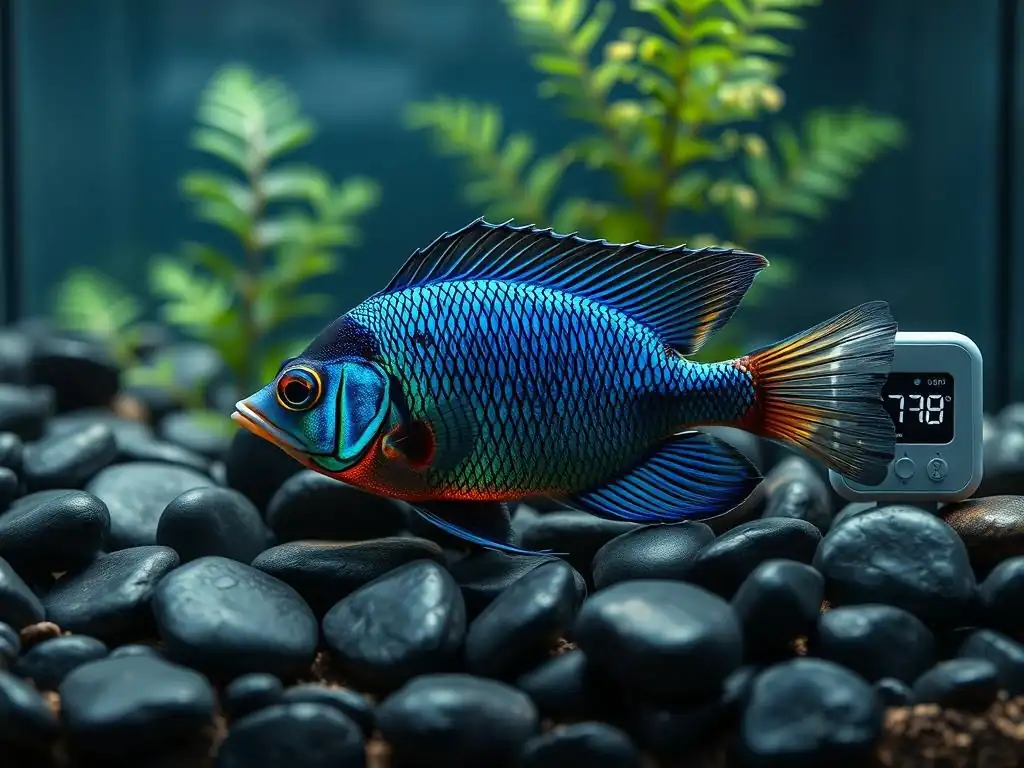
Maintaining a stable water temperature is critical for the health and metabolic functions of large angelfish in a FOWLR tank. The ideal temperature range for most marine angelfish is between 75°F and 80°F (24°C-27°C). Fluctuations outside this range, especially rapid ones, can cause significant stress, weaken the fish's immune system, and make them susceptible to diseases like Ich.
To achieve this stability, multiple heaters are often recommended for larger tanks. For example, a 180-gallon FOWLR tank might benefit from two 300-watt heaters rather than a single 600-watt unit. This redundancy provides a safety net: if one heater fails, the other can still maintain temperature, preventing a catastrophic drop.
Heaters should always be paired with a reliable external thermostat or a temperature controller. While many heaters have built-in thermostats, external controllers offer superior accuracy and an additional layer of safety, preventing overheating in case of a heater malfunction. Brands like Inkbird or Apex controllers provide precise temperature management and can often alert you to out-of-range temperatures.
Place heaters in areas of good water flow within the sump or display tank to ensure even heat distribution. Regular calibration of your thermometer is also advisable to ensure accurate readings, allowing you to fine-tune your heating system for the optimal environment for your FOWLR tank angelfish setup.
Lighting for a FOWLR Tank: Standard Output Fluorescent or LED
Unlike reef tanks that require intense, specialized lighting for coral photosynthesis, a FOWLR tank angelfish setup has much simpler lighting requirements. The primary purpose of lighting in a FOWLR system is to allow for viewing of your fish and to provide a natural day/night cycle, which is important for the fish's biological rhythms. Standard output fluorescent lights (T5 or T8) or basic LED fixtures are perfectly adequate. A color temperature of around 10,000K to 20,000K is typically preferred, as it enhances the vibrant colors of marine fish and provides a crisp, natural appearance to the aquarium.
While you don't need high-PAR (Photosynthetically Active Radiation) lighting, ensure the fixture is designed for marine environments and is resistant to saltwater corrosion. Many aquarists opt for LED fixtures due to their energy efficiency, longer lifespan (often 50,000+ hours), and the ability to control color spectrum and intensity, allowing for beautiful sunrise/sunset effects.
However, even a simple, affordable LED strip or a T5 fixture with a single bulb will suffice for a FOWLR tank angelfish setup. Avoid excessively bright or prolonged lighting, as this can encourage nuisance algae growth on your live rock and tank walls, which, while not harmful, can detract from the aesthetics and require more frequent cleaning.
Powerheads and Circulation: Creating Water Flow for Angelfish
Adequate water flow is a critical, yet sometimes overlooked, aspect of a healthy FOWLR tank angelfish setup. Powerheads are submersible pumps that create water movement within the aquarium, mimicking the natural currents found in marine environments. Good circulation serves several vital functions: it prevents dead spots where detritus can accumulate, ensures even distribution of temperature and dissolved oxygen, and helps transport waste to the overflow for removal by the filtration system. For large angelfish, moderate to strong, turbulent flow is generally preferred, as it keeps them active and simulates their natural habitat.
The total flow rate for a FOWLR tank should aim for 10-20 times the tank's volume per hour. For a 180-gallon tank, this means powerheads providing 1800-3600 gallons per hour (GPH) of flow, in addition to the return pump from the sump. Using multiple powerheads positioned strategically (e.g., at opposite ends, angled towards each other) helps create chaotic, non-laminar flow, which is more beneficial than a single strong jet.
Brands like Tunze, Ecotech Marine (Vortech), and Jebao offer reliable and often controllable powerheads. Ensure the powerheads are securely mounted and have protective cages to prevent fish from getting sucked in. Proper water movement is key to a dynamic and healthy FOWLR tank angelfish setup, promoting strong swimming and overall vitality.
Step 3: Setting Up the FOWLR Aquascape
Selecting the Right Substrate for a FOWLR Tank
The choice of substrate for your FOWLR tank angelfish setup is crucial for both aesthetics and water chemistry. For most FOWLR systems, a sand bed composed of aragonite or crushed coral is preferred over bare bottom tanks. Aragonite sand helps maintain stable alkalinity and calcium levels by slowly dissolving, which can buffer pH fluctuations.
A fine grain size (0.5mm to 2mm) is generally recommended, as it is less likely to trap detritus and is easier for water to flow through, preventing anaerobic pockets. A depth of 1-2 inches (2.5-5 cm) is typically sufficient for a FOWLR tank; deeper sand beds (4+ inches) can become problematic if not properly maintained, potentially developing anaerobic zones that release toxic hydrogen sulfide.
While some aquarists opt for a bare bottom FOWLR tank to simplify cleaning and maximize water flow, a thin sand bed offers several benefits for large angelfish. It provides a more natural-looking environment, can host beneficial microfauna, and allows some angelfish species to engage in natural sifting behaviors. When adding substrate, ensure it is thoroughly rinsed with RODI (Reverse Osmosis Deionized) water to remove fine dust and debris, which can cloud the water for days or weeks.
Even after rinsing, expect some initial cloudiness, which will settle. The right substrate choice contributes to the overall stability and natural feel of your FOWLR tank angelfish setup, enhancing the well-being of your fish.
Choosing Decorations and Rockwork: Creating a Natural Environment
In a FOWLR tank angelfish setup, live rock is the primary form of decoration and plays a pivotal role in biological filtration. Beyond its functional benefits, live rock creates a visually appealing and natural environment for your angelfish. When selecting live rock, aim for a variety of shapes and sizes, including pieces with numerous crevices, caves, and overhangs.
These features provide essential hiding spots and territories for your angelfish, reducing stress and aggression, especially if you plan to keep multiple fish. The porous nature of live rock also offers ample surface area for beneficial bacteria to colonize, contributing significantly to the nitrogen cycle.
While live rock is paramount, you can also incorporate other inert, aquarium-safe decorations to enhance the aquascape. These might include large, smooth rocks (like lava rock or river rocks, ensuring they don't leach undesirable minerals), or synthetic corals designed specifically for FOWLR systems. Avoid anything with sharp edges that could injure your fish. The key is to create an aesthetically pleasing layout that also serves the functional needs of your angelfish. Aim for a balance between open swimming areas and complex rock structures, providing both exploration opportunities and secure retreats within your FOWLR tank angelfish setup.
Arranging the Rockwork for Angelfish Shelter and Swimming Space
The strategic arrangement of live rock in your FOWLR tank angelfish setup is crucial for both the aesthetic appeal and the well-being of your fish. The goal is to create a functional aquascape that provides ample hiding places, defined territories, and sufficient open swimming space for large angelfish. A common guideline is to use 1 to 1.5 pounds of live rock per gallon of tank water.
For a 180-gallon tank, this translates to 180-270 pounds of live rock. Arrange the rockwork to form caves, archways, and ledges, mimicking natural reef structures. These formations offer security and reduce stress, especially for new or shy angelfish.
Ensure that the rockwork is stable and securely stacked to prevent collapses, which could injure fish or damage the tank. Use PVC pipes or specialized aquarium epoxy to create stable foundations for larger structures. Leave plenty of open areas at the front and sides of the tank for your angelfish to swim freely.
Also, ensure there is adequate space between the rockwork and the back or sides of the tank for water circulation and easy access for cleaning. A well-designed FOWLR angelfish setup with thoughtful rock placement promotes natural behaviors, minimizes aggression among tank mates, and enhances the overall visual appeal of your aquarium.
Step 4: Cycling Your New FOWLR Aquarium
The Nitrogen Cycle: Understanding Biological Filtration
The nitrogen cycle is the cornerstone of a healthy FOWLR tank angelfish setup and is absolutely essential to understand before introducing any fish. This natural biological process converts toxic waste products into less harmful substances. It begins with ammonia (NH3/NH4+), which is produced by fish waste, uneaten food, and decaying organic matter. Ammonia is highly toxic to marine life, even at very low concentrations. Specialized beneficial bacteria, primarily Nitrosomonas species, colonize surfaces like live rock and substrate, converting ammonia into nitrite (NO2-). Nitrite is also very toxic, though slightly less so than ammonia.
The second stage of the nitrogen cycle involves another group of beneficial bacteria, primarily Nitrobacter and Nitrospira species, which convert the nitrite into nitrate (NO3-). Nitrate is significantly less toxic to marine fish than ammonia or nitrite, but high concentrations can still be detrimental over time. In a FOWLR tank angelfish setup, nitrates are typically removed through regular water changes.
Understanding and successfully establishing this bacterial colony through a process called "cycling" is paramount to providing a safe and stable environment for your large angelfish. Skipping or rushing this process can lead to fish illness or death due to ammonia or nitrite poisoning.
Performing a Fishless Cycle: A Step-by-Step Guide
Performing a fishless cycle is the safest and most recommended method for establishing the nitrogen cycle in a new FOWLR tank angelfish setup, as it avoids exposing fish to toxic ammonia and nitrite spikes. This process typically takes 4-6 weeks, though it can vary. Here's a step-by-step guide:
- Set up the Tank: Have all equipment running – filtration (sump, protein skimmer), heaters, powerheads, and lighting. Fill the tank with RODI water and mix with marine salt to the correct salinity (1.023-1.026 specific gravity).
- Add Live Rock and Substrate: Introduce your cured live rock and substrate. The live rock will seed the tank with beneficial bacteria.
- Dose Ammonia: Begin adding a pure ammonia source (e.g., household ammonia without surfactants) to the tank. Aim for an ammonia concentration of approximately 2-4 ppm (parts per million).
- Monitor Parameters: Test ammonia, nitrite, and nitrate levels daily using reliable saltwater test kits.
- Wait for Spikes: You will first see ammonia levels drop while nitrite levels rise. Then, as the nitrite-consuming bacteria establish, nitrite levels will drop, and nitrate levels will rise.
- Cycle Completion: The cycle is complete when both ammonia and nitrite levels consistently read 0 ppm for 24-48 hours after dosing ammonia. This indicates that both types of beneficial bacteria are present in sufficient numbers to process the waste.
- Water Change: Perform a large water change (50-75%) to reduce nitrate levels before adding any fish. This ensures a clean start for your large angelfish FOWLR system.
Monitoring Water Parameters During the Cycling Process
Consistent monitoring of water parameters is absolutely crucial throughout the cycling process of your FOWLR tank angelfish setup. Without accurate readings, you cannot determine if the nitrogen cycle is progressing correctly or when it is complete. You will need reliable test kits for ammonia (NH3/NH4+), nitrite (NO2-), and nitrate (NO3-). Liquid test kits are generally more accurate and reliable than test strips. During the initial phase, test ammonia and nitrite daily. You should observe ammonia levels rising after your initial dose, then gradually falling as nitrite levels begin to climb.
As the cycle progresses, nitrite levels will peak and then start to decline, coinciding with a rise in nitrate levels. The cycle is considered complete when both ammonia and nitrite consistently read zero parts per million (ppm) for at least 24-48 hours after you've dosed ammonia. At this point, the beneficial bacterial colonies are sufficiently established to handle the bioload of fish.
While not strictly part of the nitrogen cycle, monitoring pH (ideally 8.0-8.4) and salinity (1.023-1.026 specific gravity) is also important during cycling to ensure optimal conditions for bacterial growth and to prepare the FOWLR angelfish tank for its future inhabitants. Accurate testing prevents premature fish introduction, which can be fatal.
Step 5: Selecting Your Large Angelfish
Researching Compatible Angelfish Species for FOWLR Tanks
Selecting the right large angelfish species is a pivotal decision for your FOWLR tank angelfish setup, as compatibility and specific care needs vary significantly. Many large angelfish, such as the Emperor Angelfish ( Pomacanthus imperator), Queen Angelfish ( Holacanthus ciliaris), and French Angelfish ( Pomacanthus paru), are excellent choices for FOWLR systems due to their size, striking beauty, and general unsuitability for reef tanks (as they often nip at corals).
However, even within large angelfish, there can be varying degrees of aggression towards other fish, especially conspecifics or similar-looking species. For instance, while a single Emperor Angelfish can be a magnificent centerpiece, attempting to house two in a tank under 300 gallons is likely to result in fatal aggression.
Thorough research into the adult size, temperament, and specific dietary needs of each potential angelfish species is essential. Some angelfish, like the Grey Angelfish, can grow exceptionally large (up to 24 inches), requiring massive tanks (500+ gallons) to thrive long-term. Others, like the Blueface Angelfish ( Pomacanthus xanthometopon), are known for their territorial nature. If you plan to house multiple fish, choose species with different body shapes, colors, and swimming habits to minimize competition. Consulting reliable sources like fish profiles on AquariumMastery.com or reputable marine fish books will provide invaluable insights into creating a harmonious FOWLR angelfish community.
Choosing Healthy Angelfish: What to Look For
When you are finally ready to select your large angelfish for your FOWLR tank angelfish setup, careful observation at the fish store or online vendor is critical to ensure you're acquiring a healthy specimen. A healthy angelfish will exhibit active swimming behavior, often patrolling its section of the display tank with purpose. Its fins should be fully erect, not clamped, torn, or frayed.
Look for clear, bright eyes and vibrant, unblemished coloration appropriate for the species; dull or faded colors can be a sign of stress or illness. The body should appear full and well-fed, without any signs of emaciation or sunken bellies.
Inspect the fish for any external parasites, such as white spots (Ich) or cloudy patches, and avoid any fish that show signs of rapid breathing, labored swimming, or excessive scratching against tank decorations. Observe the fish's interaction with other tank mates; a healthy angelfish should not be constantly hiding or showing extreme aggression towards all other fish.
Inquire about the fish's feeding habits at the store; a fish that readily accepts food is a good indicator of health and adaptability. While it's impossible to guarantee perfect health, taking these precautions significantly increases your chances of bringing home a robust and thriving large angelfish for your FOWLR system.
Acclimating Your Angelfish to the New Tank Environment
Proper acclimation is a crucial step when introducing your newly acquired large angelfish to its FOWLR tank angelfish setup, minimizing stress and preventing osmotic shock. The goal is to slowly equalize the water parameters (temperature, salinity, and pH) between the transport bag and your display tank. The drip acclimation method is highly recommended for marine fish due to its gentle and gradual nature. Here's a general procedure:
- Dim Lights: Turn off your aquarium lights and dim the room lights to reduce stress on the fish.
- Float Bag: Float the sealed transport bag in your FOWLR tank for 15-20 minutes to equalize the temperature.
- Transfer to Container: Open the bag and carefully transfer the fish and its water into a clean, appropriately sized bucket or container. Ensure the fish is submerged.
- Drip Acclimate: Using airline tubing and a knot or valve, set up a slow drip from your display tank into the bucket. Aim for a drip rate of 2-3 drops per second.
- Monitor and Remove Water: Allow the water volume in the bucket to slowly double. This process typically takes 45-60 minutes. Periodically remove some water from the bucket (discard it; do not add it to your main tank) to prevent overflow and maintain a manageable volume.
- Transfer Fish: Once the volume has doubled, carefully net the angelfish and place it into your FOWLR tank. Avoid transferring any of the transport water into your main system, as it may contain ammonia or pathogens.
- Observe: Keep the lights dim for several hours after introduction to allow the angelfish to adjust to its new surroundings. Monitor its behavior closely over the next few days.
Step 6: Maintaining Water Quality in Your Angelfish FOWLR Tank
Regular Water Changes
Regular water changes are the single most effective method for maintaining pristine water quality in a FOWLR tank angelfish setup, especially given the bioload of large angelfish. Unlike reef tanks where certain parameters like calcium and alkalinity are continuously depleted, FOWLR tanks primarily accumulate nitrates and other dissolved organic compounds. Water changes dilute these undesirable substances, replenish essential trace elements, and restore the natural balance of the marine environment.
For a FOWLR tank with large angelfish, a weekly or bi-weekly water change of 10-20% of the total water volume is generally recommended. For instance, a 180-gallon tank would benefit from a 18-36 gallon water change every 1-2 weeks.
The new saltwater should always be prepared using high-quality Reverse Osmosis Deionized (RODI) water and a reputable marine salt mix, mixed to the correct salinity (1.023-1.026 specific gravity) and temperature-matched to the aquarium water. Mixing the salt in a separate container for at least 24 hours with a powerhead and heater ensures proper dissolution and aeration.
During the water change, siphon detritus from the substrate and remove any visible algae. Consistent adherence to a water change schedule is paramount for the long-term health and vibrant coloration of your large angelfish, preventing stress and disease by maintaining a stable, low-nitrate environment in your FOWLR angelfish system.
Testing Water Parameters
Consistent and accurate testing of water parameters is fundamental to the long-term success of any FOWLR tank angelfish setup. While regular water changes are crucial, testing provides the data needed to understand your tank's specific chemistry and identify potential issues before they become critical. For a FOWLR system housing large angelfish, the most important parameters to monitor regularly (e.g., weekly or bi-weekly) include:
- Salinity: Maintain a specific gravity of 1.023-1.026 (or 32-35 ppt). Use a refractometer for accurate readings.
- Temperature: Keep it stable between 75°F and 80°F (24°C-27°C). Use a reliable thermometer.
- pH: Aim for 8.0-8.4. Fluctuations can stress fish.
- Ammonia (NH3/NH4+): Should always be 0 ppm after the tank is cycled. Any detectable ammonia indicates a problem.
- Nitrite (NO2-): Should always be 0 ppm after the tank is cycled.
- Nitrate (NO3-): Keep below 20 ppm, ideally below 10 ppm for optimal fish health. High nitrates necessitate larger or more frequent water changes.
Investing in high-quality liquid test kits from reputable brands (e.g., API, Salifert, Red Sea) is essential, as they provide more accurate results than test strips. Keeping a log of your readings allows you to track trends and quickly identify any deviations, enabling proactive adjustments to your FOWLR angelfish care regimen and preventing stress or illness in your valuable fish.
Addressing Common Water Quality Issues in FOWLR Tanks
Even with diligent maintenance, common water quality issues can arise in a FOWLR tank angelfish setup, requiring prompt attention to protect your fish. One of the most frequent problems is elevated nitrates, often a consequence of overfeeding, insufficient water changes, or an overloaded filtration system. If nitrate levels consistently rise above 20 ppm, increase the frequency or volume of your water changes (e.g., 25% weekly instead of 10% bi-weekly) and evaluate your feeding habits.
Reducing the amount of food or ensuring all food is consumed within a few minutes can significantly lower nitrate production. Adding macroalgae (like Chaetomorpha) in a dedicated refugium within the sump can also help export nitrates through natural absorption, effectively reducing the bioload in your FOWLR angelfish tank.
Another common issue is nuisance algae blooms, often triggered by excess nutrients (nitrates and phosphates) and too much light. While some algae is normal, excessive growth on glass or rocks indicates an imbalance. Address this by reducing feeding, performing more frequent water changes, and potentially shortening your lighting period (e.g., to 8-10 hours per day).
Ensure your RODI water filter is functioning correctly, as tap water contaminants can introduce phosphates. Cloudy water, usually a sign of a bacterial bloom or suspended particulate matter, can often be resolved by ensuring your protein skimmer is running efficiently, replacing mechanical filter media, and performing a small water change. Persistent issues may require further investigation into equipment function or bioload management, but prompt action is key to maintaining a healthy FOWLR tank angelfish setup.
The importance of water quality for large angelfish health
Maintaining impeccable water quality is not merely a recommendation but an absolute necessity for the long-term health, vitality, and impressive lifespan of large angelfish in a FOWLR tank angelfish setup. These fish, originating from vast ocean environments, are accustomed to stable and clean water conditions. Poor water quality, characterized by elevated levels of ammonia, nitrite, or nitrate, as well as fluctuating pH or salinity, acts as a chronic stressor.
This constant stress suppresses their immune system, making them highly susceptible to common marine diseases like Ich (white spot disease), Velvet, and bacterial infections. Even subtle, prolonged stress from suboptimal water can lead to faded colors, fin erosion, and lethargy, diminishing the beauty and activity of these magnificent fish.
Furthermore, consistent optimal water parameters support the angelfish's metabolic processes, ensuring efficient digestion, respiration, and waste excretion. A well-maintained FOWLR angelfish environment, with stable temperature, salinity, and undetectable levels of ammonia and nitrite, promotes strong growth, vibrant coloration, and active, curious behaviors. It allows the angelfish to fully express their natural tendencies, such as grazing on live rock and interacting with their environment. Neglecting water quality will inevitably lead to health decline, expensive treatments, and potentially the premature loss of your valuable and cherished large angelfish, underscoring the critical importance of a rigorous water quality management routine.
Step 7: Feeding Your Large Angelfish
Understanding the Dietary Needs of Large Angelfish
Large angelfish are primarily omnivores, with their natural diet in the wild often consisting of sponges, tunicates, algae, and various small invertebrates. Replicating this diverse nutritional profile in a FOWLR tank angelfish setup is crucial for their long-term health and vibrant coloration. A diet lacking essential nutrients can lead to deficiencies, faded colors, poor growth, and susceptibility to disease. For instance, many angelfish require a significant amount of sponge material in their diet, which is difficult to replicate. Therefore, high-quality prepared foods specifically formulated for angelfish, often containing sponge derivatives, spirulina, and marine algae, are essential.
Variety is the key to a healthy angelfish diet. Relying on a single type of food, even a high-quality one, will not provide all the necessary nutrients. Their diet should include a mix of meaty foods and vegetable matter.
For example, a diet could consist of high-quality marine pellets or flakes as a staple, supplemented with frozen foods like mysis shrimp, spirulina-enriched brine shrimp, finely chopped silversides, and marine algae sheets (Nori). Large angelfish also benefit from grazing on the live rock in their FOWLR tank, consuming microalgae and small organisms, which further diversifies their intake. Understanding these complex dietary needs is paramount to keeping your large angelfish thriving.
Selecting High-Quality Angelfish Food
Choosing high-quality food is paramount for the health and longevity of your large angelfish in a FOWLR tank angelfish setup. Avoid generic flake foods designed for freshwater fish or low-quality marine foods that contain excessive fillers. Instead, opt for marine-specific pellets and flakes from reputable brands like Hikari, Ocean Nutrition, or New Life Spectrum. Look for ingredients lists that prioritize whole marine proteins (fish meal, krill, squid) and include spirulina, chlorella, and other beneficial algae. Many specialized angelfish foods now incorporate sponge material or extracts, which are vital for species that naturally consume sponges.
Beyond dry foods, a varied diet of frozen preparations is indispensable. Frozen foods like mysis shrimp, enriched brine shrimp, spirulina cubes, and finely chopped seafood (e.g., shrimp, clam, fish flesh) provide essential nutrients and mimic natural prey. For large angelfish, marine algae sheets (Nori) clipped to the side of the tank provide an excellent source of vegetable matter for continuous grazing.
Consider enriching frozen foods with vitamin supplements (e.g., Selcon) a few times a week to ensure a complete nutritional profile. A diverse and high-quality feeding regimen will ensure your FOWLR angelfish receive all the necessary vitamins, minerals, and proteins to maintain their stunning colors and robust health.
Feeding Schedule and Techniques for Optimal Health
Establishing an appropriate feeding schedule and using proper techniques are critical for the optimal health and growth of large angelfish in a FOWLR tank angelfish setup. Due to their active metabolism and often continuous grazing habits in the wild, large angelfish generally benefit from being fed small amounts multiple times a day rather than one large meal.
Feeding 2-3 times per day is a good starting point, providing only as much food as your angelfish can consume within 2-3 minutes. Overfeeding is a common mistake that leads to excess waste, elevated nitrates, and poor water quality, putting a significant strain on your FOWLR system's filtration.
When feeding, disperse the food across the tank to ensure all fish, especially shyer ones, get their share. Observe your angelfish during feeding to ensure they are actively eating and not being outcompeted by tank mates. For frozen foods, thaw them in a small amount of tank water before adding to the aquarium; never add frozen food directly as it can cause temperature drops and digestive issues.
For algae sheets, use a veggie clip to attach them to the tank glass, allowing your angelfish to graze throughout the day. Varying the types of food offered at each feeding (e.g., pellets in the morning, frozen in the afternoon) keeps the diet balanced and interesting, promoting robust health and natural behaviors in your FOWLR angelfish.
Step 8: Monitoring Angelfish Health and Behavior
Recognizing Signs of Stress or Illness in Angelfish
Vigilant monitoring of your large angelfish's health and behavior is crucial for early detection and intervention in a FOWLR tank angelfish setup. Recognizing the subtle signs of stress or illness can mean the difference between a quick recovery and a prolonged, difficult battle. Healthy angelfish are typically active, alert, and exhibit vibrant coloration appropriate for their species. Their fins should be fully extended and free of nips or tears, and they should swim smoothly without erratic movements. Look for consistent feeding behavior; a sudden refusal to eat is often one of the first indicators of a problem.
Signs of stress or illness include:
- Clamped Fins: Fins held close to the body, indicating discomfort.
- Rapid Gilling: Faster than normal breathing, suggesting poor water quality or gill parasites.
- Faded Coloration: Dull or patchy colors, a common stress response.
- Lethargy or Hiding: Spending excessive time hidden or listless at the bottom or surface.
- White Spots (Ich): Small, salt-like grains on the body and fins.
- Cloudy Eyes or Skin: Can indicate bacterial infections or poor water quality.
- Frayed Fins or Lesions: Physical damage or bacterial infections.
- Rubbing/Flashing: Scraping against rocks or substrate to relieve irritation from parasites.
Any deviation from normal behavior warrants immediate investigation of water parameters and a closer inspection of the fish. Early detection is key to successful treatment in your FOWLR angelfish system.
Quarantine Procedures for New or Sick Fish
Implementing a strict quarantine procedure is one of the most effective preventative measures against introducing diseases into your established FOWLR tank angelfish setup. All new fish, including angelfish, should be quarantined in a separate, fully cycled quarantine tank (QT) for at least 4-6 weeks before being introduced to the main display.
A typical QT for a large angelfish might be 40-75 gallons, equipped with its own heater, small powerhead, and simple filtration (sponge filter or small hang-on-back filter, often seeded with media from the main sump). The QT should be bare-bottom for easy cleaning and observation, with a few PVC pipes for hiding.
During quarantine, observe the new angelfish closely for any signs of illness. This is the ideal time to administer preventative treatments for common parasites like Ich or Velvet, even if no symptoms are visible, as many diseases have an incubation period. If the fish develops symptoms, it can be treated in the QT without exposing the entire FOWLR angelfish display tank population to medication, which can be stressful or harmful to established beneficial bacteria.
If an angelfish in your main tank becomes sick, moving it to a QT for treatment is also highly recommended, as it allows for targeted medication dosages and prevents contamination of the main system. This proactive approach significantly reduces the risk of devastating disease outbreaks.
Common Angelfish Diseases and Treatment Options
Large angelfish, despite their hardiness in a well-maintained FOWLR tank angelfish setup, are still susceptible to several common marine aquarium diseases.
- Marine Ich (Cryptocaryon irritans): Characterized by tiny white spots resembling salt grains on the body and fins. Treatment often involves transferring the fish to a quarantine tank for copper-based medications or hyposalinity (lowering salinity to 1.010-1.012 specific gravity). The main display tank should remain fallow (fishless) for 6-8 weeks to break the parasite's life cycle.
- Marine Velvet (Amyloodinium ocellatum): Appears as a fine, dusty, yellowish or brownish coating. Highly contagious and rapidly fatal if untreated. Requires immediate treatment with copper or formalin in a quarantine tank.
- Bacterial Infections: Can manifest as fin rot, cloudy eyes, ulcers, or red patches. Often secondary to stress or injury. Treat with broad-spectrum antibiotics, preferably in a quarantine tank, after identifying the specific bacterial strain if possible.
- Head and Lateral Line Erosion (HLLE): Appears as pitting or lesions on the head and along the lateral line. While the exact cause is debated, it's often linked to poor water quality (especially high nitrates), lack of proper nutrition (e.g., vitamin C deficiency), or stray voltage. Addressing water quality and diet is the primary long-term treatment.
Always research specific treatments thoroughly, follow dosage instructions precisely, and ideally consult with an experienced marine aquarist or aquatic veterinarian. Prevention through excellent water quality, proper nutrition, and quarantine is always superior to treating disease in your FOWLR angelfish.
Step 9: Potential Tank Mates for Large Angelfish in a FOWLR Setting
Compatible Fish Species for a FOWLR Angelfish Aquarium
Choosing compatible tank mates for your large angelfish in a FOWLR tank angelfish setup requires careful consideration of temperament, adult size, and territoriality. While many large angelfish can be somewhat aggressive, especially towards conspecifics or similar-looking species, they can coexist peacefully with a variety of other robust marine fish in a sufficiently large aquarium. Good candidates are often active, semi-aggressive fish that can hold their own without being overly dominant. Examples of compatible species include:
- Tang/Surgeonfish: Species like Yellow Tangs ( Zebrasoma flavescens), Kole Tangs ( Ctenochaetus strigosus), or even larger species like Blue Tangs ( Paracanthurus hepatus) can make excellent companions. Ensure they have ample swimming space and a diet rich in algae.
- Triggerfish: Some less aggressive triggerfish species, such as the Niger Triggerfish ( Odonus niger), can be compatible, but monitor interactions closely as triggers can be unpredictable.
- Hawkfish: Larger hawkfish species can add character and are generally hardy.
- Large Damselfish/Groupers: Certain species, if chosen carefully, can work. Be mindful of their predatory nature towards smaller fish.
- Pufferfish: Some pufferfish species, like the Dogface Puffer ( Arothron nigropunctatus), can be compatible if introduced carefully.
Always introduce new fish carefully, preferably smaller than the angelfish, and provide plenty of hiding spots to reduce aggression. A diverse selection of tank mates can create a dynamic and visually appealing FOWLR angelfish community.
Avoiding Aggressive or Incompatible Tank Mates
Just as important as choosing compatible species is knowing which fish to absolutely avoid when planning your FOWLR tank angelfish setup. Introducing aggressive or incompatible tank mates can lead to chronic stress, injuries, and even the death of your angelfish or other inhabitants. Highly aggressive fish that can relentlessly bully or even kill a large angelfish should be avoided. This includes certain types of predatory groupers, extremely aggressive triggerfish (like the Clown Triggerfish), or moray eels that might view your angelfish as prey.
Furthermore, avoid very small or timid fish that would be easily intimidated or outcompeted for food by a large angelfish. While angelfish generally ignore very small, fast-moving fish like Chromis, housing them with delicate gobies or small blennies might not be ideal. Also, be cautious with other large angelfish of the same or very similar species in tanks under 300 gallons, as inter-species aggression can be severe.
For instance, attempting to house two adult Emperor Angelfish in anything less than a truly massive aquarium (500+ gallons) is almost guaranteed to result in one fish dominating and potentially killing the other. Researching the specific temperament of each fish and considering the ultimate size of your FOWLR angelfish setup is crucial for a peaceful and thriving community.
Conclusion: Enjoying Your Large Angelfish FOWLR Tank
The Rewards of a Well-Maintained FOWLR Angelfish Aquarium
The effort and dedication invested in setting up and meticulously maintaining a FOWLR tank angelfish setup are profoundly rewarding. These magnificent marine fish, with their vibrant colors, intricate patterns, and graceful movements, become living masterpieces in your home.
A well-established FOWLR system provides them with the expansive, stable, and stimulating environment they need to truly thrive, allowing them to display their natural behaviors, from diligently grazing on live rock to elegantly navigating their territories. Witnessing a healthy Emperor Angelfish mature from a striking juvenile to a majestic adult, or observing the curious interactions of a Queen Angelfish within its meticulously aquascaped habitat, offers immense satisfaction.
Beyond the visual spectacle, the successful operation of a large marine aquarium fosters a deeper understanding of marine ecosystems and the delicate balance required to sustain life. The stability achieved through consistent water quality, robust filtration, and appropriate nutrition translates into long-lived, disease-resistant fish that can bring joy for over a decade. The FOWLR angelfish setup, by focusing on the specific needs of these iconic fish, allows aquarists to appreciate their unique beauty without the complexities of a full reef, making the journey of keeping large angelfish an incredibly fulfilling and enriching experience.
Resources for Further Learning About Angelfish Care
Embarking on the journey of keeping large angelfish in a FOWLR tank angelfish setup is a continuous learning process, and numerous resources are available to deepen your knowledge and troubleshoot challenges. AquariumMastery.com itself provides a wealth of detailed articles on saltwater fish profiles, care guides, water chemistry, and troubleshooting common tank issues, categorized specifically for easy navigation. This website can be your primary go-to for species-specific care sheets for angelfish, as well as general marine aquarium maintenance protocols.
Beyond dedicated websites, reputable marine aquarium books by authors like Scott W. Michael or Julian Sprung offer comprehensive insights into fish identification, behavior, and disease management. Online forums and communities dedicated to marine aquaria provide invaluable platforms for asking questions, sharing experiences, and learning from seasoned aquarists. Local fish stores specializing in saltwater fish can also be excellent resources for advice, high-quality livestock, and specialized equipment. By continuously engaging with these resources, you can ensure your FOWLR angelfish setup remains a healthy, vibrant, and enduring home for your cherished large angelfish.
Frequently Asked Questions
How large of a tank is generally recommended for a FOWLR (Fish Only With Live Rock) setup intended to house large angelfish?
A tank of at least 125 gallons is generally recommended, but larger is better. This provides adequate swimming space and helps maintain water quality for these larger fish.
What are the key considerations for choosing live rock in a FOWLR tank setup for angelfish?
Select high-quality live rock that provides ample hiding places and grazing opportunities. Consider the rock's shape and how it will impact water flow within the tank.
What specific water parameters are crucial to maintain in a FOWLR tank with large angelfish?
Maintaining stable water parameters is essential. Crucial parameters include salinity, temperature, pH, ammonia, nitrite, and nitrate levels. Regular testing and water changes are necessary.
What types of filtration are recommended for a FOWLR angelfish tank?
A robust filtration system is needed. This typically includes a protein skimmer, sump, mechanical filtration, and biological filtration. This helps manage the waste produced by the fish.
What are some common health issues to watch out for in angelfish in a FOWLR setup and how can they be prevented?
Watch for signs of parasitic infections like marine ich or bacterial diseases. Proper quarantine procedures for new fish and maintaining optimal water quality are vital for prevention.
Final Reflection: Embracing the Majesty of Marine Life
The journey of establishing a thriving FOWLR tank for large angelfish extends far beyond the practical steps outlined in this guide. It represents a commitment to recreating a slice of the ocean's vibrant ecosystem within our own homes, offering a window into the beauty and complexity of marine life. The increasing popularity of this hobby underscores a growing appreciation for the natural world and a desire to connect with it on a more intimate level.
This endeavor has profoundly shaped my understanding of marine ecosystems and the responsibility that comes with caring for these magnificent creatures. The dedication required to maintain a healthy FOWLR environment highlights the delicate balance of nature and the importance of informed stewardship. As Jacques Cousteau so eloquently stated, The sea, once it casts its spell, holds one in its net of wonder forever.
This sentiment resonates deeply with anyone who has witnessed the captivating dance of an angelfish in its carefully crafted habitat.
Now, as you embark on your own FOWLR tank adventure, remember that you are not just setting up an aquarium; you are creating a sanctuary. Let the knowledge gained from this guide empower you to provide the best possible environment for your angelfish, and may the experience deepen your appreciation for the wonders of the ocean. Consider how your actions, however small, can contribute to the preservation of these incredible species for generations to come.
Embark on Your Angelfish Adventure!
Thank you for diving into the world of FOWLR aquariums and angelfish! We hope this guide has equipped you with the knowledge to create a thriving habitat for these majestic creatures. Now, let's turn that knowledge into action:
- Start Planning Today: Don't delay! Begin sketching out your tank design and researching the specific needs of the angelfish species you admire.
- Share your vision! Post your initial tank plans and angelfish wishlist in the Aquarium Mastery forum and get feedback from experienced hobbyists.
- Consider an Uncommon Companion: Research a fascinating, compatible invertebrate to add a unique touch to your FOWLR setup and observe its interactions with your angelfish.
What's the first step you'll take to bring your FOWLR angelfish dream to life?