
The Pecking Order: Establishing and Maintaining Hierarchy Among Tanked Wrasses

Welcome to Aquarium Mastery!
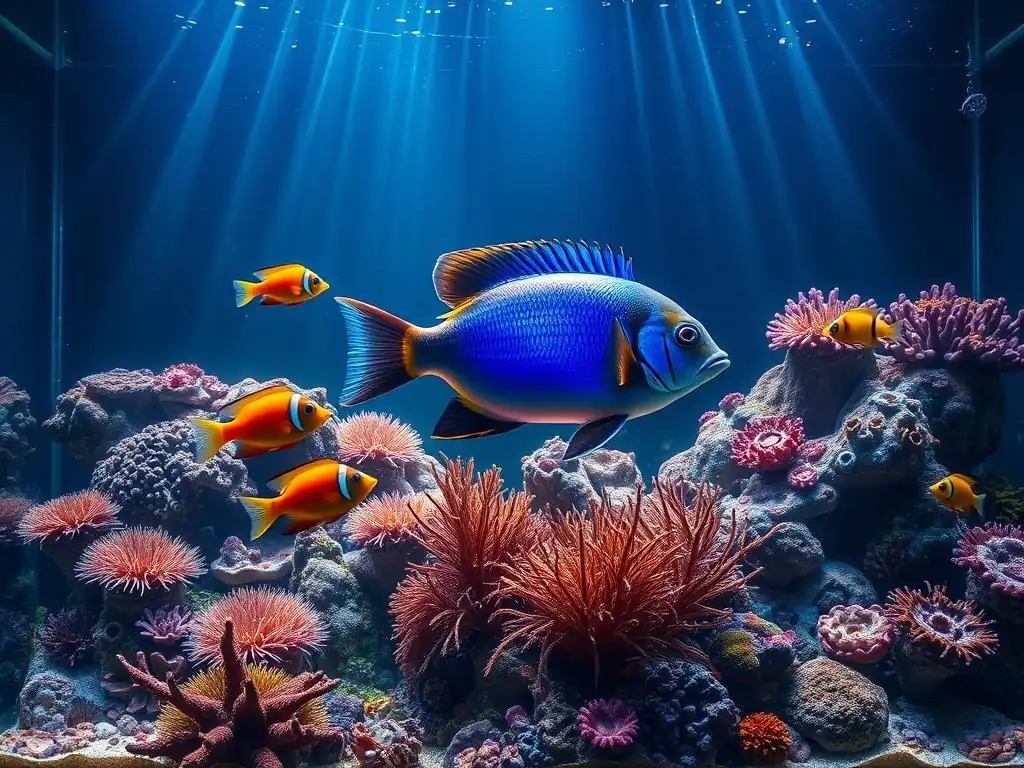
Intrigued by the complex social dynamics of the underwater world? Dive in and explore the fascinating, and sometimes surprisingly aggressive, world of Wrasse tank hierarchy dominance. Discover how to establish and maintain a balanced pecking order in your saltwater aquarium, ensuring a thriving and harmonious environment for your colorful Wrasses. Ready to unravel the secrets to a peaceful Wrasse community? Let's get started!
- Reef Tank Royalty: Establishing and Maintaining Hierarchy Among Fairy Wrasses
- Understanding Fairy Wrasse Tank Hierarchy Dominance in Aquariums
- Establishing a Stable Fairy Wrasse Hierarchy: A Step-by-Step Guide
- Maintaining a Harmonious Fairy Wrasse Community
- The Role of Tank Size and Aquascape in Fairy Wrasse Social Dynamics
- Fairy Wrasse Aggression: Understanding the Root Causes
- Troubleshooting Common Fairy Wrasse Hierarchy Issues
- Long-Term Success: Maintaining a Thriving Fairy Wrasse Community
-
Frequently Asked Questions
- How important is understanding wrasse tank hierarchy before introducing new wrasses?
- What factors influence the dominance hierarchy in a wrasse tank?
- What are the signs of aggressive behavior related to wrasse tank hierarchy?
- Can the wrasse tank hierarchy dominance be altered after it's established?
- What are some strategies for minimizing aggression and establishing a peaceful wrasse tank hierarchy?
- Final Reflection: Navigating the Wrasse Tank Hierarchy
- Forge Your Reef Legacy: Dive Deeper into Wrasse Harmony!
Reef Tank Royalty: Establishing and Maintaining Hierarchy Among Fairy Wrasses
Understanding Fairy Wrasse Tank Hierarchy Dominance in Aquariums
Why Fairy Wrasse Hierarchy Matters in Reef Tanks
Understanding the inherent social structure and pecking order, or wrasse tank hierarchy dominance, is paramount for the long-term health and stability of a reef aquarium housing these vibrant fish. Fairy wrasses, particularly species within the Cirrhilabrus and Paracheilinus genera, naturally exhibit a hierarchical social system in the wild. When confined to an aquarium, these natural instincts for dominance can become amplified, leading to stress, aggression, and potentially fatal outcomes if not managed correctly. A stable hierarchy reduces stress, allowing fish to thrive, display their full coloration, and engage in natural behaviors like feeding and courtship.
Failure to acknowledge and manage this inherent wrasse dominance can result in persistent bullying, fin nipping, and even starvation of submissive individuals. For instance, a dominant male Cirrhilabrus exquisitus might constantly chase a smaller, less assertive male, preventing it from accessing food or prime hiding spots. This continuous stress weakens the immune system of the subordinate fish, making it more susceptible to diseases like marine ich or bacterial infections, ultimately leading to premature death. A well-established hierarchy, conversely, ensures that each wrasse, even submissive ones, has a recognized place, minimizing chronic stress and promoting overall well-being.
Common Fairy Wrasse Species Exhibiting Dominance Behaviors
Many popular fairy wrasse species commonly exhibit distinct wrasse tank hierarchy dominance behaviors, which are crucial for aquarists to recognize. The Cirrhilabrus genus, often referred to as "fairy wrasses," includes species like Cirrhilabrus solorensis (Solar Wrasse), Cirrhilabrus rubrisquamis (Ruby-Red Wrasse), and Cirrhilabrus bathyphilus (Deepwater Wrasse). Males of these species are particularly known for their vibrant "flashing" displays during courtship or territorial disputes, where they intensify their colors and flare their fins to assert dominance over rivals or attract females. This behavior is a clear indicator of a male attempting to establish or maintain its position within the wrasse hierarchy.
Similarly, species from the Paracheilinus genus, such as Paracheilinus mccoskeri (McCosker's Flasher Wrasse) and Paracheilinus carpenteri (Carpenter's Flasher Wrasse), also display significant dominance behaviors. While often smaller and less overtly aggressive than some Cirrhilabrus species, male flasher wrasses will engage in rapid, short bursts of intense color and fin displays, especially when competing for mates or territory. In a typical reef tank setup, a single dominant male will emerge, often suppressing the coloration and growth of other males or even preventing sex change in females, thereby reinforcing the wrasse dominance structure.
Establishing a Stable Fairy Wrasse Hierarchy: A Step-by-Step Guide
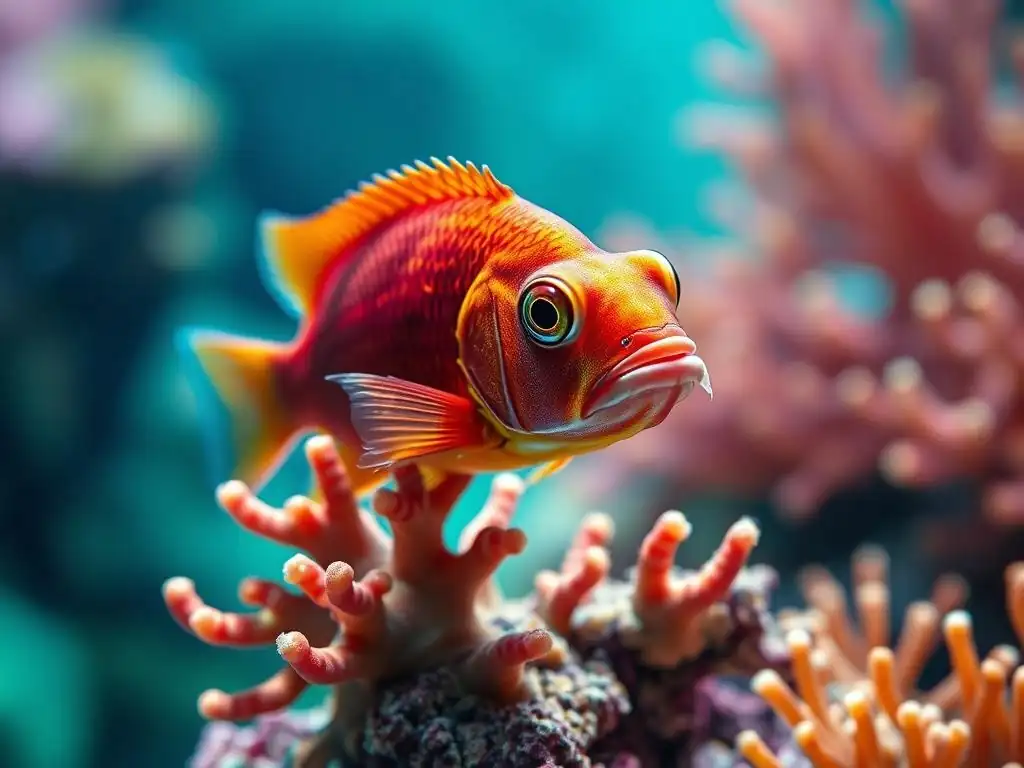
Step 1: Choosing Compatible Fairy Wrasse Species for Your Aquarium
Considering Size, Coloration, and Temperament When Selecting Wrasses
When selecting fairy wrasses to establish a stable wrasse tank hierarchy dominance, careful consideration of their size, coloration, and inherent temperament is crucial. Generally, wrasses of vastly different sizes should be avoided if planning a multi-wrasse tank, as larger individuals (e.g., a 5-inch Cirrhilabrus lineatus) will almost invariably dominate and potentially bully smaller ones (e.g., a 2-inch Paracheilinus mccoskeri).
Furthermore, wrasses with similar body shapes or intense, overlapping color patterns, particularly males, can perceive each other as direct competitors, leading to heightened aggression. For instance, two male Cirrhilabrus exquisitus might clash more frequently than a Cirrhilabrus exquisitus and a Paracheilinus carpenteri.
Temperament is also a key factor in mitigating wrasse aggression. Some wrasse species are naturally more assertive or territorial than others. For example, the Cirrhilabrus solorensis is known to be more robust and potentially dominant compared to the more placid Cirrhilabrus punctatus.
When assembling a group, aim for a mix of temperaments, with perhaps one dominant male and several more docile females or less assertive male species. Researching the specific social dynamics of each species is vital; a small group of three to five females for every male is often recommended for a stable harem, allowing the male's dominance to be spread out and reducing stress on any single individual.
Avoiding Aggression: Species to Keep Separately (e.g., Cirrhilabrus lubbocki with multiple males)
To prevent severe wrasse tank hierarchy dominance issues and aggression, certain species combinations, especially involving multiple males, should be strictly avoided. For instance, Cirrhilabrus lubbocki (Lubbock's Fairy Wrasse) males are notoriously territorial and aggressive towards other male Cirrhilabrus species, particularly those of similar size or appearance. Attempting to house two or more male Cirrhilabrus lubbocki in anything less than a very large, species-specific display tank (e.g., 180 gallons or more with extensive aquascaping) almost guarantees fatal aggression, as they will fight relentlessly for wrasse dominance.
Another challenging combination involves multiple males of closely related species with similar dominant male forms, such as Cirrhilabrus exquisitus and Cirrhilabrus temminckii. While they are distinct species, their visual similarities in full display can trigger intense male-on-male aggression.
It is generally safer to stick to a single male of a dominant species, or to house a single male with multiple females of the same or highly compatible species. For a mixed wrasse tank aiming for peaceful coexistence, selecting wrasses from different genera or those with distinct male color patterns and temperaments is a more prudent approach to minimize the potential for harmful wrasse aggression.
Step 2: Introducing Fairy Wrasses to the Tank Strategically
The Importance of Simultaneous Introduction and Group Size
Strategic introduction is critical for establishing a stable wrasse tank hierarchy dominance and minimizing initial aggression. Ideally, when introducing multiple fairy wrasses, especially a male and several females, they should be added to the aquarium simultaneously. This "all at once" approach prevents a single individual from establishing an unchallenged territory before others are introduced, which can lead to severe bullying. If wrasses are added one by one over time, the first fish to inhabit the tank will likely become highly territorial and aggressive towards any newcomers, viewing them as invaders rather than potential members of a group.
The size of the initial group also plays a significant role in diluting wrasse dominance and aggression. For species that form harems, introducing one male with three to five females simultaneously can distribute the male's attention and reduce the intensity of aggression directed at any single female.
For mixed species tanks, introducing all desired wrasses at the same time, or at least within a very short period (e.g., within an hour), can help to overwhelm potential aggressors and force them to establish their positions within the group rather than as solitary rulers. For instance, in a 75-gallon tank, adding two Cirrhilabrus females and one male Paracheilinus male concurrently is often more successful than adding them sequentially over weeks.
Using Acclimation Boxes to Minimize Initial Conflicts
Utilizing acclimation boxes or clear plastic containers within the main display tank is an effective strategy to mitigate initial conflicts and reduce wrasse aggression during the introduction phase. These boxes, often perforated to allow water flow, enable the new wrasses to visually acclimate to their surroundings and to the existing tank inhabitants without direct physical confrontation.
This allows the established fish to get used to the presence of the newcomers, and vice versa, observing each other's behavior and coloration. This period of observation can significantly reduce the shock and territorial disputes that often arise when new fish are immediately released into an established environment.
A typical acclimation period can range from a few hours to several days, depending on the observed interactions. For example, if a new Cirrhilabrus marjorie is being introduced to a tank with an existing Cirrhilabrus adornatus, housing the newcomer in an acclimation box for 24 to 48 hours allows both fish to assess each other.
During this time, the existing wrasse may attempt to display or investigate, but cannot inflict harm. This controlled introduction helps to establish a preliminary wrasse tank hierarchy dominance without injury, often leading to a smoother integration when the new wrasse is finally released, as the initial shock of a new presence has been absorbed.
Step 3: Providing Ample Space and Hiding Places
Creating a Reefscape That Supports Multiple Wrasses
The design of your reefscape is paramount in supporting a healthy wrasse tank hierarchy dominance and minimizing aggression among multiple wrasses. A well-structured aquascape should provide ample space for each wrasse to establish its own territory, even if small, and offer numerous visual barriers. Instead of a single large rock structure, consider creating multiple, distinct islands or towering columns of live rock with various nooks, crannies, and swim-throughs. This breaks up lines of sight, preventing a dominant wrasse from constantly seeing and harassing a submissive one.
For example, in a 120-gallon tank housing several Cirrhilabrus species, incorporating three to five separate rock structures, each with its own caves and overhangs, can significantly reduce direct confrontations. These structures act as natural boundaries, allowing wrasses to retreat or hide when stressed, thereby diluting the intensity of wrasse aggression. A diverse aquascape encourages natural foraging behaviors and provides a sense of security, which is vital for the well-being of all wrasses, from the most dominant to the most timid.
The Role of Rockwork and Flow in Establishing Territories
Beyond visual barriers, the strategic placement of rockwork and the manipulation of water flow play a crucial role in establishing and maintaining wrasse dominance within a reef tank. Wrasses are active swimmers and will often claim specific areas of the tank based on the availability of shelter and preferred flow patterns. Dense rockwork at the bottom and mid-levels provides essential hiding spots for less dominant wrasses to retreat to, especially during rest periods or when feeling threatened. These retreats are vital for preventing chronic stress and injury.
Furthermore, varying flow patterns can subtly influence wrasse tank hierarchy dominance. A strong, turbulent flow in one area might be preferred by more active, dominant individuals, while calmer, sheltered zones behind rockwork can become havens for submissive wrasses.
By consciously designing areas with different flow strengths and ample rock coverage, aquarists can create a more complex environment that naturally encourages the formation of distinct territories. For instance, a Cirrhilabrus rhomboidalis might claim a high-flow area near a powerhead, while a smaller Paracheilinus filamentosus might prefer a more sheltered cave in a lower flow zone, reducing direct competition and promoting a more peaceful wrasse hierarchy.
Maintaining a Harmonious Fairy Wrasse Community
Monitoring Wrasse Behavior for Signs of Aggression
Identifying Submissive and Dominant Individuals
Regular and careful observation of your fairy wrasse community is essential for maintaining a harmonious wrasse tank hierarchy dominance. Identifying dominant and submissive individuals is the first step in proactive management. Dominant wrasses typically exhibit vibrant, intense coloration, frequently display "flashing" behavior (intensifying colors and flaring fins), and are often seen actively swimming throughout the tank, sometimes chasing other wrasses. They are usually the first to feed and will occupy prime locations within the aquascape. For instance, a male Cirrhilabrus exquisitus might consistently exhibit its full blue and orange hues and actively patrol a large section of the tank.
Conversely, submissive wrasses often display muted or faded colors, may have clamped fins, and spend more time hiding in rockwork or in less desirable areas of the tank. They might hesitate to come out during feeding times or dart quickly for food before retreating. They often appear stressed, showing rapid breathing or signs of physical wear like slightly torn fins from nips.
A submissive Paracheilinus carpenteri might consistently hide in a small cave, only emerging cautiously, and its vibrant red and blue colors may appear dull compared to a dominant male. Recognizing these behavioral and physical cues is vital for understanding the current wrasse dominance structure.
Recognizing Warning Signs of Intense Fighting
Beyond general observations, aquarists must be vigilant for specific warning signs that indicate intense and potentially harmful wrasse aggression within the wrasse tank hierarchy dominance. While occasional chasing or mild displays are normal, prolonged, relentless pursuit, frequent nipping (especially at fins or flanks), and direct mouth-to-mouth locking are serious indicators of escalating conflict. One wrasse constantly cornering another, preventing it from swimming freely or accessing food, is a major red flag.
Physical injuries are undeniable warning signs. Look for torn fins, missing scales, visible bite marks, or cloudy eyes. A wrasse constantly hiding, refusing to eat for extended periods (more than 24 hours), or showing signs of rapid, labored breathing (gilling) are also critical indicators of severe stress due to aggression. For example, if a Cirrhilabrus laboutei is repeatedly seen with torn caudal fins and is perpetually hiding in a single crevice, it suggests that its position in the wrasse hierarchy is causing significant harm and immediate intervention is required to prevent fatality.
Dietary Considerations for Wrasses in a Hierarchy
Ensuring All Wrasses Receive Adequate Nutrition
In a tank with an established wrasse tank hierarchy dominance, ensuring all wrasses receive adequate nutrition can be challenging, as dominant individuals often monopolize food. It's crucial to feed a varied diet of high-quality marine pellets, flakes, frozen foods (like mysis shrimp, brine shrimp, finely chopped seafood), and live foods (copepods, enriched brine shrimp). To combat the issue of food monopolization, feeding multiple smaller portions throughout the day rather than one large meal can be highly effective. This increases the chances that submissive wrasses can grab some food before the dominant ones consume it all.
For instance, instead of feeding once a day, try feeding three times a day with smaller pinches of food. Broadcasting the food widely across the tank's surface and into different current zones can also help. This forces the dominant wrasse to move around more to collect food, giving the submissive individuals more opportunities to feed in their preferred, often less exposed, areas. Observing feeding behavior closely is essential; if a particular wrasse consistently looks thin or shows no interest in food when it's present, it's a strong indicator that it's being outcompeted due to the wrasse dominance structure.
Reducing Competition for Food with Multiple Feedings
Reducing competition for food is a key strategy in managing wrasse aggression and maintaining a stable wrasse tank hierarchy dominance. Wrasses are naturally active foragers, and food scarcity can heighten territorial disputes. Implementing multiple smaller feedings throughout the day, rather than one large feeding, significantly reduces the intensity of competition. For example, feeding small amounts of frozen mysis shrimp in the morning, a high-quality pellet in the afternoon, and some copepods in the evening ensures a continuous, less competitive food supply.
This approach not only ensures that all wrasses, including the more timid ones, have opportunities to feed but also keeps the dominant wrasse less focused on guarding food sources. When food is consistently available in smaller quantities, the drive to fiercely defend a single large food source diminishes. This practice aligns with their natural feeding habits in the wild, where they constantly pick at small invertebrates. By mimicking this, aquarists can create a less stressful feeding environment, which in turn contributes to a more peaceful wrasse hierarchy and overall better health for all inhabitants.
Addressing Aggression: Strategies for Intervention
Re-arranging the Tank to Disrupt Established Territories
When wrasse aggression becomes problematic within the wrasse tank hierarchy dominance, a highly effective intervention strategy is to physically re-arrange the tank's aquascape. Wrasses, like many territorial fish, rely on established landmarks and structures to define their territories. By significantly moving or adding/removing live rock, caves, and other decorations, you effectively reset the entire territorial map. This confuses the dominant wrasse, forcing it to spend time re-establishing its claim, which can provide a much-needed reprieve for the bullied individual.
This disruption can be as simple as shifting a large rock formation by a few inches or as elaborate as a complete overhaul of the rockwork. For instance, if a male Cirrhilabrus rhomboidalis is relentlessly chasing a smaller Cirrhilabrus cyanopleura, completely changing the central rock structure where the dominant wrasse typically resides can break its established patrol routes and hiding spots. This forces both wrasses to find new territories, often resulting in a re-negotiation of the wrasse dominance structure with less intense aggression due to the novelty of the environment.
Temporarily Separating Aggressive Individuals
If re-arranging the aquascape doesn't sufficiently resolve severe wrasse aggression, temporarily separating the aggressive individual is a necessary intervention to protect the bullied fish and reset the wrasse tank hierarchy dominance. The aggressive wrasse can be placed in a separate quarantine tank or, for a shorter duration, in a clear acclimation box within the main display. This "time-out" period, typically lasting from a few days to a week, serves several purposes.
Firstly, it provides immediate relief and a safe space for the bullied wrasse to recover from stress and potential injuries. Secondly, it allows the aggressive wrasse to "forget" its established dominance and territory in the main tank.
When reintroduced, it will be the "new fish" and may be less assertive, or its previous targets may have gained confidence. For example, if a Cirrhilabrus solorensis male is constantly harassing a Cirrhilabrus lunatus female, placing the solorensis male in a 10-gallon quarantine tank for 3-5 days can often be enough to break the cycle of aggression and allow for a more peaceful re-introduction and re-establishment of the wrasse hierarchy.
How Larger Tanks Mitigate Aggression in Wrasse Communities
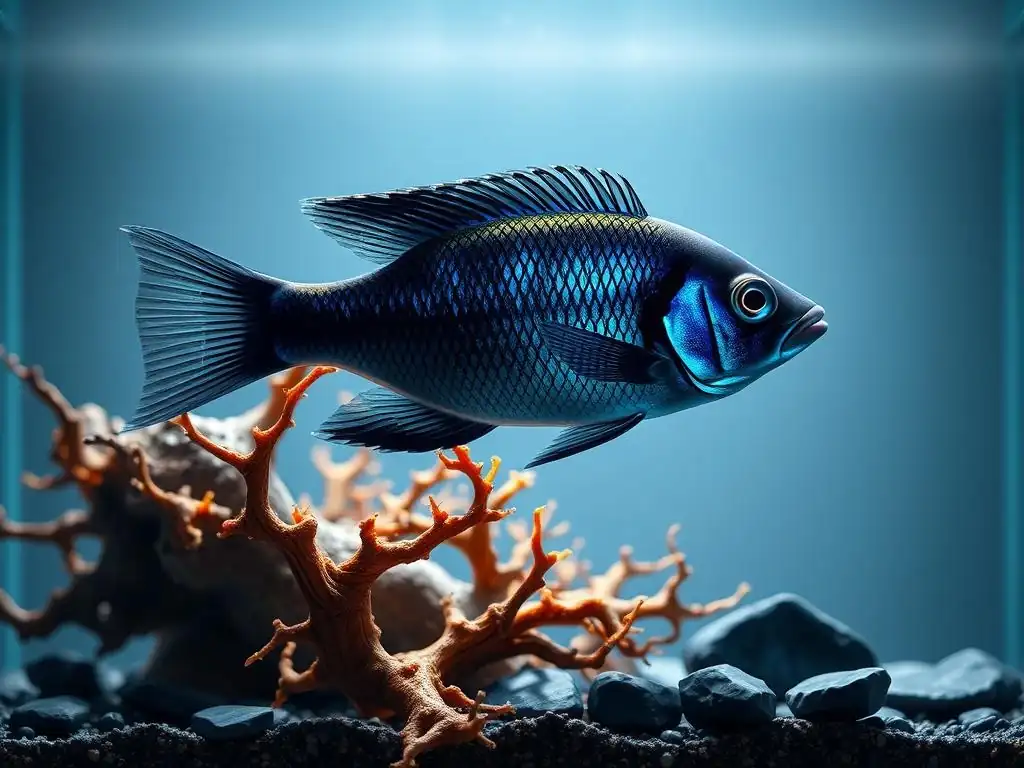
Tank size is arguably the most critical factor in mitigating wrasse aggression and fostering a stable wrasse tank hierarchy dominance within a multi-wrasse community. In larger aquariums, there is simply more physical space for wrasses to establish individual territories and to retreat from dominant individuals without constant confrontation. For example, while a single fairy wrasse might comfortably live in a 30-gallon tank, housing a small group of three to five Cirrhilabrus species typically requires a minimum of a 75-gallon tank, with 120 gallons or more being ideal for a diverse collection.
The increased volume and footprint of a larger tank allow for more intricate aquascaping, providing numerous visual barriers, hiding spots, and distinct zones. This dispersal of space reduces direct interaction and competition for resources, which are primary drivers of wrasse dominance. In a cramped environment, wrasses are constantly in each other's line of sight, leading to chronic stress and escalated aggression. A larger tank, conversely, provides the necessary spatial complexity for a more natural and peaceful wrasse hierarchy to emerge, allowing each fish to find its niche.
Designing Aquascapes That Promote Peaceful Coexistence
Designing an effective aquascape is fundamental to promoting peaceful coexistence and managing wrasse tank hierarchy dominance. The goal is to create a complex, multi-dimensional environment that offers both open swimming spaces and numerous hiding spots and visual breaks. Instead of a single, monolithic rock structure, consider building multiple, distinct "islands" of live rock. These islands should be arranged to break up lines of sight, preventing a dominant wrasse from seeing and pursuing a submissive one across the entire tank.
Incorporating various sizes and shapes of live rock, along with caves, overhangs, and swim-throughs, provides essential refuge for less dominant wrasses. Verticality in the aquascape is also beneficial; tall rock structures can create different vertical territories, allowing wrasses to establish dominance at different depths. For instance, a Cirrhilabrus rhomboidalis might claim the upper reaches of a rock spire, while a Paracheilinus cyaneus might prefer the lower, more sheltered caves. This thoughtful design minimizes direct competition for space and resources, thereby reducing wrasse aggression and fostering a more stable and harmonious wrasse hierarchy.
Fairy Wrasse Aggression: Understanding the Root Causes
Natural Insticts vs. Tank Confinement: Exploring the Contributing Factors
The root causes of wrasse aggression in aquariums stem from a complex interplay between their natural instincts and the confined environment of a reef tank. In the wild, fairy wrasses inhabit vast reef systems, where they have ample space to establish large territories, flee from aggressors, or form harems with numerous females. Their natural behaviors, such as male-on-male competition for mates and territory, are essential for survival and reproduction in their expansive natural habitat.
However, when these instincts are compressed into the limited confines of a home aquarium, these behaviors can become exaggerated and detrimental. A tank, even a large one, is a fraction of the size of their natural range. The inability to escape constant visual contact or establish truly distinct territories amplifies the innate drive for wrasse dominance.
For example, a male Cirrhilabrus bathyphilus might exhibit intense aggression towards another male Cirrhilabrus species in a 120-gallon tank, whereas in the wild, they could simply swim away from each other. This confinement transforms natural competitive displays into potentially fatal conflicts within the wrasse tank hierarchy dominance.
The Impact of Limited Resources on Wrasse Dominance
Limited resources within an aquarium environment significantly exacerbate wrasse dominance behaviors and aggression. In the wild, resources like food, hiding spots, and potential mates are abundant and widely dispersed, reducing the intensity of competition. In a closed system, these resources are finite and often concentrated. For instance, if there are only a few prime hiding spots in the rockwork, the most dominant wrasse will claim them, leaving less secure or desirable options for submissive individuals.
Similarly, food availability can become a major point of contention. If feeding is infrequent or insufficient, the most dominant wrasse will monopolize the food, leading to starvation or malnutrition for the weaker fish. Even access to prime swimming areas or preferred current zones can become a contested resource. This scarcity triggers and intensifies the inherent wrasse tank hierarchy dominance drive, as individuals must fight harder to secure what they need for survival. Understanding this impact highlights the importance of providing ample space, diverse aquascaping, and consistent, varied feeding to mitigate aggression.
Troubleshooting Common Fairy Wrasse Hierarchy Issues
Dealing with Bullying Behavior in Wrasse Tanks
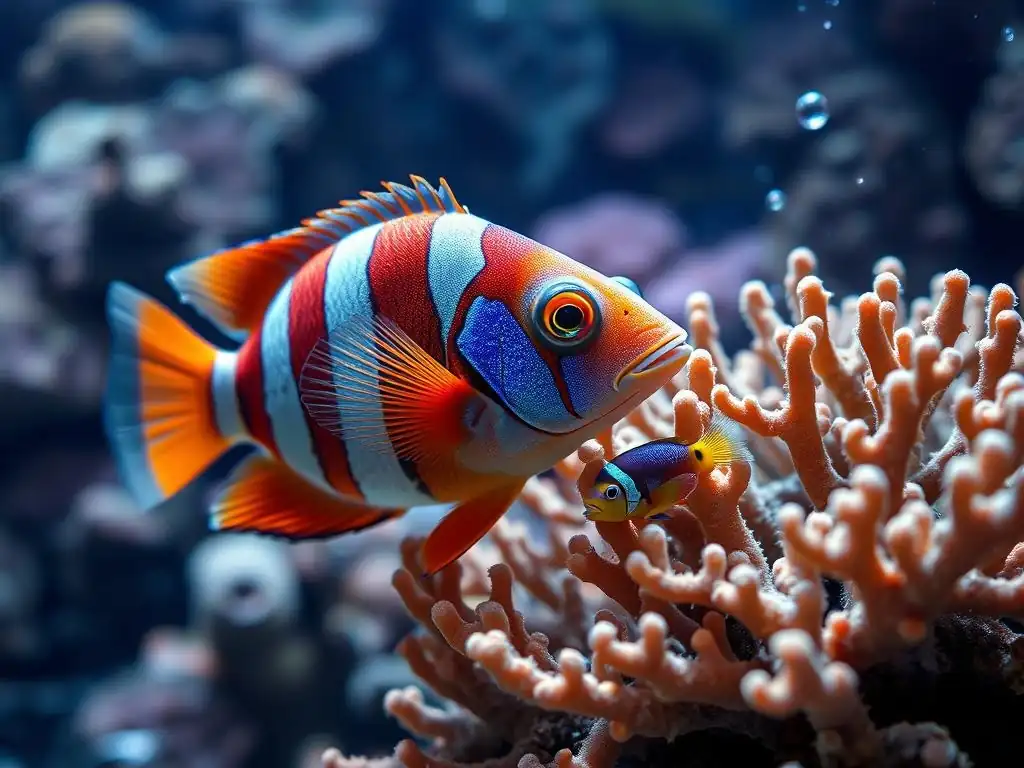
Dealing with bullying behavior is a common challenge in managing wrasse tank hierarchy dominance. If a specific wrasse is consistently harassing another, the first step is to observe the severity and frequency. Mild chasing might be acceptable, but constant nipping, preventing feeding, or cornering warrants intervention. One effective strategy is to temporarily remove the aggressor. Place the bully in a separate quarantine tank or an in-tank acclimation box for several days to a week. This "time-out" allows the bullied fish to recover and the aggressor to lose its sense of territorial entitlement in the main display.
Upon reintroduction, the former bully will be the "new fish" and often re-enters the wrasse hierarchy with less assertiveness. Another approach, if tank size permits, is to add more wrasses simultaneously (e.g., a group of 3-5 females) to dilute the aggression. This spreads the dominant wrasse's attention across multiple targets, reducing the pressure on any single individual. For example, if a male Cirrhilabrus solorensis is bullying a single Cirrhilabrus punctatus, adding two more Cirrhilabrus punctatus females can sometimes diffuse the aggression. If all else fails, permanent removal of the aggressive wrasse may be the only solution to prevent fatalities.
Preventing Fatalities from Wrasse Aggression
Preventing fatalities from wrasse aggression within the wrasse tank hierarchy dominance requires proactive measures and swift intervention. The most critical step is prevention: choose compatible species, ensure adequate tank size (e.g., 75 gallons minimum for a small group), and provide a complex aquascape with numerous hiding spots. These foundational elements significantly reduce the likelihood of lethal conflicts. Regular observation is paramount; learn to recognize the early warning signs of escalating aggression before it turns fatal (e.g., constant chasing, torn fins, refusal to eat).
If aggression becomes severe, immediate intervention is necessary. Temporarily removing the aggressor (as described above) is often the most effective way to save a bullied fish. If the bullied wrasse is severely stressed or injured, it should also be moved to a hospital tank for recovery. In rare cases where a specific wrasse consistently exhibits lethal aggression despite all interventions, permanent removal from the display tank and rehoming may be the only option to ensure the survival of other tank inhabitants. Prioritizing the health and safety of all fish in the wrasse hierarchy is key to long-term success.
Long-Term Success: Maintaining a Thriving Fairy Wrasse Community
Regular Observation and Proactive Intervention
Maintaining a thriving fairy wrasse community with a stable wrasse tank hierarchy dominance requires ongoing commitment to regular observation and proactive intervention. Daily visual checks of your wrasses are essential. Pay attention to their coloration (are they vibrant or faded? ), their swimming patterns (are they active and exploring, or hiding constantly? ), their feeding behavior (are they eating readily? ), and any signs of physical injury. These daily observations allow you to detect subtle shifts in the wrasse dominance structure or early signs of aggression before they escalate into serious problems.
Proactive intervention means acting quickly when warning signs appear. Don't wait for torn fins or emaciated fish. If you notice a wrasse consistently being chased or hiding more than usual, consider interventions like re-arranging the aquascape, increasing feeding frequency, or temporarily separating the aggressor. For example, if a dominant male Cirrhilabrus rubrisquamis is beginning to show excessive aggression towards a submissive female, a quick tank re-arrangement might diffuse the situation before any physical harm occurs. This consistent vigilance is vital for ensuring the long-term health and stability of your wrasse hierarchy.
Ensuring Optimal Water Parameters for Wrasse Health and Behavior
Optimal water parameters are fundamental to the overall health and behavior of fairy wrasses and directly impact the stability of their wrasse tank hierarchy dominance. Poor water quality or unstable parameters can lead to chronic stress, weakening the immune system and making wrasses more susceptible to disease. Stressed fish are also more likely to exhibit unusual or heightened aggression, disrupting the established wrasse dominance. Maintaining stable specific gravity (e.g., 1.025), temperature (e.g., 76-80°F), pH (e.g., 8.1-8.4), and low levels of nitrates and phosphates is crucial.
Regular water testing and consistent maintenance (e.g., weekly 10-20% water changes) are non-negotiable. Furthermore, ensuring adequate oxygenation and appropriate water flow for these active swimmers contributes to their well-being. A healthy, unstressed wrasse is much less likely to engage in chronic or lethal aggression within the wrasse hierarchy.
For instance, a sudden drop in pH or a spike in nitrates can stress a dominant male Cirrhilabrus lineatus, causing it to become unusually aggressive towards tank mates, potentially disrupting the entire wrasse tank hierarchy dominance. Therefore, pristine and stable water conditions are not just about survival, but about fostering peaceful and natural behavior.
Frequently Asked Questions
How important is understanding wrasse tank hierarchy before introducing new wrasses?
It's crucial. Understanding the existing hierarchy minimizes aggression and helps ensure the newest wrasse's survival in the aquarium.
What factors influence the dominance hierarchy in a wrasse tank?
Several factors play a role, including species, size, and personality. The order of introduction to the tank can also significantly impact dominance.
Signs of aggression include chasing, nipping, and blocking access to food or preferred spots. More severe aggression can lead to injury or even death.
Can the wrasse tank hierarchy dominance be altered after it's established?
While possible, altering an established hierarchy is difficult and stressful for the fish. Re-arranging the aquascape or adding more hiding places can sometimes help.
What are some strategies for minimizing aggression and establishing a peaceful wrasse tank hierarchy?
Provide ample space and hiding places. Introduce smaller, less aggressive wrasses first and consider adding multiple wrasses at once.
The intricate dance of dominance and submission, so vividly illustrated in the wrasse tank, mirrors the complexities of social structures far beyond the glass. Understanding the nuances of wrasse tank hierarchy dominance isn't just about keeping our fish happy; it's about gaining insight into the fundamental forces that shape interactions and establish order in diverse environments, from our own communities to the global stage. The lessons learned from observing these vibrant creatures offer a unique lens through which to examine power dynamics and the delicate balance required for harmonious coexistence.
The constant negotiation for position within the wrasse tank's pecking order, though seemingly simple, underscores the profound impact of social hierarchy on individual well-being. Witnessing this dynamic firsthand has deepened my appreciation for the importance of creating environments that foster both individual expression and collective harmony. The measure of a society is how it treats its weakest members.
This quote, often attributed to Mahatma Gandhi, resonates deeply when considering the potential for bullying and stress within a poorly managed wrasse tank, and, by extension, within any hierarchical system.
Ultimately, the wrasse tank serves as a powerful reminder that understanding and managing hierarchy is crucial for creating thriving ecosystems, both aquatic and terrestrial. Let us take the lessons learned from these colorful inhabitants and apply them to our own lives, striving to build communities where respect, empathy, and a commitment to fairness guide our interactions. Consider how you can contribute to a more balanced and equitable environment, ensuring that every individual, regardless of their position, has the opportunity to flourish.
Forge Your Reef Legacy: Dive Deeper into Wrasse Harmony!
Thank you for exploring the fascinating world of wrasse social dynamics! We hope this article has shed light on how to create a thriving and peaceful wrasse community in your reef tank. Now, it's time to take action and ensure your wrasses enjoy a stress-free environment.
Here are a few actionable steps you can take:
- Implement a meticulous observation period: Closely monitor your wrasses, especially after introducing new members, to identify any signs of aggression and adjust your aquascape as needed.
- Explore the art of distraction: Introduce interactive elements or rearrange your rockwork occasionally to disrupt established territories and reduce potential conflicts.
- Surprise your wrasses with a "coral buffet": Offer diverse and enriching feeding experiences using varied food sources to minimize competition for resources and reduce hierarchical stress.
What novel method will you employ to foster peace and camaraderie among your colorful wrasses?