
Acclimating Anthias Successfully: Minimizing Stress for These Delicate Species

Welcome to Aquarium Mastery!
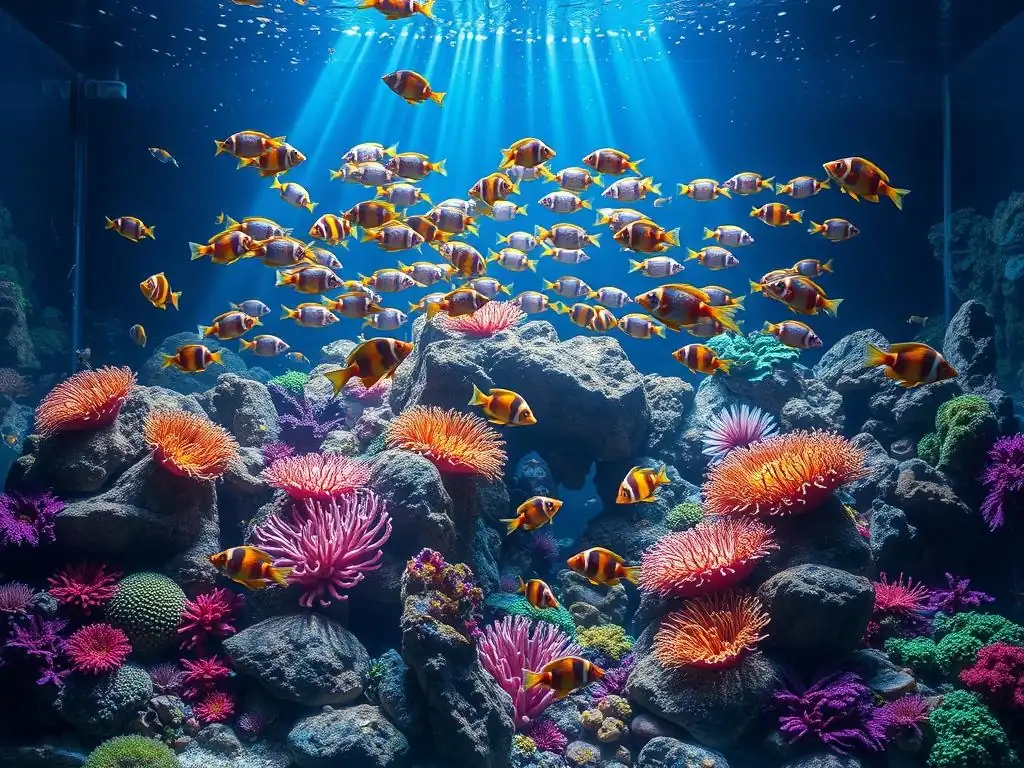
Curious about successfully introducing those vibrant Anthias into your saltwater paradise? Anthias acclimation can be tricky, but it doesn't have to be. Discover proven strategies to reduce stress and ensure a thriving environment for these delicate beauties. Dive in to learn how to minimize risks and maximize their chances of flourishing in your aquarium!
- Introduction: Understanding Anthias and Acclimation Challenges
- Pre-Acclimation Preparations: Setting the Stage for Success
- The Drip Acclimation Method: A Step-by-Step Guide
- Minimizing Acclimation Stress: Advanced Techniques
- Post-Acclimation Care: Ensuring Long-Term Health
- Addressing Common Acclimation Problems in Anthias
- Long-Term Anthias Care: Maintaining a Stress-Free Environment
- Conclusion: Mastering Anthias Acclimation for a Thriving Reef Aquarium
-
Frequently Asked Questions
- How crucial is the acclimation process for Anthias fish?
- What are the key water parameters to monitor during Anthias acclimation?
- What are some signs that an Anthias is experiencing acclimation stress?
- How long should the acclimation process typically take for Anthias?
- Besides water parameters, what other factors contribute to Anthias acclimation stress?
- Final Reflection: Nurturing Resilience in Delicate Ecosystems
- Ignite Your Reef: Transform Your Anthias Experience Now!
Introduction: Understanding Anthias and Acclimation Challenges
Why Anthias Are Prone to Acclimation Stress
Anthias, with their vibrant colors and active schooling behaviors, are highly sought after in reef aquariums, yet they are notoriously delicate, particularly during the initial acclimation phase. Their natural habitat often involves deeper, stable reef environments where water parameters are remarkably consistent and food is abundant.
The process of capture, transport, and introduction to a new aquarium environment represents a profound shock to their delicate systems. This disruption, coupled with their high metabolism and constant need for food, makes them exceptionally vulnerable to the physiological impacts of stress, such as elevated cortisol levels, which can severely compromise their immune system.
Furthermore, Anthias possess delicate scales and a relatively thin slime coat compared to some hardier fish species, making them more susceptible to physical damage and opportunistic infections when stressed. Their schooling instincts mean that a solitary Anthias can experience immense psychological stress, leading to a refusal to eat or a weakened state. This combination of environmental shock, physiological vulnerability, and social disruption significantly contributes to the high rates of mortality observed in newly acquired Anthias if proper Anthias acclimation stress reduction techniques are not meticulously followed.
The Importance of Proper Acclimation for Anthias Survival in Reef Aquariums
Proper acclimation is not merely a formality; it is a critical life-saving procedure for Anthias, directly impacting their immediate survival and long-term well-being in a reef aquarium. The primary goal is to gradually equalize the water parameters of their shipping bag with those of the quarantine tank, preventing osmotic shock and pH shock, which can be rapidly fatal. A sudden change in salinity by even 0.002-0.003 specific gravity units, or a pH swing of 0.5 units, can cause severe cellular damage to their gills and internal organs, leading to rapid decline.
Beyond immediate survival, meticulous acclimation significantly reduces the likelihood of disease outbreaks. Stressed fish are immunosuppressed, making them prime targets for common marine parasites like Cryptocaryon irritans (Marine Ich) or Amyloodinium ocellatum (Marine Velvet). Observations from experienced aquarists suggest that poorly acclimated Anthias often exhibit signs of stress or disease within the first 24 to 72 hours, with reported mortality rates sometimes exceeding 50% without careful intervention. Therefore, investing time and effort into a slow, controlled acclimation process is paramount for the successful integration and longevity of these beautiful fish.
Pre-Acclimation Preparations: Setting the Stage for Success
Quarantine Tank Setup for New Anthias
Establishing a dedicated quarantine tank (QT) is the single most important step in Anthias acclimation stress reduction. This isolated environment allows for close observation, disease prevention, and gradual adjustment to new water parameters without exposing the main display tank's inhabitants to potential pathogens. For a small school of 3-5 Anthias, such as Lyretail Anthias ( Pseudanthias squamipinnis), a 20-30 gallon bare-bottom tank is often sufficient, providing enough space for movement while allowing for easy cleaning and medication.
The quarantine tank must be fully cycled and stable before the new fish arrive. This means having zero ammonia and nitrite, and low nitrates. Many aquarists achieve this by transferring mature biological media (e.g., bio-rings from a seasoned filter) from their main display tank or by using a high-quality bacterial additive to quickly establish the nitrogen cycle. Maintaining optimal water parameters in the QT that closely match the intended display tank (or the shipping water, to begin with) is crucial for minimizing additional stress on the delicate Anthias.
Essential Equipment for Anthias Quarantine: Heater, Filter, Protein Skimmer, Powerhead
- Heater: A reliable submersible heater is essential to maintain a stable water temperature, typically between 76-78°F (24.5-25.5°C), which is ideal for most Anthias species and helps prevent temperature shock.
- Filter: A hang-on-back (HOB) filter equipped with both mechanical filtration (sponge or filter floss) and biological media (ceramic rings or bio-balls) is highly recommended. This provides necessary filtration and houses beneficial bacteria.
- Protein Skimmer: Even in a small quarantine tank, a protein skimmer is invaluable for removing organic waste before it breaks down into ammonia and nitrite. This helps maintain pristine water quality, which is critical for stressed fish.
- Powerhead: Anthias are active swimmers and appreciate moderate water flow. A small powerhead not only provides circulation but also helps with gas exchange and prevents dead spots within the tank.
Maintaining Optimal Water Parameters in the Quarantine Tank
- Salinity: Aim to match the target salinity of your display tank, typically 1.024-1.026 specific gravity (SG). If the shipping water salinity is significantly different, a slower drip acclimation will be necessary to bridge the gap.
- Temperature: Maintain a consistent temperature between 76-78°F (24.5-25.5°C). Avoid fluctuations, as these can induce further stress.
- pH: Keep the pH stable between 8.1 and 8.4. Rapid shifts in pH are highly detrimental to marine fish.
- Ammonia/Nitrite: These must be 0 ppm. Any detectable levels indicate an uncycled tank or an overload, which is toxic to fish.
- Nitrate: Keep nitrate levels as low as possible, ideally below 10 ppm, through regular small water changes if the skimmer and biological filtration aren't sufficient.
Gathering Essential Acclimation Supplies
Having all necessary supplies ready before your Anthias arrive is key to a smooth and low-stress acclimation process. Rushing to find equipment during the delicate acclimation phase can lead to mistakes or prolonged stress for the fish. A calm and prepared environment contributes significantly to successful Anthias acclimation stress reduction.
Beyond the quarantine tank setup, consider the environment where the acclimation will take place. Choose a quiet, dimly lit area away from high traffic or sudden noises. This minimizes external stressors on the fish, which are already vulnerable from transport. Ensure you have clean buckets, towels, and a reliable water testing kit readily accessible.
Drip Acclimation Kit: A Must-Have for Sensitive Fish
- Air line tubing: Approximately 4-6 feet of standard air line tubing is needed to create the siphon from the quarantine tank to the acclimation bucket.
- Air valve or knot: An air valve (flow control valve) is ideal for precisely regulating the drip rate. Alternatively, a loose knot in the tubing can be used, though it offers less precise control.
- Bucket/container: A clean, dedicated 2-5 gallon bucket or container, larger than the shipping bag, is essential to hold the fish and the increasing volume of water during the drip process. Ensure it's never been used with household chemicals.
Stress-Reducing Additives: Seachem StressGuard and Usage
- Seachem StressGuard: This product is highly recommended for
Anthias acclimation stress reduction. It is a multi-purpose additive that reduces stress and ammonia toxicity, promotes healing, and protects the fish's slime coat without affecting pH or skimmer performance. Its active ingredients help to bind to exposed protein, reducing the likelihood of infection. - Usage: Add Seachem StressGuard directly to the acclimation bucket water at the beginning of the drip process, following the manufacturer's instructions (typically 1 capful per 20 gallons). It can also be dosed in the quarantine tank for the first few days post-acclimation to continue providing a protective environment.
The Drip Acclimation Method: A Step-by-Step Guide
Step 1: Initial Bag Float for Temperature Equalization
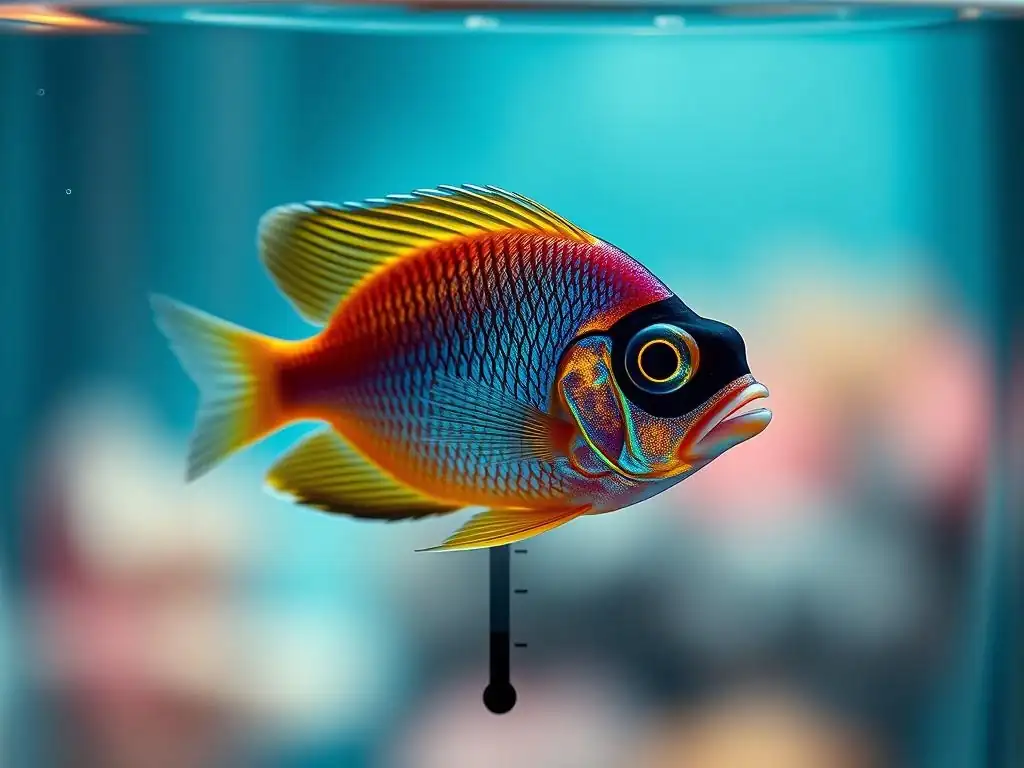
Upon receiving your Anthias, the very first step is to equalize the temperature of the water in their shipping bag with that of your quarantine tank. Carefully float the sealed shipping bag containing the fish in the quarantine tank for 15 to 20 minutes. This allows for a gradual temperature transfer, preventing temperature shock, which can be a significant stressor for delicate species.
During this initial float, it is crucial not to open the bag. Opening the bag prematurely allows for gas exchange, which can cause a rapid and potentially fatal pH shift as trapped carbon dioxide escapes and the pH rises quickly. Keep the lights on the quarantine tank dim or off during this period to further minimize stress on the newly arrived fish.
Step 2: Setting Up the Drip Acclimation System
After temperature equalization, carefully open the shipping bag and gently pour the fish and all the original bag water into your clean acclimation bucket. Ensure the bucket is placed on a stable surface lower than your quarantine tank. Next, secure one end of your airline tubing (with the air valve attached) into the quarantine tank, using a clip or knot to hold it in place.
Start a siphon by sucking briefly on the other end of the tubing until water begins to flow. Once the siphon is established, place the dripping end of the tubing into the acclimation bucket, making sure it's positioned so the drips fall directly into the water.
Adjusting the Drip Rate for Gradual Acclimation
- Initial Rate: Begin by adjusting the air valve (or knot) to achieve a slow, consistent drip rate of approximately 1-2 drips per second. This slow rate is critical for sensitive species like Anthias, allowing their internal systems to gradually adjust to changes in salinity, pH, and other parameters.
- Target Volume: The goal is to slowly double the original volume of water in the acclimation bucket with water from the quarantine tank. For most Anthias, this process should take approximately 60-90 minutes. For extremely sensitive species, such as Bartlett's Anthias ( Pseudanthias bartlettorum) or Squareback Anthias ( Pseudanthias pleurotaenia), extending this drip acclimation period to 2-3 hours can further reduce
Anthias acclimation stress reductionby allowing for an even more gradual transition.
Step 3: Monitoring Water Parameters During Acclimation
Throughout the drip acclimation process, it is highly advisable to periodically monitor the water parameters in the acclimation bucket. While the drip method inherently ensures gradual changes, confirming the progress provides peace of mind and allows for adjustments if necessary. This step is particularly important if the initial shipping water parameters were significantly different from your quarantine tank.
Focus on checking pH, salinity, and temperature within the acclimation bucket. These are the most critical parameters that can cause immediate stress or shock to marine fish. Use reliable testing equipment, not just visual estimations.
Checking pH, Salinity, and Temperature
- pH: Use a quality liquid pH test kit or a calibrated pH probe. Compare the pH of the acclimation bucket water to that of your quarantine tank water. The goal is for them to be within 0.1-0.2 units of each other by the end of the drip process.
- Salinity: A refractometer is the most accurate tool for measuring salinity. Take readings from both the acclimation bucket and the quarantine tank. The salinity in the bucket should slowly approach that of the QT. Aim for a difference of no more than 0.001-0.002 SG by the time you're ready to transfer.
- Temperature: Use a digital thermometer to confirm that the temperature in the bucket has fully equalized with the quarantine tank, remaining stable at the target 76-78°F (24.5-25.5°C).
Step 4: Carefully Transferring Anthias to the Quarantine Tank
Once the acclimation process is complete and the water parameters in the bucket closely match those of the quarantine tank, it's time to transfer the Anthias. Use a clean, fine-mesh fish net to carefully scoop the Anthias from the acclimation bucket. Avoid using your hands to minimize contact and potential damage to their delicate slime coat.
Crucially, do not transfer any of the acclimation water from the bucket into your quarantine tank. This water contains ammonia and other waste products from shipping and could introduce unwanted pathogens or pollutants into your clean QT. Discard the acclimation water. Gently release the netted Anthias into the quarantine tank, minimizing their exposure to air during the transfer. Turn off the QT lights for the first few hours post-transfer to further reduce Anthias acclimation stress reduction and allow them to explore their new environment calmly.
Minimizing Acclimation Stress: Advanced Techniques
Light Acclimation: Reducing Photoshock
Newly acquired Anthias often arrive from environments where light levels are minimal, such as dark shipping bags or deeper water collection sites. Suddenly exposing them to the bright, intense lighting of a typical reef aquarium or even a well-lit quarantine tank can cause severe "photoshock" and induce significant Anthias acclimation stress reduction. This can manifest as frantic swimming, hiding, or refusal to eat, prolonging their recovery period.
To mitigate this, it's essential to introduce light gradually. For the first few hours after transfer to the quarantine tank, keep the tank lights completely off. This allows the fish to settle into their new surroundings without the added stress of bright illumination. Over the next few days, slowly increase the light intensity, mimicking a natural dawn-to-dusk cycle if possible, or using a low-wattage light source initially.
Gradually Increasing Light Intensity in the Quarantine Tank
- Initial Period (First 2-4 hours): Keep the quarantine tank lights completely off. This provides a dark, secure environment for the Anthias to recover from the stress of transit and acclimation.
- First 24 Hours: Use only ambient room light, or a very low-wattage LED light (e.g., a small clip-on desk lamp) directed away from the tank. The goal is just enough light for observation.
- Subsequent Days (Days 2-3): If your QT has adjustable lighting, gradually increase the intensity by 10-20% each day. If not, consider placing a piece of shade cloth or fine mesh over the tank for partial light blocking, slowly removing it over a few days.
Food Introduction: Encouraging Feeding Post-Acclimation
Encouraging Anthias to eat quickly after acclimation is one of the most vital indicators of successful Anthias acclimation stress reduction and a healthy recovery. Anthias are planktivores in the wild, constantly sifting the water column for food, and thus have a very high metabolism. A prolonged refusal to eat can rapidly lead to emaciation and further weakening of their immune system, making them more susceptible to disease.
Start offering food within a few hours of transfer, or by the next morning at the latest. Begin with very small amounts of highly palatable, nutritious foods. It's common for Anthias to be shy initially; patience and persistence are key. Avoid overfeeding, which can foul the water, but ensure frequent opportunities for them to eat.
Offering Small, Frequent Meals of High-Quality Food
- Initial Offerings: Begin with finely crushed, high-quality marine flake food or small frozen foods like enriched mysis shrimp ( Mysis relicta or Mysis diluviana), cyclop-eeze, or enriched brine shrimp ( Artemia salina). These are typically readily accepted.
- Feeding Frequency: Offer small amounts of food 3-5 times per day. Due to their high metabolism, Anthias thrive on frequent, small meals rather than one or two large ones. This mimics their natural grazing behavior.
- Nutritional Boost: Consider soaking frozen foods in a vitamin supplement such as Selcon or Vitality for a few minutes before feeding. This provides essential fatty acids and vitamins that can boost their immune system and overall health during this critical period.
Observing Anthias Behavior for Signs of Stress
Continuous observation is paramount during the first few days and weeks post-acclimation. Anthias are delicate, and early detection of stress or disease symptoms can be the difference between recovery and loss. Daily, thorough checks for behavioral changes or physical abnormalities are an integral part of Anthias acclimation stress reduction.
Pay close attention to their swimming patterns, coloration, fin posture, and breathing rate. Any deviation from normal, active schooling behavior should be investigated promptly. Early intervention can prevent minor issues from escalating into full-blown disease outbreaks within the quarantine tank.
Identifying Signs of Stress: Rapid Breathing, Clamped Fins, Hiding
- Rapid Operculum Movement (Gills): If their gill covers are moving rapidly, it can indicate respiratory distress, often due to poor water quality (ammonia/nitrite), low oxygen, or parasitic infections.
- Clamped Fins: Fins held tightly against the body, particularly the dorsal and pectoral fins, is a classic sign of stress, discomfort, or illness. Healthy Anthias typically have their fins spread.
- Excessive Hiding or Lethargy: While some initial shyness is normal, prolonged hiding in corners, remaining motionless at the bottom, or showing extreme lethargy are red flags. Healthy Anthias are active swimmers.
- Pale or Dull Coloration: A loss of vibrant color, or the appearance of stress blotches (darker or lighter patches), indicates significant stress or illness.
- Rubbing/Flashing: Repeatedly rubbing against rocks, substrate, or tank walls ("flashing") is a strong indicator of external parasites like Ich or Velvet.
Post-Acclimation Care: Ensuring Long-Term Health
Quarantine Period Length and Monitoring
The quarantine period is a critical phase for Anthias acclimation stress reduction and disease management. For Anthias, a minimum quarantine period of 4 to 6 weeks is highly recommended. This extended duration allows sufficient time for most common marine diseases, such as Marine Ich ( Cryptocaryon irritans), Marine Velvet ( Amyloodinium ocellatum), and bacterial infections, to manifest and be treated within the isolated environment of the quarantine tank. Many parasites have life cycles that can exceed two weeks, meaning a shorter quarantine might not reveal latent infections.
During this period, daily monitoring is essential. Observe the Anthias for any signs of disease, changes in appetite, or abnormal behavior. Perform regular water changes (e.g., 20% weekly) to maintain pristine water quality, especially as the Anthias begin to eat more frequently. If any signs of disease appear, treatment should commence immediately in the QT, extending the quarantine period until the fish are fully recovered and symptom-free for at least two weeks.
Gradual Introduction to the Display Tank
Once the Anthias have completed their quarantine period, are eating well, and show no signs of disease, they can be introduced to the main display tank. This transfer should also be done carefully to minimize renewed Anthias acclimation stress reduction. Ensure that the water parameters of the quarantine tank are identical to those of the display tank before transfer; if not, perform a final drip acclimation from the QT to the display tank water for 30-60 minutes.
Introducing the Anthias during the display tank's "lights out" period or just before the lights come on can help reduce immediate aggression from established tank mates and allow the new fish to explore their surroundings without being overwhelmed. For particularly timid Anthias, or in tanks with potentially aggressive residents, an acclimation box placed in the display tank for a few days can provide a safe space for them to adjust and for other fish to get used to their presence.
Selecting Compatible Tank Mates for Anthias
- Avoid Aggressive Species: Do not introduce Anthias into tanks with known aggressive species such as large angelfish, triggerfish, or certain dottybacks that may harass or outcompete them for food.
- Choose Peaceful Community Fish: Opt for peaceful, community-oriented fish that are not known for fin-nipping or territorial aggression. Good tank mates include certain gobies, cardinalfish, and small, peaceful wrasses.
- Consider Different Swimming Levels: Select tank mates that occupy different swimming levels to reduce direct competition for space. Anthias primarily inhabit the mid-to-upper water column.
Reducing Competition for Food and Territory
- Pre-Feeding: Feed your established display tank inhabitants just before introducing the Anthias. This distracts them and reduces their immediate focus on the new arrivals, often lessening initial aggression.
- Ample Hiding Spots: Ensure your display tank has plenty of rockwork with caves, overhangs, and crevices where Anthias can retreat if they feel threatened. While they are open-water swimmers, having secure hiding spots is crucial for their sense of security.
- Schooling Advantage: If planning to keep a school of Anthias (which is highly recommended for their well-being), introduce them all at once. This allows them to establish a pecking order among themselves and can diffuse aggression from other tank mates across multiple individuals, rather than focusing on a single, vulnerable fish.
Addressing Common Acclimation Problems in Anthias
Identifying and Treating Common Diseases in Newly Acclimated Anthias
Stress significantly compromises a fish's immune system, making newly acclimated Anthias particularly vulnerable to a range of diseases. The quarantine tank is the ideal environment for identifying and treating these issues without risking the health of your main display tank. Common diseases seen in stressed Anthias include parasitic infections like Marine Ich and Velvet, as well as bacterial infections often presenting as fin rot or body lesions.
Early detection is paramount. Perform daily visual inspections of your Anthias for any changes in appearance or behavior. If a disease is suspected, prompt and accurate diagnosis, followed by appropriate treatment, is critical. Remember that many medications can be harsh, so precise dosing and careful monitoring of water parameters are essential during treatment.
Marine Ich (White Spot Disease): Symptoms and Treatment
- Symptoms: The most common symptom is the appearance of small, white spots (resembling grains of salt) on the body and fins. Other signs include rapid breathing, scratching or "flashing" against tank decor, loss of appetite, and lethargy.
- Treatment: Effective treatments typically involve copper-based medications (e.g., Seachem Cupramine, Copper Power) administered in the quarantine tank. Ensure you have a reliable copper test kit to maintain the therapeutic range (e.g., 0.25-0.5 ppm for Cupramine). Hyposalinity (reducing salinity to 1.009-1.010 SG) is another option, but requires careful monitoring and is not suitable for all invertebrates if the QT is not truly bare-bottom.
Dealing with Fin Nipping and Aggression from Other Fish
While Anthias are generally peaceful, their delicate nature and often timid disposition make them potential targets for more aggressive or territorial tank mates, especially when they are new and stressed. Fin nipping can lead to secondary bacterial infections, and constant harassment can prevent them from eating, leading to rapid decline.
If aggression occurs, immediate action is necessary to prevent further Anthias acclimation stress reduction. The best approach is proactive tank mate selection, but if issues arise, mitigation strategies are crucial. A common mistake is introducing Anthias into a tank with established, territorial fish without proper planning. This can lead to severe stress, fin damage, and even death within days.
- Consider adding the Anthias as the last fish to the display tank, allowing existing inhabitants to be well-established without the stress of new additions.
- Rearrange the rockwork in the display tank just before introducing the Anthias. This can disrupt existing territories, forcing all fish to re-establish their claims simultaneously, which can reduce aggression towards the newcomers.
- If a specific aggressor is identified, consider temporarily removing it to a separate tank for a few days. Reintroducing the aggressor after the Anthias have settled can sometimes reset territorial behaviors.
- Provide ample hiding spots and visual breaks in the aquascape. Caves, overhangs, and dense rock structures offer refuge and reduce line of sight, which can lessen aggression.
Long-Term Anthias Care: Maintaining a Stress-Free Environment
Maintaining Stable Water Parameters in the Display Tank
Long-term success with Anthias, beyond the initial Anthias acclimation stress reduction phase, hinges on maintaining exceptionally stable and pristine water parameters in the display tank. Anthias originate from oceanic environments where conditions are remarkably consistent. Fluctuations in temperature, salinity, pH, or nutrient levels can be highly detrimental, leading to chronic stress, weakened immune systems, and increased susceptibility to disease. Small, consistent changes are far less stressful than large, infrequent ones.
Regular testing is non-negotiable. Weekly or bi-weekly checks for salinity, temperature, pH, alkalinity, calcium, and magnesium are essential. Ammonia and nitrite should always remain at zero. Consistent water changes, typically 10-15% bi-weekly or 5-10% weekly using high-quality salt mix and RO/DI water, are vital for nutrient export and replenishing essential elements. Automated top-off systems help maintain stable salinity, while dosing pumps can ensure consistent levels of alkalinity, calcium, and magnesium.
Providing a Varied and Nutritious Diet
Anthias are constant grazers in their natural habitat, consuming zooplankton from the water column almost continuously throughout the day. In a captive environment, this translates to a need for frequent, small feedings to meet their high metabolic demands. A lack of consistent, high-quality food is a major source of long-term Anthias acclimation stress reduction and can lead to emaciation and premature death.
Offer a varied diet consisting of high-quality frozen foods such as enriched mysis shrimp, copepods (e.g., Tisbe or Copepod species), finely chopped krill, and enriched brine shrimp. Small, high-quality pellet foods designed for marine fish can also be introduced, though some Anthias may take longer to accept them. Aim to feed your Anthias 3-5 times a day, providing only what they can consume in a few minutes to avoid fouling the water. Vitamin supplements like Selcon or Vita-Chem can be soaked into foods to further boost their nutritional intake.
Ensuring Adequate Swimming Space and Hiding Places
Anthias are active, schooling fish that require ample swimming space to thrive. While their individual size may be modest, a small school (e.g., 3-5 Lyretail Anthias) requires a tank of at least 75 gallons, providing a minimum length of 48 inches, to allow for natural schooling behaviors and reduce territorial disputes among themselves. Cramped conditions can lead to chronic stress and aggression within the school.
In addition to open swimming areas, providing plenty of rockwork with caves, overhangs, and crevices is crucial. These serve as essential hiding places where Anthias can retreat when they feel threatened, during the night, or simply to rest. The presence of secure refuges contributes significantly to their sense of security and overall Anthias acclimation stress reduction. A well-designed aquascape offers both open water for schooling and intricate structures for shelter, mimicking their natural reef environment.
Conclusion: Mastering Anthias Acclimation for a Thriving Reef Aquarium
Key Takeaways for Successful Anthias Acclimation Stress Reduction
Successfully acclimating Anthias is a hallmark of an advanced aquarist and a testament to meticulous care. The process is demanding but incredibly rewarding, ensuring these vibrant fish not only survive but truly thrive in your reef aquarium. Mastering Anthias acclimation stress reduction begins long before the fish arrive and continues well into their stay in your display tank. Key principles include:
- Prioritize Quarantine: Always use a dedicated, fully cycled quarantine tank for at least 4-6 weeks to observe, treat, and stabilize new Anthias.
- Utilize Drip Acclimation: This slow, methodical approach is indispensable for sensitive species, preventing osmotic and pH shock.
- Monitor Water Parameters Closely: Regular testing of salinity, temperature, and pH in both acclimation and quarantine setups is critical.
- Provide a Quiet, Dimly Lit Environment Initially: Reduce external stressors and avoid photoshock by gradually introducing light.
- Offer Frequent, Small Meals: Meet their high metabolic demands with a varied, nutritious diet, encouraging feeding as a sign of health.
- Observe Diligently for Stress and Disease: Early detection and intervention are vital for preventing serious health issues.
Further Resources for Anthias Care and Reefkeeping.
For those looking to deepen their knowledge and ensure the long-term health of their Anthias and overall reef aquarium, continuous learning is key.
- Consult comprehensive reef husbandry guides that cover water chemistry, filtration, and general fish health.
- Explore species-specific care sheets for different types of Anthias, as their exact needs (e.g., diet, social structure) can vary slightly.
- Familiarize yourself with marine fish disease diagnosis and treatment protocols, understanding the life cycles of common parasites and bacterial infections.
Frequently Asked Questions
How crucial is the acclimation process for Anthias fish?
The acclimation process is absolutely crucial for Anthias. These fish are highly sensitive to changes in water parameters, and improper acclimation can lead to significant stress and even death.
What are the key water parameters to monitor during Anthias acclimation?
You should closely monitor temperature, salinity, and pH. Drastic shifts in these parameters are a major cause of acclimation shock. Use a reliable testing kit for accuracy.
What are some signs that an Anthias is experiencing acclimation stress?
Signs of stress include rapid breathing, erratic swimming, loss of color, and refusal to eat. Early detection is key to mitigating the effects of acclimation shock.
How long should the acclimation process typically take for Anthias?
A drip acclimation method is recommended and should take at least one to two hours. This slow introduction allows the Anthias to gradually adjust to the new water chemistry.
Besides water parameters, what other factors contribute to Anthias acclimation stress?
Handling is a significant factor. Minimize handling and avoid chasing the fish around the bag. Dimming the lights in the tank also helps reduce stress during the introduction phase.
Final Reflection: Nurturing Resilience in Delicate Ecosystems
The insights shared in this article underscore the critical importance of mindful acclimation when introducing Anthias to a new environment. The delicate nature of these fish, and their susceptibility to stress, serves as a powerful reminder of the responsibility we bear when interacting with any living creature, especially those from complex and fragile ecosystems. The success of Anthias acclimation is not merely a technical process, but a reflection of our commitment to ethical and sustainable practices within the aquarium hobby.
This journey into Anthias care highlights how even seemingly small actions can have a profound impact on the well-being of these animals. It pushes us to consider the broader implications of our choices and the interconnectedness of life within a reef environment. The greatness of a nation and its moral progress can be judged by the way its animals are treated.
- Mahatma Gandhi. This quote resonates deeply, reminding us that compassion and understanding are essential when caring for any living being, and that our actions reflect our values.
As you reflect on the principles of Anthias acclimation stress reduction, consider how these lessons can extend beyond the aquarium. How can you apply the same principles of patience, observation, and proactive care to other areas of your life? Let this knowledge inspire you to cultivate a deeper appreciation for the delicate balance of nature and to champion practices that promote the well-being of all living things.
Ignite Your Reef: Transform Your Anthias Experience Now!
Thank you for diving into the world of Anthias! We hope this article has empowered you with the knowledge to keep these beautiful fish thriving. Now, let's turn that knowledge into action.
Here are a few things you can do right now:
- Implement the acclimation techniques detailed above and watch your Anthias flourish in their new home.
- Share your experiences or ask further questions on the Aquarium Mastery community forum – let's learn from each other!
- Explore other captivating fish species profiles on Aquarium Mastery and deepen your aquarium knowledge.
What specific aspect of Anthias acclimation are you most excited to try, and what results are you hoping to see?