
Tuxedo Urchin (Mespilia globulus): A Dapper Algae Grazer for Established Reefs

Welcome to Aquarium Mastery!
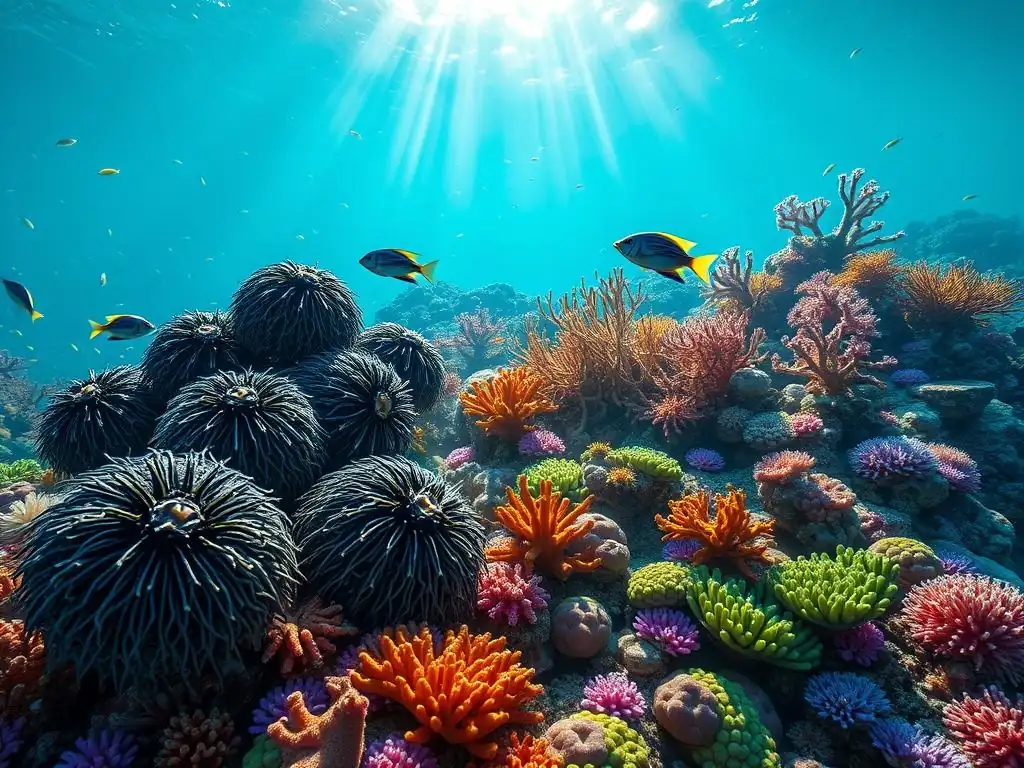
Ever wondered how to keep your reef tank sparkling clean and add a touch of elegance? Dive into our comprehensive guide on Tuxedo Urchin Reef Care and discover how these dapper algae grazers can become the unsung heroes of your saltwater aquarium. Learn everything you need to know about their unique needs, ideal tank mates, and how to ensure they thrive in your reef environment. Ready to unlock the secrets to a healthier, more beautiful reef? Let's get started!
- Introduction to the Tuxedo Urchin: A Reef Tank Essential?
- Understanding Tuxedo Urchin Reef Care: Key Considerations
- The Role of the Tuxedo Urchin in Algae Control
- Selecting the Right Tuxedo Urchin for Your Reef
- Compatibility and Tank Mates for Tuxedo Urchins
- Troubleshooting Common Tuxedo Urchin Issues
- Maintaining a Healthy Reef Ecosystem with Tuxedo Urchins
- Breeding Tuxedo Urchins in Captivity: Challenges and Possibilities
- Tuxedo Urchin: Pros and Cons for Reef Aquariums
- Conclusion: Is a Tuxedo Urchin Right for Your Reef Aquarium?
-
Frequently Asked Questions
- What is a Tuxedo Urchin and why is it a good addition to a reef tank?
- What are the key considerations for water chemistry when keeping Tuxedo Urchins?
- What kind of algae do Tuxedo Urchins prefer to eat, and what happens if they run out of food?
- How do I ensure my Tuxedo Urchin is healthy and thriving in my reef aquarium?
- Are Tuxedo Urchins compatible with all reef tank inhabitants?
- Final Reflection: The Enduring Elegance of Ecosystem Balance
- Unleash the Power of the Tuxedo Urchin!
Introduction to the Tuxedo Urchin: A Reef Tank Essential?
What is a Tuxedo Urchin (Mespilia globulus)?
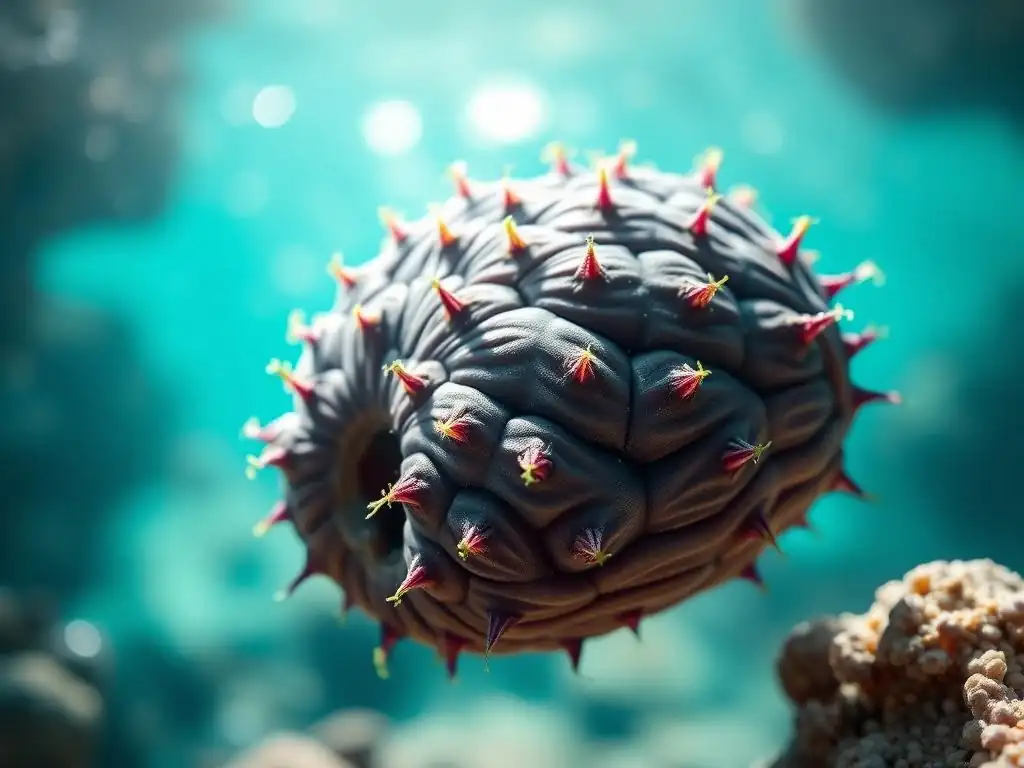
The Tuxedo Urchin, scientifically known as Mespilia globulus, is a captivating and highly beneficial invertebrate often sought after for saltwater reef aquariums. This species is an echinoderm, closely related to starfish and sea cucumbers, and is characterized by its distinctive appearance. It typically grows to a diameter of 2 to 3 inches (approximately 5 to 7.5 cm), with a rounded, pincushion-like body covered in numerous short, blunt spines.
These spines are often adorned with small pieces of detritus, algae, or even discarded snail shells, which the urchin collects using its tube feet for camouflage, giving it its "tuxedo" or "hat" appearance. Their coloration can vary, ranging from deep blues and greens to black, often with contrasting white or light-colored spine tips.
Native to the Indo-Pacific region, Mespilia globulus thrives in the shallow, clear waters of coral reefs, typically found at depths ranging from 5 to 60 feet (1.5 to 18 meters). In its natural habitat, it plays a vital role as a detritivore and herbivore, constantly grazing on film algae and scavenging for detritus across rockwork and sandy bottoms. This natural behavior translates perfectly into the aquarium environment, making it a highly effective member of a reef tank's clean-up crew. Understanding the natural behavior and physical characteristics of this species is the first step in successful Tuxedo Urchin reef care.
Why Choose a Tuxedo Urchin for Your Reef Aquarium?
The primary reason aquarists choose to add a Tuxedo Urchin to their reef aquarium is its unparalleled ability to control nuisance algae. Unlike many other clean-up crew members, Mespilia globulus is a voracious grazer that targets a wide variety of algae, including diatoms, green film algae, and even some types of green hair algae that other invertebrates might ignore.
Their constant movement across the aquarium glass, rocks, and substrate ensures that surfaces are kept pristine, significantly reducing the need for manual scraping and scrubbing. A single 2-inch Tuxedo Urchin, for instance, can noticeably reduce algae growth over a 30-gallon section of rockwork within a few days, demonstrating its efficiency.
Beyond its functional benefits, the Tuxedo Urchin is also a visually appealing and interesting addition to a reef tank. Its unique habit of decorating itself with various pieces of tank detritus makes it a constant source of fascination. Furthermore, Mespilia globulus is generally considered reef-safe, posing minimal threat to corals or other invertebrates, provided they are securely attached. Their peaceful nature and effectiveness in maintaining tank cleanliness make them an excellent choice for established reef systems, contributing to both the aesthetic appeal and ecological balance of the aquarium.
Understanding Tuxedo Urchin Reef Care: Key Considerations
Optimal Water Parameters for Tuxedo Urchin Health
Maintaining stable and optimal water parameters is paramount for the long-term health and vitality of your Tuxedo Urchin. As echinoderms, they are particularly sensitive to sudden fluctuations in water chemistry. Ideal salinity levels for Mespilia globulus should range from 1.023 to 1.026 specific gravity, with a temperature maintained between 72-78°F (22-26°C). The pH should consistently be within 8.1-8.4. Beyond these basic parameters, attention must be paid to the levels of alkalinity, calcium, and magnesium, which are crucial for their calcified structures (spines and test).
For robust Tuxedo Urchin reef care, aim for alkalinity levels between 8-12 dKH, calcium at 400-450 ppm, and magnesium between 1200-1350 ppm. Nitrates should be kept below 10 ppm, and phosphates ideally below 0.03 ppm, as high nutrient levels can stress the urchin and lead to uncontrollable algae growth that overwhelms their grazing capacity. Regular testing, at least once a week for key parameters, is essential to ensure these conditions remain stable. Stability, even more than hitting exact numbers, is critical; drastic swings can lead to stress, spine loss, and ultimately, mortality.
Acclimation Process for New Tuxedo Urchins
Proper acclimation is a non-negotiable step when introducing a new Tuxedo Urchin to your reef aquarium due to their sensitivity to changes in salinity, temperature, and pH. The drip acclimation method is highly recommended as it allows for a slow, gradual equalization of water parameters. Begin by floating the bag in your sump or tank for 15-20 minutes to equalize temperature.
Then, transfer the urchin and its shipping water into a separate container. Using airline tubing and a knot or small valve, set up a drip line from your display tank into the container, aiming for a drip rate of approximately 1-2 drips per second.
Continue the drip acclimation for at least 60-90 minutes, or until the volume of water in the container has at least quadrupled. It is crucial to avoid exposing the urchin to air during transfer, as air bubbles can become trapped in their internal structures, leading to fatal complications. Gently scoop the urchin out with your hand or a small container and place it directly onto the rockwork or substrate in your main display tank.
Avoid simply dropping it in, as a fall can cause damage. Once in the tank, keep the lights dim for the first few hours to allow it to adjust to the new lighting conditions and find a secure spot.
Feeding Your Tuxedo Urchin: Diet and Supplementation
The primary diet of a Tuxedo Urchin in a reef aquarium consists of the various forms of algae naturally growing on rockwork, glass, and substrate. They are highly efficient grazers and will actively seek out diatoms, green film algae, and certain types of green hair algae. In a well-established reef tank with a healthy amount of algae growth, supplemental feeding may not be necessary. However, in tanks with very low algae levels, or as the urchin grows and its grazing needs increase, supplementation becomes vital for its long-term health and effective Tuxedo Urchin reef care.
If natural algae sources are insufficient, you can supplement their diet with various marine-based foods. Nori (seaweed sheets) is an excellent option; a small piece can be secured to a rock or an algae clip in the tank. Other suitable foods include spirulina flakes, high-quality marine pellets, or specialized algae wafers. Offer these supplements 2-3 times per week if you observe the urchin appears to be struggling to find food, or if it stops actively grazing. Always monitor the urchin's activity and the amount of algae in your tank to gauge its nutritional needs.
The Role of the Tuxedo Urchin in Algae Control
Effective Algae Grazing Habits of Mespilia globulus
Mespilia globulus employs a specialized feeding apparatus called an Aristotle's lantern, which houses five sharp, calcareous teeth, to effectively scrape algae from surfaces. This makes them exceptionally adept at removing tenacious film algae and diatoms that might be missed by snails or hermit crabs. They systematically move across the substrate, rocks, and even the aquarium glass, leaving a clean trail in their wake. Their continuous grazing helps to break down existing algae mats and prevent new ones from forming, contributing significantly to the overall cleanliness of the reef environment.
Anecdotal evidence from aquarists suggests that a single Tuxedo Urchin can effectively manage the daily film algae growth in a 50 to 75-gallon reef tank. Their preference for certain types of nuisance algae, such as green hair algae, makes them a targeted solution for common problems.
For instance, in tanks experiencing outbreaks of short green hair algae, the introduction of a Tuxedo Urchin often leads to a noticeable reduction in growth within a week or two, as they diligently work to consume the unsightly strands. This active and consistent grazing behavior is a cornerstone of effective Tuxedo Urchin reef care.
Preventing Algae Blooms with Tuxedo Urchins
Introducing a Tuxedo Urchin can be a proactive strategy in preventing severe algae blooms rather than just reacting to them. By consistently grazing on nascent algae growth, they prevent it from accumulating into unmanageable mats. This continuous consumption helps to export nutrients from the water column indirectly, as the algae that would otherwise absorb and store these nutrients are consumed and processed by the urchin. This reduces the available "fuel" for larger, more problematic algae outbreaks.
While an urchin is not a complete solution for nutrient management, it is a crucial component of an integrated clean-up crew. When combined with regular water changes, proper filtration, and judicious feeding practices, a Tuxedo Urchin can significantly reduce the frequency and severity of algae blooms. Many aquarists report that with a healthy clean-up crew including Mespilia globulus, the need for manual algae scraping on glass can be reduced by 50% or more, allowing for more time to enjoy the tank and less time on maintenance.
Identifying and Addressing Algae Imbalances in Your Reef Tank
While Tuxedo Urchins are excellent algae grazers, it's important to understand their limitations. They are highly effective against diatoms, green film algae, and most types of green hair algae, but they are generally ineffective against bubble algae (Valonia), bryopsis, or certain types of dinoflagellates. If your reef tank is experiencing a bloom of these specific, more persistent algae types, the Tuxedo Urchin alone will not resolve the issue. Recognizing these limitations is an important aspect of comprehensive Tuxedo Urchin reef care.
If you observe an increase in these problematic algae, or if the urchin's grazing efforts are clearly insufficient, it signals a deeper imbalance in your tank's ecosystem. This often points to elevated nutrient levels (e.g., phosphates consistently above 0.1 ppm or nitrates above 20 ppm), insufficient water flow in certain areas, or even old light bulbs that are shifting in spectrum. Addressing these root causes through nutrient export methods (like GFO or refugiums), increasing flow, and appropriate lighting adjustments, in conjunction with the urchin's grazing, will lead to a healthier and more balanced reef environment.
Selecting the Right Tuxedo Urchin for Your Reef
Size and Maturity of Tuxedo Urchins for Different Tank Sizes
When selecting a Tuxedo Urchin, consider the size of your aquarium to ensure it has enough grazing area and to prevent it from outgrowing its food source. A general guideline is to house one Tuxedo Urchin for every 30-50 gallons of established reef tank volume. For instance, a 50-gallon tank can comfortably support one healthy urchin, while a 100-gallon system might accommodate two. Smaller tanks, under 20 gallons, may not provide enough continuous algae growth to sustain a Tuxedo Urchin long-term without significant supplemental feeding, which can sometimes lead to nutrient spikes if overdone.
It's generally advisable to acquire an urchin that is already 1.5 to 2 inches in diameter, as these individuals are typically more robust and better able to handle the stress of acclimation and a new environment. Smaller, juvenile urchins can be more delicate and may struggle to find sufficient food in a moderately clean tank. Conversely, excessively large urchins (over 3 inches) might be too powerful for very small, unsecured frags or rockwork, potentially knocking them over as they move. Choosing an appropriately sized individual is key to successful Tuxedo Urchin reef care and integration.
Identifying Healthy Tuxedo Urchins Before Purchase
A thorough visual inspection before purchasing is crucial to ensure you bring home a healthy Tuxedo Urchin. Observe the urchin in the dealer's tank for at least 10-15 minutes. A healthy Mespilia globulus should be actively moving around the tank, or if stationary, it should be firmly attached to a surface using its tube feet. Its spines should appear full, erect, and intact, without any signs of breakage, decay, or excessive shedding. Faded coloration or the presence of opaque, white patches on its body are strong indicators of stress or illness, often pointing to tissue necrosis.
Avoid urchins that are lying upside down, are not attached to any surface, or appear shriveled. While some spine loss can occur during shipping, excessive spine loss (more than 5-10 spines daily) or the inability to regenerate them points to severe stress or illness. Ask the vendor about their acclimation procedures and how long the urchin has been in their facility. Opting for a well-rested specimen that has been at the store for at least a few days increases its chances of successful transition to your home aquarium, enhancing your Tuxedo Urchin reef care efforts.
Selecting Substrate for Optimal Urchin Health
The type and depth of substrate in your reef aquarium can significantly impact the health and behavior of your Tuxedo Urchin. While these urchins will graze on rockwork and glass, they also spend a considerable amount of time moving across and scavenging in the substrate. A sandy or crushed coral substrate is ideal, allowing them to move freely and collect small pieces of detritus and algae. Bare-bottom tanks, while easier to clean, do not offer the same opportunities for natural foraging and can make it harder for the urchin to secure itself.
For optimal Tuxedo Urchin reef care, aim for a substrate bed of at least 2-3 inches (5-7.5 cm) in depth. Fine to medium grain sand (e.g., 0.5mm to 2mm) is generally preferred, as it allows the urchin to effortlessly traverse and collect small particles for camouflage. While they are not burrowers in the same way as some sand-sifting starfish, they will often use the substrate to anchor themselves or to "bury" partially when resting. Providing a suitable substrate enhances their natural behavior and contributes to their overall well-being in the aquarium.
Compatibility and Tank Mates for Tuxedo Urchins
Ideal Tank Mates for a Peaceful Reef Environment
Tuxedo Urchins are highly valued for their peaceful nature and general compatibility within a diverse reef aquarium setting. They are considered reef-safe and will typically coexist harmoniously with most common reef fish and invertebrates. Ideal fish tank mates include peaceful species such as clownfish, gobies (like Watchman Gobies), most blennies (e.g., Lawnmower Blennies), and smaller tangs. These fish generally do not bother the urchin and can even benefit from its algae-grazing activities.
Other compatible invertebrates include various species of snails (such as Nerite snails, Turbo snails, and Nassarius snails) and peaceful hermit crabs (like Blue Leg Hermit Crabs). While some hermit crabs might occasionally try to "borrow" a piece of the urchin's detritus "hat," this is usually harmless. When it comes to corals, Mespilia globulus is generally safe with LPS (Large Polyp Stony) and SPS (Small Polyp Stony) corals. However, it's wise to ensure all corals, especially small frags, are securely glued or placed, as the urchin's movement can sometimes dislodge unsecured items.
Fish and Invertebrates to Avoid Housing with Tuxedo Urchins
Despite their generally peaceful nature, Tuxedo Urchins are vulnerable to predation by certain aggressive or specialized marine species. It is crucial to avoid housing them with known urchin predators. This includes many species of triggerfish, puffers, and large wrasses, which possess the strong jaws and teeth necessary to crack open an urchin's test (shell). For example, species like the Clown Triggerfish ( Balistoides conspicillum) are notorious for preying on urchins. Similarly, larger angelfish species, while not direct predators, can sometimes pick at the urchin's spines or body, causing stress.
Aggressive crabs, such as large Emerald Crabs or certain decorator crabs, can also pose a threat, either by directly attacking the urchin or constantly harassing it for its "hat" or food. While many shrimp are harmless, very large or aggressive shrimp species might occasionally bother a Tuxedo Urchin, though this is less common. Diligent research into the compatibility of potential tank mates is a critical part of successful Tuxedo Urchin reef care, ensuring a safe environment for your dapper algae grazer.
Preventing Predation on Tuxedo Urchins
The best way to prevent predation on your Tuxedo Urchin is to carefully select its tank mates, avoiding any species known to prey on echinoderms. If you already have potentially aggressive fish in your tank, it's generally not advisable to introduce an urchin. However, if you are planning a new setup, always introduce the Tuxedo Urchin after any potentially aggressive fish have been added and established, as this can sometimes reduce the likelihood of them viewing the urchin as a novel food source.
Providing ample hiding spots and complex rockwork throughout the aquarium can also offer the urchin refuge if it feels threatened. While Tuxedo Urchins are generally out in the open grazing, having crevices and caves to retreat into can reduce stress. Ensuring the tank is adequately sized, allowing for sufficient space for all inhabitants to establish territories without constant interaction, also plays a role in preventing aggression. A well-designed aquascape with multiple visual breaks can significantly contribute to the peaceful coexistence of all your reef inhabitants.
Troubleshooting Common Tuxedo Urchin Issues
Recognizing Signs of Stress or Illness in Tuxedo Urchins
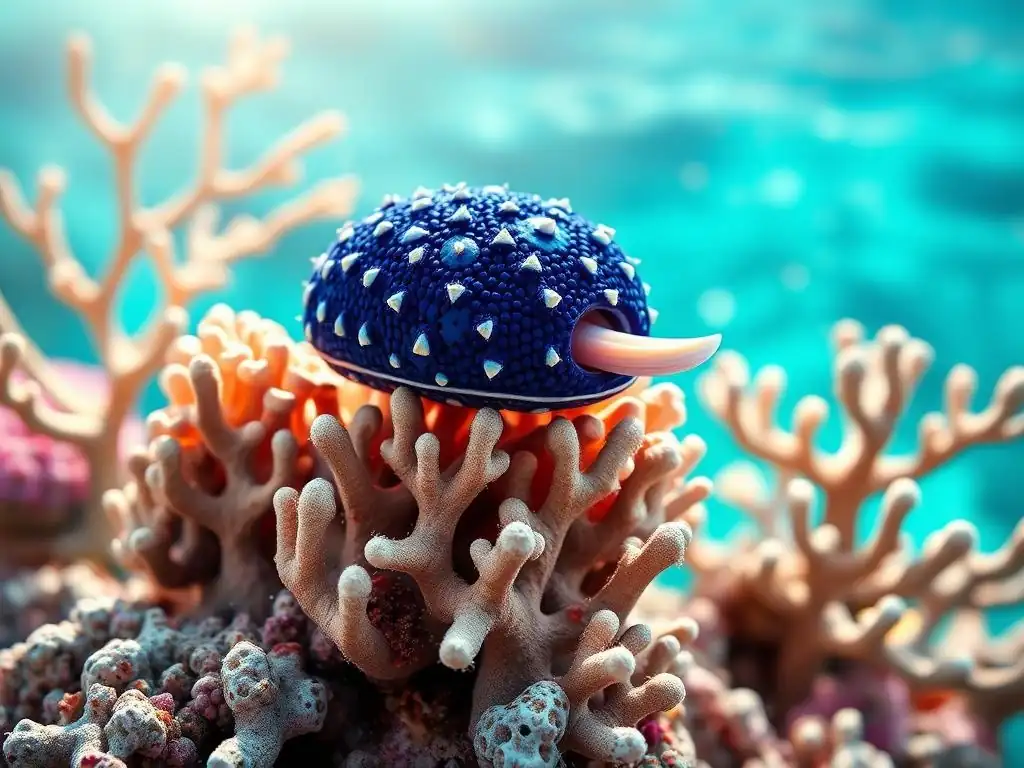
Early recognition of stress or illness is vital for effective Tuxedo Urchin reef care. A healthy urchin is typically active, moving around the tank, and firmly attached to surfaces. Signs of stress or illness include a lack of movement, remaining stationary for prolonged periods without being attached, or the inability to right itself if it falls. Another critical indicator is excessive spine loss or spines appearing droopy, deflated, or brittle. While some minor spine loss can occur, a significant number of spines falling off daily (e.g., 10-20 or more) is a cause for concern.
Other warning signs include fading or dull coloration, white patches or lesions on the body (which can indicate tissue necrosis), or a shriveled appearance. If the urchin stops actively grazing or collecting detritus for its "hat," this also points to an issue. When you observe any of these symptoms, it's imperative to immediately check your water parameters, review tank mate compatibility, and assess the availability of food to identify and address the underlying problem.
Addressing Shell Damage and Spine Loss
Shell damage or significant spine loss in a Tuxedo Urchin is often a symptom of underlying problems rather than a disease itself. Common causes include physical trauma (such as being knocked off rockwork or attacked by an aggressive tank mate), poor water quality, or chronic starvation. If you notice shell damage, first ensure that all corals and rockwork are securely placed to prevent accidental falls. If tank mates are the culprits, evaluate their compatibility and consider rehoming the aggressor if necessary.
To address spine loss, focus on optimizing water parameters, particularly calcium, alkalinity, and magnesium levels, as these are essential for spine regeneration. Ensure your nutrient levels (nitrates, phosphates) are within acceptable ranges, as high levels can stress the urchin. If starvation is suspected due to insufficient algae, increase supplemental feeding. Urchins have remarkable regenerative capabilities; with improved conditions and time, they can often regrow lost spines and recover from minor shell damage, especially if the underlying cause is promptly resolved.
Dealing with Insufficient Algae Consumption
If your Tuxedo Urchin is not actively grazing or appears to be consuming insufficient amounts of algae, several factors could be at play. The most common reason is simply a lack of available algae in the tank. In very clean or newer tanks, the natural algae growth may not be enough to sustain the urchin. In such cases, the solution is straightforward: increase supplemental feeding with nori, spirulina flakes, or algae wafers. Observe if the urchin begins to consume the offered food.
Alternatively, insufficient algae consumption can be a symptom of stress or illness. Re-check all water parameters for stability and optimal ranges. Ensure the urchin's acclimation was thorough and that it isn't being harassed by tank mates. If the urchin has recently been introduced, it might take a day or two to adjust before it starts actively grazing. If all other factors seem fine and the urchin is healthy, it might simply be that your tank is too clean for its needs, and consistent supplemental feeding will be required for effective Tuxedo Urchin reef care.
Maintaining a Healthy Reef Ecosystem with Tuxedo Urchins
Importance of Regular Water Changes
Regular water changes are a cornerstone of maintaining a healthy reef ecosystem, and they are particularly beneficial for sensitive invertebrates like the Tuxedo Urchin. Water changes remove accumulated nitrates and phosphates, which are byproducts of the nitrogen cycle and can fuel nuisance algae growth if allowed to build up. By exporting these nutrients, water changes help keep the overall water quality pristine, reducing stress on the urchin and preventing conditions that could lead to illness.
Furthermore, water changes replenish essential trace elements that are consumed by corals, invertebrates, and fish, including those vital for the Tuxedo Urchin's calcified structure. Performing a 10-20% water change weekly or bi-weekly, using high-quality salt mix and RODI water, ensures consistent water chemistry and stability. This proactive approach to water quality management is a fundamental aspect of successful Tuxedo Urchin reef care and contributes significantly to the longevity and vibrancy of your entire reef tank.
Monitoring Alkalinity, Calcium, and Magnesium Levels
For any calcifying organism in a reef tank, including the Tuxedo Urchin, maintaining stable and optimal levels of alkalinity (dKH), calcium (Ca), and magnesium (Mg) is critical. These three parameters work synergistically to support the growth and maintenance of the urchin's spines and test (shell). Alkalinity, typically targeted between 8-12 dKH, acts as a buffer, preventing drastic pH swings and providing carbonate ions for calcification. Calcium, ideally 400-450 ppm, is the primary building block for their skeletal structures.
Magnesium, maintained at 1200-1350 ppm, is essential because it helps to regulate the availability of calcium and alkalinity, preventing their precipitation and ensuring they remain usable by the urchin. If any of these parameters fluctuate wildly or fall outside optimal ranges, the urchin can become stressed, leading to spine loss, shell deterioration, and overall decline. Regular testing, at least once a week, and dosing as needed to maintain these levels are crucial elements of comprehensive Tuxedo Urchin reef care.
Maintaining Adequate Lighting for Algae Growth
While Tuxedo Urchins do not directly rely on light for their own health (like photosynthetic corals), adequate lighting is indirectly vital for their well-being because it promotes the growth of their primary food source: algae. Moderate lighting levels, typically with PAR (Photosynthetically Active Radiation) values ranging from 100 to 250 on the rockwork and substrate, encourage the growth of healthy film algae and diatoms that the urchin grazes upon.
If your lighting is too dim, or if the tank is excessively clean due to other factors, the natural algae growth might be insufficient to sustain the urchin. Conversely, excessively strong lighting could lead to the proliferation of undesirable algae types that the urchin doesn't consume, or it could stress the urchin if it cannot find adequate shaded areas. Ensuring a balanced lighting scheme that supports a healthy film algae population while also meeting the needs of your corals is an important consideration for holistic Tuxedo Urchin reef care.
Breeding Tuxedo Urchins in Captivity: Challenges and Possibilities
Understanding the Reproductive Cycle of Mespilia globulus
Breeding Tuxedo Urchins ( Mespilia globulus) in a home aquarium setting is extremely challenging and rarely achieved by hobbyists, though it has been accomplished in specialized aquaculture facilities. Like most sea urchins, Mespilia globulus are dioecious, meaning there are separate male and female individuals, and they are broadcast spawners. During spawning events, both males and females release their gametes (sperm and eggs) directly into the water column, where fertilization occurs externally.
Following successful fertilization, the eggs develop into a free-swimming, planktonic larval stage known as an echinopluteus larva. These larvae are microscopic and drift in the water column for an extended period, often several weeks to months, feeding on microalgae. This prolonged and delicate larval stage, requiring specific water conditions and a continuous supply of appropriate live planktonic food, is the primary hurdle to successful captive breeding and raising of Tuxedo Urchins.
Creating a Suitable Breeding Environment
To even attempt breeding Tuxedo Urchins, a large, very stable, and mature reef system would be necessary, ideally with a dedicated larval rearing setup. Inducing spawning in sea urchins often requires specific environmental cues, such as sudden changes in temperature, light cycles, or the presence of chemical cues released by other spawning urchins. For instance, a slight temperature drop (e.g., 2-3°F) followed by a return to normal can sometimes trigger spawning in certain species.
Even if spawning occurs, the sheer volume of water in a typical reef tank makes it difficult to concentrate the eggs and sperm for successful fertilization, and even harder to collect the tiny, delicate larvae. Dedicated breeding tanks with very gentle flow, specialized filtration, and the ability to precisely control environmental parameters are typically employed in research settings. This complexity underscores why captive breeding is not a common aspect of Tuxedo Urchin reef care for the average hobbyist.
Raising Larval Tuxedo Urchins: A Complex Undertaking
The most significant bottleneck in breeding Tuxedo Urchins is the successful rearing of their planktonic echinopluteus larvae. These larvae require a continuous supply of specific types and sizes of live microalgae as food. Culturing these microalgae in sufficient quantities and maintaining their quality is a specialized skill in itself. Furthermore, the larval tanks must be kept meticulously clean, with very gentle water circulation to prevent damage to the delicate larvae.
The metamorphosis from the larval stage to a juvenile urchin is a complex process with very high mortality rates, often less than 1% even in controlled laboratory settings. Once metamorphosis is complete, the juvenile urchins still need a stable environment with suitable microalgae and film algae to graze on as they grow. Due to these intricate requirements, breeding Mespilia globulus remains largely confined to professional aquaculture and research facilities, making the vast majority of Tuxedo Urchins available in the hobby wild-caught specimens.
Tuxedo Urchin: Pros and Cons for Reef Aquariums
Advantages of Adding a Tuxedo Urchin to Your Reef Tank
The Tuxedo Urchin offers several compelling advantages that make it a highly desirable addition to many reef aquariums. Foremost among these is its exceptional ability as an algae grazer. It effectively consumes a wide range of nuisance algae, including diatoms, green film algae, and various types of green hair algae, significantly reducing the need for manual cleaning. This consistent grazing helps maintain a cleaner, more aesthetically pleasing tank, with many aquarists reporting a 70-80% reduction in the need for glass scraping.
Beyond algae control, the Mespilia globulus adds a unique visual interest to the aquarium with its distinctive appearance and habit of "decorating" itself. It is generally peaceful and considered reef-safe, posing minimal threat to corals or most other tank inhabitants, making it a low-risk addition to a diverse clean-up crew. Its scavenging behavior also contributes to the overall health of the ecosystem by consuming detritus, thereby aiding in nutrient export and promoting a balanced environment.
Potential Drawbacks and Considerations
While the benefits of the Tuxedo Urchin are numerous, there are a few potential drawbacks and considerations for responsible Tuxedo Urchin reef care. One common concern is its ability to inadvertently knock over unsecured frags or small pieces of rockwork as it moves around the tank. While generally careful, their strong grip and persistent movement can dislodge items, especially in active tanks where this might occur in approximately 10-15% of cases with unsecured items. Ensuring all corals and decor are firmly attached can mitigate this.
Another consideration is their reliance on algae as a primary food source. In very clean tanks with minimal algae growth, supplemental feeding becomes essential to prevent starvation. This requires diligence from the aquarist to ensure the urchin receives adequate nutrition. Furthermore, as echinoderms, they are sensitive to sudden fluctuations in water parameters, particularly salinity and pH, requiring stable conditions for their long-term health. Lastly, they are vulnerable to predation by certain aggressive fish species, necessitating careful tank mate selection.
Conclusion: Is a Tuxedo Urchin Right for Your Reef Aquarium?
Summarizing Key Aspects of Tuxedo Urchin Reef Care
The Tuxedo Urchin ( Mespilia globulus) stands out as an excellent choice for many established reef aquariums, primarily due to its exceptional algae-grazing capabilities. Its ability to consume diatoms, film algae, and green hair algae makes it a valuable asset in maintaining a clean and healthy display. Successful Tuxedo Urchin reef care hinges on providing stable water parameters, including consistent salinity, temperature, and crucial calcification elements like alkalinity, calcium, and magnesium. Proper acclimation is also paramount to minimize stress during introduction.
These dapper invertebrates are generally peaceful and reef-safe, coexisting well with most fish and corals, though vigilance is required to prevent them from knocking over unsecured items. Their diet primarily consists of natural algae, but supplemental feeding with nori or other marine-based foods is often necessary in tanks with limited algae growth. While breeding them in captivity remains a significant challenge, their benefits as a clean-up crew member far outweigh the minor considerations for most hobbyists.
Final Recommendations for Successful Keeping of Mespilia globulus.
For aquarists seeking an effective, unique, and generally low-maintenance algae grazer, the Tuxedo Urchin is highly recommended for established reef aquariums. It is best suited for tanks that have been running for at least six months, ensuring a stable environment and a consistent supply of natural algae. Ensure your tank is free of known urchin predators and that you are committed to maintaining stable water parameters.
If you observe a decline in natural algae, be prepared to supplement their diet to ensure their long-term health. With careful consideration of tank size, tank mates, and attention to water quality, Mespilia globulus can be a fantastic, long-lived addition to your reef clean-up crew, contributing significantly to the beauty and balance of your aquatic ecosystem. Their effective Tuxedo Urchin reef care is straightforward and rewarding, making them a true asset for any dedicated reef keeper.
Frequently Asked Questions
What is a Tuxedo Urchin and why is it a good addition to a reef tank?
The Tuxedo Urchin (Mespilia globulus) is a dapper algae grazer known for its distinctive appearance. It's a popular addition to established reef tanks because it helps to control algae growth and maintain a clean environment.
What are the key considerations for water chemistry when keeping Tuxedo Urchins?
Maintaining stable water parameters is crucial. Key considerations include keeping salinity stable, maintaining appropriate levels of calcium and alkalinity, and ensuring nitrates and phosphates are low.
What kind of algae do Tuxedo Urchins prefer to eat, and what happens if they run out of food?
Tuxedo Urchins primarily graze on film algae and diatoms. If they run out of their preferred food, they may consume beneficial coralline algae or become stressed and starve.
How do I ensure my Tuxedo Urchin is healthy and thriving in my reef aquarium?
Ensure the urchin has access to sufficient algae to graze on. Supplement their diet with algae wafers or seaweed sheets if necessary. Also, be sure to monitor water parameters regularly.
Are Tuxedo Urchins compatible with all reef tank inhabitants?
While generally peaceful, Tuxedo Urchins can sometimes knock over loosely attached corals or decorations. Also, avoid housing them with aggressive fish or invertebrates that might harass or injure them.
Final Reflection: The Enduring Elegance of Ecosystem Balance
The preceding exploration of Mespilia globulus, the Tuxedo Urchin, underscores the crucial role even seemingly small creatures play in maintaining a healthy reef ecosystem. Understanding and respecting the delicate balance within our aquariums, and by extension, the natural world, is more critical than ever in the face of environmental challenges. The Tuxedo Urchin, with its diligent algae grazing, serves as a potent reminder that responsible reef keeping is about more than just aesthetics; it's about fostering a thriving, interconnected community.
The impact of responsible reef keeping, and the appreciation for creatures like the Tuxedo Urchin, extends far beyond the glass walls of our aquariums. It fosters a deeper understanding of marine ecosystems and inspires a commitment to their preservation. In the end, we will conserve only what we love; we will love only what we understand; and we will understand only what we are taught.
- Baba Dioum. This quote encapsulates the essence of our responsibility as reef keepers: to learn, to understand, and ultimately, to protect the fragile beauty of our oceans.
As you consider adding a Tuxedo Urchin to your reef aquarium, or simply reflect on the intricate web of life it represents, remember the power of informed choices. Let the elegance and efficiency of this dapper algae grazer inspire you to cultivate a deeper appreciation for the delicate balance of our planet. Embrace the responsibility of stewardship, and let your actions contribute to a future where vibrant reefs, and the creatures that call them home, continue to thrive.
Unleash the Power of the Tuxedo Urchin!
Thanks for diving into the world of the Tuxedo Urchin and discovering its benefits for a thriving reef aquarium! Now that you're armed with the knowledge of how this little grazer can help, let's put that information into action.
- Introduce a Tuxedo Urchin to your established reef tank to help naturally control algae growth! This is the single best thing you can do.
- Explore other beneficial algae-eating invertebrates for your aquarium to create a more diverse and balanced ecosystem.
- Share this article with fellow reef enthusiasts who are struggling with algae problems – help them discover the dapper solution!
What's the first algae-covered rock you're planning to introduce your new Tuxedo Urchin to?