
Potter's Angelfish (Centropyge potteri): Hawaiian Endemic Beauty & Care

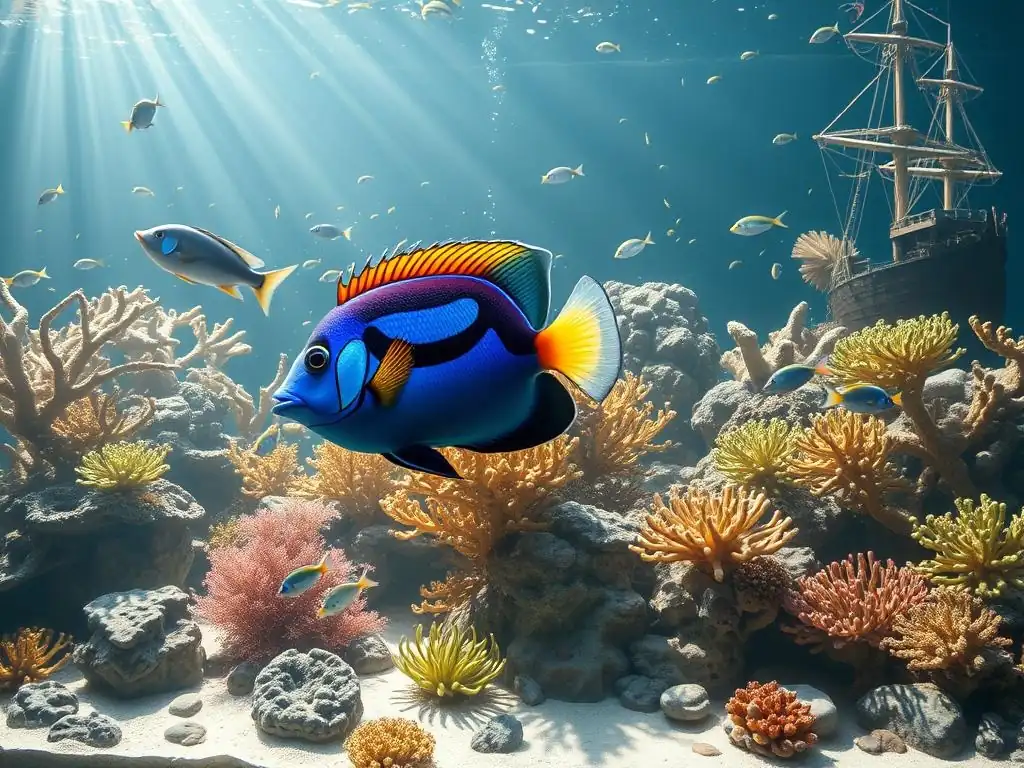
Welcome to Aquarium Mastery!
Dive into the captivating world of reef keeping with us! Ever wondered about the secrets to successfully caring for the elusive and stunning Potter's Angelfish? Uncover the intricacies of this Hawaiian endemic beauty and unlock the keys to providing a thriving environment. Let's embark on this journey together, exploring everything you need to know in our comprehensive Potter's Angelfish care guide! Ready to learn more?
- Introduction to Potter's Angelfish: A Comprehensive Care Guide
- Understanding Potter's Angelfish: Origins, Habitat, and Natural Behavior
- Potter's Angelfish Care: Essential Requirements for a Thriving Environment
- Potter's Angelfish Diet and Feeding: Ensuring Proper Nutrition
- Potter's Angelfish Tank Mates: Choosing Compatible Species
- Potter's Angelfish Health and Disease Prevention
- Potter's Angelfish and Reef Tanks: Reef Safe Considerations
- Potter's Angelfish Identification and Appearance: Distinguishing Features
- Purchasing Potter's Angelfish: Selecting a Healthy Specimen
- Breeding Potter's Angelfish: Challenges and Current Knowledge
- Conclusion: Mastering Potter's Angelfish Care
- Frequently Asked Questions
- Final Reflection: Appreciating and Protecting Hawaiian Reefs
- Dive Deeper: Embrace the Potter's Angelfish Journey!
Introduction to Potter's Angelfish: A Comprehensive Care Guide
Discovering the Beauty of Centropyge potteri: An Overview
The Potter's Angelfish, scientifically known as Centropyge potteri, is a stunning dwarf angelfish species highly coveted by saltwater aquarists. Originating exclusively from the vibrant reefs of the Hawaiian Islands and Johnston Atoll, this small, active fish brings a unique splash of color to any marine setup. Its compact size, typically reaching a maximum of 4 inches (approximately 10 cm) in captivity, makes it an appealing choice for a variety of aquarium dimensions, from modest nano reefs to larger community tanks.
The distinct coloration of Centropyge potteri, characterized by a striking orange-red body adorned with numerous thin, electric blue horizontal stripes, sets it apart from other dwarf angelfish. This visual appeal, combined with its generally peaceful demeanor, makes it a popular subject for a detailed Potter's Angelfish care guide. Understanding its specific needs, from water parameters to diet, is crucial for ensuring this Hawaiian gem thrives in a home aquarium environment.
Why Choose a Potter's Angelfish for Your Saltwater Aquarium?
Opting for a Potter's Angelfish offers several advantages for the dedicated saltwater aquarist. Their relatively small adult size allows them to be housed in tanks that might be too restrictive for larger angelfish species, making them suitable for aquariums as small as 50 gallons (about 190 liters). Their active swimming patterns and constant grazing add dynamic movement and visual interest, turning a simple rockscape into a lively ecosystem. Furthermore, compared to some other angelfish, they are often considered more robust once properly acclimated, offering a good balance of beauty and resilience.
The allure of the Potter's Angelfish is further enhanced by its status as a Hawaiian endemic species, meaning it is found nowhere else in the world. This unique origin adds a special dimension to keeping this fish, connecting the aquarist to a specific, biodiverse marine ecosystem. With proper Potter's Angelfish care, these vibrant fish can live for 5 to 7 years, or even longer, becoming a long-term, captivating inhabitant of a well-maintained saltwater aquarium.
Understanding Potter's Angelfish: Origins, Habitat, and Natural Behavior
The Hawaiian Endemic: Exploring the Natural Habitat of Potter's Angelfish
The Potter's Angelfish is a true endemic of the Hawaiian Islands and the remote Johnston Atoll, residing exclusively within this specific geographic range. In its natural habitat, Centropyge potteri is typically found among rocky reefs, rubble zones, and areas rich in algal growth, often at depths ranging from 10 to 160 feet (approximately 3 to 50 meters). They prefer areas with plenty of crevices and caves, providing ample hiding spots from predators and strong currents.
Understanding these natural conditions is fundamental to providing optimal Potter's Angelfish care in captivity. The stable water temperatures, high oxygen levels, and clear, pristine waters characteristic of Hawaiian reefs emphasize the need for consistent water quality and robust filtration in the aquarium. The presence of abundant live rock in their natural environment also highlights the importance of providing complex aquascaping that mimics their native home, offering both grazing surfaces and security.
Potter's Angelfish Behavior in the Wild: Implications for Aquarium Life
In the wild, Potter's Angelfish are primarily grazers, spending much of their time picking at filamentous algae, detritus, and small invertebrates found on rocks and substrate. They are generally observed singly or in small, loose aggregations, though pairs can also be found. While typically peaceful towards other fish species, they can exhibit territoriality, especially towards conspecifics or other dwarf angelfish that might compete for resources or territory.
These behavioral traits have significant implications for Potter's Angelfish care in an aquarium setting. Providing a mature aquarium with ample live rock is crucial, not only for biological filtration but also to offer continuous grazing opportunities and numerous hiding spots. Careful consideration of tank mates is also essential; while generally amiable, introducing another dwarf angelfish into a tank smaller than 75 gallons (around 280 liters) can lead to aggression. Understanding their natural inclination to graze also informs their dietary needs, emphasizing the importance of a largely herbivorous diet.
Potter's Angelfish Care: Essential Requirements for a Thriving Environment
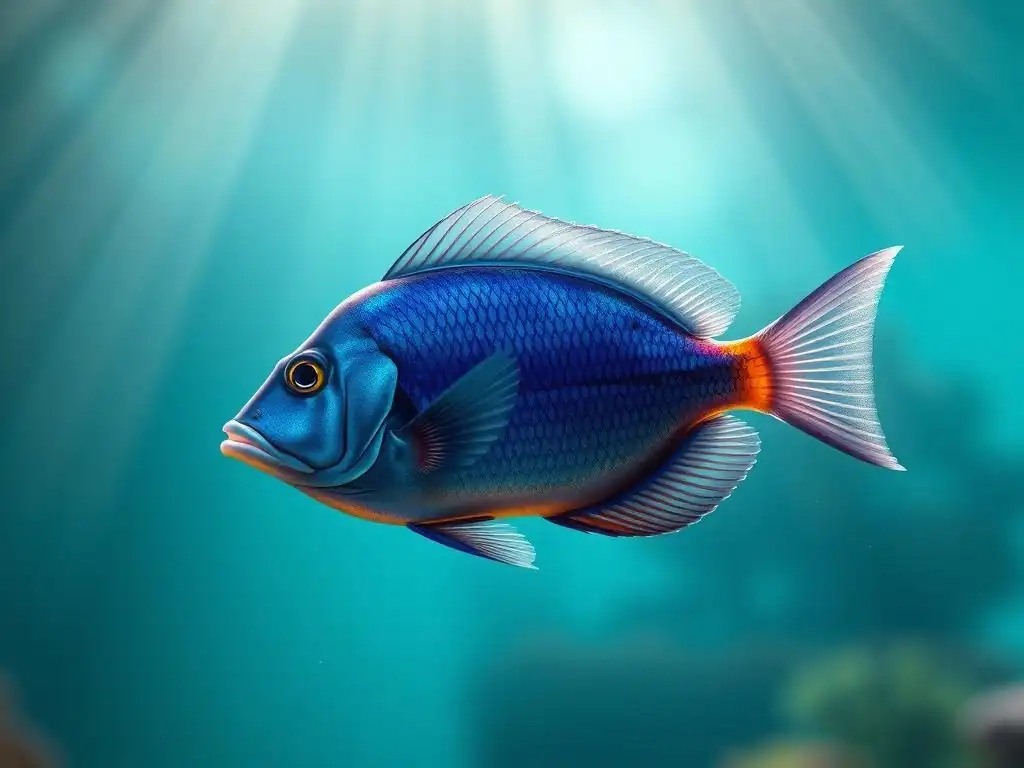
Setting Up the Ideal Aquarium for Potter's Angelfish
Tank Size Recommendations for Potter's Angelfish
For a single Potter's Angelfish, a minimum tank size of 50 gallons (approximately 190 liters) is strongly recommended. While some sources might suggest smaller tanks, a 50-gallon setup provides significantly more swimming space, enhances water volume stability, and allows for more complex aquascaping, which reduces stress for the fish. For those considering keeping a bonded pair or integrating a Potter's Angelfish into a diverse community tank, a system of 75 gallons (around 280 liters) or larger is ideal to mitigate potential territorial disputes and ensure ample room for all inhabitants. This proper sizing is a foundational element of effective Potter's Angelfish care.
Essential Equipment: Filtration, Lighting, and Water Flow
A robust and efficient filtration system is paramount for maintaining the pristine water quality that Potter's Angelfish require. This should include mechanical filtration (e.g., filter socks or sponges) to remove particulate matter, chemical filtration (e.g., activated carbon, GFO) to absorb dissolved organics, and extensive biological filtration, typically provided by a generous amount of live rock (approximately 1-1.5 pounds per gallon). Lighting requirements are moderate, as these fish are not photosynthetic, but adequate light is needed to support the algal growth they graze on. Water flow should be moderate to strong, mimicking their natural reef environment, with a turnover rate of 10-20 times the tank volume per hour, ensuring good oxygenation and waste removal, while still providing some calmer zones for rest. This comprehensive equipment setup is vital for Potter's Angelfish care.
Water Chemistry and Maintaining Optimal Conditions for Potter's Angelfish
Maintaining Proper Water Parameters: Salinity, pH, and Temperature
Maintaining stable and appropriate water parameters is critical for the long-term health and vibrant coloration of Potter's Angelfish. Salinity should be kept within a specific gravity range of 1.020-1.025 (or 30-35 ppt), which closely mirrors natural ocean conditions. The pH level should consistently be between 8.1 and 8.4, and the water temperature must remain stable within 74-78°F (approximately 23-26°C). Fluctuations in these parameters can cause significant stress, leading to weakened immune systems and susceptibility to disease. Regular testing using reliable, calibrated test kits, ideally once a week, is an indispensable part of diligent Potter's Angelfish care.
The Importance of Regular Water Changes for Potter's Angelfish Health
Regular water changes are arguably one of the most impactful practices in maintaining optimal conditions for Potter's Angelfish. Performing weekly or bi-weekly water changes of 10-20% of the tank volume helps to dilute accumulated nitrates and phosphates, replenish essential trace elements that are consumed by corals and fish, and maintain overall water clarity. Using high-quality reverse osmosis/deionized (RO/DI) water mixed with a reputable marine salt mix to the correct salinity ensures that no harmful contaminants are introduced. This consistent regimen of water changes significantly contributes to a stable environment, preventing stress and supporting the robust health of your fish, making it a cornerstone of effective Potter's Angelfish care.
Potter's Angelfish Diet and Feeding: Ensuring Proper Nutrition
What to Feed Your Potter's Angelfish: A Varied Diet
Recommended Foods: Algae, Spirulina, and Small Invertebrates
Potter's Angelfish are omnivores with a significant herbivorous tendency, meaning their diet in captivity should reflect this natural inclination. High-quality marine-based flake and pellet foods, especially those fortified with spirulina and marine algae, should form the cornerstone of their daily intake. Supplement this with a variety of frozen foods such such as Mysis shrimp, brine shrimp (enriched), finely chopped krill, and specialized frozen angelfish preparations. Offering sheets of dried marine algae (nori) clipped to a rock or the aquarium glass a few times a week will also encourage their natural grazing behavior and provide essential roughage. This diverse feeding strategy is crucial for comprehensive Potter's Angelfish care.
Feeding Schedule and Techniques for Optimal Health
To ensure optimal health and prevent water quality issues, Potter's Angelfish should be fed small amounts two to three times per day. This frequent, small-portion feeding mimics their natural grazing behavior and ensures they receive consistent nutrition without overwhelming the filtration system. It is important to observe how quickly they consume the food; any uneaten food should be removed promptly to prevent decay and nitrate buildup. Ensuring the food particles are appropriately sized for their relatively small mouths will maximize intake. A consistent and varied feeding regimen, tailored to their omnivorous diet, is a fundamental aspect of successful Potter's Angelfish care.
Potter's Angelfish Tank Mates: Choosing Compatible Species
Selecting Suitable Tank Mates for Potter's Angelfish
Potter's Angelfish are generally peaceful fish, making them compatible with a wide array of non-aggressive marine species. Ideal tank mates include various peaceful tangs, such as the Yellow Tang ( Zebrasoma flavescens) or Kole Tang ( Ctenochaetus strigosus), clownfish, many species of gobies (e.g., Watchman Goby, Diamond Watchman Goby), blennies (e.g., Lawnmower Blenny, Starry Blenny), and most non-aggressive wrasses (e.g., Fairy Wrasses, Flasher Wrasses). When selecting tank mates, prioritize species that are similarly sized or slightly larger but not overly boisterous or prone to bullying. Providing ample live rock with numerous hiding spots helps to reduce potential stress and aggression from established tank inhabitants, contributing positively to Potter's Angelfish care.
Fish to Avoid: Aggressive or Incompatible Species
To ensure the well-being of your Potter's Angelfish, it's crucial to avoid housing them with highly aggressive or overtly predatory fish. Large triggers, lionfish, or very large, boisterous angelfish species can easily intimidate or injure the smaller Potter's Angelfish. Additionally, caution should be exercised when considering other dwarf angelfish from the Centropyge genus. While some aquarists successfully keep multiple dwarf angels in very large tanks (100 gallons or more) with extensive rockwork, inter-species aggression is common, especially if introduced without careful planning or simultaneously. Very small, slow-moving, or delicate fish like seahorses or pipefish are also generally unsuitable, as the active Potter's Angelfish might outcompete them for food or simply stress them out. This careful selection of companions is a vital aspect of comprehensive Potter's Angelfish care.
Potter's Angelfish Health and Disease Prevention
Common Diseases Affecting Potter's Angelfish
Identifying and Treating Marine Ich (White Spot Disease)
Marine Ich, caused by the parasite Cryptocaryon irritans, is one of the most common and devastating diseases in saltwater aquariums, and Potter's Angelfish are not immune. Symptoms include the appearance of small, white spots resembling grains of salt on the fish's body and fins, rapid breathing (gilling), flashing (rubbing against tank decorations or substrate), and increased lethargy or loss of appetite. Treatment typically involves transferring the infected fish to a separate hospital tank for medication, such as copper-based treatments, or hyposalinity (reducing specific gravity to 1.009-1.010). The main display tank should remain fallow for at least 6-8 weeks to break the parasite's life cycle. Prevention through strict quarantine procedures for all new arrivals is the most effective strategy in Potter's Angelfish care.
Recognizing and Managing Other Common Ailments
Beyond Marine Ich, Potter's Angelfish can be susceptible to other common marine ailments, including Marine Velvet ( Amyloodinium ocellatum), which manifests as a fine, dusty, gold or brown film on the fish's body, often accompanied by rapid breathing and scratching. Bacterial infections, frequently presenting as fin rot, cloudy eyes, or open sores, can also occur, particularly in stressed or immunocompromised fish. Nutritional deficiencies can lead to faded colors, stunted growth, or weakened fins. The best defense against these issues is maintaining consistently high water quality, providing a varied and nutritious diet, and minimizing stress factors. Prompt recognition of symptoms and early intervention with appropriate treatments in a quarantine tank are essential aspects of Potter's Angelfish care.
Quarantine Procedures for New Potter's Angelfish
Implementing a mandatory quarantine period for all new Potter's Angelfish is one of the most critical steps in preventing disease outbreaks in your main display tank. A dedicated quarantine tank (QT) of at least 10-20 gallons (approximately 38-75 liters) with basic filtration, a heater, and PVC pipes for hiding spots is sufficient. New arrivals should be housed in the QT for 4-6 weeks. During this period, observe the fish closely for any signs of illness, treat proactively for common parasites like Ich if necessary (e.g., with prophylactic copper treatments at a low, safe dose), and acclimate them to prepared foods. This proactive quarantine protocol significantly reduces the risk of introducing pathogens into your established system, safeguarding the health of all your aquarium inhabitants and ensuring long-term Potter's Angelfish care.
Potter's Angelfish and Reef Tanks: Reef Safe Considerations
Is Potter's Angelfish Reef Safe? Understanding the Risks
The question of whether Potter's Angelfish are "reef safe" is often met with a cautious "yes, with caution." Unlike larger angelfish species, Centropyge potteri primarily grazes on algae and detritus, making them less prone to actively nipping at corals. However, like all dwarf angelfish, individual personalities vary, and some specimens may develop an undesirable taste for certain coral polyps.
They are most commonly observed picking at fleshy LPS (Large Polyp Stony) corals, such as Blastomussa, Favia, or Acanthastrea, and occasionally certain soft corals like zoanthids or palythoa. The risk is generally considered low, but it is never zero, and their behavior can be unpredictable.
Their natural diet of filamentous algae means they are less likely to target healthy coral tissue compared to species with a higher invertebrate component in their diet. However, if natural grazing opportunities are scarce or if the fish is underfed, it may be more inclined to sample corals. For reef aquarists, this means that while a Potter's Angelfish can be a beautiful addition, constant vigilance is required. Observing their behavior closely after introduction to a reef tank is crucial for successful Potter's Angelfish care in a mixed invertebrate setup.
Minimizing the Risk of Coral Nipping in Reef Aquariums
To minimize the potential for coral nipping by a Potter's Angelfish in a reef aquarium, several strategies can be employed. Firstly, ensure the angelfish is consistently well-fed with a varied diet rich in spirulina and marine algae, as a hungry fish is more likely to experiment with corals. Providing ample live rock with natural algal growth can also keep the fish occupied with its natural grazing instincts. Secondly, introduce the Potter's Angelfish to a mature, stable reef tank where it has plenty of natural foraging opportunities and established territories.
Furthermore, if you have particularly expensive, rare, or sensitive corals, it might be advisable to reconsider adding a Potter's Angelfish, or at least be prepared with a contingency plan to remove the fish if nipping becomes a persistent issue. Regularly inspect your corals for any signs of damage, such as retracted polyps, bite marks, or tissue loss. While these measures do not guarantee a completely "reef safe" outcome, they significantly reduce the likelihood of coral damage, which is a key consideration in comprehensive Potter's Angelfish care for reef environments.
Potter's Angelfish Identification and Appearance: Distinguishing Features
Identifying Male vs. Female Potter's Angelfish
Identifying the sex of a Potter's Angelfish is exceptionally challenging for the average aquarist, as there are no readily apparent external sexual dimorphisms. Both males and females exhibit the same vibrant coloration and body shape. While some anecdotal observations suggest that mature males might be slightly larger or possess marginally more intense coloration, these differences are subtle and not reliable indicators for sexing.
The most definitive way to confirm the sex of Centropyge potteri is through observation of spawning behavior, which involves a male and female pairing up and releasing gametes into the water column. However, successful captive breeding and spawning are rare in home aquariums, making this method impractical for most hobbyists. Consequently, when purchasing Potter's Angelfish, aquarists typically do so without knowing the sex of the individual fish, and the general guidelines for Potter's Angelfish care apply universally regardless of gender.
Color Variations and Patterns in Potter's Angelfish
Potter's Angelfish are celebrated for their distinctive and captivating coloration, which makes them stand out in any marine aquarium. The base body color is typically a rich orange-red to reddish-brown, providing a warm, vibrant canvas. This striking base is intricately adorned with numerous thin, electric blue lines that run horizontally to slightly diagonally across the flanks, extending from just behind the gill cover to the caudal peduncle (the base of the tail). The dorsal and anal fins often feature a prominent blue margin, further accentuating their beauty.
The intensity and vibrancy of these colors can fluctuate based on the fish's mood, health, and the quality of its environment. Stressed or unhealthy specimens may display faded or muted colors, whereas a thriving Potter's Angelfish, receiving optimal Potter's Angelfish care, will exhibit crisp, vivid patterns that truly pop under proper aquarium lighting. These unique patterns serve as a key identifying feature, distinguishing them from other Centropyge species and making them a prized acquisition for many aquarists.
Purchasing Potter's Angelfish: Selecting a Healthy Specimen
Where to Buy Potter's Angelfish: Reputable Sources
When acquiring a Potter's Angelfish, it is paramount to source your specimen from reputable fish stores or well-established online vendors. These sources typically adhere to higher standards of animal welfare, employ ethical collection practices, and implement robust quarantine and acclimation procedures for their marine livestock. Avoid purchasing from establishments where fish appear overcrowded, housed in dirty tanks, or show any visible signs of disease across their inventory. It is always wise to inquire about their fish's origin, how long they have been held in the store, and their feeding regimen.
Online retailers can often offer a wider selection and may provide detailed information regarding the fish's health history, wild vs. captive-bred status (though wild-caught is common for this species), and acclimation protocols. Ensure that any online purchase comes with a live arrival guarantee. Supporting vendors committed to sustainable practices also contributes to the long-term health of the marine aquarium hobby and the availability of species like the Potter's Angelfish, which is an important consideration for responsible Potter's Angelfish care.
Assessing Health Before Purchase: What to Look For
Before making a purchase, take ample time to observe the Potter's Angelfish thoroughly. A healthy specimen should be active, alert, and swimming freely throughout its tank, not lethargic or constantly hiding. Avoid fish that are clamped (fins held tightly against the body), have rapid or labored breathing (gilling), or exhibit any signs of physical damage or disease such as white spots (Marine Ich), cloudy eyes, torn fins, excessive sliminess, or open sores.
Pay close attention to its feeding behavior; a healthy Potter's Angelfish should readily accept food. Its colors should be vibrant and well-defined, not faded or dull, and its eyes should be clear and bright. Observing the fish for at least 15-20 minutes can reveal behavioral cues indicative of stress or illness. Selecting a robust, healthy specimen from the outset is the crucial first step in ensuring long-term success and minimizing challenges in Potter's Angelfish care.
Breeding Potter's Angelfish: Challenges and Current Knowledge
The Difficulty of Breeding Potter's Angelfish in Captivity
Breeding Potter's Angelfish, much like most other dwarf angelfish species, presents significant challenges in a typical home aquarium environment. They are pelagic spawners, meaning they release their eggs and sperm directly into the water column, where the fertilized eggs drift as part of the plankton. The larval stage is particularly delicate and demanding, requiring specific, microscopic food sources and precise water conditions that are exceedingly difficult to replicate and maintain in a captive setting.
While some public aquariums and advanced aquaculture facilities have achieved limited success with a few Centropyge species, consistent, large-scale captive breeding of Centropyge potteri remains uncommon. The vast majority of Potter's Angelfish available in the aquarium trade are wild-caught specimens from their native Hawaiian waters. Therefore, this Potter's Angelfish care guide focuses primarily on optimal husbandry and maintenance to ensure the longevity and well-being of these wild-sourced fish, rather than attempting breeding protocols.
Conclusion: Mastering Potter's Angelfish Care
The Rewards of Keeping a Potter's Angelfish
Successfully keeping a Potter's Angelfish is a profoundly rewarding experience for any saltwater aquarist. Their striking beauty, characterized by vibrant orange-red hues and electric blue stripes, makes them an undeniable focal point in any well-maintained marine aquarium. Beyond their aesthetic appeal, their active grazing behavior and generally peaceful demeanor contribute dynamic movement and interest to the aquatic landscape. Their manageable size also allows for their inclusion in a wider range of tank sizes, making them accessible to many hobbyists.
With diligent adherence to the comprehensive Potter's Angelfish care guide outlined, including maintaining stable water parameters, providing a varied and nutritious diet, and selecting appropriate tank mates, these Hawaiian endemic beauties can thrive for many years. A well-cared-for Potter's Angelfish can easily live for 5 to 7 years, and sometimes even longer, becoming a cherished and long-standing inhabitant of your aquatic ecosystem.
Resources for Further Learning About Potter's Angelfish
For aquarists seeking to deepen their understanding and enhance their Potter's Angelfish care practices, a wealth of resources is available. Consulting scientific journals on marine biology and ichthyology can provide insights into their natural behavior and physiology. Reputable online marine aquarium forums offer invaluable platforms for sharing experiences, asking specific questions, and troubleshooting common challenges with a community of experienced hobbyists. Books dedicated to dwarf angelfish or the marine life of the Hawaiian Islands can also provide detailed species-specific information.
Additionally, connecting with local fish store experts or experienced aquarists in your area can provide practical, hands-on advice and tips that go beyond the scope of a written guide. Continuous learning, coupled with careful observation of your fish's behavior and health, is key to mastering Potter's Angelfish care and ensuring these magnificent creatures flourish in your home aquarium.
Frequently Asked Questions
What is a Potter's Angelfish and where does it come from?
A Potter's Angelfish, scientifically known as Centropyge potteri, is a small, colorful angelfish endemic to Hawaii. They are highly sought after by aquarists for their unique patterns and manageable size.
What size aquarium is recommended for a Potter's Angelfish?
Due to their active nature and need for ample swimming space, a minimum tank size of 70 gallons is generally recommended. This allows them to establish a territory and reduce stress.
What are the ideal water parameters for a Potter's Angelfish?
Maintaining stable water parameters is crucial. Aim for a temperature of 72-78°F (22-26°C), a salinity of 1.023-1.025 specific gravity, and a pH of 8.1-8.4.
What should I feed a Potter's Angelfish?
They are omnivores, so offer a varied diet including high-quality marine flakes or pellets, frozen foods like mysis shrimp and spirulina, and occasional algae grazings. Supplementing with live rock can provide natural grazing opportunities.
Are Potter's Angelfish reef safe?
Potter's Angelfish can be a risk to certain corals and invertebrates. They may nip at large-polyp stony (LPS) corals and clam mantles, making them semi-reef safe at best. Careful observation is necessary.
Final Reflection: Appreciating and Protecting Hawaiian Reefs
The journey through understanding the Potter's Angelfish, as detailed in this guide, underscores the crucial need for responsible aquarium keeping and reef conservation. The delicate balance of our marine ecosystems, particularly those unique to Hawaii, hinges on our collective awareness and action. By delving into the specific needs of Centropyge potteri, we've not only learned how to potentially care for this beautiful creature, but also gained a deeper appreciation for the fragility of its natural habitat.
The allure of the Potter's Angelfish extends beyond its vibrant colors; it represents a microcosm of the challenges facing coral reefs worldwide. My hope is that this guide fosters a greater sense of responsibility among aquarists and inspires a commitment to sustainable practices. As Jacques Cousteau wisely stated: The sea, once it casts its spell, holds one in its net of wonder forever.
This wonder should translate into a powerful drive to protect the ocean and its inhabitants, including the Potter's Angelfish and the reefs it calls home.
Now, consider the impact you can have. Let this guide be more than just a set of instructions; let it be a catalyst for change. Whether you're an experienced aquarist or simply an admirer of marine life, I encourage you to reflect on your own role in preserving these precious ecosystems. Research sustainable sourcing, support conservation efforts, and share your knowledge with others. The future of the Potter's Angelfish, and indeed the health of our oceans, depends on the choices we make today.
Dive Deeper: Embrace the Potter's Angelfish Journey!
Thank you for exploring the enchanting world of the Potter's Angelfish with us! We hope you've gained valuable insights into keeping this Hawaiian gem thriving in your aquarium. Now, it's time to take the next step in your aquarium adventure.
Here are some ways you can continue your exploration:
- Begin Planning Your Potter's Angelfish Aquarium Today! Carefully consider tank size, aquascaping, and compatible tankmates to create the ideal environment.
- Share Your Newfound Knowledge: Help other aquarists by sharing this article on your favorite forums and social media groups.
- Research sustainable sourcing options for acquiring your Potter's Angelfish. Contact breeders specialized in Centropyge.
What unique aquascaping idea do you have in mind to make your Potter's Angelfish feel at home? Share your vision in the comments below!