
Queen Angelfish (Holacanthus ciliaris): A Royal Addition to Your Tank?

Welcome to Aquarium Mastery!
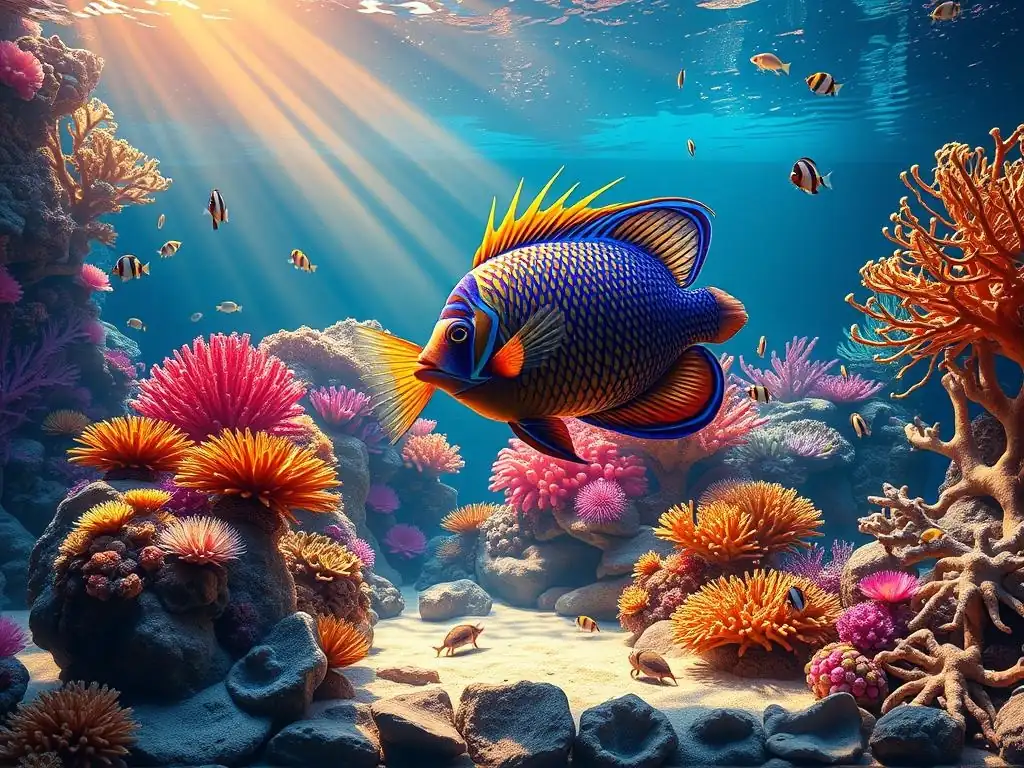
Ever dreamt of a truly regal centerpiece for your saltwater aquarium? Dive into the fascinating world of the Queen Angelfish (Holacanthus ciliaris). Is this vibrant beauty the right fit for your tank? Discover the secrets to providing optimal Queen Angelfish tank care and unlock the potential for a truly spectacular aquarium experience. Read on to find out!
- Queen Angelfish (Holacanthus ciliaris): A Majestic Reef Fish for Experienced Aquarists
- Introduction to the Queen Angelfish: A Striking Species
- Queen Angelfish Tank Requirements: Creating a Suitable Environment
- Selecting and Acclimating a Healthy Queen Angelfish
- Queen Angelfish Compatibility: Choosing Appropriate Tank Mates
- Queen Angelfish and Reef Aquariums: Considerations for Coral Health
- Common Queen Angelfish Diseases and Treatments
- Queen Angelfish Breeding in Captivity: A Rare Occurrence
- Advanced Queen Angelfish Care: Optimizing Health and Appearance
- Purchasing Queen Angelfish: Finding Reputable Suppliers
- Conclusion: A Rewarding but Demanding Species
- Frequently Asked Questions
- Final Reflection: Embracing the Majesty of Responsible Reef Keeping
- Dive Deeper: Unleash the Majesty of Marine Life!
Queen Angelfish (Holacanthus ciliaris): A Majestic Reef Fish for Experienced Aquarists
Introduction to the Queen Angelfish: A Striking Species
Overview of Holacanthus ciliaris: Habitat, Appearance, and Behavior
The Queen Angelfish, Holacanthus ciliaris, is a stunning marine fish native to the tropical Western Atlantic Ocean, including the Caribbean Sea, the Gulf of Mexico, and the coastlines of Florida and Brazil. In their natural habitat, these fish typically inhabit coral reefs and rocky areas at depths ranging from 3 to 70 meters (approximately 10 to 230 feet). Adults are often found in pairs or solitarily, gracefully navigating the complex reef structures.
Their striking appearance is characterized by a vibrant, iridescent blue or purple body, bright yellow pectoral fins, and a distinct yellow tail. A defining feature is the prominent dark spot, often encircled by a brilliant blue halo, located on the forehead, resembling a crown—hence their regal name. In the wild, they can reach impressive sizes of up to 45 cm (18 inches) in length, though they typically remain slightly smaller in captivity.
Beyond their captivating appearance, Queen Angelfish exhibit fascinating behaviors. They are generally territorial, especially as they mature, and can display a remarkable level of intelligence and individual personality. Their diet in the wild primarily consists of sponges, making up a significant portion of their nutritional intake. They also consume tunicates, jellyfish, various types of algae, and zooplankton. Their graceful swimming patterns, combined with their bold coloration, make them one of the most sought-after species for large marine aquariums, requiring diligent Queen angelfish tank care to thrive.
Challenges and Rewards of Keeping a Queen Angelfish
Keeping a Queen Angelfish presents a unique set of challenges that underscore the need for experienced aquarists to provide optimal Queen angelfish tank care. Their substantial adult size demands a very large aquarium, with a minimum of 180 gallons, and ideally 250 gallons or more, to provide ample swimming space and reduce stress. Their specialized diet, heavily reliant on sponges in the wild, translates to specific nutritional needs in captivity that must be met through varied, high-quality foods to prevent common deficiencies like Head and Lateral Line Erosion (HLLE).
Furthermore, their territorial nature can lead to aggression towards certain tank mates, especially other angelfish or new additions if not introduced carefully. Given their potential lifespan of over 15 years in a well-maintained system, owning a Queen Angelfish is a significant long-term commitment.
Despite these demands, the rewards of successfully keeping a Queen Angelfish are immense. Their vibrant colors and majestic presence transform any large marine aquarium into a breathtaking display. Observing their intelligent behaviors, such as interacting with their environment or recognizing their keeper, provides a deeply satisfying experience. For dedicated aquarists, the challenge of mastering the complex Queen angelfish tank care requirements and witnessing this magnificent creature thrive in a captive environment is a testament to their skill and passion, making them a true centerpiece of a well-designed FOWLR (Fish Only With Live Rock) or very carefully managed reef system.
Queen Angelfish Tank Requirements: Creating a Suitable Environment
Minimum Tank Size: Prioritizing Space for Swimming and Hiding
Providing adequate space is paramount for successful Queen angelfish tank care. For a single adult Queen Angelfish, a minimum tank size of 180 gallons (approximately 680 liters) is generally recommended. However, to truly allow for their natural swimming patterns, accommodate their substantial adult size, and minimize stress, a tank of 250 gallons (around 946 liters) or larger is significantly more appropriate. These fish are active swimmers and require ample room to navigate, turn, and explore their environment without feeling confined, which can lead to stunted growth, increased aggression, and susceptibility to disease.
Beyond sheer volume, the dimensions of the aquarium are crucial. A longer tank, such as one measuring 6 to 8 feet in length, is far more beneficial than a taller, narrower one, as it provides greater horizontal swimming space, mimicking their natural reef environment. Additionally, the aquascape within the tank should incorporate plenty of live rock to create a complex structure of caves, crevices, and overhangs. These features serve as vital hiding spots, territorial markers, and exploration opportunities, which are essential for the Queen Angelfish's psychological well-being and overall health, contributing significantly to effective Queen angelfish tank care.
Water Parameters: Maintaining Stability for Optimal Health
Ideal Temperature, Salinity, pH, and Ammonia Levels
Maintaining stable and pristine water parameters is a cornerstone of effective Queen angelfish tank care. For these tropical marine fish, the ideal water temperature should range between 74-82°F (23-28°C), with a consistent temperature of around 78°F (25.5°C) being optimal. Salinity levels should be kept within a specific gravity range of 1.020-1.025, or 30-35 parts per thousand (ppt), which closely replicates their natural oceanic environment.
The pH level of the water should be maintained between 8.1 and 8.4. Crucially, ammonia and nitrite levels must always be undetectable (0 ppm), as even trace amounts are highly toxic to marine fish. Nitrate levels should be kept below 20 ppm, ideally below 10 ppm, to prevent chronic stress and reduce the risk of disease.
These precise parameters are not merely guidelines but essential requirements for the long-term health of Queen Angelfish. Fluctuations in temperature or salinity can cause significant stress, weakening their immune system and making them vulnerable to common marine diseases. Elevated levels of ammonia, nitrite, or nitrate are direct indicators of poor water quality, which can lead to fin rot, HLLE, and ultimately, organ damage or death. Consistent monitoring with reliable test kits and prompt corrective action are vital to ensure the stability that Queen Angelfish need to thrive and exhibit their full vibrant coloration.
Importance of Regular Water Changes and Filtration
Regular water changes are indispensable for superior Queen angelfish tank care, serving as a primary method for maintaining water quality and replenishing essential trace elements. For a tank housing a large species like the Queen Angelfish, a weekly or bi-weekly water change of 10-20% of the total tank volume is highly recommended.
This practice effectively dilutes accumulated nitrates and other organic pollutants that filtration systems alone may not fully remove, while also introducing fresh, balanced saltwater to support the fish's metabolic processes and overall vitality. Using high-quality marine salt mix dissolved in RODI (Reverse Osmosis Deionized) water is crucial to avoid introducing undesirable contaminants.
Beyond water changes, a robust and appropriately sized filtration system is non-negotiable. This should include a powerful protein skimmer, rated for at least two to three times the actual tank volume, to efficiently remove organic waste before it breaks down into harmful nitrates. Ample live rock (typically 1 to 1.5 pounds per gallon) provides extensive surface area for beneficial nitrifying bacteria, forming the backbone of biological filtration.
Mechanical filtration, such as filter socks or pads, should be cleaned or replaced frequently (daily or every few days) to prevent trapped detritus from decomposing and contributing to nitrate buildup. A well-designed filtration system, combined with regular water changes, forms the foundation for a healthy Queen Angelfish environment.
Queen Angelfish Diet: Mimicking Natural Feeding Habits
Nutritional Needs: A Focus on Sponges and Algae
The diet of the Queen Angelfish in captivity must meticulously mimic their natural feeding habits to ensure their long-term health and vibrant coloration. As omnivores, a significant portion of their wild diet, estimated to be up to 70% in some studies, consists of sponges.
This unique dietary requirement translates into a critical need for high-quality prepared foods specifically formulated for large marine angelfish, which often contain sponge material, spirulina, and various marine algae. Supplementing with a variety of frozen foods such as mysis shrimp, vitamin-enriched brine shrimp, and finely chopped seafood like shrimp, squid, or clam is essential to provide a comprehensive nutritional profile.
The consistent provision of sponge-based foods is paramount in Queen angelfish tank care, primarily to prevent Head and Lateral Line Erosion (HLLE), a common and debilitating condition often linked to nutritional deficiencies. Products like Hikari Marine S, Ocean Nutrition Formula Two, or similar premium angelfish formulas should form the staple of their diet. Additionally, offering fresh or dried marine algae (nori) clipped to a rock or an algae clip on a daily basis is highly beneficial, providing essential vitamins and fiber that contribute to digestive health and overall vitality.
Feeding Schedule and Variety
Establishing a consistent feeding schedule and offering a diverse range of foods are key aspects of successful Queen angelfish tank care. For juvenile or actively growing angelfish, 2-3 small feedings per day are recommended to support their development. Adult Queen Angelfish can generally be maintained with 1-2 feedings daily. It is crucial to avoid overfeeding, as uneaten food quickly degrades water quality, leading to elevated nitrates and other issues. Each feeding should consist of only what the fish can consume within 2-3 minutes to minimize waste.
The importance of dietary variety cannot be overstated. While sponge-based pellets are fundamental, rotating through different types of frozen foods, high-quality flakes, and marine algae ensures that the angelfish receives a full spectrum of nutrients and trace elements. For example, one day could feature angelfish-specific pellets, followed by frozen mysis shrimp the next, and then a piece of nori. This rotation keeps the fish interested in feeding and helps prevent the development of nutritional deficiencies that can lead to health problems or a dulling of their magnificent colors.
Selecting and Acclimating a Healthy Queen Angelfish
Identifying Healthy Specimens: Avoiding Common Issues
When selecting a Queen Angelfish for your aquarium, careful observation of the specimen's health is a critical first step in successful Queen angelfish tank care. Look for a fish with clear, bright eyes that are free of cloudiness or haziness. The body should be plump, not sunken or emaciated, indicating consistent feeding and good health.
Examine the fins closely for any signs of tears, nips, or erosion, and ensure they are held erect and not clamped against the body. Their coloration should be vibrant and uniform, without any dull patches, discoloration, or visible spots (such as those indicative of Marine Ich).
Observe the fish's behavior in the dealer's tank. A healthy Queen Angelfish should be active, alert, and swimming purposefully, not lethargically lying on the bottom or hiding excessively (unless newly arrived and stressed). Pay attention to its breathing; it should be steady and unlabored, without rapid gilling.
If possible, ask the supplier to feed the fish; a healthy specimen will eagerly take food. Inquire about the fish's duration at the facility and its feeding history. Opting for a fish that has been eating well for at least one to two weeks at the store significantly increases the likelihood of a successful transition to your aquarium, making this due diligence a cornerstone of initial Queen angelfish tank care.
Acclimation Process: Gradually Introducing to the Aquarium
The acclimation process is a crucial step to minimize stress and ensure the successful integration of a new Queen Angelfish into your aquarium, directly impacting the effectiveness of Queen angelfish tank care. The drip acclimation method is highly recommended for marine fish due to their sensitivity to changes in salinity and pH. Begin by turning off your aquarium lights to reduce stress on the new arrival. Float the sealed bag containing the angelfish in your sump or a quiet corner of your display tank for 15-20 minutes to equalize temperature.
After temperature equalization, carefully open the bag and transfer the fish and its original transport water into a clean bucket. Using airline tubing and an air valve, start a slow drip of water from your display tank into the bucket, aiming for approximately 1-2 drips per second.
The goal is to gradually equalize the water parameters over an extended period, typically 45-60 minutes, allowing the volume of water in the bucket to double or triple. Once acclimation is complete, gently net the Queen Angelfish and introduce it to your display tank, discarding the water from the bucket (never add this water to your main system).
Keep the tank lights off for several hours after introduction to further reduce stress and allow the fish to explore its new environment calmly. For optimal Queen angelfish tank care, utilizing a separate quarantine tank (QT) for 4-6 weeks before introduction to the main display is highly recommended to observe and treat any potential diseases without risking the entire system.
Queen Angelfish Compatibility: Choosing Appropriate Tank Mates
Suitable Tank Mates: Minimizing Aggression
Selecting appropriate tank mates is a vital aspect of successful Queen angelfish tank care, as these fish can be territorial, especially as they mature. Ideal companions are robust, semi-aggressive fish that are too large to be intimidated and do not share a similar body shape or coloration to the Queen Angelfish, which could trigger territorial disputes.
Good choices often include larger tang species, such as Yellow Tangs or Sailfin Tangs, provided the tank is sufficiently spacious (e.g., 250 gallons or more) to accommodate their swimming needs and reduce competition for territory. Certain larger, less aggressive wrasses, or even some triggerfish species (though caution is advised, as some triggers can be overly aggressive), can also coexist peacefully.
It is generally recommended to avoid housing a Queen Angelfish with other large angelfish from the Holacanthus or Pomacanthus genera unless the aquarium is exceptionally vast (e.g., 500+ gallons), and even then, success is not guaranteed. Introducing them simultaneously or adding the Queen Angelfish last can sometimes mitigate aggression. Small, timid, or slow-moving fish should also be avoided, as they may become targets for bullying. The primary objective in tank mate selection is to create a community of fish that can hold their own without escalating conflicts, contributing to a harmonious environment for comprehensive Queen angelfish tank care.
Avoiding Territorial Conflicts: Tank Design and Introduction Strategies
Thoughtful tank design and strategic introduction methods are crucial for minimizing territorial conflicts in Queen angelfish tank care. A well-designed aquascape with ample live rock can effectively break up sight lines and create multiple hiding spots and distinct territories. Arrange the rockwork to form caves, arches, and visual barriers, allowing the Queen Angelfish and its tank mates to establish their own "zones" without constant direct confrontation. This labyrinthine structure provides refuge for less dominant fish and reduces the perceived need for the angelfish to defend a single, large open space.
When introducing new fish to an established aquarium containing a Queen Angelfish, or when adding the Queen Angelfish to an existing community, strategic timing and preparation are key. If the Queen Angelfish is the new addition, consider rearranging some of the existing rockwork before its introduction. This disrupts any pre-established territories of the current inhabitants, making it easier for the angelfish to integrate without immediately facing a defended space.
For adding tank mates to an existing Queen Angelfish, introduce less aggressive species first, allowing them to settle in before any more dominant fish. Introducing new fish after lights out can also give them a calmer start, reducing initial stress and potential aggression from the established angelfish, thus promoting smoother integration into the Queen angelfish tank care environment.
Queen Angelfish and Reef Aquariums: Considerations for Coral Health
Potential for Coral Nipping: Understanding the Risks
The question of Queen Angelfish compatibility with reef aquariums is a frequent and complex one in Queen angelfish tank care, largely due to their natural diet. Queen Angelfish are generally classified as "reef-nippers" or "not reef-safe" because their wild diet includes a significant portion of sponges and tunicates. In a captive reef environment, these fish may mistake various corals for their natural food sources and begin to nip at them. While some individual Queen Angelfish may completely ignore corals, others can be relentless, causing significant damage to expensive or delicate specimens.
The corals most commonly targeted are Large Polyp Stony (LPS) corals, such as Euphyllia species (e.g., frogspawn, hammer corals), and fleshy soft corals like zoanthids, palythoa, and open brain corals. Small Polyp Stony (SPS) corals, such as Acropora or Montipora, are generally less appealing to them but are not entirely immune to damage.
The unpredictability of this behavior is a major risk; an angelfish that has been well-behaved for months can suddenly develop a taste for corals, especially if it feels underfed or stressed. This inherent risk makes keeping a Queen Angelfish in a dedicated reef tank a challenging endeavor, adding a layer of concern to Queen angelfish tank care in such setups.
Strategies for Reef Compatibility: Careful Observation and Feeding
If an aquarist chooses to attempt keeping a Queen Angelfish in a reef aquarium, several strategies can be employed, though success is never guaranteed. First, meticulous observation is paramount. Continuously monitor the angelfish's behavior around corals, especially immediately after introduction and during feeding times. Consider introducing only corals that are known to be less palatable to angelfish, such as certain leather corals ( Sarcophyton or Lobophytum), or mushrooms ( Rhodactis or Discosoma), initially, before venturing into more sensitive species.
Second, ensuring the angelfish is exceptionally well-fed with a diverse and abundant diet is critical. Providing ample amounts of sponge-based foods, marine algae, and various frozen foods throughout the day can reduce the likelihood of the fish seeking alternative food sources from your corals. A well-fed angelfish is less likely to forage on corals out of hunger.
However, it is essential to have an "exit strategy" in place. Be prepared to relocate the Queen Angelfish to a fish-only (FO) or fish-only with live rock (FOWLR) tank, or even to rehome it, if it begins to consistently nip at corals. This proactive approach acknowledges the inherent risk and ensures the well-being of both the fish and the coral inhabitants, making it a pragmatic aspect of advanced Queen angelfish tank care.
Common Queen Angelfish Diseases and Treatments
Recognizing Early Signs of Illness: Prompt Intervention
Prompt recognition of early signs of illness is crucial for successful Queen angelfish tank care and recovery. Queen Angelfish, like all marine fish, can be susceptible to various diseases, particularly if water quality is poor or they are stressed. Aquarists should regularly observe their fish for any changes in behavior or physical appearance. Early indicators of distress often include lethargy, decreased appetite or refusal to eat, rapid breathing (gilling), scratching against rocks or substrate (commonly known as "flashing"), clamped fins, or excessive hiding.
Physical signs to look for include cloudy eyes, white spots resembling salt grains on the body or fins, discolored patches, fin erosion, or visible lesions. Daily observation, especially during feeding times, allows for the quick detection of subtle changes that might otherwise go unnoticed. Maintaining stable and pristine water parameters, coupled with a high-quality, varied diet, serves as the primary defense against disease, as stress from suboptimal conditions often weakens the fish's immune system. Early intervention significantly improves the chances of successful treatment and minimizes the spread of illness within the aquarium.
Common Diseases and Effective Treatments
Marine Ich (White Spot Disease): Identification and Treatment Options
Marine Ich, caused by the parasitic ciliate Cryptocaryon irritans, is one of the most common and feared diseases in saltwater aquariums. It manifests as tiny white spots, similar to grains of salt, visible on the fish's body, fins, and sometimes gills. Infected Queen Angelfish may also exhibit signs of irritation, such as rapid breathing, "flashing" (rubbing against tank decorations), and lethargy. This parasite has a direct life cycle, making it highly contagious and potentially fatal if left untreated, as it can quickly spread throughout the entire fish population in the tank.
Effective treatment for Marine Ich typically involves transferring the infected Queen Angelfish to a separate quarantine tank (QT). Common treatment options in the QT include copper-based medications (e.g., Copper Power, Cupramine), which are highly effective at eradicating the parasite, or hyposalinity (gradually lowering the specific gravity to 1.008-1.009 for several weeks).
It is crucial to treat the main display tank as well, usually by leaving it fallow (fish-less) for at least 6-8 weeks to break the parasite's life cycle, as the infective stage (theronts) cannot survive without a fish host. Formalin baths can provide temporary relief and reduce parasite load in severe cases.
Head and Lateral Line Erosion (HLLE): Causes, Prevention, and Treatment
Head and Lateral Line Erosion (HLLE) is a progressive and often disfiguring condition characterized by pitting and erosion of tissue around the head, face, and along the lateral line of marine fish, including Queen Angelfish. While the exact cause is complex and multifaceted, it is strongly linked to nutritional deficiencies, particularly a lack of Vitamin C, iodine, and sponge material in their diet. Other contributing factors include poor water quality (especially persistently high nitrate levels), prolonged use of activated carbon without regular replacement, and even stray electrical voltage in the aquarium.
Prevention is the most effective approach to HLLE in Queen angelfish tank care. This involves maintaining consistently pristine water quality with nitrates ideally below 10 ppm and ensuring robust filtration. The diet should be rich in spirulina, various marine algae, and critically, high-quality prepared foods that contain sponge material.
Supplementing their diet with Vitamin C and iodine can also be beneficial. If HLLE is observed, immediate action is necessary: rectify any water quality issues, enhance the diet with vitamin-enriched foods, and consider adding a grounding probe to the tank if stray voltage is suspected. While recovery can be slow and the damage may not fully reverse, consistent improvements in diet and water quality can halt progression and allow for some tissue regeneration.
Queen Angelfish Breeding in Captivity: A Rare Occurrence
Natural Breeding Behavior: Spawning in the Wild
In their natural habitat, Queen Angelfish exhibit fascinating breeding behaviors. They typically form monogamous pairs that engage in ritualistic spawning at dusk. The pair will ascend together in the water column, often spiraling upwards in a graceful dance. At the apex of their ascent, they simultaneously release their eggs and sperm into the open water before quickly descending back to the safety of the reef. This "broadcast spawning" method ensures wide dispersal of the fertilized eggs.
The fertilized eggs are pelagic, meaning they are buoyant and drift freely with the ocean currents. Within approximately 15-20 hours, these tiny eggs hatch into equally tiny, translucent larvae. These larval stages are planktonic, spending several weeks drifting in the vast open ocean, feeding on microscopic plankton.
During this extended pelagic phase, they undergo significant development before finally transforming into miniature juvenile fish. Once developed, these juveniles settle out of the water column and onto the reef, where they will mature into the magnificent adult Queen Angelfish. This complex life cycle, particularly the lengthy and delicate larval stage, poses significant challenges for captive breeding efforts.
Challenges of Captive Breeding: Maintaining Optimal Conditions
Breeding Queen Angelfish in captivity is an exceptionally rare achievement, primarily accomplished by highly specialized public aquariums and advanced aquaculture facilities. The challenges involved are immense and multifaceted, making it one of the most difficult marine species to reproduce successfully outside of its natural environment. One significant hurdle is inducing spawning in a captive setting, which often requires a very large breeding tank (potentially thousands of gallons) to provide adequate space for a pair to engage in their natural courtship and spawning rituals without stress.
However, the most formidable obstacle lies in the larval rearing stage. The newly hatched larvae are incredibly small and delicate, possessing highly specific and demanding nutritional requirements. They require microscopic planktonic food sources, such as rotifers and various species of copepods, of precise sizes and nutritional profiles.
Culturing these live foods in sufficient quantities and maintaining their nutritional value is a labor-intensive and technically challenging process. Furthermore, the larvae are extremely sensitive to water quality fluctuations, requiring pristine and stable parameters throughout their development. The high mortality rates during this early life stage, coupled with the difficulty in providing the exact conditions and nourishment, mean that successful captive breeding of Queen Angelfish remains largely limited to highly specialized research and aquaculture programs, far beyond typical Queen angelfish tank care.
Advanced Queen Angelfish Care: Optimizing Health and Appearance
Enhancing Coloration: Diet and Lighting Strategies
Optimizing the health and appearance of a Queen Angelfish, particularly its vibrant coloration, involves advanced Queen angelfish tank care strategies that extend beyond basic maintenance. The intensity of a Queen Angelfish's blues, purples, and yellows is a direct reflection of its overall health and, crucially, its diet. A diet rich in carotenoids, which are natural pigments found in certain foods, is essential for enhancing and maintaining their brilliant hues.
This means consistently feeding high-quality prepared foods that list ingredients like spirulina, marine algae, and astaxanthin. Regularly offering fresh or dried marine algae (nori) and various frozen foods that are naturally rich in these pigments will significantly contribute to their coloration.
While diet is paramount, appropriate lighting can also play a supportive role in showcasing their colors. Full-spectrum LED or T5 lighting systems with a strong blue component (e.g., color temperatures ranging from 10,000K to 20,000K) can make their natural pigments pop and appear more vivid. However, it's important to maintain a natural photoperiod (typically 10-12 hours of light per day) and avoid sudden, drastic changes in lighting intensity, which can stress the fish. A combination of superior nutrition and suitable lighting creates an environment where the Queen Angelfish can display its full, majestic spectrum of colors.
Proactive Care: Preventing Stress and Disease
Proactive care is a cornerstone of advanced Queen angelfish tank care, focusing on preventing stress and disease rather than merely reacting to them. This involves meticulous attention to environmental stability. Avoid sudden or significant fluctuations in water parameters, such as temperature, salinity, or pH, as these can quickly induce stress and compromise the fish's immune system.
Consistent, small, and regular water changes are preferable to infrequent, large ones for maintaining parameter stability and diluting pollutants. Ensuring that tank mates are compatible and not overly aggressive is also vital, as constant harassment can lead to chronic stress and susceptibility to illness.
Furthermore, a robust quarantine protocol for all new arrivals is non-negotiable. Quarantining new fish for at least 4-6 weeks in a separate observation tank allows for monitoring, prophylactic treatment if necessary, and ensures that no pathogens are introduced to the main display aquarium. This practice significantly reduces the risk of devastating outbreaks in your established system. Regularly observing your Queen Angelfish for any subtle changes in behavior, appetite, or appearance allows for early intervention at the first sign of trouble, making prevention and early detection key to long-term health and vitality.
Purchasing Queen Angelfish: Finding Reputable Suppliers
Ethical Sourcing: Supporting Sustainable Practices
When considering the purchase of a Queen Angelfish, understanding and supporting ethical sourcing practices is a crucial aspect of responsible Queen angelfish tank care. Inquire about the origin of the fish and prioritize suppliers who can provide verifiable information that their specimens are sustainably collected. This means avoiding fish caught using destructive methods like cyanide fishing, which severely stresses the fish and damages coral reefs, leading to high mortality rates both during capture and long after. Instead, seek out fish collected using non-destructive methods, such as hand nets.
While captive-bred Queen Angelfish are exceedingly rare due to their complex breeding challenges, supporting suppliers with transparent and ethical wild-caught practices helps to ensure the long-term health of wild populations and the marine environment. Reputable dealers often have established relationships with collectors who adhere to strict guidelines and environmental stewardship. By choosing to purchase from such sources, aquarists contribute to the sustainability of the marine ornamental trade and help protect the delicate ecosystems from which these magnificent fish originate.
Important Questions to Ask Before Buying
Before committing to purchasing a Queen Angelfish, asking a reputable supplier several key questions can significantly impact the success of your Queen angelfish tank care. Firstly, inquire, "How long has this fish been in your care?" Ideally, the fish should have been at the facility for at least 1-2 weeks, allowing it to recover from collection and shipping stress.
Secondly, ask, "What is it currently eating, and how often?" Ensure the fish is readily accepting a variety of prepared foods, as a non-feeding fish is a major red flag. Thirdly, ask about the water parameters in the holding tank, such as temperature, salinity, and pH, to compare them with your own aquarium's parameters and prepare for acclimation.
Finally, inquire about any treatments the fish may have received, such as prophylactic deworming or disease treatment. A transparent supplier will be happy to provide this information. Beyond questions, spend time observing the fish in the store. Look for the signs of health previously discussed: active swimming, clear eyes, unblemished fins, and vibrant coloration. A reputable supplier will prioritize the health of their livestock and be open to answering all your questions, providing you with confidence in your purchase and setting the stage for a thriving Queen Angelfish in your home aquarium.
Conclusion: A Rewarding but Demanding Species
Key Considerations for Queen Angelfish Ownership
Owning a Queen Angelfish is a deeply rewarding experience, but it comes with significant demands that require an experienced and dedicated aquarist. The primary considerations for successful Queen angelfish tank care revolve around providing an expansive habitat, typically a minimum of 180 gallons, and ideally 250 gallons or more, to accommodate their large size and active swimming.
Maintaining consistently stable and pristine water parameters—including ideal temperature, salinity, and pH, with zero ammonia and nitrite—is non-negotiable for their long-term health and vibrant coloration. Furthermore, their specialized diet, rich in sponge material and marine algae, must be meticulously provided to prevent nutritional deficiencies like HLLE.
Their territorial nature necessitates careful consideration of tank mates, favoring robust, semi-aggressive species that are not similar in appearance. While some individuals may coexist in reef systems, their inherent potential for coral nipping means they are generally best suited for Fish Only With Live Rock (FOWLR) setups. Given their impressive lifespan, potentially exceeding 15 years, Queen Angelfish ownership represents a long-term commitment requiring consistent attention to detail, proactive disease prevention, and a comprehensive understanding of advanced marine aquarium husbandry.
Is a Queen Angelfish Right for Your Aquarium?
The decision to add a Queen Angelfish to your aquarium should not be taken lightly. This majestic species is an ideal choice for experienced aquarists who possess the necessary resources, knowledge, and unwavering dedication to meet its specific and demanding requirements. If you have a spacious aquarium that can comfortably house a large, active fish, are committed to rigorous water quality management through robust filtration and regular water changes, and can consistently provide a specialized, varied diet, then a Queen Angelfish can be an incredibly captivating and fulfilling addition to your aquatic world.
However, for those new to the complexities of saltwater aquariums, or for individuals with smaller setups, it is advisable to first gain substantial experience with less demanding marine species. The substantial investment of time, effort, and resources required for optimal Queen angelfish tank care means that careful consideration of your capabilities and commitment is essential. Ultimately, for the right aquarist, the Queen Angelfish stands as a truly royal marine inhabitant, a testament to the beauty and challenge of advanced marine fishkeeping.
Frequently Asked Questions
How large of a tank is required for a Queen Angelfish?
Queen Angelfish require a very large tank, typically a minimum of 250 gallons, due to their adult size and swimming habits. Providing adequate space is crucial for their well-being.
What are the ideal water parameters for a Queen Angelfish?
They thrive in stable saltwater conditions. Maintain a temperature of 72-78°F (22-26°C), a specific gravity of 1.020-1.025, and a pH of 8.1-8.4.
What should I feed my Queen Angelfish?
Queen Angelfish are omnivores and require a varied diet. Offer a mix of high-quality marine flakes or pellets, frozen foods like mysis shrimp and spirulina, and occasional algae.
Are Queen Angelfish reef safe?
Generally, Queen Angelfish are not considered reef safe. They may nip at corals and invertebrates, so caution is advised when keeping them in a reef environment.
What are some common health issues to watch out for with Queen Angelfish?
Be vigilant for signs of parasites like marine ich and velvet. Proper quarantine procedures and maintaining optimal water quality are key to preventing disease.
Final Reflection: Embracing the Majesty of Responsible Reef Keeping
The journey of understanding Queen Angelfish tank care extends far beyond simply following a set of instructions. It's about recognizing the profound responsibility that comes with bringing such a magnificent creature into our homes. The challenges and rewards detailed throughout this article underscore the commitment required to provide a thriving environment for Holacanthus ciliaris, ensuring its well-being and longevity.
The Queen Angelfish, with its vibrant colors and regal presence, has captivated aquarists for generations. This fascination, however, must be tempered with a deep understanding of its complex needs and the potential impact on wild populations. In the end, we will conserve only what we love; we will love only what we understand; and we will understand only what we are taught.
- Baba Dioum. This quote reminds us that true appreciation and conservation stem from knowledge and empathy, guiding our choices in the aquarium hobby.
As you consider adding a Queen Angelfish to your tank, or perhaps reflect on the care you're currently providing, I urge you to remember the delicate balance of the reef ecosystem. Let this article serve as a catalyst for further learning and a renewed dedication to responsible reef keeping. By prioritizing the well-being of these majestic creatures, we contribute to their conservation and enrich our own lives with the beauty of the underwater world.
Dive Deeper: Unleash the Majesty of Marine Life!
Thank you for exploring the vibrant world of the Queen Angelfish with us. We hope you've gained valuable insights into the beauty and challenges of keeping this regal creature. Now, it's time to transform knowledge into action!
Here's how you can continue your journey:
- Delve into Further Research: Before considering a Queen Angelfish, thoroughly investigate its specific needs and compatibility with your existing tank setup. Visit credible aquarium forums and consult with experienced reef keepers.
- Share Your Passion: Spread the word about these magnificent fish! Share this article with fellow aquarium enthusiasts or on social media to raise awareness about responsible aquarium keeping.
- Explore Unexpected Treasures: Research less common, equally stunning reef fish that might be better suited for your experience level and tank size. You might discover a new favorite!
What unexpected challenge or delight has your aquarium journey presented so far?