
Precision Temperature Control in Larval Rearing: Why It's Paramount for Success

Welcome to Aquarium Mastery!
Ever wondered how the subtle shift of a degree can be the key to unlocking the secrets of successful saltwater fish breeding? Dive into our comprehensive guide on Precision Temperature Control in Larval Rearing and discover why mastering this crucial element is paramount for thriving, healthy fish. Curious to learn how to nurture your future generations? Let's explore the science and art of perfect temperature management, ensuring your larval rearing efforts yield exceptional results.
- The Critical Role of Temperature in Saltwater Larval Development
- Temperature Control: A Cornerstone of Successful Larval Rearing
- Implementing Effective Temperature Control Strategies for Fish Larvae
- Advanced Techniques for Precise Temperature Regulation in Larval Culture
- Case Studies: Illustrating the Impact of Temperature Control on Larval Survival Rates
- Troubleshooting Temperature-Related Issues in Larval Rearing
- Optimizing Larval Rearing Through Data-Driven Temperature Adjustments
- The Future of Temperature Control in Advanced Saltwater Fish Breeding
- Conclusion: Mastering Temperature Control for Larval Rearing Success in Aquarium Mastery
-
Frequently Asked Questions
- How critical is temperature control in larval rearing, and why?
- What are the most common methods for maintaining precise temperature control in larval rearing tanks?
- What happens if the temperature in a larval rearing tank fluctuates too much?
- How does the ideal temperature range vary depending on the species being reared?
- Besides temperature, what other water parameters should be closely monitored during larval rearing?
- Final Reflection: The Delicate Dance of Life and Temperature
- Unlock Thriving Larval Growth Now!
The Critical Role of Temperature in Saltwater Larval Development
Understanding Temperature's Impact on Larval Growth and Survival
Temperature profoundly influences the metabolic rates of saltwater fish larvae. Within their optimal range, higher temperatures generally accelerate metabolic processes, leading to faster growth rates and shorter developmental periods. However, this also translates to increased oxygen consumption and higher waste production, demanding more rigorous water quality management. For instance, Amphiprion ocellaris (Ocellaris Clownfish) larvae, when maintained precisely between 26-28°C, can complete metamorphosis in as little as 7-10 days, a testament to accelerated physiological processes at optimal temperatures.
Conversely, temperatures outside the optimal range can severely impede larval development. Sub-optimal temperatures can disrupt enzyme activity, compromise immune function, and lead to various developmental abnormalities, including swim bladder inflation issues, spinal deformities, or even complete developmental arrest. Even slight deviations, such as a drop of just 1-2°C below the ideal for an extended period, can significantly slow growth, prolonging the vulnerable larval stage and increasing susceptibility to pathogens and starvation.
Why Precise Temperature Management is Essential in Saltwater Fish Breeding
Precision in temperature control larval rearing is non-negotiable due to the extreme fragility of larval fish. Unlike adult fish, which can often tolerate a wider range of temperatures, larvae possess undeveloped immune systems and delicate physiologies. Even minor fluctuations, such as a daily swing of 1°C, can induce significant physiological stress, diverting energy from growth and development towards coping mechanisms, thereby weakening their natural defenses against diseases like Vibrio bacteria.
The stakes for precise temperature management are high, both biologically and economically. For hobbyist breeders, consistent temperatures mean higher success rates in raising challenging species, turning what was once a rare achievement into a repeatable process. In commercial aquaculture, the difference between a 50% and an 80% survival rate, largely attributable to stable temperature control larval rearing, can translate into substantial economic gains or losses. For example, maintaining a constant 27°C for Banggai Cardinalfish ( Pterapogon kauderni) larvae, as opposed to allowing even minor daily temperature swings, has been documented to increase survival by as much as 20%.
Temperature Control: A Cornerstone of Successful Larval Rearing
Optimal Temperature Ranges for Clownfish Larvae
For the widely bred Ocellaris Clownfish ( Amphiprion ocellaris), the optimal temperature range for larval development is generally accepted to be 26-28°C (79-82°F). Within this narrow window, larvae exhibit consistent, rapid growth and predictable metamorphosis. Breeders who maintain temperatures within this specific range often report the highest survival rates, with typically 70-90% of larvae reaching metamorphosis, assuming all other parameters are also optimized.
Deviations from this optimal range can have significant negative consequences. Temperatures below 25°C will noticeably slow down development, extending the larval stage and increasing the period of vulnerability to predation and disease. Conversely, sustained temperatures above 29°C, while initially accelerating some metabolic processes, can lead to increased stress, reduced oxygen solubility, and a heightened risk of bacterial infections, often resulting in higher mortality rates and reduced overall health of the surviving fry.
Optimal Temperature Ranges for Seahorse Fry
Seahorse fry, particularly species like the Lined Seahorse ( Hippocampus erectus), often thrive in slightly cooler conditions compared to pelagic fish larvae. Their optimal temperature range typically falls between 23-25°C (73-77°F). This cooler environment is beneficial because it reduces their metabolic rate, which is advantageous for these slower-growing and often more delicate fry, helping to conserve energy and potentially extend the viability of their live food sources within the rearing tank.
Exceeding this optimal range, particularly temperatures above 26°C, can lead to significant issues for seahorse fry, including increased susceptibility to gas bubble disease, bacterial infections, and diminished feeding efficiency. On the other hand, temperatures consistently below 22°C will severely retard growth and development, prolonging the fry's most vulnerable stage and making them more susceptible to starvation or other environmental stressors due to extended time in the rearing vessel.
Potential Consequences of Temperature Fluctuations in Larval Tanks
Temperature fluctuations, even seemingly minor ones, impose acute stress on delicate fish larvae. Rapid changes, such as a 0.5°C swing within an hour, can shock their nascent physiological systems, potentially leading to immediate mortality or severe, irreversible impairment. This stress response diverts crucial energy away from vital growth processes, making larvae more susceptible to opportunistic pathogens and reducing their overall resilience.
Beyond acute shock, chronic, subtle temperature fluctuations can have insidious long-term effects. Even daily swings of 1°C, while not immediately lethal, can lead to reduced feeding vigor, compromised immune function, and an increased incidence of deformities. For example, in the rearing of Orchid Dottyback ( Pseudochromis fridmani) larvae, consistent daily 1°C temperature variations have been observed to reduce survival rates from a typical 80% to as low as 60% over a two-week period, due to cumulative stress and subsequent disease outbreaks, underscoring the critical need for stable temperature control larval rearing.
Implementing Effective Temperature Control Strategies for Fish Larvae
Choosing the Right Heating and Cooling Equipment for Larval Rearing Systems
Selecting a Reliable Heater for Small Volume Larval Tanks
For small volume larval tanks, typically under 50 liters, selecting a reliable submersible heater with an external thermostat is paramount for precise temperature control larval rearing. These heaters offer superior accuracy compared to units with integrated thermostats. It is crucial to choose a wattage appropriate for the tank size and ambient room temperature; for example, a 25-50W heater is generally sufficient for a 10-20 liter larval tank. Prioritize heaters from reputable manufacturers known for their consistent performance and durability to minimize the risk of failure.
Given the critical nature of larval rearing, incorporating redundancy or having a readily available backup heater is a wise preventative measure. Heater failure, whether it's sticking on or off, can rapidly lead to catastrophic losses. Additionally, consider heaters equipped with thermal cut-off switches, which automatically shut down if the unit overheats, providing an extra layer of protection against potentially lethal temperature spikes.
Choosing a Chiller for Maintaining Stable Temperatures in Larger Systems
In larger breeding setups, typically 200 liters or more, or in environments with consistently high ambient temperatures, a chiller becomes an indispensable component for maintaining stable larval rearing conditions. Inline chillers are commonly used, circulating water from the tank through a refrigeration unit and back. For instance, a 1/10 HP chiller is often adequate to maintain a precise 24°C in a 200-300 liter system, even when the room temperature is significantly warmer, perhaps 30°C.
When selecting a chiller, consider its energy efficiency and noise output, as these systems run continuously. Ensure the chiller's capacity is sufficient for your tank volume, accounting for any additional heat generated by pumps, lighting, or other equipment. Regular maintenance, such as cleaning the condenser coils and ensuring proper airflow around the unit, is vital for optimal performance, preventing breakdowns, and extending the lifespan of the equipment.
Monitoring Temperature Accurately: The Importance of Calibration
Accurate temperature monitoring is the bedrock of effective temperature control larval rearing. It is highly recommended to use multiple thermometers – ideally a combination of high-quality digital and reliable analog units – and to regularly calibrate them. A simple, effective calibration method involves immersing the thermometer in an ice bath made with distilled water; a correctly calibrated thermometer should read exactly 0°C (32°F).
This calibration step is crucial because even reputable digital thermometers can drift in accuracy over time, sometimes by as much as 1-2°C. An uncalibrated thermometer can lead to a false sense of security, causing you to believe your tank is at the ideal temperature when it is actually several degrees off, potentially stressing or harming delicate larvae. Consistent calibration ensures your heating and cooling equipment is always maintaining the true desired set point.
Maintaining Consistent Temperature: Minimizing Daily Fluctuations
Beyond selecting the right equipment, maintaining consistent temperatures involves strategic environmental control. Insulating the larval tanks, for example, by wrapping them in foam boards or placing them within an insulated enclosure, can significantly reduce heat loss during cooler periods and heat gain during warmer periods. This insulation reduces the workload on heating and cooling equipment, leading to fewer on/off cycles and a more stable thermal environment.
Furthermore, the ambient room temperature plays a crucial role in minimizing daily fluctuations. Housing larval rearing systems in a climate-controlled room, or at least away from direct sunlight, drafty windows, or external heat sources, can dramatically improve temperature stability. A room maintained at a steady 24°C (75°F) will allow a heater to hold a larval tank at 26°C (79°F) with far less effort and fewer minor swings than a room that fluctuates wildly between 20°C and 30°C throughout the day.
Advanced Techniques for Precise Temperature Regulation in Larval Culture
Utilizing PID Controllers for Enhanced Temperature Stability
For unparalleled precision in temperature control larval rearing, Proportional-Integral-Derivative (PID) controllers represent a significant upgrade from standard on/off thermostats. Unlike simple thermostats that merely switch heaters or chillers on or off when a set point is crossed, PID controllers employ complex algorithms to continuously adjust output based on the deviation from the set point, the duration of the deviation, and the rate of change. This allows them to "learn" the thermal characteristics of the system, minimizing temperature overshoot and undershoot.
The tangible benefits of PID controllers in larval culture are substantial. For a typical 50-liter larval tank, a conventional thermostat might allow temperature swings of ±0.5°C, whereas a well-tuned PID controller can maintain the temperature within an astonishingly tight range of ±0.1°C. This level of stability significantly reduces stress on highly sensitive larvae, leading to demonstrably higher survival rates and more consistent development, especially for species known for their delicate nature.
Integrating Temperature Sensors with Automated Control Systems
Advanced larval rearing setups often benefit from the integration of multiple temperature sensors with centralized automated control systems. These systems can incorporate probes placed in various locations, such as the main rearing vessel, the sump, or within the heating/cooling loop itself. This multi-point sensing allows the control system to obtain a more comprehensive thermal profile of the entire system, rather than relying on a single point measurement.
The intelligence of these automated systems allows for sophisticated control algorithms. For example, the system can be programmed to average readings from multiple sensors, or to prioritize the temperature in the main larval culture vessel. This integration enables the system to trigger specific actions, such as activating an auxiliary heater, adjusting pump speeds, or even initiating a small, controlled water change, based on complex rules designed to maintain the precise thermal environment required for optimal larval development.
Remote Temperature Monitoring and Alert Systems for Larval Rearing
In today's connected world, remote temperature monitoring and alert systems have become invaluable tools for serious aquarists and professional breeders engaged in temperature control larval rearing. These systems typically involve internet-connected temperature sensors that transmit real-time data to a cloud-based platform, accessible via a smartphone app or web browser. This allows breeders to monitor the exact temperature of their larval tanks from anywhere in the world, providing immense peace of mind.
Beyond passive monitoring, the true power of these systems lies in their alert capabilities. Users can set custom temperature ranges (e.g., 26.5-27.5°C), and if the temperature deviates outside this range, the system automatically sends immediate notifications via SMS, email, or push alerts to a mobile device. This early warning system is critical for preventing catastrophic losses during unforeseen events like power outages, equipment malfunctions, or even a sudden drop in room temperature, allowing for timely intervention before significant damage occurs.
Case Studies: Illustrating the Impact of Temperature Control on Larval Survival Rates
Case Study 1: Clownfish Larval Rearing Success Through Rigorous Temperature Management
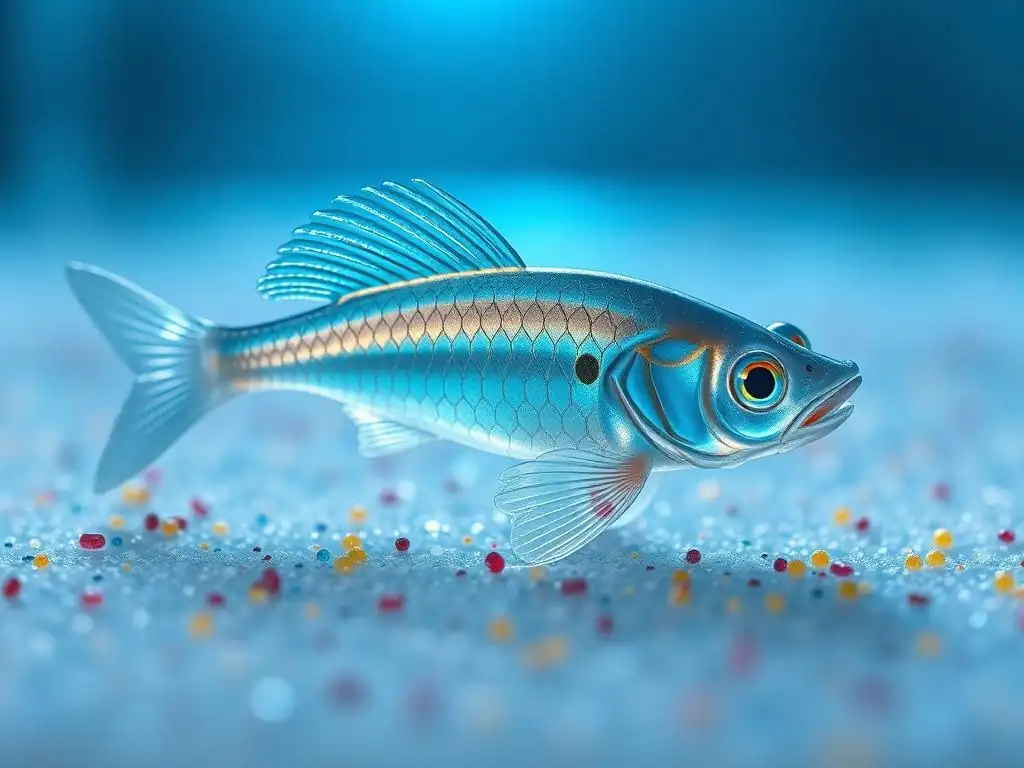
A well-documented case involved a home-based breeder initially struggling with inconsistent survival rates for their Ocellaris Clownfish ( Amphiprion percula) larvae, often achieving only 40-50% success per batch. After extensive troubleshooting, they identified minor, yet persistent, daily temperature swings of 0.8-1.2°C as a significant contributing factor. The existing thermostat was simply not precise enough to handle the delicate needs of the larval stage.
Upon implementing a rigorous temperature control larval rearing strategy, which included upgrading to a PID-controlled heater and chiller system, along with daily calibration of multiple digital thermometers, the breeder achieved remarkable improvements. By maintaining a constant 27.5°C (±0.1°C), their Amphiprion percula larval survival rates consistently surged to 85-90%. This precise stability also led to more uniform growth among the larvae, a noticeable reduction in spinal deformities, and a more predictable metamorphosis timeline, significantly enhancing the overall productivity and consistency of their breeding efforts.
Case Study 2: Overcoming Challenges in Seahorse Fry Development with Improved Temperature Control
A challenging case involved a seahorse breeder who experienced chronic high mortality rates in their Hippocampus reidi (Brazilian Seahorse) fry, with survival often plummeting below 20% within the first week. Despite meticulous water quality management and feeding protocols, the fry would often exhibit a mysterious "fading" syndrome. Initial investigations focused on pathogens and nutrition, but overlooked the subtle impact of temperature.
The breakthrough came when the breeder installed a high-precision chiller and integrated a multi-sensor temperature monitoring system, allowing them to maintain a steadfast 24.0°C (±0.2°C) throughout the fry's development. This improved temperature control larval rearing led to a dramatic turnaround. The fry's overall health visibly improved, the incidence of gas bubble disease decreased significantly, and survival rates soared to a consistent 60-70%. This transformation highlighted that for the highly sensitive seahorse fry, a consistently cooler and stable temperature environment was not merely beneficial, but absolutely critical for their delicate development and long-term survival.
Identifying and Addressing Temperature Spikes in Larval Tanks
Temperature spikes in larval tanks are an acute threat and can arise from several common causes: a malfunctioning heater that becomes stuck in the "on" position, prolonged exposure to direct sunlight, or an sudden, excessive increase in ambient room temperature. Symptoms in larvae include rapid, erratic swimming, gasping at the surface, unusual lethargy, or even immediate mass mortality. Prompt identification through diligent monitoring is paramount.
Addressing a temperature spike requires immediate action. The first step is to unplug any suspected malfunctioning heaters. If direct sunlight is the cause, shade the tank immediately. Increasing air circulation in the room with a fan or opening windows can help dissipate heat. For severe spikes, a very slow, small water change with slightly cooler, aged, and perfectly matched saltwater can help reduce the temperature gradually, but extreme caution must be exercised to avoid shocking the already stressed larvae.
Preventing and Resolving Temperature Drops During Power Outages
Power outages pose one of the most significant threats to larval rearing systems, as small tank volumes can lose heat rapidly, especially in cooler climates. Prevention is the best defense: for critical systems, invest in uninterruptible power supplies (UPS) specifically for heaters and air pumps. For larger-scale operations, a reliable generator can provide continuous power to all essential equipment, including heating and cooling systems.
If a power outage occurs, immediate action to slow heat loss is crucial. Wrapping the larval tank in blankets, towels, or insulation boards can significantly reduce the rate of temperature decline. For prolonged outages, consider using chemical heat packs (ensuring they are placed outside the tank and never directly contacting the water) or, if available, small battery-powered heaters designed for aquariums. The primary goal is to maintain the temperature above a critical minimum threshold until power is restored, buying valuable time for the delicate larvae.
Recognizing and Correcting Temperature Stratification in Larval Culture Vessels
Temperature stratification occurs when layers of water within the larval tank settle at different temperatures, often warmer at the top (near a surface heater or air contact) and cooler at the bottom, or vice versa if a chiller's return flow is not properly diffused. This is particularly problematic in tall, narrow culture vessels and can lead to uneven development or stress for larvae inhabiting different depths.
Correcting stratification primarily involves ensuring gentle, consistent water circulation throughout the vessel. Air stones providing a very fine stream of bubbles can create sufficient upward flow to mix the water layers without harming delicate larvae. Alternatively, small, low-flow powerheads positioned to create a gentle current, directed either upwards or downwards depending on the observed stratification pattern, can effectively homogenize the water column. Ensuring that the temperature control larval rearing system's water return is adequately diffused also prevents localized hot or cold spots.
Optimizing Larval Rearing Through Data-Driven Temperature Adjustments
Tracking Larval Growth and Development in Relation to Temperature
To truly optimize temperature control larval rearing, maintaining detailed logs that correlate temperature data with larval growth and developmental milestones is indispensable. This involves regularly recording the precise temperature settings and daily fluctuations, alongside observations such as daily larval length measurements (from a representative sample), swim bladder inflation success rates, and the timing and success of metamorphosis.
By systematically analyzing this data, breeders can identify the specific temperature ranges that yield the fastest growth, highest survival rates, and fewest deformities for a particular species or even a specific genetic line. For example, a breeder might discover that Chromis viridis larvae consistently grow 15% faster and exhibit fewer deformities when maintained at a precise 26.8°C, compared to batches reared at 27.5°C, even though both temperatures fall within the generally accepted "optimal" range. This data-driven approach allows for fine-tuning beyond general guidelines.
Fine-Tuning Temperature Settings Based on Larval Behavior and Feeding Patterns
Larval behavior serves as a real-time, invaluable indicator of their environmental comfort and well-being. Active feeding, vigorous swimming, and a uniform distribution throughout the water column typically signify optimal conditions. Conversely, signs such as lethargy, erratic or "spinning" swimming, clumping at the surface or bottom, or a noticeable reduction in feeding vigor can be subtle but critical indicators of suboptimal temperatures or other environmental stressors.
Experienced breeders learn to interpret these behavioral cues to fine-tune their temperature control larval rearing settings. If larvae appear sluggish at 27.0°C, a slight, incremental reduction to 26.5°C might stimulate activity and improve feeding. If they seem overly agitated or stressed, a minor adjustment upwards or downwards might be necessary. These subtle, responsive adjustments, based on direct observation of the larvae, represent an advanced aspect of temperature management that goes beyond mere adherence to a fixed set point.
Utilizing Statistical Analysis to Determine Optimal Temperature Parameters
For those committed to pushing the boundaries of larval rearing success, employing basic statistical analysis on collected data can be transformative. By running multiple, carefully controlled batches at slightly different, precisely maintained temperatures (e.g., three groups of Dascyllus trimaculatus larvae at 26.0°C, 26.5°C, and 27.0°C), breeders can gather quantitative data on survival rates, growth rates, and developmental uniformity for each temperature regime.
Statistical comparison of these outcomes (e.g., using simple averages and standard deviations) can reveal which temperature parameter consistently yields the best results. For instance, the analysis might definitively show that 26.5°C results in a statistically significant 10-15% higher survival rate and faster development compared to the other two temperatures, providing concrete, evidence-based parameters for future rearing protocols. This rigorous approach moves larval rearing from an art to a more precise science.
The Future of Temperature Control in Advanced Saltwater Fish Breeding
Emerging Technologies for Precision Temperature Management
The horizon for temperature control larval rearing is constantly expanding with emerging technologies. Solid-state thermoelectric coolers, also known as Peltier devices, offer incredibly precise temperature regulation for very small, specialized larval culture volumes, allowing for highly controlled experimental conditions. For larger systems, advancements in variable-speed chillers are leading to significantly more energy-efficient and quieter operation, with improved ability to maintain tighter temperature tolerances.
Beyond active heating and cooling, the development of smart materials holds intriguing potential. Imagine tank components or even larval culture vessels made from materials that can inherently react to external temperature changes, subtly adjusting their thermal conductivity to buffer fluctuations. Such passive, self-regulating elements could reduce the reliance on complex electronic control systems in certain applications, simplifying maintenance and improving overall stability.
The Role of Artificial Intelligence in Optimizing Larval Rearing Temperatures
Artificial Intelligence (AI) and machine learning are poised to revolutionize temperature control larval rearing. AI algorithms could analyze vast datasets encompassing not only temperature but also water quality parameters, feeding schedules, larval behavior, and health indicators. By identifying complex correlations and patterns that are invisible to the human eye, AI could predict optimal temperature adjustments in real-time, moving beyond static set points to dynamic, adaptive temperature profiles.
Envision an AI-powered system that continuously learns from every batch of larvae reared. It could dynamically adjust the temperature by fractions of a degree based on the larvae's specific developmental stage, feeding response, or subtle behavioral cues, optimizing for maximum growth and survival. This level of predictive and adaptive temperature control larval rearing would lead to unprecedented efficiencies and success rates in the challenging field of marine aquaculture.
Sustainable Practices for Temperature Control in Aquaculture
As aquaculture expands, the energy consumption associated with temperature control larval rearing becomes a significant consideration for sustainability. Future practices will increasingly focus on reducing this environmental footprint. Highly insulated tank designs, often utilizing advanced materials, will minimize heat transfer with the environment, thereby drastically reducing the energy required for both heating and cooling. Large-scale operations may also explore integrating heat pumps or even geothermal systems to leverage natural thermal gradients for energy-efficient temperature regulation.
Furthermore, the shift towards renewable energy sources will play a pivotal role. Powering temperature control systems with solar panels, wind turbines, or other clean energy solutions will significantly reduce the carbon footprint of larval rearing facilities. Embracing these sustainable practices ensures that the advancement of marine fish breeding contributes positively to environmental stewardship, aligning with broader goals of responsible aquaculture.
Conclusion: Mastering Temperature Control for Larval Rearing Success in Aquarium Mastery
Precision temperature control larval rearing is not merely a beneficial practice; it is an absolute prerequisite for consistent success in saltwater fish breeding. The delicate nature of larval fish, with their undeveloped immune systems and rapid metabolic rates, demands an environment of unwavering thermal stability. Even minor fluctuations can induce physiological stress, compromise health, and lead to significant mortality rates, undermining months of effort.
Mastering this critical aspect of aquaculture involves understanding the specific optimal temperature ranges for each species, investing in reliable and accurate heating and cooling equipment, and implementing rigorous monitoring and calibration protocols. As demonstrated through various case studies and advanced techniques, meticulous attention to temperature can dramatically increase larval survival rates, promote healthier development, and ultimately transform challenging breeding endeavors into rewarding successes.
For any serious aquarist committed to advancing their skills in marine fish breeding, achieving precision in temperature control larval rearing is the cornerstone of unlocking higher yields and healthier offspring, truly embodying the spirit of Aquarium Mastery.
Frequently Asked Questions
How critical is temperature control in larval rearing, and why?
Temperature control is absolutely critical because it directly impacts the larval development rate, survival, and overall health. Even small fluctuations can be detrimental.
What are the most common methods for maintaining precise temperature control in larval rearing tanks?
Common methods include using temperature controllers connected to heaters and chillers, employing water jackets, and implementing automated systems that monitor and adjust temperature in real-time.
What happens if the temperature in a larval rearing tank fluctuates too much?
Significant temperature fluctuations can cause stress, delayed development, increased susceptibility to disease, and ultimately, high mortality rates among larvae.
How does the ideal temperature range vary depending on the species being reared?
The ideal temperature range is highly species-specific. Researching the optimal temperature requirements for your target species is crucial for successful larval rearing.
Besides temperature, what other water parameters should be closely monitored during larval rearing?
While temperature is paramount, other crucial parameters include salinity, pH, ammonia, nitrite, and nitrate. Maintaining these parameters within acceptable ranges is vital for larval health and survival.
Final Reflection: The Delicate Dance of Life and Temperature
The insights shared throughout this article underscore a critical truth: precision temperature control in larval rearing is not merely a technical detail, but a foundational pillar for success in aquaculture and beyond. The delicate balance required to nurture these nascent lives highlights the profound impact environmental factors have on growth, survival, and ultimately, the sustainability of our food systems. Ignoring this precision is akin to conducting an orchestra without a conductor, resulting in discord and failure.
This intricate dance between life and temperature has deeply influenced our understanding of biological systems and their sensitivity to environmental changes. My own exploration into this field has revealed the sheer complexity and fragility of these early life stages, emphasizing the ethical responsibility we bear to provide optimal conditions. As the renowned marine biologist Rachel Carson eloquently stated: Man's attitude toward nature is today critically important simply because we have now acquired a fateful power to alter and destroy nature. But man is a part of nature, and his war against nature is inevitably a war against himself.
This quote serves as a stark reminder of the interconnectedness of all living things and the importance of responsible stewardship.
Therefore, I invite you to reflect on the implications of this knowledge. Consider how you can apply the principles of precision and care, not only in the realm of larval rearing but also in your own life. Are you nurturing the conditions for growth and success in your own endeavors? Are you mindful of the delicate balance that sustains life around you? Let us all strive to be more conscious conductors, orchestrating environments that foster thriving and resilience, ensuring a brighter future for generations to come.
Unlock Thriving Larval Growth Now!
Thank you for exploring the crucial role of precision temperature control in larval rearing. We hope this article has empowered you with valuable insights for achieving greater success. Now, let's put that knowledge into action and cultivate exceptional growth in your aquatic larvae.
Here are some immediate steps you can take:
- Implement a dedicated, temperature-controlled rearing system for your most delicate larvae and carefully monitor the results in growth and survival rates.
- Dive deeper by exploring advanced temperature logging and control techniques; consider using a data logger to track trends.
- Share your larval rearing successes (and challenges!) with the Aquarium Mastery community – your experiences can help others!
What specific temperature challenge are you most excited to tackle first to enhance your larval rearing efforts?