
Quarantine Protocols for New Triggerfish: Protecting Your Established Display Tank

Welcome to Aquarium Mastery!
Curious about safely introducing a stunning new triggerfish to your saltwater haven? Before you marvel at its beauty in your display tank, understanding proper quarantine procedures is absolutely crucial. Dive into our guide on new triggerfish quarantine process to learn how to protect your existing aquatic family from potential diseases and ensure a thriving, vibrant reef environment. Ready to become a true aquarium master? Let's get started!
- Understanding the Importance of Triggerfish Quarantine
-
The New Triggerfish Quarantine Process: A Step-by-Step Guide
- Step 1: Setting Up Your Quarantine Tank for Triggerfish
- Step 2: Acclimating Your New Triggerfish to the Quarantine Tank
- Step 3: Observation and Monitoring During Triggerfish Quarantine
- Step 4: Treatment Protocols for Sick Triggerfish in Quarantine
- Step 5: Gradual Introduction to the Main Display Tank
- Common Mistakes to Avoid During Triggerfish Quarantine
- Extending Quarantine: When and Why It's Necessary
- Maintaining a Healthy Display Tank After Triggerfish Introduction
- Advanced Triggerfish Quarantine Techniques
- Choosing the Right Triggerfish Species for Your Aquarium
-
Frequently Asked Questions
- What is the primary reason for quarantining new triggerfish?
- How long should I quarantine a new triggerfish?
- What are some key signs of illness to look for during quarantine?
- What type of quarantine tank setup is recommended for triggerfish?
- What medications should I have on hand for treating common triggerfish ailments during quarantine?
- Final Reflection: Safeguarding Our Aquatic Worlds
- Unleash a Thriving Reef: Your Triggerfish Journey Begins Now!
Understanding the Importance of Triggerfish Quarantine
Why Quarantine New Triggerfish is Crucial for Aquarium Health
Introducing any new marine inhabitant to an established aquarium carries inherent risks, but for species as valuable and susceptible as triggerfish, the importance of a dedicated quarantine period cannot be overstated. Even a seemingly healthy new triggerfish can harbor dormant pathogens, stress-induced illnesses, or external parasites that, once introduced, can quickly decimate an entire display tank. Common culprits like Marine Ich ( Cryptocaryon irritans) or Velvet ( Amyloodinium ocellatum) can spread rapidly, leading to significant financial losses and emotional distress for the aquarist.
Furthermore, the stress of capture, shipping, and acclimation severely weakens a triggerfish's immune system, making it highly susceptible to disease outbreaks. This weakened state also makes them potent carriers, as their compromised defenses allow pathogens to multiply unchecked before manifesting visible symptoms. The cost and complexity of treating an entire established display tank, often containing sensitive corals and invertebrates, far outweigh the effort and minimal expense of setting up a temporary quarantine tank for a controlled "New triggerfish quarantine process."
Preventing Disease Introduction: The Key Benefit of Triggerfish Quarantine
Quarantine serves as a vital barrier, preventing the transfer of diseases from a new triggerfish to your thriving established ecosystem. It provides a controlled environment where any latent diseases can manifest, allowing for targeted treatment without exposing your main display tank's inhabitants to medication or infection. This proactive approach significantly reduces the risk of widespread epidemics caused by common marine ailments such as Brooklynella hostilis (Clownfish Disease), Uronema marinum, or various types of flukes, which are often found on wild-caught or crowded specimens.
Consider the investment in a mature 100-gallon reef tank, which might house hundreds of dollars worth of corals, live rock, and existing fish that have been thriving for years. A single, untreated triggerfish carrying Cryptocaryon could lead to a catastrophic wipeout within days, forcing a lengthy fallow period for the main tank (typically 76 days at 78°F to break the parasite's life cycle) and potential loss of all fish. The "New triggerfish quarantine process" is the most effective preventative measure against such devastating outcomes, safeguarding your entire investment and the well-being of your aquatic community.
Protecting Your Established Aquarium Ecosystem from New Triggerfish
The delicate balance of an established marine aquarium extends beyond just fish. Corals, anemones, shrimp, snails, and other invertebrates are often highly sensitive to medications used to treat fish diseases, particularly copper-based treatments. Introducing a sick triggerfish directly into the display tank necessitates treating the entire system, potentially harming or even killing these sensitive invertebrates. A quarantine tank isolates the new arrival, allowing for the use of potent medications that would be detrimental to a reef environment.
Moreover, a healthy, established tank relies on a robust biological filter that converts toxic ammonia and nitrite into less harmful nitrate. Introducing a diseased or stressed fish can disrupt this balance, especially if the fish succumbs to illness, leading to ammonia spikes that threaten all inhabitants. The "New triggerfish quarantine process" ensures that only a healthy, stable fish enters the main system, preserving the established water quality, the integrity of the biological filter, and the overall stability of your cherished aquarium ecosystem.
The New Triggerfish Quarantine Process: A Step-by-Step Guide
Step 1: Setting Up Your Quarantine Tank for Triggerfish
A quarantine tank's primary purpose is isolation for observation and treatment, thus simplicity and ease of cleaning are paramount. Unlike a display tank, it should be sparsely decorated, ideally with a bare bottom to prevent parasites from settling in substrate and to facilitate easy siphoning of waste. Essential components typically include the tank itself, a heater, a simple filter, an air pump, and some non-porous hiding spots like PVC pipes.
The setup should prioritize stability and functionality over aesthetics. For instance, a pre-cycled sponge filter, seeded with beneficial bacteria from an established tank's sump or filter media, is invaluable for instantly managing ammonia and nitrite, thereby reducing stress on the new triggerfish during its initial days in quarantine. This careful preparation is foundational to a successful "New triggerfish quarantine process."
Quarantine Tank Size Requirements for Triggerfish
While temporary, the quarantine tank must be appropriately sized to minimize stress for the triggerfish, which can grow quite large and are known for their active swimming. For smaller species or juvenile triggerfish (e.g., a 2-4 inch Picasso Triggerfish or Niger Triggerfish), a minimum of 20-30 gallons is advisable. This allows sufficient space for movement and reduces the buildup of waste products.
For larger triggerfish specimens, or species that mature quickly and reach considerable sizes (e.g., a 6-8 inch Clown Triggerfish or Blue Jaw Triggerfish), a 40-gallon breeder tank or even larger (50-75 gallons) is highly recommended for the 4-6 week quarantine period. Adequate space directly correlates with reduced stress, which in turn boosts the fish's immune system, making it more resilient to potential diseases and more receptive to treatment.
Essential Equipment for a Triggerfish Quarantine Tank
A well-equipped quarantine tank simplifies the observation and treatment process. Key items include an all-glass aquarium (no substrate), a submersible heater properly sized for the tank (e.g., a 100-150W heater for a 30-gallon tank), and a reliable thermometer to maintain a stable temperature of 76-78°F (24-26°C). An air pump with an airstone is crucial for oxygenation, especially if medications are used, as some can reduce oxygen levels.
For filtration, a simple sponge filter or a small hang-on-back (HOB) filter with mechanical and biological media is ideal. Avoid activated carbon during treatment unless explicitly instructed, as it will remove medications. Provide several pieces of appropriately sized PVC pipe or non-porous decor for hiding spots; triggerfish appreciate cover and feel more secure with places to retreat. This streamlined setup is fundamental to the "New triggerfish quarantine process."
Maintaining Proper Water Parameters in the Quarantine Tank
Maintaining stable and optimal water parameters in the quarantine tank is paramount for the triggerfish's health and recovery. Salinity should be kept consistent with your main display tank, typically between 1.023 and 1.025 specific gravity. Temperature should be stable at 76-78°F (24-26°C), and pH should remain within the typical marine range of 8.0-8.4. Fluctuations in these parameters can cause significant stress.
Regular water testing is non-negotiable. Daily testing for ammonia and nitrite is critical for the first week, and every 2-3 days thereafter, especially if the biological filter is not fully established. Performing small, frequent water changes (e.g., 10-20% every 2-3 days) with pre-mixed, aged saltwater helps to maintain water quality, dilute waste products, and keep parameters stable, providing a healthy environment throughout the "New triggerfish quarantine process."
Step 2: Acclimating Your New Triggerfish to the Quarantine Tank
Proper acclimation is a critical first step in reducing stress for your new triggerfish. While triggerfish are generally robust, they are still susceptible to shock from sudden changes in water chemistry or temperature. The goal is a slow, gradual transition from the bag water to the quarantine tank water.
The acclimation process typically involves two main phases: temperature acclimation, followed by a drip acclimation for water chemistry. Rushing this step can severely compromise the fish's immune system, making it more vulnerable to diseases that might otherwise remain dormant.
Temperature Acclimation for Triggerfish
Upon receiving your new triggerfish, the first step is to float the sealed transport bag in the quarantine tank for 15-30 minutes. This allows the water temperature in the bag to slowly equalize with the temperature of the quarantine tank. It is essential not to open the bag during this initial phase, as exposure to air can cause a rapid pH shift due to the release of dissolved carbon dioxide, which can be detrimental to the fish.
Sudden temperature changes can induce thermal shock, which severely stresses the fish and weakens its immune response, making it highly susceptible to illness. Ensuring a stable temperature transition is a foundational element of the "New triggerfish quarantine process," setting the stage for a healthier fish.
Gradual Water Chemistry Acclimation for Triggerfish
After temperature acclimation, carefully open the bag and begin the drip acclimation process. Using a length of airline tubing with a knot or a flow control valve, siphon water from the quarantine tank into the bag, allowing it to drip at a slow rate (e.g., 1-2 drips per second). The aim is to slowly introduce the quarantine tank water into the bag, doubling the original volume over a period of 45-60 minutes.
This gradual method allows the triggerfish's osmoregulation system to gently adjust to any differences in salinity, pH, and other water parameters between the bag water and the quarantine tank. Once the volume has doubled, gently net the triggerfish and carefully transfer it to the quarantine tank, discarding the old bag water. This meticulous approach minimizes osmotic shock and stress, ensuring a smoother start to the "New triggerfish quarantine process."
Step 3: Observation and Monitoring During Triggerfish Quarantine
The core of any successful quarantine protocol is diligent and continuous observation. For a triggerfish, a minimum quarantine period of 4-6 weeks is recommended, and often longer if any symptoms appear. During this time, the aquarist must meticulously observe the fish for any changes in its appearance, behavior, or feeding habits, which can indicate the presence of disease or stress.
Maintaining a detailed logbook is highly beneficial. Record the date of arrival, daily feeding observations, any noted symptoms (even subtle ones), and the dates and types of any treatments administered. This systematic approach provides a clear historical record, enabling informed decisions and ensuring a thorough "New triggerfish quarantine process."
Identifying Common Triggerfish Diseases and Parasites
During observation, watch for specific signs of common marine diseases. White spots on the body or fins often indicate Marine Ich ( Cryptocaryon irritans), while a fine, dusty appearance, rapid breathing, and cloudy eyes can point to Marine Velvet ( Amyloodinium ocellatum). Sloughing skin, heavy breathing, and lethargy might suggest Brooklynella hostilis. Red lesions or rapid tissue necrosis could be Uronema marinum. Clamped fins, excessive scratching on decor, and increased mucus production are general signs of external parasites like flukes, though triggerfish do naturally scratch occasionally.
Beyond external signs, inspect the gills for redness or rapid movement, which can indicate gill flukes or other respiratory distress. Observe the body for any abnormal growths, discoloration, or signs of fin rot. A healthy triggerfish should be alert, have clear eyes, vibrant coloration, and be actively exploring its environment.
Monitoring Triggerfish Behavior and Feeding Habits
A healthy triggerfish is typically active, curious, and displays purposeful swimming. Look for any deviations from this norm: lethargy, excessive hiding (beyond normal resting), rapid or labored breathing, twitching, or erratic swimming patterns. Triggerfish are intelligent and often interact with their surroundings; a lack of interest can be a red flag.
Appetite is a strong indicator of health. Offer a varied diet of high-quality foods, such as frozen mysis shrimp, krill, chopped seafood, and marine pellets, to entice feeding. A triggerfish that consistently refuses food for more than 24-48 hours after initial acclimation, or shows a marked decrease in appetite, warrants immediate concern and further investigation. Documenting daily food intake is a key part of the "New triggerfish quarantine process."
Step 4: Treatment Protocols for Sick Triggerfish in Quarantine
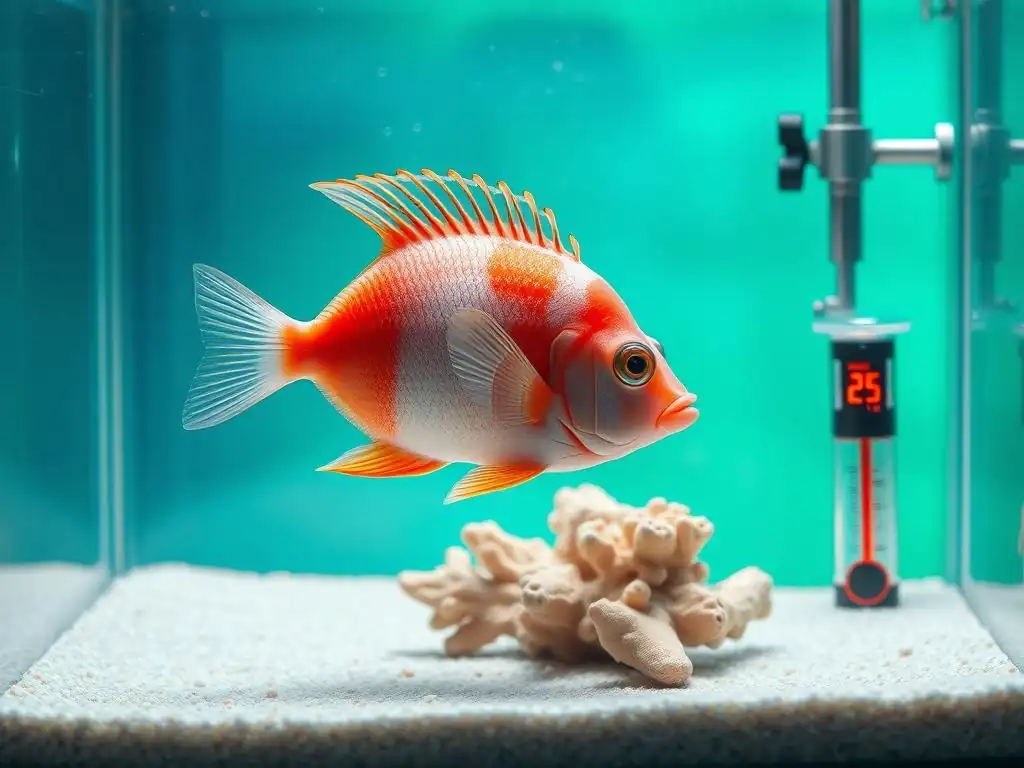
If symptoms of illness appear during the quarantine period, immediate and appropriate action is required. The quarantine tank effectively transforms into a hospital tank. Before administering any medications, it is crucial to remove activated carbon or other chemical filtration media, as these will absorb the medication, rendering it ineffective.
Always adhere strictly to the medication manufacturer's instructions regarding dosage and duration. Underdosing can lead to ineffective treatment and drug-resistant pathogens, while overdosing can be lethal to the fish. Careful measurement and consistent application are critical for successful treatment.
Common Triggerfish Medications and Their Uses
- Copper-based medications (e.g., Copper Power, Cupramine): Highly effective against external parasites like Marine Ich ( Cryptocaryon irritans) and Marine Velvet ( Amyloodinium ocellatum). Maintain a therapeutic copper level (typically 0.5 ppm for ionic copper or 0.2-0.3 ppm for chelated copper) for a minimum of 14-21 days. Daily testing with a reliable copper test kit is essential to ensure consistent levels.
- Formalin-based medications (e.g., Formalin, Quick Cure): Used for severe cases of Ich, Velvet, and other external parasites, including flukes and Brooklynella. These are potent and require careful handling and excellent aeration.
- Nitrofurazone or Furan-2: Broad-spectrum antibiotics used to treat bacterial infections such as fin rot, body sores, and systemic bacterial diseases.
- Praziquantel (e.g., PraziPro): Effective against various internal and external worms, including flukes and tapeworms.
It is important to note that some triggerfish species can be sensitive to certain medications, particularly copper. Always research the specific triggerfish species' known sensitivities before beginning any treatment, and consider starting with a lower dose and slowly increasing if necessary.
Performing Water Changes During Triggerfish Treatment
Even during medication, regular water changes are vital for maintaining water quality and reducing stress on the sick triggerfish. Medications, fish waste, and uneaten food can rapidly degrade water parameters in a small quarantine tank. If using medications that are absorbed or broken down over time, ensure that replacement doses are calculated for the new water volume after a water change.
For copper treatments, perform small water changes (e.g., 10-20%) with new, unmedicated saltwater, then re-dose the copper to bring the level back to the therapeutic range. For other medications, follow the manufacturer's instructions; some may require a water change before each re-dosing. Consistent water quality is a cornerstone of effective treatment in the "New triggerfish quarantine process."
Quarantine Tank Cleaning and Maintenance During Treatment
During treatment, especially for parasitic infections, maintaining a clean quarantine tank is crucial. Siphon detritus and any visible parasites daily from the bare bottom of the tank. This removes waste, uneaten food, and the free-swimming stages of parasites, significantly reducing the parasitic load and improving overall water quality.
Clean filter media periodically by gently rinsing it in old tank water (never tap water, as chlorine will kill beneficial bacteria) to preserve the biological filter. Avoid aggressive cleaning that could disrupt the beneficial bacteria. Continue to monitor and maintain stable temperature and aeration throughout the entire treatment period to support the triggerfish's recovery.
Step 5: Gradual Introduction to the Main Display Tank
The final stage of the "New triggerfish quarantine process" is the careful introduction of your healthy triggerfish to the main display tank. This step should only occur after the fish has completed a full quarantine period (a minimum of 4-6 weeks), shown no signs of disease, and ideally, has had a period of at least two weeks post-treatment without any symptoms.
This transition requires careful planning to minimize stress for the new arrival and to ensure peaceful integration with existing tank mates. Rushing this step can undo all the benefits of a thorough quarantine.
Ensuring a Stress-Free Transition for Your Triggerfish
To ensure a stress-free transition, drip acclimate the triggerfish to the main display tank's water parameters, just as you did when introducing it to the quarantine tank. This gradual adjustment to any subtle differences in salinity, pH, or temperature helps prevent osmotic shock and reduces stress. Aim to double the water volume over 45-60 minutes.
Introduce the triggerfish when the main tank lights are off or significantly dimmed, typically late in the evening. This allows the new fish to explore its new environment and find hiding spots without immediate confrontation or bullying from existing inhabitants. Providing ample rockwork and visual breaks in the main tank decor also helps new fish feel secure and reduces potential aggression.
Monitoring Triggerfish Interactions with Existing Tank Mates
After introduction, closely observe the new triggerfish and its interactions with existing tank mates for the first few days. Watch for any signs of aggression, such as chasing, nipping, or fin damage, especially given the territorial nature of many triggerfish species. Conversely, also look for signs of bullying towards the new triggerfish, or excessive shyness and hiding that prevents it from feeding.
If severe aggression occurs, be prepared to intervene, which might involve rearranging rockwork to break up established territories or, in extreme cases, removing the aggressor or the new triggerfish. Ensure all fish are eating well and show no signs of stress or disease resulting from the introduction.
Common Mistakes to Avoid During Triggerfish Quarantine
Rushing the Quarantine Process for New Triggerfish
One of the most frequent and costly mistakes aquarists make is prematurely ending the quarantine period. A common misconception is that if a new triggerfish appears healthy after just a week or two, it is safe to introduce to the main display. However, many marine fish diseases, such as Cryptocaryon irritans (Marine Ich), have complex life cycles that can take several weeks to complete, especially at lower temperatures. The parasitic tomont stage can lie dormant for extended periods before releasing infective theronts.
Cutting the "New triggerfish quarantine process" short significantly increases the risk of introducing dormant pathogens that have not yet manifested visible symptoms. A full 4-6 week observation period, during which the fish is regularly fed and observed, is essential to ensure that any latent diseases have had time to emerge and be treated, thereby truly safeguarding your established aquarium.
Neglecting Water Quality in the Quarantine Tank
Quarantine tanks, often smaller and less established than main display tanks, are particularly susceptible to rapid fluctuations in water parameters. Neglecting regular testing for ammonia, nitrite, and nitrate, or skipping scheduled water changes, can quickly lead to toxic conditions. High levels of ammonia (even 0.25 ppm) or nitrite (0.5 ppm) are extremely stressful and can compromise the triggerfish's immune system, making it more vulnerable to diseases even if no pathogens were initially present.
Furthermore, medications used during quarantine can sometimes impact the biological filter, making diligent water quality monitoring even more critical. Consistent testing and proactive water changes (e.g., 10-20% every 2-3 days) with properly mixed saltwater are non-negotiable for maintaining a stable and healthy environment throughout the "New triggerfish quarantine process."
Overlooking Subtle Signs of Illness in Triggerfish
Many aquarists tend to look only for obvious signs of disease, such as visible white spots. However, subtle behavioral changes are often the earliest indicators of stress or underlying illness in a triggerfish. These can include a slight decrease in appetite, increased lethargy, spending more time hiding than usual, clamped fins (holding fins close to the body), rapid breathing even when at rest, or a slight dulling of coloration.
Daily, thorough observation, dedicating at least 5-10 minutes to quietly watch the triggerfish, is crucial. Early detection of these subtle symptoms allows for prompt intervention and treatment, significantly increasing the chances of recovery and preventing the disease from progressing to a more severe, difficult-to-treat stage. This vigilance is a key component of a successful "New triggerfish quarantine process."
Extending Quarantine: When and Why It's Necessary
Recognizing Persistent Health Issues in Triggerfish
The quarantine period should always be considered flexible, extending beyond the typical 4-6 weeks if any health issues persist or new symptoms emerge. If a triggerfish shows recurring signs of a disease after an initial treatment course, or if new symptoms appear following the resolution of a previous ailment, it indicates that the underlying issue has not been fully resolved or that another pathogen is present.
For example, if Cryptocaryon spots reappear within weeks of completing a 14-day copper treatment, it suggests the treatment was insufficient or the parasite's lifecycle wasn't fully broken, necessitating a longer observation period or retreatment, possibly for 21-30 days.
A triggerfish that does not consistently eat well, or continues to exhibit stress behaviors like rapid breathing, scratching, or excessive hiding even after a full treatment and recovery period, should not be transferred to the main display. The "New triggerfish quarantine process" is only deemed complete when the fish is robust, symptom-free, and consistently behaving like a healthy specimen.
Dealing with Secondary Infections During Quarantine
A triggerfish weakened by a primary parasitic or viral infection is highly susceptible to opportunistic secondary bacterial infections. These can manifest as cloudy eyes, fin rot, red lesions on the body, or general tissue necrosis. These secondary infections are often more dangerous than the primary ailment and can rapidly lead to the fish's demise if not addressed promptly.
If a secondary bacterial infection is suspected, a broad-spectrum antibiotic (such as Nitrofurazone or Furan-2) may be required in conjunction with, or following, the primary treatment. It is critical to ensure that any medications used concurrently are compatible. Addressing both the primary and secondary infections is vital for the triggerfish's full recovery and ensures the success of the "New triggerfish quarantine process."
Maintaining a Healthy Display Tank After Triggerfish Introduction
Post-Quarantine Monitoring and Care
Even after a successful "New triggerfish quarantine process" and the safe introduction of your new triggerfish to the main display tank, vigilance remains key. Continue to closely monitor the new triggerfish and all existing tank inhabitants for at least several weeks. Observe for any subtle signs of stress, aggression, or the unexpected appearance of disease symptoms, which, though rare after proper quarantine, can sometimes manifest under new environmental conditions.
Maintaining excellent water quality in the display tank is paramount for the long-term health of all inhabitants. This includes performing regular water changes (e.g., 10-20% weekly or bi-weekly), ensuring robust filtration, and providing a high-quality, varied diet. A healthy, stable environment significantly boosts the immune systems of all fish, acting as the best defense against potential disease outbreaks.
Preventing Future Disease Outbreaks in Your Aquarium
The most effective strategy for preventing future disease outbreaks is to consistently apply the principles learned during the "New triggerfish quarantine process" to all new aquatic livestock. Always quarantine every new fish, coral, and even invertebrate. While corals and invertebrates don't get fish diseases in the same way, they can act as carriers for parasites or bacteria that will infect your fish. Consider prophylactic dips for corals and inverts before adding them to your display.
Beyond quarantine, avoid overstocking your aquarium, as crowded conditions lead to increased stress and degraded water quality, making fish more susceptible to illness. Provide a varied and nutritious diet to strengthen immune systems. Minimize stress factors such as fluctuating water parameters, sudden loud noises, or overly aggressive tank mates. Regular, diligent maintenance and a proactive, preventative mindset are the cornerstones of long-term aquarium health.
Advanced Triggerfish Quarantine Techniques
Using Prophylactic Treatments in Quarantine
For experienced aquarists, a more aggressive approach to the "New triggerfish quarantine process" involves prophylactic treatment. This means treating the new triggerfish for common diseases even if no symptoms are observed, aiming to eradicate potential pathogens before they can manifest. A typical prophylactic regimen might involve a full course of copper (e.g., maintaining 0.5 ppm for 14-21 days) to eliminate Cryptocaryon and Amyloodinium, followed by a treatment with Praziquantel for flukes and other internal/external worms.
While highly effective at preventing disease introduction, prophylactic treatment carries risks. Medications can stress fish, and unnecessary treatment might weaken their immune system. This technique requires precise dosing, regular water parameter testing (especially for copper levels), and careful observation of the fish's response to treatment. It should only be undertaken by aquarists with a thorough understanding of marine fish diseases and medication protocols.
Maintaining a "Hospital Tank" for Ongoing Monitoring
Beyond the initial quarantine tank, some dedicated aquarists maintain a separate, fully cycled "hospital tank" that can be rapidly deployed for sick fish from the main display tank. This allows for immediate isolation and treatment of any fish that shows signs of illness after being introduced to the main system, preventing the potential spread of disease within the established community.
This dedicated hospital tank can be kept fallow (empty but cycled) or house a few hardy, non-aggressive "tester" fish. Its immediate availability ensures that any fish exhibiting post-quarantine issues can be promptly moved, treated, and observed without disrupting the main display or exposing its inhabitants to medication. This advanced practice provides an additional layer of protection and allows for ongoing, effective health management of your entire aquarium.
Choosing the Right Triggerfish Species for Your Aquarium
Researching Temperament and Compatibility Before Purchasing
Triggerfish are renowned for their intelligence, personality, and often, their aggression. Before purchasing any triggerfish, thorough research into the specific species' adult size, temperament, and compatibility with existing tank mates is paramount. For instance, a Clown Triggerfish ( Balistoides conspicillum) is notoriously aggressive and requires a very large (200+ gallons), fish-only tank with robust, equally aggressive tank mates. In contrast, a Blue Jaw Triggerfish ( Xanthichthys auromarginatus) is generally more peaceful and can coexist in a mixed reef or fish-only tank of 75+ gallons with less aggressive companions.
Consider the territorial needs of the chosen species and the available space in your aquarium. An Undulated Triggerfish ( Balistapus undulatus), reaching 12 inches, demands a tank of 180 gallons or more, whereas a 6-inch Niger Triggerfish ( Odonus niger) might be suitable for a 75-gallon system. Ensuring compatibility minimizes stress and aggression, which are significant factors in fish health, complementing the thorough "New triggerfish quarantine process."
Understanding the Specific Needs of Different Triggerfish Species
Beyond temperament, different triggerfish species have unique dietary and environmental requirements that must be met for their long-term health. Many triggerfish are carnivores, requiring a diet rich in meaty foods such as shrimp, squid, krill, and shellfish (often with shells, to help wear down their continuously growing teeth). Some, like the Blue Jaw Triggerfish, are more omnivorous and will also accept algae-based foods. Providing a varied and appropriate diet is crucial for their nutritional needs and dental health.
Ensure your aquarium setup can accommodate these specific needs, including ample rockwork with crevices and caves for hiding and patrolling, and powerful filtration to handle their often messy eating habits and significant bioload. Understanding and providing for these species-specific requirements ensures a healthy, thriving triggerfish that will flourish after a successful "New triggerfish quarantine process."
Frequently Asked Questions
What is the primary reason for quarantining new triggerfish?
Quarantining new triggerfish is crucial to prevent the introduction of diseases and parasites into your established display tank. This helps to protect your existing fish population from potential health risks.
How long should I quarantine a new triggerfish?
A standard quarantine period for new triggerfish is generally 4-6 weeks. This allows sufficient time to observe the fish for any signs of illness and administer treatment if necessary, ensuring they are healthy before introduction.
What are some key signs of illness to look for during quarantine?
During quarantine, observe the triggerfish for signs like loss of appetite, abnormal swimming behavior, and visible parasites or lesions. Early detection is key to successful treatment and preventing disease spread.
What type of quarantine tank setup is recommended for triggerfish?
The quarantine tank should mimic the environment of your display tank, including appropriate water parameters, filtration, and hiding places. This minimizes stress and allows for accurate observation of the fish's health.
What medications should I have on hand for treating common triggerfish ailments during quarantine?
Having medications like copper-based treatments for parasites and antibiotics for bacterial infections is recommended. Always consult with a veterinarian or experienced aquarist before administering any medication to ensure proper dosage and treatment.
Final Reflection: Safeguarding Our Aquatic Worlds
The meticulous process of quarantine, as outlined in this article, is not merely a set of procedures, but a testament to our responsibility as aquarists. The health and well-being of our established reef ecosystems depend directly on the diligence with which we implement the new triggerfish quarantine process. Ignoring these protocols risks introducing devastating diseases and parasites, potentially wiping out years of careful cultivation and investment.
This dedication to quarantine extends beyond the confines of our individual tanks. It reflects a broader commitment to responsible stewardship of aquatic life, both in our homes and in the wild. The lessons learned in managing delicate reef environments translate to a deeper understanding of ecological balance and the interconnectedness of all living things. The ultimate test of a moral society is the kind of world that it leaves to its children.
- Dietrich Bonhoeffer. This quote resonates deeply, reminding us that our actions today shape the aquatic landscapes of tomorrow.
As you consider adding a new triggerfish to your display tank, remember that the quarantine process is an act of care, not a burden. Embrace the opportunity to learn, observe, and protect. Let the principles outlined here guide your decisions, ensuring a thriving and vibrant reef ecosystem for years to come. Take the time, exercise patience, and contribute to a more sustainable and responsible future for the aquarium hobby.
Unleash a Thriving Reef: Your Triggerfish Journey Begins Now!
Thanks for diving deep into the art of triggerfish quarantine! We hope you've gained valuable insights to ensure a smooth introduction to your aquarium. Now, let’s turn that knowledge into action and create a healthy environment for all your aquatic inhabitants.
Here's how to take the next steps:
- Prioritize a Stress-Free Introduction: Carefully monitor your triggerfish during the acclimation process, watching for any signs of distress. A relaxed fish is a healthy fish!
- Share Your Success Story: Inspire other aquarists! Post photos and updates of your quarantined triggerfish on our community forum to share your journey and tips.
- Consider unconventional enrichment: Experiment with different feeding methods and tank decorations to keep your triggerfish mentally stimulated during quarantine.
Ready to create a vibrant and harmonious reef? What creative enrichment techniques will you try first to make your triggerfish feel at home?