
Radiata Lionfish (Pterois radiata): The Clearfin Beauty Profile & Care

Welcome to Aquarium Mastery!
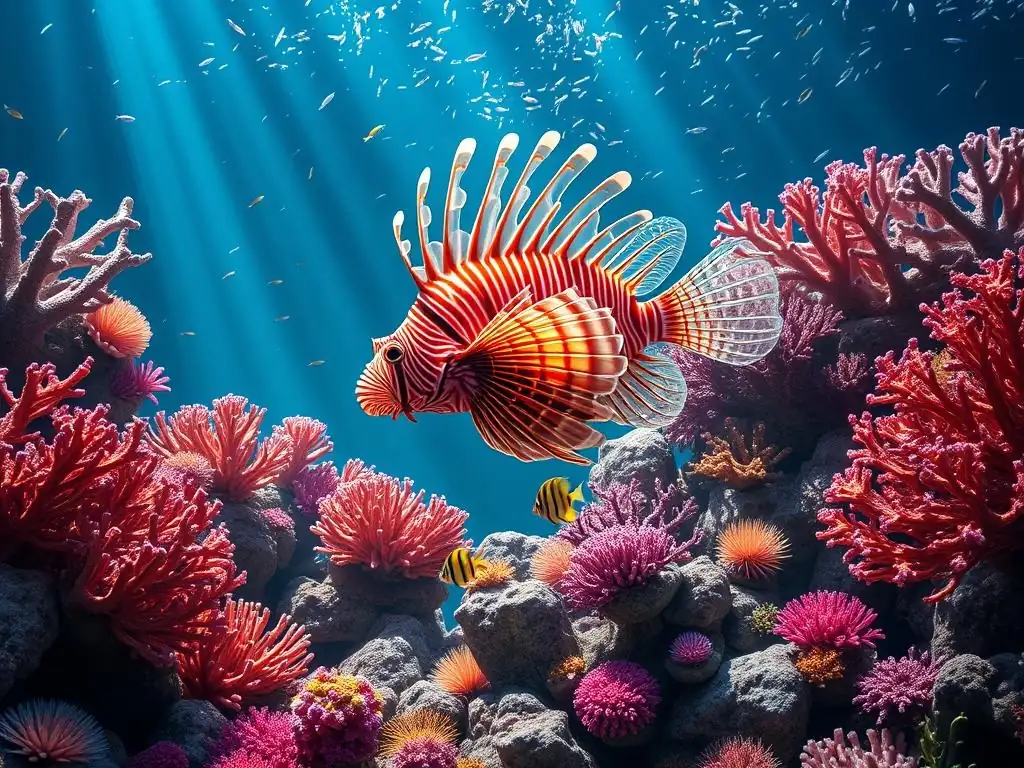
Ever been captivated by the ethereal beauty of a lionfish? Dive into our Radiata Lionfish (Pterois radiata) Care Guide and unlock the secrets to successfully keeping this clearfin beauty. But be warned, their striking appearance belies specific needs. Are you ready to discover what it takes to provide the perfect habitat and ensure the health of this magnificent saltwater predator? Let's explore!
- Understanding the Radiata Lionfish: An Introduction to Pterois radiata
- Essential Radiata Lionfish Care Guide: Creating the Ideal Habitat
- Radiata Lionfish Diet and Feeding: What to Feed Your Radiata Lionfish
- Radiata Lionfish Tank Mates: Compatibility and Considerations
- Radiata Lionfish Health and Disease: Prevention and Treatment
- Setting Up Your Aquarium for a Radiata Lionfish: A Step-by-Step Guide
- Breeding Radiata Lionfish: Challenges and Possibilities
- Troubleshooting Common Radiata Lionfish Care Issues
- Advanced Radiata Lionfish Keeping: Tips and Techniques
- The Allure of the Radiata Lionfish: A Rewarding Aquarium Experience
-
Frequently Asked Questions
- What are the basic requirements for keeping a Radiata Lionfish?
- What kind of water parameters are ideal for a Radiata Lionfish?
- What should I feed my Radiata Lionfish?
- Are Radiata Lionfish compatible with other fish in a community tank?
- What are some common health issues that affect Radiata Lionfish?
- Final Reflection: Embracing the Radiata's Legacy
- Dive Deeper: Uncover Your Radiata Lionfish Potential!
Understanding the Radiata Lionfish: An Introduction to Pterois radiata
Distinguishing Features of the Radiata Lionfish
The Radiata Lionfish, Pterois radiata, stands out among its lionfish relatives due to several key physical characteristics. Most notably, it possesses distinct, clear pectoral fins that lack the banding patterns seen in other Pterois species like P. volitans. Its body is typically adorned with bold, reddish-brown to black vertical bands set against a creamy white or light tan background, often complemented by striking white horizontal lines along its flanks. These markings provide excellent camouflage within rocky reef environments.
This species also features prominent, elongated dorsal and anal fin spines, each containing venom. Unlike some other lionfish, the Radiata Lionfish generally has fewer tentacles or cirri above its eyes and mouth, contributing to its streamlined appearance. In captivity, adult specimens typically reach a size of 7 to 9 inches (approximately 18-23 cm), though they can grow slightly larger in their natural habitat. Their unique clear fins and elegant movements make them a captivating addition to a specialized marine aquarium, demanding a specific Radiata lionfish care guide approach.
Natural Habitat and Distribution of Radiata Lionfish
The Radiata Lionfish is indigenous to the vast Indo-Pacific region, with its natural range extending from the Red Sea and East Africa across to Samoa and northwards to Southern Japan. These fascinating predators primarily inhabit coral reefs, rocky crevices, and outer reef slopes, often preferring areas with abundant hiding spots and overhangs. They are typically found at depths ranging from 10 to 100 feet (about 3 to 30 meters), though they have been observed in deeper waters as well.
In the wild, Pterois radiata is predominantly a solitary and nocturnal hunter. It spends its daylight hours concealed within the reef structure, emerging at dusk to stalk its prey. Their preferred hunting grounds are often characterized by complex rock formations and live coral, providing ample opportunities for ambush. Understanding their natural environment is crucial for replicating suitable conditions in an aquarium, which is a fundamental aspect of comprehensive Radiata lionfish care.
Considerations Before Acquiring a Radiata Lionfish
Before committing to a Radiata Lionfish, prospective aquarists must be aware of several significant considerations. These fish can live for an impressive duration in a well-maintained home aquarium, often reaching 10 to 15 years or even longer, representing a long-term commitment. Their longevity necessitates a dedicated approach to Pterois radiata care over many years.
Perhaps the most critical consideration is the presence of venomous spines. While not typically aggressive, the Radiata Lionfish can deliver a painful sting if handled improperly or if startled. Aquarists must exercise extreme caution during tank maintenance, feeding, and any direct interaction, always being mindful of the fish's location. Furthermore, their predatory nature dictates that they require a sufficiently large aquarium, ideally 75 gallons or more, and careful selection of tank mates that are too large to be considered prey.
Essential Radiata Lionfish Care Guide: Creating the Ideal Habitat
Tank Size Requirements for Radiata Lionfish
Providing adequate space is paramount for the long-term health and well-being of the Radiata Lionfish. A single adult Pterois radiata requires a minimum aquarium size of 75 gallons (approximately 280 liters). This tank volume allows sufficient swimming room for the fish, which, despite its relatively sedentary nature, does appreciate ample space to cruise. More importantly, a larger tank provides greater water volume, which helps dilute waste products and maintain stable water parameters, reducing stress on the fish.
For optimal Radiata lionfish care, a tank of 100 gallons or more is highly recommended, especially if considering tank mates. For instance, a standard 75-gallon tank typically measures around 48 inches long by 18 inches wide by 21 inches high, offering a decent footprint. However, a 120-gallon tank (60" L x 18" W x 26" H) would provide even more stability and comfort, proving beneficial for the fish's overall growth and behavior over its potentially long lifespan.
Water Parameters: Maintaining Optimal Water Quality for Radiata Lionfish
Maintaining pristine and stable water parameters is a cornerstone of successful Radiata lionfish care guide practices. These fish are sensitive to fluctuations and poor water quality, which can quickly lead to stress and disease. Regular testing and consistent maintenance are non-negotiable for their health.
Temperature, Salinity, and pH Levels
The ideal temperature range for Radiata Lionfish is between 72-78°F (22-26°C). Stability within this range is crucial; sudden temperature swings can significantly stress the fish. Salinity should be maintained at a specific gravity of 1.020-1.025, mirroring natural ocean conditions. Consistent salinity levels are vital for osmoregulation and overall physiological health. The pH level should ideally be kept between 8.1 and 8.4. Monitoring pH regularly helps prevent drastic drops or spikes, which can be detrimental to the fish's delicate systems. For example, a drop of 0.2 pH points in a 24-hour period can cause significant stress.
The Importance of Regular Water Changes
Regular water changes are indispensable for maintaining optimal water quality for your Radiata Lionfish. It is recommended to perform weekly or bi-weekly water changes of 10-20% of the tank volume. This practice effectively removes accumulated nitrates and phosphates, which are byproducts of the nitrogen cycle and can become toxic at high concentrations. For a 75-gallon aquarium, a weekly 15-gallon water change is a sensible routine.
Beyond waste removal, water changes replenish essential trace elements that are naturally depleted in a closed system. These elements, though in minute quantities, are vital for various biological processes within the aquarium ecosystem and for the fish's well-being. Consistent water changes contribute significantly to preventing disease and ensuring the long-term vitality of your Pterois radiata.
Substrate and Decor: Designing a Suitable Environment
When designing the aquarium for a Radiata Lionfish, the choice of substrate is less critical for the fish itself, as they are not bottom-dwellers or burrowers. However, a sand bed or fine gravel substrate can contribute to the overall aesthetic and support beneficial bacteria. The primary focus for decor should be on providing ample hiding places and structures that mimic their natural reef habitat.
Live rock is an excellent choice for creating a suitable environment. Arrange the live rock to form caves, overhangs, and crevices where the lionfish can rest and retreat during the day. These structures provide security and reduce stress, as Pterois radiata are naturally shy and appreciate shaded areas. Ensure that all rockwork is stable and securely stacked to prevent collapses, which could injure the fish or damage the tank. Aim for at least 50-70 pounds of live rock for a 75-gallon tank to provide adequate shelter and biological filtration.
Filtration and Water Flow for a Healthy Radiata Lionfish
Effective filtration is a non-negotiable component of proper Radiata lionfish care. Given their carnivorous diet and the bioload they produce, a robust filtration system is essential for maintaining pristine water quality. A combination of biological, mechanical, and chemical filtration is ideal. A sump system with a high-quality protein skimmer is highly recommended. A protein skimmer rated for 1.5 to 2 times the actual tank volume effectively removes dissolved organic compounds before they break down into harmful nitrates.
Regarding water flow, Radiata Lionfish prefer moderate, rather than strong, currents. While some flow is beneficial for oxygenation and preventing dead spots, overly powerful powerheads can stress the fish, making it difficult for them to maintain their position. Aim for a gentle, indirect flow that allows the fish to gracefully navigate the tank without being constantly pushed around. Observing the fish's swimming patterns will help determine if the flow is appropriate; they should be able to hold their position comfortably.
Radiata Lionfish Diet and Feeding: What to Feed Your Radiata Lionfish
Natural Diet vs. Aquarium Diet
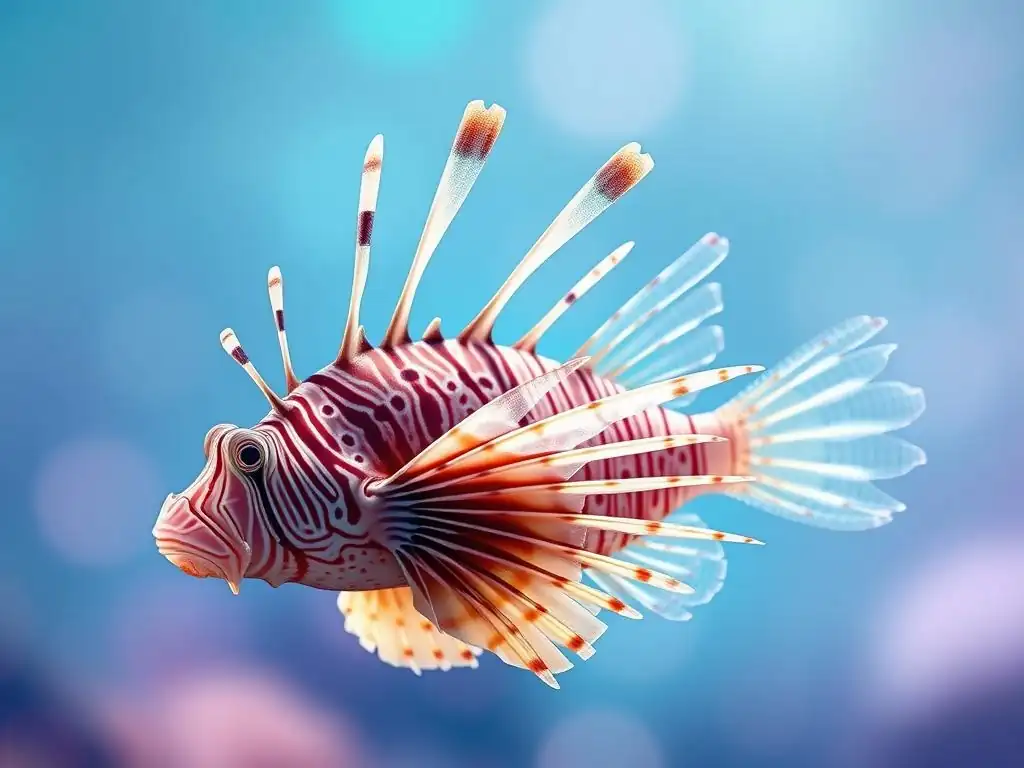
In their natural habitat, Radiata Lionfish are opportunistic ambush predators, primarily feeding on small fish and crustaceans. They employ a unique hunting strategy, often using their large pectoral fins to herd prey into a corner or simply waiting patiently for an unsuspecting victim to pass by before striking with incredible speed. Their diet in the wild is diverse, reflecting the availability of various small marine organisms.
In an aquarium setting, the goal of Radiata lionfish care is to replicate this diverse diet as closely as possible, while transitioning them away from live feeder fish, which often carry diseases and lack nutritional value. While live ghost shrimp or mollies can initially be used to entice reluctant eaters, the long-term objective is to wean them onto frozen, meaty foods. This transition is crucial for ensuring a balanced diet and preventing health issues associated with feeder fish.
Recommended Food Items for Radiata Lionfish
A varied diet of high-quality frozen, meaty foods is essential for the health and vibrant coloration of your Radiata Lionfish. Recommended food items include frozen silversides, krill, mysis shrimp, and chopped pieces of market shrimp, squid, or clam. Ensure that the food items are appropriately sized for the lionfish's mouth to prevent choking or difficulty in consumption.
For instance, a common staple like silversides can be offered, but it should be supplemented with other items. Offering a rotation of krill, which is rich in fatty acids, and chopped market seafood like shrimp or squid provides a broader spectrum of nutrients. Always thaw frozen foods completely before feeding to avoid digestive issues and ensure they are palatable.
Feeding Frequency and Portion Control
The feeding frequency for Radiata Lionfish depends largely on their size and age. Juveniles, which are still growing rapidly, generally benefit from being fed 2-3 times a week. Adult Radiata Lionfish typically thrive on a feeding schedule of 2 times a week. It's important to observe your fish and adjust accordingly; a healthy lionfish will have a slightly rounded belly after feeding, but should not appear bloated.
Portion control is vital to prevent overfeeding, which not only leads to excessive waste and poor water quality but can also cause health problems for the fish. A good rule of thumb is to offer an amount of food that the lionfish can consume in a few minutes, typically 2-3 pieces of silverside equivalent per feeding. Overfeeding contributes significantly to elevated nitrate levels and can necessitate more frequent water changes, undermining effective Pterois radiata care.
Supplementation Considerations for Radiata Lionfish
While a varied diet of high-quality frozen foods forms the foundation of a Radiata Lionfish's nutrition, supplementation can further enhance their health and vibrancy. Soaking frozen foods in a liquid vitamin supplement, such as Selcon or Vita-Chem, before feeding can boost their nutritional intake, providing essential vitamins and fatty acids that might be lacking in a purely frozen diet. This is particularly beneficial for improving coloration and overall vitality.
Although Radiata Lionfish do not directly consume calcium or alkalinity, maintaining stable levels of these parameters in the aquarium water is crucial for the overall health of the system, especially if live rock is present. Stable calcium (around 400-450 ppm) and alkalinity (8-12 dKH) contribute to a robust biological filter and a healthier environment for your fish, indirectly supporting optimal Radiata lionfish care.
Radiata Lionfish Tank Mates: Compatibility and Considerations
Suitable Tank Mates for Radiata Lionfish
Selecting appropriate tank mates is a critical aspect of Radiata lionfish care guide principles, given their predatory nature. The golden rule is simple: if a fish can fit into the lionfish's mouth, it will eventually become a meal. Therefore, suitable tank mates must be significantly larger than the lionfish's gape. Good candidates include other large, robust, and non-aggressive marine fish that are too big to be swallowed.
Examples of compatible species often include large groupers (e.g., Miniatus Grouper), snappers, large angelfish (e.g., Emperor Angelfish, French Angelfish over 6-7 inches), and certain triggers (though caution is advised as some triggers can be aggressive). Large tangs, such as Yellow Tangs or Blue Tangs that are well-established and over 6 inches in length, can also coexist peacefully. Moray eels, if introduced at a compatible size, can also be interesting tank mates.
Fish to Avoid Keeping with Radiata Lionfish
Conversely, many species are entirely unsuitable as tank mates for a Radiata Lionfish. Any small fish, regardless of its species, that can fit into the lionfish's mouth should be strictly avoided. This includes popular aquarium fish like damsels, small gobies, clownfish, cardinalfish, and even juvenile tangs or angelfish. Introducing such fish is essentially providing live food, which is not only costly but also inhumane.
Additionally, while Radiata Lionfish are generally peaceful towards fish they cannot consume, some highly aggressive or nippy species, such as certain triggers (e.g., undulated triggerfish) or puffers, might nip at the lionfish's flowing fins, causing stress and injury. It's also wise to avoid extremely active or fast-swimming fish that might stress the more sedate lionfish.
Predatory Behavior and Tank Mate Safety
The Radiata Lionfish is an ambush predator, relying on its camouflage and quick, often surprising, strikes to capture prey. While they are not constantly hunting, their instincts will kick in if a suitable meal presents itself. This predatory behavior means that even seemingly "safe" tank mates should be monitored closely, especially during feeding times. A Radiata Lionfish measuring 6 inches can typically consume a fish up to 3-4 inches long, depending on the prey's body shape.
They are largely nocturnal hunters, so smaller, more active fish that may seem safe during the day could be vulnerable at night. It's crucial to understand that even if a fish appears too large, a determined and hungry lionfish might still attempt to swallow it, potentially leading to both fish becoming stuck or injured. Therefore, when following a Radiata lionfish care guide, the utmost caution and careful observation are necessary when selecting and introducing tank mates.
Radiata Lionfish Health and Disease: Prevention and Treatment
Common Diseases Affecting Radiata Lionfish
Radiata Lionfish, like all marine fish, can be susceptible to various diseases, particularly if stressed by poor water quality, incompatible tank mates, or improper diet. Common ailments encountered in Pterois radiata care include external parasites such as Marine Ich ( Cryptocaryon irritans) and Marine Velvet ( Amyloodinium ocellatum). Ich manifests as small white spots resembling salt grains, often accompanied by labored breathing and scratching. Velvet appears as a fine, dusty, golden sheen on the skin, causing rapid gill movement and lethargy.
Bacterial infections are also a concern, often manifesting as fin rot (frayed or decaying fins), cloudy eyes, or open sores on the body. These bacterial issues are frequently secondary infections, arising from an initial parasitic infestation, physical injury, or a weakened immune system due to prolonged stress from suboptimal environmental conditions.
Recognizing Signs of Illness in Your Radiata Lionfish
Early detection of illness is crucial for successful Radiata lionfish care and treatment. Aquarists should observe their fish daily for any changes in behavior or physical appearance. Signs of illness can include lethargy, unusual hiding, rapid or labored breathing (flared gills), loss of appetite, or scratching against rocks or substrate.
Physical indicators may include visible spots, lesions, discoloration, frayed or clamped fins, cloudy or bulging eyes, and a general dulling of their vibrant coloration. Any deviation from their normal graceful swimming and inquisitive behavior warrants immediate investigation of water parameters and closer observation for specific symptoms. A healthy Radiata Lionfish should be alert, responsive to stimuli, and actively interested in food.
Quarantine Procedures for New Arrivals
Implementing a strict quarantine procedure for all new fish, including Radiata Lionfish, is arguably the most effective preventative measure against disease introduction into your main display tank. A separate quarantine tank, ideally 20-40 gallons for a single lionfish, should be set up with basic filtration, a heater, and PVC pipes or other non-porous decor for hiding.
New arrivals should remain in quarantine for a minimum of 4 to 6 weeks. During this period, observe them closely for any signs of disease. This also allows for preventative treatments if desired, such as a low dose of copper for parasites, without jeopardizing the main tank's biological filter or invertebrate inhabitants. It also gives the fish time to acclimate to captivity and begin accepting prepared foods in a stress-free environment, significantly improving their long-term prognosis.
Treatment Options for Sick Radiata Lionfish
When a Radiata Lionfish exhibits signs of illness, prompt and appropriate treatment is essential. For parasitic infections like Ich or Velvet, copper-based medications are often effective, but they must be used carefully in a quarantine tank, as copper is toxic to invertebrates and can harm the biological filter. Following dosage instructions precisely and monitoring copper levels with a test kit is vital.
Bacterial infections may require broad-spectrum antibiotics, often administered via food or as a bath treatment. However, antibiotics can negatively impact the beneficial bacteria in the biological filter, so treatment in a hospital tank is preferred. Freshwater dips can offer temporary relief for external parasites but are stressful and should only be performed for short durations (typically 5-10 minutes) with careful observation. Always remove activated carbon from the filter before administering any medication, as it will absorb the treatment compounds.
Setting Up Your Aquarium for a Radiata Lionfish: A Step-by-Step Guide
Choosing the Right Tank and Equipment
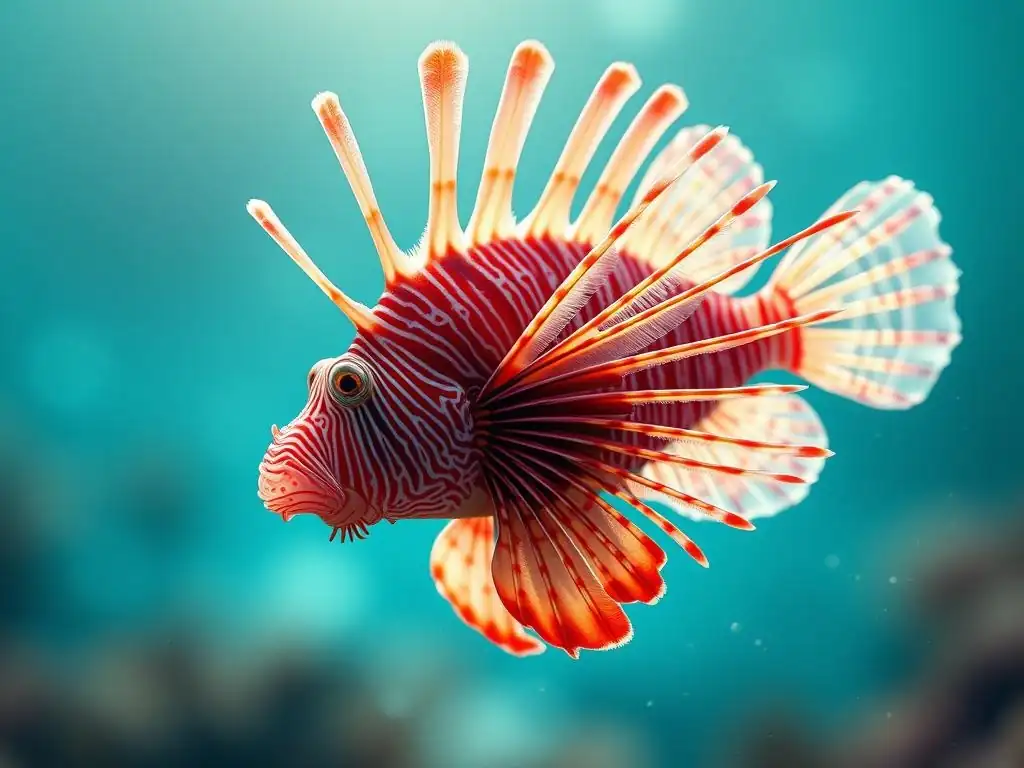
The first step in setting up an aquarium for a Radiata Lionfish is selecting the appropriate tank size. As highlighted in this Radiata lionfish care guide, a minimum of 75 gallons is required for a single adult. Opt for a tank with a good footprint (length and width) to provide ample swimming space and areas for rockwork. Essential equipment includes a robust filtration system, ideally a sump with a high-quality protein skimmer rated for at least 1.5 times the tank volume, and a reliable heater capable of maintaining a stable temperature between 72-78°F (22-26°C).
Consider also circulation pumps to provide moderate water flow and a good quality lighting system, although the lionfish itself does not have specific lighting requirements beyond what is needed for observation and any live rock or corals you may wish to keep. Having a marine-specific test kit to monitor ammonia, nitrite, nitrate, pH, and salinity is also crucial from day one.
Cycling the Aquarium Before Introducing Your Radiata Lionfish
Before any fish is introduced, the aquarium must undergo a process called "cycling." This critical step establishes the beneficial bacterial colonies that are essential for the nitrogen cycle. These bacteria convert toxic ammonia (from fish waste and decaying food) into less toxic nitrite, and then into even less harmful nitrate. The cycling process typically takes 4 to 8 weeks and can be initiated by adding a small amount of ammonia source (e.g., pure ammonia solution or a piece of raw shrimp) to the tank.
During cycling, regularly test the water parameters. You will observe a spike in ammonia, followed by a spike in nitrite, and finally, a rise in nitrate with zero ammonia and nitrite readings. Only when ammonia and nitrite levels consistently read zero, and nitrate levels begin to accumulate, is the tank considered fully cycled and safe for a Radiata Lionfish. Rushing this step is a common cause of fish loss and stress.
Acclimation Process for New Radiata Lionfish
Proper acclimation is vital for minimizing stress when introducing a new Radiata Lionfish to its new home. The drip acclimation method is highly recommended due to its slow and gentle approach, allowing the fish to gradually adjust to the new tank's water parameters (temperature, pH, salinity). Begin by floating the sealed bag in the aquarium for 15-20 minutes to equalize temperature.
Then, open the bag, roll down the edges, and secure it. Using airline tubing and a knot or valve, slowly drip water from the display tank into the bag. The drip rate should be approximately 1-2 drips per second. Continue this process until the volume of water in the bag has quadrupled, which usually takes 1-2 hours. Once acclimated, gently net the lionfish (avoiding direct contact with spines) and release it into the aquarium. Discard the bag water; never introduce it into your display tank. Dimming the aquarium lights during and after acclimation can further reduce stress.
Breeding Radiata Lionfish: Challenges and Possibilities
Understanding the Reproductive Cycle of Pterois radiata
The reproductive cycle of Pterois radiata in the wild involves pelagic spawning, where males and females release their eggs and sperm into the water column. The eggs are buoyant and disperse with the currents, eventually hatching into microscopic, planktonic larvae. These larvae spend a period drifting in the open ocean, feeding on even smaller plankton, before developing into juvenile lionfish and settling onto the reef.
Successful captive breeding of Pterois radiata is extremely rare in home aquariums and remains largely the domain of specialized public aquariums or dedicated research facilities. The primary challenges lie in inducing spawning, which requires a very large, stable environment and specific breeding cues, and more significantly, in raising the incredibly delicate and tiny larvae.
Creating Breeding Conditions in Captivity
To even attempt to create breeding conditions for Radiata Lionfish in captivity, an exceptionally large breeding tank is necessary, often hundreds of gallons, to simulate the vastness of their natural environment and accommodate a breeding pair. Maintaining pristine and highly stable water quality, along with optimal temperature, salinity, and pH, is paramount. Providing an abundance of high-quality, live food for the adult fish, mimicking their natural diet, can also help condition them for spawning.
Sexing Pterois radiata can be challenging, as there are no obvious external sexual dimorphisms. Observing behavioral cues, such as paired swimming or courtship displays, may indicate a male-female pair. Even with ideal conditions, inducing spawning in a home aquarium is an infrequent occurrence.
Raising Radiata Lionfish Fry
The most formidable challenge in breeding Radiata Lionfish in captivity is the successful rearing of their fry. The newly hatched larvae are minuscule, typically less than a millimeter in size, and require incredibly specialized care. They need a continuous supply of the correct size and type of live planktonic food, such as rotifers and copepods, which must be cultured separately.
Furthermore, these delicate larvae are highly sensitive to water quality fluctuations, requiring exceptionally stable and pristine conditions, often in dedicated larval rearing tanks with specific flow dynamics. The survival rate of lionfish fry in captivity is notoriously low, even for experienced aquaculturists. This makes successful Pterois radiata care from egg to adult a highly specialized and demanding endeavor.
Troubleshooting Common Radiata Lionfish Care Issues
Loss of Appetite in Radiata Lionfish
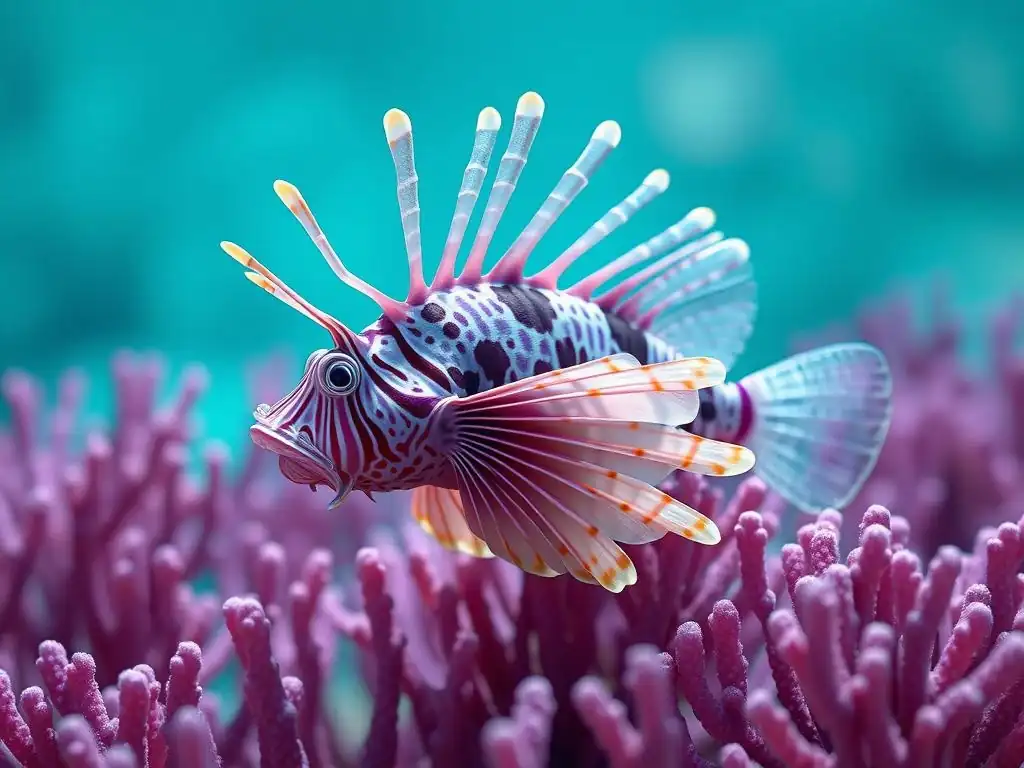
A loss of appetite in a Radiata Lionfish is a significant concern and a common indicator of underlying issues in Radiata lionfish care. Several factors can contribute to this, including stress from poor water quality (e.g., high nitrates, ammonia), the introduction of new or incompatible tank mates, incorrect food type or size, or the onset of disease. If your lionfish suddenly refuses food, the first step is to thoroughly test all water parameters (ammonia, nitrite, nitrate, pH, salinity, temperature) to rule out environmental stressors.
Offer a variety of preferred foods, such as frozen silversides or krill, to entice them. Observe their behavior closely for any other signs of illness, such as lethargy, clamped fins, or physical lesions. A healthy Radiata Lionfish typically has a strong feeding response, often recognizing its owner and eagerly awaiting food. If water parameters are optimal and no obvious disease signs are present, persistent refusal to eat may warrant a visit to a fish veterinarian or consultation with an experienced aquarist.
Cloudy Eyes or Skin Infections
Cloudy eyes or skin infections are common ailments that can affect Radiata Lionfish, often signaling stress or compromised water quality. Cloudy eyes can result from physical injury, bacterial infection, or prolonged exposure to high nitrate levels. If only one eye is affected, it might indicate an injury. If both eyes are cloudy, it's often a symptom of systemic bacterial infection or severe environmental stress.
Skin infections, which can manifest as lesions, redness, or patches of discoloration, are frequently bacterial in nature and often occur secondary to parasitic infestations or poor water conditions. The initial response should always be to perform large water changes (e.g., 25-30%) and meticulously check all water parameters. Improving filtration and ensuring pristine water quality can often resolve minor cases. For persistent or severe infections, a broad-spectrum antibiotic treatment in a hospital tank may be necessary, under the guidance of a professional.
Aggression Towards Tank Mates
While Radiata Lionfish are generally peaceful towards fish too large to be considered prey, aggression towards tank mates can occasionally arise, indicating an issue with compatibility or tank setup. The most common cause is the presence of fish that are too small and are perceived as food. If a lionfish begins actively hunting or attempting to swallow a tank mate, it's a clear sign that the tank mate is incompatible and needs to be removed immediately.
Another reason for aggression, though less common with Pterois radiata, could be insufficient space or hiding spots, leading to territorial disputes, especially if there are multiple predatory fish. If a lionfish shows aggression towards a fish that is clearly too large to be eaten, it might be due to stress or perceived competition. Re-evaluating the tank mate list, ensuring ample hiding spots, and confirming the tank size is adequate are crucial steps in resolving such issues and upholding optimal Radiata lionfish care.
Advanced Radiata Lionfish Keeping: Tips and Techniques
Enhancing Color and Growth
For advanced aquarists seeking to maximize the vibrant coloration and robust growth of their Radiata Lionfish, several techniques go beyond basic Radiata lionfish care guide practices. A consistently varied and high-quality diet is paramount. Regularly offering a mix of vitamin-enriched frozen foods such as silversides, krill, mysis shrimp, and chopped seafood provides a full spectrum of nutrients that contribute to vivid colors and strong development. Supplementing food with marine-specific vitamin additives like Selcon can further boost their nutritional intake, leading to richer reds, blacks, and whites.
Maintaining exceptionally pristine water quality and stable parameters is also crucial. While regular water changes are standard, advanced keepers might employ continuous water parameter monitoring systems or higher frequency, smaller water changes (e.g., 5% daily) to ensure absolute stability. Providing a low-stress environment with ample hiding spots and appropriately sized tank mates also contributes significantly to their overall health, allowing them to allocate energy towards growth and color development rather than stress response.
Managing Venomous Spines Safely
Managing the venomous spines of a Radiata Lionfish safely is perhaps the most critical advanced technique for any aquarist keeping this species. It is imperative to always be aware of the lionfish's location in the tank, especially during maintenance activities. Never place bare hands into an aquarium containing a lionfish. Using thick, puncture-resistant gloves or long-handled tools for any manual tasks within the tank is non-negotiable.
When netting the fish, use a net with a wide mesh that allows the spines to pass through without snagging, or ideally, coax the fish into a clear container to move it without direct contact. Have a plan in case of a sting: immerse the affected area in hot water (110-115°F or 43-46°C) for 30-90 minutes, as the venom is protein-based and denatures with heat, providing pain relief. Seek immediate medical attention, especially if symptoms are severe or if you have underlying health conditions. While painful, lionfish stings are rarely life-threatening to healthy adults.
Maintaining a Healthy Aquarium Environment
Beyond the basics, advanced Pterois radiata care involves a meticulous and proactive approach to maintaining the overall aquarium environment. This includes a rigorous weekly or bi-weekly maintenance schedule that goes beyond just water changes. Regular cleaning of filtration components, such as protein skimmers and filter socks, prevents the buildup of organic detritus. Testing water parameters should be done consistently, perhaps even multiple times a week, to detect any subtle shifts before they become problematic.
Furthermore, advanced keepers often employ robust redundancy in their systems, such as dual heaters or multiple powerheads, to mitigate risks from equipment failure. Quarantining all new fish and invertebrates for an extended period (e.g., 6-8 weeks) is a standard practice to prevent the introduction of diseases. Daily, thorough observation of the lionfish's behavior, feeding response, and physical appearance allows for early detection of any issues, enabling swift intervention and preventing minor problems from escalating into major health crises.
The Allure of the Radiata Lionfish: A Rewarding Aquarium Experience
The Unique Personality of Pterois radiata
The Radiata Lionfish possesses a unique allure that makes it a highly rewarding species for the dedicated marine aquarist. Unlike many active schooling fish, Pterois radiata exhibits a graceful, almost ethereal presence in the aquarium. They are often observed "posing" elegantly in the current, their fins splayed wide, showcasing their stunning patterns. This deliberate, unhurried movement is captivating to watch.
Beyond their beauty, many aquarists report that Radiata Lionfish can develop distinct personalities. They are often intelligent enough to recognize their owners, sometimes coming to the front of the tank during feeding times or even following movements outside the glass. Their fascinating ambush hunting behavior, observed during feeding, is a remarkable display of predatory instinct. For those who appreciate the subtle majesty of marine life, the Radiata Lionfish truly stands out as a striking and engaging centerpiece for a specialized predatory tank.
Contributing to Responsible Aquarium Keeping
Choosing to keep a Radiata Lionfish responsibly is a valuable contribution to the broader aquarium hobby. This involves selecting specimens from reputable sources, ideally those that are captive-bred if available, to reduce pressure on wild populations. Although Pterois radiata is not as widely invasive as P. volitans in the Atlantic, responsible Radiata lionfish care guide principles still dictate that these fish should never, under any circumstances, be released into non-native waters. Such actions can have devastating ecological consequences.
Educating others about the specific needs of these fish, including their venomous nature, tank size requirements, and dietary needs, also promotes responsible pet ownership. By demonstrating meticulous care and a deep understanding of Pterois radiata requirements, aquarists can serve as examples, fostering a community that prioritizes the health and well-being of marine life in captivity.
Resources for Further Learning About Radiata Lionfish
For those passionate about mastering the art of Radiata lionfish care, a wealth of resources exists beyond this guide. Online forums and communities dedicated to marine fish keeping, such as Reef2Reef or specialized predatory fish forums, offer invaluable opportunities to connect with experienced aquarists, ask questions, and share insights. These platforms often contain detailed discussions and troubleshooting tips from individuals who have kept these fish for many years.
Reputable books on marine fish keeping, particularly those focusing on predatory species or venomous fish, can provide in-depth scientific and practical knowledge. Additionally, scientific articles and publications from marine biologists or public aquariums often contain the latest research on Pterois radiata natural history, behavior, and captive propagation efforts. Continuous learning and staying informed are key to providing the best possible care for these magnificent clearfin beauties.
Frequently Asked Questions
What are the basic requirements for keeping a Radiata Lionfish?
Radiata Lionfish require a larger tank, at least 75 gallons, and pristine water conditions. They also need a diet consisting of live or frozen meaty foods.
What kind of water parameters are ideal for a Radiata Lionfish?
The ideal water parameters for a Radiata Lionfish include a temperature of 72-78°F (22-26°C), a salinity of 1.020-1.025 specific gravity, and a pH of 8.1-8.4.
What should I feed my Radiata Lionfish?
Radiata Lionfish are carnivorous and primarily eat small fish and crustaceans. You can offer them a diet of live ghost shrimp or frozen mysis shrimp, but they need variety.
Are Radiata Lionfish compatible with other fish in a community tank?
Radiata Lionfish are predatory and should only be kept with larger, non-aggressive fish that they cannot eat. Avoid keeping them with small invertebrates or peaceful fish.
What are some common health issues that affect Radiata Lionfish?
Common health issues include parasitic infections like Ich, bacterial infections, and injuries from tankmates. Maintaining good water quality is critical for preventing these problems.
Final Reflection: Embracing the Radiata's Legacy
The captivating allure of the Radiata lionfish, as explored throughout this guide, extends far beyond its striking appearance. Understanding the nuances of Radiata lionfish care is not merely about maintaining an aquarium; it's about embracing our responsibility as stewards of a delicate ecosystem. The knowledge shared here empowers aquarists to provide optimal conditions for these magnificent creatures, ensuring their well-being and contributing to a more sustainable future for marine life.
The Radiata lionfish, with its ethereal beauty and unique needs, serves as a potent reminder of the interconnectedness of life within our oceans. My own fascination with these fish stems from a deep respect for the intricate balance of nature, and I believe that responsible care is an act of conservation. In the end, we will conserve only what we love; we will love only what we understand; and we will understand only what we are taught.
- Baba Dioum. This quote encapsulates the essence of this guide: to foster understanding, inspire love, and ultimately, promote conservation.
As you embark on your journey with the Radiata lionfish, remember that your dedication to responsible care has a profound impact. Let this guide serve as a foundation, but never cease to learn, adapt, and share your knowledge with others. Embrace the challenge, celebrate the beauty, and contribute to a future where these clearfin beauties thrive, both in our aquariums and in the vast, mysterious depths of the ocean.
Dive Deeper: Uncover Your Radiata Lionfish Potential!
Thank you for exploring the captivating world of the Radiata Lionfish! We hope you've gained valuable insights into keeping this stunning creature thriving. Now it's time to take the next step and truly make a difference.
- Start Now: Seriously consider if you're truly equipped to offer the Radiata Lionfish the perfect environment. Don't rush, patience is key!
- Delve further: Research sustainable aquaculture practices to ensure your new pet comes from responsible sources. What certifications should you look for?
- Share your passion: Join an online aquarium forum and post a question about this amazing pet. What did you find most interesting about Radiata Lionfish?
Ready to create a breathtaking home for your Radiata Lionfish? What's the very first thing you'll do to ensure its well-being?