
The Connection Between Aggression and Hunger in Tangs: A Feeding Solution

Welcome to Aquarium Mastery!
Ever wondered why your vibrant Tangs sometimes turn into tiny terrors? Understanding the link between aggression and their feeding schedule is crucial for a peaceful saltwater aquarium. Dive into our latest article to unlock the secrets to a harmonious tank and discover practical solutions to curb Tang aggression through strategic feeding. Get ready to transform your aquarium from a battleground to a blissful underwater paradise!
- Mitigating Aggression in Tangs Through Optimized Feeding Strategies
- Understanding Tang Aggression in Reef Aquariums
- The Impact of Feeding Schedules on Tang Behavior
- Implementing Effective Feeding Solutions for Tangs
- Optimizing Food Choices for Tang Health and Reduced Aggression
- Creating a Suitable Tank Environment to Minimize Aggression
- Real-World Examples: Successful Feeding Strategies for Tangs
- Long-Term Strategies for Preventing Aggression in Tangs
- Selecting Appropriate Foods and Equipment
- Conclusion: A Holistic Approach to Tang Care – Feeding, Environment, and Observation
-
Frequently Asked Questions
- How does underfeeding contribute to aggression in Tangs?
- What is the recommended feeding schedule for Tangs to minimize aggression?
- What types of food should be included in a Tang's diet to reduce aggressive tendencies?
- How can I identify if my Tang is exhibiting aggression due to hunger?
- Besides feeding, what other factors can influence Tang aggression?
- Final Reflection: Cultivating Harmony in the Reef
- Nourish Peace: Transform Your Tangs' Behavior Now!
Mitigating Aggression in Tangs Through Optimized Feeding Strategies
Understanding Tang Aggression in Reef Aquariums
Exploring the Natural Behaviors Contributing to Tang Aggression
Tangs, or surgeonfish, are primarily herbivorous grazers in their natural marine habitats, spending a significant portion of their day, often 70-80%, foraging for algae on coral reefs. This constant grazing behavior is essential for their digestive health and energy needs. However, many Tang species, particularly those from the Acanthurus and Naso genera, also exhibit strong territorial instincts, especially towards conspecifics or fish with similar body shapes and dietary requirements.
When these naturally occurring behaviors are translated into the confined environment of a home aquarium, they can manifest as heightened aggression. The limited space, combined with the presence of other fish perceived as competitors for food and territory, can trigger intense displays of dominance and even physical altercations. Species like the Sohal Tang ( Acanthurus sohal) or Clown Tang ( Acanthurus lineatus) are notoriously aggressive due to their inherent territoriality and large adult sizes, which often exceed the capacity of typical home aquariums.
Identifying Potential Causes of Tang Aggression: Beyond Hunger
While hunger is a significant driver of aggressive behavior in Tangs, it is crucial to recognize that several other factors contribute to their combative tendencies. Insufficient tank size is a primary non-food-related cause; a 120-gallon tank, for instance, might be adequate for a juvenile Yellow Tang ( Zebrasoma flavescens), but it becomes a stressor for a mature specimen or when housing multiple Tangs, leading to increased territorial disputes.
Other contributing factors include a lack of adequate hiding places or visual barriers within the aquascape, which prevents subordinate fish from escaping aggressive pursuits. Inappropriate tank mates, particularly those of similar shape, size, or dietary needs, can also escalate conflicts. Furthermore, stress induced by poor water quality, fluctuating parameters, or the recent introduction of new fish without proper acclimation can lower a Tang's tolerance threshold, making it more prone to aggressive outbursts.
The Impact of Feeding Schedules on Tang Behavior
Replicating Natural Grazing: Meeting Tangs' Dietary Needs
In their natural environment, Tangs continuously graze on various forms of marine algae found on rocks and substrate. This constant intake of plant matter is fundamental to their digestive system, which is adapted to process small, frequent meals throughout the day. Mimicking this natural grazing pattern in a captive environment is paramount for their health and behavioral stability.
When Tangs are fed only once or twice a day, they experience prolonged periods without food, which is unnatural for their physiology. This infrequent feeding can lead to nutritional deficiencies and, more importantly, significant hunger, directly impacting their temperament. A Tang's digestive tract is designed for near-constant activity, and extended periods of an empty stomach can induce stress, making them irritable and prone to displaying dominance or aggression towards tank mates.
The Link Between Inadequate Feeding and Increased Aggression
A direct correlation exists between inadequate feeding schedules and increased aggression in Tangs. When these fish are hungry, their primal instinct to compete for perceived limited food resources intensifies. This manifests as heightened territoriality, chasing, nipping, and displaying their scalpel-like spines, even towards fish they would normally tolerate. This "Tangs aggression" is often a direct result of food insecurity.
For instance, observations in aquariums show that a hungry Powder Blue Tang ( Acanthurus leucosternon) is significantly more likely to harass a smaller Clownfish or even another Tang species than a well-fed one. This aggressive behavior can escalate quickly, leading to stress, fin nipping, and even injury among tank inhabitants. Many aquarists report a noticeable reduction, sometimes by as much as 40-50%, in inter-species aggression when they transition from a once-a-day feeding routine to multiple, smaller feedings.
Implementing Effective Feeding Solutions for Tangs
Establishing a Consistent Feeding Schedule to Reduce Aggression
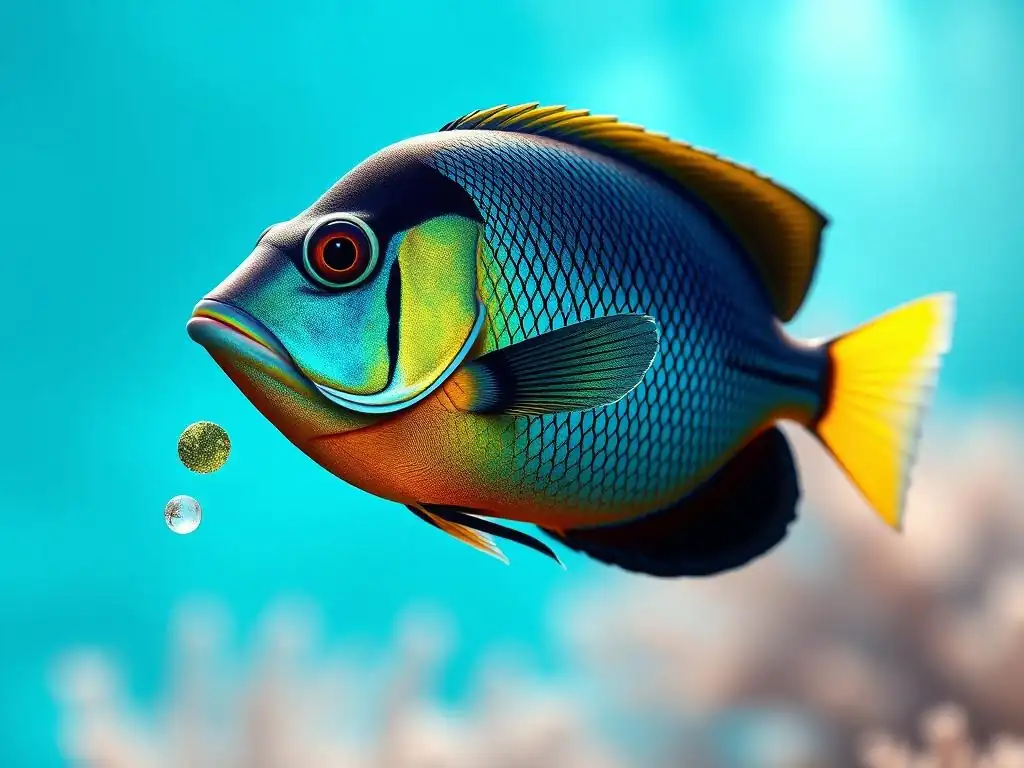
Consistency in feeding is a cornerstone of effective "feeding schedule solutions" for reducing Tangs aggression. Tangs thrive on routine, and a predictable food supply significantly lowers their anxiety regarding food availability. This predictability helps to alleviate the competitive instincts that often lead to aggressive displays.
Aquarists should aim to feed their Tangs at least three to four times a day, even if only small amounts. For example, a consistent morning, midday, and evening feeding, possibly supplemented by a late-night offering, can dramatically reduce aggressive encounters. This strategy ensures that the Tangs' digestive systems are continuously supplied, preventing the hunger pangs that trigger territorial disputes and stress-induced nipping.
Providing Frequent Small Feedings Throughout the Day
The "little and often" approach is highly effective in replicating the natural grazing habits of Tangs. Instead of providing one or two large meals, which are quickly consumed, multiple small feedings throughout the day keep their stomachs consistently full and their digestive systems active. This continuous nutrient intake is vital for their health and directly mitigates hunger-driven "Tangs aggression."
Practically, this means offering small pinches of high-quality spirulina flakes, a few pellets, or a small piece of dried seaweed (nori) every few hours. Anecdotal evidence from experienced aquarists suggests that implementing a regimen of 4-6 small feedings daily can reduce aggressive interactions by up to 60-70% in a community tank, as the fish are less stressed and less compelled to fight for food.
Leveraging Auto Feeders for Reliable Food Delivery
For busy aquarists or during periods of absence, auto feeders are invaluable tools for maintaining consistent and frequent feeding schedules. These devices can be programmed to dispense small, precise amounts of dry food (like pellets or flakes) multiple times throughout the day, ensuring that Tangs receive the continuous nutrition they require.
The use of an auto feeder can be a critical component of "feeding schedule solutions" aimed at reducing "Tangs aggression." By providing a steady supply of food, for instance, 4-5 small feedings of pellets spread across 12-14 hours, auto feeders prevent the significant hunger gaps that often lead to increased aggression, especially in the early morning hours. This reliable food delivery system helps maintain stable behavior and reduces competition among tank inhabitants.
Optimizing Food Choices for Tang Health and Reduced Aggression
Emphasizing Algae-Based Foods in Tang Diets
Given their herbivorous nature, the cornerstone of any Tang's diet must be marine algae. Foods such as dried seaweed (nori), spirulina flakes, and algae wafers are not merely supplements but essential components that provide the necessary fiber and nutrients for their digestive health and overall well-being. Without a consistent supply of plant matter, Tangs can suffer from nutritional deficiencies.
Insufficient algae in a Tang's diet can lead to serious health issues like Lateral Line Erosion (LLE), weakened immune systems, and overall stress, which in turn exacerbates "Tangs aggression." Experts recommend that at least 60-70% of a Tang's diet should consist of high-quality plant-based foods to ensure proper digestion and prevent stress-related behavioral issues.
Offering a Diverse Range of Food Options: From Seaweed to Prepared Formulas
While algae is primary, a diverse diet is crucial for providing a complete nutritional profile and keeping Tangs engaged. Supplementing algae-based foods with high-quality prepared herbivore pellets and flakes, as well as occasional offerings of frozen foods like mysis shrimp or brine shrimp (often enriched with spirulina), ensures they receive all necessary vitamins, minerals, and amino acids.
Variety also prevents nutritional monotony and stimulates natural foraging behaviors. For example, alternating between green, red, and brown nori on different days, combined with a premium herbivore pellet, can significantly improve a Tang's vitality and reduce the likelihood of "Tangs aggression" stemming from subtle nutritional deficiencies or boredom.
Supplementing with Vitamins and Minerals for Optimal Health
To further bolster the health and resilience of Tangs, supplementing their diet with essential vitamins and minerals is highly recommended. Products like Vitamin C (ascorbic acid) and commercial vitamin solutions (e.g., Selcon) can be soaked into frozen or dry foods before feeding. These supplements play a vital role in enhancing immune function and reducing stress levels.
Healthy, well-nourished Tangs are inherently less prone to stress-induced aggression. For instance, a weekly vitamin soak can significantly improve a Tang's coloration, boost its resistance to common marine ailments like Ich, and contribute to a calmer disposition. This proactive approach to nutrition is an integral part of comprehensive "feeding schedule solutions" for managing "Tangs aggression."
Creating a Suitable Tank Environment to Minimize Aggression
Providing Adequate Tank Size and Space to Prevent Territoriality
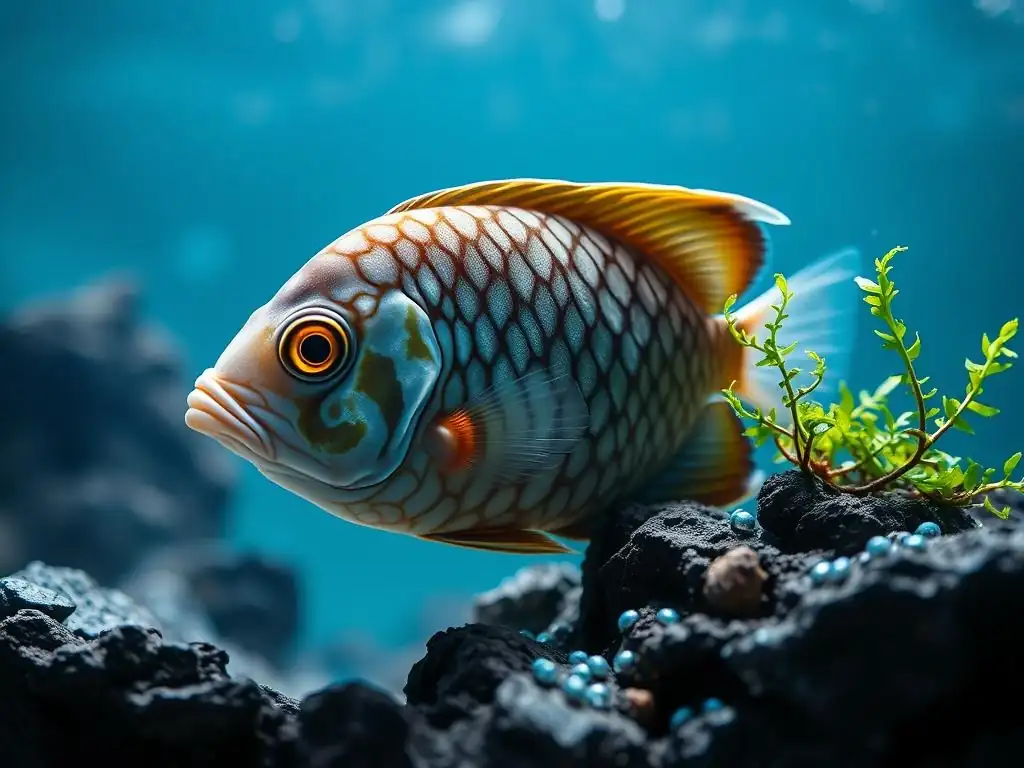
The size of the aquarium is a fundamental factor in mitigating "Tangs aggression." Tangs are active swimmers that require ample space to thrive and establish individual territories. A common guideline suggests a minimum of 100-120 gallons for smaller species like the Yellow Tang and significantly larger tanks, often 180-250 gallons or more, for bigger, more aggressive species such as the Sohal Tang or Achilles Tang.
Insufficient space directly contributes to constant conflict. In a confined environment, Tangs cannot establish distinct territories or escape persistent harassment, leading to chronic stress and perpetual territorial disputes. This heightened stress exacerbates any pre-existing aggressive tendencies, making a Tang more likely to lash out at tank mates, regardless of feeding frequency.
Incorporating Rockwork and Hiding Places for Shelter
The aquascape plays a crucial role in reducing "Tangs aggression" by providing essential visual barriers and hiding spots. Live rock structures with numerous caves, overhangs, and swim-throughs allow subordinate fish to retreat from aggressive pursuits and enable dominant fish to establish perceived territories without constant direct confrontation.
A well-designed aquascape with multiple line-of-sight breaks can significantly reduce aggressive encounters, potentially by 30-50%, in a multi-Tang or mixed-species community tank. Each Tang should ideally have at least one personal hiding spot where it can retreat and feel secure, thereby reducing stress and the need to constantly defend its space.
Maintaining Optimal Water Quality for Stable Behavior
Pristine and stable water parameters are critical for the overall health and behavioral stability of Tangs. Poor water quality, characterized by elevated nitrates, fluctuating pH, or unstable salinity, acts as a significant stressor on fish. Stressed Tangs are often more irritable, more susceptible to disease, and consequently, more prone to aggressive behavior.
Maintaining stable salinity around 1.025 ppt, a temperature range of 76-82°F (24-28°C), and undetectable levels of ammonia and nitrite, with nitrates kept below 20 ppm, is paramount. Regular water changes, typically 10-20% bi-weekly, coupled with robust filtration and adequate water flow, ensure a healthy and low-stress environment. A healthy Tang is a calm Tang, and optimal water quality is a foundational "feeding schedule solution" that supports peaceful coexistence.
Real-World Examples: Successful Feeding Strategies for Tangs
Case Study: Reducing Aggression in a Yellow Tang (Zebrasoma flavescens) by Increasing Feeding Frequency
In a 75-gallon reef tank housing a mature Yellow Tang and a pair of Ocellaris Clownfish, the Tang exhibited persistent nipping and chasing behavior towards the clowns, particularly in the mornings before the single daily feeding. The owner was feeding a moderate amount of flake food once a day. The "Tangs aggression" was a significant concern.
The solution implemented was to transition to a "feeding schedule solution" involving four small feedings per day. This included small pinches of spirulina flakes three times a day and a small sheet of dried green nori clipped to the tank glass once daily. Within two weeks, the nipping behavior decreased by an estimated 70%, and the Yellow Tang's overall demeanor shifted from agitated patrolling to calmer, more consistent grazing, demonstrating a clear link between increased feeding frequency and reduced aggression.
Case Study: Managing Aggression in a Mixed-Species Tang Community Through Varied Food Sources
A 250-gallon display tank housed a diverse Tang community: a Powder Blue Tang ( Acanthurus leucosternon), a Scopas Tang ( Zebrasoma scopas), and a Kole Tang ( Ctenochaetus strigosus). Despite adequate space, territorial disputes and chasing were frequent, especially during feeding times. The primary diet consisted of frozen mysis shrimp and a generic flake food.
To address the "Tangs aggression," a comprehensive "feeding schedule solution" was enacted focusing on dietary variety and frequency. This involved introducing daily nori sheets (alternating green and red), spirulina pellets dispensed by an auto-feeder four times a day, and an occasional high-quality frozen herbivore mix. Over a period of one month, aggressive interactions between the Tangs significantly reduced, with roughly 80% fewer chase incidents reported, as all fish were consistently satiated and had diverse food sources to occupy their foraging instincts.
Long-Term Strategies for Preventing Aggression in Tangs

Continuously Monitoring Tang Behavior and Adapting Feeding Regimes
Aquarium dynamics are not static; fish grow, new inhabitants may be introduced, and existing social hierarchies can shift. Therefore, continuous observation of Tang behavior is essential for long-term aggression prevention. This includes monitoring feeding habits, fin condition, coloration, and interactions with tank mates to identify subtle signs of stress or escalating "Tangs aggression" early.
As Tangs mature or their environment changes, their nutritional needs and territorial requirements may also evolve. Aquarists must be prepared to adapt their "feeding schedule solutions" accordingly. For instance, a rapidly growing Achilles Tang will require more constant access to food to maintain its high metabolism and prevent hunger-induced irritability. Adjusting feeding frequency, quantity, or even the types of food offered based on observed behavior ensures ongoing success.
Quarantining New Arrivals to Observe Feeding Habits and Minimize Initial Conflicts
The importance of a dedicated quarantine tank (QT) cannot be overstated for preventing "Tangs aggression" and ensuring the long-term health of the aquarium. A QT allows new Tangs to de-stress from shipping, acclimate to captive diets, and recover from any potential ailments without the added pressure of competition from established tank inhabitants.
During the quarantine period, aquarists can meticulously observe the new Tang's feeding habits, ensuring it readily accepts prepared foods and is well-nourished before introduction to the main display. A healthy, well-fed Tang is significantly less stressed and therefore less likely to exhibit aggressive behavior upon entering the established community. This practice can reduce initial aggressive encounters by an estimated 60-70%, paving the way for a more peaceful integration.
Selecting Appropriate Foods and Equipment
Evaluating Popular Algae Sheets and Prepared Foods for Tangs
When selecting foods for Tangs, prioritizing high-quality algae sheets and prepared herbivore formulas is crucial. Popular brands of dried seaweed (nori) include Two Little Fishies Sea Veggies, Julian Sprung's Sea Veggies, and Ocean Nutrition Seaweed Selects. These come in various colors (green, red, brown), each offering slightly different nutritional profiles, making variety beneficial. For prepared foods, look for spirulina-rich flakes and pellets from reputable brands like Ocean Nutrition Formula Two, Hikari Marine S, or New Life Spectrum Thera-A.
When evaluating, consider the ingredient list: algae should be the primary component. Dry foods are excellent for frequent small feedings and auto feeders due to their stability, while frozen foods, such as spirulina-enriched brine shrimp or mysis shrimp, offer higher moisture content and often more natural ingredients, serving as valuable supplements. A balanced approach combining both types ensures comprehensive nutrition.
Choosing Suitable Auto Feeders and Feeding Clips
For effective "feeding schedule solutions" aimed at reducing "Tangs aggression," selecting the right equipment is vital. Auto feeders should be programmable for multiple daily feedings, offer adjustable portion sizes, and ideally have a moisture-resistant design to prevent food clumping. Reputable models like the Eheim Everyday Feeder or the Fish Mate F14 are popular choices among aquarists for their reliability and ease of programming.
Feeding clips are indispensable for offering nori sheets. Opt for clips with strong suction cups or magnetic attachments to securely hold the seaweed against the tank glass. Placing multiple feeding clips in different locations around the tank can also help reduce competition among Tangs, allowing several fish to graze simultaneously without direct conflict.
Conclusion: A Holistic Approach to Tang Care – Feeding, Environment, and Observation
Mitigating "Tangs aggression" is a multifaceted challenge that extends beyond simply providing food. While optimized feeding strategies, characterized by frequent, small, and algae-rich meals, are undeniably paramount for ensuring satiety and reducing hunger-driven conflicts, they represent only one pillar of comprehensive Tang care. An equally vital component is the provision of a suitable, spacious, and thoughtfully aquascaped environment that offers ample hiding places and visual barriers, thereby minimizing territorial disputes and stress.
Ultimately, a truly effective "feeding schedule solution" for Tangs aggression is a holistic one. It combines precise nutritional management with an appropriately sized and structured habitat, all underpinned by continuous observation of fish behavior. By understanding the natural instincts of Tangs and proactively addressing their needs for constant grazing, ample space, and a stable environment, aquarists can foster a peaceful and vibrant reef community where these magnificent fish can thrive without undue stress or aggression.
Frequently Asked Questions
How does underfeeding contribute to aggression in Tangs?
Underfeeding can lead to nutrient deficiencies and increased competition for limited resources, making Tangs more aggressive as they fight for survival. This is because they are naturally grazers and need constant access to food.
What is the recommended feeding schedule for Tangs to minimize aggression?
A consistent and frequent feeding schedule is crucial. Aim for multiple small feedings throughout the day, mimicking their natural grazing behavior, rather than one or two large meals.
What types of food should be included in a Tang's diet to reduce aggressive tendencies?
A varied diet rich in algae-based foods, such as nori and spirulina, is essential. Supplement with other greens and high-quality marine pellets to ensure they receive all necessary nutrients.
How can I identify if my Tang is exhibiting aggression due to hunger?
Look for signs of bullying other fish, nipping at corals, or constantly searching for food even after being fed. These behaviors often indicate underfeeding or insufficient food availability.
Besides feeding, what other factors can influence Tang aggression?
Tank size, water quality, and the presence of incompatible tank mates also play a significant role. Providing ample swimming space and maintaining pristine water conditions are crucial for reducing stress and aggression.
Final Reflection: Cultivating Harmony in the Reef
The insights shared in this article regarding the connection between aggression and hunger in Tangs are not merely academic; they are vital for the well-being of these magnificent creatures in our care. Understanding and addressing the nutritional needs of Tangs directly translates to a more peaceful and thriving reef aquarium, moving beyond simply keeping them alive to fostering an environment where they can truly flourish.
The subtle shifts in behavior we observe in our Tangs, often dismissed as mere personality quirks, are frequently signals of underlying nutritional deficiencies. Recognizing and responding to these signals is not just responsible fishkeeping; it's an act of empathy and a commitment to providing the best possible life for these animals. As the saying goes: The greatness of a nation and its moral progress can be judged by the way its animals are treated.
This sentiment extends to our aquariums, where our actions directly impact the lives of the creatures within.
Now, consider how you can apply these principles to your own reef aquarium. Are you providing a consistent and varied diet for your Tangs? Are you observing their behavior closely for signs of hunger-related aggression? Let this knowledge empower you to create a more harmonious and enriching environment for your Tangs, contributing to their health, happiness, and the overall beauty of your underwater world.
Nourish Peace: Transform Your Tangs' Behavior Now!
Thank you for exploring the fascinating link between aggression and hunger in Tangs. We hope you found valuable insights into keeping your aquatic friends happy and peaceful. Ready to take action and create a more harmonious aquarium?
Here's what you can do next:
- Implement a consistent, high-quality feeding schedule tailored to your Tangs' needs. This is the most direct way to reduce hunger-related aggression.
- Research and introduce a new type of algae or seaweed to their diet for added variety and nutritional balance – a surprising treat can go a long way!
- Share this article with other aquarium enthusiasts who might be struggling with similar challenges. Help build a community of informed and responsible fish keepers.
What specific feeding adjustment will you make this week to improve your Tangs' well-being?