
Seasonal Diet Variations: Do Tangs Need Different Foods Throughout the Year?

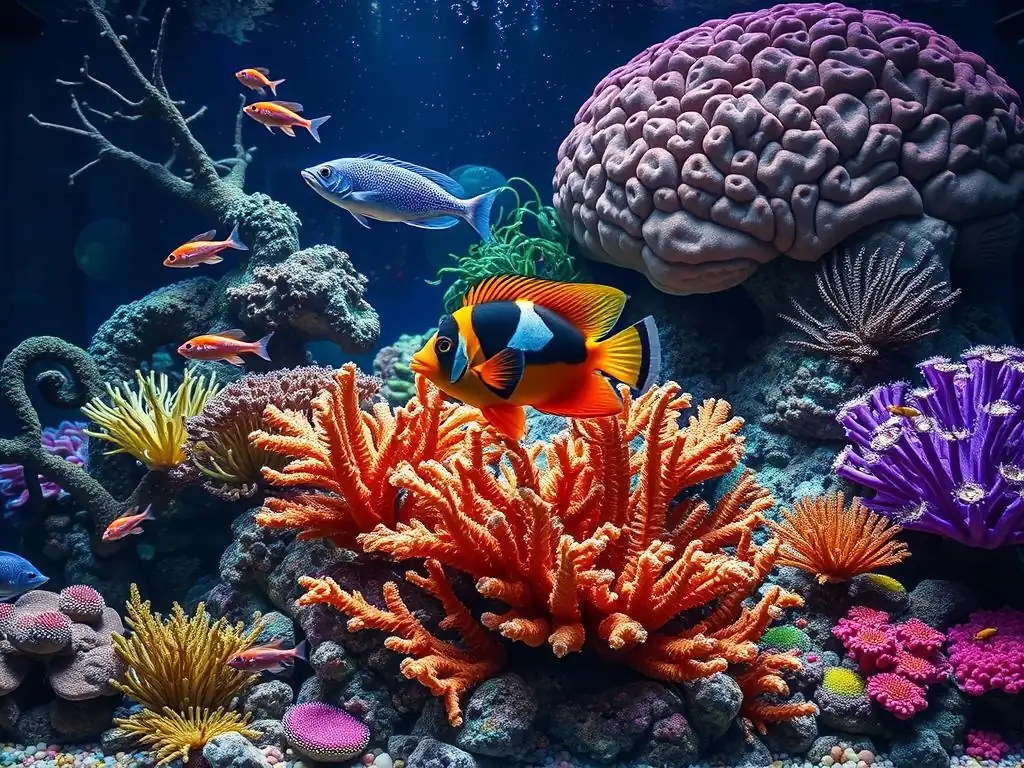
Welcome to Aquarium Mastery!
Ever wondered if your saltwater fish are craving something different depending on the time of year? Dive in and uncover the secrets of a Saltwater fish seasonal diet. Explore whether changing your feeding habits can unlock healthier, happier Tangs (and more!) in our comprehensive guide. Let's unravel the mysteries of what your finned friends need to thrive, season after season.
- Understanding the Dietary Needs of Tangs in Saltwater Aquariums
- Exploring Seasonal Diet Shifts in the Wild: Implications for Aquarium Care
- Saltwater Fish Seasonal Diet in Captivity: Replicating Natural Feeding Patterns
- Identifying Key Nutrients for Tangs Throughout the Year
- Implementing a Seasonal Feeding Schedule for Your Tangs
- Choosing the Right Foods for Your Tang's Seasonal Diet
- Monitoring Your Tang's Health and Adjusting the Diet Accordingly
- Preventing Common Problems Related to Incorrect Seasonal Feeding
- Conclusion: Optimizing Your Tang's Diet for Year-Round Health in Your Saltwater Aquarium
-
Frequently Asked Questions
- How does the time of year affect the nutritional needs of Tangs in a saltwater aquarium?
- What types of food should be included in a Tang's diet to mimic seasonal changes?
- Why is a varied diet, reflecting seasonal changes, important for Tangs in a saltwater aquarium?
- How often should I adjust the food I give my Tangs to reflect seasonal dietary changes?
- Where can I find more information about specific seasonal dietary needs for different Tang species?
- Final Reflection: Embracing the Rhythms of the Reef
- Unleash Your Tang's Full Potential!
Understanding the Dietary Needs of Tangs in Saltwater Aquariums
The Importance of a Varied Diet for Tang Health
A varied diet is absolutely critical for the long-term health and vitality of tangs in saltwater aquariums. Unlike some fish that can thrive on a single type of food, tangs, being active grazers, require a broad spectrum of nutrients to support their high metabolism and maintain their vibrant coloration. A monotonous diet can quickly lead to nutritional deficiencies, manifesting as faded colors, stunted growth, or even serious health issues like Head and Lateral Line Erosion (HLLE).
Moreover, a diverse feeding regimen strengthens their immune system, making them more resilient against common aquarium ailments such as marine Ich (Cryptocaryon irritans) and bacterial infections. For instance, a tang consistently fed only one type of dried algae might lack essential amino acids or specific vitamins, leading to a compromised immune response compared to one receiving a blend of various algae, spirulina, and occasional enriched frozen foods. This comprehensive approach is fundamental to ensuring your tangs not only survive but truly thrive.
Tangs & Surgeonfish: A Focus on Herbivorous Needs
Tangs and surgeonfish are predominantly herbivorous, with their natural diet consisting primarily of various types of marine algae. Their digestive systems are specifically adapted for processing plant matter, featuring a long intestinal tract that allows for efficient nutrient absorption from fibrous greens. In their natural reef habitats, they spend a significant portion of their day actively grazing on microalgae and macroalgae, which provides a continuous intake of essential fiber, vitamins, and minerals.
This constant grazing behavior is vital for their gut health and overall well-being. Without sufficient plant matter, tangs can suffer from digestive issues, including bloat and nutrient malabsorption. For example, a Yellow Tang (Zebrasoma flavescens) typically spends over 60% of its active time grazing on filamentous algae and diatoms on the reef. Replicating this high-fiber, plant-based diet in captivity is paramount, making algae the cornerstone of any effective saltwater fish seasonal diet for these species.
Exploring Seasonal Diet Shifts in the Wild: Implications for Aquarium Care
Natural Algae Availability and Seasonal Changes in Tang Habitats
While tropical reef environments are generally more stable than temperate zones, subtle seasonal changes in light intensity, water temperature, and nutrient runoff can influence the availability and types of algae present. For instance, increased rainfall during certain seasons might lead to higher nutrient loads in coastal waters, potentially fostering blooms of specific phytoplankton or macroalgae species. Conversely, periods of intense sunlight might favor the growth of other algal forms.
These environmental shifts mean that the precise composition of algae available for grazing can vary throughout the year. For example, some regions might see a proliferation of green filamentous algae during one season, while brown diatoms or red macroalgae become more dominant in another. Wild tangs adapt their foraging to these natural cycles, consuming what is most abundant and nutritious at any given time, showcasing a natural saltwater fish seasonal diet driven by availability.
How Wild Tangs Adapt Their Feeding Habits Throughout the Year
Wild tangs are opportunistic feeders within their herbivorous classification, meaning they adapt their feeding habits based on the prevailing food sources. When their preferred algae are abundant, they will graze extensively on them. However, when specific algal types are less available, they may broaden their diet to include other forms of plant matter, detritus, or even small, sessile invertebrates that might be inadvertently consumed while grazing.
This adaptability is a survival mechanism, ensuring they receive adequate nutrition even when their primary food sources fluctuate. For example, a Naso Tang (Naso lituratus) might primarily consume brown algae like Sargassum and Dictyota during one part of the year, but shift to red algae or even zooplankton if those become more prevalent. This natural flexibility highlights that while their core diet is algae, a degree of variation and opportunistic feeding is inherent to their biology, a principle that can inform a captive saltwater fish seasonal diet.
Saltwater Fish Seasonal Diet in Captivity: Replicating Natural Feeding Patterns
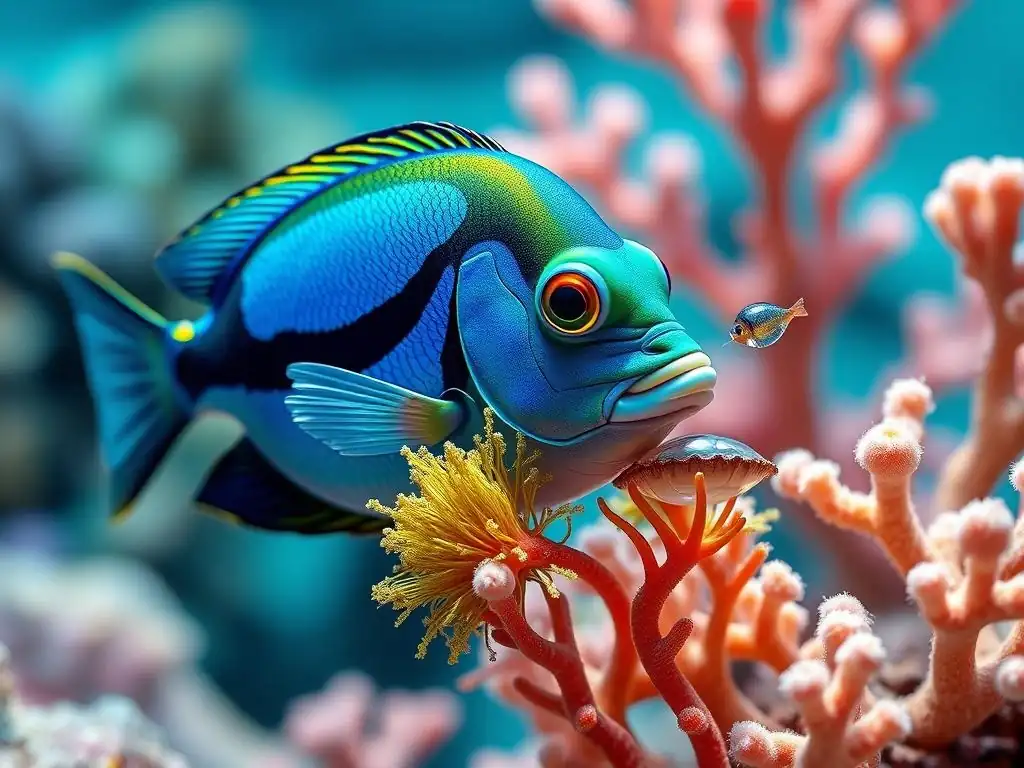
Replicating Seasonal Food Availability in Your Tang's Diet
In the controlled environment of a saltwater aquarium, true "seasonal" shifts in food availability are largely absent, as lighting and temperature are typically kept stable. Therefore, replicating a natural saltwater fish seasonal diet involves strategically varying the types and forms of food offered, rather than simulating scarcity. This means rotating different species of dried algae, introducing various live macroalgae, and occasionally supplementing with enriched frozen foods.
The goal is to provide the broad spectrum of nutrients that tangs would naturally encounter over time in their dynamic wild habitats. For instance, instead of offering only one brand of dried nori, alternate between different types like green, red, or purple seaweed. Incorporate live macroalgae like Chaetomorpha or Gracilaria into a refugium or display tank for continuous grazing, mimicking the constant availability of diverse plant matter in the wild.
The Role of Algae in a Tang's Seasonal Diet
Algae remains the absolute cornerstone of a tang's diet, regardless of any "seasonal" adjustments. It provides essential fiber, vitamins, and minerals crucial for their digestive health and overall vitality. In captivity, this means consistently offering high-quality dried marine algae sheets (such as Nori or spirulina-enriched varieties) multiple times a day. For example, a single medium-sized Yellow Tang might consume a 2x2 inch piece of Nori daily.
Beyond dried forms, integrating live macroalgae directly into the display tank or a connected refugium allows for natural, continuous grazing, which is paramount for these active herbivores. Species like Gracilaria or Ulva can serve as excellent, nutritious grazing material. By offering a diverse array of algal sources, you ensure your tangs receive a comprehensive range of nutrients, effectively implementing a robust saltwater fish seasonal diet focused on their primary food source.
Identifying Key Nutrients for Tangs Throughout the Year
Spring & Summer: Emphasizing Algae Growth and Greens
During what would be considered "spring" and "summer" in a natural environment (or simply periods of robust growth in a stable aquarium), the emphasis for a tang's saltwater fish seasonal diet should be heavily placed on fresh and dried greens. This is the time to maximize the offering of high-quality dried marine algae, such as spirulina flakes and various types of Nori (seaweed). These provide a rich source of plant-based proteins, fiber, and a wide array of vitamins, including Vitamin C and Beta-carotene, crucial for vibrant coloration and immune function.
For example, a typical feeding schedule during this period might involve offering a fresh sheet of Nori attached to a clip daily, supplemented with spirulina-rich flakes or pellets 3-4 times a week. Additionally, ensuring a healthy growth of live macroalgae within the tank or a refugium provides a constant, natural grazing source. This focus supports the tangs' naturally high metabolic rate and active grazing habits, promoting optimal growth and robust health.
Autumn & Winter: Supplementing with Protein and Vitamins
As the "seasons" shift towards "autumn" and "winter," or perhaps in preparation for spawning activities (which can occur year-round in captivity depending on conditions), a slight adjustment to the saltwater fish seasonal diet can be beneficial. While algae remains the primary food, a subtle increase in supplementary marine-based proteins and a focus on vitamin enrichment can be considered. This doesn't mean a high-protein diet, but rather incorporating high-quality marine pellets or frozen foods enriched with essential nutrients.
For instance, offering a small amount of spirulina-enriched Mysis shrimp or a high-quality marine pellet with a crude protein content of around 35-40% 2-3 times a week can provide beneficial amino acids. Crucially, increasing the frequency of vitamin supplementation, especially with Vitamin C and Vitamin A (or its precursor, beta-carotene), is highly recommended. These vitamins are vital for immune support, tissue repair, and preventing common deficiencies like HLLE, which can be exacerbated by stress or slight nutritional imbalances, making them key components of a well-rounded saltwater fish seasonal diet.
Implementing a Seasonal Feeding Schedule for Your Tangs
Creating a Balanced Diet Plan for Spring & Summer
To create a balanced saltwater fish seasonal diet plan for the "spring and summer" equivalent in your aquarium, focus on consistent, frequent offerings of primary herbivorous foods. A practical schedule might involve providing a fresh sheet of marine-grade Nori (e.g., 2x3 inches for a medium-sized tang) attached to an algae clip daily, ensuring it's consumed within a few hours. Supplement this with high-quality spirulina flakes or small, sinking pellets designed for marine herbivores, offered 3-4 times per week.
Additionally, ensure a constant supply of live macroalgae, such as Chaetomorpha or Gracilaria, within the tank or a connected refugium, allowing for continuous grazing. This mimicry of natural, constant foraging is crucial for a tang's digestive health. Feeding 2-3 small meals throughout the day, rather than one large meal, also helps to maintain stable water parameters and mimics their natural grazing patterns more closely.
Adjusting the Diet for Autumn & Winter Months: Addressing Spawning Needs
For the "autumn and winter" phase of your saltwater fish seasonal diet, subtle modifications can be made to support overall health and potentially address spawning readiness. Continue offering marine-grade Nori daily, but perhaps reduce the spirulina flakes to 2-3 times per week. Introduce a high-quality marine pellet or a small amount of enriched frozen food (e.g., spirulina-enriched Mysis shrimp or brine shrimp) 3-4 times per week. These supplemental foods can offer a slightly broader amino acid profile and additional fats.
Crucially, increase the frequency of liquid vitamin supplementation during this period. For example, instead of adding vitamin drops to food once a week, consider doing so twice a week. This ensures a consistent intake of vital nutrients like Vitamin C, essential for immune function, and Vitamin A, important for overall tissue health. While tangs may spawn year-round in captivity, providing slightly more nutrient-dense options can support the energy demands of such activities, even if not directly observed.
Choosing the Right Foods for Your Tang's Seasonal Diet
Selecting High-Quality Algae Sheets and Flakes
When building a robust saltwater fish seasonal diet for your tangs, the selection of high-quality algae sheets and flakes is paramount. Opt for marine-specific Nori (dried seaweed) that is unseasoned and free of oils, as human-grade sushi Nori often contains additives harmful to fish. Brands like Ocean Nutrition Seaweed Select or Two Little Fishies Sea Veggies are excellent choices, often listing specific beneficial algae species such as Porphyra or Ulva.
For flakes, look for spirulina-rich formulas that list spirulina or chlorella as primary ingredients, ensuring a high concentration of plant-based protein and essential vitamins. For instance, a flake food with a minimum of 40% crude protein derived from spirulina is ideal. Varying the type of algae offered—from green Nori to red or purple varieties—provides a broader spectrum of micronutrients that contribute to a comprehensive saltwater fish seasonal diet.
Incorporating Frozen Foods and Supplements: Vitamin Supplement Recommendations
While algae forms the bulk of a tang's saltwater fish seasonal diet, incorporating high-quality frozen foods and supplements can provide crucial additional nutrients. Frozen Mysis shrimp, enriched brine shrimp, or specialized marine herbivore formulas are excellent choices for occasional treats, offering beneficial proteins and fatty acids. Ensure these frozen foods are fortified with vitamins, as plain brine shrimp, for example, are nutritionally deficient on their own.
For vitamin supplementation, liquid preparations like Selcon or Vita-Chem are highly recommended. These can be soaked into dried or frozen foods before feeding. Vitamin C is particularly vital for tangs, playing a key role in immune function and the prevention of Head and Lateral Line Erosion (HLLE). For example, adding 1-2 drops of a liquid vitamin supplement to a day's worth of food a few times a week can significantly boost their nutritional intake and support a robust saltwater fish seasonal diet.
Monitoring Your Tang's Health and Adjusting the Diet Accordingly
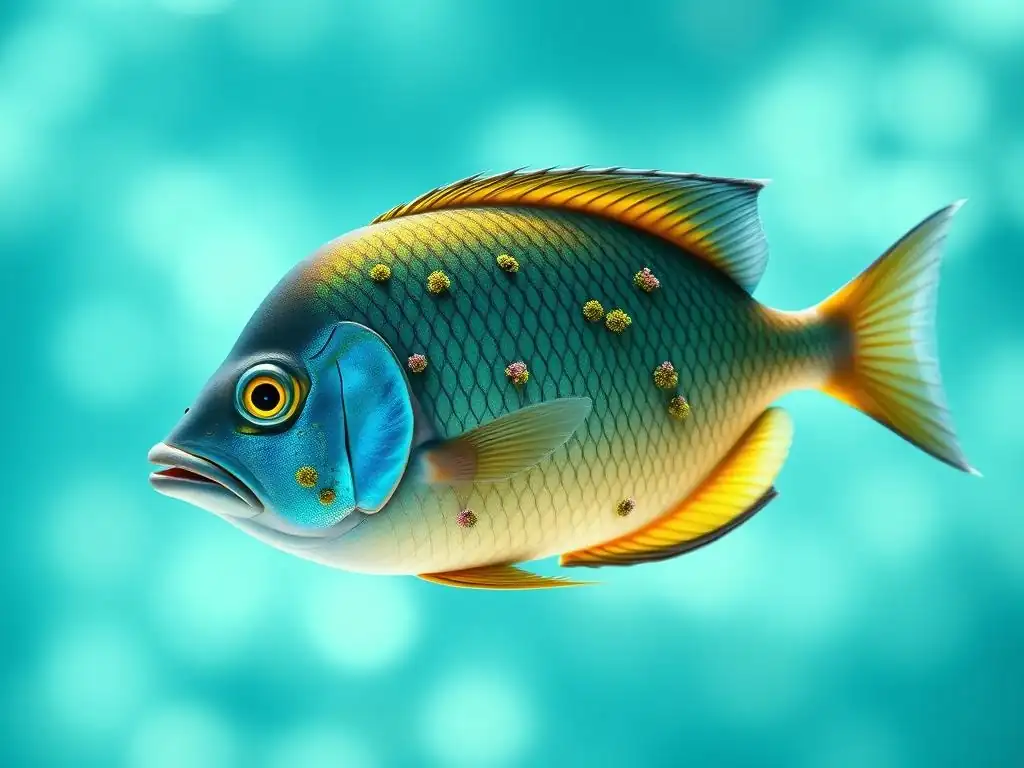
Observing Feeding Behavior and Physical Condition
Continuous observation of your tang's feeding behavior and overall physical condition is crucial for determining the effectiveness of your saltwater fish seasonal diet. Healthy tangs should exhibit vigorous grazing, eagerly consuming the algae and other foods offered. Watch for any signs of lethargy, refusal to eat, or unusual changes in appetite. A healthy tang should have vibrant coloration, clear eyes, and a full, but not bloated, belly.
Pay close attention to their waste; stringy, white feces can sometimes indicate internal parasites or a digestive upset, potentially related to diet. For instance, a Powder Blue Tang (Acanthurus leucosternon) maintaining its striking blue and yellow hues, coupled with active swimming and constant grazing, indicates excellent health and a successful dietary regimen. Any deviation from these norms warrants a review of the feeding plan and water parameters.
Addressing Potential Dietary Deficiencies: Recognizing Head and Lateral Line Erosion (HLLE)
Head and Lateral Line Erosion (HLLE) is a common and distressing condition in tangs, often linked to nutritional deficiencies, particularly a lack of Vitamin C, Vitamin A, and certain amino acids, alongside poor water quality. HLLE manifests as pitting and erosion along the lateral line and around the head, sometimes appearing as small holes or lesions. Recognizing these signs early is critical for effective intervention.
If HLLE is observed, an immediate and thorough review of the saltwater fish seasonal diet is necessary. Increase the frequency and dosage of high-quality vitamin supplements (especially Vitamin C), ensure a consistent supply of varied marine algae, and consider adding a high-quality, spirulina-enriched pellet. For example, increasing Vitamin C supplementation to 50-100 mg per kg of food daily has shown positive results in mitigating HLLE. Simultaneously, confirm optimal water parameters, as excellent water quality is synergistic with a nutritious diet in preventing and treating this condition.
Avoiding Algae Overgrowth and Nutrient Imbalances
While providing ample algae for your tangs is essential, incorrect feeding practices can inadvertently lead to nuisance algae overgrowth and nutrient imbalances in your saltwater aquarium. Overfeeding prepared foods like flakes or pellets, even if they are high-quality, can introduce excess nitrates and phosphates into the water column. These nutrients act as fertilizer for unwanted algae, such as hair algae or diatoms, leading to an unsightly tank and potential water quality issues.
To prevent this, always feed only what your tangs can consume within a few minutes, and remove any uneaten Nori or other foods after an hour or two. For instance, if you provide a 3x3 inch piece of Nori, ensure it is completely consumed. If not, reduce the size for subsequent feedings. Balancing the input of food with the tank's biological filtration capacity is key to maintaining pristine water quality while still providing a robust saltwater fish seasonal diet for your tangs.
Minimizing the Risk of Nutritional Deficiencies and Disease
The most effective way to minimize the risk of nutritional deficiencies and subsequent disease in tangs is to consistently provide a comprehensive and varied saltwater fish seasonal diet. A diet lacking in essential vitamins, minerals, or fiber weakens the tang's immune system, making them highly susceptible to common marine ailments like marine Ich (Cryptocaryon irritans), bacterial infections, and Head and Lateral Line Erosion (HLLE).
For example, a tang consistently fed only dry flakes might develop HLLE due to a lack of Vitamin C, whereas one receiving a diverse diet of Nori, spirulina flakes, and vitamin-enriched frozen foods will likely exhibit robust health and a strong immune response. A well-nourished tang has significantly better chances of fighting off pathogens and recovering from stress. Investing in high-quality, varied foods and adhering to a thoughtful feeding schedule is the best preventative measure against a myriad of health issues, ensuring the long-term well-being of your valuable tangs.
Conclusion: Optimizing Your Tang's Diet for Year-Round Health in Your Saltwater Aquarium
Providing a Consistent and Varied Diet for Thriving Tangs
Optimizing your tang's diet for year-round health in your saltwater aquarium ultimately hinges on providing a consistent and varied feeding regimen, rather than dramatic seasonal shifts. While wild tangs adapt to subtle changes in natural food availability, in a stable captive environment, the focus should be on offering a broad spectrum of high-quality nutrients daily. This means making premium marine algae (Nori, spirulina flakes) the cornerstone of their diet, supplemented judiciously with vitamin-enriched frozen foods and occasional high-quality pellets.
By consistently offering a diverse array of foods, you mimic the nutritional breadth tangs would naturally encounter over time in their dynamic reef habitats. This holistic approach ensures they receive all the necessary vitamins, minerals, and fiber crucial for their long-term health, vibrant coloration, strong immune system, and natural behavior. A well-fed tang is a thriving tang, contributing beauty and vitality to your saltwater aquarium for years to come.
Frequently Asked Questions
How does the time of year affect the nutritional needs of Tangs in a saltwater aquarium?
The time of year, or seasonal changes, can influence the availability of certain food sources in a natural reef environment. This means Tangs may benefit from a diet that mimics these seasonal variations in your aquarium.
What types of food should be included in a Tang's diet to mimic seasonal changes?
During periods of higher algae growth, offer more algae-based foods like nori or spirulina. In leaner months, supplement with protein-rich foods like mysis shrimp to ensure they get enough nutrients.
Why is a varied diet, reflecting seasonal changes, important for Tangs in a saltwater aquarium?
A varied diet ensures Tangs receive a balanced intake of nutrients, preventing deficiencies and promoting overall health. Mimicking seasonal changes can also support optimal coloration and breeding behavior.
How often should I adjust the food I give my Tangs to reflect seasonal dietary changes?
Adjustments should be made gradually, ideally quarterly or seasonally. Observe your Tangs' health and behavior to fine-tune their diet accordingly, focusing on algae availability.
Where can I find more information about specific seasonal dietary needs for different Tang species?
AquariumMastery.com provides detailed species profiles with specific dietary recommendations. These profiles often include information on seasonal variations and ideal food sources for each species.
Final Reflection: Embracing the Rhythms of the Reef
The exploration of seasonal diet variations in Tangs, as we've seen, isn't just about optimizing aquarium care; it's a reminder that even within the controlled environment of our tanks, we must acknowledge and respect the inherent connection between life and the changing seasons. Understanding these natural rhythms allows us to provide a more holistic and enriching existence for these vibrant creatures, mirroring the dynamic ecosystems from which they originate.
This deeper understanding of saltwater fish seasonal diet has profoundly influenced how we perceive our role as aquarists. It's shifted the focus from simply providing sustenance to actively mimicking the natural ebb and flow of nutrients available in the wild. This commitment to replicating nature's patterns not only benefits the Tangs in our care but also fosters a greater appreciation for the delicate balance of the marine environment. In nature, nothing is perfect and everything is perfect. Trees can be contorted, bent in weird ways, and they're still beautiful.
- Alice Walker. This quote reminds us that the "imperfections" of seasonal variation are precisely what make the reef ecosystem so resilient and beautiful.
As we conclude this journey into the dietary needs of Tangs, I encourage you to reflect on the broader implications of seasonal awareness. Consider how you can incorporate this understanding into your own practices, not just in aquarium keeping, but in all aspects of your life. Embrace the changing seasons, observe the subtle shifts in your environment, and strive to live in harmony with the natural world. By doing so, you'll not only become a more responsible aquarist but also a more attuned and appreciative inhabitant of this planet.
Unleash Your Tang's Full Potential!
Thanks for diving into the world of Tang nutrition! We hope you’ve gained valuable insights to keep your reef vibrant and your Tangs thriving. Now, let's put that knowledge into action.
Here's how you can take the next step:
- Implement seasonal diet adjustments for your Tangs, focusing on increased algae supplementation during colder months and varied greens in warmer seasons.
- Explore supplementing their diet with less common options like nori or spirulina flakes, based on your Tang's specific species and needs.
- Share this article with fellow reef keepers and discuss your strategies for seasonal feeding success.
What unique food combinations have you discovered that your Tangs absolutely love?