
The Secret Life of Moray Eels: Unveiling Their Nocturnal Habits in Your Tank

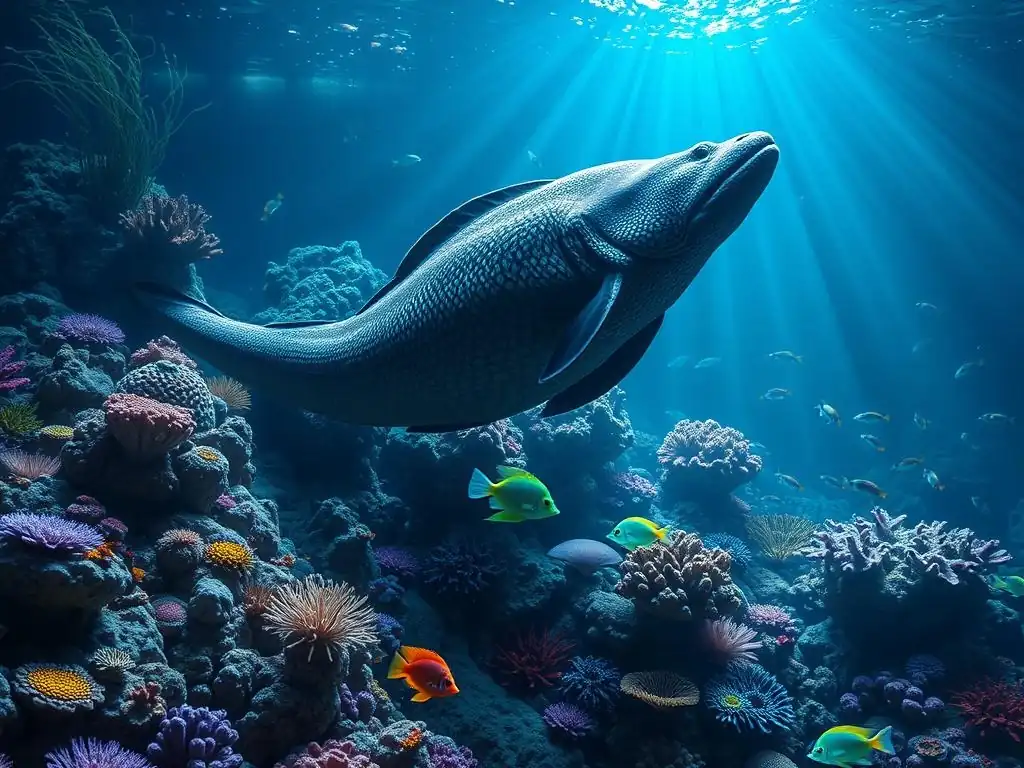
Welcome to Aquarium Mastery!
Ever wondered what your aquarium inhabitants get up to after the lights go out? Dive into the fascinating world of Moray Eels and discover the secrets of their nocturnal behavior. Are you ready to unravel the mysteries of setting up the perfect Moray Eel nocturnal tank? Prepare to be amazed!
- Understanding Moray Eel Behavior: Are Morays Truly Nocturnal?
- Creating a Nocturnal-Friendly Tank Environment for Moray Eels
- Feeding Your Moray Eel at Night: A Guide to Nocturnal Feeding Habits
- Observing Moray Eel Nocturnal Habits in Your Aquarium
- Moray Eel Tank Mates: Compatibility Considerations for a Nocturnal Environment
- Troubleshooting Common Issues in a Moray Eel Nocturnal Tank
- The Allure of Keeping Moray Eels: Embracing Their Nocturnal Nature
-
Frequently Asked Questions
- What makes moray eels interesting additions to an aquarium?
- Are moray eels suitable for beginner aquarists?
- What are the primary considerations for setting up a nocturnal tank for a moray eel?
- How can I ensure my moray eel gets enough food in a community tank setting?
- What are some common health issues to watch out for in moray eels kept in aquariums?
- Final Reflection: Embracing the Shadows of the Reef
- Dive Deeper: Transform Your Tank into a Moray Paradise!
Understanding Moray Eel Behavior: Are Morays Truly Nocturnal?
Debunking Myths About Moray Eel Activity: Day vs. Night
Moray eels are widely perceived as exclusively nocturnal creatures, often depicted as reclusive inhabitants of dark crevices only emerging under the cover of night. While it is true that many moray species, especially in the wild, exhibit peak activity during the twilight hours and after dark, this perception can be somewhat of a myth when applied universally to all morays in a captive environment. Their natural hunting instincts are often geared towards preying on sleeping fish or crustaceans that are less active at night, which reinforces their nocturnal reputation.
However, in a well-established Moray eel nocturnal tank, aquarists often observe periods of daytime activity. This can include an eel extending its head from its den, slowly cruising its territory, or even accepting food during daylight hours. Factors such as hunger, acclimatization to a consistent feeding schedule, or simply curiosity can prompt a moray to venture out. For instance, a snowflake moray ( Echidna nebulosa ) might frequently be seen during the day, especially if it associates the presence of its owner with feeding time, demonstrating a more flexible activity pattern than often assumed.
Factors Influencing Moray Eel Behavior in Captivity
Several key factors significantly influence the behavioral patterns of moray eels within a captive environment, often dictating whether they adhere strictly to nocturnal habits or display more diurnal activity. Tank size and complexity of rockwork play a crucial role; a larger tank with abundant hiding spots might encourage more exploration, while a cramped or barren setup could lead to increased reclusiveness and stress, making the eel less likely to emerge during the day.
Water flow and quality are also critical, as stressed eels due to poor parameters (e.g., high nitrates above 20 ppm) are often lethargic and less active, regardless of the time of day.
Furthermore, the presence and temperament of tank mates can dramatically affect a moray's behavior. Aggressive or overly boisterous fish might intimidate a moray, causing it to remain hidden. Conversely, the absence of perceived threats can lead to increased confidence and more frequent appearances. A consistent feeding schedule, especially if food is offered at specific times, can also train a moray to anticipate meals, leading to more predictable activity patterns. For example, a jewel moray ( Muraena lentiginosa) might learn to associate the approach of its keeper with food, prompting it to emerge from its cave even during bright hours.
Creating a Nocturnal-Friendly Tank Environment for Moray Eels
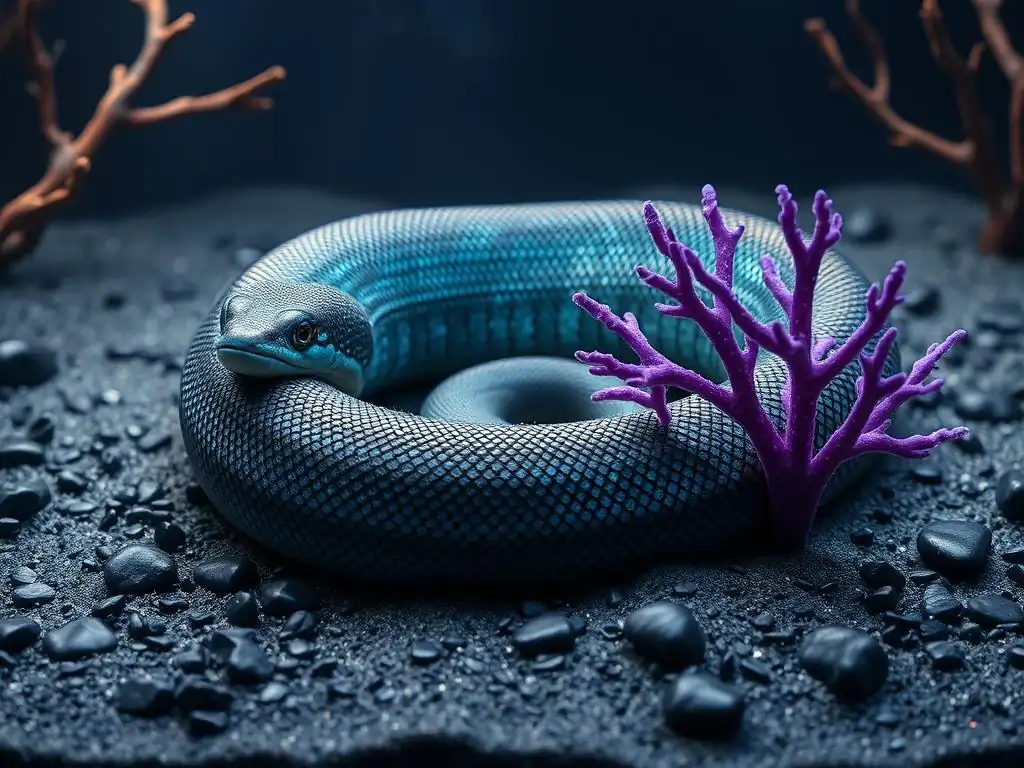
Optimizing Lighting for a Moray Eel Nocturnal Tank
Optimizing lighting is paramount when designing a Moray eel nocturnal tank, as these creatures are highly sensitive to intense illumination. Bright, direct light can cause significant stress, leading to an eel remaining perpetually hidden, refusing food, or exhibiting erratic behavior. Instead, a subdued lighting scheme is ideal. This often involves using lower wattage LED lights or positioning the aquarium in an area that receives ambient, indirect light.
For observing their natural nocturnal habits, incorporating blue or "moonlight" LEDs is highly beneficial. These lights mimic the dim illumination of moonlight, allowing the aquarist to observe the moray's nighttime movements and hunting behaviors without disturbing its natural rhythm. Many aquarists set their tank lights on a timer, often with a gradual dimming feature, to simulate dusk and dawn, which can help the moray acclimate and feel more secure in its environment, encouraging it to become a thriving nocturnal Moray eel.
Providing Secure Hiding Places for Moray Eels During the Day
Providing an abundance of secure and appropriate hiding places is perhaps the single most critical aspect of creating a suitable Moray eel nocturnal tank. Morays are naturally reclusive and require safe havens where they can retreat during daylight hours or when they feel threatened. Without adequate shelter, an eel will experience chronic stress, leading to a compromised immune system and susceptibility to disease.
These hiding spots should consist of sturdy rockwork, PVC pipes, or ceramic caves that are securely stacked and cannot collapse. It's crucial that these structures offer multiple entry and exit points, allowing the moray to navigate freely and escape if it feels trapped.
For a smaller species like a snowflake moray, a cave with an opening of 3-4 inches in diameter and a depth of 12-18 inches might suffice, while larger species like the tessellata moray ( Gymnothorax favagineus) could require tunnels several feet long and wide enough to accommodate their girth, ensuring they have ample space to coil and feel secure.
Maintaining Optimal Water Parameters for Nocturnal Moray Eel Activity
Maintaining pristine and stable water parameters is fundamental for the health and natural nocturnal activity of any moray eel. Morays, like most marine inhabitants, are highly sensitive to fluctuations in water quality, and poor conditions can quickly lead to stress, disease, and a reluctance to exhibit their natural behaviors. The ideal specific gravity for a Moray eel nocturnal tank typically ranges from 1.023 to 1.025, mirroring natural ocean salinity.
Temperature should be kept stable between 75-82°F (24-28°C), with minimal daily fluctuations. Ammonia and nitrite levels must consistently remain at zero, while nitrates should be kept as low as possible, ideally below 20 ppm, through regular water changes (e.g., 10-20% weekly or bi-weekly) and robust filtration. A healthy nitrogen cycle, coupled with adequate protein skimming and mechanical filtration, will ensure that the water remains clear and free of harmful pollutants, allowing the moray to thrive and confidently engage in its nocturnal explorations.
Feeding Your Moray Eel at Night: A Guide to Nocturnal Feeding Habits
Choosing the Right Food for a Nocturnal Moray Eel Diet
Selecting the appropriate diet is crucial for the health and vitality of your moray eel, especially when considering their natural nocturnal feeding habits. In the wild, morays are opportunistic predators, consuming a variety of fish, crustaceans, and cephalopods. To replicate this in a Moray eel nocturnal tank, a diverse diet of high-quality, meaty foods is essential. Excellent options include frozen silversides, krill, squid, scallops, and various types of marine fish flesh.
It is vital to avoid feeding freshwater feeder fish, such as goldfish or rosy reds, as they lack the necessary nutritional profile for saltwater predators and can introduce diseases. Instead, focus on marine-based proteins, often supplemented with a vitamin additive to ensure a complete nutritional intake. For a medium-sized moray, like a golden dwarf moray ( Gymnothorax melatremus), a portion equivalent to about 2-3 silversides or a similar volume of squid, offered 2-3 times per week, is typically adequate, adjusted based on the eel's size and activity level.
Establishing a Consistent Night Feeding Schedule
Establishing a consistent night feeding schedule is highly beneficial for a Moray eel nocturnal tank, as it aligns with their natural predatory instincts and reduces stress associated with daytime feeding. While some morays will adapt to daytime feeding, offering food during dim light or after the main tank lights have been off for an hour or two encourages more natural hunting behaviors. This can also prevent competition with more aggressive, diurnal tank mates.
A regular schedule, perhaps every other day or 2-3 times per week for adult eels, helps condition the moray to anticipate food, making feeding sessions smoother and less stressful for both the eel and the aquarist. For instance, feeding around 9:00 PM or 10:00 PM, after the household has settled down, allows the eel to emerge from its hiding spot with confidence. Using a long feeding stick or tongs is highly recommended to safely deliver food, minimizing direct hand contact and reducing the risk of accidental bites from your nocturnal Moray eel.
Monitoring Your Moray Eel's Feeding Behavior in the Dark
Monitoring your moray eel's feeding behavior in the dark can be a fascinating aspect of keeping a Moray eel nocturnal tank, though it requires some specific techniques. Since the main lights are off, using a low-wattage blue or red light can provide enough illumination to observe without startling the eel. Many aquarists use a dedicated "moonlight" LED strip or even a red-filtered flashlight to gently illuminate the feeding area.
Observe how the moray approaches the food: does it readily strike, or is it hesitant? A healthy moray will typically respond quickly to the scent of food, often emerging from its den and striking with precision. Signs of a healthy appetite include vigorous strikes and complete consumption of the offered portion. Conversely, refusal to eat, spitting out food, or general lethargy during feeding time can indicate stress, illness, or poor water quality, warranting further investigation into the Moray eel nocturnal tank's conditions.
Observing Moray Eel Nocturnal Habits in Your Aquarium
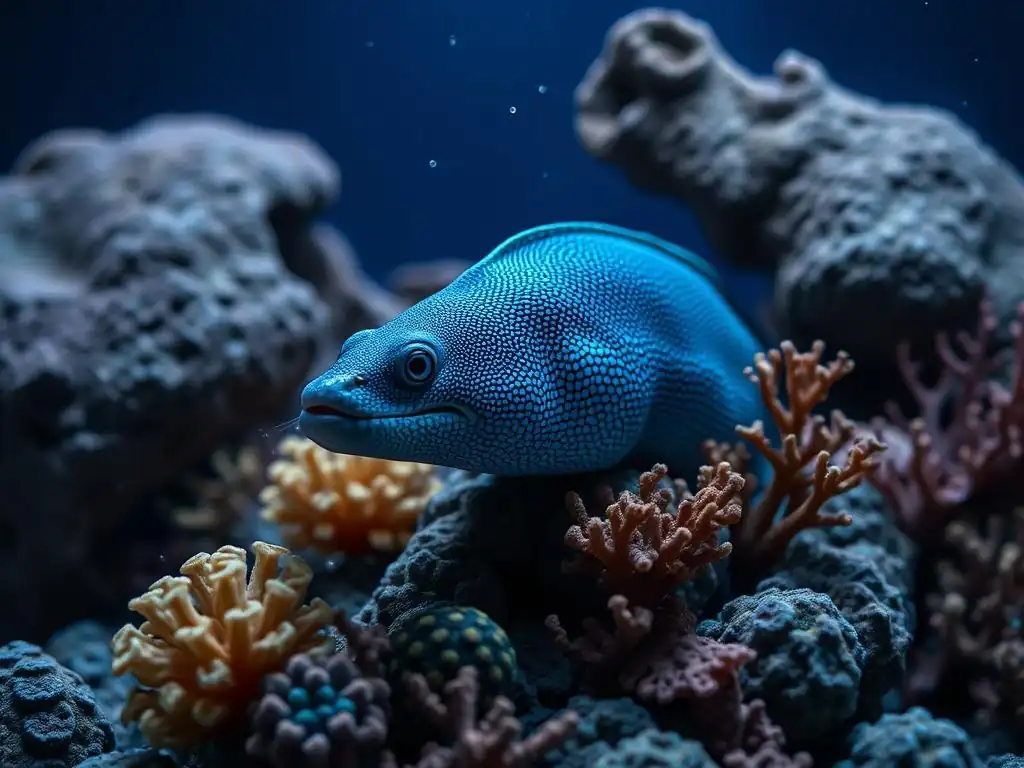
Setting Up a Nighttime Viewing System for Your Moray Eel Tank
Setting up an effective nighttime viewing system is essential for truly appreciating the unique nocturnal habits of your moray eel without disturbing its natural rhythm. Standard aquarium lights are too harsh and will cause the eel to retreat. Instead, consider installing dedicated "moonlight" LED strips that emit a soft blue or white glow, mimicking natural moonlight. These low-intensity lights allow for visibility without stressing the eel, enabling you to observe its often secretive movements.
Alternatively, a dim red LED flashlight can be used for occasional spot-checking. Red light is generally less disruptive to marine life than white or blue light, as many fish cannot perceive the red spectrum as vividly. Position these viewing lights strategically so they illuminate the eel's primary hiding spots and potential exploration pathways, giving you a window into the hidden world of your nocturnal Moray eel.
Identifying Common Nocturnal Behaviors of Moray Eels
Once you've established a suitable viewing system, you'll begin to identify a range of fascinating common nocturnal behaviors in your Moray eel nocturnal tank. The most prominent behavior is often active exploration, where the eel emerges from its den to patrol its territory, investigating rockwork and substrate. This is often accompanied by a distinctive "sniffing" motion, as morays rely heavily on their excellent sense of smell to locate prey and navigate.
You might also observe hunting behaviors, even if no live prey is present. This can include the eel slowly stalking imaginary targets, coiling and striking at shadows, or attempting to squeeze into tight crevices in search of food. Some morays also engage in what appears to be stretching or "yawning," opening their mouths wide to circulate water over their gills. Observing these natural Moray eel nocturnal habits offers a profound insight into their predatory nature and adaptability within the aquarium environment.
Recognizing Signs of Stress or Illness in a Nocturnal Moray Eel
Recognizing signs of stress or illness in a nocturnal moray eel can be challenging, as their reclusive nature often masks early symptoms. However, understanding their typical nocturnal behaviors allows you to spot deviations. A healthy nocturnal Moray eel will typically emerge to explore or feed at night. If an eel remains hidden for extended periods, even when food is offered, or if it shows a sudden loss of appetite, these are significant red flags.
Other warning signs include lethargy, unusual swimming patterns (e.g., erratic darting, constant rubbing against decor), or any visible lesions, spots, or discoloration on the skin. Excessive gaping or rapid breathing can indicate respiratory distress, often linked to poor water quality in the Moray eel nocturnal tank. Any change in the firmness or appearance of its body, such as a shrunken appearance or unusual lumps, warrants immediate investigation and potential quarantine to prevent further health decline.
Moray Eel Tank Mates: Compatibility Considerations for a Nocturnal Environment
Selecting Compatible Fish Species for a Moray Eel Nocturnal Tank
Selecting compatible fish species for a Moray eel nocturnal tank requires careful consideration, as morays are predatory and can view smaller, slower fish as potential meals, especially during their nighttime foraging. The best tank mates are generally robust, fast-moving, and significantly larger than the moray's mouth. Good candidates often include larger tangs (e.g., Yellow Tangs, Blue Tangs), substantial angelfish species (e.g., Emperor Angelfish, Queen Angelfish), and certain triggerfish (with caution, as some triggers can be aggressive towards eels).
It's crucial to ensure that any potential tank mate is too large to be swallowed whole by the specific moray species you are keeping. For example, a snowflake moray, typically reaching 24-30 inches, can consume fish up to 4-5 inches. Therefore, tank mates should ideally be at least 6-8 inches or larger. Additionally, choose species that occupy different parts of the water column, reducing direct competition for space and resources within the Moray eel nocturnal tank.
Avoiding Aggressive Tank Mates That Disrupt Nocturnal Behavior
While selecting tank mates that won't become prey is important, it's equally vital to avoid aggressive fish that could harass or injure your Moray eel, disrupting its natural nocturnal behavior. Certain highly territorial or pugnacious species, such as some larger triggerfish (e.g., Undulated Triggerfish) or large predatory groupers, can nip at or chase a moray, causing significant stress. This stress can lead to the moray remaining hidden even during its active nocturnal periods, impacting its feeding and overall health.
Even seemingly innocuous fish can become problematic if they are overly boisterous or constantly pester the moray. Observe the behavior of all inhabitants closely, especially during the initial introduction phase. If any tank mate shows consistent aggression towards the moray, or if the moray appears withdrawn and stressed, it may be necessary to reconsider the tank composition to ensure a peaceful environment for your nocturnal Moray eel to thrive.
Ensuring Adequate Space and Resources for All Inhabitants
Ensuring adequate space and resources for all inhabitants is paramount in a Moray eel nocturnal tank, particularly when housing multiple species. Overcrowding is a common cause of stress, aggression, and poor water quality, all of which negatively impact the moray's well-being and nocturnal activity. A general rule of thumb for a single small to medium-sized moray (like a snowflake or zebra moray) is a minimum of 75-100 gallons, with significantly larger tanks (200+ gallons) required for larger species like the tessellata moray.
Beyond sheer volume, the layout of the tank matters. Provide multiple, distinct hiding spots and territories for each fish, reducing competition for prime real estate. Ensure there's sufficient open swimming space for the more active tank mates, while the moray has ample caves and crevices. Adequate filtration and water flow are also crucial resources, as they directly impact water quality, which is vital for the health of all inhabitants, allowing your Moray eel nocturnal tank to function as a balanced ecosystem.
Troubleshooting Common Issues in a Moray Eel Nocturnal Tank
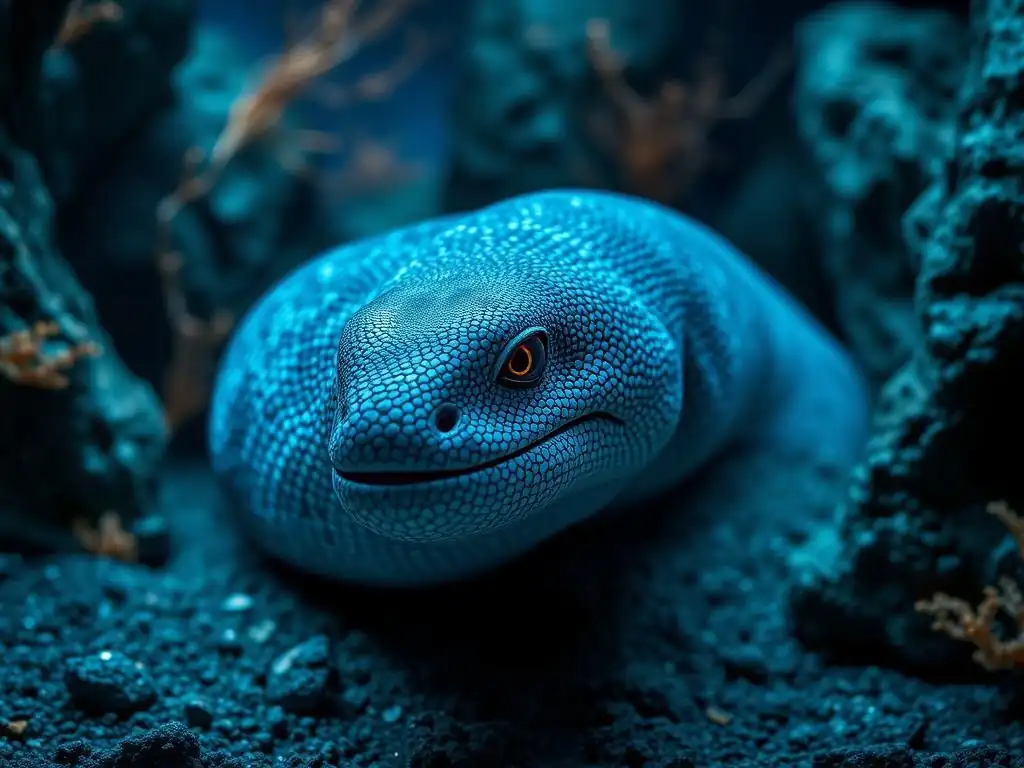
Addressing Poor Water Quality and Its Impact on Nocturnal Activity
Poor water quality is arguably the most common and detrimental issue in a Moray eel nocturnal tank, directly impacting the eel's health and inhibiting its natural nocturnal activity. Elevated levels of ammonia, nitrite, or nitrate (above 20 ppm) can cause severe stress, leading to lethargy, loss of appetite, and a reluctance to emerge from hiding. An eel suffering from poor water quality might appear pale, exhibit labored breathing, or develop skin issues.
To address this, regular and consistent water changes are paramount, typically 10-20% weekly or bi-weekly depending on bioload. Ensure your filtration system is robust, including effective mechanical, biological, and chemical filtration (e.g., protein skimmer, activated carbon). Testing water parameters weekly with reliable test kits allows for early detection of issues. Rectifying water quality problems promptly will revitalize your nocturnal Moray eel, encouraging it to resume its natural behaviors.
Managing Aggression and Territoriality in the Nighttime Tank
Managing aggression and territoriality in a nighttime Moray eel tank can be a concern, especially if tank mates are not chosen carefully or if the tank is too small. While morays are generally reclusive, they can be territorial, particularly around their chosen den. If tank mates venture too close or directly compete for food, aggression can occur. This might manifest as the moray nipping at other fish or exhibiting defensive postures.
To mitigate this, ensure ample hiding spots are available for all inhabitants, allowing each fish to establish its own territory. Avoid introducing new fish that are significantly smaller than the moray or those that are known to be overly inquisitive or aggressive. If a moray consistently harasses a specific tank mate, or if a tank mate is constantly bothering the moray, rehoming one of the fish might be the only solution. Providing multiple feeding spots or target feeding the moray with tongs can also reduce competition during feeding times, maintaining peace in the Moray eel nocturnal tank.
Preventing and Treating Diseases Common in Moray Eels in Captivity
Preventing and treating diseases common in moray eels in captivity relies heavily on proactive husbandry, as a healthy eel in a well-maintained Moray eel nocturnal tank is less susceptible to illness. The primary preventative measure is consistent, excellent water quality and a stable environment, which minimizes stress – the leading cause of compromised immunity. A varied, nutritious diet also plays a crucial role in bolstering their immune system.
Despite best efforts, morays can still contract diseases. Common ailments include:
- Lateral Line Disease: Often linked to poor water quality, nutritional deficiencies, or stray voltage. Symptoms include pitting along the lateral line.
- Fin Rot: Caused by bacterial infections, often exacerbated by stress or poor water quality. Fins appear ragged or eroded.
- Ich (Cryptocaryon irritans): Though less common in well-established eel tanks, it can occur. Symptoms are white spots on the body.
- Bacterial Infections: Can manifest as cloudy eyes, red patches, or ulcers.
If a moray shows signs of illness, it's generally best to move it to a dedicated quarantine tank for observation and treatment. This prevents the spread of disease to the main Moray eel nocturnal tank and allows for more targeted medication without harming invertebrates or beneficial bacteria in the display tank. Always research the specific medication's safety for eels, as some copper-based treatments can be harmful.
The Allure of Keeping Moray Eels: Embracing Their Nocturnal Nature
The Rewards of Observing a Thriving Nocturnal Moray Eel Tank
The rewards of observing a thriving nocturnal Moray eel tank are immense and profoundly satisfying for the dedicated aquarist. While these creatures may spend much of their day hidden, their nighttime emergence reveals a world of fascinating behaviors. Witnessing a moray gracefully glide through the rockwork, its serpentine body navigating intricate caves with surprising agility, is a truly unique spectacle that few other marine inhabitants offer.
Their keen sense of smell, evident as they "sniff" the water for food, and their precise, powerful strikes during feeding are mesmerizing displays of their predatory prowess. A healthy nocturnal Moray eel, active and responsive during its natural hours, becomes a captivating centerpiece, offering an intimate glimpse into the secret lives of these ancient and mysterious fish, making the effort of creating their specialized habitat truly worthwhile.
Ethical Considerations for Keeping Predatory Fish Like Moray Eels
Keeping predatory fish like moray eels comes with significant ethical considerations that responsible aquarists must address. Their long lifespan, often ranging from 10 to 30 years depending on the species, demands a long-term commitment. More importantly, their specialized dietary needs and substantial tank size requirements mean they are not suitable for every aquarist. A large species like the tessellata moray, which can reach over 8 feet, requires a tank of several hundred gallons, far beyond the capacity of most home setups.
Furthermore, their predatory nature means that any smaller tank mates are at risk of becoming food. Aquarists must be prepared to provide a consistent supply of appropriate, high-quality marine-based foods and avoid the unethical practice of using feeder fish. Ensuring the Moray eel nocturnal tank meets all their complex needs is not just about keeping them alive, but allowing them to thrive and express their natural behaviors, demonstrating a true commitment to their welfare.
Ensuring a Long and Healthy Life for Your Nocturnal Moray Eel
Ensuring a long and healthy life for your nocturnal Moray eel hinges on a holistic approach to care that prioritizes their specific needs. This begins with providing an appropriately sized Moray eel nocturnal tank, generously adorned with secure, multi-exit hiding places that cater to their reclusive nature. Consistent pristine water quality, maintained through robust filtration and regular water changes, is non-negotiable, as morays are highly sensitive to pollutants.
A diverse and nutritious diet of high-quality marine-based foods, offered on a consistent nocturnal schedule, will fuel their growth and maintain their vitality. Vigilant observation of their behavior, especially during their active nighttime hours, allows for early detection of any signs of stress or illness. By embracing their unique nocturnal habits and providing a meticulously crafted environment, aquarists can enjoy the profound satisfaction of nurturing these enigmatic and intelligent predators for many years to come.
Frequently Asked Questions
What makes moray eels interesting additions to an aquarium?
Moray eels are fascinating due to their unique appearance and predatory behavior. They add a certain mystique to any aquarium, especially when observing their nocturnal habits.
Are moray eels suitable for beginner aquarists?
Generally, no. Moray eels require specific tank setups, understanding of saltwater chemistry, and experience with aggressive feeding habits. They are best suited for experienced aquarists.
What are the primary considerations for setting up a nocturnal tank for a moray eel?
A large tank with plenty of hiding places is essential. Also, ensure proper filtration and water parameters suitable for saltwater environments and the specific moray eel species.
How can I ensure my moray eel gets enough food in a community tank setting?
Target feeding is crucial. Offer food directly to the eel using tongs or a feeding stick to ensure it gets enough to eat and prevent it from outcompeting other tank inhabitants.
What are some common health issues to watch out for in moray eels kept in aquariums?
Keep an eye out for signs of bacterial infections, parasites, and injuries from tank mates or the environment. Maintaining pristine water quality is crucial for preventing these issues.
Final Reflection: Embracing the Shadows of the Reef
The exploration of moray eel nocturnal habits within the confines of a home aquarium, as we've discussed, transcends mere fishkeeping; it's about connecting with the hidden rhythms of the ocean. Understanding and accommodating these creatures' natural nocturnal behaviors allows us to create a more enriching and ethical environment, fostering a deeper appreciation for the complex ecosystems they inhabit.
This journey into the secret life of moray eels has undoubtedly broadened our perspective on responsible aquarium keeping. It reminds us that our role as aquarists isn't just about providing a habitat, but about understanding and respecting the inherent needs of these fascinating animals. In the end, we will conserve only what we love; we will love only what we understand; and we will understand only what we are taught.
- Baba Dioum's words resonate deeply, urging us to continue learning and sharing our knowledge to protect these creatures and their natural habitats.
Now, as you dim the lights on your own aquarium, consider the lessons learned. Embrace the shadows, observe the subtle shifts in behavior, and strive to create a sanctuary where your moray eel can thrive in its nocturnal domain. Let's all commit to responsible aquarium keeping, ensuring that these captivating creatures continue to inspire and intrigue for generations to come.
Dive Deeper: Transform Your Tank into a Moray Paradise!
Thank you for exploring the fascinating world of moray eels! We hope you've gained valuable insights into their unique nocturnal behavior and how to create a thriving environment for them. Now, let's turn knowledge into action and elevate your aquarium keeping!
Here's how you can continue your moray eel journey:
- Begin planning the night cycle: Start by adjusting your tank's lighting to mimic a natural day-night cycle, prioritizing a dim or dark environment for nighttime activity. This will allow your eels to thrive.
- Document your eel's nighttime behavior. Set up a camera and share your discoveries to AquariumMastery forum.
- Consider adding a dedicated nocturnal feeding area enriched with live feeders to spark curiosity and keep them physically healthy.
What unique nocturnal feeding strategy are you most excited to try in your moray eel tank, and what results do you predict you will observe?