
The Role of the Male Clownfish in Brood Care: A Dedicated Dad in the Reef

Welcome to Aquarium Mastery!
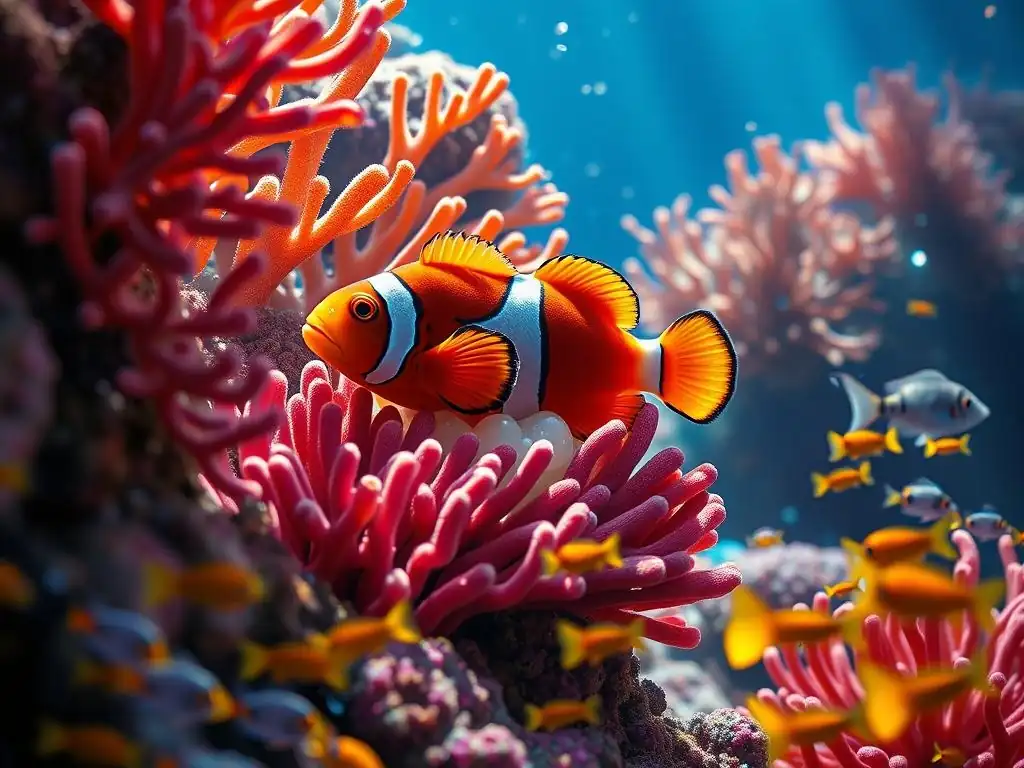
Ever wondered who really takes care of those vibrant clownfish eggs in the reef? Dive into our exploration of "Male Clownfish Brood Care" and discover the surprising dedication of these fascinating fathers. Prepare to be amazed by their unique parenting strategies – a story that's sure to change how you see these iconic saltwater fish. Intrigued? Let's uncover the secrets of the clownfish dad!
- Introduction: Understanding Clownfish Parental Care
- Male Clownfish: The Primary Caregiver of Clownfish Eggs
- Incubation and Protection: The Male Clownfish's Devotion
- The Transition to Hatching: Male Clownfish's Continued Care
- Factors Influencing Male Clownfish Brood Care Success
- Comparing Male Clownfish Brood Care to Other Fish Species
- Common Challenges and Solutions in Clownfish Breeding
- Conclusion: Appreciating the Dedicated Male Clownfish
- Frequently Asked Questions
- Final Reflection: The Unsung Hero of the Reef
- Dive Deeper: Nurture Your Aquarium Passion!
Introduction: Understanding Clownfish Parental Care
Clownfish Breeding Behavior: An Overview
Clownfish, scientifically known as anemonefish, exhibit fascinating breeding behaviors, making them a popular subject for both scientific study and home aquarists. These marine fish are protogynous hermaphrodites, meaning all clownfish are born male, and the largest, most dominant individual in a group transitions into a female. The established breeding pair typically consists of a larger female and a smaller, sexually mature male.
Spawning usually occurs on a flat, hard surface, such as a rock, terracotta pot, or even the glass wall of the aquarium, always in close proximity to their host anemone. A single clutch can range significantly in size, from around 100 eggs for smaller species like the Percula clownfish to over 1,000 eggs for larger varieties like the Maroon clownfish. The incubation period typically lasts between 7 to 10 days, depending on the species and water temperature, before the eggs hatch into free-swimming larvae.
Observing clownfish breeding in a home aquarium offers a unique glimpse into their complex social structure and reproductive strategies. The pair will often clean the chosen nesting site meticulously for days before the female begins laying her eggs. This preparatory phase is crucial for ensuring the eggs adhere properly and have the best chance of survival. The entire process, from nest preparation to the male's diligent care, highlights the intricate dance of nature within the confines of a reef aquarium.
The Surprising Role of the Male Clownfish
While the female clownfish is responsible for producing and depositing the eggs, the male clownfish takes on the primary, and often surprising, role as the dedicated caregiver of the developing brood. This paternal devotion is a remarkable aspect of clownfish reproduction, distinguishing them from many other fish species where parental duties might be shared more equally or solely fall to the female. The male's commitment to male clownfish brood care is relentless, involving a suite of behaviors crucial for the eggs' survival.
His unwavering dedication to the clutch is a key factor in successful breeding outcomes in both the wild and captive environments. From the moment the eggs are laid until they hatch, the male clownfish is a constant presence, meticulously tending to the needs of his future offspring. This intensive male clownfish brood care ensures the highest possible survival rate for the delicate embryos, showcasing a profound level of parental investment.
Male Clownfish: The Primary Caregiver of Clownfish Eggs
Preparing the Nesting Site: Male Clownfish Responsibilities
Before the female begins depositing her eggs, the male clownfish undertakes the vital task of preparing the nesting site. This involves a thorough cleaning process, where he meticulously removes any algae, detritus, or sediment from the chosen surface. Using his mouth and fins, he scrapes and buffs the area, ensuring it is perfectly smooth and free of obstacles that could hinder egg adhesion or proper aeration. This preparation can sometimes take several hours, or even days, demonstrating the male's foresight and commitment to the upcoming spawn.
The male's diligent efforts in preparing the nesting site are crucial for the success of the clutch. A clean surface ensures that the adhesive eggs can securely attach, preventing them from being dislodged by water currents or other disturbances. This initial phase of male clownfish brood care lays the groundwork for a healthy incubation period, underscoring the male's active role from the very beginning of the breeding cycle.
Fertilization and Egg Deposition: The Male's Role
Once the nesting site is prepared, the female begins the process of egg deposition, typically laying her eggs in neat, parallel rows. As she releases a small batch of eggs, the male clownfish immediately follows behind her, passing over the newly laid eggs to fertilize them externally. This synchronized dance is critical for ensuring that all eggs are successfully fertilized, maximizing the viability of the clutch. The male’s precise movements and timing are essential for this delicate process.
The number of eggs laid can vary significantly, with a single spawn for an Ocellaris clownfish pair often yielding between 200 to 800 eggs, while larger species like Tomato clownfish might produce upwards of 1,500. The male’s role during this phase is not just about fertilization; it's about ensuring every egg receives his attention, meticulously covering the entire clutch. This active participation in fertilization is a foundational aspect of effective male clownfish brood care.
Incubation and Protection: The Male Clownfish's Devotion
Fanning and Aeration: Maintaining Oxygen Levels for Clownfish Eggs
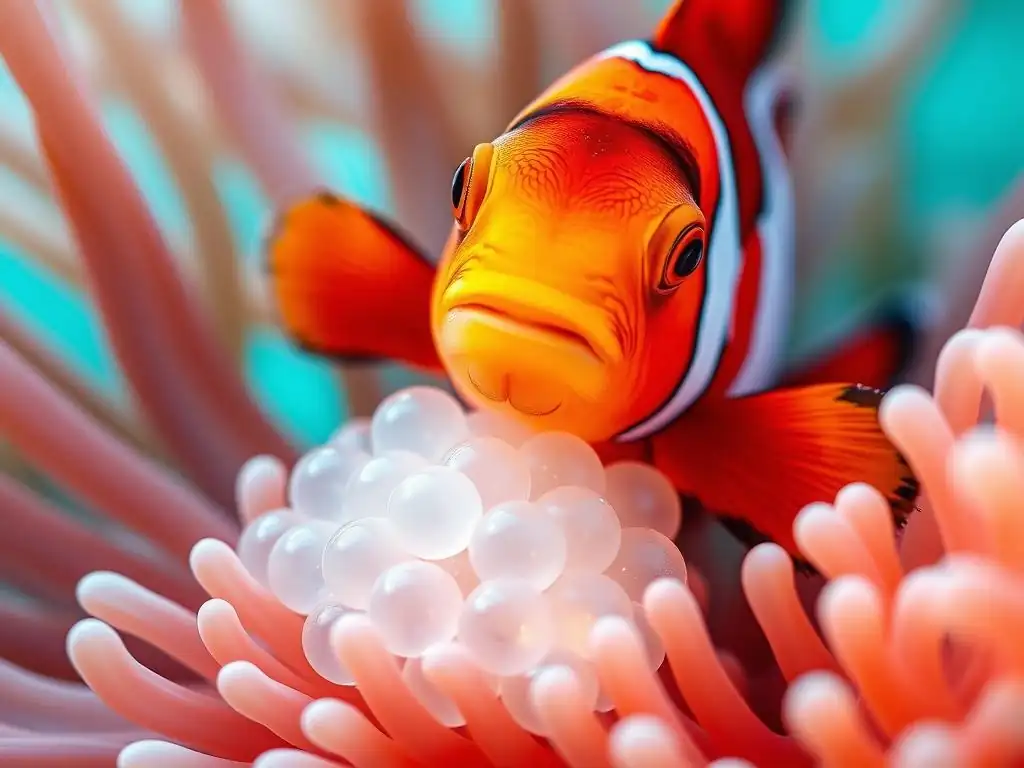
Throughout the incubation period, which typically lasts 7 to 10 days, the male clownfish is relentlessly active in fanning the eggs. He uses his pectoral fins to generate a consistent current over the egg clutch, providing a continuous supply of oxygen-rich water and simultaneously flushing away metabolic waste products produced by the developing embryos. This constant aeration is absolutely critical for the eggs' survival, as stagnant water can quickly lead to oxygen depletion and fungal growth, jeopardizing the entire clutch.
The male's fanning behavior is not sporadic; it is a near-constant activity during daylight hours, showcasing his profound dedication to male clownfish brood care. Observing a male clownfish meticulously fanning his eggs provides a clear visual of the significant energy expenditure involved in this paternal duty. Without this diligent fanning, a substantial portion, if not all, of the eggs would likely perish due to lack of oxygen.
Removing Debris and Unfertilized Eggs: Ensuring Healthy Development
Beyond fanning, the male clownfish demonstrates remarkable attention to detail by meticulously removing any unfertilized eggs, dead eggs, or debris that might accumulate on the clutch. Using his mouth, he carefully picks off any eggs that appear white or opaque (indicating they are unfertilized or have died) or any fungal growth that begins to appear. This "housekeeping" duty is vital for preventing the spread of fungus or bacteria, which can rapidly infect healthy eggs and decimate the entire clutch.
This precise removal of compromised eggs and foreign material is a crucial component of effective male clownfish brood care. By maintaining a clean and healthy environment for the developing embryos, the male significantly increases the overall hatch rate. His vigilance in this task underscores his commitment to ensuring the successful development of his offspring.
Protecting the Clutch from Predators: A Vigilant Guardian
Perhaps one of the most striking aspects of male clownfish brood care is his fierce devotion to protecting the egg clutch from potential predators. Despite his relatively small size, the male will aggressively defend the nest against any perceived threat, regardless of the intruder's size. He will charge at, nip, and chase away any fish, invertebrate, or even the female clownfish if she gets too close or exhibits behavior he perceives as a threat to the eggs.
In a typical aquarium setting, common egg predators can include certain species of snails, crabs, some wrasses, or even other peaceful community fish that might opportunistically pick at the eggs. The male clownfish will position himself strategically over the clutch, often flaring his fins and making bold dashes towards any approaching tank mate. This relentless guardianship ensures that the delicate eggs remain undisturbed and safe throughout their vulnerable incubation period, highlighting the male's unwavering commitment to his brood.
The Transition to Hatching: Male Clownfish's Continued Care
Timing of Hatching: The Male's Influence
Clownfish eggs typically hatch during the late evening or early night, usually between 7 to 10 days after spawning, depending on water temperature and species. As hatching approaches, the male clownfish may increase the intensity and frequency of his fanning, possibly to help stimulate the larvae to emerge from their egg casings.
Some observations suggest that the male might even gently "nibble" at the eggs, potentially assisting in the hatching process by weakening the egg membrane. The embryos, which are initially transparent, become more opaque and silvery-eyed in the final days before hatching, a sign that the male recognizes as impending emergence.
This precise timing and potential active role in stimulating hatching further emphasize the male's intricate involvement in the entire reproductive cycle. His heightened activity ensures that as many larvae as possible successfully emerge into the water column. The male clownfish brood care extends right up to the moment his offspring become free-swimming.
Post-Hatching: The End of Male Brood Care
Once the clownfish larvae hatch and drift into the water column, typically as tiny, planktonic organisms measuring around 3-4 millimeters for Ocellaris clownfish, the male's direct parental care ceases. The newly hatched larvae are self-sufficient in terms of feeding and navigating the water column, relying on their yolk sac for initial nourishment and soon progressing to consume rotifers and other microscopic prey. The male clownfish does not actively care for the free-swimming larvae.
After the hatching event, the male will often begin cleaning the nesting site again, preparing it for the next potential spawn. Clownfish pairs can spawn frequently, sometimes every 10-14 days, particularly in optimal aquarium conditions. The rapid transition from intense male clownfish brood care to preparation for the next cycle underscores their efficient reproductive strategy.
Factors Influencing Male Clownfish Brood Care Success
Water Quality: The Importance of a Stable Aquarium Environment
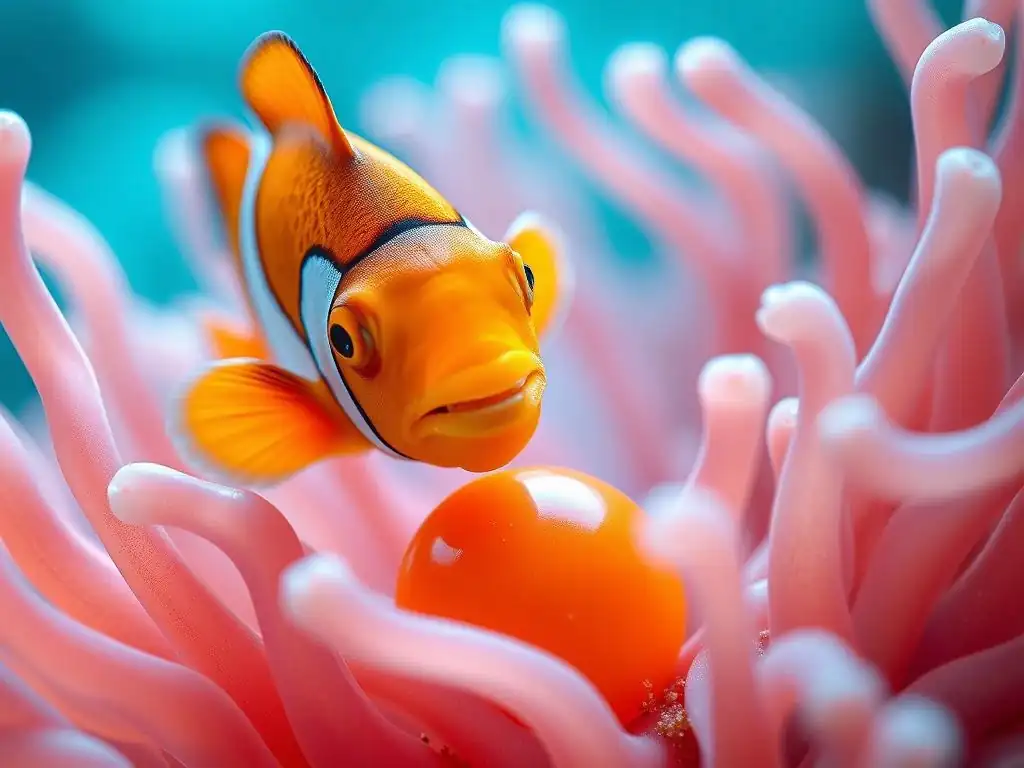
Maintaining pristine and stable water quality is paramount for successful clownfish breeding and optimal male clownfish brood care. Fluctuations in parameters such as temperature, salinity, or pH can cause significant stress to the breeding pair, potentially leading to a reduction in spawning frequency or even neglect of the eggs. Ideal parameters for most clownfish species include a stable temperature between 78-82°F (25.5-27.8°C), salinity at 1.023-1.026 specific gravity, and a pH range of 8.1-8.4.
High levels of ammonia, nitrite, or nitrate are particularly detrimental to both the adult fish and the developing eggs, potentially leading to egg mortality or fungal outbreaks. Regular partial water changes, typically 10-20% weekly, along with robust filtration, are essential to keep these parameters in check. A healthy environment reduces stress on the male, enabling him to consistently perform his vital male clownfish brood care duties without compromise.
Diet and Nutrition: Supporting Male Clownfish Health During Breeding
A high-quality, varied diet is crucial for supporting the health and energy levels of the breeding male clownfish, especially during periods of active brood care. Spawning and the subsequent fanning and protection of eggs are energy-intensive activities. A diet rich in protein and essential fatty acids, consisting of a mix of frozen foods like mysis shrimp, brine shrimp, and finely chopped seafood, supplemented with high-quality marine pellets or flakes, is recommended.
During active breeding cycles, it is beneficial to increase feeding frequency to two or three times a day to ensure the male has sufficient energy to perform his demanding male clownfish brood care duties. Nutritional deficiencies can lead to reduced egg viability, decreased spawning frequency, or a male too fatigued to adequately care for the clutch. Supplementing foods with vitamin enrichments, such as Selcon, can further enhance the nutritional intake of the breeding pair, contributing to more robust eggs and a more dedicated caregiver.
The Presence of Anemones: A Safe Haven for Clownfish and Their Brood
While clownfish can and do breed in aquariums without a host anemone, the presence of a suitable host often contributes to a more secure and less stressed breeding environment, indirectly supporting male clownfish brood care. Anemones like the Bubble Tip Anemone (Entacmaea quadricolor) or Sebae Anemone (Heteractis crispa) provide a sense of security for the breeding pair, allowing them to feel more comfortable and less vulnerable to external threats. This reduced stress can translate into more consistent spawning and more diligent parental care.
The anemone acts as a natural fortress, allowing the male clownfish to focus his energy on fanning and cleaning the eggs without constant concern for his own safety. While the eggs are typically laid on a surface near the anemone, the host's presence provides a general protective aura around the nesting site. This symbiotic relationship, while not strictly necessary for reproduction in captivity, significantly enhances the overall well-being of the pair and can positively impact the success rate of male clownfish brood care.
Tank Mates and Potential Threats to the Eggs
The selection of tank mates is a critical factor influencing the success of male clownfish brood care. Aggressive or opportunistic tank mates can pose a significant threat to the egg clutch, either by stressing the breeding pair or directly predating on the eggs. Species such as large wrasses, certain gobies, or even some angelfish are known to pick at or consume clownfish eggs. Even seemingly peaceful fish can become opportunistic predators if the eggs are left unguarded or if the tank mates are underfed.
For optimal breeding success and to ensure the male clownfish can perform his duties without constant harassment, a dedicated breeding tank is often recommended. If a community tank is used, careful selection of peaceful, non-egg-eating tank mates is essential. Providing ample hiding spots and ensuring all tank inhabitants are well-fed can also help mitigate predation risks. The male's vigilance in male clownfish brood care is paramount, but a conducive environment free from undue threats greatly supports his efforts.
Comparing Male Clownfish Brood Care to Other Fish Species
Unique Aspects of Clownfish Parental Investment
The male clownfish's intensive, sole responsibility for brood care is a unique and highly specialized form of parental investment among marine fish. While paternal care is observed in various fish species, the specific combination of meticulous fanning, cleaning, and aggressive defense of a fixed egg clutch by a relatively small reef fish like the clownfish sets it apart.
For instance, seahorses exhibit male parental care, but their strategy involves internal brooding in a specialized pouch. Some cichlids, like Tilapia, are mouthbrooders, where one parent (often the female, but sometimes the male or both) holds the eggs and fry in their mouth for protection.
In contrast to these methods, the male clownfish's dedication to an externally laid clutch, constantly tending to it with his fins and mouth, is a highly visible and energy-demanding form of male clownfish brood care. This strategy ensures a high survival rate for the embryos in a potentially predatory reef environment, showcasing an evolutionary adaptation for successful reproduction.
Contrasting Brood Care Strategies in the Aquarium
Comparing male clownfish brood care to other common aquarium fish highlights its distinctiveness. Many popular freshwater aquarium fish, such as livebearers (e.g., guppies, mollies), exhibit virtually no parental care post-birth, releasing fully formed fry that are immediately self-sufficient. Similarly, many marine fish are pelagic spawners, releasing vast numbers of eggs into the open water column, where they drift as plankton with no parental investment whatsoever.
Even among fish that do exhibit parental care, the approach varies widely. Discus fish, for example, are biparental, with both male and female caring for the fry and even producing a nutritious slime coat for them to feed on. The male clownfish's singular focus on the non-mobile egg clutch, diligently fanning, cleaning, and defending it for over a week, represents a significant and specialized commitment. This dedicated male clownfish brood care is a testament to the diverse and fascinating reproductive strategies found within the aquatic world, making them particularly rewarding for aquarists to observe.
Common Challenges and Solutions in Clownfish Breeding
Egg Fungus: Prevention and Treatment
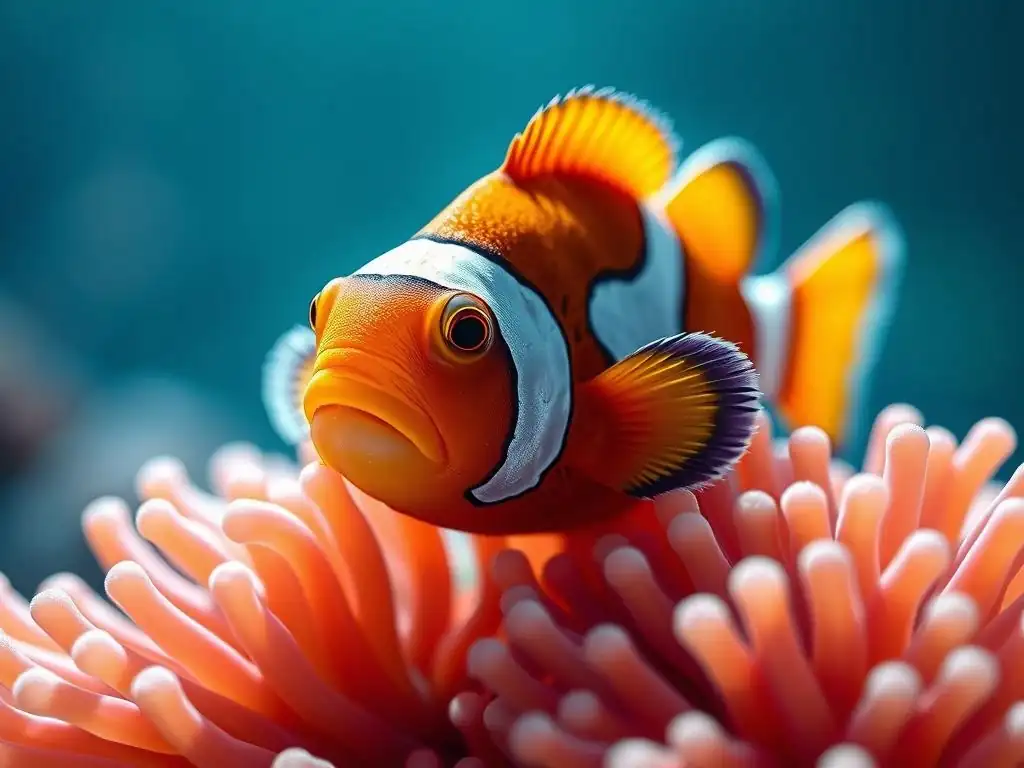
Egg fungus is a common challenge in clownfish breeding, often appearing as white, fuzzy growth on the egg clutch. It primarily affects unfertilized or dead eggs but can quickly spread to healthy ones if left unchecked. Poor water quality, insufficient aeration (lack of fanning by the male), or an overly dense clutch can contribute to its development. The male clownfish's diligent removal of unfertilized or infected eggs is the primary natural defense against fungus.
To prevent egg fungus, maintaining stable and pristine water parameters is crucial, as mentioned earlier. Ensuring the breeding pair receives a high-quality, nutritious diet supports the male's energy levels for consistent male clownfish brood care. If fungus does appear, the male typically handles its removal.
In rare, severe cases where the male is not adequately managing the fungus, gently siphoning out the affected eggs can help, though care must be taken not to disturb the healthy clutch. Some breeders consider very dilute methylene blue dips for the eggs, but prevention through optimal husbandry and dedicated male clownfish brood care is always the best approach.
Predation of Clownfish Eggs: Identifying and Addressing Threats
Predation of clownfish eggs is another significant challenge, especially in a community aquarium setting. Common culprits include certain species of snails (like Nassarius snails), crabs, some gobies, wrasses, and even other opportunistic fish that may pick at the eggs. If the male clownfish's vigilance wanes due to stress, illness, or fatigue, the eggs become highly vulnerable. Signs of predation include missing eggs, especially around the edges of the clutch, or remnants of egg casings.
The most effective solution is to house the breeding pair in a dedicated breeding tank where potential predators are absent. If a community tank is used, carefully research and select peaceful tank mates. Ensuring all tank inhabitants are well-fed can also reduce opportunistic egg-eating. Providing a secure nesting site, such as a terracotta pot or a secluded rock, can also offer some protection. Observing the male clownfish brood care closely for any signs of neglect or harassment from tank mates is key to addressing threats promptly.
Ensuring a Successful Hatch: Tips for Aquarium Keepers
To maximize the chances of a successful clownfish hatch, several factors beyond basic water quality and diet come into play. Firstly, consistency in environmental parameters is paramount; sudden changes in temperature or salinity can stress the developing embryos. Secondly, providing a high-quality, varied diet for the male is critical for sustaining his energy throughout the intensive male clownfish brood care period. Overfeeding the general tank can lead to poor water quality, so balanced feeding is important.
Additionally, for aquarists aiming to raise the fry, it's often beneficial to remove the egg clutch to a separate hatching and rearing tank just a day or two before the anticipated hatch. This protects the delicate larvae from predation by other tank inhabitants and prevents them from being drawn into powerful filtration systems. This also allows for precise control over lighting and water flow, which are crucial for the survival of the tiny, newly hatched larvae. Ensuring a successful hatch requires not only diligent male clownfish brood care but also thoughtful intervention and planning by the aquarist.
Conclusion: Appreciating the Dedicated Male Clownfish
The Importance of Understanding Clownfish Breeding Behavior for Aquarists
Understanding the intricate breeding behavior of clownfish, particularly the profound dedication of the male clownfish to brood care, significantly enriches the aquarium hobbyist's experience. It allows aquarists to move beyond simply keeping fish to appreciating the complex natural processes unfolding within their tanks. By recognizing the male's tireless efforts in fanning, cleaning, and defending the eggs, aquarists can better support successful breeding outcomes and intervene appropriately when challenges arise. This knowledge fosters a deeper connection to the aquatic environment and the fascinating lives of its inhabitants.
Furthermore, comprehending the nuances of male clownfish brood care contributes to the broader understanding of marine ecology and reproductive strategies. For many, successful captive breeding of clownfish is a highly rewarding endeavor that not only provides a sense of accomplishment but also contributes to reducing the demand for wild-caught specimens, thereby supporting conservation efforts for reef ecosystems.
Promoting Responsible Clownfish Breeding Practices
Promoting responsible clownfish breeding practices is essential for the long-term health of the hobby and the welfare of the fish. This involves more than just getting a pair to spawn; it encompasses providing optimal conditions for the breeding pair, ensuring proper male clownfish brood care, and being prepared to care for the resulting offspring. Responsible breeders prioritize the health and well-being of their fish above all else, ensuring that the breeding process is not unduly stressful for the parents.
By sharing knowledge about the male clownfish's dedicated role and the factors that influence breeding success, aquarists can empower others to engage in ethical and sustainable breeding. This includes maintaining pristine water quality, offering a nutritious diet, and providing a safe, stable environment free from undue stress or predation. Appreciating the incredible dedication exhibited through male clownfish brood care encourages a more thoughtful and responsible approach to marine aquaculture, benefiting both the fish and the enthusiast.
Frequently Asked Questions
How does a male clownfish contribute to brood care?
The male clownfish is primarily responsible for caring for the eggs after they are laid. He diligently guards, fans, and cleans the clutch to ensure their survival.
What specific actions does the male clownfish take to protect the eggs?
He provides crucial protection by aggressively defending the eggs from predators and other threats. He also removes any dead or diseased eggs to prevent the spread of infection.
How long does the male clownfish typically care for the eggs?
The male clownfish will care for the eggs until they hatch, which usually takes around 6-10 days, depending on water temperature. He maintains this commitment throughout the entire incubation period.
What happens to the fry after they hatch?
After hatching, the fry drift away as plankton, and the male's parental care ends. The fry will then undergo various life stages until they look like juvenile clownfish.
Why is the male clownfish so dedicated to brood care?
This dedicated care is crucial for the species' survival. The female focuses on egg production, while the male's constant attention increases the chances of successful hatching and offspring survival in the reef environment.
Final Reflection: The Unsung Hero of the Reef
The intricate dance of life on the coral reef often hides remarkable stories of dedication and sacrifice, and as we've explored, the male clownfish's commitment to brood care stands as a testament to this. This dedication, often overlooked, highlights a crucial aspect of parental investment that resonates far beyond the confines of the anemone. The survival of future generations hinges on this tireless effort, a reality that demands our attention and appreciation.
The unwavering devotion of the male clownfish to his offspring profoundly impacts the delicate balance of the reef ecosystem. Witnessing such dedication in the natural world compels us to reflect on our own roles and responsibilities within our communities. The best and most beautiful things in the world cannot be seen or even touched - they must be felt with the heart.
- Helen Keller. This quote encapsulates the unseen dedication of the male clownfish, a dedication felt in the vibrant life it helps sustain.
Now, consider the lessons learned from this tiny titan of the reef. How can we, like the male clownfish, embrace our responsibilities with unwavering commitment and dedication? Let us strive to be mindful stewards of our own environments, nurturing and protecting the future, just as the male clownfish diligently guards his brood. Let the image of this dedicated dad inspire you to embrace your own role in fostering growth and ensuring a brighter tomorrow.
Dive Deeper: Nurture Your Aquarium Passion!
Thank you for exploring the fascinating world of clownfish brood care! Now that you've learned about the dedicated role of male clownfish, let's translate that knowledge into action.
Here are some ways to further engage with the world of clownfish and responsible aquarium keeping:
- Commit to researching the specific needs of clownfish before considering adding them to your aquarium, ensuring you can provide the optimal environment for their health and well-being.
- Share this article with fellow aquarium enthusiasts to promote a deeper understanding and appreciation for the intricate behaviors of clownfish.
- Consider documenting your own observations of fish behavior in your aquarium, contributing to a growing community understanding of these fascinating creatures.
What small step will you take today to become a more informed and responsible aquarium keeper, inspired by the dedicated dad that is the male clownfish?