
The Dazzling World of Wrasses: An Aquarist's Essential Introduction

Welcome to Aquarium Mastery!
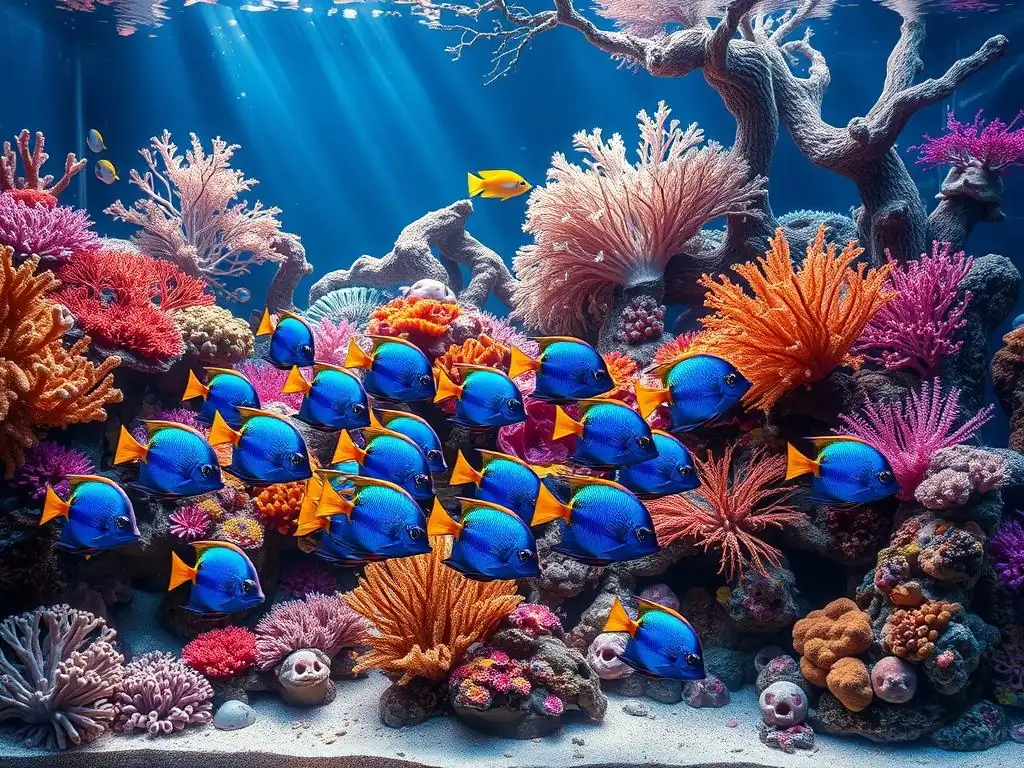
Ever been mesmerized by the shimmering scales and vibrant personalities of saltwater wrasses? Dive into The Dazzling World of Wrasses and uncover the secrets to colorful saltwater wrasse care. This is just the beginning; prepare to unlock a wealth of knowledge on creating a thriving saltwater haven for these captivating creatures and so much more. Intrigued? Let's explore together!
- Understanding Colorful Saltwater Wrasses for Your Aquarium
- Exploring the Diversity of Wrasse Species: A Guide for Aquarists
- Essential Wrasse Care: Creating the Ideal Aquarium Environment
- Wrasse Behavior and Compatibility: Understanding Tank Dynamics
- Preventing and Treating Common Wrasse Diseases
- Reef Compatibility: Can Wrasses Live in a Reef Tank?
- The Future of Wrasse Keeping: Conservation and Responsible Practices
-
Frequently Asked Questions
- What makes wrasses such popular saltwater fish for aquariums?
- What are some important considerations when selecting a wrasse for my saltwater aquarium?
- What water parameters are crucial for maintaining a healthy wrasse in a saltwater aquarium?
- What types of food should I feed my saltwater wrasse to ensure optimal health and coloration?
- What are some common health issues that can affect wrasses, and how can I prevent them?
- Final Reflection: Embracing the Spectrum of Wrasse Care
- Dive Deeper: Transform Your Aquarium into a Wrasse Wonderland!
Understanding Colorful Saltwater Wrasses for Your Aquarium
What Makes Wrasses a Popular Choice for Saltwater Aquariums?
Wrasses are celebrated among saltwater aquarists primarily for their incredibly vibrant coloration and dynamic activity. Their diverse palette includes brilliant blues, dazzling yellows, fiery reds, and intricate patterns that can transform any aquarium into a living work of art. Beyond their aesthetic appeal, many wrasse species exhibit fascinating behaviors, such as burrowing into the sand at night or when startled, and their constant foraging adds a lively, engaging element to the tank.
Furthermore, the sheer variety of wrasse species means there's a suitable option for almost any tank size and aquarist's experience level, from the relatively small and hardy Six-line Wrasse to the more delicate and demanding Leopard Wrasse. This adaptability, combined with their active swimming and curious nature, makes them a captivating focal point, enhancing the overall visual appeal and behavioral interest of a marine display. Proper colorful saltwater wrasse care ensures these fish maintain their stunning hues and active lifestyles.
Why Choose a Wrasse? Benefits of Keeping Wrasses
One of the most compelling reasons to choose a wrasse, especially for reef tank owners, is their invaluable role in pest control. Many species, particularly those from the Halichoeres and Pseudocheilinus genera, are natural predators of common aquarium pests. For instance, the Six-line Wrasse ( Pseudocheilinus hexataenia) is highly effective at eradicating pyramid snails that prey on tridacnid clams, and it also has a notable appetite for nuisance flatworms, which can quickly overrun a reef system. Similarly, Yellow Coris Wrasses ( Halichoeres chrysus) actively sift through the sand bed, consuming small parasitic worms and other undesirable micro-invertebrates.
Beyond their utility, many wrasse species are remarkably hardy once established, proving resilient to common marine diseases compared to some other fish families. With appropriate colorful saltwater wrasse care, they can enjoy long lifespans, often living for 5 to 10 years or even longer in well-maintained aquariums. Their engaging personalities, constant activity, and relatively low susceptibility to stress-related illnesses make them a rewarding addition for aquarists seeking both beauty and beneficial behaviors in their saltwater setups.
Exploring the Diversity of Wrasse Species: A Guide for Aquarists
Identifying Different Types of Saltwater Wrasses
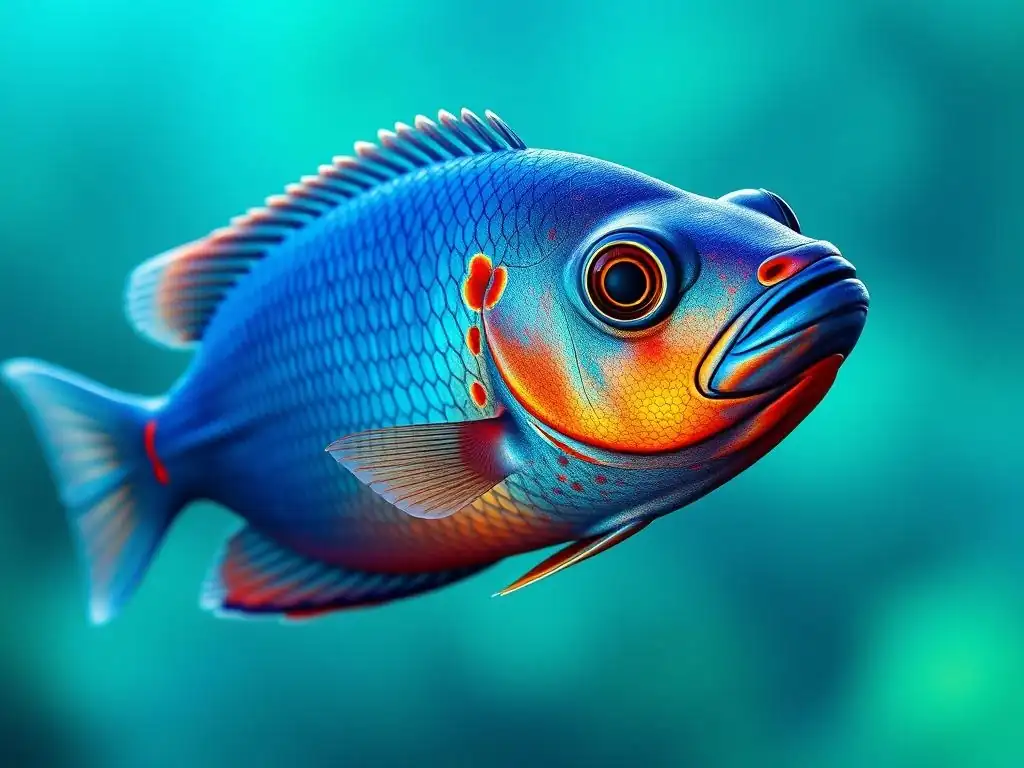
The Labridae family, which encompasses wrasses, is one of the largest and most diverse families of marine fish, boasting over 500 recognized species. Identifying different types often involves observing their body shape, fin structure, and particularly their coloration, which can vary dramatically between juvenile, initial phase (typically female or non-dominant male), and terminal phase (dominant male) individuals. Many wrasses have elongated, torpedo-shaped bodies, thick lips, and prominent canine teeth adapted for their carnivorous diet.
Beyond physical traits, understanding their natural behaviors is key to identification and proper colorful saltwater wrasse care. Some are sand-dwellers, burying themselves nightly, while others are free-swimming pelagic feeders. Their geographical origin also provides clues, as species often inhabit specific regions of the Indo-Pacific or Atlantic oceans. Recognizing these characteristics helps aquarists distinguish between peaceful reef-safe species and those that might be more aggressive or pose a threat to corals and invertebrates.
Popular Wrasse Species Profiles: Six-Line Wrasse, Yellow Coris Wrasse, Melanurus Wrasse
The Six-Line Wrasse (Pseudocheilinus hexataenia) is a small, highly popular species, typically reaching about 3 inches (7.5 cm) in length. It boasts vibrant purple, orange, and blue horizontal stripes over a reddish body, making it a striking presence despite its size. Renowned for its effectiveness in controlling pests like flatworms and pyramid snails, it requires a minimum tank size of 20 gallons and thrives in tanks with plenty of live rock for hiding and foraging. While generally peaceful, it can be territorial with other small, similarly shaped fish.
The Yellow Coris Wrasse (Halichoeres chrysus) is a brilliant, entirely yellow fish that grows to about 5 inches (12.5 cm). It's an active sand-sifter, constantly foraging through the substrate for small invertebrates, which makes it beneficial for keeping the sand bed clean and aerated. This species requires a tank of at least 50 gallons with a fine sand bed of at least 3 inches deep for burrowing. It is generally peaceful with other fish but can be shy initially.
The Melanurus Wrasse (Halichoeres melanurus), also known as the Tail-Spot Wrasse, is a stunning species reaching 5-6 inches (12.5-15 cm). Its body is adorned with intricate patterns of green, orange, and blue, often with a prominent black spot on its caudal fin. Like the Yellow Coris, it's an active sand-sifter and excellent for pest control. It needs a minimum tank size of 75 gallons with a substantial sand bed. The Melanurus Wrasse is known for its peaceful disposition, making it a good community fish, and its active foraging ensures comprehensive colorful saltwater wrasse care for its environment.
Less Common, but Captivating Wrasse Species for Advanced Aquarists
For the advanced aquarist seeking truly extraordinary additions, species like the Fairy Wrasses (Cirrhilabrus spp.) offer unparalleled beauty. Species such as the Rhomboid Wrasse ( Cirrhilabrus rhomboidalis) or Laboute's Wrasse ( Cirrhilabrus laboutei) exhibit an incredible spectrum of iridescent colors that shimmer under aquarium lighting.
While generally peaceful and reef-safe, they often command a higher price point due to their rarity and specific collection methods. They thrive in mature, stable reef systems of 75 gallons or more, often preferring subdued lighting and plenty of rockwork for exploration and refuge. Their delicate nature demands pristine water quality and a consistent, varied diet.
Another group for the dedicated hobbyist is the Leopard Wrasses (Macropharyngodon spp. ), including the exquisite Choati's Wrasse ( Macropharyngodon choati) and Meleagris Wrasse ( Macropharyngodon meleagris). These wrasses are characterized by their intricate, leopard-like spot patterns and unique swimming style.
However, they are highly sensitive to water parameters and require a very deep (4-6 inches), fine sand bed for burrowing and sleeping, making tank setup crucial. Their diet can also be challenging, often requiring live foods like copepods and rotifers initially. They are not recommended for beginners and demand meticulous colorful saltwater wrasse care to thrive in aquariums of 90 gallons or larger.
Essential Wrasse Care: Creating the Ideal Aquarium Environment
Setting Up the Perfect Wrasse Tank: Size, Substrate, and Aquascaping
The ideal tank size for wrasses varies significantly by species, but generally, horizontal swimming space is more critical than vertical depth due to their active nature. Small species like the Six-line Wrasse can thrive in tanks as small as 20-30 gallons, whereas many Halichoeres species require 50-75 gallons, and larger species or harems of Fairy Wrasses necessitate 100 gallons or more. Providing ample room for swimming and exploration is fundamental for their well-being.
Crucially, most wrasses require a fine, soft sand bed of at least 2-4 inches deep for burrowing. This is where they retreat at night to sleep or hide when stressed, protecting themselves from predators. For species like Leopard Wrasses, a depth of 4-6 inches is often recommended.
Sharp or coarse substrates should be avoided as they can damage the wrasse's delicate skin during burrowing. Aquascaping should include plenty of stable live rock structures with numerous crevices and caves for hiding spots, balanced with open areas for swimming. A tight-fitting lid is absolutely essential, as wrasses are notorious jumpers, especially when new or startled, making it a vital component of colorful saltwater wrasse care.
Maintaining Optimal Water Parameters for Healthy Wrasses
Maintaining stable and optimal water parameters is paramount for the health and vibrancy of wrasses. The ideal temperature range for most saltwater wrasses is between 74-78°F (23-26°C), with minimal fluctuations. Salinity should be kept consistent at a specific gravity of 1.023-1.026. The pH level should be maintained within the range of 8.1-8.4. Stability across these parameters is often more important than hitting exact numbers, as sudden shifts can cause significant stress.
Nitrogenous compounds must be diligently monitored: ammonia and nitrite levels should always be 0 ppm, indicating a fully cycled and healthy biological filter. Nitrate levels should be kept below 20 ppm for fish-only tanks, and ideally under 5 ppm for reef setups to prevent algae growth and maintain sensitive invertebrate health. Regular partial water changes, typically 10-20% weekly or bi-weekly, are essential for replenishing trace elements and exporting accumulated nitrates. Robust filtration, including protein skimming and biological filtration, further supports pristine water quality, which is fundamental to successful colorful saltwater wrasse care.
Diet and Feeding: Providing a Nutritious Diet for Your Wrasses
Wrasses are primarily carnivorous in the wild, feeding on a wide variety of small invertebrates, crustaceans, and worms. In the aquarium, a diverse and high-quality diet is crucial for their long-term health and to maintain their brilliant coloration. Offer a mix of frozen foods such as mysis shrimp, brine shrimp (enriched), finely chopped krill, silversides, and other meaty preparations. Many wrasses will also accept high-quality marine pellets and flakes, but frozen foods should form the bulk of their diet.
Due to their high metabolism and active nature, wrasses benefit from being fed small amounts multiple times a day, typically 2-3 times. This mimics their natural foraging behavior and ensures they receive adequate nutrition without polluting the tank with excess food. For more specialized feeders, such as some Leopard Wrasses, live foods like copepods, rotifers, and small amphipods may be necessary, especially during acclimation. Ensuring a varied and consistent feeding regimen is a cornerstone of effective colorful saltwater wrasse care.
Wrasse Behavior and Compatibility: Understanding Tank Dynamics
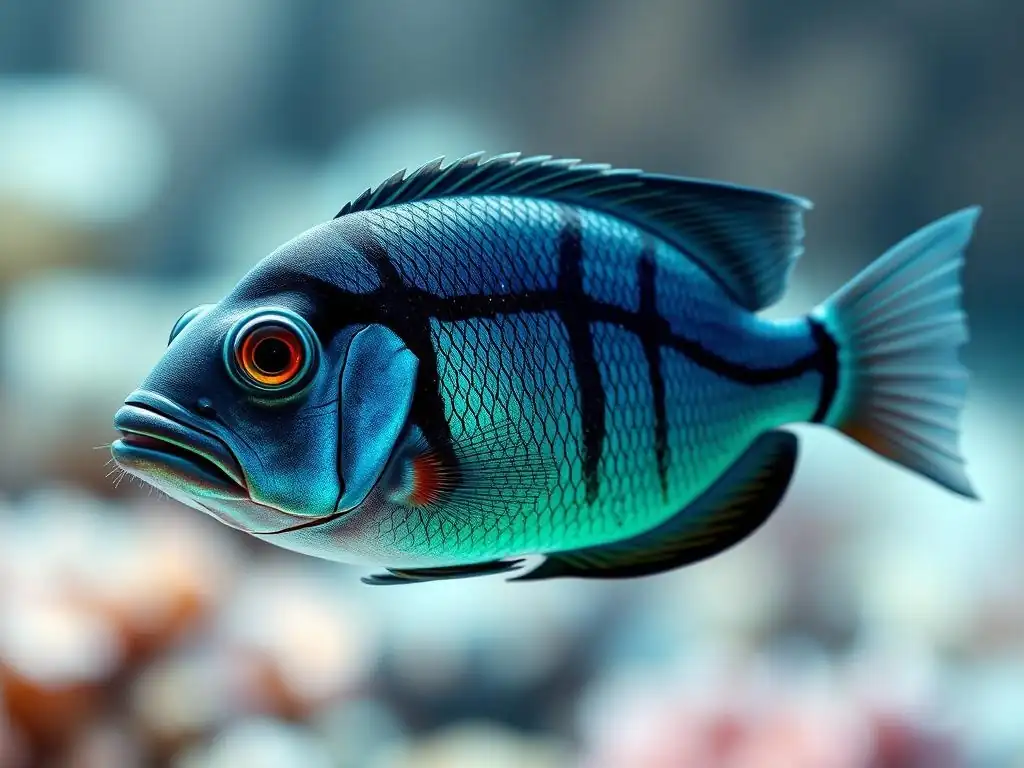
Wrasse temperament varies widely across species, ranging from the extremely peaceful Fairy and Flasher Wrasses to more boisterous and occasionally aggressive species. Many wrasses are active, curious, and engaging fish that spend their day exploring rockwork and sifting through the substrate. However, some, like the Six-line Wrasse, can exhibit territorial behavior towards other small, similarly shaped, or docile fish, especially in smaller tanks. Larger wrasses, such as some Hogfish species, can be predatory and may consume smaller tank mates or ornamental invertebrates.
Most wrasses are best kept individually in home aquariums, particularly in tanks under 100 gallons, to prevent aggression and ensure adequate space. While some Fairy Wrasse species can be kept in harems (one male with multiple females) in very large tanks (120 gallons or more), this requires careful introduction, preferably simultaneously, and constant monitoring. Avoid keeping multiple males of the same or very similar-looking species, as this almost invariably leads to fatal aggression. Understanding these social dynamics is vital for successful colorful saltwater wrasse care and a harmonious aquarium.
Choosing Compatible Tank Mates for Your Wrasses
Selecting appropriate tank mates for wrasses involves considering their individual species' temperament and adult size. Generally, good tank mates include other peaceful to semi-aggressive fish that occupy different swimming levels and won't compete directly for food or territory. Examples include tangs, clownfish, gobies, blennies, and certain angelfish. It's important to ensure that tank mates are not small enough to be considered prey by larger wrasse species.
Conversely, avoid pairing wrasses with extremely aggressive fish that might bully them, or very slow-moving, docile species that could be stressed by the wrasse's constant activity. Delicate, slow-feeding fish might also struggle to compete for food. When considering other wrasses, exercise extreme caution; generally, one wrasse per tank is a good rule of thumb unless you have a very large system and are knowledgeable about species-specific compatibility. Careful planning of tank mates is an integral part of comprehensive colorful saltwater wrasse care.
Potential Aggression Issues and How to Manage Them
Aggression in wrasses typically stems from territorial disputes, especially when multiple wrasses are housed in a tank that is too small or lacks sufficient hiding places. Signs of aggression can include chasing, fin nipping, flaring of fins, or even direct physical attacks. This behavior is more common when introducing new fish into an established wrasse's territory or when keeping multiple wrasses of similar size or appearance.
To manage potential aggression, ensure the tank is adequately sized for all inhabitants. Providing plenty of live rock with numerous caves and crevices allows submissive fish to retreat and establish their own territories. Rearranging the aquascape when introducing a new fish can sometimes disrupt existing territories, giving all inhabitants a fresh start. If a wrasse becomes persistently aggressive and poses a threat to other tank mates, it may be necessary to remove it and house it in a separate aquarium or rehome it. Proactive planning and observation are key to mitigating these issues in colorful saltwater wrasse care.
Preventing and Treating Common Wrasse Diseases
Identifying Signs of Illness in Saltwater Wrasses
Early detection of illness is crucial for successful treatment and maintaining the health of your wrasses. Aquarists should regularly observe their fish for any changes in behavior. Signs such as unusual lethargy, excessive hiding when normally active, rapid breathing (indicated by fast gill movements), or a noticeable loss of appetite are strong indicators that a wrasse may be experiencing health issues.
Beyond behavioral changes, physical signs are also critical. Look for faded or dull colors, clamped fins held tightly against the body, the appearance of white spots resembling salt grains (Marine Ich), a dusty gold or rust-colored film on the body (Marine Velvet), cloudy eyes, visible lesions, open sores, or abnormal growths. Any deviation from their normal appearance or activity warrants immediate investigation, as prompt action significantly improves the chances of successful colorful saltwater wrasse care and recovery.
Common Wrasse Diseases and Their Treatments: Marine Ich (White Spot Disease), Uronema
Marine Ich (Cryptocaryon irritans), commonly known as White Spot Disease, is one of the most prevalent parasitic infections in saltwater aquariums. It manifests as small, white spots, similar to grains of salt, scattered across the fish's body and fins. Affected wrasses may also exhibit rapid gilling, scratching against decor, and lethargy. Treatment typically involves transferring the infected wrasse to a hospital tank for copper-based medication (e.g., Copper Power, Cupramine) or hyposalinity (gradually reducing salinity to 1.009-1.010 SG). Ensure the wrasse species can tolerate the chosen treatment method, as some are sensitive to copper.
Uronema (Uronema marinum) is a highly virulent ciliate parasite that can cause rapid tissue erosion, particularly around the head, fins, and mouth, leading to hemorrhagic lesions. It often appears as a reddish lesion or a general "rotting" appearance. Uronema can progress very quickly and is frequently fatal if not treated immediately. Formalin dips or Furan-2 treatments in a quarantine tank can sometimes be effective if the infection is caught in its earliest stages. Due to its aggressive nature, Uronema requires immediate and decisive action in colorful saltwater wrasse care.
Quarantine Procedures for New Wrasses: Ensuring a Healthy Introduction
Implementing a strict quarantine procedure for all new wrasses is arguably the single most important step in preventing the introduction of diseases into your main display tank. A dedicated quarantine tank, appropriately sized for the wrasse, should be set up with stable water parameters, a heater, a small power filter, and plenty of PVC pipes or other hiding spots. New wrasses should be held in this tank for a minimum of 3-4 weeks.
During the quarantine period, observe the wrasse closely for any signs of illness, and encourage it to eat prepared foods. Many aquarists opt for prophylactic treatments during this time, such as a course of praziquantel (e.g., Prazipro) for flukes and internal parasites, and sometimes a mild, cautious copper treatment for Ich, especially for wild-caught specimens. This allows you to treat any potential issues in a controlled environment without exposing your established fish or sensitive corals to medications. This diligent approach is a cornerstone of responsible colorful saltwater wrasse care.
Reef Compatibility: Can Wrasses Live in a Reef Tank?
Reef-Safe Wrasse Species: Options for Reef Aquariums
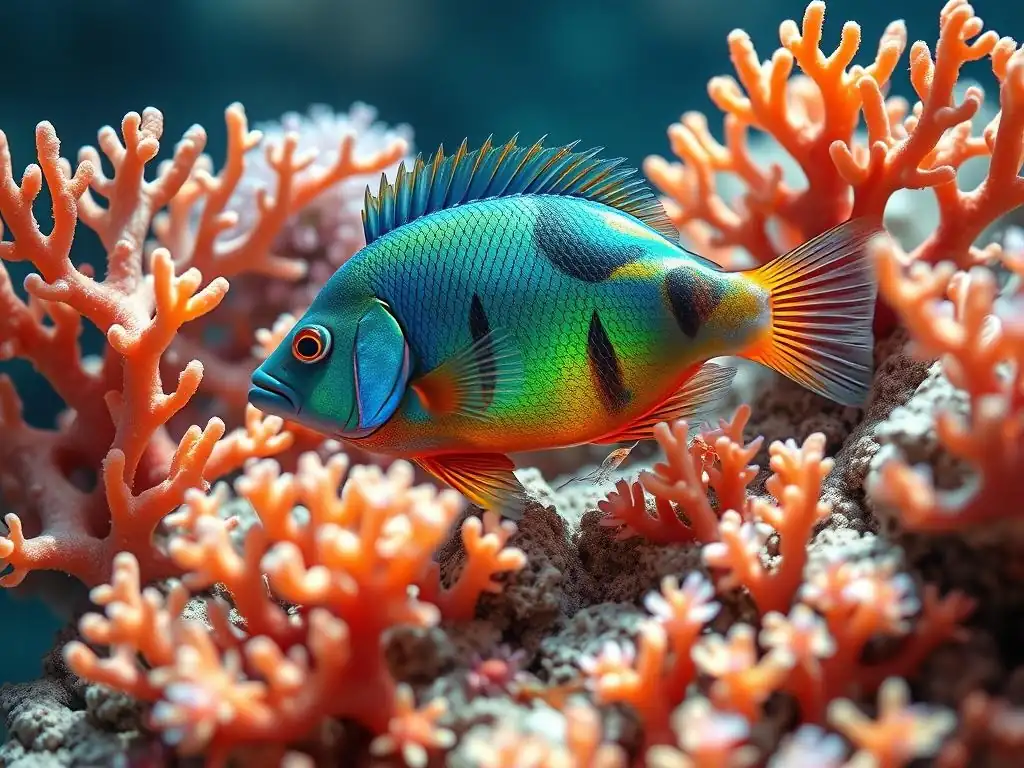
Many wrasse species are considered excellent additions to reef aquariums due to their vibrant colors, active nature, and often beneficial pest-eating habits. Among the most popular reef-safe choices are most Fairy Wrasses (Cirrhilabrus spp.) and Flasher Wrasses (Paracheilinus spp.). These species are known for their spectacular coloration and generally peaceful demeanor, posing no threat to corals or most invertebrates. Their constant activity adds dynamic movement to the reef.
Other highly recommended reef-safe options include the Six-Line Wrasse (Pseudocheilinus hexataenia) and the Yellow Coris Wrasse (Halichoeres chrysus). These species are particularly valued for their natural pest control abilities, actively hunting and consuming unwanted flatworms, pyramid snails, and other small parasitic invertebrates that can plague reef tanks. Their foraging behavior also helps to keep the sand bed aerated and clean. These species exemplify how colorful saltwater wrasse care can align perfectly with the needs of a thriving reef ecosystem.
Wrasses to Avoid in Reef Tanks: Potential Coral and Invertebrate Predators
While many wrasses are reef-safe, certain species are known to prey on corals, clams, or ornamental invertebrates, and should be avoided in a reef setup. Large and aggressive species like the Dragon Wrasse (Novaculichthys taeniourus) and various Hogfish Wrasses (Bodianus spp.) are notorious for consuming small fish, shrimp, crabs, and even nipping at corals. Their predatory instincts make them unsuitable for tanks housing delicate invertebrates.
Additionally, some larger Coris Wrasses (Coris julis) and certain other Halichoeres species that reach significant sizes may develop a taste for clams or larger snails as they mature. Even seemingly "reef-safe" species might occasionally nip at corals if underfed or if the coral is particularly appealing. Thorough research on the specific species' adult behavior and dietary habits is crucial before introducing any wrasse into a reef environment, as misplacement can lead to significant losses of valuable livestock. This careful consideration is a critical aspect of colorful saltwater wrasse care in a reef context.
Balancing Wrasse Needs with Reef Ecosystem Health
Successfully integrating wrasses into a reef tank requires carefully balancing their specific needs with the overall health of the coral and invertebrate ecosystem. For instance, many wrasses require a deep, fine sand bed for burrowing, which can be challenging to maintain in a reef tank without accumulating detritus if not properly managed. Regular siphoning of the sand surface and ensuring good water flow can mitigate this.
Furthermore, while wrasses benefit from a varied, meaty diet, overfeeding can lead to elevated nutrient levels that are detrimental to corals. Aquarists must ensure the wrasse receives adequate nutrition without compromising water quality. Monitoring for any signs of coral nipping or invertebrate predation is also essential; if a wrasse develops a taste for reef inhabitants, it may need to be removed to protect the delicate ecosystem. Choosing captive-bred specimens, when available, can sometimes result in fish less prone to wild predatory instincts, contributing to a more harmonious balance in colorful saltwater wrasse care within a reef tank.
The Future of Wrasse Keeping: Conservation and Responsible Practices
Sustainable Sourcing of Saltwater Wrasses: Choosing Captive-Bred Options
The marine ornamental trade has historically relied heavily on wild-caught specimens, which can put pressure on natural fish populations and coral reef ecosystems. However, significant advancements in aquaculture are making more wrasse species available as captive-bred options. Choosing captive-bred wrasses, such as some species of Fairy Wrasses or Six-line Wrasses, offers several advantages: they are typically hardier, more accustomed to aquarium life and prepared foods, and less likely to carry diseases or parasites from the wild.
Supporting breeders and suppliers who prioritize sustainable practices and offer captive-bred fish helps reduce the demand for wild-caught specimens, thereby lessening the environmental impact on delicate reef environments. While not all wrasse species can yet be reliably captive-bred, actively seeking out and purchasing those that are available contributes directly to the advancement of sustainable aquaculture and promotes ethical colorful saltwater wrasse care throughout the hobby.
Responsible Wrasse Care: Minimizing Environmental Impact
Responsible wrasse care extends beyond just the aquarium itself to minimizing our broader environmental footprint. Proper aquarium maintenance, including responsible disposal of wastewater and old tank equipment, is crucial. Never flush tank water down storm drains, as this can introduce non-native organisms or pollutants into local waterways. Instead, dispose of water responsibly, ideally down a household drain that leads to a wastewater treatment plant.
Furthermore, avoiding the release of unwanted aquarium fish into natural environments is paramount. Releasing non-native species can lead to invasive populations that outcompete native species, introduce diseases, and disrupt delicate ecosystems. Educating oneself and others on best practices for colorful saltwater wrasse care and general marine husbandry contributes to a more sustainable and environmentally conscious hobby.
Contributing to Wrasse Conservation Efforts
Aquarists, by virtue of their passion for marine life, are uniquely positioned to contribute to wrasse conservation efforts. One way is to actively support organizations and research initiatives focused on marine conservation, sustainable aquaculture, and coral reef protection. Many non-profits are dedicated to understanding and preserving marine biodiversity, and financial contributions or volunteer efforts can make a significant difference.
Another valuable contribution is through sharing knowledge and promoting responsible practices within the aquarium community. By advocating for sustainable sourcing, emphasizing the importance of quarantine, and educating fellow hobbyists on proper colorful saltwater wrasse care, you help elevate the standards of the entire industry. Your individual choices, multiplied across the global aquarist community, can collectively foster a greater respect for and commitment to the long-term health of wrasse populations and their natural habitats.
Frequently Asked Questions
What makes wrasses such popular saltwater fish for aquariums?
Wrasses are popular due to their vibrant colors and generally peaceful temperament. Many species are also beneficial clean-up crew members, consuming parasites and pests.
What are some important considerations when selecting a wrasse for my saltwater aquarium?
Consider the wrasse's adult size and compatibility with other tank inhabitants. Research their specific dietary needs and preferred water parameters before purchasing.
What water parameters are crucial for maintaining a healthy wrasse in a saltwater aquarium?
Maintaining stable water parameters is vital. Key parameters include proper salinity, temperature, and pH levels suitable for saltwater fish.
What types of food should I feed my saltwater wrasse to ensure optimal health and coloration?
Wrasses require a varied diet, including high-quality flake food, frozen foods, and live foods like brine shrimp to promote coloration.
What are some common health issues that can affect wrasses, and how can I prevent them?
Wrasses can be susceptible to Ich and other parasites. Quarantine new fish and maintain excellent water quality to prevent disease outbreaks.
Final Reflection: Embracing the Spectrum of Wrasse Care
The vibrant tapestry of the marine world, as explored through the lens of wrasse keeping, is not merely a visual spectacle; it's a testament to the delicate balance of our ecosystems and the responsibility we bear as custodians of these underwater wonders. Understanding the nuances of Colorful saltwater wrasse care extends beyond the confines of our aquariums; it demands a deeper appreciation for the interconnectedness of life and the impact of our choices on the natural world.
The allure of these dazzling fish lies not only in their aesthetic appeal but also in the intricate behaviors and ecological roles they embody. My own journey into wrasse keeping has been a constant learning experience, reinforcing the importance of diligent research and ethical sourcing. In the end, we will conserve only what we love; we will love only what we understand; and we will understand only what we are taught.
- Baba Dioum's words resonate deeply, reminding us that education and understanding are the cornerstones of responsible aquarism and conservation.
As you embark on, or continue, your journey into the dazzling world of wrasses, remember that each decision, from tank setup to feeding habits, contributes to the well-being of these magnificent creatures and the health of our planet. Let the vibrant colors and captivating behaviors of these fish inspire you to become a more informed, responsible, and passionate aquarist. Embrace the challenge, celebrate the beauty, and let the dazzling world of wrasses ignite a lifelong commitment to marine conservation.
Dive Deeper: Transform Your Aquarium into a Wrasse Wonderland!
Thank you for exploring the vibrant world of wrasses with us! We hope you've gained valuable insights into these dazzling fish and their unique needs. Now, it's time to bring that knowledge to life.
Here are a few ways to take your wrasse-keeping journey to the next level:
- Prioritize a wrasse-friendly environment: Begin by assessing your current tank setup to ensure it meets the specific needs of your desired wrasse species. Consider substrate depth, hiding places, and compatible tank mates.
- Explore the amazing diversity of wrasse coloration! Delve into less-common species – like the exquisite Pintail Fairy Wrasse or the mysterious Leopard Wrasse – to appreciate the full spectrum of this family.
- Share your newfound wrasse wisdom! Start a thread in a local aquarium forum or group to discuss your favorite wrasse species and help other aquarists discover the magic of these fish.
What captivating wrasse species are you most excited to learn more about and potentially add to your aquarium?