
The Dwarf Angel Dilemma: Balancing Beauty with Reef Safety

Welcome to Aquarium Mastery!
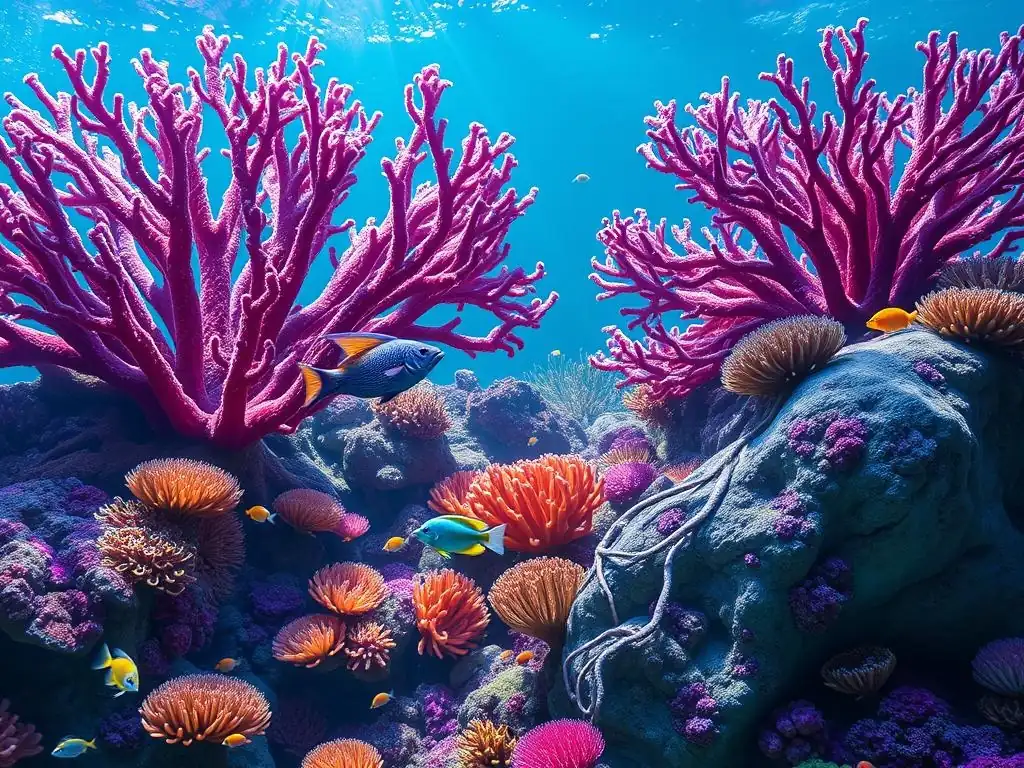
Ever dreamt of adding the vibrant beauty of a Dwarf Angel to your reef tank? These captivating fish are undeniably alluring, but their Dwarf Angel Reef Compatibility can be a real puzzle. Dive into our comprehensive guide to uncover the secrets to successfully (or not!) integrating these stunning creatures into your coral haven. Are they a reef-safe dream or a potential nightmare? Let's explore!
- Understanding Dwarf Angels and Reef Aquariums
- Dwarf Angel Reef Compatibility: A Complex Relationship
-
Reef Safe Dwarf Angel Species: Profiles and Care
- The Coral Beauty Angelfish (Centropyge bispinosa): Reef Compatibility and Care Tips
- The Flame Angelfish (Centropyge loriculus): A Cautious Choice for Reef Tanks
- The Potter's Angelfish (Centropyge potteri): Reef Safe with Caveats
- The Lemonpeel Angelfish (Centropyge flavissima): Known Reef Nipper - Proceed with Caution
-
Minimizing Risks: Strategies for Keeping Dwarf Angels in Reef Tanks
- Quarantine Procedures for New Dwarf Angels: Reducing Parasite Introduction
- Feeding Strategies to Deter Coral Nipping: Varied Diet and Algae Availability
- Tank Mate Selection: Choosing Compatible Fish for a Peaceful Reef Environment
- Aquascaping for Success: Providing Ample Hiding Places and Grazing Opportunities
- Monitoring and Intervention: Observing Dwarf Angel Behavior in the Reef Tank
- Alternatives to Dwarf Angels: Reef Safe Fish with Similar Characteristics
- Conclusion: Making Informed Decisions About Dwarf Angels and Reef Tanks
-
Frequently Asked Questions
- What exactly makes Dwarf Angels a "dilemma" for reef aquariums?
- Which Dwarf Angel species are generally considered more reef-safe?
- What are some signs that a Dwarf Angel is not reef-compatible?
- What can I do to minimize the risk of a Dwarf Angel damaging my reef?
- If I already have a Dwarf Angel, and it's nipping at corals, what are my options?
- Final Reflection: Navigating the Reef's Delicate Balance
- Embrace Responsible Reefkeeping: Transform Knowledge into Action!
Understanding Dwarf Angels and Reef Aquariums
What are Dwarf Angelfish? An Introduction to the Centropyge Genus
Dwarf angelfish, belonging primarily to the Centropyge genus, are a captivating group of marine fish renowned for their vibrant colors and relatively compact size. Unlike their larger angelfish cousins that can grow over a foot long, most Centropyge species typically reach a mature size of 4 to 6 inches, making them popular inhabitants for home aquariums. Their natural habitats span the vast Indo-Pacific and Caribbean regions, where they are often found grazing on algae and detritus among coral reefs and rocky outcrops.
These active and inquisitive fish are characterized by their compressed bodies, small mouths, and often striking patterns of blues, yellows, oranges, and reds. Their omnivorous diet in the wild primarily consists of filamentous algae, diatoms, and small invertebrates, which they constantly graze on throughout the day. This continuous grazing behavior is a key aspect to consider when evaluating Dwarf Angel Reef Compatibility within a coral environment.
The Allure of Dwarf Angels: Why They Are Popular in Reef Tanks
The undeniable aesthetic appeal of dwarf angels is a significant factor in their popularity among reef aquarists. Their brilliant coloration and graceful swimming patterns add dynamic beauty and a focal point to any marine display. Species like the Coral Beauty Angelfish ( Centropyge bispinosa) or the Flame Angelfish ( Centropyge loriculus) are particularly sought after for their vivid hues.
Beyond their visual charm, their manageable size makes them suitable for smaller reef tanks, often starting from 30 to 50 gallons, where larger angelfish would be impractical. Their active yet generally non-aggressive nature towards most other fish species, coupled with their relatively hardy disposition once acclimated, further enhances their desirability. However, this allure often comes with a crucial question regarding Dwarf Angel Reef Compatibility, as their natural grazing habits can sometimes extend to coral polyps.
Reef Aquariums 101: Creating a Thriving Coral Environment
A reef aquarium is a complex and delicate ecosystem designed to house live corals, invertebrates, and fish that can coexist harmoniously. The primary goal is to replicate the stable conditions of a natural coral reef, which requires meticulous attention to various water parameters. Maintaining consistent temperature, salinity (typically around 1.025 specific gravity), alkalinity (8-12 dKH), calcium (400-450 ppm), and magnesium (1250-1350 ppm) is crucial for coral health and growth.
Appropriate lighting, mimicking the sun's spectrum and intensity, along with adequate water flow to deliver nutrients and remove waste, are also indispensable for a thriving coral environment. Given the significant investment in time and resources that goes into establishing a successful reef tank, any potential threat to coral health, such as the possibility of a dwarf angel nipping at polyps, becomes a critical consideration. Therefore, understanding Dwarf Angel Reef Compatibility is paramount for long-term success and the well-being of the entire ecosystem.
Dwarf Angel Reef Compatibility: A Complex Relationship
The Spectrum of Reef Safe Dwarf Angels: From Mostly Safe to Risky
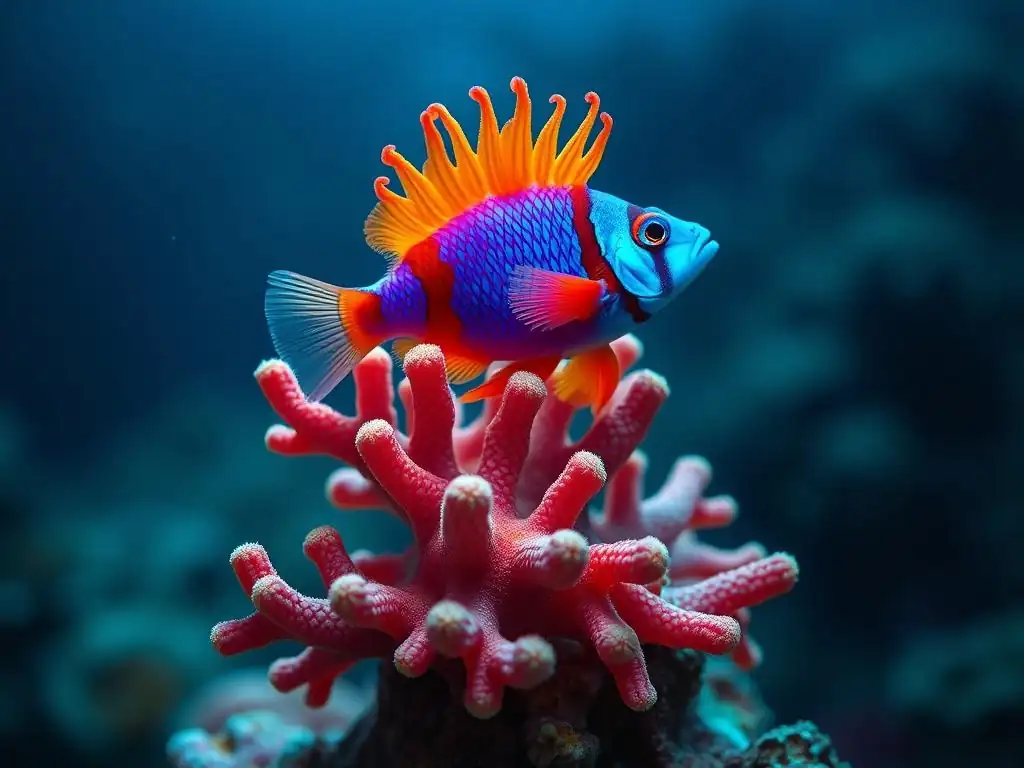
The term "reef safe" when applied to dwarf angelfish is rarely absolute and is better understood as a spectrum of probability. While some species are generally considered "more reef safe" due to a lower propensity for coral nipping, no Centropyge species can be guaranteed 100% reef safe. For instance, the Coral Beauty Angelfish is widely regarded as one of the safest choices, with many aquarists reporting no issues with corals. Conversely, species like the Lemonpeel Angelfish ( Centropyge flavissima) or Bicolor Angelfish ( Centropyge bicolor) are notoriously known for their tendency to nip at corals and clam mantles.
This variability means that an aquarist must carefully research the specific species they are considering and be prepared for the possibility that even a "reef-safe" dwarf angel might develop problematic behaviors. The risk profile ranges from very low for certain species to extremely high for others, making informed decisions about Dwarf Angel Reef Compatibility essential to avoid potential damage to a valuable coral collection. The potential for nipping often targets fleshy polyps, clam mantles, or even sponge tissues, reflecting their natural omnivorous and grazing diets.
Factors Influencing Dwarf Angelfish Reef Compatibility
Individual Fish Temperament and Behavior
One of the most significant and unpredictable factors influencing Dwarf Angel Reef Compatibility is the individual temperament of the fish itself. Even within the same species, behavioral variations exist; one Flame Angelfish might coexist peacefully with corals for years, while another from the same batch might begin nipping almost immediately. This individualistic nature makes it challenging to provide a definitive "yes" or "no" answer regarding their reef safety.
Stress, hunger, and boredom can exacerbate nipping behavior. A dwarf angel that is underfed, lacks sufficient grazing opportunities, or is stressed by tank mates or inadequate territory may be more inclined to pick at corals. Close observation of any new dwarf angel is crucial during its initial weeks and months in the display tank to monitor for any signs of problematic behavior.
Tank Size and Aquascaping Considerations
The size of the aquarium and the quality of its aquascaping play a substantial role in promoting positive Dwarf Angel Reef Compatibility. In larger tanks, such as those 75 gallons or more, the increased space can dilute aggression, provide more natural grazing surfaces (like live rock covered in algae), and offer more distinct territories, reducing stress. For example, a 125-gallon tank offers significantly more roaming and grazing area than a 30-gallon nano tank, potentially reducing the likelihood of a dwarf angel turning its attention to corals out of boredom or hunger.
A well-planned aquascape, featuring ample live rock with numerous caves, overhangs, and crevices, provides essential hiding places and exploration opportunities. This complex environment mimics their natural habitat, reducing stress and providing alternative grazing sites, which can significantly improve Dwarf Angel Reef Compatibility. Without sufficient structure and space, dwarf angels may become stressed or bored, increasing the likelihood of them seeking alternative food sources, including coral polyps.
Coral Species Susceptibility to Dwarf Angel Nipping
Not all coral species are equally susceptible to dwarf angel nipping. Understanding which corals are most at risk can help aquarists make informed decisions about their tank inhabitants. Soft corals, particularly those with fleshy polyps like Zoanthids, Palythoa, Xenia, and various Leather corals (e.g., Sarcophyton, Lobophytum), are often prime targets due to their texture and perceived palatability. For example, a colony of vibrant Green Star Polyps could be decimated by a persistent nipper in a matter of days.
Large Polyp Stony (LPS) corals such as Blastomussa, Favia, Acanthastrea, and Euphyllia (hammer, torch, frogspawn corals) can also be vulnerable, especially if their polyps are extended and tempting. While Small Polyp Stony (SPS) corals like Acropora and Montipora are generally less appealing due to their small polyps and harder structure, a determined dwarf angel might still pick at their tissue or base. Furthermore, invertebrates like Tridacna clams are highly vulnerable targets, as their fleshy mantles are often irresistible to nipping angelfish.
Reef Safe Dwarf Angel Species: Profiles and Care
The Coral Beauty Angelfish (Centropyge bispinosa): Reef Compatibility and Care Tips
The Coral Beauty Angelfish is arguably the most popular and widely recommended dwarf angel for reef aquariums, largely due to its striking purple-blue body transitioning to orange or red on its fins, and its generally good Dwarf Angel Reef Compatibility. Typically reaching about 4 inches in length, this species is native to the Indo-Pacific and is known for its relatively peaceful demeanor. Many aquarists successfully keep Coral Beauties in tanks as small as 30 gallons, although a 50-gallon tank is often preferred to provide ample swimming and grazing space.
While considered one of the safest choices, it's important to remember that individual temperaments vary, and there's always a slight chance of nipping, particularly if the fish is underfed or stressed. To minimize this risk and ensure optimal health, a varied diet consisting of high-quality spirulina flakes, marine algae pellets, frozen mysis shrimp, and brine shrimp should be offered multiple times a day. Providing plenty of live rock for natural grazing and hiding spots will also contribute significantly to its well-being and reduce the likelihood of it developing an interest in coral polyps.
The Flame Angelfish (Centropyge loriculus): A Cautious Choice for Reef Tanks
The Flame Angelfish is one of the most iconic and visually stunning dwarf angels, with its brilliant fiery red-orange body accented by vertical black bars and blue highlights on its fins. Reaching a similar size to the Coral Beauty, around 4 inches, it hails from the central Pacific. Its beauty, however, comes with a more pronounced caveat regarding Dwarf Angel Reef Compatibility.
While many hobbyists have successfully kept Flame Angels in reef tanks without issue, a significant percentage report them developing a taste for coral polyps, particularly soft corals and clam mantles. This makes them a "cautious choice" rather than a reliably reef-safe one.
For those considering a Flame Angelfish, a minimum tank size of 50 gallons is recommended, with larger tanks (75 gallons+) providing a safer environment due to increased grazing opportunities and reduced territorial stress. Like other dwarf angels, their diet should be diverse, including marine algae, spirulina, and meaty foods. Close observation is paramount, especially during the initial weeks after introduction. If nipping begins, be prepared to intervene, as persistent picking can quickly damage sensitive corals.
The Potter's Angelfish (Centropyge potteri): Reef Safe with Caveats
The Potter's Angelfish, Centropyge potteri, is a beautiful and somewhat less common dwarf angel, endemic to the Hawaiian Islands. It features an attractive blue body adorned with striking orange-yellow vertical bars and can grow to about 4 inches. In terms of Dwarf Angel Reef Compatibility, the Potter's Angelfish is generally considered to be on the safer side, often compared to the Coral Beauty in its propensity for nipping. Many aquarists report successful long-term cohabitation with various coral species.
However, like all Centropyge species, individual variability exists, and isolated cases of nipping have been reported. A minimum tank size of 30 gallons is often cited, but a larger system (50 gallons or more) with ample live rock is preferable to ensure its comfort and reduce stress. Their natural diet in the wild is heavily reliant on algae, so providing a continuous supply of high-quality marine algae, spirulina-based foods, and occasional meaty supplements is crucial to keep them well-fed and less likely to explore corals as a food source.
The Lemonpeel Angelfish (Centropyge flavissima): Known Reef Nipper - Proceed with Caution
The Lemonpeel Angelfish, Centropyge flavissima, is instantly recognizable by its vibrant, almost neon yellow body, often accented with bright blue rings around its eyes and gill plates, and blue edges on its fins. Growing slightly larger than other dwarf angels, up to 5.5 inches, this species is undeniably beautiful. However, when it comes to Dwarf Angel Reef Compatibility, the Lemonpeel Angelfish stands out as one of the most notoriously problematic species. It is widely considered a "reef nipper" and is often advised against for tanks with sensitive corals or clams.
Their strong inclination to pick at coral polyps, clam mantles, and even sponges makes them a high-risk addition to any established reef aquarium. While some hobbyists may report limited success in very large systems with robust corals, the general consensus is that the risk outweighs the reward for most reef keepers. If one insists on keeping a Lemonpeel, a minimum tank size of 75 gallons is recommended, alongside a very diverse and consistent feeding regimen focused on algae-based foods. Nonetheless, aquarists should proceed with extreme caution and be prepared for potential damage to their coral collection.
Minimizing Risks: Strategies for Keeping Dwarf Angels in Reef Tanks
Quarantine Procedures for New Dwarf Angels: Reducing Parasite Introduction
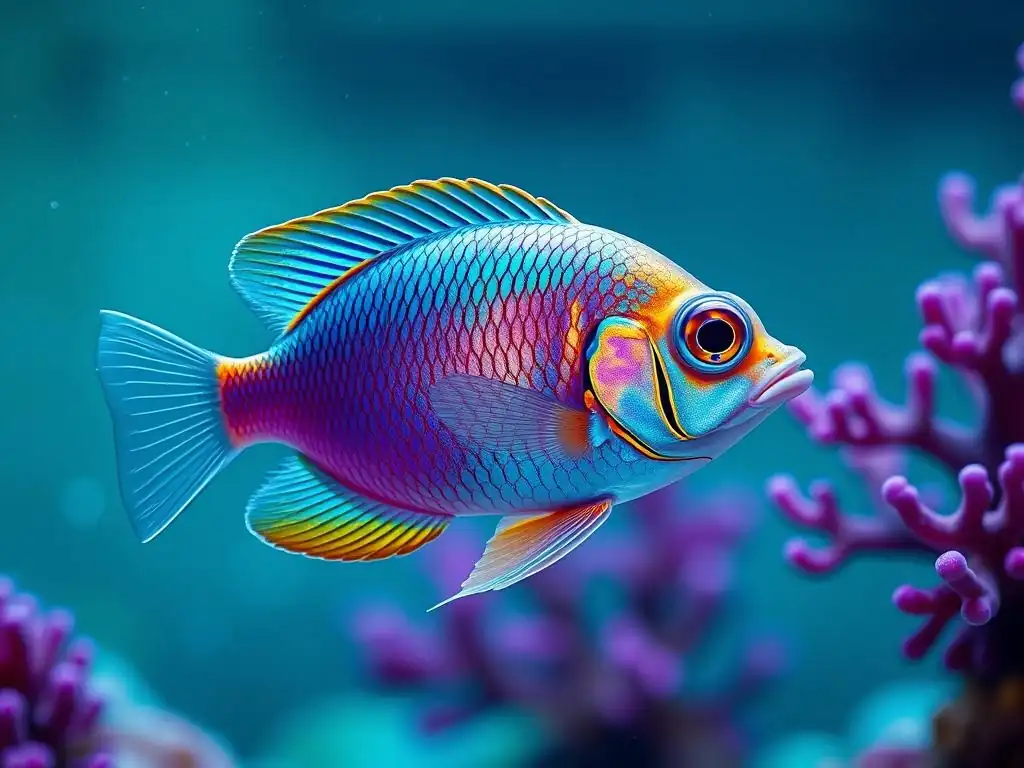
Implementing a strict quarantine procedure for any new dwarf angel is a fundamental step in responsible aquarium keeping and can indirectly improve Dwarf Angel Reef Compatibility. A dedicated quarantine tank (QT) should be set up with stable parameters, separate from the main display tank. The new fish should spend a minimum of three to four weeks in this QT. During this period, the fish can be observed for signs of disease (such as marine ich or velvet), treated if necessary, and dewormed.
Beyond health benefits, the quarantine period allows the dwarf angel to acclimate to captive life without the immediate stress of a bustling main display. A healthy, de-stressed fish is generally less likely to develop problematic behaviors like coral nipping. While not its primary purpose, this period also offers an initial opportunity to observe the fish's feeding habits and overall temperament before introducing it to the delicate reef environment, although direct observation of nipping behavior on corals is best done in the main tank.
Feeding Strategies to Deter Coral Nipping: Varied Diet and Algae Availability
Proper and consistent feeding is one of the most effective strategies to deter dwarf angels from nipping at corals. As natural omnivores and grazers, they require a diet rich in both plant and animal matter. Offering a diverse diet multiple times a day in small amounts helps keep them satiated, reducing their motivation to seek alternative food sources from corals. This varied diet should include high-quality spirulina flakes, marine algae pellets, frozen mysis shrimp, brine shrimp, and finely chopped nori (seaweed) offered on an algae clip daily.
Providing ample natural algae growth on live rock within the display tank also encourages natural grazing behavior, diverting their attention from valuable corals. For example, a well-established 100-gallon reef tank with abundant live rock offers significantly more natural grazing opportunities than a sparsely aquascaped 40-gallon tank. A well-fed Centropyge is less likely to pick at coral polyps out of hunger or boredom, thereby significantly improving Dwarf Angel Reef Compatibility.
Tank Mate Selection: Choosing Compatible Fish for a Peaceful Reef Environment
Careful selection of tank mates can play a role in maintaining a peaceful environment that reduces stress on a dwarf angel, potentially influencing its Dwarf Angel Reef Compatibility. Avoid pairing dwarf angels with overly aggressive or territorial fish that might harass them, as stressed fish are more prone to developing undesirable behaviors. Conversely, excessively timid fish might struggle to compete for food, leading the dwarf angel to become hungrier and more inclined to nip.
Choosing tank mates that occupy different niches in the water column and do not directly compete for food or territory can create a more harmonious ecosystem. For instance, pairing a dwarf angel with peaceful gobies, blennies, or chromis species generally works well. Ensuring that there is adequate space for all inhabitants also helps to minimize territorial disputes and overall stress levels, contributing to a more stable environment where the dwarf angel is less likely to resort to coral nipping.
Aquascaping for Success: Providing Ample Hiding Places and Grazing Opportunities
The design of your reef tank's aquascape is crucial for promoting positive Dwarf Angel Reef Compatibility. A well-structured aquascape should provide numerous hiding places, caves, and crevices for the dwarf angel to retreat to when it feels threatened or needs to rest. This sense of security reduces stress, which in turn can lessen the likelihood of problematic nipping behavior. For instance, building multi-tiered rock structures with swim-throughs and overhangs offers ample exploration and refuge.
Furthermore, a complex aquascape with a large surface area of live rock encourages the growth of natural algae, providing continuous grazing opportunities that align with the dwarf angel's natural diet. This constant availability of food helps to keep the fish satisfied and less inclined to pick at corals. An ideal setup for a species like a Coral Beauty might include a minimum of 40-50 pounds of live rock in a 50-gallon tank, providing both shelter and grazing surfaces, thereby enhancing the likelihood of successful Dwarf Angel Reef Compatibility.
Monitoring and Intervention: Observing Dwarf Angel Behavior in the Reef Tank
Recognizing Signs of Coral Damage: Identifying Dwarf Angel Nipping
Vigilant observation is key to identifying if your dwarf angel is becoming a coral nipper. Regular, close inspection of your corals is essential. Look for specific signs of damage such as retracted polyps that remain closed for extended periods, visible bite marks on coral tissue, or areas of tissue recession that appear to be spreading. For example, if you notice the polyps of your favorite Zoanthid colony consistently retracted or if a large polyp stony coral like a Favia suddenly has a white, exposed skeleton patch, your dwarf angel might be the culprit.
Directly observing the dwarf angel's behavior around corals is also critical. Watch for quick "nip and spit" motions, where the fish approaches a coral, takes a bite, and then spits out any indigestible material. This behavior, particularly if repetitive or targeting the same coral, is a clear indication of a problem. Pay attention to whether the nipping is occasional and exploratory or persistent and damaging, as consistent nipping will lead to significant coral health decline and eventual loss.
Rehoming Options: What to Do If Your Dwarf Angel is Not Reef Safe
If, despite all preventative measures, your dwarf angel consistently nips at and damages your corals, rehoming the fish is often the most responsible and practical solution to protect your reef ecosystem. Continuing to house a fish that is actively destroying corals can lead to significant financial loss and emotional distress for the aquarist, not to mention the harm to the corals themselves. For instance, a single aggressive nipper could destroy hundreds of dollars worth of rare zoanthids or an established LPS colony within a few weeks.
Several rehoming options are available. The ideal scenario is to move the problematic fish to a dedicated fish-only (FO) or fish-only with live rock (FOWLR) tank, where corals are not present. If a separate tank is not feasible, consider selling the fish to another aquarist who either has a fish-only setup or is willing to take the risk in a less sensitive reef tank.
Local fish stores or aquarium clubs are often willing to take in or help rehome fish. It is paramount to never release marine fish into local waterways, as this can introduce invasive species and diseases into non-native environments.
Alternatives to Dwarf Angels: Reef Safe Fish with Similar Characteristics
Blennies and Gobies: Peaceful Grazers for Reef Aquariums
For aquarists seeking active, personality-filled fish that are unequivocally reef safe, many species of blennies and gobies make excellent alternatives to dwarf angels. Blennies, such as the Lawnmower Blenny ( Salarias fasciatus) or Starry Blenny ( Salarias ramosus), are highly effective algae grazers, helping to maintain a clean tank without any Dwarf Angel Reef Compatibility concerns. They exhibit unique perching behaviors and can be very entertaining to watch.
Gobies, like the Watchman Goby ( Cryptocentrus cinctus) or Diamond Watchman Goby ( Valenciennea puellaris), are peaceful bottom-dwellers that sift sand, keeping the substrate clean and aerated. Many goby species also form fascinating symbiotic relationships with pistol shrimp. Both blennies and gobies offer diverse body shapes, colors, and behaviors, contributing to the biodiversity and visual interest of a reef tank without posing a threat to corals.
Hawkfish: Perching Predators with Unique Personalities
Hawkfish are another excellent group of reef-safe alternatives that add unique character to a marine aquarium. Known for their distinctive habit of perching on live rock and observing their surroundings, species like the Flame Hawkfish ( Neocirrhites armatus) or Longnose Hawkfish ( Oxycirrhites typus) are popular choices. They are generally hardy, active, and bring a splash of color to the tank, often in vibrant reds and oranges reminiscent of some dwarf angels.
While hawkfish are primarily carnivorous and will readily consume small invertebrates, they are considered reef safe with corals. The main caveat is that very small ornamental shrimp (under an inch) or tiny crabs might occasionally be seen as food by larger hawkfish species. However, their predatory nature is focused on motile invertebrates, not sessile corals, making them a safe choice for a thriving coral display where Dwarf Angel Reef Compatibility is a concern.
Chromis: Schooling Fish Adding Color and Activity
For those looking to add dynamic movement and a pop of color without any Dwarf Angel Reef Compatibility risks, schooling fish like the Blue Green Chromis ( Chromis viridis) are an ideal solution. These small, peaceful fish are known for their iridescent blue-green coloration and their tendency to swim together in loose schools, creating a mesmerizing display in the middle and upper water columns of the tank. A group of three or more Chromis can significantly enhance the visual appeal and activity of a reef aquarium.
Chromis are completely reef safe, as their diet consists primarily of zooplankton and prepared foods, with no inclination to nip at corals. They are relatively inexpensive, widely available, and hardy, making them an excellent choice for beginner and experienced reef keepers alike. They provide a vibrant, active presence that can rival the beauty of dwarf angels without any of the associated risks to a delicate coral ecosystem.
Conclusion: Making Informed Decisions About Dwarf Angels and Reef Tanks
The Importance of Research and Responsible Aquarium Keeping
Embarking on the journey of keeping marine aquariums, especially reef tanks, requires a significant commitment to research and responsible practices. Before introducing any new inhabitant, particularly a dwarf angel, it is paramount to thoroughly investigate the specific species' needs, typical behaviors, and its known Dwarf Angel Reef Compatibility. Relying on anecdotal evidence alone can lead to costly mistakes and harm to your tank's inhabitants.
Understanding the potential risks and benefits associated with each species ensures that you are making an informed decision that prioritizes the long-term health and stability of your entire reef ecosystem. Responsible aquarium keeping involves not only providing optimal living conditions but also being prepared to adapt and intervene if a fish's behavior proves detrimental to the carefully cultivated coral environment.
Dwarf Angel Reef Compatibility: A Recap of Key Considerations
The decision to add a dwarf angel to a reef tank is a delicate balance between enjoying their undeniable beauty and acknowledging the inherent risks. "Reef safe" for dwarf angels is a spectrum, not an absolute guarantee, and varies significantly by species and individual temperament. Key considerations for maximizing Dwarf Angel Reef Compatibility include selecting species generally known for lower nipping tendencies (e.g., Coral Beauty), providing a spacious tank (e.g., 50 gallons+) with ample aquascaping and hiding places, and maintaining a diverse and consistent feeding regimen rich in algae.
Vigilant observation for signs of coral damage is crucial, and aquarists must be prepared for intervention, including rehoming, if a dwarf angel proves to be a persistent nipper. While the allure of these vibrant fish is strong, understanding and mitigating the potential risks ensures that the pursuit of beauty does not come at the expense of a thriving and healthy reef aquarium.
Frequently Asked Questions
What exactly makes Dwarf Angels a "dilemma" for reef aquariums?
Dwarf Angels, while beautiful, have a tendency to nip at corals, especially LPS (Large Polyp Stony) corals and certain soft corals. This behavior can cause stress, tissue recession, and even death to sensitive corals.
Which Dwarf Angel species are generally considered more reef-safe?
Some Dwarf Angel species, like the Flame Angel and Coral Beauty, are often considered less likely to cause problems than others. However, individual behavior varies greatly, and there are no guarantees.
What are some signs that a Dwarf Angel is not reef-compatible?
Keep an eye out for signs like visible nipping at corals, corals retracting their polyps, or unexplained tissue loss. Observe your tank frequently in the first few weeks after introducing a Dwarf Angel.
What can I do to minimize the risk of a Dwarf Angel damaging my reef?
Ensure the tank is well-established and mature, providing ample algae and rockwork for grazing. Offer a varied diet rich in algae-based foods to reduce the temptation to nip at corals.
If I already have a Dwarf Angel, and it's nipping at corals, what are my options?
Unfortunately, the best solution is often to remove the Dwarf Angel from the reef tank and re-home it. Other options include re-arranging the rockwork or adding more food sources, but these are not always effective.
Okay, here's a final reflection designed to close your article "The Dwarf Angel Dilemma: Balancing Beauty with Reef Safety," optimized for the keyword "Dwarf Angel Reef Compatibility" and following your specified structure:
The preceding exploration of dwarf angel reef compatibility underscores a crucial point: responsible reef keeping demands informed decisions. The allure of these vibrant fish must be tempered by a thorough understanding of their potential impact on the delicate ecosystem we strive to recreate. Ignoring the nuances of individual species and tank dynamics can lead to devastating consequences, undermining the very beauty we seek to cultivate.
This topic has profoundly shaped the reefing community, forcing us to confront the ethical considerations inherent in our hobby. The ongoing debate surrounding dwarf angel reef compatibility highlights the importance of prioritizing the well-being of our aquatic inhabitants over fleeting aesthetic desires. It reminds us that true beauty lies not just in visual appeal, but in the harmonious coexistence of all creatures within the reef. The question is not, 'Can they coexist?' but 'Should they coexist?'
This quote encapsulates the ethical weight we must carry as stewards of these miniature oceans.
Now, armed with a deeper understanding of the dwarf angel reef compatibility spectrum, I invite you to reflect on your own role in the reefing ecosystem. Consider the long-term consequences of your choices and strive to create a thriving, balanced environment where beauty and responsibility intertwine. Let's commit to making informed decisions that protect the delicate balance of our reefs, ensuring their vibrant future for generations to come.
Embrace Responsible Reefkeeping: Transform Knowledge into Action!
Thanks for diving into the world of dwarf angelfish and reef compatibility! Now that you're equipped with the knowledge to make informed decisions, let's turn that insight into positive action for your reef ecosystem.
- Commit to Informed Observation: Before introducing any dwarf angelfish, meticulously research your specific reef environment and the potential candidate species for compatibility.
- Share your experiences! Join the Aquarium Mastery community forum and detail your dwarf angelfish experiences – both successes and challenges – to contribute valuable insights to others.
- Thinking outside the box: Why not volunteer at a local aquarium or reef conservation organization to gain firsthand experience with responsible reefkeeping practices?
What's one small change you can make this week to prioritize reef safety in your dwarf angelfish keeping approach?