
Snowflake Moray Eel (Echidna nebulosa): The Perfect Beginner's Eel?

Welcome to Aquarium Mastery!
Ever wondered if keeping a moray eel is within your reach, even as a beginner? Dive into the captivating world of the Snowflake Moray Eel! Is this stunning creature truly the "perfect" beginner's eel? Explore this in-depth guide to discover its unique needs, captivating personality, and whether it's the right fit for your saltwater aquarium. Get ready to unlock the secrets to successfully keeping this fascinating species.
- Snowflake Moray Eel (Echidna nebulosa): A Beginner's Guide
- Introduction to Snowflake Moray Eel Care
- Essential Care Guidelines
- Tank Mate Compatibility
- Understanding Behavior
- Common Health Issues and Prevention
- Pros and Cons
- Setting Up a New Tank
- Advanced Care Considerations
- Conclusion: Is a Snowflake Moray Eel Right for You?
-
Frequently Asked Questions
- What makes the snowflake moray eel a good choice for beginner aquarists?
- What size tank is required for a snowflake moray eel?
- What do snowflake moray eels eat, and how often should they be fed?
- Are snowflake moray eels reef safe?
- What are some common health issues that snowflake moray eels are prone to?
- Final Reflection: Embracing the Nebulous Beauty
- Dive Deeper: Ignite Your Eel-Keeping Journey!
Snowflake Moray Eel (Echidna nebulosa): A Beginner's Guide
Introduction to Snowflake Moray Eel Care
Suitability for Beginner Aquarists
The Snowflake Moray Eel (Echidna nebulosa) is often touted as one of the more beginner-friendly moray eels available in the saltwater aquarium hobby, and for good reason. Unlike many of its larger, more aggressive relatives, the snowflake moray eel remains a manageable size, typically reaching lengths of 24 to 30 inches in captivity.
This relatively smaller stature, combined with its robust nature and striking appearance, makes it a more accessible option for aquarists who are just venturing into keeping predatory saltwater fish. While no eel is entirely "easy," the snowflake moray eel presents fewer challenges than species like the Green Moray (Gymnothorax funebris), which can grow to over 8 feet and require massive, specialized aquariums.
However, labeling the snowflake moray eel as a "beginner snowflake moray eel" requires a nuanced understanding. While hardy and less demanding in terms of sheer tank volume compared to other eels, it still requires a dedicated approach to its care, particularly regarding tank security, diet, and tank mate compatibility.
Aquarists must be prepared for its predatory instincts and ensure proper housing to prevent escapes, which are a common issue for all moray species. With adequate preparation and commitment to providing the correct environment, a beginner can successfully keep this fascinating creature, but it's crucial to understand its specific needs beyond just its hardiness.
Key Characteristics of Snowflake Moray Eels
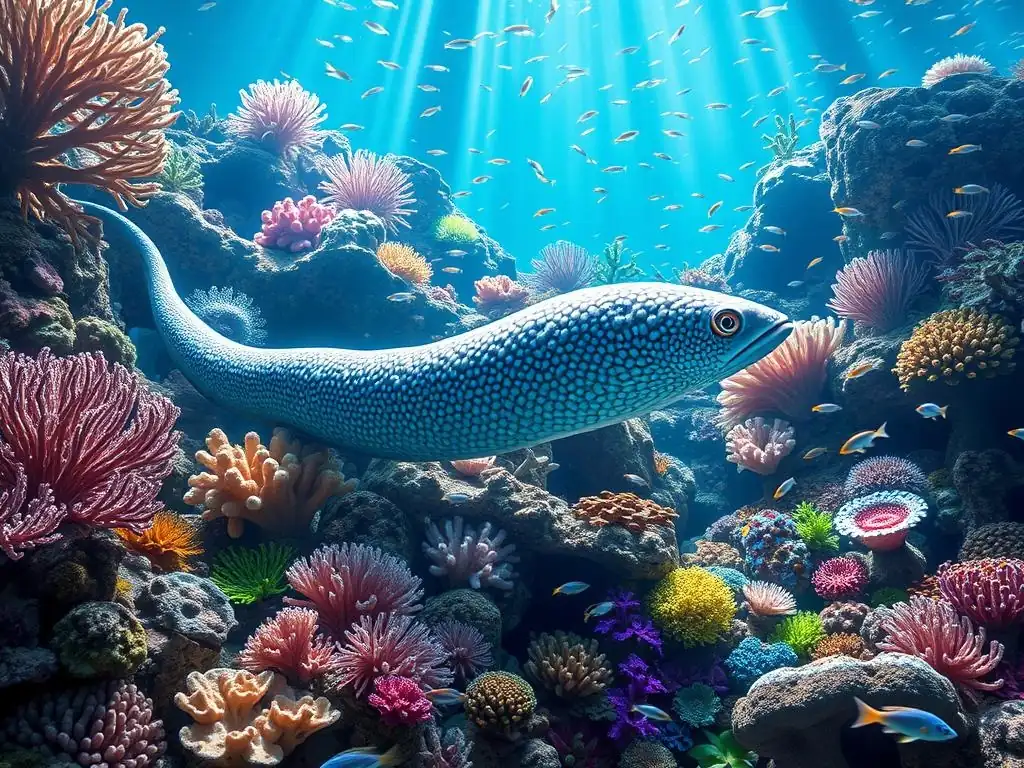
The Snowflake Moray Eel is instantly recognizable by its distinctive pattern of black, white, and yellow blotches, resembling snowflakes or abstract art, which gives it its common name. Its body is stout and muscular, typical of morays, allowing it to navigate rocky crevices with ease.
Unlike many fish, moray eels lack pectoral and pelvic fins, instead relying on their dorsal and anal fins, which run along the length of their body, to undulate through the water. They possess a large mouth filled with blunt, conical teeth designed for crushing the shells of crustaceans rather than tearing flesh, a characteristic that somewhat moderates their predatory threat compared to other sharp-toothed morays.
In terms of size and lifespan, the Snowflake Moray Eel is a significant commitment. As mentioned, they typically grow to about 24-30 inches (60-75 cm) in a home aquarium, though some individuals may exceed this. Their natural habitat spans the Indo-Pacific region, where they inhabit shallow reefs and rocky areas, spending much of their day hidden in crevices.
In captivity, with proper care, these eels can live for an impressive 10 to 20 years, making them a long-term pet. Their nocturnal or crepuscular nature means they are most active during dawn, dusk, or after lights out, though they often learn to associate their owner with food and may emerge during the day for feeding.
Essential Care Guidelines
Tank Size and Setup
Providing an appropriately sized aquarium is paramount for the health and well-being of a Snowflake Moray Eel. While juveniles might temporarily reside in a 30-50 gallon tank, an adult snowflake moray eel requires a minimum of 75 gallons, with 100 gallons or more being ideal to provide ample swimming space and territory.
For instance, a standard 75-gallon tank measures approximately 48 inches long by 18 inches wide by 21 inches high, offering sufficient linear space for an eel that can reach 2.5 feet in length. The larger the tank, the more stable the water parameters tend to be, which is beneficial for any marine inhabitant.
The tank setup for a snowflake moray eel must prioritize security and hiding opportunities. These eels are notorious escape artists, capable of squeezing through incredibly small openings. Therefore, a tightly fitting, heavy lid is absolutely essential, preferably one that is weighted or clipped down.
Aquascaping should include plenty of live rock arranged to form secure caves, tunnels, and crevices where the eel can hide and feel safe during the day. Ensure that the rockwork is stable and cannot be toppled by the eel's powerful movements. A fine sand substrate is preferable, as some eels enjoy burrowing, and it prevents injury to their delicate skin that could occur with sharp gravel.
Water Parameters
Maintaining stable and pristine water parameters is critical for the long-term health of a Snowflake Moray Eel. The ideal temperature range for these tropical eels is between 72-78°F (22-26°C), with a specific gravity of 1.020-1.025. The pH should be maintained between 8.1 and 8.4. Crucially, ammonia and nitrite levels must always be at 0 ppm, and nitrates should be kept below 20 ppm. Regular testing of these parameters, ideally on a weekly basis, is vital to catch any fluctuations before they become problematic.
To achieve and maintain these conditions, robust filtration is a necessity. A high-quality protein skimmer is highly recommended to remove organic waste, given the eel's messy eating habits and the meaty diet it consumes. A sump system can significantly increase the total water volume, contributing to greater parameter stability, and provides space for additional filtration media. Regular partial water changes are also essential; a bi-weekly change of 20-25% of the tank's volume helps replenish essential trace elements and dilute accumulated nitrates, ensuring a healthy environment for your beginner snowflake moray eel.
Feeding
Suitable Food Options
Snowflake Moray Eels are carnivores with a strong appetite, and a varied diet is key to their long-term health. Their natural diet consists primarily of crustaceans and small fish, which their blunt teeth are perfectly adapted to crush. In captivity, suitable food options include frozen silversides, krill, squid, and various chopped seafoods such as shrimp, scallops, and lean fish fillets like salmon, cod, or tilapia (always ensure they are unsalted and unseasoned). It is crucial to offer a variety of these items to ensure a balanced nutritional intake.
Enriching their diet with vitamin supplements, particularly those containing Vitamin B1 (thiamine) which can be depleted by feeding certain frozen fish, is highly recommended. Avoid feeding live feeder fish, as they often carry diseases and parasites that can be detrimental to your eel's health. Furthermore, feeder fish typically lack the nutritional value found in a varied diet of quality frozen seafood. Always ensure the food pieces are appropriately sized to prevent choking or difficulty swallowing.
Feeding Schedule and Amounts
The feeding schedule for a Snowflake Moray Eel depends on its age and size. Juveniles may require feeding every other day, while adult eels typically thrive on a schedule of two to three times per week. The amount of food offered should be enough to slightly distend their belly, but not so much that it fouls the water. Overfeeding can lead to poor water quality and health issues such as fatty liver disease. Observe your eel's body condition; if it looks emaciated, increase feeding frequency or quantity slightly, and if it appears overly plump, reduce it.
Due to their powerful bite and nocturnal nature, it is advisable to target-feed your snowflake moray eel using long feeding tongs. This method not only ensures the eel gets its share of food, preventing tank mates from snatching it, but also protects your fingers from accidental bites. Eels have poor eyesight, relying heavily on their sense of smell, so wiggling the food near their hiding spot will usually entice them out. It's common for them to become quite bold during feeding time, often emerging fully from their rockwork in anticipation.
Tank Mate Compatibility
Compatible Tank Mates
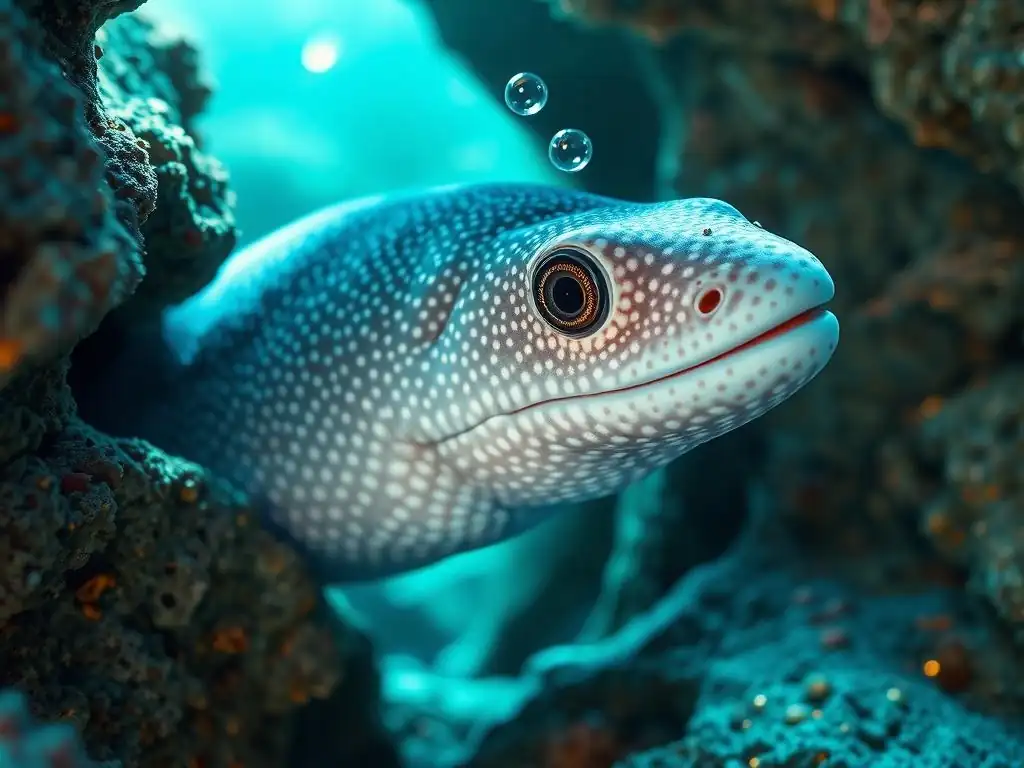
When selecting tank mates for a Snowflake Moray Eel, the primary rule of thumb is simple: if it fits in the eel's mouth, it's potential food. Despite their blunt teeth, snowflake morays are opportunistic predators. Therefore, compatible tank mates must be significantly larger than the eel's mouth and possess a robust nature. Large, fast-swimming fish are generally good candidates. Examples include larger species of tangs (e.g., Yellow Tang, Blue Tang), angelfish (e.g., Emperor Angelfish, Queen Angelfish), triggerfish (e.g., Undulated Triggerfish, Picasso Triggerfish, provided they are not overly aggressive towards the eel), and certain groupers.
Other suitable companions can include large lionfish, puffers, and even other moray eels of similar size, provided the tank is exceptionally large (e.g., 200 gallons or more) with ample hiding spots for each. For instance, a 6-inch snowflake moray might easily consume a 2-inch damsel, but it is unlikely to bother a 5-inch Yellow Tang. It is crucial to introduce the eel last to the tank, if possible, to minimize territorial disputes and allow other fish to establish their territories first. Always monitor interactions closely, especially during feeding times, as this is when predatory instincts are most heightened.
Due to their predatory nature, many common saltwater aquarium inhabitants are entirely unsuitable as tank mates for a Snowflake Moray Eel. Any small fish, regardless of species, is at risk of becoming a meal. This includes popular aquarium fish such as clownfish, gobies, blennies, cardinalfish, and most damsels. Even if they are initially too large, a growing snowflake moray eel will eventually pose a threat.
Furthermore, most invertebrates, particularly crustaceans like ornamental shrimp (e.g., cleaner shrimp, peppermint shrimp) and crabs, are highly incompatible. These are part of the snowflake moray's natural diet, and they will be actively hunted and consumed. For example, a beautiful cleaner shrimp, despite its beneficial role in a reef tank, will almost certainly become food for a snowflake moray eel.
Other invertebrates like snails and hermit crabs are also at high risk. While some aquarists have had limited success with large, robust invertebrates in very spacious tanks, it is generally advised to avoid mixing them with snowflake moray eels to prevent disappointment and loss.
Understanding Behavior
Typical Behavior in Aquariums
Snowflake Moray Eels are fascinating creatures with distinct behavioral patterns in an aquarium setting. They are primarily nocturnal or crepuscular, meaning they are most active during the twilight hours of dawn and dusk. During the day, they typically spend their time hidden within the rockwork, with only their head, or sometimes just their snout, protruding from a crevice. This behavior is natural and indicates they feel secure in their environment. As they become accustomed to their tank, they may become bolder, occasionally emerging during daylight hours, especially if they associate your presence with feeding.
A common behavior observed in moray eels is their "yawning" or mouth-gaping. This is not a sign of aggression or stress but rather a natural action to pump water over their gills for respiration, as well as to keep their powerful jaws aligned. These eels are also known for their curiosity and exploratory nature.
They will meticulously investigate every nook and cranny of their tank, which underscores the importance of a secure lid. Many aquarists report their snowflake moray eels becoming quite interactive and even "begging" for food after lights out, often extending their head and part of their body from their chosen cave in anticipation of a meal.
Recognizing Signs of Stress or Illness
Observing your Snowflake Moray Eel's behavior regularly is crucial for early detection of stress or illness. A healthy eel will typically be alert, curious, and maintain a good appetite. Signs of stress or illness can include a significant loss of appetite or refusal to eat, which is often one of the first indicators of a problem. Lethargy, characterized by a lack of movement or spending an unusual amount of time motionless outside of its hiding spot, can also be a red flag.
Other symptoms to watch for include rapid or labored breathing, unusual color changes (e.g., fading or darkening), the appearance of white spots (indicative of Ich or other parasitic infections), lesions, sores, or excessive mucus on their skin. Erratic swimming, rubbing against tank decor, or attempting to escape more frequently than usual can also signal discomfort or irritation. For example, an eel constantly rubbing itself against rocks might be trying to dislodge parasites. Prompt identification of these signs allows for quicker intervention and a better chance of successful treatment, maintaining the health of your beginner snowflake moray eel.
Common Health Issues and Prevention
Preventing and Treating Common Diseases
Like all aquarium inhabitants, Snowflake Moray Eels are susceptible to various diseases, though their hardiness generally makes them quite resilient. The most common issues include parasitic infections like Marine Ich (Cryptocaryon irritans), bacterial infections, and fungal infections, often triggered by poor water quality, stress, or the introduction of infected tank mates. Prevention is always the best approach, focusing on maintaining stable, pristine water parameters, providing a nutritious and varied diet, and minimizing stress.
When it comes to treatment, it's crucial to note that moray eels are highly sensitive to copper-based medications, which are commonly used for parasitic infections in marine aquariums. Using copper can be fatal to an eel. Therefore, alternative treatments must be employed. For Ich, hyposalinity (gradually reducing the specific gravity to 1.009-1.010 for several weeks) can be an effective and less stressful option.
Bacterial infections may require specific antibiotics, often administered via food or in a hospital tank. For instance, a hyposalinity treatment for Ich usually involves slowly lowering the salinity over 24-48 hours and maintaining it for 2-3 weeks, followed by a gradual return to normal salinity. Always consult a knowledgeable marine aquarist or veterinarian before administering any medication.
Quarantine Procedures
Implementing a strict quarantine procedure for all new arrivals, including your Snowflake Moray Eel and any potential tank mates, is perhaps the most effective way to prevent the introduction and spread of diseases in your main display tank. A separate quarantine tank (QT) should be set up specifically for this purpose. This tank doesn't need to be elaborate; a 20-gallon long tank can serve as an adequate QT for a juvenile snowflake moray eel, providing enough space for observation and treatment.
The QT should be equipped with a heater, a simple sponge filter or hang-on-back filter, and PVC pipes or non-porous decorations to provide hiding spots. It should be bare-bottomed to facilitate cleaning and medication. New fish should be kept in quarantine for a minimum of 4-6 weeks, allowing sufficient time to observe for any signs of disease and to administer prophylactic treatments if deemed necessary. This isolation period helps ensure that only healthy, disease-free specimens are introduced to your main aquarium, significantly reducing the risk of an outbreak that could jeopardize your entire tank population.
Pros and Cons
Advantages for Beginners
The Snowflake Moray Eel offers several distinct advantages that make it a compelling choice for a beginner snowflake moray eel. Firstly, its remarkable hardiness allows it to tolerate minor fluctuations in water parameters better than many other delicate marine species, providing a small buffer for new aquarists learning the ropes. Secondly, its relatively manageable adult size, typically around 2 feet, means it doesn't demand the colossal tank volumes required by larger moray species, making it feasible for a broader range of home aquariums (75-100 gallons).
Furthermore, their captivating appearance and unique, inquisitive behaviors make them incredibly rewarding to observe. They offer a glimpse into the fascinating world of predatory marine life without the extreme challenges associated with more advanced eels. Their longevity, often living 10-20 years with proper care, means they can be a long-term, engaging pet, allowing beginners to grow their experience alongside their eel.
Potential Challenges
Despite its beginner-friendly reputation, keeping a Snowflake Moray Eel comes with its own set of challenges that prospective aquarists must consider. The most significant is their notorious ability to escape from even the smallest openings, necessitating an absolutely secure and weighted lid to prevent them from drying out on the floor. Their predatory nature also means careful consideration of tank mates; anything small enough to fit in their mouth, including cherished shrimp or small fish, will likely become food.
Another challenge can be their powerful bite. While their teeth are blunt, an accidental bite can still inflict a painful wound, requiring caution during tank maintenance. Feeding can sometimes be an issue if they are initially finicky eaters, requiring patience to encourage them to accept frozen foods. Lastly, the long-term commitment of a 10-20 year lifespan means aquarists must be prepared for a significant dedication of time, resources, and space.
Setting Up a New Tank
Cycling the Tank
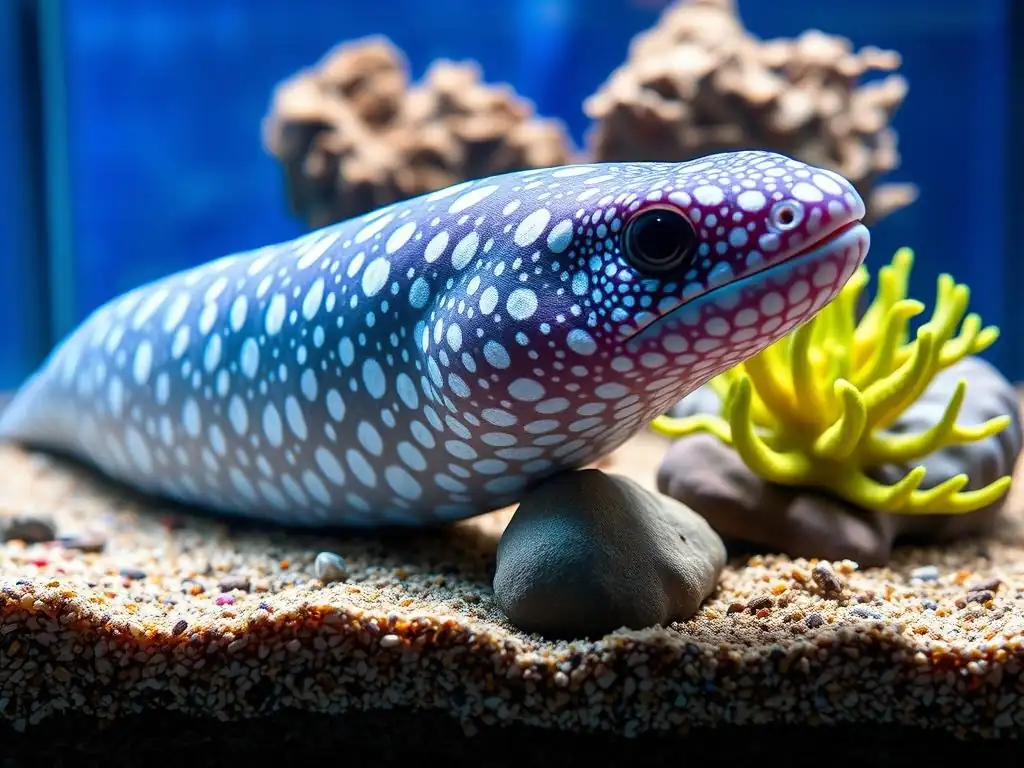
Before introducing any marine life, especially a Snowflake Moray Eel, it is absolutely essential to ensure your aquarium is fully cycled. The cycling process establishes the nitrogen cycle, where beneficial bacteria convert toxic ammonia (produced by fish waste and uneaten food) into less toxic nitrite, and then into even less toxic nitrate. Introducing an eel into an uncycled tank will expose it to lethal levels of ammonia and nitrite, leading to severe stress, illness, or death.
A typical fishless cycling process can take anywhere from 4 to 6 weeks, depending on the method used. This involves adding a source of ammonia (e.g., pure ammonia solution or ghost feeding with fish food) to kickstart the bacterial growth, while regularly testing ammonia, nitrite, and nitrate levels. For example, a 75-gallon tank undergoing a fishless cycle can take approximately 5 weeks to establish a robust bacterial colony, capable of converting 2 ppm of ammonia to nitrates within 24 hours. The tank is considered fully cycled when both ammonia and nitrite levels consistently read 0 ppm.
Acclimation Process
The acclimation process is a critical step when introducing a new Snowflake Moray Eel to its new home, as it minimizes stress and reduces the risk of osmotic shock from sudden changes in water parameters. Due to their sensitivity, a slow drip acclimation method is highly recommended over the traditional floating bag method. This gradual process allows the eel to slowly adjust to the temperature, pH, and salinity of the new aquarium water.
To perform drip acclimation, place the eel (still in its transport bag water) into a clean bucket. Use airline tubing to siphon water from your display tank into the bucket, tying a knot in the tubing or using a control valve to regulate the drip rate to about 2-3 drips per second. Allow the water volume in the bucket to slowly double or triple over a period of 60-90 minutes.
For instance, if you start with 1 gallon of water in the bucket, you would allow 1-2 gallons of tank water to drip into it. Once acclimated, carefully net the eel and gently release it into the main tank, discarding the water from the bucket. It's often beneficial to dim the tank lights during this process to further reduce stress.
Advanced Care Considerations
Breeding Challenges
Breeding Snowflake Moray Eels in a home aquarium setting is exceptionally challenging and rarely achieved. Unlike many other marine fish that readily spawn in captivity, moray eels, including Echidna nebulosa, have complex reproductive cycles that are difficult to replicate outside of their natural environment. In the wild, they are pelagic spawners, releasing eggs and sperm into the open water. The resulting larvae are tiny, transparent, and drift in the plankton for an extended period, known as the leptocephalus stage.
This larval stage requires very specific and often unknown environmental conditions, as well as microscopic food sources, which are nearly impossible to provide in a typical aquarium. While some large public aquariums and research facilities have had limited success with breeding and rearing certain moray species, successful rearing of snowflake moray eel larvae from egg to juvenile has not been widely documented by private aquarists. Therefore, aquarists acquiring a beginner snowflake moray eel should do so with the understanding that breeding is not a realistic goal for the home setup.
Aquascaping for Natural Habitat
Beyond simply providing hiding spots, aquascaping your Snowflake Moray Eel's tank to mimic its natural reef habitat significantly contributes to its well-being and allows for more natural behaviors. This means creating a complex network of live rock structures with numerous crevices, caves, and tunnels that the eel can explore and retreat into. The goal is to replicate the intricate rocky environments found in the Indo-Pacific reefs where they naturally reside.
When arranging live rock, ensure that all structures are extremely stable and securely stacked or even epoxied together to prevent collapses. Eels are powerful, and their movements can easily dislodge unstable rockwork, potentially injuring themselves or damaging the tank. Choose smooth rocks over sharp ones to prevent abrasions on the eel's delicate skin.
Incorporating a deep sand bed (at least 2-3 inches) of fine aragonite sand can also be beneficial, as some snowflake moray eels enjoy burrowing into the substrate, particularly when seeking shelter or during periods of rest. Using at least 1 pound of live rock per gallon (e.g., 75 pounds for a 75-gallon tank) can create a naturalistic and secure environment with ample hiding spots for a snowflake moray eel.
Conclusion: Is a Snowflake Moray Eel Right for You?
Key Considerations
Deciding whether a Snowflake Moray Eel is the right addition to your saltwater aquarium involves careful consideration of several key factors. While often considered a "beginner snowflake moray eel" due to its hardiness and manageable size compared to other morays, it still demands a significant commitment. Prospective owners must be prepared to provide a minimum 75-gallon aquarium with an absolutely secure, weighted lid to prevent escapes. A robust filtration system and a consistent schedule of water parameter testing and partial water changes are essential to maintain the pristine water quality these eels require.
Furthermore, understanding their predatory nature is paramount. They will consume any fish or invertebrate small enough to fit into their mouth, necessitating careful selection of compatible, larger tank mates. Their diet of meaty, varied foods and the need for target feeding also require dedication. Finally, their impressive lifespan of 10-20 years means this is a long-term pet that will be with you for many years, requiring consistent care and attention throughout its life.
A Rewarding Addition
Despite the specific care requirements and potential challenges, a Snowflake Moray Eel can be an incredibly rewarding addition to the appropriately set up marine aquarium. Their unique appearance, with their striking snowflake-like pattern, makes them a captivating focal point. Their fascinating behaviors, from their curious explorations of rockwork to their distinctive "yawning" and the way they emerge during feeding time, provide endless opportunities for observation and enjoyment.
For the dedicated aquarist willing to meet its needs, the Snowflake Moray Eel offers a chance to keep a truly unique and charismatic predatory fish. It serves as an excellent entry point into the world of larger, more specialized marine species, providing a bridge for those looking to expand their hobby beyond typical community fish. With proper planning, a secure environment, and a commitment to its specific care, a snowflake moray eel will thrive and become a long-lived, endlessly interesting inhabitant of your home aquarium.
Frequently Asked Questions
What makes the snowflake moray eel a good choice for beginner aquarists?
Snowflake moray eels are considered relatively easy to care for compared to other moray eel species. They are more tolerant of less-than-perfect water conditions and have a generally docile temperament, making them suitable for novice aquarists.
What size tank is required for a snowflake moray eel?
A minimum tank size of at least 30 gallons is recommended for a single snowflake moray eel. As they grow up to 24 inches, a larger tank (75 gallons or more) is preferable to provide ample swimming space and prevent stress.
What do snowflake moray eels eat, and how often should they be fed?
Snowflake moray eels are carnivores and primarily consume meaty foods such as shrimp, krill, and small pieces of fish. They should be fed 2-3 times per week, offering food with tongs to ensure they receive adequate nutrition.
Are snowflake moray eels reef safe?
Snowflake moray eels are generally not considered reef safe. They may prey on small invertebrates, such as shrimp and crabs, that are commonly kept in reef aquariums, and could also damage corals while hunting.
What are some common health issues that snowflake moray eels are prone to?
While relatively hardy, snowflake moray eels can be susceptible to ich (white spot disease) and bacterial infections if water quality is poor. Maintaining stable water parameters and providing a stress-free environment is crucial for preventing these issues.
Final Reflection: Embracing the Nebulous Beauty
The journey of understanding the Snowflake Moray Eel, as we've explored, is more than just a guide to keeping a fascinating pet; it's a testament to the delicate balance between human curiosity and responsible animal care. The ease with which a beginner snowflake moray eel can be kept, when properly informed, highlights our potential to create enriching environments for these creatures, rather than simply confining them.
This exploration has underscored the profound impact our choices have on the lives of these animals. The responsibility we assume when bringing any creature into our homes extends beyond simply providing food and shelter; it demands a commitment to understanding their needs and respecting their natural behaviors. The greatness of a nation and its moral progress can be judged by the way its animals are treated.
- Mahatma Gandhi. This quote resonates deeply, reminding us that our interactions with the natural world reflect our own humanity.
Now, as you consider the possibility of welcoming a Snowflake Moray Eel into your life, I urge you to reflect on the commitment required. Ask yourself: Are you prepared to dedicate the time, resources, and unwavering attention needed to provide a thriving habitat? By embracing responsible practices and prioritizing the well-being of these magnificent creatures, you can contribute to a future where both humans and animals flourish. Let your passion for the natural world be guided by knowledge, compassion, and a deep respect for the life you choose to embrace.
Dive Deeper: Ignite Your Eel-Keeping Journey!
Thank you for exploring the captivating world of the Snowflake Moray Eel with us! We hope you've gained valuable insights into caring for these amazing creatures. Now, let's transform that knowledge into action.
Here are a few ways to continue your adventure:
- Start Planning Your Dream Eel Tank: Decide on the size, filtration, and décor based on what you've learned, and begin sourcing your equipment.
- Join the Aquarium Mastery community forum! Share your thoughts, ask questions, and connect with fellow eel enthusiasts.
- Surprise yourself and your Snowflake Moray Eel by researching enriching foods they might enjoy, like sustainably sourced shrimp or squid!
Ready to take the plunge and create the perfect haven for your Snowflake Moray Eel?