
Top 5 Blennies Perfect for Adding Character to Nano Reef Aquariums

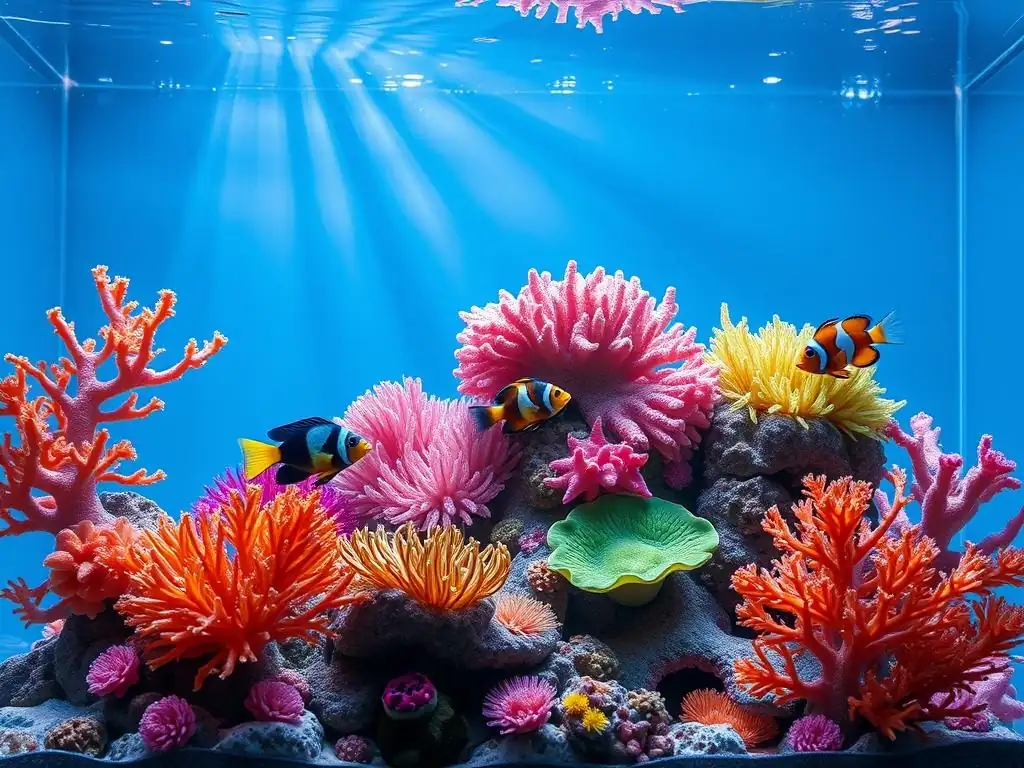
Welcome to Aquarium Mastery!
Ever wondered how to infuse your nano reef aquarium with a burst of personality? You're in the right place! Discover the secrets to successful nano reef blennies care and meet five charismatic blennies that will transform your small saltwater world. Get ready to dive in and find out which of these captivating characters is the perfect fit for your thriving nano reef!
- Introduction to Nano Reef Blennies: Small Fish, Big Personality
-
Top 5 Blennies for Nano Reef Aquariums: A Detailed Guide
- 1. The Tailspot Blenny (Ecsenius stigmatura): A Nano Reef Aquarium Favorite
- 2. The Bicolor Blenny (Ecsenius bicolor): A Colorful Addition to Your Nano Reef
- 3. The Barnacle Blenny (Acanthemblemaria maria): A Unique Nano Reef Inhabitant
- 4. The Two Spot Blenny (Ecsenius bimaculatus): A Hardy Choice for Nano Reefs
- 5. The Midas Blenny (Ecsenius midas): A Flash of Gold for Your Nano Reef
- Essential Nano Reef Blenny Care Tips: Ensuring a Healthy and Thriving Environment
- Choosing the Right Blenny for Your Nano Reef: Considerations and Recommendations
- Conclusion: Enhancing Your Nano Reef with the Charm of Blennies
-
Frequently Asked Questions
- What are the key considerations when choosing a blenny for a nano reef aquarium?
- How do I ensure the water chemistry is suitable for a blenny in my nano reef?
- What type of food should I feed my blenny in a nano reef aquarium?
- What are common health issues that blennies in nano reefs are susceptible to, and how can I prevent them?
- How can I create a suitable environment for a blenny in my nano reef tank?
- Final Reflection: Embracing the Tiny Titans of the Reef
- Ignite Your Nano Reef: Welcome a Blenny Buddy!
Introduction to Nano Reef Blennies: Small Fish, Big Personality
Why Choose a Blenny for Your Nano Reef Tank?
Blennies are renowned among aquarists for their distinctive personalities and engaging behaviors, making them exceptional candidates for the confined spaces of nano reef aquariums. Unlike some larger, more sedentary fish, blennies are often active, displaying amusing antics such as perching on rocks, hopping across the substrate, or even darting through the water column. Their relatively small size, typically ranging from 2 to 5 inches, ensures they do not overcrowd tanks often under 30 gallons, allowing them to thrive and showcase their unique charm without stressing the system.
Beyond their captivating personalities, many blenny species offer practical benefits to a nano reef ecosystem. Certain types, particularly those in the Ecsenius genus, are diligent grazers of nuisance algae, contributing to a cleaner and more balanced environment. Their continuous foraging helps control the growth of undesirable algae films on rocks and glass, reducing the need for manual cleaning and promoting better water quality. This natural pest control, combined with their low bioload, makes them a valuable and aesthetically pleasing addition to any well-planned nano reef aquarium, simplifying overall nano reef blennies care.
Understanding Nano Reef Compatibility and Blenny Behavior
Selecting the right blenny for a nano reef tank hinges on understanding their specific compatibility requirements and typical behaviors. Nano tanks, by definition, have limited space, making species selection critical to prevent aggression, stress, and overcrowding. Most blennies are peaceful, but some can exhibit territoriality, particularly towards conspecifics or fish with similar body shapes and feeding habits. It is crucial to research the individual species' temperament and ensure it aligns with existing tank inhabitants and the tank's spatial limitations.
Blenny behaviors are diverse and fascinating to observe, directly influencing the type of nano reef blennies care they require. Many are "perchers," spending their days resting on live rock, surveying their surroundings, and occasionally darting out to grab food or graze. Others are "sand-sifters," meticulously sifting through the substrate in search of detritus and microfauna. Understanding these natural inclinations allows aquarists to create an environment that caters to the blenny's needs, providing appropriate rockwork, substrate, and flow conditions, which are fundamental aspects of successful nano reef blennies care.
Top 5 Blennies for Nano Reef Aquariums: A Detailed Guide
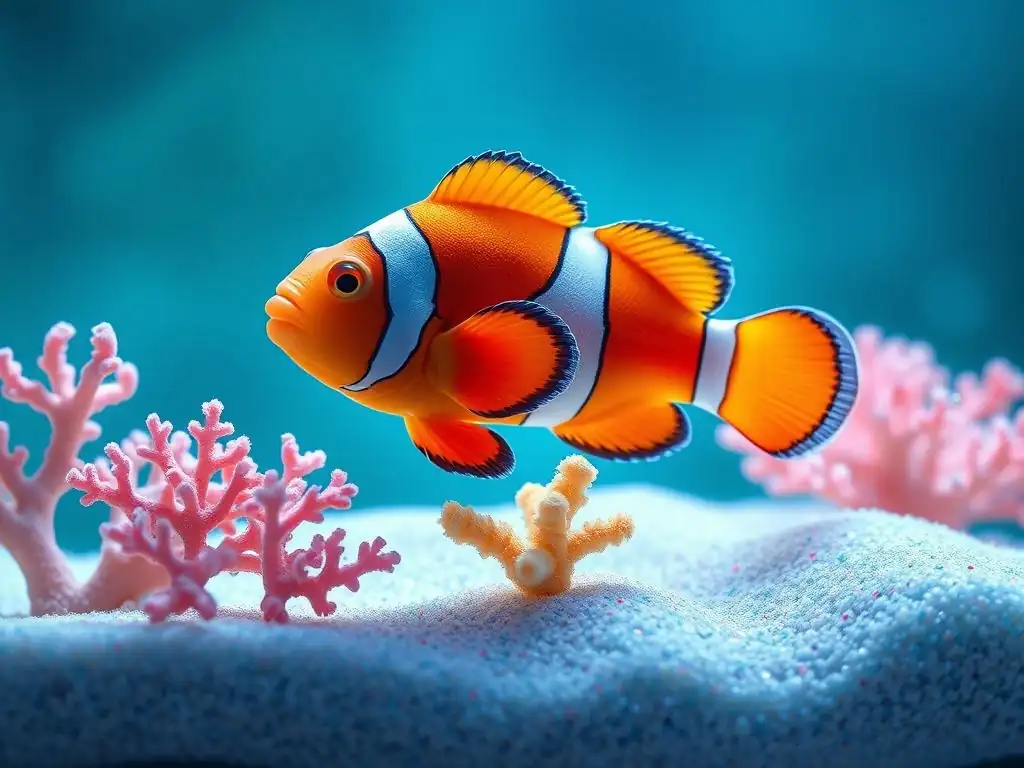
1. The Tailspot Blenny (Ecsenius stigmatura): A Nano Reef Aquarium Favorite
The Tailspot Blenny ( Ecsenius stigmatura) is arguably one of the most popular blennies for nano reef aquariums, cherished for its small size, peaceful demeanor, and distinctive appearance. Growing typically to about 2.5 inches (6 cm), this blenny features a beautiful cream or light brown body with a series of subtle horizontal stripes and a prominent black spot at the base of its tail, which gives it its common name. Its endearing habit of perching on rocks and observing its surroundings makes it a constant source of entertainment and a delightful focal point in smaller tanks.
Originating from the Indo-Pacific region, Tailspot Blennies are primarily micro-algae grazers and detritivores in their natural habitat. They spend their days meticulously picking at surfaces of live rock, consuming nuisance algae and small invertebrates. This natural foraging behavior is highly beneficial in a reef tank, contributing to a cleaner environment. Their generally non-aggressive nature makes them excellent community tank inhabitants, especially when considering comprehensive nano reef blennies care.
Tailspot Blenny Care Requirements for Nano Tanks
Providing optimal care for Tailspot Blennies in nano tanks involves ensuring a stable and enriching environment. A minimum tank size of 10 to 15 gallons is recommended to allow adequate swimming and foraging space, along with plenty of well-cured live rock. This rockwork is crucial, offering numerous crevices, holes, and elevated perching spots that mimic their natural habitat and provide essential hiding places when they feel threatened. Temperature should be maintained between 72-78°F (22-26°C), salinity at 1.023-1.026 specific gravity, and pH between 8.1-8.4.
Stable water parameters are paramount for the long-term health of Tailspot Blennies, as they are sensitive to fluctuations common in smaller volumes of water. Regular small water changes, perhaps 10-15% weekly for a 15-gallon tank, are highly recommended to keep nitrates and phosphates low. While they appreciate moderate water flow, care should be taken to ensure they are not constantly battling strong currents, as this can lead to stress. Adequate lighting is also beneficial, as it promotes algae growth for their natural grazing habits, a key aspect of their nano reef blennies care.
Feeding Your Tailspot Blenny in a Small Reef Environment
While Tailspot Blennies are known for their algae-grazing tendencies, relying solely on tank algae may not be sufficient, especially in newer or very clean nano reef environments. Their diet should be supplemented with a variety of high-quality marine-based foods. This includes spirulina-enriched flakes and pellets, which provide essential plant-based nutrition. Frozen foods such as spirulina brine shrimp, mysis shrimp, and finely chopped marine preparations are also readily accepted and provide crucial protein and fats.
Feeding should occur once or twice daily, offering small amounts that can be consumed within a few minutes. Observing their feeding habits is important to ensure they are getting enough food, particularly if they are in a community tank with more aggressive eaters. A varied diet not only ensures complete nutrition but also enhances their coloration and overall vitality, making it a cornerstone of effective Tailspot Blenny nano reef blennies care. For instance, a weekly serving of vitamin-enriched mysis shrimp alongside daily spirulina flakes can significantly boost their health.
2. The Bicolor Blenny (Ecsenius bicolor): A Colorful Addition to Your Nano Reef
The Bicolor Blenny ( Ecsenius bicolor) is a striking and popular choice for nano reef aquariums, recognized for its distinctive two-toned coloration and engaging personality. Typically growing up to 4 inches (10 cm), its front half is usually a dark brown or blue, transitioning sharply to a vibrant orange or yellow rear half, including the caudal fin. This dramatic contrast makes it an eye-catching addition to any tank. While slightly larger than some other nano blennies, its active nature and beneficial algae-grazing habits make it a suitable inhabitant for nano tanks of 20 gallons or more.
Native to the Indo-Pacific, Bicolor Blennies are primarily herbivorous, constantly grazing on filamentous algae and detritus found on rocks and sand. They are known for their characteristic "blenny hop" as they move across surfaces. Although generally peaceful, they can display some territorial behavior, especially towards other bottom-dwelling fish or similar-looking blennies, a factor to consider for successful nano reef blennies care.
Bicolor Blenny Temperament and Tank Mate Compatibility in Nano Reefs
Bicolor Blennies are generally considered peaceful tank inhabitants, but their temperament can vary individually. They can exhibit territoriality, particularly if housed in tanks smaller than 20 gallons or if introduced with other blennies or fish with similar body shapes and feeding niches. It is best to keep only one Bicolor Blenny per nano reef tank unless it is a very large system (50+ gallons) with ample hiding spots and diverse territory. Compatible tank mates include small, peaceful fish such as clownfish, certain gobies (e.g., watchman gobies, if space allows), and small, non-aggressive wrasses.
Aggressive or fast-moving tank mates should be avoided, as they can stress the Bicolor Blenny, leading to health issues and reduced activity. Providing plenty of live rock with numerous crevices and caves is crucial, as these serve as essential hiding spots and territories, which helps mitigate potential aggression and stress. Careful observation during the initial introduction period is vital to ensure harmonious coexistence, a critical aspect of effective nano reef blennies care.
Maintaining Water Quality for Bicolor Blennies in Nano Aquariums
Maintaining pristine water quality is absolutely paramount for the health and longevity of Bicolor Blennies in nano aquariums. Due to the smaller water volume, parameters can fluctuate rapidly, making consistent monitoring and intervention necessary. Ideal parameters include a stable temperature between 72-78°F (22-26°C), salinity at 1.023-1.026 specific gravity, pH between 8.1-8.4, and alkalinity maintained at 8-12 dKH. Nitrates should be kept below 10 ppm, and phosphates as close to 0 as possible.
Regular, small water changes are the most effective method for maintaining stable water quality. For a 20-gallon nano tank, a 15% water change weekly is often recommended. Utilizing a quality protein skimmer, even a small hang-on-back model, can significantly aid in nutrient export. Furthermore, a well-established refugium with macroalgae can help absorb excess nutrients, contributing to a healthier environment for the Bicolor Blenny and simplifying nano reef blennies care. Consistent monitoring with reliable test kits (e.g., Salifert or Hanna Checkers) is essential to detect and correct any parameter imbalances quickly.
3. The Barnacle Blenny (Acanthemblemaria maria): A Unique Nano Reef Inhabitant
The Barnacle Blenny ( Acanthemblemaria maria) stands out as a truly unique and captivating choice for nano reef aquariums, offering a fascinating glimpse into a specialized lifestyle. Unlike other blennies that perch on rocks or sift sand, the Barnacle Blenny is a "hole-dweller," spending nearly its entire life ensconced within the empty shells of barnacles or other small, tubular rock formations. Growing to a diminutive 2 inches (5 cm), this blenny is characterized by its elongated body, large eyes, and often intricate facial markings, with colors ranging from mottled brown to vibrant orange or yellow.
Native to the Caribbean reefs, Barnacle Blennies are micro-predators, patiently waiting for small planktonic organisms to drift by their chosen dwelling. Their behavior is mesmerizing to observe: they peek out of their homes with only their heads visible, darting out with incredible speed to snatch food, and then retracting instantly if startled. This reclusive yet captivating nature makes them a perfect fit for smaller tanks where their subtle movements can be appreciated without being overshadowed by larger, more active fish.
Creating a Suitable Habitat for Barnacle Blennies in Nano Reefs
The primary consideration for providing proper nano reef blennies care for a Barnacle Blenny is offering a suitable and secure dwelling. While their name suggests barnacles, they will readily accept other small, tubular structures that mimic their natural homes. Empty barnacle shells, small PVC tubes (approximately 0.5-1 inch diameter and 2-3 inches long), or carefully drilled holes in live rock are ideal. It is crucial to provide at least one, preferably two or three, such structures per blenny to allow for choice and security.
These dwellings should be securely placed within the rockwork, preferably in an area with low to moderate water flow where food particles can drift by easily. A minimum tank size of 5 gallons is sufficient for a single Barnacle Blenny, given their sedentary nature. The substrate is less critical for them, as they do not typically interact with it. The focus should be on creating a stable, calm environment around their chosen home, minimizing disturbances that could cause stress and impact their ability to feed effectively.
Barnacle Blenny Diet and Feeding Strategies in Nano Tanks
Barnacle Blennies are obligate planktivores, meaning their diet in the wild consists almost exclusively of microscopic organisms suspended in the water column. In a nano reef aquarium, replicating this diet requires specific feeding strategies. They will not typically graze on algae or accept flake foods. Instead, they require small, highly nutritious frozen or live foods presented directly into the water column. Excellent choices include rotifers, copepods, cyclops, and finely crushed mysis shrimp or enriched brine shrimp.
Due to their reclusive nature and the competition from more active tank mates, target feeding is often necessary to ensure the Barnacle Blenny receives adequate nutrition. Using a turkey baster or pipet to gently release food near their dwelling allows the particles to drift directly into their strike zone. Feeding should occur two to three times daily in small amounts. Observing their feeding response is key to adjusting the quantity and frequency. A consistent supply of appropriate food is vital for their long-term health and is a non-negotiable aspect of successful Barnacle Blenny nano reef blennies care.
4. The Two Spot Blenny (Ecsenius bimaculatus): A Hardy Choice for Nano Reefs
The Two Spot Blenny ( Ecsenius bimaculatus) is a small, hardy, and often overlooked gem for nano reef aquariums. Growing to an average size of 2.5 inches (6 cm), this blenny is characterized by its slender body, typically mottled brown or grey coloration, and, as its name suggests, two distinct black spots located behind its eyes. Its subtle beauty and resilient nature make it an excellent choice for both beginner and experienced aquarists looking for a peaceful and interesting addition to their small reef system.
Originating from the Western Pacific, the Two Spot Blenny is a benthic grazer, spending its time meticulously picking at live rock surfaces, consuming microalgae, detritus, and small invertebrates. Like other Ecsenius blennies, it exhibits the charming behavior of perching and "blenny hopping" across the rockwork. Its hardiness and adaptability to various tank conditions, provided they are stable, contribute to its suitability for nano reef blennies care.
Two Spot Blenny Care Tips for Nano Reef Aquariums
Caring for a Two Spot Blenny in a nano reef aquarium is relatively straightforward, thanks to its robust nature. A minimum tank size of 10 gallons is suitable, though a 15-gallon tank provides more stable parameters and greater space for foraging. The most crucial aspect of their habitat is an abundance of well-established live rock with plenty of crevices, caves, and perching spots. This not only provides security but also a natural food source in the form of biofilm and microalgae.
Water parameters should be kept stable within typical reef ranges: temperature 72-78°F (22-26°C), salinity 1.023-1.026 specific gravity, and pH 8.1-8.4. While they appreciate moderate water flow, ensuring there are also calmer areas where they can rest is beneficial. An established aquarium with mature live rock is preferred, as it provides the natural grazing surfaces they thrive on. Regular water changes and consistent monitoring of parameters are essential to prevent stress and maintain a healthy environment, forming the core of Two Spot Blenny nano reef blennies care.
Common Health Issues in Two Spot Blennies Kept in Nano Tanks
Despite their hardiness, Two Spot Blennies are not immune to common marine aquarium diseases, especially if their environment is unstable or their nano reef blennies care is lacking. Like many marine fish, they can be susceptible to external parasites such as Marine Ich ( Cryptocaryon irritans) or Marine Velvet ( Amyloodinium ocellatum), particularly if introduced into an unquarantined tank or if water quality deteriorates. Symptoms include white spots, rapid breathing, and scratching against surfaces.
Bacterial infections, often manifesting as fin rot or cloudy eyes, can also occur, usually as a secondary issue stemming from poor water quality, physical injury, or chronic stress. Preventing these issues involves maintaining pristine water parameters, providing a balanced diet, and implementing a strict quarantine protocol for all new additions (e.g., a 4-week observation period in a separate tank). Early detection and prompt action, which may involve environmental adjustments or, in severe cases, appropriate medication in a hospital tank, are crucial for successful treatment and the long-term health of your Two Spot Blenny.
5. The Midas Blenny (Ecsenius midas): A Flash of Gold for Your Nano Reef
The Midas Blenny ( Ecsenius midas) is a truly spectacular addition to a nano reef aquarium, renowned for its dazzling golden-yellow coloration and active swimming behavior. While it can grow up to 5 inches (12.5 cm), making it one of the larger blennies suitable for nano tanks, its slender build and mid-water swimming habits allow it to thrive in tanks of 20 gallons or more. Its vibrant hue remains consistent throughout its life, providing a continuous splash of color that brightens any reef display.
Originating from the Indo-Pacific, the Midas Blenny is somewhat unique among Ecsenius blennies for its more pelagic (open water) lifestyle. While it will still perch on rocks, it spends a significant amount of time swimming in the water column, often mimicking the movements of Anthias in the wild, a behavior that adds dynamic movement to the aquarium. Its diet consists primarily of zooplankton, though it will also graze on algae, making it an omnivore adapted to diverse feeding opportunities.
Midas Blenny Behavior and Social Interactions in Nano Reefs
The Midas Blenny is generally a peaceful and active fish, making it a wonderful focal point in a nano reef. Unlike many other blennies that are strictly bottom-dwellers, the Midas Blenny's propensity for swimming in the mid-water column means it occupies a different niche, reducing competition with other benthic fish. While usually docile, it can exhibit territoriality towards other blennies or fish of similar shape and size, especially in smaller tanks. It is best kept as the sole blenny in tanks under 30 gallons.
If a larger nano tank (e.g., 25-30 gallons) offers ample space and numerous hiding spots, a well-matched pair might be possible if introduced simultaneously, but this carries a risk of aggression. Compatible tank mates include peaceful gobies, clownfish, and small wrasses. Providing plenty of live rock with caves and overhangs is essential, offering both perching spots and retreats. Observing their social interactions closely is a vital part of Midas Blenny nano reef blennies care, ensuring they are not stressed by tank mates or insufficient space.
Ensuring a Stress-Free Environment for Midas Blennies in Nano Tanks
Creating a stress-free environment is crucial for the Midas Blenny's long-term health and vibrant coloration in a nano tank. While they are active swimmers, they still require plenty of live rock with nooks and crannies to retreat into when feeling threatened or for sleeping. A minimum tank size of 20 gallons is recommended, with 25-30 gallons being ideal to provide ample swimming room and reduce potential territorial disputes. Good water flow is appreciated, mimicking their natural open-water habitat, but also ensure there are calmer areas where they can rest.
Maintaining stable water parameters (temperature 72-78°F, salinity 1.023-1.026, pH 8.1-8.4) through regular water changes (e.g., 15% weekly for a 25-gallon tank) and consistent monitoring is key. A varied and nutritious diet, including both meaty frozen foods (mysis, brine shrimp) and spirulina-based flakes, will contribute significantly to their well-being. A healthy, stress-free Midas Blenny will display its stunning golden hue vividly, making comprehensive nano reef blennies care a rewarding endeavor.
Essential Nano Reef Blenny Care Tips: Ensuring a Healthy and Thriving Environment
Maintaining Optimal Water Parameters for Nano Reef Blennies
Maintaining optimal and, more importantly, stable water parameters is the cornerstone of successful nano reef blennies care. Due to the limited volume of water in nano aquariums (typically under 30 gallons), even minor fluctuations in water chemistry can quickly become significant and stress fish. The ideal temperature range for most blennies is 72-78°F (22-26°C), with a specific gravity (salinity) of 1.023-1.026. The pH should be consistently maintained between 8.1 and 8.4.
Beyond these basic parameters, it is critical to monitor alkalinity (8-12 dKH), calcium (400-450 ppm), and magnesium (1250-1350 ppm) if your nano tank contains corals. Ammonia and nitrite should always be undetectable (0 ppm), and nitrates should be kept as low as possible, ideally below 10 ppm, with phosphates near 0 ppm.
Regular testing, at least weekly, using reliable test kits (e.g., Hanna Checkers or Salifert kits) is essential. Small, frequent water changes, such as 10-15% weekly for a 20-gallon tank, are far more effective than larger, less frequent changes in maintaining stability and diluting accumulated waste products, directly supporting robust nano reef blennies care.
Feeding Your Nano Reef Blennies: A Balanced Diet for Vibrant Health
Providing a balanced and varied diet is crucial for the long-term health, coloration, and vitality of your nano reef blennies. While many blennies are known for their natural grazing on algae and detritus, relying solely on what they find in the tank is often insufficient, especially in cleaner, well-maintained systems. The specific dietary needs vary slightly by species; for instance, Tailspot and Bicolor Blennies are more herbivorous, while Barnacle Blennies are strict planktivores.
A comprehensive feeding regimen should include high-quality marine-based flakes and pellets, particularly those enriched with spirulina for herbivores. Frozen foods are indispensable; options like mysis shrimp, spirulina-enriched brine shrimp, cyclops, and rotifers (especially for planktivores like the Barnacle Blenny) should be offered. Feeding should occur once or twice daily in small amounts that can be consumed within a few minutes to prevent overfeeding and subsequent water quality issues.
Observing how each blenny feeds ensures they are getting adequate nutrition, particularly in community tanks where faster eaters might outcompete them. This diligent approach to feeding is a cornerstone of effective nano reef blennies care.
Preventing and Treating Common Blenny Diseases in Nano Reefs
Prevention is always the best approach when it comes to common blenny diseases in nano reefs, as treating sick fish in a small, sensitive system can be challenging. The primary preventative measures revolve around maintaining pristine water quality, ensuring stable parameters, providing a balanced diet, and implementing a strict quarantine protocol for all new arrivals. A 4-week quarantine period in a separate tank allows for observation and treatment of potential parasites (like Marine Ich or Velvet) or bacterial infections before they can spread to your main display.
Despite best efforts, blennies can still fall ill. Common ailments include external parasites (indicated by white spots, flashing, or rapid breathing), fin rot, and bacterial infections (often due to poor water quality or stress). Early detection is key; observe your blennies daily for changes in behavior, appetite, or appearance. For minor issues, improving water quality through increased water changes and reducing stress can sometimes resolve the problem.
However, for confirmed parasitic or bacterial infections, treatment in a dedicated hospital tank is often necessary to avoid harming invertebrates and corals in the main display. Always accurately diagnose the issue before administering any medication, as incorrect treatments can cause more harm, which is a critical aspect of responsible nano reef blennies care.
Choosing the Right Blenny for Your Nano Reef: Considerations and Recommendations
Assessing Your Nano Reef Tank's Size and Compatibility
Choosing the right blenny for your nano reef begins with a realistic assessment of your tank's size and its existing inhabitants. While many blennies are small, their activity levels and territorial needs vary. For instance, a Tailspot Blenny can thrive in a 10-15 gallon tank, whereas a Bicolor Blenny or Midas Blenny would be more comfortable in a 20-30 gallon system due to their larger size and more active swimming. Overstocking, even with small fish, is a common pitfall in nano tanks, leading to rapid water quality degradation, increased aggression, and stress for all inhabitants.
Consider the biological load your tank can handle. A 20-gallon nano reef, for example, can typically support one appropriately sized blenny along with a few small, peaceful invertebrates or perhaps one other small fish like a clownfish. Ensure there's ample live rock to provide territories and hiding spots for the blenny. A well-scaped tank with plenty of visual barriers can help mitigate potential aggression, even in smaller spaces. Careful planning of your tank's capacity and inhabitants is fundamental to successful nano reef blennies care.
Matching Blenny Temperament with Existing Tank Inhabitants
The temperament of your chosen blenny must be carefully matched with your existing tank inhabitants to ensure a harmonious environment. While most blennies are generally peaceful, some species, particularly within the Ecsenius genus, can be territorial towards conspecifics (other blennies) or fish with similar body shapes and feeding habits. For example, housing two Bicolor Blennies in a tank under 50 gallons is often not recommended due to potential aggression.
Avoid pairing blennies with overly aggressive or predatory fish that might harass or consume them. Similarly, very shy or slow-moving tank mates might be outcompeted for food by more active blennies. Compatible tank mates typically include peaceful gobies (e.g., Pistol Shrimp Gobies, Watchman Gobies), small peaceful wrasses, and clownfish. Introducing the blenny last into the tank can sometimes help, as it allows existing inhabitants to establish their territories before the blenny arrives. Observing interactions closely, especially during the first few weeks, is crucial for effective nano reef blennies care and ensuring peaceful cohabitation.
Where to Purchase Healthy Nano Reef Blennies
The source of your nano reef blenny significantly impacts its health and longevity in your aquarium. It is highly recommended to purchase blennies from reputable local fish stores or well-regarded online vendors that specialize in marine fish. A good store will have clean, well-maintained systems, and their fish will appear active, alert, and free of visible signs of disease such as white spots, ragged fins, or labored breathing. Avoid purchasing fish from tanks that contain dead or obviously sick specimens.
When selecting a blenny, look for one that is actively perching, grazing, or swimming (depending on species), with clear eyes and full, intact fins. Inquire about how long the blenny has been at the facility and whether it is eating prepared foods.
Aquacultured blennies are often a superior choice as they are typically hardier, more accustomed to aquarium life, and less likely to carry parasites compared to wild-caught specimens. Upon bringing your new blenny home, a mandatory 4-week quarantine period in a separate tank is essential to prevent the introduction of diseases into your established nano reef, a critical step in responsible nano reef blennies care.
Conclusion: Enhancing Your Nano Reef with the Charm of Blennies
Recap of the Top 5 Blennies for Nano Reefs
Blennies are truly exceptional additions to nano reef aquariums, offering a unique blend of personality, practical benefits, and captivating behavior. We have explored five standout species perfectly suited for these smaller marine ecosystems. The Tailspot Blenny ( Ecsenius stigmatura) is a peaceful algae grazer, ideal for tanks as small as 10 gallons, known for its distinctive tail spot and perching habits. The Bicolor Blenny ( Ecsenius bicolor), with its striking dual coloration, brings vibrant activity to 20+ gallon tanks, though it requires careful tank mate selection due to potential territoriality.
For those seeking a truly unique inhabitant, the Barnacle Blenny ( Acanthemblemaria maria) is a fascinating, tiny hole-dweller requiring specialized feeding and a provided home. The Two Spot Blenny ( Ecsenius bimaculatus) stands out as a hardy and subtle beauty, well-suited for 10-gallon tanks with ample rockwork. Finally, the Midas Blenny ( Ecsenius midas), a flash of golden brilliance, provides dynamic mid-water swimming for 20-30 gallon tanks, adding both color and activity. Each of these nano reef blennies brings distinct characteristics, enriching the aquarium experience when proper nano reef blennies care is provided.
The Long-Term Benefits of Adding Blennies to Your Nano Reef Ecosystem
Integrating blennies into your nano reef ecosystem offers numerous long-term benefits that extend beyond their immediate aesthetic appeal. Ecologically, many blenny species contribute to the tank's health by actively grazing on nuisance algae, reducing the need for manual cleaning and helping to maintain stable water parameters by controlling nutrient export. Species like the Tailspot and Bicolor Blennies are diligent workers, constantly picking at biofilm and microalgae on live rock, which helps keep the environment cleaner and more balanced.
Aesthetically and observationally, blennies provide endless entertainment with their unique behaviors, whether it's the curious perching of an Ecsenius blenny, the lightning-fast strikes of a Barnacle Blenny from its home, or the graceful swimming of a Midas Blenny. Their individual personalities add a dynamic and engaging element to the aquarium, transforming it from a mere display into a vibrant, living ecosystem. With dedicated nano reef blennies care, these small fish become cherished inhabitants, contributing significantly to the beauty, health, and enjoyment of your miniature marine world for years to come.
Frequently Asked Questions
What are the key considerations when choosing a blenny for a nano reef aquarium?
The most important factors are size appropriateness for the tank, peaceful temperament to avoid aggression with other inhabitants, and dietary needs that can be met within the nano reef environment.
How do I ensure the water chemistry is suitable for a blenny in my nano reef?
Regular water testing is crucial to maintain stable parameters. Pay close attention to ammonia, nitrite, nitrate, pH, and salinity, ensuring they are within the recommended ranges for reef tanks and blennies.
What type of food should I feed my blenny in a nano reef aquarium?
Most blennies are omnivores, so offer a varied diet of high-quality flake food, frozen foods (like mysis shrimp and brine shrimp), and algae. Some may also graze on algae growth in the tank.
What are common health issues that blennies in nano reefs are susceptible to, and how can I prevent them?
Blennies can be prone to ich (white spot disease) and other parasitic infections. Prevention involves quarantining new fish before introducing them to the main tank and maintaining excellent water quality.
How can I create a suitable environment for a blenny in my nano reef tank?
Provide plenty of rockwork and hiding places for the blenny to feel secure. Ensure adequate water flow and oxygenation, and maintain a stable temperature within the recommended range for reef aquariums.
Final Reflection: Embracing the Tiny Titans of the Reef
The vibrant world of nano reef aquariums, once considered a niche hobby, is now flourishing, and with it, the demand for captivating and manageable inhabitants has surged. The blenny, a small fish with a big personality, perfectly embodies this trend, offering a unique blend of charm, hardiness, and algae-eating prowess that makes it an ideal addition to these miniature ecosystems.
The impact of these tiny fish extends beyond mere aesthetics. They remind us that even in the smallest spaces, biodiversity can thrive, and that responsible reef keeping is about understanding and respecting the delicate balance of nature. The question is not, 'Can they reason?' nor, 'Can they talk?' but rather, 'Can they suffer?'
- Jeremy Bentham. This quote, though often applied to larger animals, resonates deeply when considering the care we provide to even the smallest creatures in our aquariums.
As you consider adding a blenny to your nano reef, remember that you are not just acquiring a pet, but becoming a steward of a miniature ecosystem. Let the lessons learned about their specific needs and behaviors inspire you to deepen your understanding of the marine world and to contribute to its preservation, one tiny reef at a time.
Ignite Your Nano Reef: Welcome a Blenny Buddy!
Thanks for diving into the captivating world of nano reef blennies! We hope you’ve found inspiration to add some personality to your small aquatic ecosystem. Now, it's time to take the plunge and create the vibrant, thriving reef you've always dreamed of. Here are a few ways to get started:
- Boldly choose your blenny! Research your favorite from the list and contact your local fish store to inquire about availability. It's time to bring that blenny brilliance home!
- Prepare your existing nano reef tank by re-evaluating your setup and considering adding new hiding spots or algae wafers.
- Share this newfound blenny knowledge! Spread the word and tag a fellow reef enthusiast who would appreciate discovering these charming characters.
Ready to welcome a new blenny into your nano reef and watch its unique personality shine?