
Solitary Beauties or Social Swimmers? Keeping Multiple Butterflyfish

Welcome to Aquarium Mastery!
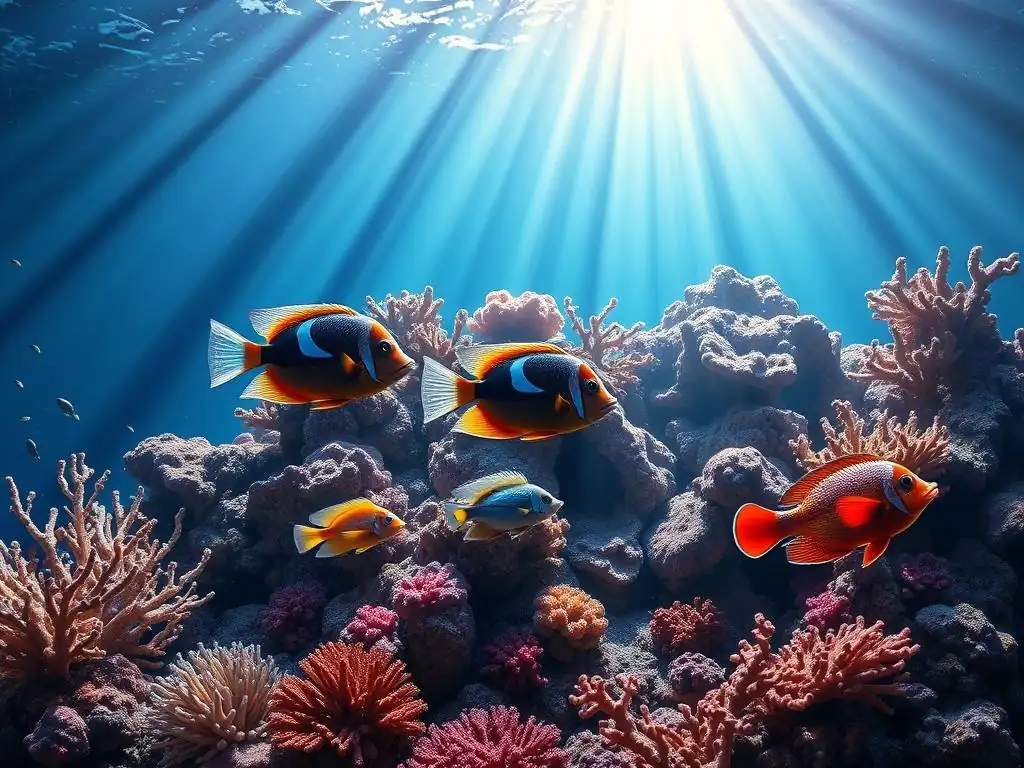
Ever wondered if you could create a vibrant, butterflyfish-filled reef tank? Solitary Beauties or Social Swimmers? dive into the fascinating world of Butterflyfish tank compatibility, revealing the secrets to successfully housing these stunning creatures. Intrigued? Let's explore the delicate balance of personalities and preferences that will determine whether your butterflyfish thrive in harmony or clash in colorful chaos. Read on to unlock the secrets!
- Butterflyfish Social Dynamics in Reef Aquariums
- Understanding Butterflyfish Social Behavior for Aquarium Success
- Butterflyfish Tank Compatibility Guide: Species-Specific Considerations
- Factors Influencing Butterflyfish Social Dynamics in Aquariums
- Avoiding Butterflyfish Aggression: Practical Tips for a Peaceful Tank
- Choosing Compatible Tank Mates for Butterflyfish
- Creating a Butterflyfish Community Tank: A Step-by-Step Approach
- Troubleshooting Butterflyfish Tank Compatibility Problems
- Long-Term Care and Management of Multiple Butterflyfish
- Conclusion: Achieving Success with Multiple Butterflyfish
-
Frequently Asked Questions
- How difficult is it to keep multiple butterflyfish in the same tank?
- What tank size is generally recommended for attempting to keep multiple butterflyfish?
- Which butterflyfish species are more likely to be compatible with each other?
- What are the key signs of aggression to watch for when keeping multiple butterflyfish?
- What factors beyond species and tank size contribute to the success of keeping multiple butterflyfish?
- Final Reflection: Navigating the Butterflyfish Maze
- Unleash Your Inner Reef Keeper!
The Allure of Butterflyfish: A Delicate Addition to Saltwater Aquariums
Butterflyfish, with their vibrant colors, intricate patterns, and graceful movements, are undeniably captivating additions to saltwater aquariums. Comprising over 120 species within the family Chaetodontidae, they exhibit a remarkable diversity in appearance, from the iconic Copperband Butterflyfish with its distinct bands to the striking Yellow Longnose Butterflyfish. Their unique charm often makes them a highly sought-after species for experienced aquarists looking to add a touch of elegance and activity to their reef or fish-only tanks.
However, the beauty of butterflyfish belies their often delicate nature and specific care requirements, which can pose significant challenges for even seasoned hobbyists. Many species are specialized feeders, relying on coral polyps, small invertebrates, or specific algae in their natural reef habitats. Replicating these conditions and providing a stable, enriching environment is crucial for their long-term health, making thorough research an indispensable step before acquiring any butterflyfish.
Why Butterflyfish Tank Compatibility Matters
The success of a butterflyfish in a home aquarium hinges significantly on its compatibility with tank mates and the overall tank environment. Incompatible pairings often lead to chronic stress, which can manifest as suppressed immune systems, making fish highly susceptible to common marine diseases like marine Ich ( Cryptocaryon irritans) or Oodinium. This stress not only compromises the health of the butterflyfish but can also spread to other inhabitants, potentially leading to widespread illness and even fatalities within the entire aquarium.
Furthermore, poor compatibility can result in aggressive interactions, such as fin-nipping, chasing, or territorial disputes, which can inflict physical injuries and prevent less dominant fish from accessing food or shelter. This constant conflict undermines the peaceful harmony of a community tank and can lead to the premature demise of stressed individuals. Understanding and applying a comprehensive Butterflyfish tank compatibility guide is therefore paramount to ensuring a thriving and stable ecosystem, protecting both your investment—with some species costing upwards of $100-$200—and the well-being of your aquatic inhabitants.
Butterflyfish Tank Compatibility Guide: Species-Specific Considerations
Identifying Butterflyfish Temperament: Aggressive, Peaceful, or Semi-Aggressive?
When considering butterflyfish for your aquarium, it's crucial to understand their inherent temperament, which can broadly be categorized as aggressive, peaceful, or semi-aggressive. Aggressive species, while rare among true butterflyfish (more common in related angelfish), might display overt hostility towards conspecifics or similar-looking fish, especially in smaller tanks where territories cannot be established. Peaceful species, like the Copperband Butterflyfish, generally coexist harmoniously with a wide range of non-aggressive tank mates and rarely initiate conflict.
The majority of butterflyfish species fall into the semi-aggressive category. These fish might exhibit territorial behavior, particularly towards other butterflyfish or fish with similar body shapes and colorations, but are generally tolerant of dissimilar species. Their aggression often escalates with insufficient tank space, overcrowding, or competition for food, highlighting the need for careful planning and adherence to a detailed Butterflyfish tank compatibility guide to mitigate potential conflicts and ensure a balanced aquatic environment.
The Solitary Butterflyfish: Copperband Butterflyfish (Chelmon rostratus)
The Copperband Butterflyfish ( Chelmon rostratus) is perhaps one of the most recognizable and sought-after butterflyfish, largely due to its distinctive vertical copper bands and its reputation for consuming nuisance Aiptasia anemones. In their natural habitat, Copperbands are typically solitary or found in loose pairs, and this solitary nature often extends to the aquarium environment. They are generally peaceful towards other fish species, making them excellent candidates for a community tank, provided their specific dietary and environmental needs are met.
However, their peaceful demeanor does not extend to other Copperbands unless housed in exceptionally large aquariums, typically 180 gallons or more, where a bonded pair might coexist. Introducing multiple Copperbands into a smaller tank almost invariably leads to aggression, with one fish relentlessly harassing the other until it succumbs to stress or injuries. Due to their delicate nature and often slow acclimation to captive foods, they require a calm, established tank environment with minimal competition for food, making them a key focus in any Butterflyfish tank compatibility guide.
Butterflyfish Suitable for Pairs: Auriga Butterflyfish (Chaetodon auriga)
The Auriga Butterflyfish ( Chaetodon auriga), also known as the Threadfin Butterflyfish, is a robust and visually appealing species characterized by a black spot on its dorsal fin and a trailing filament. In the wild, these butterflyfish are often observed foraging in pairs or small groups, particularly during spawning seasons, and this social tendency can sometimes be replicated in a home aquarium. A bonded pair can be a stunning addition, though it requires careful selection and a sufficiently large tank, generally 125 gallons or more, to accommodate their swimming space and potential territorial needs.
While they can be kept singly, introducing a confirmed mated pair simultaneously offers the best chance for peaceful coexistence. They are considered semi-aggressive, meaning they can hold their own in a community tank but may show aggression towards other butterflyfish, especially those with similar body forms or patterns. Their diet often includes small invertebrates and algae, and while generally considered "reef-safe with caution" (they might nip at certain soft corals or LPS), their overall temperament makes them a viable option for aquarists seeking a pair-oriented Butterflyfish tank compatibility guide.
Butterflyfish That Tolerate Groups: Klein's Butterflyfish (Chaetodon kleinii)
Klein's Butterflyfish ( Chaetodon kleinii) stands out as one of the most peaceful and adaptable species within the Chaetodon genus, making it a more forgiving option for many community reef tanks. In their natural environment, these butterflyfish are sometimes observed in small aggregations, and this tendency can occasionally translate to the aquarium, allowing for the possibility of keeping small groups of 3 to 5 individuals in very large aquariums, typically 200 gallons or more. This requires careful introduction and continuous monitoring to ensure harmony.
For a single specimen, a minimum tank size of around 50 gallons is often recommended, but larger is always better to provide ample swimming room and reduce potential stress. Klein's Butterflyfish are generally considered "reef-safe with caution," as they primarily feed on zooplankton, detritus, and some algae, but may occasionally nip at certain soft corals or polyps like Zoanthids. Their relatively placid nature and willingness to accept a wide variety of prepared foods make them an excellent choice for a diverse community setup and a valuable inclusion in any practical Butterflyfish tank compatibility guide.
Tank Size and Aquascaping: Creating a Balanced Environment
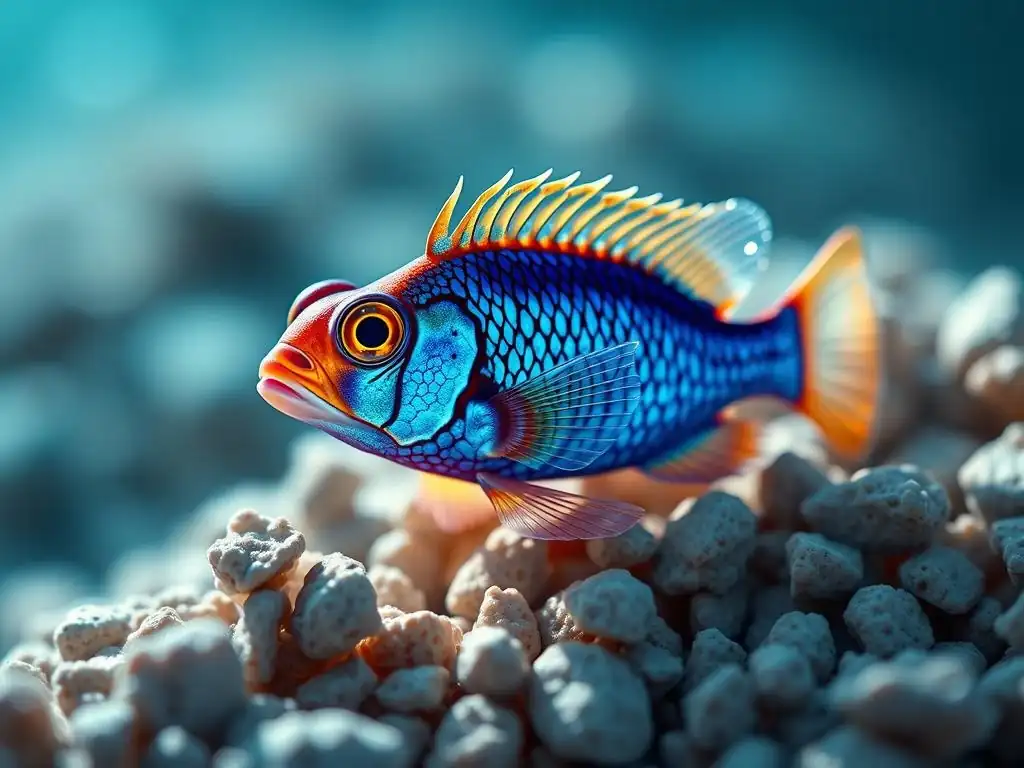
The physical dimensions of an aquarium are perhaps the most critical factor influencing butterflyfish social dynamics. A larger tank provides more swimming space, dilutes aggression, and allows individuals to establish territories without constant conflict. For a single butterflyfish, minimum tank sizes often range from 50 to 70 gallons, but for keeping multiple specimens, a tank of 150 gallons or more is often recommended to adequately disperse potential aggression and provide sufficient territory for each fish. Overcrowding in a smaller tank invariably leads to heightened stress and aggression among inhabitants.
Complementing adequate tank size, strategic aquascaping with ample live rock and other decor elements is crucial for creating a balanced environment. Well-placed rockwork provides numerous hiding spots, caves, and visual barriers, which are essential for breaking lines of sight. This allows less dominant fish to retreat and feel secure, reducing stress and preventing constant confrontations. A complex aquascape that mimics a natural reef environment can significantly contribute to the peaceful coexistence of multiple butterflyfish, enhancing the overall success of your Butterflyfish tank compatibility guide efforts.
Water Quality Parameters: Minimizing Stress and Aggression
Stable and pristine water quality is absolutely paramount for the health and temperament of butterflyfish. Fluctuations in key parameters such as salinity (ideally 1.023-1.026), temperature (74-78°F), and pH (8.1-8.4) can induce significant stress, which in turn can exacerbate aggressive tendencies or make fish more susceptible to bullying. Elevated levels of ammonia or nitrite (both should be 0 ppm) and high nitrates (ideally below 10-20 ppm) are particularly detrimental, weakening their immune systems and making them prone to disease and stress-related behavioral issues.
Regular partial water changes, typically 10-20% bi-weekly, along with robust filtration systems (protein skimmer, live rock, refugium), are essential for maintaining these optimal parameters. Consistent monitoring with reliable test kits allows aquarists to proactively address any deviations before they impact the fish. A stable, high-quality aquatic environment significantly reduces stress levels, promoting more natural and peaceful social interactions among butterflyfish and their tank mates, thereby reinforcing the principles of a sound Butterflyfish tank compatibility guide.
Feeding Strategies: Reducing Competition for Resources
In an aquarium setting, competition for food can be a significant trigger for aggression among butterflyfish, particularly if resources are scarce or unevenly distributed. If dominant fish monopolize feeding opportunities, shyer or less aggressive individuals may become malnourished and stressed, leading to health decline and increased susceptibility to disease. This becomes especially critical for specialized feeders or those new to prepared foods, who may struggle to compete with more aggressive eaters.
To mitigate this, implementing strategic feeding practices is vital. Offering small amounts of food multiple times a day (e.g., 2-3 times) ensures that all fish have ample opportunity to feed without intense competition. Providing a varied diet of high-quality frozen foods (like mysis shrimp, brine shrimp, spirulina-enriched preparations), high-quality flakes, and pellets caters to diverse nutritional needs and keeps fish well-fed. For particularly shy or outcompeted individuals, target feeding with a pipette or turning off powerheads during feeding can ensure they receive adequate nutrition, promoting overall well-being and reducing food-related conflicts within your Butterflyfish tank compatibility guide.
Avoiding Butterflyfish Aggression: Practical Tips for a Peaceful Tank
Introducing New Butterflyfish: Quarantine and Acclimation
Proper introduction of new butterflyfish is a cornerstone of preventing aggression and maintaining a peaceful aquarium. All new fish, especially delicate species like butterflyfish, should undergo a mandatory quarantine period of at least 4 to 6 weeks in a separate, dedicated quarantine tank. This crucial step not only allows for observation of potential diseases (such as marine Ich, Brooklynella, or velvet) and their treatment without risking the main display tank but also provides an opportunity to assess the new fish's temperament and ensure it is actively eating prepared foods before introduction.
When ready for transfer to the main display, slow drip acclimation over 30 to 60 minutes is highly recommended to gradually equalize water parameters, minimizing shock and stress. Introducing new fish during the main tank's lights-off period or after rearranging some of the existing rockwork can help disrupt established territories, giving the newcomer a better chance to settle without immediate confrontation. These careful steps significantly reduce stress and aggression, laying a strong foundation for the long-term success of your Butterflyfish tank compatibility guide.
Minimizing Visual Aggression: Rockwork and Line of Sight Breaks
Visual aggression, where one fish constantly sees and harasses another, is a common issue in aquariums, particularly with territorial species like some butterflyfish. To mitigate this, strategic aquascaping plays a vital role in creating a peaceful environment. By arranging live rock, coral structures, and other decorations to form caves, overhangs, and distinct zones, you can effectively break up the line of sight across the tank. This allows less dominant fish to retreat from view and establish their own perceived territories without constant visual confrontation.
For instance, creating multiple "islands" of rockwork rather than one continuous wall can provide more hiding spots and separation. Incorporating tall structures or branching corals can also serve as visual barriers. This thoughtful design reduces the likelihood of a dominant fish continuously bullying a subordinate, as the victim can simply move out of sight. A well-designed aquascape, therefore, is not merely aesthetic but a critical component in managing social dynamics and preventing aggression, a key element in any effective Butterflyfish tank compatibility guide.
Managing Competition: Supplemental Feeding and Strategic Placement
Even in a well-planned aquarium, competition for food and space can sometimes arise, particularly among butterflyfish with similar dietary needs or territorial instincts. To manage food-related competition, observe your fish during feeding times. If shyer or smaller butterflyfish are consistently missing out, consider supplemental feeding. This can involve target-feeding specific individuals with a pipette, or dispersing food across multiple areas of the tank simultaneously to ensure all fish get their share. Offering a diverse diet also ensures that all nutritional requirements are met, reducing stress from nutrient deficiencies.
For spatial competition, if a particular butterflyfish is consistently aggressive towards another, and re-aquascaping doesn't resolve the issue, temporary separation might be necessary. Moving the aggressor to a quarantine tank for a few days can sometimes "reset" its territorial instincts. Upon reintroduction, consider rearranging the main tank's rockwork again. If aggression persists, rehoming one of the incompatible individuals might be the only long-term solution to ensure the well-being of all tank inhabitants. These proactive management strategies are essential components of a practical Butterflyfish tank compatibility guide.
Choosing Compatible Tank Mates for Butterflyfish
Reef Safe Butterflyfish: Compatibility with Corals and Invertebrates
The term "reef safe" when applied to butterflyfish is often used with considerable caution, as many species, particularly those in the Chaetodon genus, are natural corallivores. This means they feed on coral polyps in the wild and will readily do so in a reef aquarium, potentially decimating expensive stony corals (SPS and LPS). While some species, like the Copperband Butterflyfish ( Chelmon rostratus), are generally considered "reef-safe with caution" because they primarily target Aiptasia anemones and small invertebrates, even these can occasionally nip at soft corals or clam mantles.
Other species, such as Klein's Butterflyfish ( Chaetodon kleinii), are often considered more suitable for reef tanks due to their preference for zooplankton and detritus, though they too may occasionally nip at certain types of soft corals like Zoanthids. Aquarists must conduct thorough research on the specific dietary habits of any butterflyfish species before introducing it into a coral-filled environment. Understanding these nuances is a critical aspect of a comprehensive Butterflyfish tank compatibility guide for those aiming for a mixed reef.
Compatible Fish Species: Avoiding Aggressors and Fin-Nippers
Selecting appropriate fish species as tank mates for butterflyfish is crucial for maintaining a peaceful and healthy aquarium. Compatible fish are generally those that are peaceful to semi-aggressive, do not directly compete with butterflyfish for food sources, and do not exhibit fin-nipping tendencies. Good choices often include various Tangs (e.g., Yellow Tang, Kole Tang), certain peaceful Angelfish (e.g., Flame Angelfish, Coral Beauty), Clownfish (especially tank-bred varieties), and many species of Gobies and Blennies. These fish typically occupy different niches within the tank, reducing direct competition.
It is important to avoid highly aggressive or boisterous species that could stress or injure delicate butterflyfish. Fish known for fin-nipping, such as some Triggerfish or certain aggressive Damselfish, are generally unsuitable as they can cause significant stress and physical harm. Additionally, competitive feeders that are much faster or larger than the butterflyfish can lead to malnutrition. A well-researched Butterflyfish tank compatibility guide emphasizes choosing tank mates that complement, rather than compete with, the butterflyfish's temperament and feeding habits.
Incompatible Fish Species: Potential Threats to Butterflyfish Well-being
Understanding which fish species are incompatible with butterflyfish is just as important as knowing the compatible ones to prevent potential harm and stress. Highly aggressive predators, such as large Groupers, Lionfish, or certain Moray Eels, pose an obvious threat as they may view smaller butterflyfish as prey. Their presence can create constant fear and stress for butterflyfish, even if no direct predation occurs immediately.
Furthermore, extremely territorial or overly dominant fish can continually harass butterflyfish, preventing them from feeding or finding adequate shelter. Examples include some larger Wrasses, particularly those with aggressive reputations, or highly territorial Damselfish that establish large, fiercely defended territories. These species can outcompete butterflyfish for food and space, leading to chronic stress, physical injury, and ultimately, a shortened lifespan. Consulting a detailed Butterflyfish tank compatibility guide that highlights these problematic pairings is essential for preventing conflict and ensuring the long-term well-being of your butterflyfish.
Creating a Butterflyfish Community Tank: A Step-by-Step Approach
Planning Your Butterflyfish Stocking List: Research and Selection
The foundation of a successful butterflyfish community tank begins with meticulous planning of your stocking list. This involves extensive research into each potential species' adult size, specific dietary requirements, natural temperament, and known compatibility with other fish and invertebrates. It is crucial to choose species that have overlapping, but not identical, needs to minimize direct competition for resources. For example, avoid selecting two species that are both strictly corallivores unless you are prepared for the consequences to your corals.
Consider the maximum adult size of each butterflyfish and ensure your tank can comfortably accommodate them. For multi-species butterflyfish tanks, often a tank size of 150 gallons or more is recommended to provide ample space and dilute aggression. While some species can be kept in pairs, others are strictly solitary, and some rare exceptions might tolerate small groups in very large systems. A well-thought-out stocking plan, guided by a comprehensive Butterflyfish tank compatibility guide, will prevent future conflicts and promote a harmonious environment.
Setting Up the Aquarium: Optimizing for Butterflyfish Needs
Once your stocking list is finalized, the next crucial step is setting up the aquarium to optimize for the specific needs of butterflyfish. This begins with selecting an appropriately sized tank, ideally exceeding minimum recommendations to provide extra swimming room and territorial space. A robust filtration system, including a high-quality protein skimmer, live rock, and potentially a refugium, is essential for maintaining the pristine water quality that butterflyfish demand.
Aquascaping should prioritize creating ample hiding spots, caves, and visual barriers using live rock. This allows shyer or less dominant butterflyfish to retreat and feel secure, reducing stress and preventing constant visual confrontation. Ensure the tank has a mature nitrogen cycle established before adding any fish, and that water parameters (salinity, temperature, pH, ammonia, nitrite, nitrate) are stable and within optimal ranges. A well-prepared environment is a critical component of any effective Butterflyfish tank compatibility guide.
Monitoring Butterflyfish Behavior: Identifying and Addressing Issues
After stocking your butterflyfish community tank, continuous and diligent monitoring of fish behavior is paramount for long-term success. Spend time observing your fish daily for any signs of stress, aggression, or illness. Look for subtle cues such as clamped fins, rapid breathing, loss of appetite, prolonged hiding, or physical damage like fin nips or body scrapes. Pay close attention to interactions between different species and individuals, noting who is the aggressor and who is the victim.
Early detection of issues allows for prompt intervention, which can often prevent minor conflicts from escalating into serious problems. If aggression is observed, consider adjusting the aquascape to create more hiding spots or breaking lines of sight. In some cases, temporary removal of the aggressor to a quarantine tank for a few days can "reset" territorial dynamics. Vigilant observation and timely intervention are indispensable for maintaining a peaceful and healthy butterflyfish community, making this a vital part of any practical Butterflyfish tank compatibility guide.
Troubleshooting Butterflyfish Tank Compatibility Problems
Identifying Signs of Aggression: Fin Nipping, Chasing, and Hiding
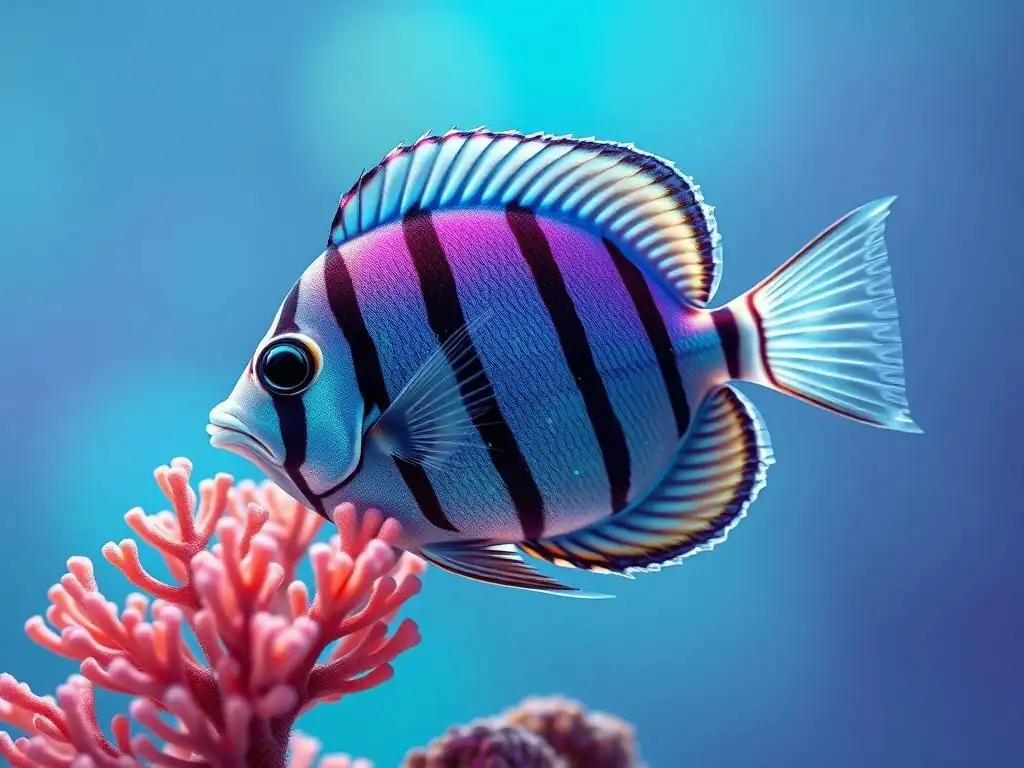
Recognizing the early signs of aggression is crucial for timely intervention and preventing severe stress or injury to your butterflyfish. Common indicators of aggression include persistent fin nipping, where one fish repeatedly bites the fins or body of another, often leading to torn or frayed fins. Constant chasing, where one fish relentlessly pursues another across the tank, is a clear sign of bullying and territorial dispute. The victim may exhibit clamped fins, rapid breathing, or attempt to hide excessively in rockwork, avoiding open water.
Sometimes, aggression can be more subtle, manifesting as one fish consistently dominating feeding times, preventing others from getting enough food. Observing these behaviors daily allows you to identify the aggressor and the victim, providing the necessary information to formulate a plan of action. Understanding these signs is a fundamental part of effectively utilizing a Butterflyfish tank compatibility guide to maintain a harmonious aquarium.
Separating Aggressive Individuals: Quarantine and Reintroduction Strategies
If aggression persists and begins to impact the health or well-being of the bullied fish, separating the aggressive individual is often the most effective immediate solution. The aggressor can be moved to a dedicated quarantine or "time-out" tank for a few days to a week. This temporary removal can help "reset" its territorial instincts and allow the other fish in the main display to recover from stress. While the aggressor is in isolation, it's an opportune time to rearrange the main tank's aquascape, creating new territories and breaking up established visual lines.
Upon reintroduction, the aggressor may no longer feel it has established dominance over its previous territory, potentially leading to more peaceful interactions. However, if aggression quickly resumes, permanent rehoming of the aggressive fish might be the only viable long-term solution to ensure the well-being of the remaining tank inhabitants. These strategies are vital tools within a comprehensive Butterflyfish tank compatibility guide for managing behavioral issues.
Re-evaluating Tank Mates: Making Adjustments for Long-Term Harmony
When compatibility problems persist despite initial interventions, a thorough re-evaluation of the entire tank's stocking list becomes necessary. It's possible that the tank is simply overstocked for the chosen species, leading to unavoidable territorial conflicts. Alternatively, certain species might be inherently incompatible, even if initial research suggested otherwise, as individual fish personalities can vary. Consider whether any tank mates are too aggressive, too competitive, or simply too large and boisterous for the delicate nature of butterflyfish.
Adjustments may involve removing the most aggressive fish, rehoming a bullied individual to a more peaceful setup, or even reducing the total number of fish in the aquarium to lower overall bioload and territorial pressure. Sometimes, adding more hiding spots or visual barriers can alleviate minor issues, but for chronic aggression, fundamental changes to the stocking list are often required. This critical reassessment is a key component of a pragmatic Butterflyfish tank compatibility guide aimed at achieving long-term harmony.
Long-Term Care and Management of Multiple Butterflyfish
Maintaining Optimal Water Quality: Regular Testing and Water Changes
Long-term success with multiple butterflyfish hinges on the unwavering commitment to maintaining optimal water quality. Consistent monitoring of key parameters is non-negotiable: salinity should remain stable, ideally between 1.024 and 1.026; temperature between 74-78°F; pH between 8.1-8.4; and ammonia and nitrite at undetectable levels (0 ppm). Nitrate levels should be kept as low as possible, ideally below 10-20 ppm, as elevated levels contribute to chronic stress and disease susceptibility in delicate species.
Regular partial water changes, typically 10-15% weekly or 20% bi-weekly, are crucial for replenishing essential trace elements and removing accumulated pollutants that filtration alone cannot handle. Utilizing a high-quality salt mix and performing water changes consistently helps maintain the stable environment that butterflyfish need to thrive, reducing the likelihood of stress-induced aggression or illness. This diligent maintenance routine is a cornerstone of any effective Butterflyfish tank compatibility guide.
Providing a Varied Diet: Ensuring Nutritional Needs are Met
The diverse dietary preferences among butterflyfish species necessitate a varied and high-quality feeding regimen for long-term health and vitality. While some species are primarily planktivores, others are omnivores, and many have specialized feeding habits (e.g., corallivores, invertebrate pickers). Therefore, offering a wide array of foods is essential: high-quality frozen preparations like mysis shrimp, brine shrimp (often enriched with spirulina), finely chopped seafood, and high-quality marine flakes or pellets designed for omnivores.
For species that are difficult to convert to prepared foods, such as some wild-caught Copperbands, live foods like blackworms or cultured copepods may be necessary initially. Observe each butterflyfish during feeding to ensure it is actively eating and gaining weight. Nutritional deficiencies can severely compromise their immune systems and overall health, making them more vulnerable to disease and stress. A well-rounded diet is a fundamental aspect of a comprehensive Butterflyfish tank compatibility guide.
Observing Butterflyfish Health: Early Detection of Disease and Parasites
Proactive observation of butterflyfish health is crucial for early detection and intervention regarding diseases and parasites, which can spread rapidly in a community tank. Daily visual inspections should include checking for common symptoms such as white spots (marine Ich), cloudy eyes, labored breathing (gilling), fin rot, loss of appetite, abnormal swimming patterns, or changes in coloration. Butterflyfish, due to their delicate nature and often stressful acclimation, are particularly susceptible to common marine ailments.
Upon detecting any signs of illness, prompt action is critical. This typically involves isolating the affected fish in a hospital tank for diagnosis and treatment, preventing the spread of pathogens to other tank inhabitants. Maintaining a well-stocked medical kit with common marine fish medications is advisable. Early intervention not only increases the chances of successful treatment but also minimizes the overall impact on the entire aquarium ecosystem, reinforcing the importance of continuous vigilance within a practical Butterflyfish tank compatibility guide.
Conclusion: Achieving Success with Multiple Butterflyfish
Keeping multiple butterflyfish in a single aquarium is an ambitious yet highly rewarding endeavor that can bring unparalleled beauty and dynamic activity to your home. Achieving this success, however, demands meticulous planning, unwavering commitment to water quality, and a profound understanding of each species' unique needs and social behaviors. As this Butterflyfish tank compatibility guide has emphasized, thorough research into temperament, diet, and space requirements is paramount before introducing any new fish.
By prioritizing adequate tank size, designing an intricate aquascape with ample hiding spots, maintaining pristine and stable water parameters, and implementing strategic feeding and introduction protocols, aquarists can significantly mitigate the risks of aggression and stress. Continuous observation and prompt intervention for any signs of conflict or illness are crucial for long-term harmony. With patience, diligence, and adherence to these principles, you can create a thriving and captivating community of these magnificent marine beauties, enjoying their elegant presence for years to come.
Frequently Asked Questions
How difficult is it to keep multiple butterflyfish in the same tank?
Keeping multiple butterflyfish together can be very challenging and is generally not recommended for beginners. Success depends heavily on species selection and tank size.
What tank size is generally recommended for attempting to keep multiple butterflyfish?
A very large tank, typically exceeding 180 gallons, is usually required. This provides ample space for each fish to establish its own territory and reduce aggression.
Which butterflyfish species are more likely to be compatible with each other?
Certain species, like the Merten's Butterflyfish, may exhibit slightly more tolerance towards others. However, careful observation and a detailed compatibility assessment are crucial.
What are the key signs of aggression to watch for when keeping multiple butterflyfish?
Watch for signs like chasing, nipping, and fin-biting. Persistent aggression indicates incompatibility, and separation may be necessary to prevent injury or death.
What factors beyond species and tank size contribute to the success of keeping multiple butterflyfish?
Introducing all fish at the same time, providing ample hiding places, and maintaining excellent water quality are crucial. A well-established reef environment can also help diffuse aggression.
The journey through the complexities of butterflyfish tank compatibility reveals a truth that resonates far beyond the confines of our aquariums: understanding individual needs is paramount to fostering harmonious communities. Just as we've explored the nuances of each species, their temperaments, and their dietary requirements, so too must we approach interactions in our own lives with empathy and careful consideration. The success of a butterflyfish tank, much like the success of any social structure, hinges on recognizing and respecting the unique characteristics of its inhabitants.
This exploration of butterflyfish compatibility has not only provided practical guidance for aquarists but has also underscored the profound responsibility we bear when introducing living beings into a shared environment. It reminds us that our choices have consequences, and that thoughtful planning is essential for ensuring the well-being of all involved. The greatness of a nation and its moral progress can be judged by the way its animals are treated.
- Mahatma Gandhi. This quote, though broad, speaks directly to the heart of responsible aquarium keeping and the ethical considerations that guide our decisions.
Now, armed with this knowledge and a deeper appreciation for the delicate balance within a butterflyfish tank, I invite you to reflect on your own interactions and environments. How can you apply the principles of careful observation, thoughtful planning, and empathetic understanding to create more harmonious spaces, both within your aquarium and in the world around you? Consider the impact of your choices and strive to cultivate environments where every individual, regardless of their differences, can thrive.
Unleash Your Inner Reef Keeper!
Thank you for diving deep into the fascinating world of butterflyfish! We hope you’ve gained a clearer understanding of their complex social needs and how to provide the best environment for these captivating creatures. Now, it's time to turn knowledge into action and create a thriving aquatic haven.
Here’s how you can make a difference:
- Commit to thorough research: Before acquiring any butterflyfish, dedicate time to understanding the specific needs of the species you're interested in. This includes diet, tank size, water parameters, and compatibility with other fish.
- Observe wild butterflyfish: Watch videos of butterflyfish in their natural habitats. Pay attention to their social interactions, feeding behaviors, and preferred environments.
- Join a local reef keeping group: Seek out and join a local reef-keeping club or online forum to learn from experienced hobbyists, share your observations, and get advice on caring for butterflyfish.
Ready to create an extraordinary underwater world for your future butterflyfish?