
Top Wrasse Species for Eradicating Common Aquarium Pests (Flatworms, Bristleworms & More!)

Welcome to Aquarium Mastery!
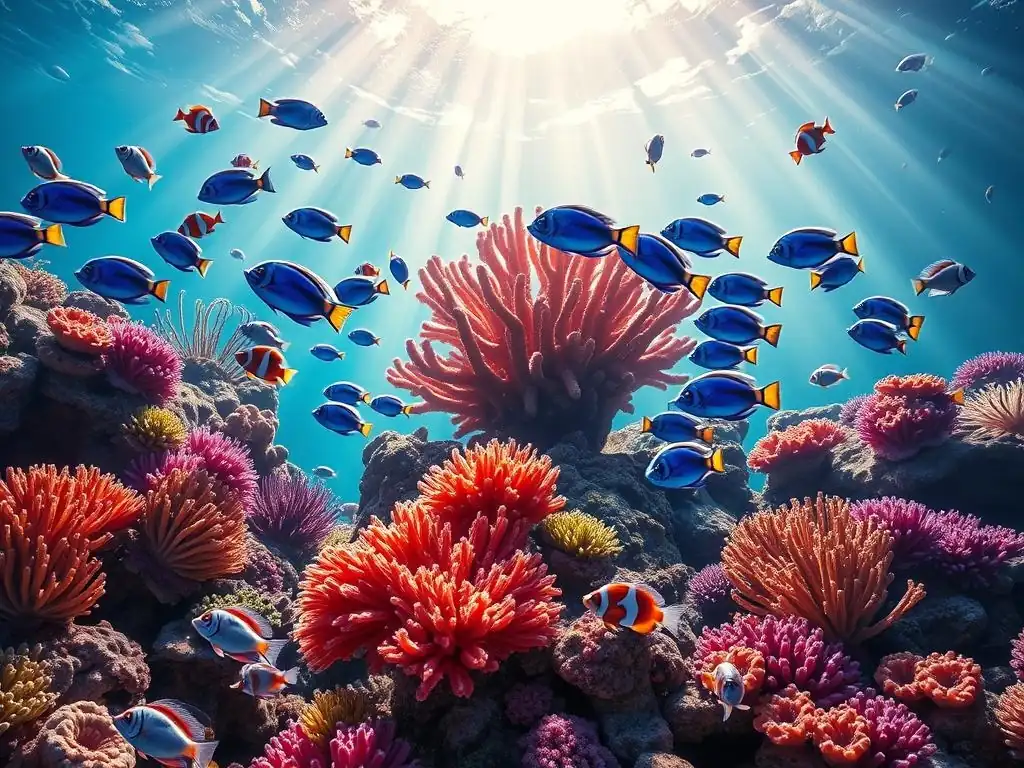
Ever dreamt of a pristine saltwater aquarium, free from those pesky flatworms and bristleworms? You're not alone! Discover how the right Wrasse species eliminate aquarium pests naturally and effectively. Dive in to learn which of these colorful fish can become your secret weapon against unwanted invaders and unlock the secrets to a thriving, balanced ecosystem. Ready to say goodbye to those aquarium nuisances? Let's explore!
- Introduction: Wrasse Species as Natural Pest Control in Saltwater Aquariums
-
Wrasse Species That Effectively Eliminate Common Aquarium Pests
- The Six-Line Wrasse ( Pseudocheilinus hexataenia ): A Flatworm Predator
- The Yellow Coris Wrasse ( Halichoeres chrysus): A Bristleworm Hunter
- The Melanurus Wrasse ( Halichoeres melanurus): Pest Control and Vibrant Color
- The Leopard Wrasse ( Macropharyngodon meleagris): A Challenging but Effective Pest Controller
- The Radiant Wrasse ( Halichoeres iridescens): A Less Common but Effective Option
- Comparing Wrasse Species for Pest Control: A Quick Guide
- Introducing Wrasses to Your Aquarium: A Step-by-Step Guide
- Maintaining a Pest-Free Aquarium with Wrasses
- Potential Challenges and Considerations When Using Wrasses for Pest Control
- Conclusion: Choosing the Right Wrasse for a Thriving, Pest-Free Aquarium
-
Frequently Asked Questions
- How effective are Wrasse species at controlling flatworm infestations in a reef aquarium?
- Which Wrasse species is best suited for eliminating bristleworms from a saltwater aquarium?
- Are all Wrasse species reef safe, considering their pest-eating habits?
- What size aquarium is generally required to house a Wrasse species for pest control?
- What other benefits, besides pest control, do Wrasse species offer to an aquarium ecosystem?
- Final Reflection: The Unsung Heroes of Reef Harmony
- Unleash Your Tank's Potential: Act Now!
Introduction: Wrasse Species as Natural Pest Control in Saltwater Aquariums
Understanding the Role of Wrasses in a Healthy Reef Ecosystem
Wrasses are a diverse and fascinating family of fish, Labridae, renowned for their active foraging behaviors in natural reef ecosystems. In the wild, these fish play a crucial role in maintaining ecological balance by constantly grazing on a wide array of small invertebrates, including various worms, copepods, amphipods, and other micro-crustaceans that inhabit live rock and sand beds. Their natural inclination to sift through substrate and probe crevices makes them highly efficient at controlling populations of organisms that, in an aquarium setting, can quickly become problematic pests.
Their diet is incredibly varied, adapting to the available prey. This opportunistic feeding habit translates directly into their utility within a captive environment, where they can effectively target and consume nuisance organisms before they proliferate into unmanageable infestations. By mimicking their natural foraging patterns, wrasse species eliminate aquarium pests, contributing to a healthier and more stable reef system.
Why Choose Wrasses for Aquarium Pest Control?
Opting for wrasse species to eliminate aquarium pests offers a natural and sustainable solution compared to chemical treatments. Chemical remedies, while sometimes effective, often carry the risk of harming beneficial invertebrates, disrupting water chemistry, or providing only temporary relief, with pests frequently returning once the treatment dissipates. Wrasses, on the other hand, provide continuous, long-term pest management without these associated risks.
Beyond their pest control capabilities, wrasses add vibrant color, dynamic movement, and engaging personalities to a saltwater aquarium. They actively hunt and consume common aquarium nuisances such as troublesome flatworms (e.g., red planaria, Convolutriloba retrogemma), various bristleworms, parasitic pyramid snails (which prey on clams), and even certain types of nudibranchs that can devastate corals. Their presence transforms a potential problem into a natural, visually appealing solution.
The Importance of Reef Compatibility When Selecting a Wrasse
While many wrasses are excellent pest controllers, it is paramount to consider their reef compatibility before introduction. Not all wrasse species are universally "reef-safe"; some may nip at corals, clams, or other desirable sessile invertebrates, especially if their natural food sources are scarce or if they are not adequately fed. For instance, certain larger wrasses can pose a threat to small hermit crabs or snails.
Thorough research into the specific dietary habits and temperament of any chosen wrasse species is crucial. Prioritize species explicitly known for their reef-safe nature, such as most Halichoeres or Macropharyngodon species, and understand that even these can exhibit individual variations in behavior. Selecting a wrasse that harmonizes with your existing coral and invertebrate population is key to ensuring a thriving, pest-free, and balanced reef aquarium.
Wrasse Species That Effectively Eliminate Common Aquarium Pests
The Six-Line Wrasse ( Pseudocheilinus hexataenia ): A Flatworm Predator
The Six-Line Wrasse is one of the most popular and readily available wrasse species for controlling common aquarium pests, particularly flatworms. With its striking purple body adorned with six horizontal orange lines and a distinctive black ocellus spot on its caudal fin, this small yet active fish typically reaches an adult size of about 3 to 4 inches. They are highly sought after by aquarists specifically for their efficiency in eradicating troublesome species like red planaria ( Convolutriloba retrogemma), which can quickly blanket corals and sand beds, impeding light and water flow.
Their effectiveness is widely documented within the hobby; many aquarists report a significant reduction in flatworm populations, often within just a few weeks of introducing a Six-Line Wrasse. Beyond flatworms, they also diligently pick at pyramid snails, known predators of tridacna clams, and will consume small bristleworms and other tiny nuisance invertebrates that inhabit live rock crevices, making them a versatile biological control agent.
Six-Line Wrasse Diet and Feeding Habits
In their natural habitat, Six-Line Wrasses are micro-predators, constantly foraging through live rock and sand for copepods, amphipods, and other minute crustaceans and worms. This inherent behavior makes them highly effective pest hunters in an aquarium. They will spend their days meticulously inspecting every crevice and surface for hidden flatworms, snail eggs, and other small, undesirable organisms, demonstrating their value as a natural pest control solution.
While their primary role in the aquarium is to consume pests, it is essential to supplement their diet with high-quality prepared foods. Even if a substantial pest population exists, offering frozen mysis shrimp, brine shrimp, finely chopped seafood, and high-quality flake or pellet foods two to three times a day ensures they receive complete nutrition. This supplementation is particularly important as pest numbers dwindle, preventing the wrasse from becoming undernourished or overly aggressive due to hunger.
Tank Size and Compatibility Considerations for Six-Line Wrasses
Despite their relatively small size, Six-Line Wrasses are very active swimmers and require ample space. A minimum tank size of 30 gallons is recommended to provide sufficient swimming room and an adequate amount of live rock with numerous hiding spots and crevices for exploration. The presence of abundant live rock is crucial, as it serves as their primary hunting ground and provides essential shelter.
Compatibility can be a significant consideration for Six-Line Wrasses, as they can exhibit territorial and aggressive tendencies, especially towards smaller, more peaceful fish or other wrasses. In tanks under 50 gallons, it is often best to keep them as the sole wrasse species. They generally coexist well with larger, semi-aggressive tank mates such as tangs, clownfish, and angelfish, but care should be taken when introducing them to tanks with very timid or small, slow-moving inhabitants.
The Yellow Coris Wrasse ( Halichoeres chrysus): A Bristleworm Hunter
The Yellow Coris Wrasse, distinguished by its vibrant, uniform yellow coloration and active swimming, is an excellent choice for aquarists battling bristleworm infestations. Growing to an adult size of approximately 5 to 6 inches, this species is highly effective at sifting through sand and probing live rockwork to uncover and consume various types of worms, making it a valuable addition to a reef cleanup crew.
Many hobbyists report a significant and noticeable decrease in bristleworm populations within one to two months of introducing a Yellow Coris Wrasse. Their continuous foraging behavior not only targets bristleworms but also extends to other nuisance invertebrates, including parasitic pyramid snails that threaten clams, and various copepods that can sometimes overpopulate the tank. This consistent pest control makes them a highly desirable inhabitant for a healthy reef environment.
Yellow Coris Wrasse Behavior and Burrowing Habits
Yellow Coris Wrasses are diurnal fish, meaning they are active during daylight hours, constantly swimming and foraging. A defining characteristic of their behavior is their habit of burrowing into the sand at night or when startled. This behavior is a crucial protective mechanism, allowing them to rest securely and avoid predation. They will often dive headfirst into the substrate, disappearing completely until morning.
To facilitate this essential behavior without causing injury, a deep sand bed is absolutely critical for the Yellow Coris Wrasse. A minimum depth of 2-3 inches, and preferably 4 inches or more, of fine-grained sand is required. Coarse or sharp substrates can cause abrasions to their delicate skin and fins, leading to stress, infections, and potentially fatal health issues. Providing the correct substrate is paramount for their long-term health and well-being.
Creating a Suitable Environment for Yellow Coris Wrasses
Given their active nature and moderate adult size, Yellow Coris Wrasses require a minimum tank size of 50 gallons. This provides ample swimming space and allows for a substantial amount of live rock, which offers numerous hiding spots and additional foraging grounds. A well-established tank with a thriving microfauna population will provide additional natural food sources for the wrasse.
Yellow Coris Wrasses are generally peaceful fish, making them suitable for most community reef tanks. However, like many wrasses, they can exhibit territoriality towards other sand-dwelling fish if the tank space is limited. They typically coexist well with a wide variety of tank mates, including tangs, clownfish, and other non-bottom-dwelling species. Maintaining stable water parameters and excellent water quality is also vital for their health.
The Melanurus Wrasse ( Halichoeres melanurus): Pest Control and Vibrant Color
The Melanurus Wrasse, also commonly known as the Tail Spot Wrasse, is a highly regarded species among reef aquarists, not only for its striking blue, green, and orange coloration but also for its exceptional ability to control a wide range of common aquarium pests. These active and inquisitive fish typically grow to an adult size of around 5 to 6 inches, making them a substantial yet manageable addition to many reef systems.
They are excellent generalist predators, meticulously picking through live rock and sand, making them highly effective against various nuisance organisms. Aquarists frequently report their success in targeting and consuming flatworms (including red planaria and brown Waminoa flatworms), parasitic pyramid snails, and even small bristleworms. Their constant foraging contributes significantly to maintaining a clean and pest-free reef environment, often leading to a noticeable reduction in pest populations within a few weeks.
Melanurus Wrasse: Targeting Flatworms and Other Small Invertebrates
The natural diet of the Melanurus Wrasse primarily consists of small crustaceans and worms found within the substrate and on live rock. This dietary preference translates into their diligent hunting behavior within the aquarium. They are particularly adept at locating and consuming various types of flatworms that can quickly proliferate and become a major nuisance, such as the Convolutriloba retrogemma (red planaria) and Waminoa (brown flatworms), which can smother corals.
Beyond flatworms, Melanurus Wrasses are also known to prey on other small, unwanted invertebrates, including tiny nuisance crabs and copepods that might otherwise overpopulate the tank. Their persistent and thorough foraging ensures that these pest populations are kept in check, acting as a continuous biological control measure. This active hunting behavior makes them a highly valuable asset for any aquarist aiming to naturally reduce and prevent pest outbreaks.
Melanurus Wrasse Care Requirements: Diet, Tank Mates, and Environment
To accommodate their active nature and adult size, a minimum tank size of 75 gallons is recommended for the Melanurus Wrasse. A crucial environmental requirement is a fine sand bed of at least 3-4 inches in depth, as they, like other Halichoeres species, burrow into the sand at night or when startled for protection and rest. Without adequate sand, they can become stressed and susceptible to health issues.
While they are excellent pest controllers, their diet should be supplemented with a variety of high-quality frozen foods such as mysis shrimp, brine shrimp, and finely chopped krill or other seafood, along with high-quality flake or pellet foods. Melanurus Wrasses are generally peaceful but can exhibit territorial behavior towards other wrasses or very small, timid fish. They typically do well with semi-aggressive to peaceful tank mates of a similar size, making them a good fit for diverse reef communities.
The Leopard Wrasse ( Macropharyngodon meleagris): A Challenging but Effective Pest Controller
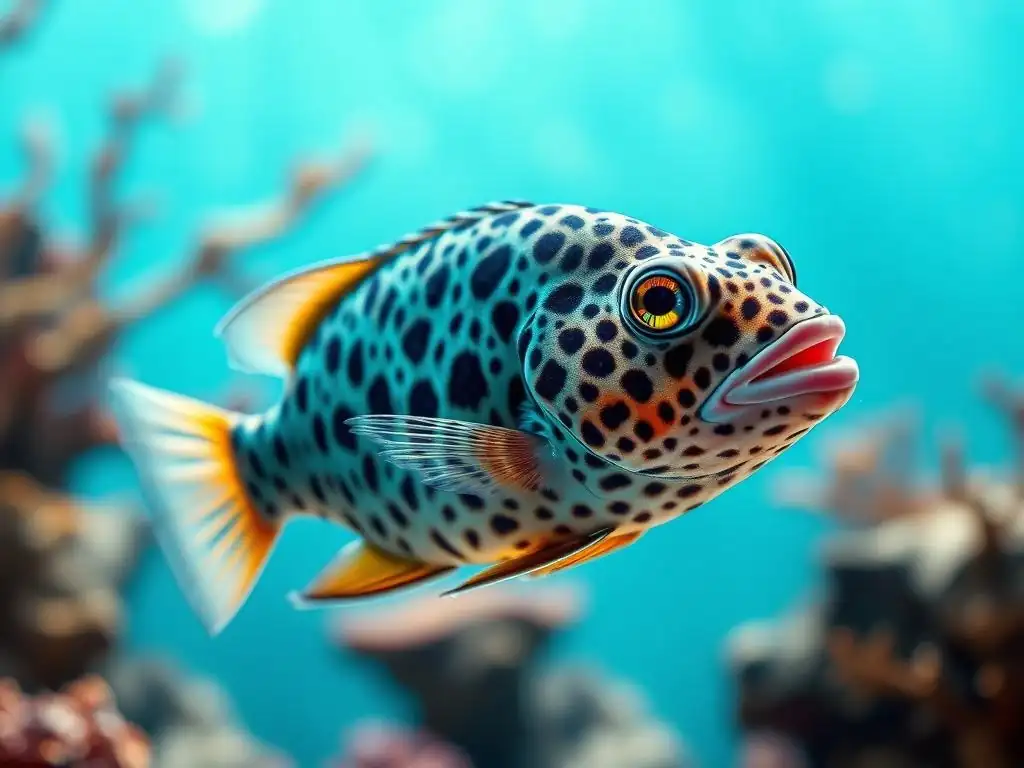
The Leopard Wrasse is a truly exquisite fish, highly prized for its intricate spotted pattern that resembles a leopard's coat. Beyond its stunning aesthetics, this species is exceptionally effective at eradicating highly specific and challenging pests, particularly parasitic nudibranchs that prey on corals, such as Montipora eating nudibranchs, and pyramid snails. They typically reach an adult size of 5 to 6 inches, making them a significant presence in a reef tank.
Despite their unparalleled effectiveness against certain pests, Leopard Wrasses are notoriously difficult to acclimate and maintain in captivity, earning them a reputation as an expert-level fish. However, for those who can meet their stringent requirements, their ability to completely eradicate Montipora nudibranchs within a few months, as reported by many dedicated hobbyists, makes them an invaluable asset. Their delicate nature and specific needs mean that success often hinges on meticulous care and a well-established system.
Leopard Wrasse Diet and Acclimation Strategies
The primary challenge with Leopard Wrasses lies in their dietary needs and acclimation process. Wild-caught specimens often refuse prepared foods initially, making it crucial to introduce them to a tank with a thriving population of live copepods, amphipods, and other microfauna. Forcing them to eat prepared foods too quickly can lead to starvation. Live blackworms and nutrient-rich frozen foods like enriched mysis shrimp can also aid in the transition.
Acclimation should be a slow and gentle process, ideally using a drip acclimation method over several hours to minimize stress from changes in water parameters. Introducing them into a mature refugium or a well-established display tank rich in live rock and sand, teeming with natural food sources, significantly improves their chances of survival and encourages them to begin feeding. Patience and a stable environment are key during this critical period.
Maintaining Water Quality for Leopard Wrasse Success
Leopard Wrasses demand pristine water quality and highly stable parameters to thrive. Ammonia and nitrite levels must be undetectable, and nitrates should be kept very low, ideally below 10 ppm. Regular small water changes, typically 10-15% weekly, are highly recommended to maintain these optimal conditions and replenish trace elements. Any fluctuations or degradation in water quality can quickly lead to stress and susceptibility to disease for this sensitive species.
Furthermore, a deep, fine sand bed is not merely recommended but absolutely critical for the Leopard Wrasse. A depth of at least 4-6 inches of fine-grained sand allows them to burrow completely for rest and protection, a behavior essential for their well-being. Without a suitable substrate, they cannot properly de-stress or hide, which can lead to chronic stress, fin damage, and a rapid decline in health.
The Radiant Wrasse ( Halichoeres iridescens): A Less Common but Effective Option
The Radiant Wrasse, while less commonly seen in the hobby compared to its Halichoeres cousins like the Melanurus or Yellow Coris, is nonetheless a highly effective and beautiful species for natural pest control. Characterized by its iridescent blue and yellow markings, this active and attractive fish typically grows to an adult size of up to 5 inches. It is an excellent choice for aquarists seeking a less common but equally capable solution for managing various aquarium pests.
Like other Halichoeres species, the Radiant Wrasse is a diligent forager, constantly sifting through sand and probing live rock for small invertebrates. Aquarists who have successfully kept them report good success in controlling flatworm populations, similar to the effectiveness observed with Melanurus Wrasses. Their persistent hunting behavior helps to keep populations of nuisance organisms in check, contributing to a healthier and more stable reef environment.
Radiant Wrasse: Identifying and Eliminating Specific Pests
The Radiant Wrasse's natural diet and foraging behavior make it a generalist predator of small benthic invertebrates. They actively seek out and consume various types of flatworms, including the problematic Convolutriloba retrogemma (red planaria) and other brown or clear flatworm species that can infest corals and tank surfaces. Their meticulous inspection of live rock and sand ensures that few pests escape their notice.
Beyond flatworms, they will also prey on small bristleworms and various copepods that inhabit the substrate and rockwork. Their continuous grazing helps to prevent large outbreaks of these nuisance organisms, acting as a proactive measure against pest proliferation. This consistent activity and broad targeting of common pests make the Radiant Wrasse a valuable addition to any cleanup crew aiming to keep the aquarium healthy and pest-free.
Radiant Wrasse Tank Requirements and Temperament
To accommodate their active foraging and moderate adult size, a minimum tank size of 50 gallons is recommended for the Radiant Wrasse. A crucial environmental element is a fine sand bed of at least 3 inches in depth, as they, like other wrasses in the Halichoeres genus, rely on burrowing into the sand for nightly rest and protection. Ample live rock should also be provided to offer numerous hiding spots and foraging opportunities.
Radiant Wrasses are generally peaceful fish, making them suitable for most community reef tanks. They tend to be less aggressive than some other wrasse species, such as the Six-Line Wrasse, and typically coexist well with a wide range of tank mates, including tangs, clownfish, and other non-aggressive species. Their calm temperament makes them a good choice for aquarists looking for an effective pest controller that won't disrupt a peaceful community.
Comparing Wrasse Species for Pest Control: A Quick Guide
Pest Targeted
- Six-Line Wrasse: Primarily flatworms (e.g., red planaria), pyramid snails, small bristleworms.
- Yellow Coris Wrasse: Bristleworms, pyramid snails, copepods.
- Melanurus Wrasse: Flatworms (red and brown), pyramid snails, bristleworms, small nuisance crabs.
- Leopard Wrasse: Parasitic nudibranchs (e.g., Montipora eating nudibranchs), pyramid snails.
- Radiant Wrasse: Flatworms, small bristleworms, copepods.
Reef Compatibility
- Six-Line Wrasse: Generally reef-safe, but may occasionally nip at clams or sessile invertebrates if very hungry or in a small, under-enriched tank.
- Yellow Coris Wrasse: Excellent reef-safe; poses virtually no threat to corals or desirable invertebrates.
- Melanurus Wrasse: Excellent reef-safe; very safe with corals and most invertebrates.
- Leopard Wrasse: Excellent reef-safe; poses no threat to corals or invertebrates, but highly sensitive to water quality.
- Radiant Wrasse: Excellent reef-safe; very safe with corals and most invertebrates.
Ease of Care
- Six-Line Wrasse: Easy to moderate; generally hardy but can be aggressive.
- Yellow Coris Wrasse: Easy; hardy and adapts well to aquarium life.
- Melanurus Wrasse: Easy; hardy and active.
- Leopard Wrasse: Difficult; requires specific acclimation, pristine water, and established microfauna.
- Radiant Wrasse: Moderate; less common but generally hardy once acclimated.
Size and Temperament
- Six-Line Wrasse: Up to 4 inches; can be territorial and aggressive towards smaller or more peaceful fish, especially other wrasses.
- Yellow Coris Wrasse: Up to 5-6 inches; generally peaceful and active, good for community tanks.
- Melanurus Wrasse: Up to 5-6 inches; generally peaceful, but can be territorial towards other wrasses; active.
- Leopard Wrasse: Up to 5-6 inches; peaceful and shy, often hides when first introduced.
- Radiant Wrasse: Up to 5 inches; peaceful and active, good for community tanks.
Introducing Wrasses to Your Aquarium: A Step-by-Step Guide
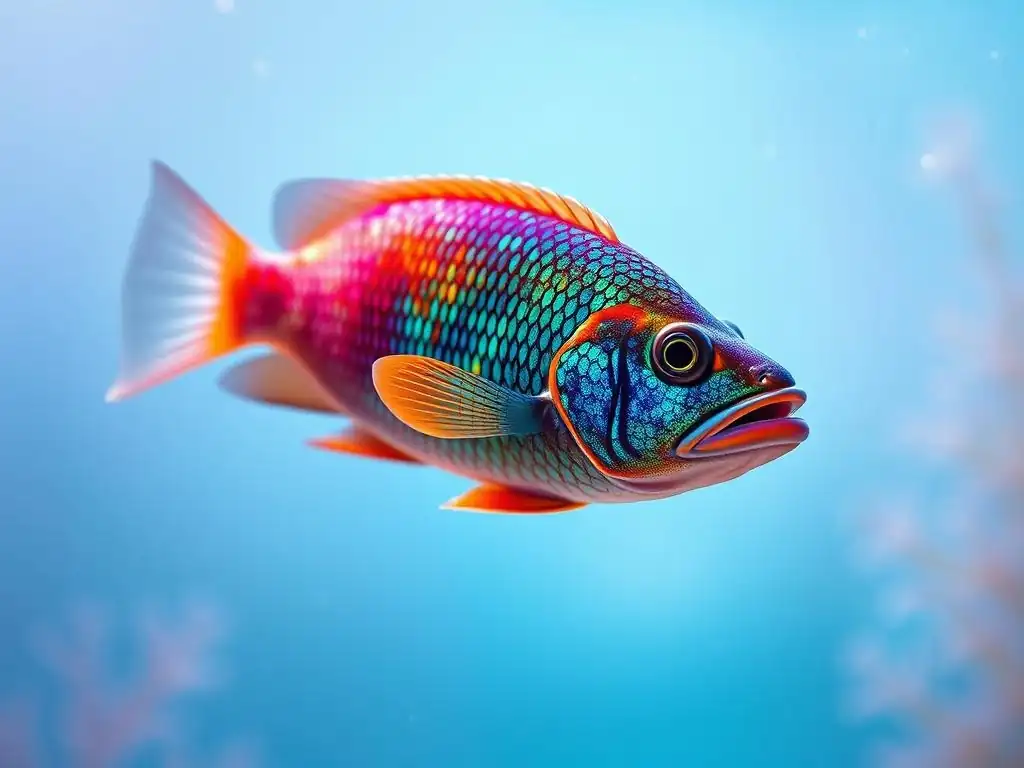
Quarantine Procedures for New Wrasses
The importance of a dedicated quarantine tank (QT) for all new fish, particularly wrasses, cannot be overstated. A QT of at least 10-20 gallons, equipped with a heater, filter, and hiding spots, should be used for a minimum of 3-4 weeks. This period allows for close observation and prevents the introduction of common diseases such as marine ich ( Cryptocaryon irritans) or velvet ( Amyloodinium ocellatum) into your established display tank, which could devastate your existing fish and invertebrate population.
During the quarantine period, closely monitor the wrasse for any signs of disease, external parasites, or stress, such as clamped fins, rapid breathing, or unusual spots. Treat any ailments as necessary and ensure the wrasse is actively eating prepared foods before considering transfer to the main display. This crucial step significantly reduces the risk of disease transmission and ensures the new wrasse is healthy and robust enough for its new home.
Acclimation Techniques for a Smooth Transition
Wrasses are sensitive to sudden changes in water parameters, making slow and careful acclimation essential for their successful transition. The drip acclimation method is highly recommended: set up a drip line from your display tank to a bucket containing the new wrasse and its transport water, allowing water to slowly mix over 1-2 hours until the salinity and temperature in the bucket match the display tank. This gradual process minimizes shock to the fish's system.
Once acclimation is complete, gently net the wrasse and introduce it to the display tank. While wrasses are generally more robust than some other fish, try to minimize their exposure to air during transfer. Turning off the aquarium lights for a few hours after introduction can help reduce stress and allow the new wrasse to explore its surroundings and find hiding spots without being immediately harassed by existing tank mates.
Monitoring Wrasse Health and Behavior After Introduction
After introducing a new wrasse to your display tank, it is crucial to observe its health and behavior closely for the first few days and weeks. Look for signs that it is actively exploring, foraging, and eating. A healthy wrasse will quickly begin to pick at live rock and sand, demonstrating its natural pest-hunting instincts. Pay attention to its coloration; faded colors can be an indication of stress.
Also, monitor its interactions with existing tank mates. While many wrasse species are peaceful, some can be territorial, especially Six-Line Wrasses. Ensure it finds a suitable burrowing spot in the sand at night, as this behavior is vital for their rest and security. Any signs of excessive hiding, rapid gilling, or bullying by other fish should prompt further investigation or intervention to ensure the wrasse's well-being.
Maintaining a Pest-Free Aquarium with Wrasses
Supplementing the Wrasse Diet: Ensuring Proper Nutrition
While wrasses are incredibly effective at consuming aquarium pests, pest populations can fluctuate significantly or even dwindle over time. It is crucial to supplement their diet with high-quality prepared foods, even if they are actively hunting pests. Offer a variety of frozen foods such as mysis shrimp, brine shrimp, finely chopped seafood, and high-quality flake or pellet foods, typically 2-3 times a day.
Consistent supplementation ensures that the wrasse receives all necessary nutrients, preventing it from becoming undernourished or overly aggressive due to hunger. This proactive feeding strategy also maintains their vibrant coloration, boosts their immune system, and ensures they remain robust and healthy, regardless of the fluctuating availability of natural pest prey in the aquarium.
Preventing Pest Outbreaks: Proactive Measures
Wrasses are a powerful tool in pest control, but they are part of a broader strategy. Proactive measures are essential to prevent pest outbreaks from taking hold. Always quarantine all new corals and live rock in a separate system for several weeks. Additionally, dip new corals in an appropriate coral dip (e.g., Revive, CoralRx) before introducing them to the main display tank. These dips help dislodge and eliminate various hitchhikers, including flatworms, nudibranchs, and other unwanted organisms.
Maintaining excellent water quality and stable parameters is also paramount. Overfeeding can lead to nutrient accumulation, which can inadvertently fuel the growth of nuisance algae and pest populations. Regular tank maintenance, including consistent water changes, detritus removal from the sand bed, and proper filtration, are all critical components in preventing pest infestations and supporting a healthy, resilient aquarium ecosystem.
Recognizing Signs of Pest Infestations and Wrasse Effectiveness
Even with wrasses on pest patrol, it is vital to regularly inspect your aquarium for early signs of pest re-emergence. Look for small flatworms on the glass, on coral surfaces, or within the sand bed. Check for pyramid snails near the bases of clam shells, or any unusual growths or discolorations on your corals that might indicate the presence of nudibranchs or other parasitic organisms. Early detection is key to effective management.
If you observe a resurgence of pests, assess if your wrasse is still actively foraging. Sometimes, a wrasse may not target all pest types, or it might become complacent if it is consistently well-fed and no longer feels the need to hunt. In such cases, consider if additional wrasse species are needed for different pests, or if manual removal, targeted treatments, or even a temporary reduction in supplemental feeding (if the wrasse is robust) might be necessary to encourage its hunting instincts.
Potential Challenges and Considerations When Using Wrasses for Pest Control
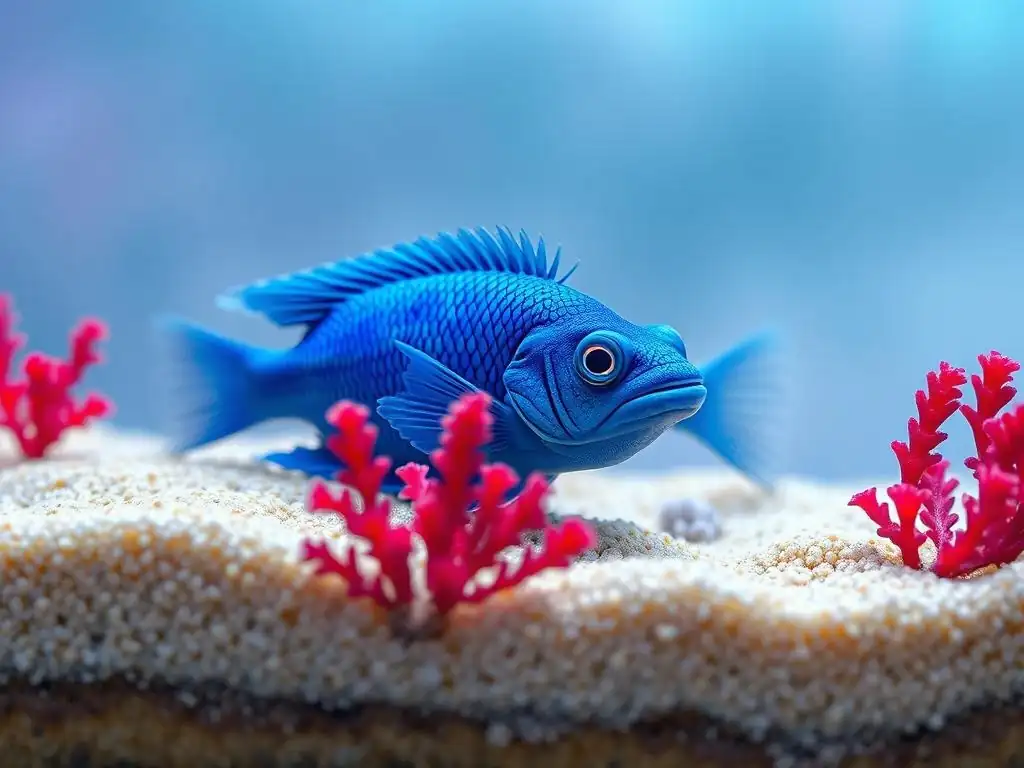
Wrasse Aggression and Compatibility with Other Fish
While many wrasse species are generally peaceful, some can exhibit territorial and aggressive tendencies, particularly as they mature or if housed in smaller tanks. The Six-Line Wrasse, for instance, is notorious for becoming aggressive towards smaller, more timid fish, or even other wrasse species, especially in tanks under 50 gallons. They may bully, chase, or nip at tank mates, causing stress and potential injury.
To mitigate this, consider introducing wrasses after other peaceful inhabitants have settled, or opt for less aggressive species like the Yellow Coris or Melanurus Wrasse for community tanks. Always monitor interactions closely after introduction, especially during feeding times. Be prepared to separate the wrasse if aggression becomes problematic, as chronic stress can lead to health issues for all involved fish.
Over-Predation and Impact on Beneficial Invertebrates
Wrasses are opportunistic feeders, and while they excel at targeting nuisance pests, their foraging can sometimes extend to desirable invertebrates. Species like the Six-Line Wrasse may occasionally nip at small hermit crabs, snails, or even desirable copepods and amphipods, especially if pest populations are low and they are hungry. This can deplete the beneficial microfauna that forms the base of the reef's natural food web.
For highly specialized feeders like the Leopard Wrasse, ensuring a constant supply of their natural prey (microfauna) is crucial, as they can quickly decimate existing populations in a mature tank if not consistently supplemented with live foods. Aquarists should carefully monitor the biodiversity within their tank and adjust feeding regimens to ensure both the wrasse's nutritional needs and the health of the beneficial invertebrate population are met.
Ensuring Adequate Food Supply for Wrasses
One of the significant challenges with using wrasses for pest control is managing their food supply once the pest population is under control. If a wrasse successfully eradicates its primary pest food source, it may face starvation. This can lead to the wrasse becoming thin, stressed, or even becoming more aggressive as it desperately searches for food, potentially turning its attention to desirable invertebrates or corals.
Therefore, it is absolutely vital to consistently supplement the wrasse's diet with a variety of high-quality frozen and dry foods, even when pests are present. This ensures their nutritional needs are met regardless of the pest population's density. Regular feeding not only keeps the wrasse healthy but also reduces the likelihood of it developing undesirable behaviors out of hunger, ensuring it remains a beneficial and integrated part of your aquarium.
Conclusion: Choosing the Right Wrasse for a Thriving, Pest-Free Aquarium
The Long-Term Benefits of Natural Pest Control
Utilizing wrasse species eliminate aquarium pests naturally is a highly effective, sustainable, and environmentally conscious approach to managing common infestations in saltwater aquariums. This method significantly reduces the reliance on harsh chemical treatments, which can often harm beneficial organisms and disrupt the delicate balance of a reef ecosystem. By opting for a biological solution, aquarists foster a more robust, self-regulating, and resilient environment.
A carefully chosen wrasse not only serves as a diligent pest controller but also adds immense beauty, dynamic movement, and engaging behavior to the aquarium. Their constant foraging and vibrant presence contribute to a more natural and aesthetically pleasing display, ensuring a healthier and more stable reef system over the long term. This natural synergy between fish and environment is a cornerstone of successful reef keeping.
Selecting the Best Wrasse Species for Your Specific Needs
The process of selecting the best wrasse species for your aquarium's pest control needs requires careful consideration of several factors: the specific type of pest you are targeting, your tank's size, the existing inhabitants, and your own experience level as an aquarist. For widespread flatworm issues, the Six-Line Wrasse or Melanurus Wrasse are excellent, readily available choices. If bristleworms are the primary concern, the Yellow Coris Wrasse excels. For challenging parasitic nudibranchs, an experienced aquarist might consider the Leopard Wrasse.
It is crucial to conduct thorough research into each potential wrasse species' individual requirements, including their adult size, dietary needs, temperament, and specific reef compatibility. Prioritizing species that align with your aquarium's existing ecosystem and your capacity for care will ensure a successful match, leading to a thriving, balanced, and ultimately pest-free aquarium environment.
Further Resources for Wrasse Care and Aquarium Maintenance
To deepen your understanding and ensure the continued success of your wrasse species eliminate aquarium pests, it is highly recommended to consult reliable resources. AquariumMastery.com offers detailed species profiles for various wrasses, providing comprehensive guidance on their specific dietary needs, minimum tank requirements, and compatibility with other fish and invertebrates. These resources are invaluable for making informed decisions.
Furthermore, exploring sections on general aquarium maintenance, water chemistry, disease prevention, and established reef tank practices on Aquarium Mastery will significantly support the overall health of your aquarium. A well-maintained system, coupled with the natural pest control capabilities of wrasses, creates an optimal environment for your corals and fish to flourish, ensuring a beautiful and resilient reef for years to come.
Frequently Asked Questions
How effective are Wrasse species at controlling flatworm infestations in a reef aquarium?
Wrasse species are highly effective at controlling flatworms. Some species, like the Melanurus Wrasse, actively hunt and consume these pests, significantly reducing their population and preventing outbreaks.
Which Wrasse species is best suited for eliminating bristleworms from a saltwater aquarium?
The Yellow Coris Wrasse is particularly known for its appetite for bristleworms. They actively sift through the substrate, targeting these pests and helping to maintain a cleaner environment.
Are all Wrasse species reef safe, considering their pest-eating habits?
Not all Wrasse species are reef safe. Some may nip at corals or invertebrates. It's crucial to choose a species known for pest control without harming other inhabitants of the reef tank.
What size aquarium is generally required to house a Wrasse species for pest control?
The required tank size depends on the specific Wrasse species. However, most pest-eating Wrasses require a minimum tank size of 55 gallons to provide ample space for swimming and hunting.
What other benefits, besides pest control, do Wrasse species offer to an aquarium ecosystem?
Besides pest control, Wrasse species often contribute to a healthier ecosystem by aerating the substrate and consuming uneaten food. They also add vibrant color and activity to the aquarium.
Final Reflection: The Unsung Heroes of Reef Harmony
The journey through the vibrant world of wrasses and their pest-controlling prowess underscores a crucial truth: balance is paramount in any ecosystem, even within the confines of our aquariums. What began as a simple exploration of fish species capable of eliminating unwanted organisms has revealed a deeper understanding of the delicate interplay between predator and prey, and the responsibility we hold as custodians of these miniature reefs.
This exploration has profoundly influenced my perspective on aquarium keeping, highlighting the importance of careful planning and observation. Understanding the natural behaviors of these fish, and their impact on the broader reef environment, is not just about pest control; it's about fostering a thriving and sustainable ecosystem. In nature, nothing exists alone.
- Rachel Carson. This quote perfectly encapsulates the interconnectedness we strive for in our aquariums, and the role wrasses play in maintaining that delicate balance.
Now, as you consider adding a wrasse to your reef, I urge you to reflect on the broader implications of your choice. Consider not only the immediate benefits of pest control, but also the long-term impact on the health and stability of your aquarium. Let us all strive to be more informed and responsible reef keepers, embracing the wisdom of nature to create truly harmonious and flourishing underwater worlds.
Unleash Your Tank's Potential: Act Now!
Thanks for diving into the world of wrasses and their pest-control prowess! Now that you're armed with the knowledge to choose the perfect wrasse for your aquarium, it's time to take action and reclaim your reef.
Here are some actionable steps you can take to keep your aquarium thriving:
- Identify your tank's primary pest and choose a wrasse species known to target it. This is the single most important step!
- Explore local aquarium clubs or online forums to connect with experienced reefers who can offer specific advice tailored to your tank setup and wrasse of choice.
- Share this article with fellow hobbyists to spread awareness about natural pest control methods and foster a community of informed aquarists.
Which wrasse species are you most excited to introduce to your aquarium, and what pests are you hoping to conquer?