
The Triggerfish Diet: Essential Crunchy Foods for Healthy Teeth and Gums


Welcome to Aquarium Mastery!
Ever wondered what the secret is to keeping your Triggerfish thriving with a dazzling smile? Hint: it involves more than just pretty colors! Dive into our latest article and discover the essential role of crunchy foods in their diet, ensuring healthy teeth and gums. Prepare to unlock the secrets to a happy, healthy Triggerfish and elevate your saltwater aquarium game! Ready to crunch some knowledge?
- The Triggerfish Diet: Essential Hard-Shelled Foods for Healthy Beaks
- Understanding the Triggerfish Diet and Beak Health
- Essential Hard-Shelled Foods for a Healthy Triggerfish Diet
- Maintaining Optimal Beak Health in Triggerfish
- Creating a Balanced Triggerfish Diet Plan with Hard-Shelled Elements
- Considerations for a Triggerfish Diet: Avoiding Overly Soft Foods
- Sourcing High-Quality Hard-Shelled Foods for Your Triggerfish
-
Frequently Asked Questions
- How important is a crunchy food component in a Triggerfish diet?
- What are some examples of appropriate crunchy food items for Triggerfish?
- Can I feed my Triggerfish only crunchy foods?
- How does a lack of crunchy foods affect a Triggerfish's health?
- Where can I find more information on proper Triggerfish nutrition, including recommended crunchy food options?
- Final Reflection: The Crunch for a Healthier Future
- Dive Deeper: Unlock Your Triggerfish's Health Potential!
The Triggerfish Diet: Essential Hard-Shelled Foods for Healthy Beaks
Understanding the Triggerfish Diet and Beak Health
The Importance of Hard-Shelled Foods for Triggerfish
Triggerfish possess a unique and powerful beak-like mouth structure, formed by fused teeth, which grows continuously throughout their lives. This specialized oral anatomy is designed for crushing and grinding the tough exoskeletons of their natural prey. Consequently, incorporating hard-shelled foods into a triggerfish diet is not merely a dietary preference but a fundamental requirement for maintaining their oral health. Without the abrasive action provided by "crunchy foods for triggerfish," their beaks can overgrow, leading to severe malocclusion, an inability to properly grasp and consume food, and even physical deformities that compromise their overall well-being.
The continuous wear and tear from crushing items like crabs and snails is vital for keeping their beaks at an optimal length and shape. For instance, a Queen Triggerfish (Balistes vetula) kept on a diet lacking hard-shelled options might develop a beak that extends beyond its lower jaw by several millimeters within a few months, making it impossible to effectively bite. This necessitates intervention, often involving stressful manual trimming under anesthesia, which can be avoided by a proper triggerfish diet crunchy foods regimen.
Why Beak Health Matters for Triggerfish in Aquariums
Beak health is paramount for triggerfish in aquarium environments because their primary method of feeding and interacting with their surroundings relies heavily on this specialized structure. An unhealthy or overgrown beak can lead to a cascade of problems, starting with difficulty or complete inability to eat, resulting in malnutrition and weight loss. Beyond the immediate feeding issues, an improperly worn beak can cause discomfort, stress, and vulnerability to infections. The constant pressure on misaligned jaws can lead to inflammation and open sores, creating entry points for bacterial or fungal pathogens.
Furthermore, a compromised beak affects the triggerfish's natural behaviors. These intelligent fish often use their beaks to rearrange substrate, manipulate objects, or defend their territory. An impaired beak can hinder these natural instincts, leading to a decline in activity levels and overall quality of life. For example, an adult Clown Triggerfish (Balistoides conspicillum) with an overgrown beak may struggle to break apart pieces of live rock to forage for hidden invertebrates, a behavior critical to their mental and physical stimulation.
Natural Feeding Habits of Triggerfish and Their Impact on Beaks
In their natural marine habitats, triggerfish are formidable predators, with their diet consisting predominantly of hard-shelled invertebrates. Species like the Picasso Triggerfish (Rhinecanthus aculeatus) are commonly observed in the wild crushing sea urchins, various species of crabs, and mollusks such as snails and clams. The act of repeatedly biting into and pulverizing these tough food items serves as a natural filing system for their continuously growing beaks. This consistent mechanical abrasion prevents overgrowth and maintains the sharp, efficient edge necessary for their predatory lifestyle.
For instance, a wild Sargassum Triggerfish (Xanthichthys ringens) will spend a significant portion of its day foraging through rocky crevices, actively seeking out and consuming small crustaceans and bivalves. This natural "triggerfish diet crunchy foods" approach ensures their beaks are perfectly conditioned. Replicating these natural feeding habits in an aquarium setting is crucial. Without the constant wear from breaking shells, the beak's growth can outpace its natural wear, leading to rapid overgrowth and subsequent health complications within months of a soft-food-only diet.
Essential Hard-Shelled Foods for a Healthy Triggerfish Diet
Crabs: A Triggerfish Favorite for Beak Maintenance
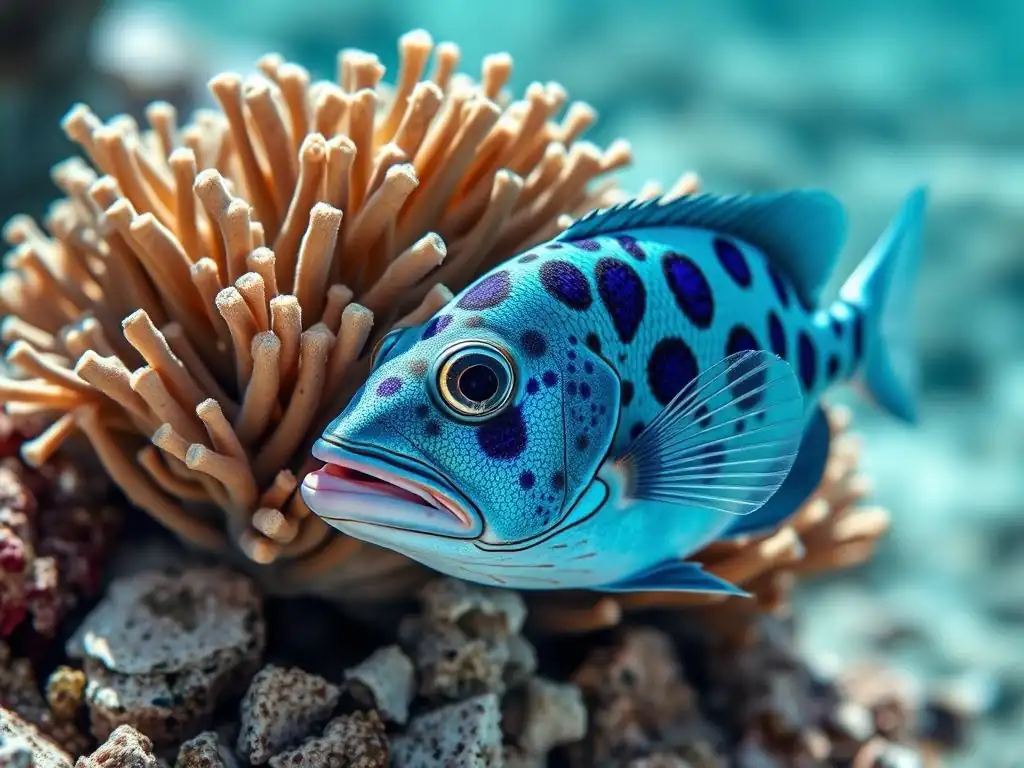
Crabs are an exceptional choice for a triggerfish diet due to their hard exoskeletons and high nutritional value. They provide essential proteins, fats, and chitin, which is beneficial for digestion and overall health. More importantly, the act of crushing a crab’s shell provides significant mechanical abrasion, crucial for wearing down the triggerfish's continuously growing beak. The challenge and satisfaction of cracking a crab also offer valuable mental stimulation, mimicking their natural hunting behaviors.
Many aquarists observe that triggerfish show a distinct preference for live crabs, engaging enthusiastically in the hunt and subsequent crushing. For a medium-sized triggerfish, offering 2-3 small crabs per week can make a substantial difference in beak health. This frequency helps ensure consistent wear without overfeeding.
Types of Crabs Ideal for Triggerfish: Fiddler Crabs, Hermit Crabs, Shore Crabs
Several types of crabs are suitable for inclusion in a triggerfish's diet, each offering unique benefits. Fiddler crabs (Uca species) are an excellent choice, especially for smaller to medium-sized triggerfish, due to their readily available nature and manageable size (typically 1-2 inches across). Their relatively robust shells provide good resistance for beak conditioning. Hermit crabs (Paguroidea), particularly those without overly large or sharp claws, are another superb option. The hard, spiral shells of hermit crabs offer prolonged chewing and crushing opportunities, which are highly beneficial for beak wear.
For larger triggerfish species, such as the Undulated Triggerfish (Balistapus undulatus), small shore crabs or green crabs (Carcinus maenas), typically 2-3 inches in size, can be an ideal choice. When sourcing any live crabs, it is imperative to use reputable suppliers to minimize the risk of introducing parasites or diseases into the aquarium. Avoid wild-caught crabs unless their origin and health status are absolutely certain.
Preparing Crabs for Optimal Triggerfish Consumption
For optimal consumption and safety, crabs can be offered whole to triggerfish capable of handling them. For smaller triggerfish or those new to eating live crustaceans, it may be beneficial to lightly crush a larger crab's shell before offering it, making it easier for the fish to access the meat and initiate the crushing process. Live crabs should be introduced one at a time to prevent any from hiding and dying, which could negatively impact water quality.
If live crabs are not available, frozen whole crabs (ensure they are marine-sourced and unsalted) can be used. These should be thoroughly thawed before feeding. Some aquarists also gut-load their live crabs with nutrient-rich foods for 24-48 hours prior to feeding, enhancing the nutritional value for the triggerfish. Always monitor that the triggerfish consumes the entire crab, including the shell, as this is crucial for beak maintenance.
Snails: Providing Essential Minerals and Beak Exercise
Snails are another highly beneficial component of a healthy triggerfish diet, offering both crucial beak-wearing properties and a source of essential minerals like calcium. The act of cracking open snail shells, regardless of their size, provides an extended period of beak exercise that is difficult to replicate with softer foods. This sustained effort not only grinds down the beak but also strengthens the jaw muscles. Furthermore, snail shells contribute valuable trace elements to the triggerfish's diet, which are often lacking in processed foods.
The varied shapes and thicknesses of different snail shells present unique challenges for the triggerfish, promoting a more natural and diverse feeding experience. A large adult triggerfish might easily consume 5-10 small snails in a single feeding session, thoroughly working its beak in the process.
Selecting Snails for your Triggerfish Diet: Cerith Snails, Nerite Snails, Turbo Snails
When selecting snails for your triggerfish, prioritize marine species with hard shells. Cerith snails (Cerithium species) are excellent for smaller to medium-sized triggerfish due to their moderate size (typically 0.5-1.5 inches) and conical, robust shells. They are often readily available from aquarium suppliers. Nerite snails (Nerita species), while primarily known for their algae-eating capabilities, also possess a very hard, durable shell that provides good resistance for beak wear, making them a dual-purpose addition to the tank.
For larger triggerfish, Turbo snails (Turbo species) are an ideal choice due to their substantial size (up to 3 inches or more) and thick, resilient shells. These require significant effort to crack, providing maximum benefit for beak conditioning. Always ensure the snails are healthy, active, and free from parasites or diseases. Purchasing from reputable marine livestock vendors is crucial to avoid introducing unwanted organisms into your display tank.
The Benefits of Snail Shells for Beak Maintenance
The primary benefit of snail shells in a triggerfish diet is the abrasive action they provide, which is essential for natural beak wear. As the triggerfish bites and crushes the shell, the hard calcium carbonate acts like sandpaper, filing down the continuously growing beak. This prevents the beak from becoming overgrown or misaligned, issues that can severely impair the fish's ability to eat and thrive. Without this natural abrasion, a triggerfish's beak could grow excessively, potentially curling or preventing the mouth from closing properly, leading to starvation.
Beyond mechanical wear, snail shells are a rich source of calcium and other trace minerals. When the triggerfish consumes the crushed shell fragments, these minerals are ingested, contributing to the fish's overall skeletal health and metabolic functions. This makes snails a nutritionally complete "crunchy food for triggerfish," supporting both physical oral health and internal well-being.
Hard-Shelled Shrimp: A Natural Beak File for Triggerfish
Hard-shelled shrimp, particularly those with robust exoskeletons, serve as another excellent component of a "triggerfish diet crunchy foods" plan. Their chitinous shells provide a beneficial abrasive surface for the triggerfish's beak, contributing to natural wear and preventing overgrowth. Additionally, shrimp are a highly nutritious food source, rich in protein and beneficial fatty acids, making them a valuable part of a balanced diet.
While not as dense as crab or snail shells, the exoskeletons of shrimp still offer significant resistance that helps maintain beak health. The act of tearing and crushing the shrimp also provides an engaging feeding experience for the triggerfish, mimicking their natural foraging behaviors.
Introducing Hard-Shelled Shrimp into the Triggerfish Tank
When introducing hard-shelled shrimp, variety is key. Mysis shrimp, especially the larger jumbo varieties (e.g., 1-2 cm), are excellent when frozen and thawed. Their exoskeletons, though not as hard as a crab's, still contribute to beak wear. For a more interactive and challenging feeding experience, ghost shrimp (Palaemonetes paludosus), which are typically sold live, can be offered. These freshwater shrimp, though short-lived in saltwater, provide a live hunt that stimulates the triggerfish and encourages active beak use. Ensure they are free of diseases before introduction.
Offer shrimp in portions that can be consumed quickly to prevent water quality issues. For a medium-sized triggerfish, a few jumbo mysis shrimp or 1-2 ghost shrimp several times a week can supplement their diet effectively. Always thaw frozen shrimp completely before feeding, and rinse them with tank water to remove any residual phosphates or nitrates from the freezing process.
Monitoring Shrimp Consumption and Tank Balance
When feeding hard-shelled shrimp, especially live ghost shrimp, it's crucial to monitor their consumption to ensure tank balance. Triggerfish are typically efficient predators, but if any live shrimp hide and subsequently die, they can decompose and cause ammonia spikes, negatively impacting water quality. Similarly, if too many frozen shrimp are offered and not consumed quickly, they can contribute to nutrient buildup.
Observe your triggerfish's behavior: does it eagerly consume the shrimp? Is it actively seeking out hidden live shrimp? Adjust the quantity offered based on the triggerfish's appetite and the tank's bioload. For instance, in a 180-gallon tank with an adult Blue Throat Triggerfish (Xanthichthys auromarginatus), offering 5-7 jumbo mysis shrimp per feeding, three times a week, might be appropriate, ensuring all are consumed within minutes. This careful monitoring helps maintain both the triggerfish's health and the stability of the aquarium environment.
High-Quality Pellets: Supplementation for a Balanced Diet
While hard-shelled foods are indispensable for beak health, high-quality pellets play a crucial role as a supplemental food source in a triggerfish diet. Pellets offer a convenient way to provide a broad spectrum of essential nutrients, vitamins, and minerals that might be less abundant or inconsistent in a diet solely based on live or frozen whole foods. They ensure a baseline of comprehensive nutrition, particularly for trace elements and specific vitamins that might degrade in other food forms.
However, it's vital to recognize that pellets alone cannot provide the necessary mechanical abrasion for beak maintenance. They should be viewed as a nutritional foundation, to be consistently supplemented with the "triggerfish diet crunchy foods" that directly address their unique oral anatomy.
Choosing the Right Pellet Size and Composition for Triggerfish
Selecting the appropriate pellet size and composition is critical for a triggerfish diet. The pellet size should be suitable for the triggerfish's mouth, allowing for easy consumption without being swallowed whole too quickly or being too large to manage. For example, a juvenile Picasso Triggerfish might prefer a 2-3mm pellet, while a large adult Pinktail Triggerfish (Xanthichthys mento) might require a 4-6mm pellet. The composition should be specifically formulated for marine carnivorous fish, high in protein (typically 45-55%) from quality marine sources like fish meal, krill, and spirulina.
Look for pellets enriched with essential vitamins (A, C, D3, E) and minerals, often including a probiotic component for better digestion. Brands like Spectrum Thera+A or Hikari Marine S are often recommended for their high-quality ingredients and balanced nutritional profiles. Avoid pellets designed for freshwater fish or those with excessive fillers, as these will not meet the specific dietary needs of triggerfish.
Supplementing Pellets with Natural Hard-Shelled Foods
The key to a successful triggerfish diet is the strategic integration of high-quality pellets with natural hard-shelled foods. Pellets can be offered daily or every other day, providing consistent nutritional support. However, on at least 2-3 days per week, or even more frequently, hard-shelled items such as crabs, snails, or hard-shelled shrimp must be provided. This ensures that while the triggerfish receives all necessary vitamins and minerals from the pellets, its beak health is simultaneously maintained through natural abrasion.
For instance, a sample feeding schedule could involve offering high-quality pellets in the morning on weekdays, and then providing a hard-shelled item in the evening on Monday, Wednesday, and Friday. This approach guarantees that the "triggerfish diet crunchy foods" component is consistently met, preventing beak overgrowth and promoting overall vitality.
Maintaining Optimal Beak Health in Triggerfish
Observing Triggerfish Feeding Behavior and Beak Condition
Regular and meticulous observation of your triggerfish's feeding behavior and the physical condition of its beak is paramount for proactive health management. Pay close attention during feeding times: does the triggerfish eagerly approach food? Is it able to grasp and crush hard-shelled items effectively? Any hesitation, prolonged struggle, or outright refusal of "crunchy foods for triggerfish" can be an early indicator of beak problems. Visually inspect the beak's length and alignment whenever the fish is at rest or in a calm state.
A healthy triggerfish beak should appear relatively even, with no excessive length, noticeable chips, or signs of misalignment. For example, if a Blue Throat Triggerfish (Xanthichthys auromarginatus) consistently struggles to pick up a small snail that it previously consumed with ease, or if its upper jaw appears to overlap its lower jaw significantly more than usual, these are red flags. Consistent daily observation, taking only a few minutes, can identify potential issues before they become severe.
Recognizing Signs of Beak Problems in Triggerfish
Recognizing the specific signs of beak problems in triggerfish is crucial for timely intervention. The most common indicator is beak overgrowth, where the upper or lower jaw extends abnormally, preventing the mouth from closing properly. This can manifest as a "parrot beak" appearance, where the upper jaw curls significantly. Misalignment of the jaws, where they no longer meet evenly, is another serious sign, often leading to inefficient feeding.
Other symptoms include difficulty grasping food, refusal of hard-shelled items (due to pain or inability to crush them), weight loss despite apparent eating attempts, and lethargy. In severe cases, the overgrown beak can cause abrasions or sores on the opposite jaw or surrounding tissues, leading to secondary bacterial or fungal infections. For example, an adult Clown Triggerfish (Balistoides conspicillum) that begins to lose weight and shows visible white patches or redness around its mouth might be suffering from secondary infections due to an overgrown and irritating beak.
Preventing Beak Issues Through Proper Diet and Tank Maintenance
The cornerstone of preventing beak issues in triggerfish is a consistent and appropriate "triggerfish diet crunchy foods" regimen. Ensure that hard-shelled items like crabs, snails, and hard-shelled shrimp are a regular, non-negotiable part of their feeding schedule, not just an occasional treat. This continuous mechanical abrasion is the most effective preventative measure against overgrowth.
Beyond diet, maintaining pristine water quality and a low-stress environment also contributes to overall fish health, making them more resilient to potential issues. Provide ample space and appropriate tank mates to reduce stress. Additionally, incorporating live rock with natural microfauna can offer supplementary foraging opportunities, allowing the triggerfish to naturally wear down its beak while hunting small, naturally occurring invertebrates. Regular feeding of the correct food types, such as 2-3 substantial hard-shelled meals per week for an adult triggerfish, alongside high-quality pellets, is the best defense against beak complications.
Creating a Balanced Triggerfish Diet Plan with Hard-Shelled Elements
Sample Feeding Schedule for a Healthy Triggerfish
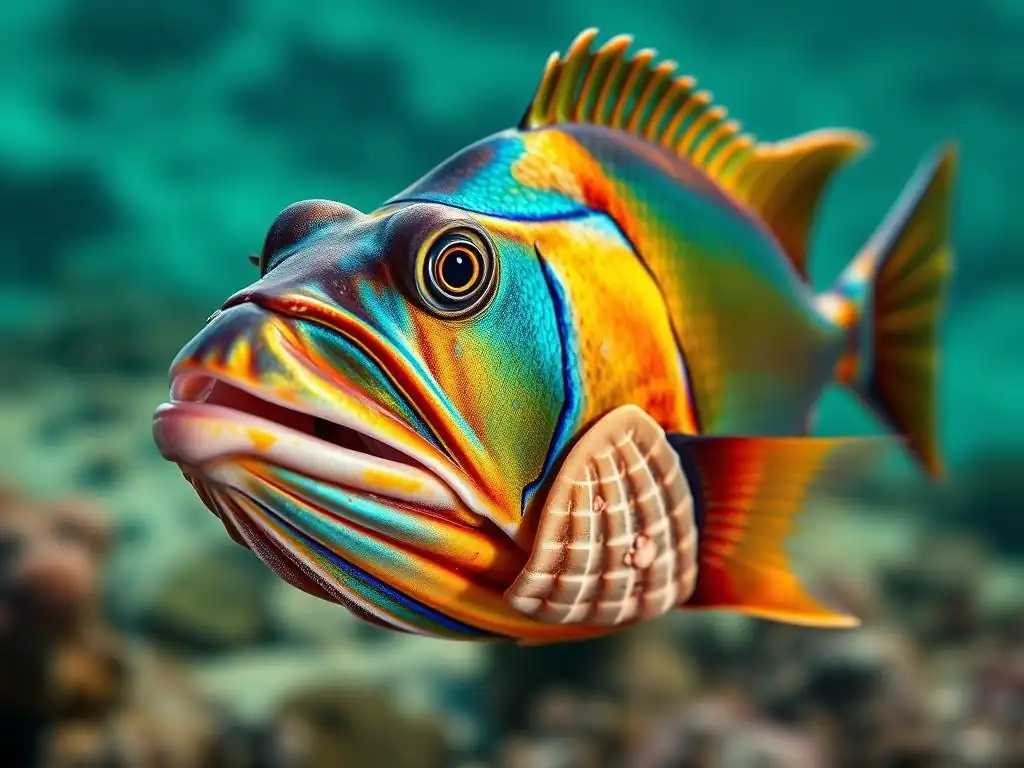
A balanced feeding schedule incorporating "triggerfish diet crunchy foods" is essential for optimal health. For an adult triggerfish (e.g., a 6-inch Picasso Triggerfish), a sample weekly plan might look like this:
- Monday, Wednesday, Friday: Offer a primary hard-shelled meal. This could be 1-2 small fiddler crabs, 3-5 small turbo snails, or 5-7 large hard-shelled mysis shrimp.
- Tuesday, Thursday, Saturday: Feed high-quality marine pellets (e.g., 4-6mm pellets) and/or a small portion of varied frozen foods like krill with exoskeletons or chopped clam.
- Sunday: A lighter feeding or a fasting day, allowing the digestive system to rest and promoting natural foraging if live rock is present.
This schedule ensures consistent beak wear throughout the week while providing a full spectrum of nutrients. Adjust portion sizes based on the individual fish's size, appetite, and activity level, always ensuring all food is consumed within a few minutes to prevent water quality degradation.
Adjusting the Diet Based on Triggerfish Species and Size
The triggerfish diet plan must be highly adaptable to the specific species and size of the fish. Smaller triggerfish species, such as the Pinktail Triggerfish (Xanthichthys mento), which typically reach 8-10 inches, will require smaller portions and smaller hard-shelled items like small cerith snails or jumbo mysis shrimp. They may also benefit from more frequent, smaller feedings (e.g., twice daily) due to their higher metabolism.
Conversely, large, robust species like the Titan Triggerfish (Balistoides viridescens), which can exceed 2 feet in length, will require significantly larger portions and more substantial hard-shelled prey, such as large shore crabs, full-sized turbo snails, or even small clams. Juveniles of any species will also need more frequent feedings (e.g., 2-3 times daily) to support rapid growth, with appropriately sized hard foods introduced early to train their beaks. Always observe the individual fish's growth rate and body condition to fine-tune the feeding regimen.
The Role of Live Rock in Providing Natural Hard-Shelled Foods
Live rock plays a significant, albeit often underestimated, role in providing natural "triggerfish diet crunchy foods" and promoting beak health. A well-established and mature live rock aquascape is teeming with beneficial microfauna, including various small crustaceans (e.g., copepods, amphipods, tiny crabs) and micro-snails. Triggerfish, being natural foragers, will spend considerable time picking and probing the live rock, actively hunting these tiny invertebrates.
This constant foraging activity provides continuous, natural abrasion for their beaks, mimicking their wild behaviors. While the individual items are small, the cumulative effect of daily picking at the rock and crushing minute shells significantly contributes to beak maintenance. For instance, a 180-gallon tank with 150 pounds of mature live rock can offer a consistent, self-replenishing supply of these miniature hard-shelled snacks, supplementing the primary diet and enriching the triggerfish's environment.
Considerations for a Triggerfish Diet: Avoiding Overly Soft Foods
Why an Exclusively Soft Food Diet is Detrimental
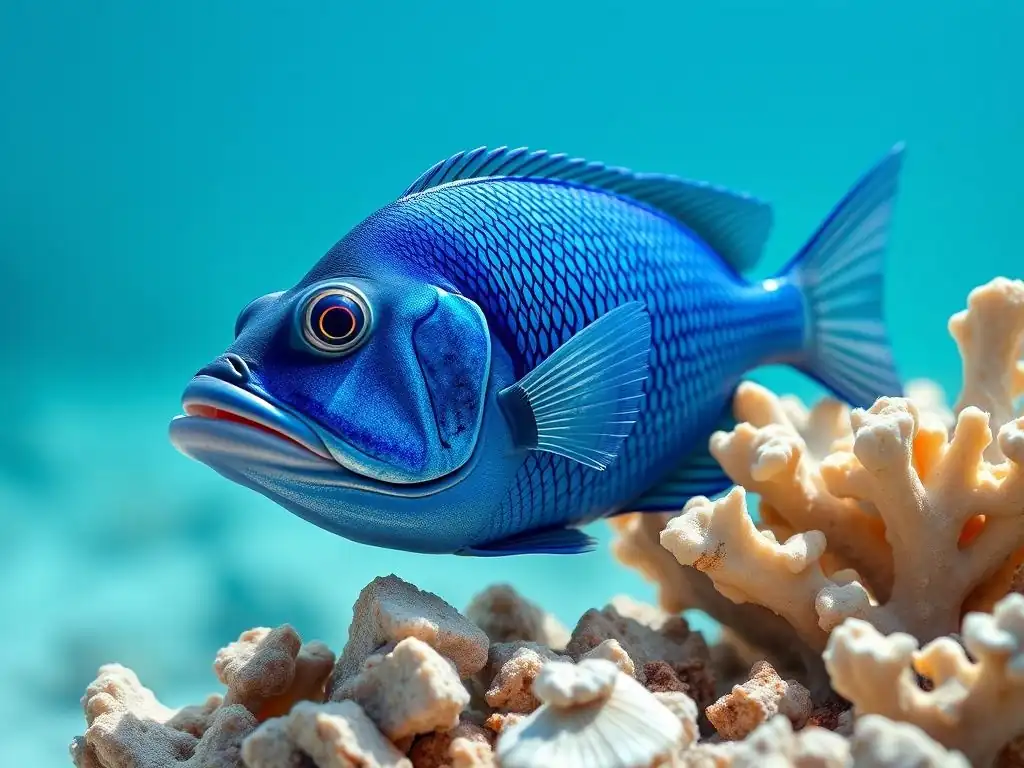
An exclusively soft food diet is highly detrimental to triggerfish due to their unique dental anatomy. Unlike many fish that have individual teeth that can be worn down or replaced, triggerfish possess a fused, continuously growing beak. If this beak is not subjected to constant abrasive action from "triggerfish diet crunchy foods," it will rapidly overgrow. An overgrown beak can lead to severe malocclusion, preventing the fish from properly closing its mouth or grasping food. This can result in chronic malnutrition, starvation, and a compromised immune system.
For example, a triggerfish fed only on defrosted silversides or frozen krill without their exoskeletons will likely develop a noticeable beak overgrowth within as little as three to six months. This lack of resistance also deprives the fish of essential jaw muscle exercise, potentially leading to muscle atrophy and further difficulty in feeding, even if corrective measures are taken later.
Supplementing Soft Foods with Hard-Shelled Options
If soft foods are a part of your triggerfish's diet, it is absolutely essential to supplement them generously with hard-shelled options. While items like frozen clam meat (without shell), squid, or fish flesh offer valuable protein, they do not contribute to beak wear. Therefore, for every soft food meal offered, there should be a corresponding provision of hard-shelled items within the same feeding schedule to ensure proper beak maintenance.
For instance, if you feed frozen silversides on a particular day, ensure that a sufficient quantity of crabs, snails, or hard-shelled shrimp is also offered, either immediately before or after the soft food. The goal is to ensure that the majority of the triggerfish's total food intake, by volume or frequency, consists of "crunchy foods for triggerfish." This balanced approach provides both comprehensive nutrition and the necessary mechanical abrasion for a healthy beak.
Identifying Potential Issues with Soft Food Overfeeding
Overfeeding soft foods can lead to several problems beyond just beak overgrowth. One immediate issue is water quality degradation, as soft, easily digestible foods can quickly pollute the tank if not entirely consumed. More importantly, triggerfish can develop a preference for soft, easy-to-eat foods, potentially refusing the more challenging hard-shelled options that are vital for their health. This can create a vicious cycle where the fish's beak continues to overgrow, making it even harder for it to consume the necessary crunchy foods.
Signs of potential soft food overfeeding, or an unbalanced diet, include: the triggerfish consistently leaving hard-shelled foods untouched, an increasingly elongated or misaligned beak, and a general lack of enthusiasm for food that requires effort. If your triggerfish begins to show these signs, it's crucial to immediately adjust its "triggerfish diet crunchy foods" ratio, reducing soft foods and increasing the frequency and quantity of hard-shelled offerings.
Sourcing High-Quality Hard-Shelled Foods for Your Triggerfish
Reputable Suppliers of Crabs, Snails, and Shrimp
Sourcing high-quality hard-shelled foods is critical for the health and safety of your triggerfish and the entire aquarium ecosystem. Always purchase live crabs, snails, and shrimp from reputable marine aquarium livestock suppliers or specialized aquaculture facilities. These suppliers typically adhere to stricter quarantine protocols and quality control measures, minimizing the risk of introducing parasites, diseases, or unwanted hitchhikers into your display tank.
Avoid collecting wild specimens unless you are absolutely certain of the water quality of the collection site and have the expertise to properly quarantine and acclimate them. Many local pet stores may carry fiddler crabs or ghost shrimp, but always inquire about their source and handling practices. Online marine livestock retailers often provide detailed information about their sourcing and offer a wider variety of species suitable for a "triggerfish diet crunchy foods" regimen.
Considerations for Frozen vs. Live Hard-Shelled Foods
Both frozen and live hard-shelled foods have their place in a balanced triggerfish diet, each offering distinct advantages. Live foods, such as fiddler crabs, hermit crabs, or ghost shrimp, provide an unparalleled hunting experience, stimulating the triggerfish's natural predatory instincts and offering continuous, dynamic beak exercise. The act of chasing and subduing live prey is highly enriching and mimics their natural foraging behaviors.
Frozen hard-shelled foods, such as whole frozen jumbo mysis shrimp (with exoskeletons) or pre-chopped frozen clam on the half-shell, offer convenience and often greater nutritional consistency, as they can be gut-loaded before freezing. They are also typically free of parasites and diseases if processed correctly. For example, while a large adult triggerfish might relish a live shore crab twice a week, supplementing with frozen jumbo mysis daily provides consistent, safe beak wear. A combination of both live and frozen "triggerfish diet crunchy foods" is often the most effective approach.
Maintaining Food Quality and Preventing Contamination
Maintaining the quality of hard-shelled foods and preventing contamination is paramount to your triggerfish's health. For frozen foods, proper storage is crucial: keep them at consistently low freezer temperatures (0°F / -18°C or below) to prevent spoilage and nutrient degradation. Always thaw frozen foods thoroughly before feeding, preferably in a small amount of tank water rather than tap water, which can contain chlorine or chloramines harmful to marine life. Never refreeze thawed food.
For live foods, ensure they are kept in appropriate, clean conditions prior to feeding. For instance, live fiddler crabs should be housed in a separate container with brackish water and fed a healthy diet for a few days before being offered. Avoid introducing any food that appears discolored, smells foul, or shows signs of spoilage. Practicing good hygiene, such as washing hands before and after handling food, also helps prevent the introduction of contaminants into the aquarium. This diligence ensures that the "triggerfish diet crunchy foods" you provide are not only beneficial but also safe.
Frequently Asked Questions
How important is a crunchy food component in a Triggerfish diet?
A crunchy diet is very important for Triggerfish. Their teeth grow continuously, and crunching helps to wear them down naturally, preventing overgrowth.
What are some examples of appropriate crunchy food items for Triggerfish?
Suitable crunchy foods include krill, shell-on shrimp, and certain high-quality pellet foods designed for marine fish with strong teeth.
Can I feed my Triggerfish only crunchy foods?
No, a balanced diet is crucial. While crunchy foods are important, Triggerfish also need a variety of soft foods and meaty options to meet their nutritional needs.
How does a lack of crunchy foods affect a Triggerfish's health?
Insufficient crunchy food can lead to overgrown teeth, making it difficult for the fish to eat. This can result in malnutrition and other health problems.
Where can I find more information on proper Triggerfish nutrition, including recommended crunchy food options?
AquariumMastery.com offers detailed guides on Triggerfish care, including sections dedicated to diet and nutrition, outlining specific crunchy foods and feeding schedules.
Final Reflection: The Crunch for a Healthier Future
The exploration of the Triggerfish diet, specifically its emphasis on crunchy foods for optimal dental health, resonates profoundly in a world increasingly dominated by processed, soft diets. The principles we've uncovered aren't just about mimicking a fish's feeding habits; they represent a powerful reminder of the crucial link between our food choices and the well-being of our teeth and gums, a connection often overlooked in modern nutrition.
This journey into the world of crunchy foods and their benefits has underscored the importance of mindful eating and the profound impact our dietary choices have on our overall health. Personally, I've found myself more conscious of incorporating textures and whole foods into my meals, recognizing the long-term benefits for my own dental health. The doctor of the future will give no medicine, but will interest his patients in the care of the human frame, in diet and in the cause and prevention of disease.
- Thomas Edison. This quote perfectly encapsulates the proactive approach to health that the Triggerfish diet encourages.
Now, consider the power you hold to transform your own dental health. Embrace the crunch! Seek out those naturally abrasive foods, those vibrant vegetables and fruits, those nuts and seeds that not only tantalize your taste buds but also actively contribute to a stronger, healthier smile. Let the lessons learned from the Triggerfish guide you towards a future where dental health is not just a reactive treatment, but a proactive and delicious journey.
Dive Deeper: Unlock Your Triggerfish's Health Potential!
Thanks for exploring the ideal crunchy diet for your triggerfish and learning how to ensure optimal dental health. Now it's time to take action and make a real difference in your fish's life!
Here's how you can supercharge your triggerfish's well-being:
- Implement a daily regime of nutrient-rich crunchy foods like shrimp shells and crab legs, ensuring they are appropriately sized.
- Monitor your triggerfish’s feeding behavior, taking note of how enthusiastically it eats. Share your observations and compare notes with other triggerfish keepers in the Aquarium Mastery forum.
- Go beyond the basics! Experiment with preparing your own triggerfish treats using blended seafood and agar for a fun, customizable approach.
What fascinating food combination will you create for your triggerfish this week?