
Triggerfish Tank Mates: Who Dares Share an Aquarium with These Bruisers?

Welcome to Aquarium Mastery, your ultimate guide to the fascinating world of aquariums!
Ever wondered if you could house a Triggerfish in a community tank? These captivating, yet notoriously aggressive, fish present a unique challenge for any aquarist. Dive into our Triggerfish tank compatibility guide and discover which brave souls (or species!) can successfully share an aquarium with these bruisers. Unlock the secrets to creating a harmonious saltwater haven, but be warned – not all fish are created equal when it comes to living alongside a Triggerfish! Read on to learn more...
- Understanding Triggerfish Aggression and Temperament
- Ideal Triggerfish Tank Mates: Fish That Can Coexist
- Invertebrates and Triggerfish: A Recipe for Disaster?
- Fish to Avoid: Unsuitable Triggerfish Tank Mates
- Creating a Successful Triggerfish Community Tank: Essential Tips
- Case Studies: Successful (and Unsuccessful) Triggerfish Tank Setups
- Alternative Solutions for Housing Triggerfish
- Maintaining a Healthy and Balanced Triggerfish Aquarium Environment
- Conclusion: The Art and Science of Triggerfish Tank Compatibility.
-
Frequently Asked Questions
- What makes triggerfish potentially difficult tank mates?
- Can any fish be safely housed with a triggerfish?
- What size tank is necessary for keeping triggerfish with other fish?
- What are some examples of compatible tank mates for triggerfish?
- How do I increase the chances of successful triggerfish tank mate compatibility?
- Final Reflection: Navigating the Triggerfish Territory
- Unleash Your Inner Aquarist: Take the Plunge!
Understanding Triggerfish Aggression and Temperament
Why are Triggerfish Considered Aggressive?
Triggerfish are renowned for their bold and often aggressive nature, a trait deeply rooted in their natural behavior as efficient predators. Equipped with powerful jaws and sharp, conical teeth, they are perfectly adapted for crushing the shells of crustaceans and mollusks, their primary diet in the wild. This predatory instinct translates into territoriality and a tendency to assert dominance within their aquatic environment, whether it's a coral reef or a home aquarium.
Their aggression is not merely about food; it's also about defending territory and potential nesting sites. Species like the Clown Trigger ( Balistoides conspicillum) or Undulate Trigger ( Rhinecanthus undulatus) are particularly notorious for their intense territoriality, often harassing or even killing tank mates that infringe upon their perceived space. This inherent drive to control their environment makes selecting appropriate tank mates a critical component of any Triggerfish tank compatibility guide.
Factors Influencing Triggerfish Tank Compatibility
Several key factors influence the success of Triggerfish tank compatibility. The most significant include the specific triggerfish species, as aggression levels vary widely—a Niger Trigger ( Odonus niger) is generally much milder than a Clown Trigger. Tank size is equally crucial; larger aquariums (e.g., 200+ gallons) provide more space for territories, diluting aggression and allowing tank mates to escape.
Furthermore, the individual personality of the triggerfish plays a huge role; some specimens are simply more belligerent than others. The order of introduction also matters; adding a triggerfish last to an established community often leads to fewer issues than introducing it first. Lastly, the size difference between the trigger and potential tank mates is paramount; a small trigger might seem docile, but as it grows, its predatory instincts and aggressive tendencies will escalate, making smaller or slower fish easy targets.
Assessing Your Triggerfish's Personality Before Adding Tank Mates
Before attempting to introduce any tank mates, it is crucial to spend a significant period observing your triggerfish's existing behavior. Look for signs of aggression such as chasing, nipping at the fins of any existing inhabitants, or displaying territorial posturing. A minimum observation period of 2-4 weeks in a FOWLR (Fish Only With Live Rock) setup is recommended to gauge its temperament accurately.
It's important to understand that a triggerfish's personality can evolve, especially as it matures. A seemingly docile juvenile can transform into a highly aggressive adult, particularly during feeding times or if it perceives a threat to its territory. Therefore, continuous observation is necessary, and readiness to intervene or rehome fish if chronic aggression arises is a vital part of any responsible Triggerfish tank compatibility guide.
Ideal Triggerfish Tank Mates: Fish That Can Coexist
Larger, Fast-Swimming Fish: Minimizing Aggression
For successful Triggerfish tank compatibility, larger, fast-swimming fish are often the best candidates. Species such as robust angelfish (e.g., Emperor Angelfish, Queen Angelfish) or large groupers (e.g., Panther Grouper) can often coexist due to their size and agility. These fish are typically introduced at a size comparable to or larger than the triggerfish itself, minimizing the likelihood of intimidation or direct attack.
Their speed allows them to evade quick nips, and their sheer mass often deters the trigger from prolonged harassment. For instance, a 10-inch Emperor Angelfish, with its rapid swimming and defensive nature, is far less likely to be bullied by a 6-inch trigger than a smaller, slower counterpart. The goal is to select tank mates that can either outmaneuver or physically stand up to the trigger's potential aggression.
Damsels and Chromis: A Risky but Possible Combination
While generally not ideal, some larger, more boisterous damselfish species might, in very specific circumstances, coexist with certain milder triggerfish in exceptionally large aquariums. Species like the Domino Damselfish ( Dascyllus trimaculatus) or Yellowtail Damselfish ( Chrysiptera parasema), known for their hardiness and territorial nature, might survive if the tank is 300+ gallons, allowing ample space for distinct territories. However, this is a high-risk strategy.
Green Chromis ( Chromis viridis), despite their schooling nature, are typically too small and delicate to withstand the predatory instincts of most triggerfish species. They often become expensive, short-lived snacks. While a very large school in an enormous system might theoretically overwhelm a trigger's ability to pick them off, this outcome is rare and not a standard recommendation within a comprehensive Triggerfish tank compatibility guide.
Tangs and Rabbitfish: Herbivores That Can Hold Their Own
Large, robust tangs and rabbitfish can be surprisingly good tank mates for triggerfish, especially in spacious aquariums. Species like the Sohal Tang ( Acanthurus sohal), Naso Tang ( Naso lituratus), or Sailfin Tang ( Zebrasoma veliferum) are active, possess defensive caudal spines, and their herbivorous diet reduces direct competition for meaty foods, a common source of aggression.
Rabbitfish, such as the Foxface Lo ( Siganus vulpinus), also make strong candidates due to their large size, active swimming, and the presence of venomous dorsal spines, which serve as a powerful deterrent to potential aggressors. While these fish can hold their own, it's crucial that the tank is adequately sized—at least 250 gallons for a large tang and trigger combination—to provide sufficient swimming space and distinct territories, minimizing territorial disputes.
Wrasses: Active and Intelligent Companions for Triggerfish
Certain large and robust wrasses can make active and intelligent companions for triggerfish. Good choices include Hogfish Wrasses (e.g., Hawaiian Hogfish, Bodianus diana) or larger Coris Wrasses (e.g., Clown Coris Wrasse, Coris gaimard). These wrasses are typically fast-moving, can be quite intelligent, and often learn to avoid the trigger's aggressive advances.
The key to success with wrasses lies in their size and resilience. Smaller, more delicate wrasses like Fairy Wrasses ( Cirrhilabrus spp.) or Flasher Wrasses ( Paracheilinus spp.) are almost always unsuitable, as they are easily intimidated or preyed upon. A 6-inch Hogfish Wrasse, for instance, has a much higher chance of thriving alongside a trigger than a 3-inch ornamental wrasse, especially if the wrasse can utilize rockwork for hiding or burrowing.
Invertebrates and Triggerfish: A Recipe for Disaster?
Corals and Triggerfish: The Inevitable Conflict
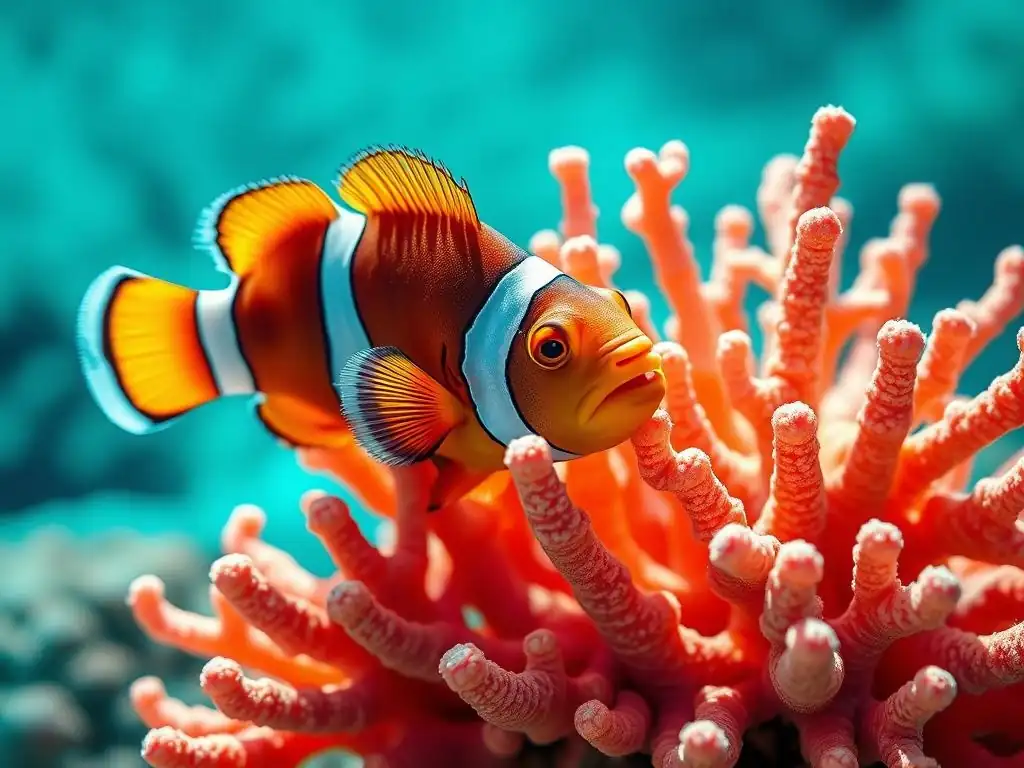
For the vast majority of triggerfish species, coexistence with corals is an impossibility. Their powerful jaws and natural diet of crustaceans and mollusks mean they will inevitably nip at, move, or outright consume corals. Even the "reef-safe" Niger Trigger, while less destructive, still poses a significant risk to expensive or delicate coral colonies.
Large polyp stony (LPS) corals like Trachyphyllia or Euphyllia are frequently targeted for their fleshy polyps or the small invertebrates that might reside within their skeletons. Soft corals might be less appealing as food but are still vulnerable to being dislodged or damaged by the triggerfish's powerful movements or territorial digging. Small polyp stony (SPS) corals are generally safer from direct consumption but can suffer significant damage from rock displacement or a triggerfish attempting to hunt perceived pests within the coral structure.
Shrimp and Triggerfish: A Predatory Relationship
Any aquarist consulting a Triggerfish tank compatibility guide for invertebrates should be aware that shrimp are almost universally viewed as food. Cleaner shrimp, peppermint shrimp, coral banded shrimp, and even larger pistol shrimp are all natural prey items for triggerfish. Their hard exoskeletons are no match for a trigger's crushing jaws.
Even if a shrimp manages to survive the initial introduction, it is usually a matter of time before the trigger's natural hunting instincts take over. The presence of shrimp often stimulates the trigger's predatory drive, making their inclusion in a triggerfish tank a costly and often fatal mistake for the shrimp.
Crabs and Triggerfish: Size Matters for Survival
Similar to shrimp, most crabs are highly vulnerable to triggerfish predation. Small hermit crabs and emerald crabs are practically guaranteed to become triggerfish meals, their shells easily cracked open. Even larger decorator crabs or certain robust porcelain crabs, if they could be sourced, would face a significant risk.
While a truly massive, aggressive crab might theoretically survive in a very large tank, the general rule is to assume that crabs are incompatible with triggerfish. Their presence often serves only to provide a brief, high-protein snack for the triggerfish, making them an unsuitable choice for a community tank.
Starfish and Triggerfish: Generally Not Recommended
Most species of starfish are not recommended as tank mates for triggerfish. Triggers will often pick at their arms, flip them over to expose their vulnerable undersides, or attempt to consume them entirely. The slow-moving nature of most starfish makes them easy targets for a determined trigger.
Brittle stars and serpent stars might fare slightly better due to their speed and ability to hide deep within rockwork, but they are still at risk, especially if the trigger is hungry or bored. Large, robust species like the Blue Linckia Starfish ( Linckia laevigata) might survive longer due to their tougher exterior, but their safety is never guaranteed in a triggerfish environment, making them a risky addition to any Triggerfish tank compatibility guide.
Fish to Avoid: Unsuitable Triggerfish Tank Mates
Small, Docile Fish: Easy Targets for Aggression
When reviewing a Triggerfish tank compatibility guide, it becomes clear that small, docile fish are almost universally unsuitable tank mates. This category includes common aquarium inhabitants such as many species of gobies, blennies (unless exceptionally large and robust), small basslets (e.g., Royal Gramma), and most small damselfish. These fish are typically slow-moving, lack any significant defenses, and are easily intimidated, harassed, or simply swallowed whole by a growing triggerfish.
Introducing such fish represents a significant financial loss and, more importantly, an ethical concern due to their high probability of being injured or killed. The triggerfish's innate predatory nature, combined with its strong bite, means these smaller, less assertive species will inevitably become targets, leading to stress, injury, or death.
Slow-Moving Fish: Unable to Escape Confrontations
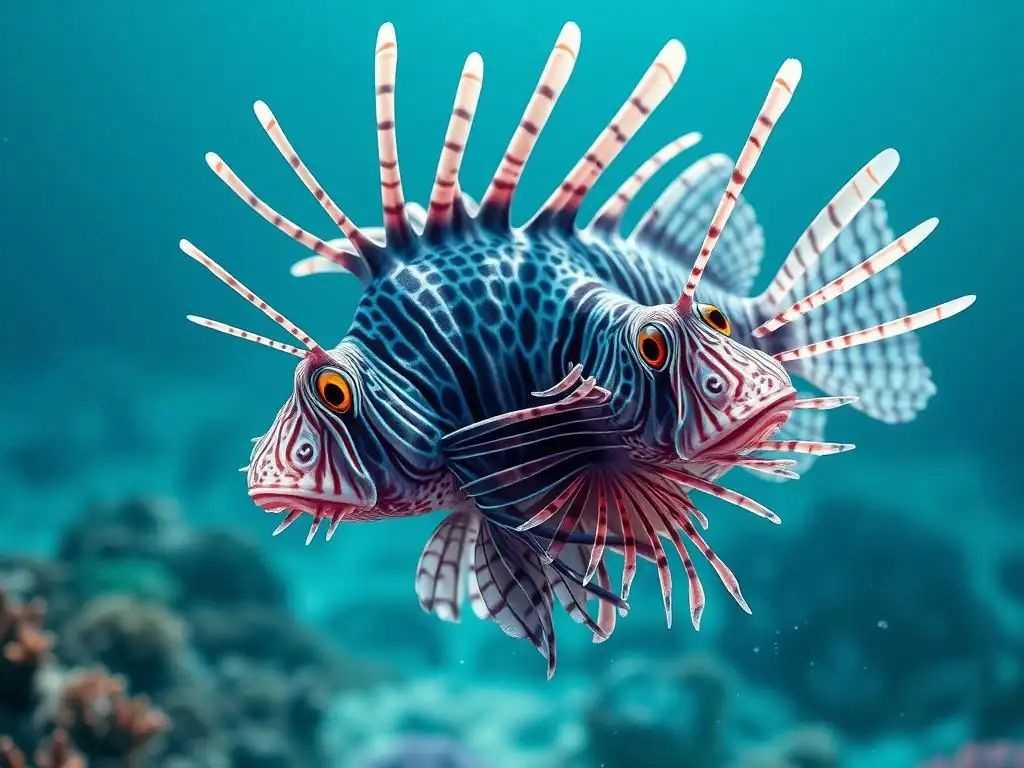
Beyond just size, the speed and agility of a potential tank mate are critical. Slow-moving fish are highly vulnerable to constant nipping and harassment, even if they are too large to be immediately eaten. Examples include frogfish, stonefish, juvenile batfish, and even some lionfish if they are significantly smaller than the trigger. Their inability to quickly escape a trigger's aggressive advances leads to chronic stress, fin damage, and eventually, a weakened immune system, making them susceptible to disease and premature death.
Even fish with defensive mechanisms, such as the venomous spines of a small lionfish, can be overwhelmed if they cannot effectively retreat from a relentless triggerfish. The constant pressure and inability to find a safe haven will eventually wear down even the most resilient slow-moving species, making them poor choices for a Triggerfish tank compatibility guide.
Territorial Fish: Increased Risk of Conflict
Pairing a triggerfish with other highly territorial or aggressive species significantly increases the risk of constant, potentially fatal, battles. This includes other large, aggressive angelfish (e.g., large Queen Angelfish), other highly territorial tangs (such as the Sohal Tang or Powder Blue Tang), or even another triggerfish, especially if they are of similar size or species. The confined space of an aquarium exacerbates these territorial disputes.
In the wild, these fish might have vast territories to avoid constant conflict, but in an aquarium, boundaries are limited, leading to frequent confrontations. What might start as minor squabbles can quickly escalate into serious fights, resulting in injuries, stress, and potentially the death of one or both combatants. This significantly reduces the success rate of any Triggerfish tank compatibility guide aiming for a peaceful community.
Similar-Looking Fish: Triggering Aggression
Triggerfish can sometimes perceive other fish with similar body shapes, coloration patterns, or general appearance as rivals, even if they belong to entirely different species. This is particularly true when attempting to house multiple triggerfish species together, even those considered "milder." The visual similarity can trigger an innate territorial response.
For example, introducing a Blue Jaw Trigger ( Xanthichthys auromarginatus), often considered one of the least aggressive triggers, into a tank that already houses an established Niger Trigger might still lead to aggression due to perceived competition for space or resources. This visual cue can override other factors, making it a crucial consideration when planning a diverse community in a Triggerfish tank compatibility guide.
Creating a Successful Triggerfish Community Tank: Essential Tips
Tank Size: Providing Enough Space to Reduce Aggression
Providing ample tank size is perhaps the single most critical factor in mitigating triggerfish aggression and ensuring successful Triggerfish tank compatibility. For a single moderate-sized triggerfish like a Niger Trigger, a minimum of 125-180 gallons is recommended. However, for larger or notoriously aggressive species such as the Clown Trigger or Undulate Trigger, an aquarium of 250-300+ gallons is often a bare minimum requirement.
Larger tanks allow for the creation of more distinct territories and provide greater swimming space, which helps to dilute aggression. When fish have enough room to establish their own zones and escape unwanted encounters, the frequency and intensity of aggressive interactions are significantly reduced. This spatial buffer is essential for the long-term well-being of all inhabitants in a triggerfish community setup.
Rockwork and Hiding Places: Creating Safe Zones
Strategic placement of live rock to create numerous caves, overhangs, and swim-throughs is vital for a successful triggerfish community tank. This intricate rockwork serves multiple purposes: it provides essential escape routes for less dominant fish, creates visual barriers that break lines of sight, and offers safe zones where tank mates can retreat from the triggerfish's attention.
Hiding places are crucial for reducing stress on all fish, particularly those that might be lower in the pecking order. A fish that can retreat and feel secure is less likely to succumb to stress-related diseases or chronic harassment. For the triggerfish itself, rockwork provides areas to explore and claim as its territory, fulfilling natural behaviors while minimizing direct conflict with others.
Feeding Strategies: Minimizing Competition for Food
Effective feeding strategies are essential for minimizing food-related aggression, a common trigger (pun intended) for conflict in a Triggerfish tank compatibility guide. Instead of one large meal, it is advisable to feed multiple times a day in smaller portions. This keeps the triggerfish sated throughout the day, reducing its drive to hunt or harass tank mates out of hunger.
Additionally, spreading the food around the tank rather than concentrating it in one spot helps ensure that all fish receive adequate nutrition and prevents the trigger from monopolizing the food supply. If certain shyer tank mates are struggling to get enough to eat, target feeding using a feeding stick or turkey baster can ensure they receive their share, preventing nutritional deficiencies and further stress.
Observation and Intervention: Monitoring Tank Mate Interactions
Constant and diligent observation is paramount for maintaining a peaceful triggerfish community tank. Aquarists must regularly monitor interactions between the triggerfish and its tank mates, looking for subtle signs of stress such as torn fins, clamped fins, rapid breathing, excessive hiding, or constant chasing. Early detection of aggression allows for timely intervention before serious harm occurs.
Be prepared to intervene if aggression becomes chronic or life-threatening. This might involve rearranging rockwork to disrupt established territories, using a tank divider temporarily to separate fighting fish, or having a separate "hospital" or "time-out" tank readily available for fish that are severely stressed or injured. Proactive management is key to successful Triggerfish tank compatibility.
Gradual Introduction: Acclimating New Tank Mates Carefully
When introducing new tank mates to an existing triggerfish, a gradual and careful approach can significantly increase the chances of success. It's often recommended to introduce new fish when the main tank lights are off or dimmed, as this reduces immediate stress and allows the new fish to explore their surroundings more calmly. If the triggerfish is already established, subtly rearranging some of the rockwork before adding new fish can help disrupt existing territories and reduce the trigger's immediate possessiveness.
For smaller or more vulnerable new additions, using an acclimation box within the main display tank can be highly effective. This allows the triggerfish to get accustomed to the presence of the new fish without direct physical contact, reducing the initial shock and stress for both parties. After a few days, the new fish can be released, often with less aggression from the established trigger.
Case Studies: Successful (and Unsuccessful) Triggerfish Tank Setups
Case Study 1: Niger Trigger with a Snowflake Eel and Lionfish
A successful example of Triggerfish tank compatibility involved a 200-gallon FOWLR (Fish Only With Live Rock) aquarium housing a 7-inch Niger Trigger ( Odonus niger), an 18-inch Snowflake Eel ( Echidna nebulosa), and a 9-inch Volitan Lionfish ( Pterois volitans). All three inhabitants were introduced at similar, robust sizes and had coexisted peacefully for over two years. The tank was heavily aquascaped with live rock, providing numerous caves and crevices.
This setup worked due to several factors: the Niger Trigger is one of the milder triggerfish species, less prone to relentless aggression. The Snowflake Eel is primarily nocturnal and had ample hiding spots within the rockwork, minimizing direct daytime encounters. The Volitan Lionfish, with its large size and venomous spines, served as a strong deterrent to the trigger, making it an unappealing target. All were large, robust predators, but their differing activity patterns and defensive mechanisms allowed for a stable coexistence.
Case Study 2: Clown Trigger with Multiple Losses of Smaller Tank Mates
An unfortunate, yet common, example of unsuccessful Triggerfish tank compatibility involved a 125-gallon tank attempting to house a 5-inch Clown Trigger ( Balistoides conspicillum). Initially, the aquarist introduced a Yellow Tang ( Zebrasoma flavescens), a Maroon Clownfish ( Premnas biaculeatus), and several Green Chromis ( Chromis viridis) alongside the trigger. Within the first two weeks, all the Chromis disappeared, presumably eaten. The Maroon Clownfish was constantly harassed, leading to torn fins and chronic stress, eventually dying after a month. The Yellow Tang developed severe fin rot from repeated nips and had to be removed.
This setup failed predictably due to several critical errors. The 125-gallon tank was far too small for a highly aggressive species like the Clown Trigger, which typically requires 250+ gallons as an adult. The tank mates chosen were either too small (Chromis), too slow/docile (Maroon Clownfish), or lacked sufficient defenses and space to escape (Yellow Tang). The Clown Trigger's inherent, high-level aggression, coupled with insufficient space and unsuitable tank mates, led to a rapid and tragic series of losses, underscoring the importance of proper Triggerfish tank compatibility guide adherence.
Lessons Learned: Key Takeaways for Triggerfish Tank Compatibility
The case studies highlight critical lessons for successful Triggerfish tank compatibility. Firstly, species choice is paramount: highly aggressive species like the Clown Trigger are rarely suitable for community tanks and often thrive best in species-only setups. Secondly, tank size is non-negotiable: inadequate space intensifies aggression and stress for all inhabitants.
Thirdly, the size, temperament, and defenses of potential tank mates matter immensely. Always err on the side of caution, choosing fish that are large, robust, fast-swimming, or possess natural deterrents. Finally, a triggerfish community tank requires constant vigilance and a willingness to adapt or rehome fish if necessary. Even with the best planning, the unpredictable nature of triggerfish means there's always an element of risk.
Alternative Solutions for Housing Triggerfish
Species-Only Tank: The Safest Option for Aggressive Individuals
For highly aggressive triggerfish species, such as the Clown Trigger or Undulate Trigger, a species-only tank is often the most humane and stress-free solution for both the fish and the aquarist. This approach eliminates all Triggerfish tank compatibility concerns, as there are no other fish to harass or prey upon. It allows the triggerfish to thrive in an environment tailored solely to its needs, without the constant threat of conflict.
The benefits of a species-only setup are numerous: reduced stress for the trigger, no compatibility issues to manage, and the ability to focus entirely on the trigger's specific dietary and environmental requirements. This option is particularly recommended for those with smaller tanks (e.g., under 180 gallons) where successful community options for aggressive triggers are severely limited.
FOWLR (Fish Only With Live Rock) Tank: A Compromise for Visual Appeal
A FOWLR (Fish Only With Live Rock) tank provides an excellent compromise for housing triggerfish. This setup features live rock for biological filtration and aesthetic appeal but deliberately excludes delicate corals or other sensitive invertebrates. This is ideal for triggerfish because it allows them to express their natural behaviors, such as moving rocks or nipping at perceived pests within the live rock, without destroying valuable reef inhabitants.
While a FOWLR tank still requires careful consideration of Triggerfish tank compatibility for its fish inhabitants, it removes the significant complexity and financial risk associated with trying to maintain a vibrant coral reef alongside a potentially destructive triggerfish. It offers a visually appealing display that is much more forgiving of a trigger's natural instincts.
Using a Refugium to Provide a Safe Haven for Smaller Organisms
While not a direct solution for housing tank mates within the main display, incorporating a refugium can indirectly enhance a triggerfish aquarium system. A refugium is a separate, connected sump or tank where smaller fish, delicate invertebrates, or macroalgae can thrive without being preyed upon by the triggerfish. This isolated environment provides a safe haven for organisms that would otherwise be consumed.
A refugium can also serve as a natural source of copepods and other beneficial microfauna, which can occasionally enter the main display, providing supplemental food for the trigger or other filter feeders. While these organisms will not be seen interacting directly with the trigger, a refugium contributes to the overall biodiversity and stability of the aquarium system, albeit in a separate compartment.
Maintaining a Healthy and Balanced Triggerfish Aquarium Environment
Water Quality: Essential for All Tank Inhabitants
Maintaining pristine water quality is absolutely essential for the health and well-being of all inhabitants in a triggerfish aquarium, especially given the trigger's substantial bioload. Key parameters to monitor rigorously include specific gravity (1.023-1.026), temperature (75-80°F or 24-27°C), and pH (8.1-8.4). Critically, ammonia and nitrite levels must always be at 0 ppm, and nitrates should be kept as low as possible, ideally below 20 ppm.
Poor water quality stresses fish, making them more susceptible to common marine diseases like Ich (Cryptocaryon irritans) or bacterial infections. Elevated nitrates can also contribute to algae blooms and general fish malaise. Consistent monitoring through regular testing and prompt corrective actions are crucial for the long-term health and stability of any Triggerfish tank compatibility guide setup.
Filtration: Keeping the Tank Clean and Healthy
Given their large size and messy eating habits, triggerfish produce a significant amount of waste, necessitating robust and efficient filtration. A comprehensive filtration system should include mechanical filtration (e.g., filter socks or sponges changed frequently to remove particulate matter), biological filtration (ample live rock, bio-balls, or ceramic media to convert ammonia and nitrite), and chemical filtration (activated carbon to remove dissolved organics and GFO to control phosphates). A generously sized protein skimmer is indispensable for removing organic waste before it breaks down, significantly reducing the bioload.
Efficient filtration directly contributes to stable water parameters, minimizing the accumulation of harmful compounds that can stress fish and lead to disease outbreaks. A well-filtered tank is a cornerstone of a healthy and balanced Triggerfish tank compatibility guide environment, preventing problems before they have a chance to arise.
Regular Maintenance: Preventing Problems Before They Arise
Consistent and regular maintenance is vital for preventing problems and ensuring the long-term health of a triggerfish aquarium. This includes performing weekly water changes of 10-20% (depending on bioload and nitrate levels) to replenish trace elements and remove accumulated nitrates and other pollutants. Regular cleaning or replacement of mechanical filter media, siphoning detritus from the substrate, and inspecting all equipment are also crucial.
Proactive maintenance helps to keep the tank environment stable, reducing the chances of algae blooms, nutrient spikes, or the onset of fish diseases. It's far more effective to prevent issues through consistent care than to react to problems after they have manifested, ensuring a thriving and balanced Triggerfish tank compatibility guide environment for all inhabitants.
Conclusion: The Art and Science of Triggerfish Tank Compatibility.
Successfully housing triggerfish with tank mates is a challenging yet rewarding endeavor, representing a delicate balance between scientific understanding and careful observation. It requires a deep appreciation for the species' inherent aggression, their specific environmental needs, and the dynamic interactions within an artificial ecosystem. A comprehensive Triggerfish tank compatibility guide is not merely a list of suitable fish but a framework for creating a stable and thriving environment.
Ultimately, while triggerfish are undeniably captivating and intelligent creatures, their care demands significant commitment, substantial tank sizes, and meticulous planning. Aquarists must always prioritize the well-being of all inhabitants, be prepared for constant vigilance, and possess the flexibility to make adjustments, including rehoming fish, to ensure a peaceful and healthy aquarium for these magnificent, albeit challenging, bruisers of the reef.
Frequently Asked Questions
What makes triggerfish potentially difficult tank mates?
Triggerfish are known for their aggressive behavior and powerful jaws, which they use to defend their territory and hunt prey. This can make them a threat to smaller or more docile fish in the aquarium.
Can any fish be safely housed with a triggerfish?
Yes, but careful consideration is required. Larger, robust fish that can defend themselves and aren't easily intimidated are the best candidates. Researching specific species is crucial.
What size tank is necessary for keeping triggerfish with other fish?
A larger tank volume is essential to minimize aggression. Generally, a minimum of 180 gallons is recommended for housing a triggerfish with compatible tank mates, although larger is always better.
What are some examples of compatible tank mates for triggerfish?
Some potential tank mates include larger angelfish, tangs, and lionfish. However, individual temperaments vary, so close observation after introduction is vital.
How do I increase the chances of successful triggerfish tank mate compatibility?
Introduce all fish at the same time, if possible, to minimize territorial aggression. Provide plenty of hiding places and ensure adequate food to reduce competition.
The exploration of triggerfish tank compatibility, as detailed in this guide, isn't just about creating a visually stunning aquarium; it's about understanding the delicate balance of power and the responsibility we bear as aquarists to ensure the well-being of all inhabitants. The challenges of finding suitable tank mates for these captivating, yet assertive, fish highlight the importance of informed decision-making and careful observation in the aquarium hobby.
This journey into the world of triggerfish has undoubtedly shaped our understanding of marine ecosystems, even in miniature. The lessons learned about aggression, territoriality, and the need for ample space resonate far beyond the glass walls of a tank. The sea, once it casts its spell, holds one in its net of wonder forever.
- Jacques Cousteau. This quote encapsulates the enduring fascination we have with the ocean and the ethical obligation to respect its inhabitants, even those with a reputation for being "bruisers."
Now, armed with this knowledge, consider the impact of your choices. Are you prepared to provide the environment and resources necessary for a harmonious coexistence? Let this guide serve as a constant reminder to prioritize the needs of your aquatic companions, fostering a thriving ecosystem where even the most challenging personalities can find their place. Let's strive to be responsible stewards of the underwater world, one carefully considered tank mate at a time.
Unleash Your Inner Aquarist: Take the Plunge!
Thanks for diving deep into the world of triggerfish tank mates! We hope you found the information helpful in understanding the nuances of keeping these fascinating fish. Now, let's put that knowledge into action!
Here are a few things you can do right now:
- Plan Your Dream Tank: Start brainstorming potential tank setups that could work for a triggerfish, focusing on size, filtration, and potential tank mates.
- Share Your Wisdom: Spread the word about the challenges and rewards of triggerfish keeping by sharing this article with fellow aquarists.
- Explore the Depths: Delve into our other articles on aggressive fish and tank dynamics to further refine your skills and understanding.
Ready to take on the challenge of keeping a triggerfish, or are you going to stick with the guppies for now?