
Red Firefish Goby: A Darting Jewel for Your Peaceful Reef Community

Welcome to Aquarium Mastery!
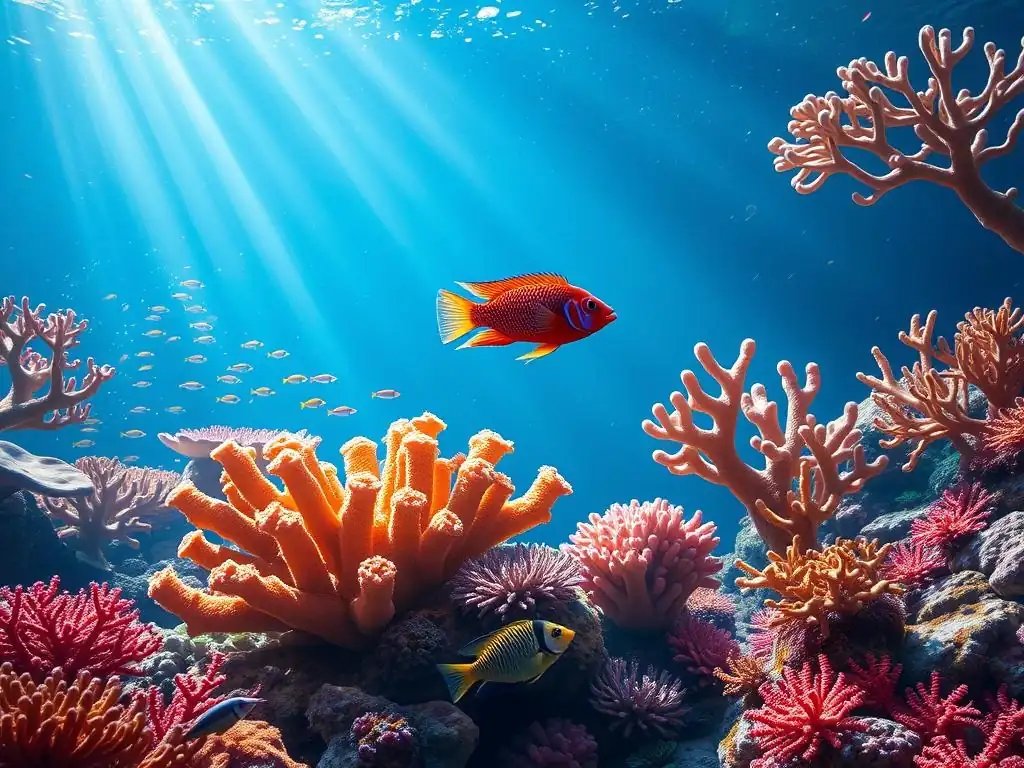
Ever been captivated by a darting flash of crimson in a reef tank? Dive in and explore the fascinating world of the Red Firefish Goby! This guide is your key to unlocking the secrets of successful Red Firefish Goby care, from creating the perfect habitat to understanding their unique behaviors. Ready to bring this vibrant jewel into your peaceful reef community? Let's get started!
- Red Firefish Goby Care Guide
- Understanding Red Firefish Gobies
- Creating the Ideal Habitat
- Diet and Feeding
- Tank Mate Compatibility
- Health and Disease Management
- Aquarium Setup
- Breeding [Remove if not applicable]
- Troubleshooting Common Issues
- Advanced Care Tips
- Is a Red Firefish Goby Right for You?
-
Frequently Asked Questions
- What are the basic care requirements for a Red Firefish Goby?
- What type of diet does a Red Firefish Goby need?
- Are Red Firefish Gobies compatible with other fish in a reef tank?
- What are some common health issues that affect Red Firefish Gobies?
- How can I encourage my Red Firefish Goby to be more active and visible in the tank?
- Final Reflection: Embracing the Delicate Balance of Reefkeeping
- Ignite Your Reef: Dare to Add a Fiery Friend?
Red Firefish Goby Care Guide
Understanding Red Firefish Gobies
Introduction to the Red Firefish Goby (Nemateleotris magnifica)
The Red Firefish Goby, scientifically known as Nemateleotris magnifica, is a captivating marine fish renowned for its vibrant colors and graceful movements. Also commonly referred to as the Magnificent Firefish or Fire Goby, this species hails from the Indo-Pacific region, inhabiting lagoons and outer reef slopes at depths typically ranging from 6 to 60 meters. Its striking appearance features a white or pale yellow anterior body transitioning to a brilliant red or orange posterior, accented by a distinctive long, sail-like dorsal fin.
Measuring up to approximately 3 inches (7.5 cm) in length, the Red Firefish Goby is a relatively small and peaceful addition to a reef aquarium. Its signature behavior includes hovering gracefully in the water column, often near a bolt-hole, and darting quickly back into cover when startled. With proper Red firefish goby care, these exquisite fish can live for 3 to 5 years in a well-maintained home aquarium, bringing a dynamic splash of color and activity to the display.
Benefits of Keeping Red Firefish Gobies in a Reef Tank
Red Firefish Gobies offer numerous advantages for the reef aquarist seeking to enhance their tank's beauty and biodiversity. Their most significant benefit is their peaceful and non-aggressive temperament, making them ideal inhabitants for mixed reef aquariums. Unlike some other species, they are completely reef-safe, posing no threat to corals, anemones, or various invertebrate tank mates such as snails, crabs, or shrimp. Their unique "darting" swimming style adds a distinct visual appeal, contributing to the tank's overall dynamism.
Furthermore, their small size and relatively low bioload mean they do not significantly impact water quality, making them suitable for nano and smaller reef setups, provided adequate space and hiding opportunities are available. They are generally hardy once acclimated and consistent with Red firefish goby care protocols, making them a rewarding choice for aquarists ranging from intermediate to advanced. Their vibrant coloration and captivating behavior ensure they remain a focal point in any peaceful marine display.
Creating the Ideal Habitat
Minimum Tank Size for Red Firefish Gobies
For a single Red Firefish Goby, a minimum tank size of 10 gallons (approximately 38 liters) is often cited, but a 20-gallon (approximately 75 liters) long aquarium is highly recommended. This larger footprint provides more horizontal swimming space, which these active hoverers appreciate, and contributes to greater water volume stability. If you plan to keep a bonded pair, a 30-gallon (approximately 114 liters) or larger tank is advisable to provide ample territory and reduce potential stress.
The rationale behind these recommendations is to ensure sufficient space for the fish to establish a territory, reduce stress from confinement, and dilute metabolic waste more effectively. While small, the Red Firefish Goby's need for stable parameters and numerous hiding spots means that providing a slightly larger environment than the absolute minimum greatly enhances their well-being and simplifies long-term Red firefish goby care.
Maintaining Optimal Water Parameters
Maintaining stable and pristine water parameters is paramount for the health and longevity of Red Firefish Gobies. The ideal temperature range for these tropical fish is between 72-78°F (22-26°C). Salinity should be kept stable at a specific gravity of 1.020-1.025. The pH level should consistently range from 8.1 to 8.4. Ammonia and nitrite levels must always be undetectable (0 ppm), while nitrates should be kept below 10-20 ppm to prevent chronic stress and disease.
For a thriving reef environment, which directly benefits the Red Firefish Goby, alkalinity should be maintained between 8-12 dKH, calcium between 400-450 ppm, and magnesium between 1250-1350 ppm. Regular water testing, ideally weekly or bi-weekly, is crucial to monitor these parameters. Consistent weekly or bi-weekly water changes of 10-20%, depending on bioload and tank size, are essential for replenishing trace elements and exporting accumulated nitrates, forming a critical pillar of effective Red firefish goby care.
Essential Equipment for Firefish Health
Several pieces of equipment are essential for creating a thriving environment for Red Firefish Gobies. A reliable heater with an accurate thermostat is necessary to maintain stable water temperatures within their preferred range of 72-78°F (22-26°C). Adequate filtration, encompassing mechanical, biological, and chemical methods, is vital for water quality. This often includes live rock for biological filtration, filter socks for mechanical particle removal, and activated carbon for chemical purification.
A protein skimmer is highly recommended, especially in smaller or moderately stocked tanks, to efficiently remove organic waste before it breaks down into harmful nitrates. Gentle water flow, provided by powerheads, mimics their natural reef environment and ensures proper gas exchange without creating excessive turbulence that might stress these delicate fish. Most importantly, a tight-fitting lid or mesh top is non-negotiable, as Red Firefish Gobies are notorious jumpers, especially when startled, making a secure cover a fundamental aspect of their Red firefish goby care.
Diet and Feeding
Natural Diet and Supplemental Feeding
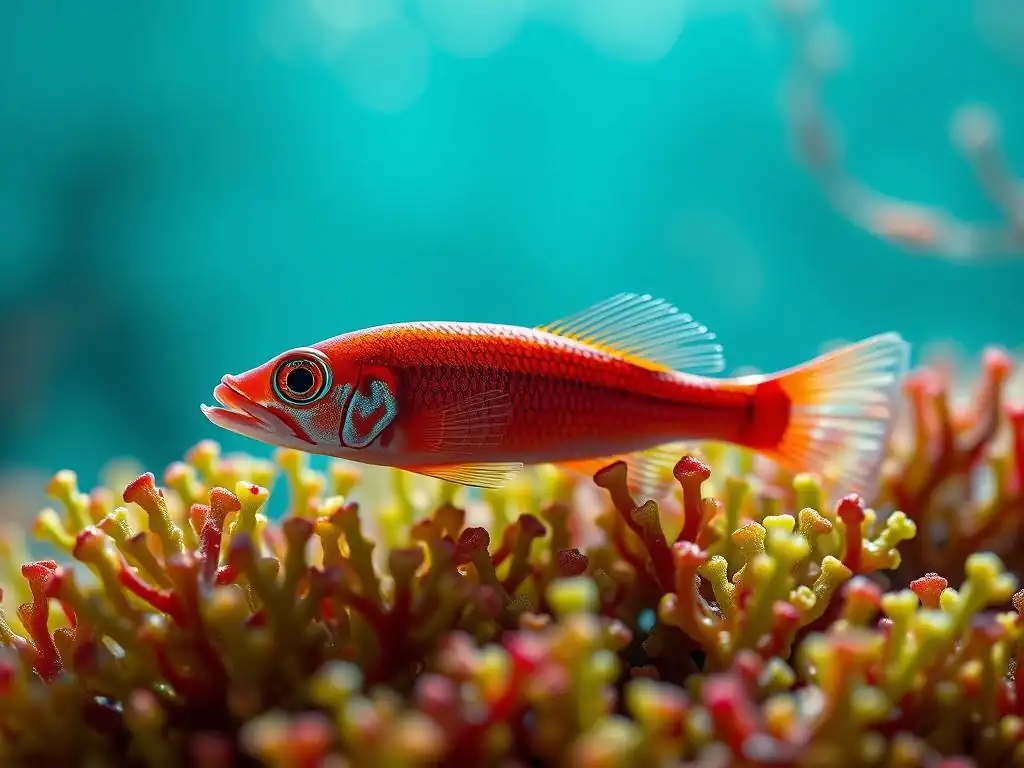
In their natural habitat, Red Firefish Gobies are primarily planktivores, sifting through the water column to feed on zooplankton and small benthic invertebrates. This natural diet emphasizes the need for small, frequent meals in captivity. In a home aquarium, their diet should primarily consist of high-quality, protein-rich frozen foods to mimic their natural intake and ensure optimal nutrition.
Recommended frozen foods include mysis shrimp, enriched brine shrimp, finely chopped krill, and copepods. While frozen foods are preferred, high-quality marine pellets or flakes specifically designed for carnivorous or omnivorous marine fish can also be offered as a supplementary source. Providing a varied diet is crucial for comprehensive Red firefish goby care, preventing nutritional deficiencies, and maintaining their vibrant coloration and overall health.
Recommended Feeding Schedule and Techniques
Due to their small stomachs and active metabolism, Red Firefish Gobies benefit from frequent, small feedings rather than one or two large meals. It is recommended to feed them 2 to 3 times per day, offering only as much food as they can consume within a few minutes. This approach minimizes uneaten food, which can quickly degrade water quality and contribute to nutrient issues in the aquarium.
In tanks with more aggressive or faster-eating tank mates, target feeding techniques may be necessary to ensure the Red Firefish Goby receives adequate nutrition. Using a turkey baster or a long pipette to direct food specifically to their preferred hovering spot or hiding area can be highly effective. Turning off strong powerheads during feeding can also prevent food from being swept away too quickly, allowing the shy firefish more time to consume its meal, a key practice in effective Red firefish goby care.
Avoiding Nutritional Problems
Preventing nutritional problems in Red Firefish Gobies hinges on offering a diverse and high-quality diet. A monotonous diet, even if it consists of seemingly good food, can lead to deficiencies over time, manifesting as faded colors, weakened immune systems, or stunted growth. Regularly rotating between different types of frozen foods and occasionally offering live options like copepods can significantly enhance their nutritional intake.
Equally important is avoiding both overfeeding and underfeeding. Overfeeding not only pollutes the water, leading to elevated nitrates and phosphates, but can also cause digestive issues in the fish. Conversely, underfeeding can lead to emaciation, lethargy, and increased susceptibility to disease. Observing their feeding response and body condition is essential for fine-tuning the feeding regimen, ensuring optimal Red firefish goby care and preventing common dietary pitfalls.
Tank Mate Compatibility
Suitable Tank Mates for Peaceful Reef Aquariums
Red Firefish Gobies are renowned for their peaceful nature, making them excellent candidates for a wide range of community reef aquariums. Compatible tank mates include other peaceful gobies, such as watchman gobies or diamond gobies, provided the tank is sufficiently large to prevent territorial disputes. Other suitable companions include clownfish, certain blennies (like tailspot blennies), chromis, cardinalfish, and most small, docile species of wrasses.
Beyond fish, Red Firefish Gobies coexist harmoniously with nearly all reef-safe invertebrates. This includes various species of snails, hermit crabs, shrimp (such as cleaner shrimp or peppermint shrimp), and brittle stars. The key to successful Red firefish goby care in a community setting is selecting tank mates that are equally peaceful, non-aggressive, and do not pose a predatory threat, ensuring the shy firefish feels secure and can thrive without constant stress.
Incompatible Species to Avoid
Careful consideration of incompatible species is crucial for the well-being of the Red Firefish Goby. Any large, aggressive, or predatory fish should be strictly avoided. This includes large tangs (e.g., some Acanthurus species), triggers, lionfish, large angelfish, puffers, and groupers, all of which could view the small firefish as a food source or harass it relentlessly.
Even seemingly smaller, but highly territorial or nippy fish, such as certain damselfish species (e.g., blue devil damsels), can cause chronic stress to a Red Firefish Goby. Fin-nippers are also a concern, as damage to the firefish's delicate fins can lead to secondary infections. The shy nature of the Red Firefish Goby means that any consistent aggression from tank mates can lead to hiding, refusal to eat, and ultimately, a decline in health, underscoring the importance of careful tank mate selection in comprehensive Red firefish goby care.
Red Firefish Gobies are generally best kept singly or in a bonded pair. While they are peaceful towards other species, introducing more than two Red Firefish Gobies into a tank smaller than 50-60 gallons (approximately 190-227 liters) can often lead to aggression among themselves, particularly if they are not a true mated pair. They may establish territories and display bullying behavior towards weaker individuals of their own kind.
If attempting to keep a pair, it is advisable to purchase them together, ideally from a tank where they are already observed swimming as a pair. Alternatively, acquiring several juveniles and allowing them to pair naturally in a sufficiently large tank, then removing the unpaired individuals, can be successful. Close observation is vital to ensure no aggression occurs. Mixing different species of firefish (e.g., Purple Firefish and Red Firefish) is generally not recommended in tanks under 100 gallons, as they may compete for territory or display inter-species aggression, making this aspect of Red firefish goby care particularly nuanced.
Health and Disease Management
Common Diseases and Prevention
Red Firefish Gobies, like most marine fish, are susceptible to common diseases such as marine ich ( Cryptocaryon irritans) and marine velvet ( Amyloodinium ocellatum). Bacterial infections can also occur, often as a secondary issue to stress or poor water quality. The primary preventative measure against these ailments is maintaining stable, pristine water parameters, providing a high-quality, varied diet, and ensuring a low-stress environment free from aggressive tank mates.
The most critical preventative step in Red firefish goby care is proper quarantine of all new fish for at least 3-4 weeks before introducing them to the main display tank. This practice prevents the introduction of parasites and pathogens into an established system, saving considerable stress and potential losses down the line. A healthy, well-fed firefish with minimal stress is far less likely to succumb to common diseases.
Recognizing Symptoms of Illness
Early recognition of illness symptoms is crucial for effective treatment and improved outcomes for Red Firefish Gobies. Key indicators of poor health include the presence of white spots (ich) or a dusty, velvety coating (velvet) on the body and fins. Other signs include rapid breathing or "gilling," clamped fins held close to the body, loss of appetite, and faded or dull coloration.
Behavioral changes are also significant markers; these can include excessive hiding, erratic swimming, scratching or "flashing" against rocks or substrate, and general lethargy. Any deviation from their normal active, hovering, and darting behavior should prompt immediate investigation of water parameters and a thorough visual inspection of the fish. Prompt action based on these observations is a cornerstone of responsible Red firefish goby care.
Quarantine and Treatment Protocols
When a new Red Firefish Goby is acquired, it should always undergo a minimum 3-4 week quarantine period in a separate, dedicated quarantine tank (QT). This allows for observation, deworming, and potential prophylactic treatment for common parasites like ich or velvet without exposing the main display tank. During quarantine, maintain optimal water parameters and observe for any signs of illness.
If illness is detected, specific treatments can be administered in the QT. For parasitic infections like ich or velvet, copper-based medications or hyposalinity (for ich) are common treatments. Bacterial infections may require broad-spectrum antibiotics. Always follow medication instructions precisely, paying close attention to dosage and duration. Never treat in the main display tank if corals or invertebrates are present, as many medications are toxic to them. A well-executed quarantine protocol is a fundamental aspect of proactive Red firefish goby care.
Aquarium Setup
Substrate and Aquascaping Recommendations
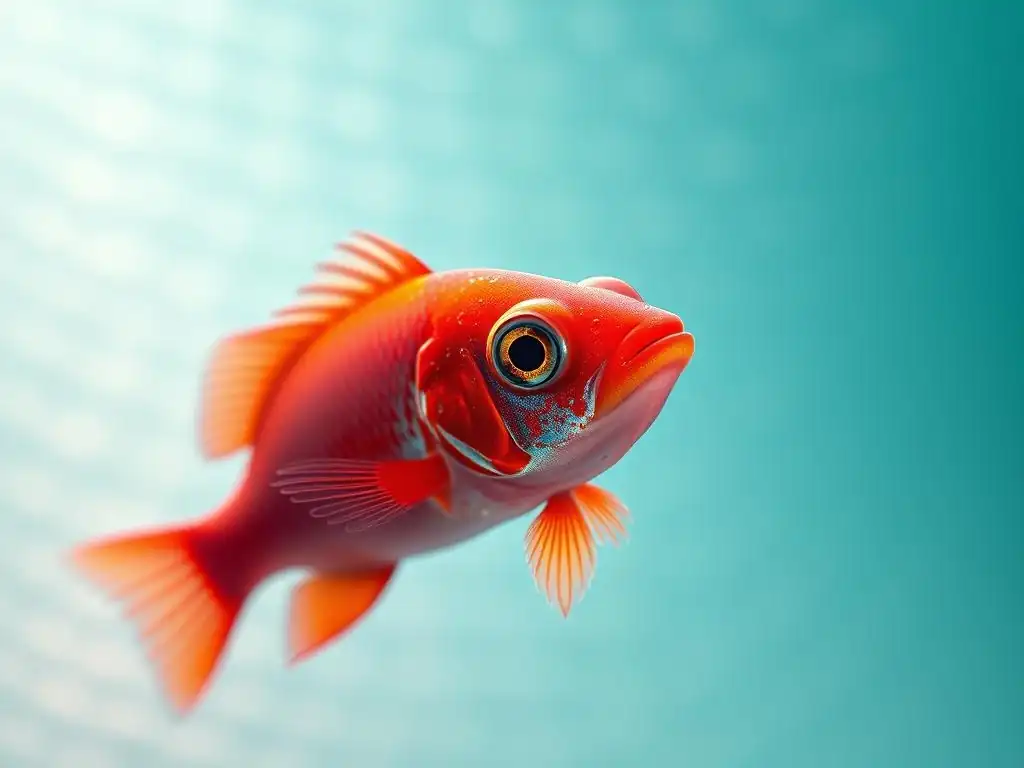
While Red Firefish Gobies are not primarily burrowing fish, a fine sand substrate (1-2 inches deep) can be beneficial, as they may occasionally sift through it or find comfort in a soft bottom. More importantly, the aquascaping should provide ample live rock with numerous caves, crevices, and overhangs. These structures serve as essential hiding spots and bolt-holes, which the firefish will utilize for security and retreat when startled or resting.
The design should offer multiple visual barriers and escape routes to minimize stress and provide a sense of security. A well-structured aquascape with plenty of nooks and crannies encourages the firefish to exhibit its natural behaviors, reducing shyness and promoting overall well-being. This thoughtful approach to tank layout is a critical component of providing excellent Red firefish goby care.
Acclimation Procedure
A slow and careful acclimation procedure is vital for minimizing stress and ensuring the successful introduction of a new Red Firefish Goby to your aquarium. The drip acclimation method is highly recommended. Begin by floating the sealed bag in your sump or display tank for 15-20 minutes to equalize temperature. Then, open the bag, roll down the edges, and begin slowly dripping water from your display tank into the bag using airline tubing and a control valve.
The goal is to slowly adjust the fish to your tank's specific gravity and pH over a period of 45-60 minutes, gradually doubling the volume of water in the bag. Sudden changes in water parameters can be highly stressful and even fatal for these sensitive fish. Dimming the aquarium lights during this process and for a few hours after introduction can further reduce stress, making the transition smoother and enhancing the initial phase of Red firefish goby care.
Minimizing Stress During Acclimation
After the drip acclimation is complete, carefully net the Red Firefish Goby from the bag and gently transfer it into your display tank, discarding the bag water. Never introduce the bag water directly into your aquarium, as it may contain undesirable pathogens, medications, or high levels of ammonia. Once in the tank, ensure there are immediate and accessible hiding spots for the fish to retreat into.
Avoid chasing or disturbing the fish immediately after introduction. Allow it to find its own hiding place and settle in at its own pace. Do not attempt to feed the fish for several hours after introduction, giving it time to recover from the stress of transit and acclimation. Observing from a distance will confirm it has found a safe spot and shows no immediate signs of severe distress. This meticulous approach significantly reduces the risk of post-acclimation shock, a crucial element in effective Red firefish goby care.
Breeding [Remove if not applicable]
Creating Breeding Conditions
Breeding Red Firefish Gobies in a home aquarium is considered challenging and relatively rare, though successful instances have been documented. To encourage spawning, a dedicated breeding tank with very stable and pristine water parameters is usually required. A well-established, bonded pair is essential, as these fish form monogamous pairs for breeding. Providing a consistent, high-quality diet, rich in varied frozen and live foods, helps to condition the fish for spawning.
The breeding tank should include ample potential spawning sites, such as smooth rocks with crevices or even small PVC pipes, where the pair can lay their eggs. Maintaining the water temperature consistently at the higher end of their preferred range, around 78°F (26°C), can also stimulate breeding activity. While difficult, creating these optimal conditions is the first step towards successful Red firefish goby care in a breeding context.
Sexing Red Firefish Gobies
Visually distinguishing between male and female Red Firefish Gobies is extremely difficult, as there are no obvious external sexual dimorphisms. Both sexes exhibit the same vibrant coloration and body shape. The most reliable method for obtaining a breeding pair is to purchase a small group of juvenile firefish (e.g., 4-6 individuals) and allow them to naturally pair off in a sufficiently sized aquarium. Once a pair has formed, the remaining individuals should be removed to prevent aggression.
A bonded pair will often be observed swimming closely together, exhibiting synchronized movements, and occasionally defending a small shared territory. Observing this consistent paired behavior over an extended period is the most practical way to identify a male and female pair suitable for attempting breeding. This nuanced aspect of Red firefish goby care requires patience and keen observation.
Raising Fry
If Red Firefish Gobies do spawn, the eggs are typically laid in a protected crevice and are often guarded by one or both parents. The resulting fry are exceptionally small and delicate, presenting a significant challenge for successful rearing. They require microscopic live foods, such as rotifers and copepods, as their initial food source, followed by newly hatched brine shrimp as they grow.
Raising firefish fry successfully demands a substantial commitment, specialized equipment (e.g., cultures for live foods, a dedicated rearing tank), and meticulous water quality management in the fry tank. Water changes must be small and frequent to maintain pristine conditions without disturbing the fragile fry. Due to these complexities, the survival rate of Red Firefish Goby fry in home aquariums is generally very low without highly specific and advanced Red firefish goby care protocols for larval stages.
Troubleshooting Common Issues
Loss of Appetite: Causes and Solutions
A Red Firefish Goby refusing to eat is often one of the first and most critical indicators of stress, poor water quality, or an underlying illness. The immediate first step should be to thoroughly test all water parameters (ammonia, nitrite, nitrate, pH, salinity, temperature) to ensure they are within optimal ranges and stable. Fluctuations or elevated toxins can quickly lead to appetite loss.
Additionally, observe the tank for any aggressive tank mates that might be harassing the firefish, causing it to hide and feel unsafe to feed. Offer a variety of highly palatable foods, such as live or frozen enriched mysis shrimp or copepods, as these are often irresistible. If water parameters are fine and there are no obvious stressors, consider the possibility of internal parasites or other diseases, and prepare to isolate and treat the fish in a quarantine tank if symptoms persist or worsen.
Hiding Behavior: Understanding and Solutions
While Red Firefish Gobies are naturally shy and prone to darting into hiding spots, excessive or constant hiding (rarely coming out to swim) often signals a problem. Common causes include aggressive tank mates that instill fear, insufficient hiding spots in the aquascape, or the fish being newly introduced to the tank and still acclimating. Poor water quality can also contribute to this stress-induced behavior.
To address this, first review your tank mate compatibility to ensure no fish are bullying the firefish. Next, assess your aquascaping; add more live rock, caves, or other structures if the current setup lacks adequate safe zones. Ensure lighting isn't overly intense, which can make them feel exposed. While some initial shyness is normal, if prolonged, investigate further for underlying health issues or persistent environmental stressors that require immediate attention as part of effective Red firefish goby care.
Color Loss: Causes and Solutions
Faded or dull coloration in a Red Firefish Goby is a strong indicator of chronic stress, poor nutrition, or declining water quality. A healthy, thriving firefish will exhibit vibrant red, orange, and white hues. When these colors diminish, it suggests the fish is not thriving in its environment. Stress, whether from aggressive tank mates, inadequate hiding spots, or unstable parameters, can cause the fish to "wash out" its colors as a defense mechanism.
To remedy color loss, first ensure all water parameters are optimal and stable. Next, re-evaluate the fish's diet; provide a diverse range of high-quality, nutrient-rich frozen foods, potentially supplemented with vitamin enrichments, to ensure it receives all necessary nutrients. Address any sources of stress, such as removing aggressive tank mates or adding more aquascaping for security. Consistent, high-standard Red firefish goby care directly translates to the vibrant coloration that makes these fish so appealing.
Advanced Care Tips
Target Feeding Strategies
In a bustling reef aquarium, shy and deliberate eaters like Red Firefish Gobies can often be outcompeted for food by more aggressive or faster-swimming tank mates. Implementing target feeding strategies is an advanced Red firefish goby care technique to ensure they receive adequate nutrition. This involves using a turkey baster or a long pipette to deliver small amounts of food directly to the firefish's hovering spot or preferred hiding area.
Offer highly palatable frozen foods such as mysis shrimp, copepods, or enriched brine shrimp. By directing the food, you minimize competition and ensure that the firefish can consume its meal without stress or haste. This strategy is particularly effective in tanks where the firefish appears thin or less vibrant, indicating it might not be getting enough food during general feedings, and contributes significantly to their long-term health and vitality.
Maintaining Water Quality for Longevity
Beyond routine water testing and changes, advanced Red firefish goby care emphasizes a proactive approach to maintaining pristine water quality for longevity. This involves implementing robust nutrient export systems. A high-quality protein skimmer is essential for efficiently removing dissolved organic waste before it can break down into nitrates and phosphates. For larger systems, or those with a higher bioload, incorporating a refugium with macroalgae can further aid in nutrient export.
Regular use of chemical filtration media, such as activated carbon and granular ferric oxide (GFO), can polish the water by removing dissolved organics, tannins, and phosphates. Additionally, consistent, smaller water changes (e.g., 5-10% weekly) are often more beneficial than larger, less frequent changes, as they help maintain greater parameter stability and replenish essential trace elements more consistently. This holistic approach ensures an exceptionally clean and stable environment, promoting the firefish's long-term health.
Recognizing Subtle Behavioral Changes
Experienced aquarists understand that subtle shifts in a fish's behavior can be early warning signs of impending health issues or environmental problems. For Red Firefish Gobies, this might include slight alterations in their characteristic darting pattern, a decrease in their usual curious hovering, an increase in hiding frequency beyond typical shyness, or even a subtle change in fin posture or gill movement.
Keeping a daily mental or physical log of observations allows for the detection of these minor deviations before a full-blown health crisis develops. For instance, a slightly less vibrant color, a subtle twitch, or a decrease in interaction with its environment, when noticed early, can prompt an immediate check of water parameters or an assessment of tank mate interactions. This proactive observation is a hallmark of advanced Red firefish goby care, enabling prompt intervention and preventing escalation of problems.
Is a Red Firefish Goby Right for You?
Advantages and Disadvantages of Ownership
Owning a Red Firefish Goby comes with distinct advantages. These fish boast brilliant coloration, a unique and captivating darting swimming style, and a generally peaceful temperament, making them ideal for reef aquariums. They are entirely reef-safe, posing no threat to corals or invertebrates, and their relatively small size means they can be housed in nano or medium-sized setups (20 gallons+). Their low bioload is also a significant plus for maintaining stable water quality.
However, there are also disadvantages. Red Firefish Gobies are notorious jumpers, requiring a very tight-fitting lid or mesh screen to prevent escapes. They can be quite shy and are easily stressed by aggressive or overly active tank mates, leading to hiding and potential health decline. They may struggle to compete for food in highly stocked or boisterous community tanks. Their vulnerability to stress means that diligent Red firefish goby care, focused on a calm and stable environment, is essential for their success.
Assessing Tank Suitability
Before acquiring a Red Firefish Goby, it is crucial to thoroughly assess your existing aquarium's suitability. Consider the tank size; while a single firefish can theoretically live in a 10-gallon, a 20-gallon long or larger is highly recommended for optimal well-being. Critically evaluate your current tank inhabitants: are they all peaceful and non-aggressive? Any fish that might bully or prey on a small, shy firefish would make the tank unsuitable.
Furthermore, ensure your aquascape provides ample live rock with numerous caves and crevices where the firefish can retreat and feel secure. Assess your commitment to maintaining stable water parameters, as these fish are sensitive to fluctuations. If your tank environment is prone to instability, or if you cannot provide a calm and secure setting, a Red Firefish Goby may not be the best choice for your system, regardless of other factors.
Selecting a Healthy Specimen
The initial selection of a healthy Red Firefish Goby specimen is a fundamental step towards successful Red firefish goby care. When at your local fish store, take time to observe the fish carefully in its holding tank. Look for a specimen with clear eyes, vibrant and true-to-species coloration, and no visible spots, lesions, or torn fins. The body should appear full and rounded, not pinched or emaciated, which can indicate starvation or internal parasites.
The fish should be active and alert, exhibiting its characteristic hovering and darting movements, though a degree of shyness is normal in a retail setting. Avoid any fish that is lethargic, breathing rapidly, or constantly hiding in a corner without moving. Ask the store staff about the fish's feeding habits and how long it has been in their care. A fish that has been eating well for several days or weeks in the store is generally more robust and likely to acclimate successfully to your home aquarium.
Frequently Asked Questions
What are the basic care requirements for a Red Firefish Goby?
Red Firefish Gobies need a well-established reef tank, typically at least 30 gallons. They require stable water parameters and a peaceful environment to thrive.
What type of diet does a Red Firefish Goby need?
They primarily eat small meaty foods like mysis shrimp and brine shrimp. Offer a varied diet to ensure optimal health and coloration.
Are Red Firefish Gobies compatible with other fish in a reef tank?
They are generally peaceful but can be intimidated by aggressive fish. Avoid housing them with larger, boisterous species that may outcompete them for food.
What are some common health issues that affect Red Firefish Gobies?
They can be susceptible to ich (white spot disease) and other parasitic infections, particularly if stressed. Proper quarantine procedures are crucial to prevent disease introduction.
How can I encourage my Red Firefish Goby to be more active and visible in the tank?
Provide plenty of live rock for hiding and ensure there is a gentle water flow. Reduce stress by keeping the tank clean and stable, offering a varied diet, and avoiding aggressive tankmates.
Final Reflection: Embracing the Delicate Balance of Reefkeeping
The journey of understanding Red Firefish Goby care extends far beyond simply maintaining a beautiful aquarium. It speaks to a deeper appreciation for the intricate ecosystems we strive to replicate and the responsibility we bear as custodians of these miniature underwater worlds. The vibrant flash of a healthy Firefish is a testament to our dedication, a living reward for diligent research and mindful practice.
This endeavor has profoundly influenced my perspective on the interconnectedness of life. Witnessing the delicate dance of a Firefish within a thriving reef tank serves as a constant reminder of the fragility and beauty of the natural world. In the end, we will conserve only what we love; we will love only what we understand; and we will understand only what we are taught.
- Baba Dioum. This quote encapsulates the essence of responsible reefkeeping: education, understanding, and ultimately, a deep-seated love for the creatures we care for.
As you consider adding a Red Firefish Goby to your reef community, I encourage you to reflect on the commitment you are making. Delve deeper into understanding their needs, observe their behavior, and strive to create an environment where they can truly thrive. By embracing the principles of responsible reefkeeping, you not only enrich your own aquarium but also contribute to the preservation of these magnificent creatures for generations to come.
Ignite Your Reef: Dare to Add a Fiery Friend?
Thank you for diving deep into the captivating world of the Red Firefish Goby! We hope you've discovered the secrets to successfully introducing this darting jewel into your peaceful reef aquarium. Now, let's take action and transform your aquarium into a thriving underwater paradise.
Here’s how to get started:
- Boldly research reputable breeders or local fish stores that prioritize the health and well-being of their Red Firefish Gobies. Ensuring a healthy start is crucial for their adaptation and long-term success in your aquarium.
- Share your newfound knowledge! Post a picture of your reef tank (or a dream tank!) on social media and tag us using #AquariumMasteryFirefish. Let's build a community of Firefish enthusiasts.
- Consider setting up a temporary "observation tank" to monitor your new Firefish for a few days before introducing it to your main reef. It is also useful to quarantine it. This can help minimize stress and prevent the spread of potential diseases.
Ready to create the perfect reef environment for your new Red Firefish Goby? What innovative hiding spots are you planning to incorporate into your aquascape? Share your ideas in the comments below!