
Starry Blenny: A Celestial Beauty & Algae Grazer for Your Small Saltwater World

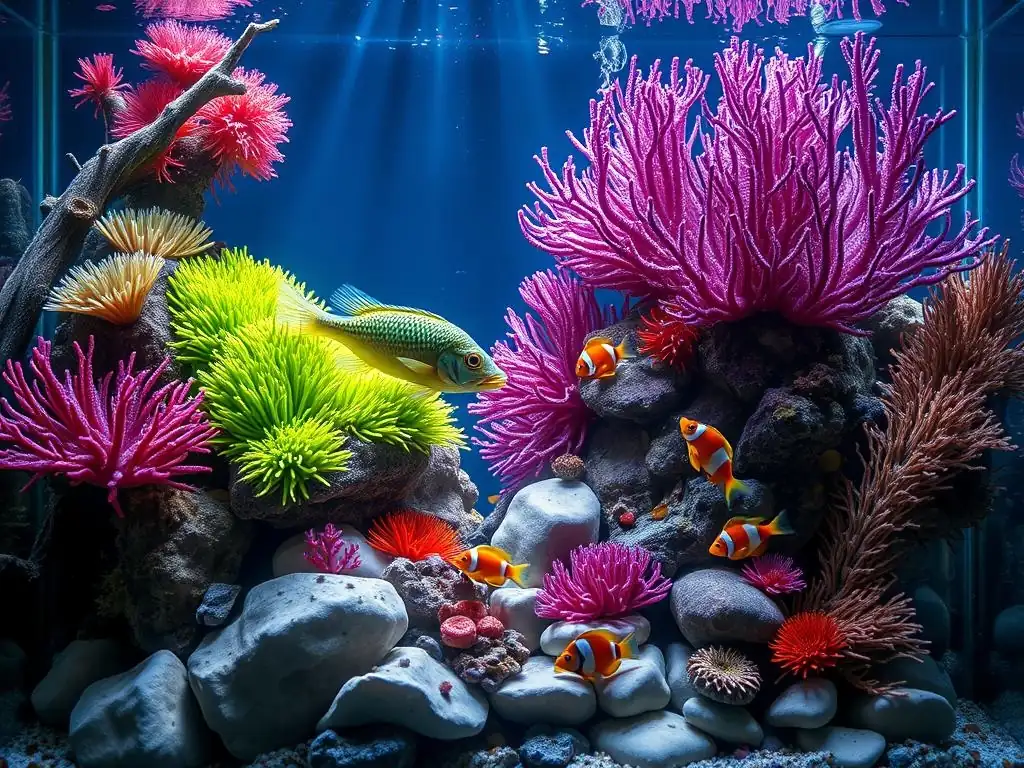
Welcome to Aquarium Mastery!
Intrigued by the shimmering beauty and algae-eating prowess of the Starry Blenny? This fascinating fish can be a captivating addition to your saltwater aquarium. Uncover essential starry blenny care tips and discover how to create the perfect environment for this celestial algae grazer to thrive in your small saltwater world. Ready to dive in and learn more? Let's begin!
- Introduction to the Starry Blenny: A Nano Reef Star
- Understanding Starry Blenny Characteristics
- Starry Blenny Care Tips: A Comprehensive Guide
- Setting Up the Ideal Habitat for Your Starry Blenny
- Starry Blenny Health and Disease Prevention
- Breeding Starry Blennies: A Challenging Endeavor
- The Starry Blenny as an Algae Control Solution
- Purchasing a Starry Blenny: Finding a Healthy Specimen
- Pros and Cons of Keeping a Starry Blenny
- Conclusion: Is a Starry Blenny Right for Your Nano Reef?
-
Frequently Asked Questions
- What are the key considerations for Starry Blenny tank size and environment?
- What do Starry Blennies eat, and how often should they be fed?
- Are Starry Blennies compatible with other fish in a saltwater aquarium?
- What are some common health issues that affect Starry Blennies?
- What are some important considerations when introducing a Starry Blenny to a new aquarium?
- Final Reflection: Appreciating the Small Wonders
- Dive Deeper: Unlock the Secrets of the Starry Blenny!
Introduction to the Starry Blenny: A Nano Reef Star
The Starry Blenny, scientifically known as Salarias ramosus, is a captivating and highly sought-after inhabitant for saltwater aquariums, particularly nano reef systems. Hailing from the Indo-Pacific, this charming fish is celebrated not only for its distinctive, speckled appearance that resembles a night sky but also for its invaluable role as a natural algae grazer. Its relatively small size and peaceful demeanor make it an ideal candidate for aquarists looking to add both beauty and utility to their marine setup.
Often overlooked in favor of flashier species, the Starry Blenny offers a unique personality and a functional benefit, diligently patrolling live rock and aquarium glass for undesirable algal growths. Its calm temperament and interesting behaviors, such as perching on rocks and "hopping" across surfaces, provide endless fascination for observers. Understanding proper Starry blenny care tips is crucial for ensuring this celestial beauty thrives in your aquatic world.
Understanding Starry Blenny Characteristics
Physical Appearance: Identifying the Starry Blenny
The Starry Blenny is instantly recognizable by its dark brown to black body adorned with numerous small, iridescent white or cream-colored spots, giving it its celestial namesake. These spots are typically densest on its head and gradually scatter across its elongated, somewhat compressed body, which typically reaches an adult size of about 4 to 5 inches (approximately 10 to 13 centimeters) in a home aquarium. Its prominent eyes are often set high on its head, allowing it a wide field of vision for spotting both food and potential threats.
Further distinguishing features include its large, sail-like dorsal fin, which can be raised to impressive heights, and its unique mouth structure. The mouth is equipped with comb-like teeth, perfectly adapted for scraping algae from hard surfaces. Variations in spot density and base coloration can occur depending on the specific geographic origin of the specimen, but the overall "starry" pattern remains consistent, making it a truly unique addition to any reef.
Starry Blenny Temperament and Behavior in the Aquarium
Starry Blennies are generally peaceful and shy inhabitants, making them excellent candidates for community tanks focused on smaller, non-aggressive species. They spend the majority of their time perched on live rock, surveying their surroundings, or actively grazing on algae from rockwork and the aquarium glass. Their movement is often characterized by a series of deliberate "hops" or short bursts of swimming rather than continuous free-swimming.
While largely docile, a Starry Blenny can exhibit mild territoriality, particularly towards other blennies or fish with very similar body shapes and dietary needs, especially in smaller confines. Providing ample rockwork with numerous hiding spots and distinct territories can mitigate potential disputes. They are curious by nature, often observing their human caretakers, and can become quite bold once fully acclimated to their environment, making them engaging pets.
Starry Blenny Care Tips: A Comprehensive Guide
Optimal Tank Size for Starry Blennies
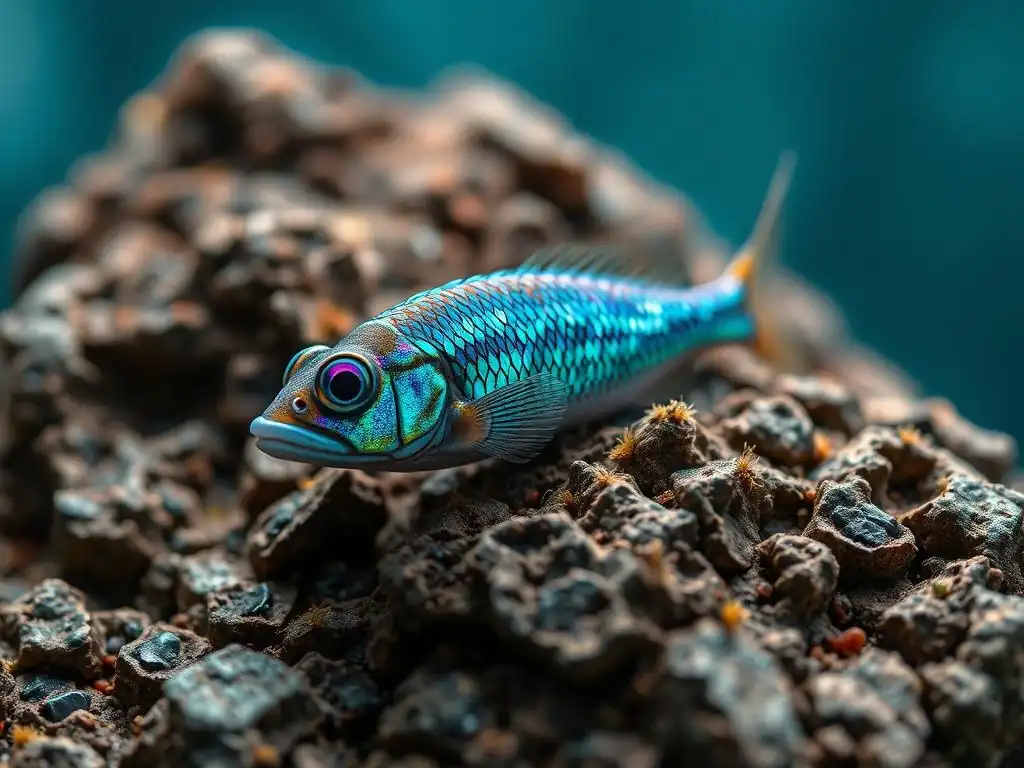
Providing an appropriately sized habitat is a cornerstone of effective Starry blenny care tips. For a single Starry Blenny, a minimum tank size of 20 to 30 gallons (approximately 75 to 115 liters) is generally recommended. This allows for sufficient swimming space, but more importantly, provides ample surface area on live rock for the blenny to graze upon. A larger tank also offers greater stability in water parameters, which is vital for this species.
While they are not large fish, their need for extensive rockwork and the potential for territorial disputes with similar species necessitate adequate room. A tank of 40 gallons or more is ideal for long-term health and allows for a more diverse aquascape. Ensuring the tank is well-established and mature, with a thriving microalgae population, is far more critical than simply meeting a gallon minimum.
Water Parameters: Maintaining a Healthy Environment
Maintaining stable and pristine water parameters is paramount for the health and longevity of your Starry Blenny. These fish thrive in conditions typical of a well-maintained reef aquarium. Ideal temperature should range from 72-78°F (22-25.5°C), with salinity kept between 1.020 and 1.025 specific gravity. The pH level should be stable, preferably between 8.1 and 8.4, and alkalinity maintained at 8-12 dKH.
Regular testing of these parameters, along with nitrates, nitrites, and ammonia, is crucial. Elevated nitrates or fluctuating pH can quickly stress a Starry Blenny, making it susceptible to disease. Performing consistent weekly or bi-weekly water changes (10-20%) with high-quality saltwater is among the most important Starry blenny care tips to ensure low nutrient levels and overall water purity.
Diet and Feeding: What Do Starry Blennies Eat?
Starry Blennies are primarily herbivorous, with their natural diet consisting largely of various types of algae, detritus, and small invertebrates found while grazing on rocks. In the home aquarium, they will spend a significant portion of their day scraping film algae, diatoms, and some forms of hair algae from live rock, substrate, and tank walls. This constant grazing behavior is not only fascinating to watch but also highly beneficial for natural algae control.
While natural grazing is essential, it is often insufficient to meet all their nutritional needs, especially in newer or very clean tanks. Therefore, supplementary feeding is a critical aspect of Starry blenny care tips. They readily accept a variety of prepared foods, particularly those with a high vegetable content, such as spirulina flakes, marine algae pellets, and specialized herbivore preparations.
Supplementing Their Diet: High-Quality Marine Algae Sheets, Frozen Mysis Shrimp
To ensure a balanced diet and robust health, it is highly recommended to supplement your Starry Blenny's grazing with high-quality marine algae sheets, often referred to as nori. These sheets can be secured to a veggie clip and placed in the tank, providing a continuous source of plant matter that mimics their natural grazing. Offering marine algae sheets two to three times a week can significantly boost their nutritional intake and provide enrichment.
While primarily herbivorous, Starry Blennies will also accept and benefit from occasional offerings of meaty foods. Small amounts of frozen Mysis shrimp or enriched brine shrimp can be provided once or twice a week. These provide essential proteins and fats, contributing to their overall vitality and vibrant coloration. Always ensure food is offered in small, digestible pieces to prevent overfeeding and water pollution.
Tank Mates: Choosing Compatible Species for Your Starry Blenny
Selecting appropriate tank mates is a vital component of successful Starry blenny care tips. Due to their peaceful and somewhat shy nature, Starry Blennies thrive best with other non-aggressive, community-oriented fish. Excellent companions include clownfish, most small gobies (excluding other blennies that might compete for territory), firefish, royal grammas, and smaller, peaceful damselfish. They are also generally compatible with most invertebrates, such as various species of shrimp and snails.
It is crucial to avoid housing them with large, aggressive, or overly boisterous fish that could harass them or outcompete them for food. While they might tolerate some mild competition, persistent bullying can lead to stress, refusal to eat, and eventual decline in health. Always introduce new tank mates cautiously and observe interactions closely over the first few days.
Incompatible Tank Mates: Aggressive Fish Like Triggerfish or Large Angelfish
Certain species are entirely unsuitable as tank mates for the Starry Blenny. Any large predatory fish, such as triggerfish, lionfish, or large groupers, will view a Starry Blenny as a potential meal. Their relatively small size and docile nature make them highly vulnerable to such predators, leading to inevitable negative outcomes.
Furthermore, large angelfish, certain surgeonfish, or even some larger wrasses can pose a threat by outcompeting the blenny for their primary food source (algae) or exhibiting territorial aggression. While a well-fed angelfish might ignore a blenny, the risk of competition for critical grazing surfaces is high. It is also generally advised against keeping multiple blenny species, especially those with similar diets or body shapes, in tanks smaller than 100 gallons, as this can lead to intense territorial disputes and stress.
Setting Up the Ideal Habitat for Your Starry Blenny
Substrate and Aquascaping for Blennies
When setting up a tank for a Starry Blenny, the choice of substrate is not as critical as it is for burrowing species, but a fine sand to crushed coral bed is acceptable. More importantly, the aquascaping should prioritize ample live rock. Starry Blennies spend a significant portion of their time perching, grazing, and seeking refuge within the rockwork. Aim for at least 1 pound of live rock per gallon of tank capacity, arranged to create numerous crevices, caves, and elevated perching spots.
The rock structure should offer a variety of textures and surfaces for algae growth, which serves as their natural food source. Strategically placed rocks can also help delineate territories if other bottom-dwelling fish are present, reducing potential conflicts. A stable and well-cured live rock base is essential for a thriving blenny environment.
Lighting Requirements for a Starry Blenny Tank
The lighting requirements for a Starry Blenny tank are generally moderate. The primary consideration for the blenny itself is sufficient light to promote healthy microalgae growth on the rockwork and tank surfaces, which forms a significant part of their diet. Intense, high-PAR lighting typically used for demanding corals is not strictly necessary for the blenny's well-being.
However, if your aquarium is a reef tank housing light-dependent corals, ensure that the chosen lighting system supports both the corals and the necessary algal growth for your Starry Blenny. A standard photoperiod of 8-10 hours per day is usually adequate. Consistent lighting contributes to a stable environment and encourages the growth of the various algae types that Starry Blennies graze upon.
Filtration and Water Flow for Optimal Health
Robust filtration is a cornerstone of Starry blenny care tips, crucial for maintaining the pristine water quality they require. A comprehensive filtration system, including a sump, protein skimmer, and a generous amount of live rock, is highly recommended. These components work synergistically to remove organic waste, reduce nitrates, and ensure stable water parameters, which are vital for preventing stress and disease in these sensitive fish.
Regarding water flow, Starry Blennies prefer moderate conditions. While they appreciate some gentle current that mimics their natural habitat and brings food particles their way, they are not strong swimmers and can become stressed by excessively turbulent areas. Position powerheads or wavemakers to create diverse flow patterns with calmer zones where the blenny can comfortably perch and graze without being constantly buffeted by strong currents.
Starry Blenny Health and Disease Prevention
Common Diseases Affecting Starry Blennies
Starry Blennies are generally hardy once established in a stable and mature aquarium, but like all marine fish, they can be susceptible to common saltwater ailments, particularly if stressed or kept in suboptimal water conditions. The most prevalent diseases include Marine Ich ( Cryptocaryon irritans) and Marine Velvet ( Amyloodinium ocellatum), which manifest as white spots or a dusty coating on the fish's body. These parasitic infections are often triggered by poor water quality, sudden parameter shifts, or the introduction of infected new arrivals.
Other potential health issues include bacterial infections, which can lead to fin rot, cloudy eyes, or skin lesions, often stemming from compromised water quality or physical injury. Internal parasites, though less common, can also affect blennies, leading to lethargy and wasting. Nutritional deficiencies, especially if their diet lacks sufficient algae, can weaken their immune system, making them more vulnerable to various pathogens.
Recognizing Signs of Illness in Your Blenny
Early detection of illness is crucial for successful treatment and forms a key part of effective Starry blenny care tips. Keep a close eye on your blenny's behavior and physical appearance. Signs of illness often include changes in swimming or perching patterns, such as increased lethargy, spending excessive time hiding, or rubbing against tank decorations (flashing). A loss of appetite or labored breathing are also significant indicators of distress.
Physically, look for any abnormalities: white spots resembling salt grains (Ich), a velvety or dusty film (Velvet), frayed fins, cloudy or sunken eyes, bloating, or unusual growths. Any sudden change in coloration, such as a dulling of their vibrant starry pattern, can also signal stress or disease. Prompt action upon observing these signs can significantly improve the chances of recovery.
Quarantine Procedures for New Arrivals
Implementing a strict quarantine procedure for any new Starry Blenny, or indeed any new marine inhabitant, is arguably the most critical preventive Starry blenny care tip. A dedicated quarantine tank (QT) of 10-20 gallons (38-75 liters) should be set up with basic filtration, a heater, and some PVC pipes or small rocks for hiding. New blennies should be kept in this QT for a minimum of 2 to 4 weeks.
During the quarantine period, closely observe the blenny for any signs of disease, such as those mentioned above. This isolation allows you to treat any potential ailments without exposing your main display tank to pathogens. It also gives the blenny time to de-stress and begin feeding consistently before being introduced to a more complex environment, significantly improving its chances of long-term survival and health.
Breeding Starry Blennies: A Challenging Endeavor
Setting Up a Breeding Tank
Breeding Starry Blennies in a home aquarium is considered challenging but not impossible, requiring dedication and specific conditions. A dedicated breeding tank, typically 10-20 gallons (38-75 liters), should be set up with stable water parameters mirroring the main display, but with minimal water flow. The tank should include ample rockwork and specific spawning sites such as small caves, PVC pipes, or ceramic tiles, which the male can claim and guard.
Maintaining pristine water quality through regular small water changes and providing a consistent, high-quality diet for the breeding pair are essential. The environment should be calm and free from disturbances, allowing the blennies to feel secure enough to engage in courtship and spawning behaviors.
Identifying Male and Female Starry Blennies
Sexual dimorphism in Starry Blennies is subtle, making it difficult to definitively distinguish males from females outside of spawning periods. Males may sometimes develop a slightly more pronounced nuchal hump (a bump on the forehead) or exhibit a more robust build. During courtship and spawning, males might display more intense coloration, particularly around their fins, or show extended dorsal fin rays as a display to attract a female.
The most reliable way to identify sexes is through observing their behavior. Males will typically guard a chosen spawning site, enticing a female to deposit her eggs. The female's abdomen may also appear noticeably distended with eggs just prior to spawning. Establishing a pair often involves acquiring several juveniles and allowing them to pair naturally as they mature.
Fry Care: Raising Starry Blenny Offspring
Starry Blennies are known to lay demersal eggs, meaning they are deposited on a surface, often within a crevice or cave, and are guarded by the male. The eggs typically hatch within 4 to 7 days, depending on water temperature. The resulting fry are extremely small and planktonic, making their care and survival a significant hurdle for aquarists.
Raising Starry Blenny fry requires highly specialized techniques. Their minute size necessitates microscopic live foods, such as rotifers, as a first food source, followed by newly hatched brine shrimp as they grow. Maintaining impeccable water quality in the fry tank, often through constant drip-feed systems and careful siphoning of waste, is paramount. Due to these demanding requirements, high mortality rates are common, and successful rearing to adulthood is a rare achievement for hobbyists.
The Starry Blenny as an Algae Control Solution
How Starry Blennies Control Algae Growth
Beyond their aesthetic appeal, one of the most valuable contributions of the Starry Blenny to a saltwater aquarium is its role as a natural algae control solution. Equipped with specialized comb-like teeth, they are highly efficient grazers, constantly scraping various types of nuisance algae from live rock, substrate, and the aquarium glass. They are particularly effective against film algae, diatoms (brown algae), and certain types of cyanobacteria, helping to keep surfaces clean and pristine.
Their diligent grazing habits mean they spend most of their waking hours patrolling the tank, systematically consuming algal growths. This continuous activity helps prevent the unsightly accumulation of algae, contributing to a healthier and more visually appealing aquascape. Their preference for perching and grazing on surfaces makes them excellent at reaching areas that other, more free-swimming herbivores might miss.
Maximizing Algae Grazing Efficiency
To maximize your Starry Blenny's algae grazing efficiency, ensure there is a consistent, albeit controlled, supply of algae in the tank. This means avoiding over-cleaning the tank manually too frequently and maintaining lighting conditions that promote healthy, but not excessive, algal growth. Overfeeding other tank inhabitants should also be avoided, as excess nutrients can lead to aggressive algae blooms that even a dedicated blenny might struggle to keep in check.
While Starry Blennies are excellent grazers, they should not be considered the sole solution for severe algae outbreaks. For significant problems, addressing the root cause (e.g., high nitrates or phosphates) through water changes, nutrient export methods, and reduced feeding is essential. The Starry Blenny functions best as a continuous maintenance crew, preventing minor algae issues from escalating, and is a fantastic addition to a balanced cleanup crew.
Purchasing a Starry Blenny: Finding a Healthy Specimen
Selecting a Healthy Starry Blenny at the Store
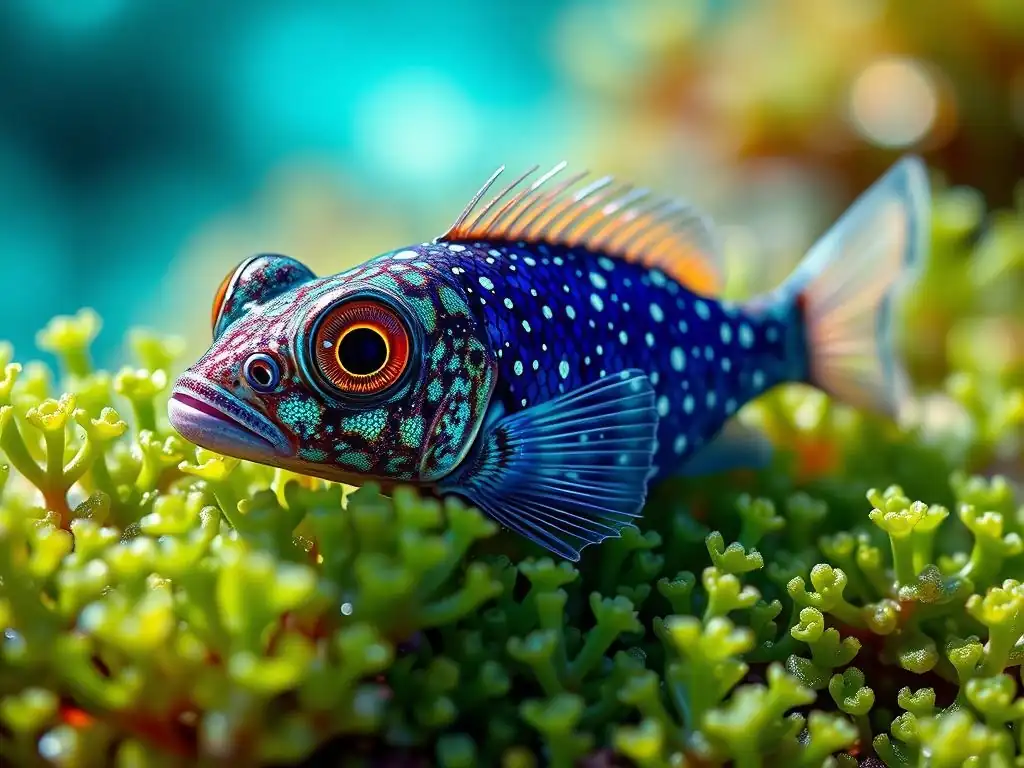
When purchasing a Starry Blenny, careful observation at the fish store is crucial for selecting a healthy specimen. Look for a blenny that is active, alert, and curious, not listless or hiding excessively. Its eyes should be clear and bright, and its fins should be intact, without any signs of tearing, fraying, or clamping. The body should appear full, not pinched or emaciated, and free from any visible spots (like Ich), white patches, or unusual growths.
Observe the blenny's breathing; it should be calm and regular, not rapid or labored. If possible, watch it feed or graze; a healthy Starry Blenny should show interest in food or be actively scraping surfaces. Inquire about the blenny's origins (wild-caught vs. captive-bred, though most are wild) and the store's acclimation and quarantine procedures, as this can provide insight into their health.
Acclimation Process: Introducing Your Blenny to Its New Home
The acclimation process is a critical step in Starry blenny care tips, as these fish can be sensitive to sudden changes in water parameters. Drip acclimation is highly recommended to slowly equalize the water temperature and chemistry between the transport bag and your aquarium. This process should take at least 30 to 60 minutes, allowing a slow drip of tank water into the blenny's bag until the volume has significantly increased.
During acclimation, keep the aquarium lights off to reduce stress for the new arrival. Once the drip acclimation is complete, gently net the Starry Blenny from the bag, discarding the bag water (never introduce pet store water into your display tank), and release it into your main aquarium. Keep the tank lights off for several hours after introduction to allow the blenny to explore its new surroundings and find hiding spots without undue stress.
Pros and Cons of Keeping a Starry Blenny
Advantages of Owning a Starry Blenny
The Starry Blenny offers several compelling advantages for the saltwater aquarist. Firstly, its unique and attractive "starry" appearance adds a distinct visual appeal to any tank, making it a beautiful focal point. Secondly, and perhaps most importantly for many aquarists, they are highly effective natural algae grazers, diligently helping to control nuisance algae growth on rocks and glass, contributing to a cleaner and healthier ecosystem.
Furthermore, Starry Blennies are generally peaceful and compatible with a wide range of other non-aggressive marine fish and invertebrates, making them excellent community tank inhabitants. Their relatively small size means they are suitable for nano or smaller reef tanks (typically 20-30 gallons and up), providing an engaging personality in a compact footprint. Their interesting behaviors, such as perching and "hopping," add a dynamic element to observation.
Potential Challenges and Considerations for Starry Blenny Keepers
Despite their many advantages, there are a few potential challenges and considerations when keeping a Starry Blenny. They can be quite shy initially, requiring ample hiding spots and a calm environment to feel secure. They are also known jumpers, so a tightly fitting lid is essential to prevent escapes, a crucial Starry blenny care tip often overlooked.
A significant consideration is their reliance on algae; they require a mature tank with established algae growth to graze upon. If algae is insufficient, supplemental feeding is mandatory, and they may refuse prepared foods if not properly weaned. They can also be territorial towards other blennies or similar bottom-dwelling fish in smaller tanks, potentially leading to aggression. Lastly, like many marine fish, they are sensitive to poor or unstable water quality, demanding consistent monitoring and maintenance of parameters.
Conclusion: Is a Starry Blenny Right for Your Nano Reef?
The Starry Blenny, with its captivating speckled pattern and diligent algae-grazing habits, presents a compelling option for many saltwater aquarists, particularly those with nano or smaller reef systems. Its generally peaceful nature and unique personality make it an engaging and functional addition to a well-planned community tank. However, successful Starry blenny care tips hinge on providing a mature environment with stable water parameters, ample live rock for grazing and shelter, and a balanced diet that supplements their natural herbivorous tendencies.
While they may pose minor challenges such as their initial shyness or potential for territoriality in cramped spaces, these are easily managed with proper planning and observation. For the dedicated aquarist seeking a beautiful, beneficial, and charismatic fish that contributes actively to the health and aesthetic of their marine world, the Starry Blenny is undoubtedly a celestial star worthy of consideration.
Frequently Asked Questions
What are the key considerations for Starry Blenny tank size and environment?
A minimum tank size of 30 gallons is recommended. Provide plenty of live rock for grazing and hiding. Maintain stable water parameters appropriate for a saltwater environment.
What do Starry Blennies eat, and how often should they be fed?
Starry Blennies are primarily algae grazers. Supplement their diet with algae wafers and frozen foods like mysis shrimp. Feed them once or twice daily, ensuring they get enough to eat.
Are Starry Blennies compatible with other fish in a saltwater aquarium?
They are generally peaceful but can be territorial with similar-looking fish. Avoid housing them with aggressive species or other bottom-dwelling algae eaters that might compete for food.
What are some common health issues that affect Starry Blennies?
Ich and other parasitic infections are common. Maintain good water quality and quarantine new arrivals to prevent disease outbreaks. Observe your Starry Blenny for signs of stress or illness.
What are some important considerations when introducing a Starry Blenny to a new aquarium?
Acclimate them slowly to the tank's water parameters. Provide plenty of hiding places and observe them for any signs of aggression from other tank inhabitants. Ensure they have access to enough algae or supplemental food.
Final Reflection: Appreciating the Small Wonders
The journey of understanding the Starry Blenny, as we've explored, is more than just mastering Starry Blenny care tips; it's about recognizing the intricate beauty and vital role even the smallest creatures play in the delicate balance of our aquatic ecosystems. The knowledge we gain from caring for these miniature marvels extends beyond the confines of our tanks, reminding us of the interconnectedness of life and the responsibility we bear towards preserving it.
The Starry Blenny, with its captivating personality and algae-grazing habits, serves as a constant reminder of nature's ingenuity. My own fascination with these little fish has only deepened my appreciation for the biodiversity we often overlook. In every walk with nature, one receives far more than he seeks.
- John Muir. This quote encapsulates the profound rewards that come from observing and understanding the natural world, even within the confines of a home aquarium.
Now, armed with a deeper understanding of Starry Blenny care, I encourage you to reflect on the broader implications of responsible pet ownership and environmental stewardship. Consider how your choices, both big and small, impact the world around you. Let the Starry Blenny's resilience and beauty inspire you to cultivate a greater appreciation for the wonders of nature and to actively contribute to a more sustainable future, one algae-free tank at a time.
Dive Deeper: Unlock the Secrets of the Starry Blenny!
Thank you for exploring the captivating world of the Starry Blenny with us. We hope you’ve discovered the joy and unique challenges of welcoming this celestial algae grazer into your aquarium. Now, it's time to take your knowledge to the next level and create a thriving environment for your future blenny!
Here are a few things you can do right now:
- Commit to Research: Dedicate at least 30 minutes this week to researching compatible tank mates for your Starry Blenny, ensuring a peaceful and harmonious aquarium.
- Share your newfound knowledge! Post a picture of your favorite blenny species on social media with the hashtag #AquariumMastery and tag us, letting others discover these fascinating creatures.
- Explore our other articles on reef tank inhabitants to expand your understanding of saltwater ecosystems.
What specific algae control method are you most excited to implement in your blenny's future home, and why?