
Triggerfish Titans: A Master Guide to Keeping These Intelligent Predators

Welcome to Aquarium Mastery!
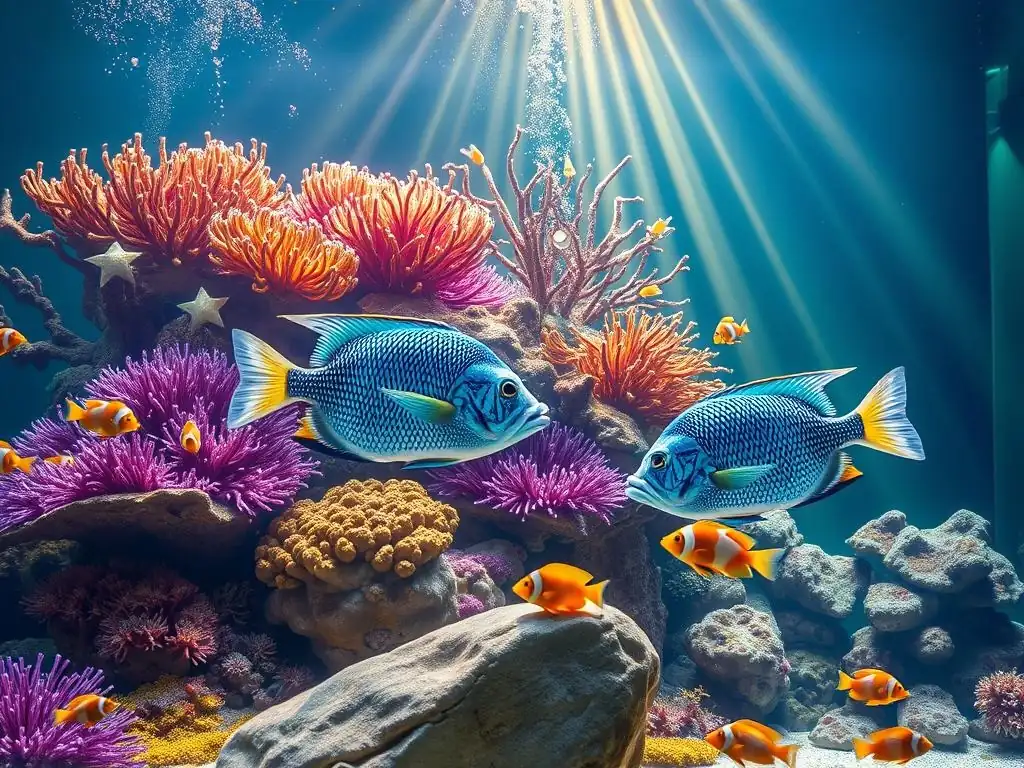
Dive into the fascinating world of saltwater aquariums, where vibrant colors and captivating creatures await. Ever been intrigued by the personality and power of a Triggerfish? In this guide, we unlock the secrets to thriving Triggerfish, from their unique needs to their surprising intelligence. Get ready to explore our Triggerfish care tips guide and discover if these Titans are the right addition to your underwater kingdom. But that's just the beginning... what challenges await the aspiring Triggerfish keeper, and how can you overcome them? Let's find out!
- Triggerfish Care: A Comprehensive Guide
- Understanding Triggerfish: An Introduction to Saltwater Aquarium Inhabitants
- Essential Care Tips for a Thriving Aquarium
- Tank Mates: Compatibility and Avoiding Aggression
- Maintaining Health: Identifying and Treating Common Diseases
- Advanced Keeping: Long-Term Care
- Troubleshooting Common Problems
- Are Triggerfish Right for Your Aquarium? A Summary
- Frequently Asked Questions
- Final Reflection: Embracing the Majesty of Triggerfish
- Unleash Your Inner Aquarist: Dive Deeper Now!
Triggerfish Care: A Comprehensive Guide
Understanding Triggerfish: An Introduction to Saltwater Aquarium Inhabitants
Unique Characteristics: Behavior and Intelligence
Triggerfish are renowned for their striking appearance, vibrant coloration, and, most notably, their highly intelligent and often boisterous personalities. These fascinating marine fish possess a unique dorsal fin mechanism—a "trigger" that allows them to lock themselves into crevices, making them difficult for predators to dislodge. This distinctive physical trait is just one aspect of their complex behavior. They are active, curious, and exhibit a remarkable level of cognitive ability, often observing their surroundings and learning routines quickly. Understanding these unique characteristics is paramount for any comprehensive Triggerfish care tips guide.
Their intelligence extends to problem-solving, with anecdotal evidence and observations showing Triggerfish moving rocks, blowing water to uncover food, or even manipulating tank decorations. They are also known for their strong territorial instincts and can be quite aggressive, especially towards new tank mates or when defending their preferred hiding spots. This predatory nature, coupled with their sharp teeth and powerful jaws, means they require careful consideration regarding tank setup and compatibility. A successful Triggerfish care tips guide emphasizes observing their individual temperament to prevent potential conflicts in a captive environment.
Species Spotlight: Suitable Aquarium Choices
While many species of Triggerfish exist, only a select few are truly suitable for home aquariums due to their potential adult size and varying degrees of aggression. The Picasso Triggerfish ( Rhinecanthus aculeatus), also known as the Humu Humu Triggerfish, is one of the most popular choices, typically reaching an adult size of about 10 inches (25 cm). Its distinctive geometric patterns and relatively manageable aggression make it a favorite.
Other viable options include the Bursa Triggerfish ( Rhinecanthus verrucosus), which grows to around 12 inches (30 cm), and sometimes the Blue-throated Triggerfish ( Xanthichthys auromarginatus), known for being slightly less aggressive and reaching about 9 inches (23 cm). Selecting the right species is a critical component of any effective Triggerfish care tips guide.
Conversely, several Triggerfish species are generally too large or excessively aggressive for the average home aquarium. The formidable Titan Triggerfish ( Balistoides viridescens), for instance, can grow up to 2.5 feet (75 cm) in the wild and exhibits extreme aggression, making it unsuitable for all but the largest public aquariums.
Similarly, the Undulated Triggerfish ( Balistapus undulatus) can exceed 1 foot (30 cm) and is notorious for its highly aggressive nature, often harassing or even killing tank mates. Responsible Triggerfish care tips guide advice always highlights the importance of researching adult size and temperament before acquiring any species, ensuring it aligns with your tank's capacity and your ability to manage potentially dominant behavior.
Essential Care Tips for a Thriving Aquarium
Tank Setup: Size, Substrate, and Aquascaping
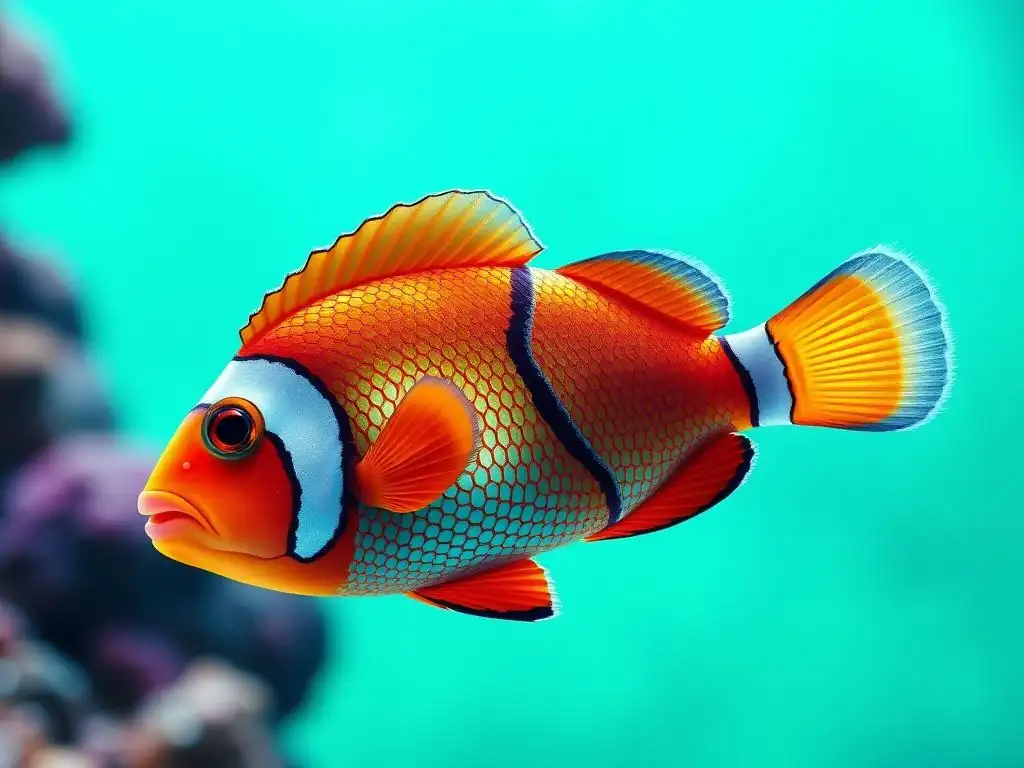
Providing an adequately sized habitat is the cornerstone of successful Triggerfish care. Due to their active nature and potential for significant growth, a minimum tank size of 125 gallons (approximately 473 liters) is recommended for a single Picasso or Bursa Triggerfish, with larger species requiring considerably more, often 200 gallons (757 liters) or more. The larger the tank, the more swimming space and territory can be provided, which helps mitigate aggression. The substrate should be a mix of sand and rubble, as Triggerfish often sift through it or rearrange it while searching for food or creating sleeping depressions.
Aquascaping plays a vital role in creating a comfortable and secure environment for these intelligent predators. Incorporate plenty of stable rockwork with numerous caves, overhangs, and crevices. These structures serve as essential hiding spots and territorial boundaries, reducing stress and providing a sense of security for the Triggerfish. Ensure all rock structures are extremely stable and cannot be toppled, as Triggerfish are known to vigorously redecorate their environment, potentially dislodging insecurely placed rocks. A well-designed aquascape is a key element in any comprehensive Triggerfish care tips guide, promoting both physical health and behavioral well-being.
Water Parameters and Maintenance
Maintaining pristine water quality is paramount for the health and longevity of Triggerfish. They thrive in stable saltwater conditions, with specific parameters needing diligent monitoring. The ideal salinity range is 1.020-1.025 specific gravity, maintained with a quality refractometer. Temperature should be kept between 75-82°F (24-28°C), ideally stable at around 78°F (25.5°C). pH levels should remain consistently between 8.1 and 8.4. Ammonia and nitrite levels must always be undetectable (0 ppm), while nitrates should be kept as low as possible, ideally below 20 ppm.
Regular water changes are crucial for maintaining these parameters and removing accumulated nitrates and other organic pollutants. A weekly or bi-weekly water change of 10-20% of the tank volume is generally recommended, depending on the bioload. Utilizing a high-quality salt mix and RODI (Reverse Osmosis Deionized) water is essential to prevent the introduction of unwanted contaminants. Furthermore, consistent testing of water parameters using reliable test kits allows for early detection of imbalances, enabling prompt corrective action. Adhering to a strict water maintenance schedule is a fundamental aspect of any effective Triggerfish care tips guide.
Diet and Feeding: Ensuring Proper Nutrition
Dietary Needs: Ideal Food Sources
Triggerfish are carnivorous predators with robust appetites, requiring a varied and nutritious diet to thrive in captivity. Their natural diet consists of crustaceans, mollusks, echinoderms (like sea urchins), and small fish. To replicate this, offer a diverse range of high-quality frozen foods such as krill, mysis shrimp, silversides, squid, and chopped clam or scallops. It's beneficial to soak these foods in a vitamin supplement to enhance their nutritional value. Providing hard-shelled items, like whole shrimp with shells or small crabs, is also important for their dental health, as it helps wear down their continuously growing teeth.
Avoid feeding large quantities of feeder fish, as they often lack nutritional value and can introduce diseases. Instead, focus on a varied diet of marine-based proteins. Some Triggerfish may also accept high-quality pellet or flake foods formulated for carnivorous marine fish, though these should not be the primary food source. A balanced diet is critical for preventing nutritional deficiencies and promoting vibrant coloration and robust health, making it a cornerstone of any comprehensive Triggerfish care tips guide.
Feeding Frequency and Portion Control
The feeding frequency for adult Triggerfish typically ranges from once to twice a day. Juveniles may benefit from more frequent, smaller feedings (2-3 times daily) to support their rapid growth. The key is to provide enough food that can be consumed within a few minutes, preventing excess food from decaying and fouling the water. Overfeeding is a common mistake that can lead to poor water quality and health issues.
Portion control is equally important. Observe your Triggerfish's body condition; it should appear full but not bloated. Adjust the amount of food based on their activity level and overall health. If you notice uneaten food accumulating, reduce the portion size. A well-managed feeding regimen ensures optimal nutrition without compromising water quality, a crucial detail often highlighted in detailed Triggerfish care tips guide resources.
Equipment: Filtration, Lighting, and Temperature Control
Effective filtration is critical for maintaining the pristine water quality that Triggerfish require. A robust filtration system should include mechanical, biological, and chemical filtration components. A large protein skimmer is indispensable for removing organic waste before it breaks down into harmful nitrates. Mechanical filtration (filter socks, sponges) should be cleaned or replaced regularly, while biological filtration (live rock, bio-balls) provides essential surface area for beneficial bacteria. Chemical filtration, such as activated carbon or GFO (granular ferric oxide), can help remove dissolved organics and phosphates.
Lighting requirements for a Triggerfish-only tank are relatively simple; standard full-spectrum LED or fluorescent lighting sufficient for general viewing is adequate, as they do not require specific light spectrums for coral growth. However, if the tank includes live rock with photosynthetic organisms, appropriate lighting for those organisms should be provided. Temperature control is vital and can be achieved with reliable aquarium heaters, typically sized at 3-5 watts per gallon, coupled with a thermometer for accurate monitoring.
For larger tanks or those in warmer climates, chillers might be necessary to prevent overheating. Ensuring all equipment is properly sized and maintained is a fundamental aspect of any good Triggerfish care tips guide.
Tank Mates: Compatibility and Avoiding Aggression
Temperament: Identifying Compatibility Issues
Triggerfish are known for their strong personalities and varying degrees of aggression, which makes tank mate selection one of the most challenging aspects of Triggerfish care. Their predatory instincts mean they will often view smaller, more docile fish, or invertebrates like crabs, shrimp, and snails, as food. Even larger tank mates can be subject to bullying, fin nipping, or outright attacks, especially if the Triggerfish feels its territory is being encroached upon. Identifying the specific temperament of your Triggerfish is key; some individuals are more tolerant than others, but caution is always advised.
Signs of aggression include chasing, nipping fins, ramming, or actively defending a particular area of the tank. It's crucial to understand that even species considered "less aggressive," like the Picasso Triggerfish, can become highly territorial, particularly as they mature. The success of a mixed-species tank with a Triggerfish heavily relies on careful observation and a proactive approach to potential conflicts. A thorough Triggerfish care tips guide will always emphasize the importance of understanding and managing their inherent aggression.
Suitable Tank Mate Options
When selecting tank mates for a Triggerfish, consider species that are equally robust, fast-moving, and can defend themselves, or are simply too large for the Triggerfish to bother. Good candidates include other large, semi-aggressive fish like certain types of Tangs (e.g., Yellow Tangs, Sailfin Tangs, although not all Tangs are suitable), large Angelfish (e.g., Emperor Angelfish, Queen Angelfish), and some species of Groupers or Moray Eels, provided the tank is sufficiently large. Puffers and Lionfish can also sometimes coexist, but their specific needs and defensive mechanisms must be considered.
It is generally recommended to avoid small, peaceful fish such as gobies, blennies, or chromis, as well as most invertebrates including shrimp, crabs, snails, and starfish, all of which are likely to become expensive meals. If you wish to keep corals, only very large, hardy, and non-photosynthetic corals might survive, as Triggerfish are known to nip at polyps and rearrange frags. Any Triggerfish care tips guide will stress that compatibility is not guaranteed and depends heavily on the individual Triggerfish and the tank's overall size and layout.
Preventing Aggression: Tank Size, Hiding Places, and Introduction Strategies
Preventing aggression in a Triggerfish aquarium begins with providing an appropriately large tank. A spacious environment reduces territorial disputes by allowing each fish ample personal space. For a single Triggerfish, a 125-gallon tank is a good starting point, but if you plan to introduce tank mates, aim for 200 gallons or more. The aquascape should include numerous hiding places, caves, and visual barriers created with live rock. These structures allow fish to retreat and break lines of sight, reducing direct confrontation and stress.
When introducing new tank mates, it's often best to introduce the Triggerfish last, if possible, allowing other fish to establish their territories first. If the Triggerfish is already present, rearrange the aquascape significantly before adding new fish; this disrupts the Triggerfish's established territory, making it less defensive of specific spots. Feeding the Triggerfish heavily before introducing new tank mates can also temporarily distract it.
Monitoring interactions closely during the initial days is crucial, and having a separate quarantine or "hospital" tank ready to remove any fish that becomes a target is a wise precaution. These proactive strategies are vital components of any effective Triggerfish care tips guide.
Maintaining Health: Identifying and Treating Common Diseases
Recognizing Signs of Illness
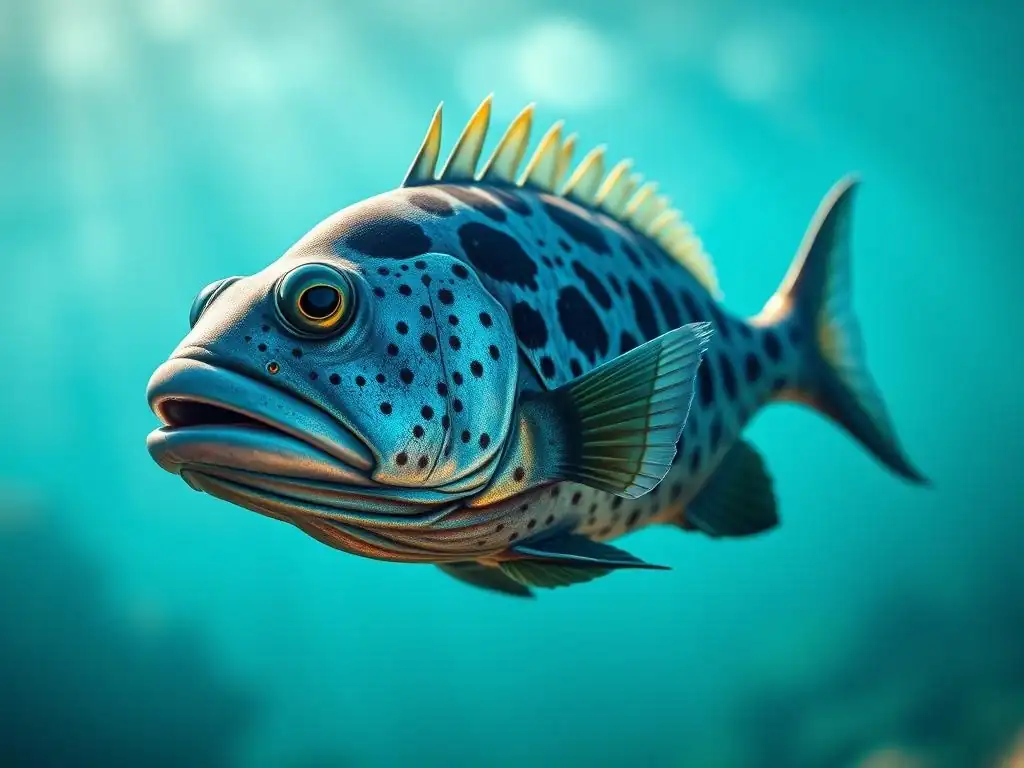
Early detection of illness is crucial for successful treatment and preventing the spread of disease in a Triggerfish aquarium. Healthy Triggerfish are typically active, alert, and exhibit vibrant coloration. They should have clear eyes, intact fins, and a smooth, unblemished skin surface. Any deviation from these norms can signal a problem. Common signs of illness include lethargy, loss of appetite, clamped fins, rapid or labored breathing, scratching against rocks or substrate (flashing), visible spots (white, black, or red), cloudy eyes, unusual swimming patterns, or changes in coloration (e.g., dullness, dark patches).
Observing your Triggerfish daily during feeding times or routine tank maintenance allows you to quickly identify subtle changes in behavior or appearance. Keep a log of your observations, water parameters, and feeding habits to help pinpoint potential issues. Prompt recognition of these symptoms is the first and most critical step in maintaining the health of your Triggerfish, a key element emphasized in any comprehensive Triggerfish care tips guide.
Common Diseases: Prevention and Treatment Options
Marine Ich: Identification and Treatment
Marine Ich ( Cryptocaryon irritans) is one of the most common and feared parasitic diseases in saltwater aquariums. It manifests as small, white spots resembling grains of salt scattered across the fish's body and fins. Affected Triggerfish may also exhibit flashing, labored breathing, and lethargy. The parasite has a complex life cycle, with free-swimming stages that can quickly infect other fish in the tank.
Prevention is key and involves strict quarantine procedures for all new fish (see below). Treatment options for Marine Ich typically involve either hyposalinity (gradually reducing specific gravity to 1.008-1.009) or copper-based medications. Both methods require careful monitoring and should be administered in a separate quarantine tank, as they can harm invertebrates and beneficial bacteria in the main display tank. Some aquarists also use tank transfer methods. Consult a reputable Triggerfish care tips guide or a marine veterinarian for precise dosage and treatment protocols.
Fin Rot and Bacterial Infections: Causes, Symptoms, and Remedies
Fin Rot and other bacterial infections are often secondary infections, occurring when a fish is stressed, injured, or living in poor water quality. Fin Rot specifically appears as frayed, ragged, or deteriorating fins, sometimes with a red or white inflamed edge. Other bacterial infections might manifest as cloudy eyes, skin lesions, ulcers, or general body swelling. Poor water quality, especially elevated nitrates and ammonia, is a primary contributing factor.
Treatment involves addressing the underlying cause (e.g., improving water quality, reducing stress) and, if necessary, administering broad-spectrum antibacterial medications. These medications are typically dosed in a quarantine tank to avoid harming the beneficial bacteria in the main system. Regular water changes, maintaining stable parameters, and providing a nutritious diet are the best preventive measures. A detailed Triggerfish care tips guide will always highlight the importance of water quality and proper nutrition in fending off bacterial ailments.
Quarantine Procedures
Implementing a strict quarantine procedure for all new fish, including Triggerfish, is the single most effective way to prevent the introduction of diseases into your main display tank. A dedicated quarantine tank should be set up with a heater, simple filtration (sponge filter), and PVC pipes for hiding places. This tank does not need a substrate or elaborate aquascaping, as it makes observation and treatment easier.
New fish should be acclimated and then housed in the quarantine tank for at least 3-4 weeks. During this period, observe them closely for any signs of illness. It's often recommended to prophylactically treat for common parasites like Ich during this time, even if no symptoms are visible. If any signs of disease appear, treatment can be administered in the quarantine tank without risking the health of established inhabitants in the main display. This rigorous approach to quarantine is a non-negotiable step in any responsible Triggerfish care tips guide.
Advanced Keeping: Long-Term Care
Long-Term Care Strategies
Long-term care for Triggerfish involves a commitment to consistency and proactive management of their environment and health. Beyond the initial setup and basic maintenance, advanced keeping focuses on anticipating their needs as they mature and addressing the nuances of their behavior. This includes regularly assessing their tank mates for compatibility as the Triggerfish grows and its personality develops; an initially peaceful cohabitation can turn aggressive over time. Continual monitoring of water parameters, even after the tank has matured, is critical, as bioloads can increase, and equipment can degrade.
Furthermore, providing enrichment is vital for these intelligent creatures. Rotate their diet, offer new challenges (e.g., hiding food for them to find), and consider rearranging the aquascape periodically to stimulate their minds and prevent boredom. Regular dental checks, if possible, or ensuring enough hard-shelled foods are provided, helps manage their continuously growing teeth. A proactive approach to long-term Triggerfish care tips guide principles ensures a healthy, engaging, and extended life for these remarkable fish.
Troubleshooting Common Problems
Aggression Issues: Identifying the Cause and Solutions
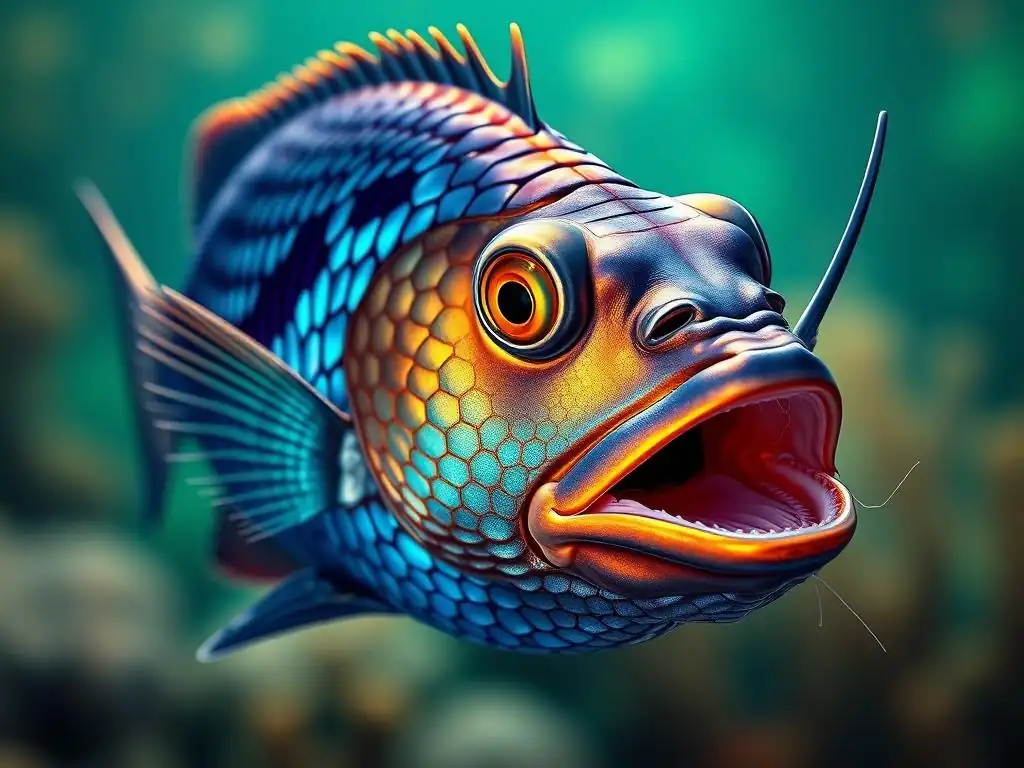
Aggression is perhaps the most common problem encountered when keeping Triggerfish. Identifying the root cause is the first step towards a solution. Is the aggression directed at specific tank mates, suggesting a personality clash or territorial dispute? Is it occurring during feeding times, indicating food competition? Or is it a general, unprovoked aggression? Often, a too-small tank or insufficient hiding places exacerbate aggressive tendencies.
Solutions vary based on the cause. If tank size is an issue, upgrading to a larger aquarium is the most effective long-term solution. Adding more hiding places and breaking up lines of sight with strategic rockwork can alleviate territorial disputes. Rearranging the aquascape can reset territories.
If a specific tank mate is being targeted, removing either the aggressor or the victim to a separate tank may be necessary. Increasing feeding frequency or dispersing food more widely can reduce feeding aggression. Sometimes, the only solution is to keep the Triggerfish in a species-only tank. A comprehensive Triggerfish care tips guide will always provide strategies for managing their inherent aggression.
Poor Water Quality: Diagnosing and Correcting Imbalances
Poor water quality is a silent killer in many aquariums and can manifest through various symptoms in Triggerfish, including lethargy, clamped fins, dull coloration, or increased susceptibility to disease. The most common imbalances are elevated ammonia, nitrite, and nitrate levels. Ammonia and nitrite should always be zero, while nitrates should be kept below 20 ppm. Other potential issues include incorrect salinity, pH fluctuations, or low alkalinity/calcium (though less critical in fish-only tanks).
Regular testing with reliable kits is essential for diagnosis. If ammonia or nitrite are detected, perform an immediate large water change (30-50%) and assess your biological filtration. Overfeeding, insufficient filtration, or an immature tank are common causes. For high nitrates, increase water change frequency and volume, ensure proper protein skimming, and consider adding nitrate-reducing media or a refugium. Addressing the root cause is paramount. Maintaining stable and pristine water parameters is a fundamental aspect of any Triggerfish care tips guide, ensuring a healthy environment.
Feeding Problems: Addressing Nutritional Deficiencies
Triggerfish are generally voracious eaters, so a sudden loss of appetite or refusal to eat can be a significant indicator of stress, illness, or an unsuitable diet. If the fish is otherwise active and healthy, the issue might be related to the food itself. Are you offering enough variety? Is the food fresh and properly stored? Sometimes, Triggerfish can become picky eaters, preferring certain items over others.
If the Triggerfish is refusing food, first check all water parameters to rule out environmental stress. Then, try offering a different type of high-quality frozen food, perhaps one with a strong scent like krill or clam. Soaking food in a vitamin supplement or garlic extract can sometimes entice reluctant eaters. If the lack of appetite persists alongside other symptoms (e.g., lethargy, labored breathing), it likely indicates an underlying health issue requiring further investigation and potential treatment. A well-rounded diet, as detailed in any good Triggerfish care tips guide, is crucial for preventing nutritional deficiencies and maintaining their robust health.
Are Triggerfish Right for Your Aquarium? A Summary
Assessing Your Experience Level and Tank Setup
Deciding if a Triggerfish is the right addition to your saltwater aquarium requires a realistic assessment of your experience level and current tank setup. Triggerfish are not typically recommended for beginner aquarists due to their specific needs, potential aggression, and the large tank requirements. They demand a stable, well-established aquarium with robust filtration and a dedicated owner committed to consistent maintenance. A minimum tank size of 125-200 gallons is usually necessary for even the smaller, more common species like the Picasso Triggerfish, and significantly more for larger or more aggressive types.
Consider whether you have the time and resources to provide a diverse diet, perform regular water changes, and monitor water parameters diligently. Furthermore, evaluate your existing tank inhabitants; if you have small, peaceful, or delicate fish and invertebrates, a Triggerfish is likely an unsuitable addition. Understanding these prerequisites is the first step in any comprehensive Triggerfish care tips guide and will help prevent common pitfalls.
Rewards and Challenges
Keeping Triggerfish offers both unique rewards and significant challenges. The rewards include the opportunity to observe a highly intelligent, interactive, and visually stunning marine fish. Their distinct personalities, curious nature, and engaging behaviors can make them incredibly captivating to watch, often recognizing their owners and interacting with their environment in fascinating ways. They are hardy fish once established in appropriate conditions and can live for many years, becoming a true centerpiece of a well-maintained aquarium.
However, the challenges are equally notable. Their potential for aggression means careful tank mate selection and continuous monitoring are essential. Their powerful jaws and continuously growing teeth can make them destructive to tank equipment (e.g., heaters, powerheads) and costly to feed with their preference for meaty, often expensive, foods.
Managing their territorial instincts and preventing conflicts requires proactive planning and a willingness to adapt. Despite these challenges, for the experienced aquarist willing to commit to their specific needs, the joy of keeping these "Triggerfish Titans" can be incredibly fulfilling, making the effort worthwhile for those seeking a truly unique and intelligent predatory fish experience.
Frequently Asked Questions
How difficult is it to care for Triggerfish?
Triggerfish care can be challenging and is not recommended for beginner aquarists. They require large tanks and specific water parameters, making them more suitable for experienced hobbyists.
What size aquarium is necessary for a Triggerfish?
The minimum tank size for most Triggerfish species is 180 gallons, but some larger species may need 300 gallons or more. Adequate space is crucial for their well-being and to reduce aggression.
What should I feed my Triggerfish?
Triggerfish are carnivorous predators that require a varied diet. This includes meaty foods like shrimp, squid, crabs, and fish, as well as high-quality marine pellets to ensure proper nutrition.
Are Triggerfish aggressive?
Yes, Triggerfish are known for their aggressive and territorial nature. It's crucial to research the specific species and choose tank mates carefully to avoid constant fighting.
What are some common health issues that affect Triggerfish?
Triggerfish can be susceptible to common aquarium diseases like ich and marine velvet. Maintaining proper water quality and providing a balanced diet are essential for preventing illness.
Final Reflection: Embracing the Majesty of Triggerfish
The journey into the world of triggerfish, as we've explored, reveals not just the intricacies of their care, but also the profound responsibility we undertake when welcoming such intelligent and powerful creatures into our lives. Understanding their complex needs and behaviors is paramount to ensuring their well-being and allowing them to thrive in a captive environment. This understanding transcends mere pet ownership; it's a commitment to providing a stimulating and enriching life for a creature capable of remarkable problem-solving and social interaction.
This exploration has undoubtedly shifted the perspective on triggerfish, moving them beyond simple aquarium inhabitants to complex individuals deserving of respect and informed care. My own fascination with these fish has only deepened through this process, reinforcing the importance of continuous learning and ethical practices in the aquarium hobby. In the end, we will conserve only what we love; we will love only what we understand; and we will understand only what we are taught.
- Baba Dioum. This quote perfectly encapsulates the core of responsible triggerfish keeping: education, understanding, and ultimately, a deep appreciation for these magnificent predators.
Now, armed with a deeper understanding of triggerfish care, I invite you to reflect on your own role in the aquarium hobby. Consider how you can contribute to responsible practices, whether through sharing knowledge, advocating for ethical sourcing, or simply providing the best possible environment for your own aquatic companions. Let us all strive to be more than just keepers, but true stewards of these incredible creatures, ensuring their well-being and inspiring future generations to appreciate the wonders of the underwater world.
Unleash Your Inner Aquarist: Dive Deeper Now!
Thank you for exploring the captivating world of triggerfish with us. We hope this guide has empowered you with the knowledge to appreciate and potentially care for these intelligent predators. Now, let's turn that knowledge into action!
Here are a few steps you can take to continue your triggerfish journey:
- Boldly begin researching local breeders or reputable aquarium stores specializing in marine life to inquire about ethical sourcing and availability of your preferred triggerfish species.
- Share your newfound triggerfish passion! Educate friends and family about their unique behaviors and conservation needs, sparking interest in responsible aquarium keeping.
- Challenge yourself: Design a hypothetical dream triggerfish aquarium, considering all aspects of their habitat requirements, and share your design concept in the comments!
What's the one thing holding you back from taking the plunge and learning more about ethically keeping these magnificent creatures?