
The Ultimate Wrasse Compendium: Species, Care, and Compatibility Secrets Revealed

Welcome to Aquarium Mastery, fellow aquarist!
Dive into the vibrant world of Wrasses with our Ultimate Wrasse Compendium. Ever wondered if that dazzling Wrasse would be a peaceful addition to your reef tank? Uncover the secrets to successful Wrasse care compatibility and discover which species will thrive in your saltwater paradise. Get ready to unlock the knowledge you need for a flourishing and harmonious aquatic ecosystem – let's explore!
- Understanding Wrasses: An In-Depth Introduction to Wrasse Fish
-
Frequently Asked Questions
- What are the most important factors to consider when choosing a Wrasse for a community aquarium?
- What are some common mistakes people make when caring for Wrasses?
- How do I ensure my Wrasse is compatible with other fish in my aquarium?
- What water parameters are most critical for maintaining healthy Wrasses?
- Where can I find more detailed information on specific Wrasse species and their care requirements?
- Final Reflection: Unveiling the Wrasse's World
- Dive Deeper: Unleash Your Wrasse Wisdom!
Understanding Wrasses: An In-Depth Introduction to Wrasse Fish
What are Wrasses? Defining Characteristics and Habitat
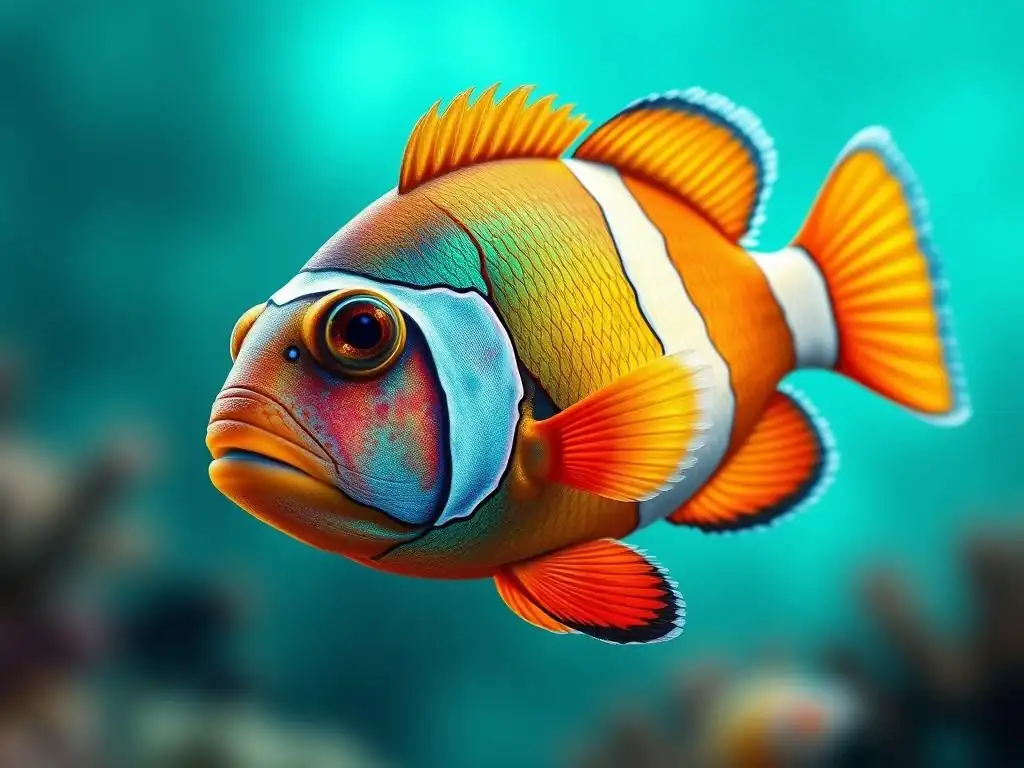
Wrasses, belonging to the expansive Labridae family, represent one of the most diverse and populous groups of marine fish, encompassing over 500 distinct species. These fascinating creatures are characterized by their often elongated bodies, thick, fleshy lips, and prominent caniform teeth adapted for a varied diet of invertebrates.
Many species exhibit striking sexual dimorphism, with males often displaying more vibrant coloration and elaborate finnage, particularly during breeding phases. Their scales are typically cycloid, giving them a smooth appearance, and their swimming motion is distinctive, primarily utilizing their pectoral fins for propulsion, giving them a graceful, almost "flying" movement through the water column.
Their natural habitats span across the globe, predominantly in the tropical and subtropical waters of the Atlantic, Indian, and Pacific Oceans. Wrasses are ubiquitous residents of coral reefs, rocky shorelines, and seagrass beds, where they find abundant food sources and shelter.
A remarkable characteristic of many wrasse species, crucial for successful wrasse care, is their nocturnal habit of burying themselves in the sand or finding crevices within rockwork to sleep, protecting them from nocturnal predators. This behavior highlights the importance of a suitable substrate for their well-being in an aquarium setting, directly influencing their long-term health and stress levels within the Wrasse care compatibility guide.
Why Choose a Wrasse for Your Saltwater Aquarium? The Allure and Benefits
The allure of adding a wrasse to a saltwater aquarium is multifaceted, stemming from their unparalleled beauty, engaging personalities, and often beneficial roles within the aquatic ecosystem. Their vibrant and diverse coloration is a primary draw, with species like the Fairy Wrasse (Cirrhilabrus spp.) boasting iridescent blues, reds, and yellows, while the intricate patterns of the Leopard Wrasse (Macropharyngodon spp.) add a touch of exotic elegance. Beyond their aesthetic appeal, wrasses are highly active swimmers, constantly exploring their environment, which adds dynamic movement and visual interest to any tank, making them a captivating focal point for aquarists.
Beyond their captivating appearance, many wrasse species offer significant practical benefits to the home aquarium, particularly within a reef tank setup. Several varieties are renowned for their natural pest control capabilities, preying on nuisance organisms such as various flatworms (e.g., Convolutriloba retrogemma) and pyramid snails, which can decimate clam populations.
For instance, the Six Line Wrasse ( Pseudocheilinus hexataenia) is a popular choice for its efficiency in eradicating these pests, often reducing the need for chemical treatments. This natural predation, coupled with their general hardiness once acclimated, makes them an invaluable addition for maintaining a balanced and healthy reef environment, contributing positively to the overall Wrasse care compatibility guide.
Frequently Asked Questions
What are the most important factors to consider when choosing a Wrasse for a community aquarium?
The most crucial factors are the size of your tank, the temperament of existing fish, and the specific dietary needs of the Wrasse you're considering.
What are some common mistakes people make when caring for Wrasses?
Overlooking the importance of a well-established sand bed for burrowing species and failing to provide an appropriate diet are common mistakes. Additionally, improper acclimation can lead to stress and disease.
How do I ensure my Wrasse is compatible with other fish in my aquarium?
Research the specific Wrasse species' temperament thoroughly. Avoid housing aggressive Wrasses with timid or slow-moving fish, and provide ample hiding places to reduce stress.
What water parameters are most critical for maintaining healthy Wrasses?
Maintaining stable water parameters is key. Pay close attention to salinity, pH, and temperature. Also, ensure proper filtration to remove excess nitrates.
Where can I find more detailed information on specific Wrasse species and their care requirements?
AquariumMastery.com offers species profiles with detailed information. These profiles include care guides, compatibility charts, and troubleshooting tips for various Wrasse species.
Final Reflection: Unveiling the Wrasse's World
The journey through the vibrant world of wrasses, as explored in this compendium, underscores the enduring allure of these reef inhabitants and the critical importance of responsible aquarium stewardship. Understanding their diverse species, intricate care requirements, and complex compatibility dynamics is not merely about keeping fish alive; it's about preserving the delicate balance of our simulated ecosystems and, by extension, appreciating the fragility of the natural world.
This exploration has profoundly shaped our understanding of the responsibility we bear as aquarists. The delicate dance of wrasse compatibility, the nuances of their dietary needs, and the intricacies of their social structures all highlight the profound connection between knowledge and ethical practice. In the end, we will conserve only what we love; we will love only what we understand; and we will understand only what we are taught.
- Baba Dioum. This quote resonates deeply, reminding us that informed care is the cornerstone of conservation, even within the confines of our aquariums.
Now, armed with this knowledge, I invite you to reflect on your own role in this intricate ecosystem. Consider how you can apply these insights to create a thriving, harmonious environment for your wrasses, and to advocate for responsible practices within the broader aquarium community. Let this compendium be more than just a guide; let it be a catalyst for deeper understanding, greater compassion, and ultimately, a more sustainable future for these magnificent creatures, both in our tanks and in the wild.
Dive Deeper: Unleash Your Wrasse Wisdom!
Thanks for exploring the vibrant world of wrasses with us! We hope you've gained valuable insights into these captivating fish and their unique care requirements. Now, it's time to put that knowledge into action!
Here are a few things you can do next:
- Carefully plan your wrasse selection: Consider your existing aquarium inhabitants and tank size to ensure a harmonious environment. This is the single most important step to wrasse success!
- Explore our other articles on reef tank ecosystems to deepen your understanding of optimal water parameters and symbiotic relationships.
- Share your newfound wrasse enthusiasm! Post a photo of your favorite wrasse species on social media using #AquariumMasteryWrasses and inspire others.
What’s one small change you can make this week to improve the habitat for your current or future wrasses?