
FOWLR Favorites: Top Butterflyfish Choices for FishOnly With Live Rock Setups

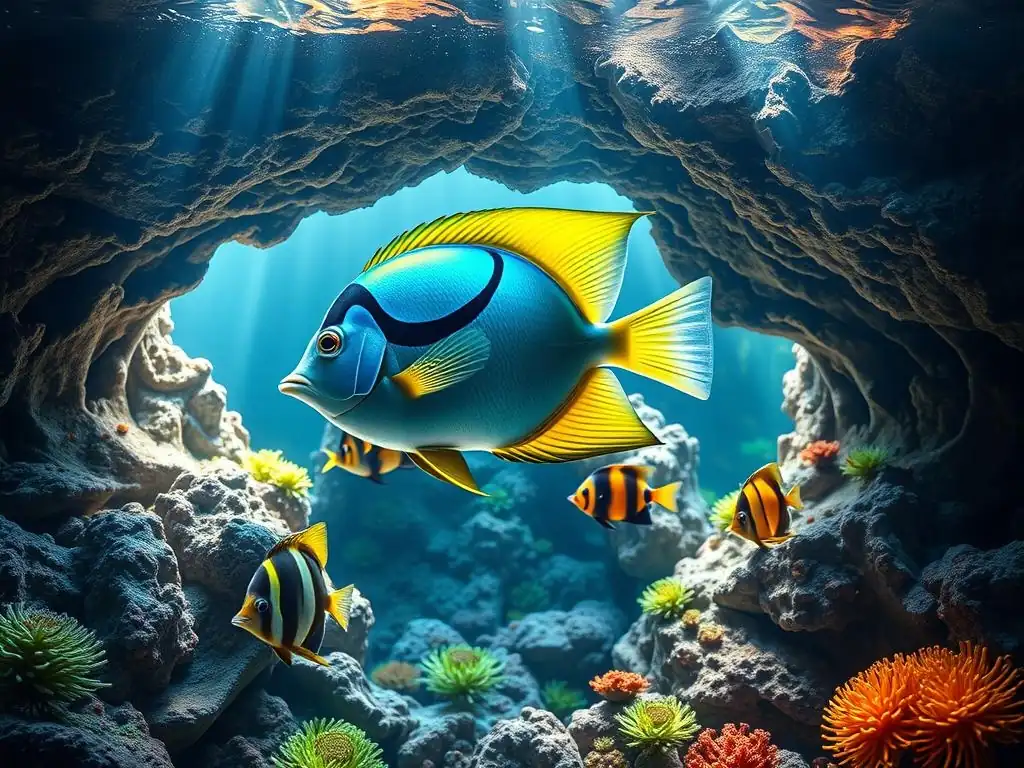
Welcome to Aquarium Mastery, your ultimate guide to unlocking the secrets of the underwater world!
Ever wondered if you could keep those stunning Butterflyfish you see in coral reefs in your own home aquarium? Dive in and discover our expert insights on thriving FishOnly With Live Rock (FOWLR) setups, specifically catered to housing these vibrant beauties. Get ready to explore the captivating possibilities and learn everything you need to know about Butterflyfish care within a FOWLR environment – it's more achievable than you think!
- Introduction to Butterflyfish in Fish-Only With Live Rock Aquariums (FOWLR)
- Key Considerations Before Adding Butterflyfish to Your FOWLR Tank
- Top Butterflyfish Species Suitable for FOWLR Aquariums
- Butterflyfish Care in FOWLR Tanks: Essential Tips
- Creating an Ideal FOWLR Environment for Butterflyfish
- Troubleshooting Common Issues with Butterflyfish in FOWLR Aquariums
- Conclusion: Enjoying Butterflyfish in Your FOWLR Aquarium
-
Frequently Asked Questions
- What are the key considerations when choosing butterflyfish for a FishOnly With Live Rock (FOWLR) aquarium?
- Why is live rock important in a FOWLR aquarium with butterflyfish?
- What are some of the most recommended butterflyfish species for a FOWLR setup?
- How often should I feed butterflyfish in a FOWLR aquarium?
- What are some common health issues to watch out for in butterflyfish kept in a FOWLR environment?
- Final Reflection: The Enduring Allure of Butterflyfish
- Unleash the Beauty: Transform Your FOWLR Tank Today!
Introduction to Butterflyfish in Fish-Only With Live Rock Aquariums (FOWLR)
Understanding FOWLR Tank Compatibility with Butterflyfish
Fish-Only With Live Rock (FOWLR) aquariums offer a unique environment that can be highly suitable for many butterflyfish species, provided their specific needs are met. Unlike reef tanks, FOWLR setups prioritize fish health and display over coral growth, allowing for a broader selection of fish, including those that might nip at corals. The presence of live rock, typically constituting 1 to 2 pounds per gallon, is crucial for natural biological filtration, providing ample surface area for beneficial bacteria to thrive. This stable biological foundation is paramount for maintaining the pristine water quality that delicate butterflyfish require.
However, not all butterflyfish are equally suited for FOWLR environments. Some species are highly specialized feeders, relying on live coral polyps as a primary food source in their natural habitat, making them challenging to sustain in captivity. Others can grow quite large or exhibit aggressive tendencies, requiring careful consideration of tank size and tank mates. Successful butterflyfish care in a FOWLR setup hinges on selecting species known for their adaptability to aquarium life, their willingness to accept prepared foods, and their general temperament, ensuring they can coexist peacefully within the community.
The Appeal of Butterflyfish for Saltwater Aquarium Enthusiasts
Butterflyfish are renowned for their striking beauty, characterized by vibrant colors, intricate patterns, and graceful swimming motions. Their distinctive compressed bodies and often elongated snouts make them instantly recognizable and highly desirable additions to saltwater aquariums. For many enthusiasts, the challenge of successfully keeping these "delicate beauties" is part of their allure, representing a significant achievement in advanced fishkeeping.
Beyond their aesthetic appeal, many butterflyfish species also exhibit interesting behaviors, such as sifting through live rock for small invertebrates or engaging in intricate courtship displays. The visual dynamism they bring to a FOWLR tank is unparalleled, transforming the aquarium into a living work of art. Their presence elevates the overall appeal of the setup, providing a focal point that captivates observers and showcases the aquarist's dedication to creating a thriving marine ecosystem.
Key Considerations Before Adding Butterflyfish to Your FOWLR Tank
Tank Size Requirements for Butterflyfish in FOWLR Setups
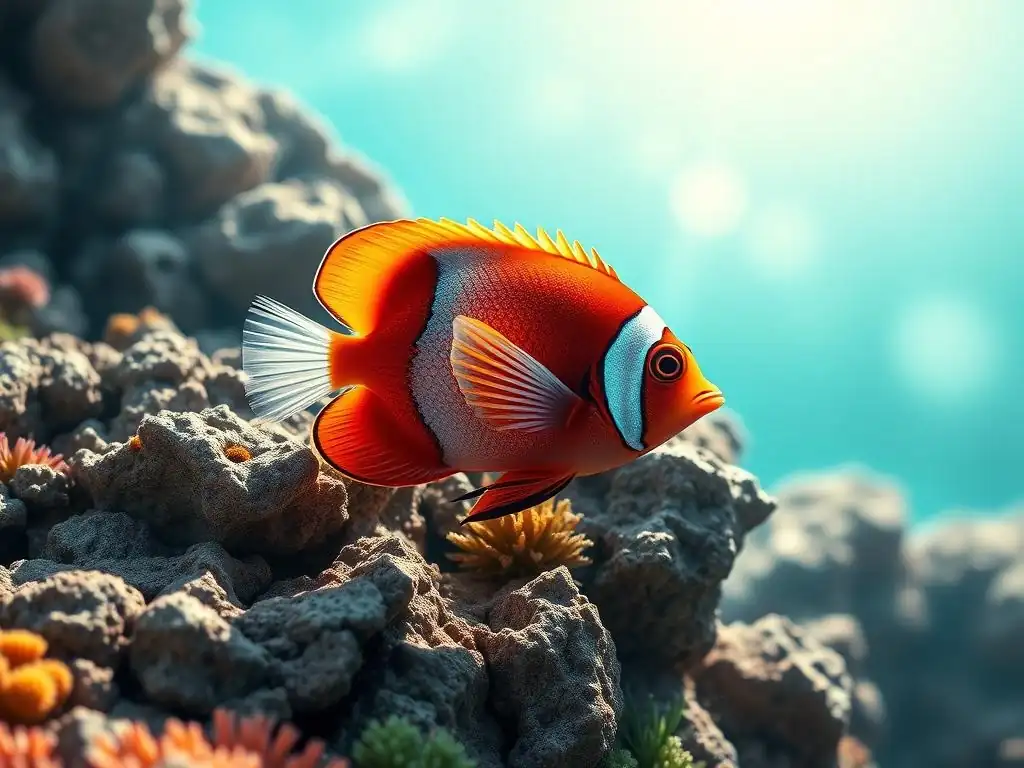
Providing adequate tank size is perhaps the most critical factor for successful butterflyfish care in a FOWLR setup. These fish, while often appearing small in local fish stores, can grow considerably and require ample swimming space to thrive and reduce stress. A general guideline suggests a minimum of 75 to 100 gallons for a single, medium-sized butterflyfish, with larger species or multiple individuals requiring tanks of 125 gallons or more. For example, a Copperband Butterflyfish (Chelmon rostratus) ideally needs at least a 75-gallon tank, while a larger Auriga Butterflyfish (Chaetodon auriga) benefits greatly from 125 gallons or more.
Insufficient tank size can lead to stunted growth, increased aggression among tank mates due to limited territory, and heightened susceptibility to disease. Overcrowding also places an undue burden on the biological filtration system, making it more challenging to maintain stable water parameters. Therefore, careful planning of tank dimensions, considering both horizontal swimming space and vertical depth, is essential to ensure the long-term health and well-being of your butterflyfish.
Water Quality Parameters for Butterflyfish in Fish-Only Tanks
Maintaining impeccable water quality is non-negotiable for butterflyfish in a FOWLR environment, as they are particularly sensitive to fluctuations and pollutants. The ideal parameters closely mirror those of a natural coral reef: specific gravity between 1.020 and 1.025, temperature consistently between 74-78°F (23-26°C), and a pH level ranging from 8.1 to 8.4. Ammonia and nitrite levels must always be undetectable (0 ppm), and nitrates should be kept as low as possible, ideally below 10-20 ppm, through regular water changes and efficient filtration.
Regular testing, at least weekly, is crucial to monitor these parameters and detect any deviations promptly. A well-cycled FOWLR tank with mature live rock provides a robust biological filter, but supplemental filtration like protein skimmers are highly recommended to remove organic waste before it breaks down into harmful compounds. Consistent water changes, typically 10-20% bi-weekly, using high-quality reverse osmosis/deionized (RO/DI) water mixed with a good marine salt mix, are vital for replenishing essential elements and diluting accumulated pollutants, ensuring a stable and healthy environment for your butterflyfish.
Butterflyfish Diet and Feeding Habits in a FOWLR Environment
The dietary needs of butterflyfish vary significantly by species, but a common challenge in FOWLR setups is transitioning them from their natural diet of small invertebrates, worms, and sometimes coral polyps to prepared aquarium foods. Many butterflyfish are micro-predators, constantly grazing on live rock for tiny organisms. Therefore, a FOWLR tank with established live rock can offer some supplemental natural food sources, but it is rarely sufficient.
A diverse and nutrient-rich diet is essential for long-term health and vibrant coloration. This typically includes a variety of high-quality frozen foods such as Mysis shrimp, brine shrimp (often enriched), finely chopped clam, squid, and spirulina-based flakes or pellets designed for marine fish.
Some species, like the Copperband Butterflyfish, are known for their appetite for nuisance pests like Aiptasia anemones, which can be a beneficial side effect. Multiple small feedings throughout the day (2-3 times) are often more beneficial than one large feeding, as this mimics their natural grazing behavior and reduces the amount of uneaten food polluting the water.
Compatibility with Other Fish Species in a FOWLR Community
Careful consideration of tank mates is paramount when adding butterflyfish to a FOWLR community, as their temperament ranges from peaceful to semi-aggressive, and some can be bullied by overly boisterous species. Generally, peaceful to moderately aggressive fish that are not known for fin-nipping are suitable companions. Good choices often include tangs (if tank size permits), certain angelfish, blennies, gobies, and some wrasses.
Avoid highly aggressive species like triggerfish or large puffers, which can intimidate or even attack butterflyfish. Similarly, exercise caution with very active or boisterous species that might outcompete the sometimes slow-feeding butterflyfish for food. Observing the behavior of existing tank inhabitants and introducing new fish cautiously, perhaps with a quarantine period, helps ensure a harmonious FOWLR environment where your butterflyfish can thrive without undue stress or aggression.
Top Butterflyfish Species Suitable for FOWLR Aquariums
The Copperband Butterflyfish (Chelmon rostratus): A FOWLR Star
The Copperband Butterflyfish, instantly recognizable by its distinctive copper-colored vertical bands and elongated snout, is a highly sought-after species for FOWLR aquariums. Originating from the Indo-Pacific, they typically reach 6-8 inches in length and are prized not only for their beauty but also for their natural inclination to feed on pest anemones like Aiptasia, making them a functional as well as aesthetic addition. Their peaceful demeanor makes them suitable for many community FOWLR setups, although they can be shy initially.
Despite their popularity, Copperbands can be challenging to acclimate to captivity, often refusing prepared foods at first. Success relies heavily on providing a calm, stable environment and offering a varied diet. Once established, they are quite hardy, provided water quality remains excellent. Their unique feeding method, using their long snout to probe crevices, means they benefit from live rock with plenty of hiding spots and foraging opportunities.
Copperband Butterflyfish Care Tips for FOWLR Tanks
Successful Copperband Butterflyfish care in FOWLR tanks hinges on several key practices. Firstly, a mature tank of at least 75 gallons is recommended, providing ample space and stable biological filtration. Water parameters must be kept pristine, with stable salinity (1.020-1.025), temperature (74-78°F), and undetectable ammonia/nitrite. Regular partial water changes (10-15% weekly or bi-weekly) are crucial for maintaining water quality and replenishing trace elements.
Secondly, diet is paramount. Copperbands are often finicky eaters. Offer a variety of live foods initially, such as blackworms or small live brine shrimp, to entice them to eat. Gradually introduce high-quality frozen foods like Mysis shrimp, enriched brine shrimp, finely chopped clam, or squid. It's often beneficial to soak frozen foods in a vitamin supplement. Providing plenty of live rock allows them to graze on microfauna between feedings, mimicking their natural behavior. Patience is key during the acclimation period, which can sometimes take several weeks.
Copperband Butterflyfish Feeding Strategies in a Fish-Only Environment
Feeding Copperband Butterflyfish in a FOWLR setup often requires persistence and creativity. Their natural diet in the wild consists of small worms, crustaceans, and polyps, which they meticulously extract from rockwork. In an aquarium, they may ignore flake or pellet foods entirely, necessitating a focus on frozen and potentially live options. Start by offering frozen Mysis shrimp, as this is often accepted by many marine fish and is highly nutritious.
If initial attempts fail, try soaking frozen foods in garlic extract or a liquid vitamin supplement, which can enhance palatability. Offering small amounts multiple times a day is more effective than one large feeding, as they are natural grazers. Some aquarists have success by placing food directly into crevices of the live rock, encouraging their natural foraging instincts. Introducing live blackworms or small live brine shrimp can also stimulate a feeding response, after which they may transition to frozen alternatives.
The Klein's Butterflyfish (Chaetodon kleinii): A Peaceful Choice
The Klein's Butterflyfish, with its striking yellow body, white face, and dark posterior band, is one of the hardier and more peaceful butterflyfish species, making it an excellent choice for beginner to intermediate FOWLR aquarists. Hailing from the Indo-Pacific, they typically grow to about 5-6 inches and are known for their relatively adaptable nature to aquarium life. Unlike some of their more delicate relatives, Klein's Butterflyfish are generally more willing to accept prepared foods and are less prone to stress-related issues, provided their environment is stable.
Their calm temperament makes them suitable for a wide range of community FOWLR tanks, as they are rarely aggressive towards other fish. They are also known to graze on algae and some nuisance anemones, though not as effectively as the Copperband. Their resilience and beautiful coloration make them a popular and rewarding addition, offering a less challenging entry point into butterflyfish care for those new to the genus.
Klein's Butterflyfish Compatibility in FOWLR Communities
Klein's Butterflyfish are celebrated for their generally peaceful disposition, making them highly compatible with a variety of tank mates in a FOWLR community. They rarely display aggression towards other fish and typically ignore most invertebrates, though caution should be exercised with very small, delicate ornamental shrimp. Ideal tank mates include other peaceful to semi-aggressive species such as most tangs, angelfish (excluding very large, boisterous ones), blennies, gobies, and many wrasses.
It's advisable to avoid housing them with highly aggressive fish like triggerfish or large puffers, which could intimidate or harm them. While they can be kept singly, they can also thrive in pairs or small groups in very large FOWLR aquariums (200+ gallons) if introduced simultaneously and provided with ample space and hiding spots to establish territories. Their calm nature ensures they won't outcompete slower eaters but also means they can be outcompeted by very fast, aggressive feeders, so monitoring feeding is important.
Klein's Butterflyfish Diet and Nutritional Needs in Captivity
Klein's Butterflyfish are omnivores with a good appetite, making their dietary needs relatively straightforward compared to some other butterflyfish. In the wild, they consume a mix of algae, small invertebrates, and coral polyps. In a FOWLR tank, a varied diet is crucial for their long-term health and vibrant coloration. They readily accept a range of high-quality frozen foods, including Mysis shrimp, brine shrimp (enriched), finely chopped seafood such as clam or squid, and various marine formulations.
Supplementing their diet with spirulina-based flakes or pellets is also beneficial, as they do graze on algae. Multiple small feedings throughout the day (2-3 times) are recommended to mimic their natural grazing behavior and ensure all individuals get enough food. While they are more adaptable, ensuring a diverse diet prevents nutritional deficiencies and helps maintain their immune system, contributing to their overall resilience in the FOWLR environment.
The Yellow Longnose Butterflyfish (Forcipiger flavissimus): Hardy and Beautiful
The Yellow Longnose Butterflyfish is instantly recognizable by its striking bright yellow body and remarkably elongated, forceps-like snout. Originating from the Indo-Pacific, this species typically reaches 6-8 inches in length and is considered one of the hardier and more adaptable butterflyfish for FOWLR aquariums. Their distinctive snout is used to probe crevices and pick off small invertebrates and worms, showcasing their unique feeding strategy.
Unlike some other butterflyfish, the Yellow Longnose is generally quite robust once acclimated and is less prone to common aquarium diseases, making them a popular choice for aquarists seeking a more resilient butterflyfish. They are active swimmers and add a vibrant splash of color and graceful movement to any FOWLR setup. While generally peaceful, they can sometimes be territorial towards similar-looking fish or other butterflyfish in smaller tanks.
Yellow Longnose Butterflyfish Acclimation to FOWLR Conditions
Acclimating a Yellow Longnose Butterflyfish to FOWLR conditions is a critical step for its long-term success. While generally hardy, the stress of capture and transport can make them vulnerable. A slow, drip acclimation process over an hour or more is highly recommended to gradually equalize water parameters (temperature, pH, salinity) between the transport bag and the display tank. This minimizes shock to their delicate systems.
Upon introduction, providing a dimly lit tank and plenty of hiding spots within the live rock can help reduce initial stress and encourage them to explore their new environment. Monitoring their behavior closely for the first few days is essential to ensure they are settling in, showing interest in food, and not being harassed by existing tank mates. A quarantine tank is always advisable for new arrivals to observe for diseases and ensure they are eating well before introduction to the main FOWLR system.
Yellow Longnose Butterflyfish Disease Resistance in Fish-Only Tanks
The Yellow Longnose Butterflyfish is known for its relatively good disease resistance compared to many other butterflyfish species, making it a more forgiving choice for FOWLR aquarists. This resilience is partly due to their active nature and generally robust constitution when kept in optimal conditions. However, "resistance" does not mean "immunity," and they can still succumb to common marine ailments like Ich (Cryptocaryon irritans) or Marine Velvet (Amyloodinium ocellatum) if stressed or exposed to poor water quality.
Maintaining pristine water parameters, providing a varied and nutritious diet, and ensuring a stable, low-stress environment are the best preventative measures against disease. A well-designed FOWLR setup with efficient filtration and regular maintenance significantly reduces the pathogen load. If disease does occur, their hardiness often means they respond better to treatment than more delicate species, but early detection and intervention are still crucial for successful recovery.
The Auriga Butterflyfish (Chaetodon auriga): A Striking Addition
The Auriga Butterflyfish, often called the Threadfin Butterflyfish due to its elongated dorsal fin ray, is a captivating species with a distinctive black diagonal band across its eye and a prominent black spot on its dorsal fin, resembling an 'eye spot'. Reaching up to 8 inches in length, this Indo-Pacific native is an active and graceful swimmer, making it a visually stunning addition to larger FOWLR aquariums. They are generally considered moderately hardy for butterflyfish, provided their specific needs are met.
While beautiful, the Auriga Butterflyfish can be somewhat challenging to feed initially, as they primarily graze on live rock in the wild, consuming algae, small invertebrates, and some coral polyps. They also require ample swimming space due to their potential size and active nature. Their striking appearance and elegant movements make them a highly rewarding species for experienced FOWLR enthusiasts willing to provide the necessary care and environment.
Auriga Butterflyfish Tank Mates in a FOWLR Setting
When selecting tank mates for the Auriga Butterflyfish in a FOWLR setting, prioritize species that are generally peaceful but can hold their own, as Aurigas can sometimes be territorial, especially towards other butterflyfish or fish of similar shape and size. Good companions include most tangs (if tank size allows for sufficient swimming space), larger angelfish, blennies, and certain wrasses. Avoid very aggressive species that might bully them, as well as extremely shy or slow-feeding fish that could be outcompeted.
Aurigas are active grazers, and while they are not typically aggressive feeders towards tank mates, ensure they are getting enough food, especially if housed with very fast-eating species. They are generally considered reef-nippers, so they are best suited for FOWLR tanks where the absence of corals eliminates this concern. Providing ample live rock with plenty of caves and crevices offers them both foraging opportunities and retreat spots, which can help mitigate any potential territorial disputes.
Auriga Butterflyfish Specific Care Requirements
The Auriga Butterflyfish, while moderately hardy, has specific care requirements that must be met for its long-term health in a FOWLR aquarium. A minimum tank size of 125 gallons is highly recommended for a single specimen, as they are active swimmers and can reach a substantial size. Pristine water quality is essential, with stable parameters: salinity 1.020-1.025, temperature 74-78°F, and negligible ammonia/nitrite/nitrate. Regular large water changes are crucial.
Diet is another key aspect. Aurigas are omnivores and should be offered a varied diet of high-quality frozen foods such as Mysis shrimp, enriched brine shrimp, finely chopped clam or squid, and spirulina-based flakes or pellets. They also benefit from grazing on live rock, so a well-established FOWLR tank with mature rockwork is ideal. Multiple small feedings throughout the day will encourage continuous grazing, mimicking their natural feeding behavior and ensuring they receive adequate nutrition.
Butterflyfish Care in FOWLR Tanks: Essential Tips
Maintaining Optimal Water Chemistry for Butterflyfish Health
Maintaining optimal water chemistry is the cornerstone of successful butterflyfish care in FOWLR tanks, directly impacting their health, coloration, and longevity. Consistent specific gravity (1.020-1.025), stable temperature (74-78°F), and a pH range of 8.1-8.4 are critical. Fluctuations in these parameters are highly stressful and can weaken their immune systems, making them susceptible to disease. Regular testing using reliable kits, at least once a week, is non-negotiable to monitor these levels.
Beyond the basics, undetectable levels of ammonia and nitrite are paramount, as butterflyfish are particularly sensitive to these toxic compounds. Nitrates should be kept below 10-20 ppm through efficient biological filtration provided by ample live rock, coupled with robust mechanical and chemical filtration (e.g., protein skimmers, activated carbon). Performing regular partial water changes—typically 10-20% every one to two weeks—using high-quality RO/DI water mixed with a premium marine salt ensures the replenishment of essential trace elements and the dilution of accumulated pollutants, creating a consistently healthy environment.
Providing a Varied Diet for Butterflyfish in Captivity
A varied and nutritious diet is absolutely vital for the long-term health and vibrant appearance of butterflyfish in FOWLR setups. While some species are more adaptable than others, relying on a single type of food will inevitably lead to nutritional deficiencies. The goal is to mimic their natural diverse foraging habits as much as possible. This means offering a rotation of high-quality frozen foods such as Mysis shrimp, enriched brine shrimp, finely chopped clam, squid, and various marine formulations.
Many butterflyfish also benefit from spirulina-based foods, whether in flake or pellet form, as some species naturally graze on algae. For finicky eaters, soaking foods in vitamin supplements (e.g., Selcon) or garlic extract can often entice them to feed. Feeding small amounts multiple times a day (2-4 times) is generally more effective than one large feeding, as it supports their natural grazing behavior and reduces the amount of uneaten food that can degrade water quality.
Preventing and Treating Common Butterflyfish Diseases
Preventing common butterflyfish diseases in FOWLR tanks primarily revolves around maintaining a stable, low-stress environment and impeccable water quality. Butterflyfish, due to their delicate nature, are often among the first fish to show signs of stress or illness when conditions are suboptimal. Quarantining all new fish for at least 4-6 weeks in a separate tank is the most effective preventative measure, allowing for observation, deworming, and treatment of any existing parasites or infections before they are introduced to the main display.
Common ailments include Ich (Cryptocaryon irritans), Marine Velvet (Amyloodinium ocellatum), and bacterial infections. Symptoms like white spots, rapid breathing, clamped fins, or refusal to eat should prompt immediate action. Treatment options vary, but often involve transferring the affected fish to a hospital tank for medication (e.g., copper-based treatments for parasites) to avoid harming beneficial bacteria in the FOWLR system. Maintaining a stable environment, providing a nutritious diet, and minimizing aggression among tank mates are crucial for building strong immune systems that can ward off pathogens.
Ensuring Proper Acclimation for New Butterflyfish
Proper acclimation is a critical, yet often overlooked, step in successfully introducing new butterflyfish to a FOWLR aquarium. The stress of capture, transport, and sudden changes in water parameters can severely compromise a fish's immune system. A slow, methodical drip acclimation process is highly recommended. This involves slowly adding water from the display tank to the bag or bucket containing the new fish over a period of at least 60-90 minutes, allowing for a gradual equalization of temperature, pH, and salinity.
Once acclimated, carefully net the fish (avoiding pouring the transport water into your tank) and release it into a dimly lit aquarium. Providing plenty of hiding spots within the live rock will help reduce initial stress and allow the butterflyfish to feel secure. Observe the new addition closely for the first few days for signs of stress, disease, or aggression from existing tank mates. A quarantine tank, as mentioned, is the ideal environment for this initial period, reducing the risk of introducing pathogens to your established FOWLR system.
Creating an Ideal FOWLR Environment for Butterflyfish
Rockwork Design and Placement for Butterflyfish
The design and placement of live rock are crucial for creating an ideal FOWLR environment for butterflyfish. Live rock not only provides essential biological filtration but also offers critical shelter, foraging opportunities, and visual barriers that reduce stress and aggression. Aim for a rock-to-water ratio of approximately 1 to 1.5 pounds of live rock per gallon of tank volume. This provides ample surface area for beneficial bacteria and creates a complex habitat.
When aquascaping, focus on creating numerous caves, overhangs, and crevices that butterflyfish can explore or retreat into when feeling threatened. Ensure there are open swimming areas, as many butterflyfish are active swimmers. Securely stack rocks to prevent collapses, which can injure fish or damage the tank. The varied topography of well-designed rockwork mimics their natural reef environment, encouraging natural behaviors like probing for food and establishing territories.
Lighting Considerations for Butterflyfish in Fish-Only Setups
Lighting for butterflyfish in Fish-Only With Live Rock (FOWLR) setups is less critical than for reef tanks that house corals, but it still plays an important role in fish health and aesthetic appeal. Moderate lighting is generally sufficient. Excessive brightness can stress some butterflyfish species, particularly those that are naturally shy or accustomed to deeper waters. A light cycle that mimics natural day and night (e.g., 10-12 hours of light, 12-14 hours of darkness) is beneficial for establishing a natural circadian rhythm.
LED lights are an excellent choice for FOWLR tanks as they offer controllability over intensity and spectrum, are energy-efficient, and produce minimal heat. While broad-spectrum white light is suitable, adding some actinic (blue) light can enhance the vibrant colors of butterflyfish and create a pleasing visual effect. Avoid sudden changes in light intensity, opting for fixtures with dimming capabilities or using a timer to gradually ramp up and down the light over an hour or so, which is less jarring for the fish.
Filtration and Water Circulation for Butterflyfish Well-being
Robust filtration and adequate water circulation are paramount for the well-being of butterflyfish in FOWLR aquariums. The live rock itself forms the backbone of the biological filtration, converting ammonia and nitrite into less harmful nitrate. However, supplemental filtration is essential. A high-quality protein skimmer is highly recommended, as it efficiently removes organic waste before it can break down and pollute the water, significantly reducing the bioload and maintaining crystal-clear water.
Mechanical filtration, such as filter socks or sponges, helps remove particulate matter, but these must be cleaned or replaced frequently (daily or every few days) to prevent them from becoming nitrate factories. Chemical filtration, like activated carbon or specialized resins, can remove dissolved organic compounds and improve water clarity. Adequate water circulation, provided by powerheads or wavemakers, prevents dead spots where detritus can accumulate and ensures oxygen-rich water reaches all areas of the tank, promoting overall fish health and supporting the biological filter.
Troubleshooting Common Issues with Butterflyfish in FOWLR Aquariums
Addressing Fin Nipping and Aggression
Fin nipping and aggression can sometimes be observed with butterflyfish in FOWLR aquariums, although many species are generally peaceful. If a butterflyfish is exhibiting fin nipping, it's often directed at other butterflyfish or fish with long, flowing fins. This behavior can stem from insufficient tank size, which leads to territorial disputes, or from incompatible tank mates. A minimum of 75-125 gallons is usually required for a single butterflyfish, with larger tanks needed for multiple individuals or highly active species.
To mitigate aggression, ensure there are ample hiding spots and visual barriers within the live rock aquascape, allowing fish to retreat and establish territories. Carefully research the compatibility of all tank inhabitants before introduction. If persistent aggression occurs, consider relocating the aggressor or the victim to a separate tank. Sometimes, introducing new fish simultaneously or adding them last can help reduce territoriality. Observing feeding habits is also key, as competition for food can sometimes manifest as aggression.
Managing Parasites and Infections
Managing parasites and infections in butterflyfish within FOWLR aquariums requires a proactive approach due to their delicate nature. The most common external parasites are Ich (Cryptocaryon irritans) and Marine Velvet (Amyloodinium ocellatum). Symptoms include white spots, rapid breathing, scratching against rocks, and lethargy. Bacterial infections may manifest as fin rot, cloudy eyes, or ulcers. The primary preventative measure is a strict quarantine protocol for all new fish for at least 4-6 weeks, allowing for observation and treatment in isolation.
If an infection occurs in the main FOWLR tank, the choice of treatment is crucial, as many medications can harm the beneficial bacteria in the live rock. Often, the best course of action is to move the affected butterflyfish to a separate hospital tank for treatment with appropriate medications (e.g., copper-based treatments for parasites, or antibiotics for bacterial infections). Maintaining pristine water quality, providing a nutritious diet, and minimizing stress are essential supportive measures for recovery and building the fish's natural immunity.
Overcoming Feeding Challenges
Overcoming feeding challenges is a common hurdle with many butterflyfish species in FOWLR aquariums, particularly with wild-caught specimens or those known for specialized diets. Many butterflyfish are naturally grazers or micro-predators, accustomed to foraging for tiny organisms on live rock, and may initially refuse prepared aquarium foods. The key is patience and persistence.
Start by offering a variety of high-quality frozen foods known to entice marine fish, such as Mysis shrimp, enriched brine shrimp, or finely chopped clam. Soaking foods in appetite stimulants like garlic extract or vitamin supplements (e.g., Selcon) can significantly increase their palatability. Offering small amounts of food multiple times throughout the day mimics their natural grazing behavior and increases the chances they will accept it.
In some cases, introducing live foods like blackworms or small live brine shrimp can stimulate a feeding response, after which a gradual transition to frozen foods can be attempted. Ensuring a calm, low-stress environment also encourages feeding.
Conclusion: Enjoying Butterflyfish in Your FOWLR Aquarium
The Rewards of Successful Butterflyfish Keeping
Successfully keeping butterflyfish in a Fish-Only With Live Rock (FOWLR) aquarium is an incredibly rewarding experience for any marine aquarist. These "delicate beauties" bring unparalleled elegance, vibrant coloration, and engaging behaviors to the home aquarium, transforming it into a dynamic and captivating underwater world. The satisfaction derived from seeing these fish thrive, actively swimming, foraging, and displaying their natural patterns, is immense. It signifies a mastery of water chemistry, diet, and environmental stability—core tenets of advanced marine fishkeeping.
Beyond their aesthetic appeal, many butterflyfish offer functional benefits, such as grazing on nuisance algae or pest anemones, further enhancing the FOWLR ecosystem. Their longevity in a well-maintained setup, often spanning several years, allows aquarists to form a deeper connection with these intelligent and beautiful creatures. The journey of understanding and meeting their specific needs fosters a greater appreciation for the intricacies of marine life and the art of maintaining a thriving saltwater environment.
Further Resources for Butterflyfish Care and Information
For aquarists dedicated to providing the best possible care for their butterflyfish in FOWLR setups, continuous learning and access to reliable information are invaluable. Reputable online forums and communities dedicated to marine fishkeeping offer a wealth of shared experiences and troubleshooting advice from fellow enthusiasts. Websites specializing in marine fish profiles and care guides, such as AquariumMastery.com, provide detailed insights into specific species' requirements, dietary needs, and compatibility.
Books on marine aquarium husbandry, particularly those focusing on fish identification and care, serve as comprehensive references. Additionally, consulting with experienced local fish store professionals who specialize in saltwater fish can provide personalized advice and access to quality livestock and supplies. Staying updated on the latest advancements in filtration technology, nutrition, and disease prevention will further enhance your ability to maintain a pristine FOWLR environment, ensuring the long-term health and enjoyment of your butterflyfish.
Frequently Asked Questions
What are the key considerations when choosing butterflyfish for a FishOnly With Live Rock (FOWLR) aquarium?
Choosing the right butterflyfish for a FOWLR tank hinges on their compatibility with other fish and their tendency to nip at corals. Consider their dietary needs as well.
Why is live rock important in a FOWLR aquarium with butterflyfish?
Live rock provides biological filtration, which is crucial for maintaining water quality. It also offers natural grazing opportunities for some butterflyfish and adds to the aesthetic appeal of the tank.
What are some of the most recommended butterflyfish species for a FOWLR setup?
Some suitable options include the Yellow Longnose Butterflyfish and the Copperband Butterflyfish, but careful research on their specific needs is essential. Remember to consider their potential to nip at invertebrates.
How often should I feed butterflyfish in a FOWLR aquarium?
Butterflyfish generally require multiple feedings per day with a varied diet. Provide both frozen and prepared foods to ensure they receive adequate nutrition and stay healthy in your FOWLR tank.
What are some common health issues to watch out for in butterflyfish kept in a FOWLR environment?
Be vigilant for signs of parasitic infections like Ich and bacterial diseases. Maintaining stable water parameters and providing a stress-free environment are key to preventing health problems in your butterflyfish.
Final Reflection: The Enduring Allure of Butterflyfish
The delicate balance of beauty and responsibility highlighted throughout this article underscores the ever-present challenge of ethical aquarium keeping. As we've explored the nuances of Butterflyfish care within FOWLR setups, it's clear that informed decisions are paramount to ensuring the well-being of these captivating creatures. The popularity of these fish demands a deeper understanding of their needs, moving beyond mere aesthetics to prioritize their long-term health and happiness.
This journey into the world of Butterflyfish has not only illuminated the practical aspects of their care but also revealed the profound connection we can forge with the natural world. Witnessing the vibrant colors and intricate behaviors of these fish firsthand reinforces the importance of conservation and responsible stewardship of our planet's resources. In the end, we will conserve only what we love; we will love only what we understand; and we will understand only what we are taught.
- Baba Dioum. This quote resonates deeply, reminding us that education and understanding are the cornerstones of meaningful conservation efforts.
Now, as you consider adding a Butterflyfish to your FOWLR aquarium, I urge you to reflect on the commitment you are making. Embrace the responsibility that comes with caring for these magnificent creatures. Let your aquarium be not just a display of beauty, but a testament to your dedication to responsible aquarium keeping and a beacon of hope for the future of these incredible fish.
Unleash the Beauty: Transform Your FOWLR Tank Today!
Thank you for diving into the captivating world of Butterflyfish and FOWLR setups! We hope you've discovered some inspiring options to elevate your aquarium's beauty. Now, let's turn that knowledge into action:
- Boldly select and introduce one of the recommended Butterflyfish species to your established FOWLR tank, carefully following acclimation procedures and closely monitoring their initial behavior.
- Explore compatible tankmates by researching fish with similar temperaments and dietary needs, adding depth and vibrancy to your aquarium community.
- Share your newfound knowledge! Engage with other aquarists on forums or social media, showcasing your FOWLR setup and the captivating Butterflyfish you've chosen.
What unique rockwork arrangement will you use to create a haven for your Butterflyfish, and how will it enhance the overall aesthetic of your FOWLR aquarium?