
The Alluring Challenge: Are You Truly Prepared for Butterflyfish Keeping?

Welcome to Aquarium Mastery!
Curious about the captivating world of saltwater aquariums? Then you've come to the right place! Ever been mesmerized by the vibrant beauty of Butterflyfish and wondered if you have what it takes to keep them thriving? The Alluring Challenge: Are You Truly Prepared for Butterflyfish Keeping? delves into the unique needs and potential hurdles of these stunning fish. Dive in and discover if you're ready to embark on this rewarding, yet demanding, aquatic adventure. Explore our comprehensive guide and unlock the secrets to successfully keeping these delicate beauties!
- Understanding the Butterflyfish Keeping Difficulty Level: A Deep Dive
- Butterflyfish Species and Their Specific Needs
- Essential Aquarium Setup for Butterflyfish Success
- Butterflyfish Diet and Feeding Habits: Meeting Their Nutritional Needs
- Common Butterflyfish Diseases and Prevention
- Butterflyfish Compatibility: Choosing the Right Tank Mates
- The Long-Term Commitment of Butterflyfish Keeping
- Is Butterflyfish Keeping Right for You? A Self-Assessment
-
Frequently Asked Questions
- What makes butterflyfish keeping generally considered challenging?
- What are some key water parameters that are critical for butterflyfish health?
- Do all butterflyfish species require the same level of care and experience?
- What are some common dietary challenges associated with butterflyfish?
- Are butterflyfish compatible with all types of aquarium setups?
- Final Reflection: Embracing the Butterflyfish's Delicate Dance
- Dive Deeper: Begin Your Butterflyfish Journey!
Understanding the Butterflyfish Keeping Difficulty Level: A Deep Dive
Assessing Your Aquarium Experience Before Butterflyfish
Before considering the vibrant world of Butterflyfish, a thorough assessment of your existing aquarium experience is paramount. These exquisite marine creatures are unequivocally not suited for novice aquarists. A solid foundation in saltwater aquarium husbandry, typically spanning at least 2-3 years of consistent success with less demanding marine species, is highly recommended. This includes a proven track record of maintaining stable water parameters, recognizing early signs of disease, and confidently executing routine maintenance tasks.
The advanced skills required extend beyond basic water changes. Prospective Butterflyfish keepers must demonstrate proficiency in precise water chemistry testing, such as consistently maintaining salinity within a narrow range of 1.023-1.025 specific gravity, keeping nitrates below 10 ppm, and understanding the nuances of alkalinity and calcium. The ability to troubleshoot minor issues proactively, such as subtle shifts in pH or the onset of common parasitic infections, without causing undue stress to the inhabitants, is a non-negotiable prerequisite, directly impacting the success rate and overall Butterflyfish keeping difficulty level.
The Reality of Butterflyfish Care: Beyond the Beauty
The captivating beauty of Butterflyfish often belies the significant challenges associated with their long-term care in a captive environment. Many species are wild-caught, making them inherently more susceptible to stress-related diseases and difficult to acclimate to aquarium life and prepared foods. The initial mortality rate for inexperienced keepers attempting to house these delicate fish can be alarmingly high, sometimes exceeding 50% within the first few weeks due to stress, malnutrition, or opportunistic infections.
Beyond their initial acclimation, the ongoing commitment to Butterflyfish care is substantial. It demands daily, meticulous observation for any changes in behavior, appetite, or physical appearance, which can be subtle indicators of impending health issues. Specialized feeding routines, often involving multiple small meals throughout the day, are frequently necessary. Proactive water quality management, including rigorous weekly water changes of 10-20% and consistent maintenance of robust filtration systems, consumes a significant amount of time and attention, underscoring the true Butterflyfish keeping difficulty level.
Butterflyfish Species and Their Specific Needs
Butterflyfish Species Difficulty Comparison: Copperband vs. Pyramid
The inherent Butterflyfish keeping difficulty level varies considerably between species, making careful selection crucial. The Copperband Butterflyfish ( Chelmon rostratus), for instance, is widely regarded as one of the most challenging species to keep, primarily due to its highly specialized natural diet of Aiptasia anemones and other small invertebrates. Many Copperbands refuse prepared foods in captivity, leading to starvation, and they are notoriously susceptible to parasitic infections like marine ich ( Cryptocaryon irritans) when stressed. Their success rate in home aquariums is often low without highly experienced care.
In contrast, species like the Pyramid Butterflyfish ( Hemitaurichthys polylepis) or the Yellow Longnose Butterflyfish ( Forcipiger flavissimus) are generally considered more approachable, though still not for beginners. Pyramid Butterflyfish are planktivores in the wild, making them more adaptable to a varied diet of frozen mysis shrimp, brine shrimp, and high-quality pellets in the aquarium. While still requiring pristine water conditions and a stable environment, their willingness to accept prepared foods significantly reduces the dietary challenges, thereby lowering their individual Butterflyfish keeping difficulty level compared to their corallivorous relatives.
Specialized Care Requirements: Understanding Each Butterflyfish Type
Understanding the specific ecological niche and dietary preferences of different Butterflyfish types is fundamental to their successful keeping. Corallivorous species, such as the Ornate Butterflyfish ( Chaetodon ornatissimus) or the Raccoon Butterflyfish ( Chaetodon lunula), primarily feed on coral polyps in their natural habitat. Replicating this diet in a home aquarium is exceptionally difficult, often requiring a dedicated coral feeding station or the continuous supply of live coral fragments, which is unsustainable for most hobbyists. Their long-term survival in conventional reef tanks is often limited due to nutritional deficiencies.
Beyond diet, environmental needs also diverge. Some species, like the Saddleback Butterflyfish ( Chaetodon ephippium), prefer spacious tanks with strong currents to mimic their open-water environments, while others, such as the Threadfin Butterflyfish ( Chaetodon auriga), might appreciate more rockwork for hiding. Temperature stability is universally critical, with most species thriving in a narrow range of 74-79°F (23-26°C), but even slight fluctuations can induce stress. Each species' unique requirements contribute to the overall Butterflyfish keeping difficulty level and necessitate thorough research before acquisition.
Essential Aquarium Setup for Butterflyfish Success
Tank Size Requirements for Different Butterflyfish Species
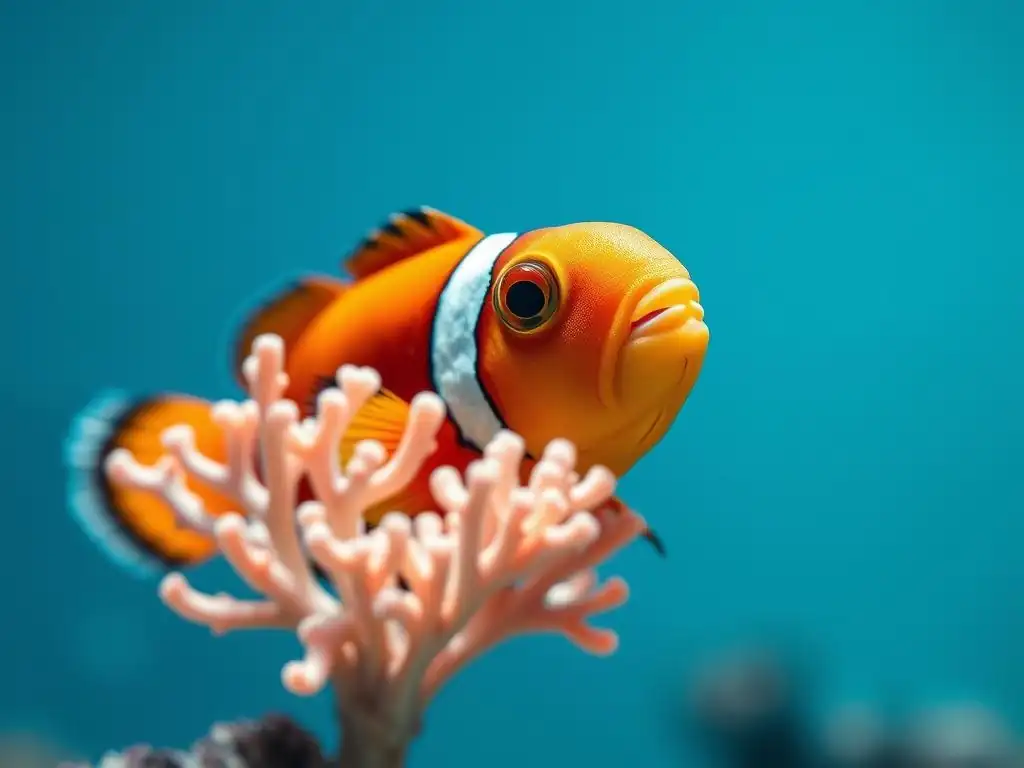
Providing an appropriately sized aquarium is non-negotiable for the long-term health and well-being of Butterflyfish. For smaller, less active species, such as the Yellow Longnose Butterflyfish ( Forcipiger flavissimus), a minimum tank size of 75 gallons (approximately 280 liters) is generally recommended to provide adequate swimming space and water volume for stability. However, for larger or more active species, including the Copperband Butterflyfish ( Chelmon rostratus) or the Raccoon Butterflyfish ( Chaetodon lunula), a tank of 125 gallons (approximately 470 liters) or more is often considered the bare minimum.
The rationale behind these substantial tank size recommendations extends beyond mere swimming room. A larger water volume acts as a crucial buffer against rapid fluctuations in water parameters, such as pH, salinity, and temperature, which can severely stress delicate Butterflyfish. It also helps dilute waste products, making it easier to maintain pristine water quality and manage the bioload effectively. Ample space reduces territorial aggression, allowing fish to establish their own territories and minimize stress, directly mitigating aspects of the Butterflyfish keeping difficulty level.
Water Parameters: Maintaining Optimal Conditions for Butterflyfish Health
Maintaining precise and stable water parameters is arguably the single most critical factor in overcoming the Butterflyfish keeping difficulty level. The ideal conditions closely mimic their natural marine environment: salinity consistently within 1.023-1.025 specific gravity, pH between 8.1 and 8.4, and ammonia and nitrite at undetectable levels (0 ppm). Nitrates should be kept as low as possible, ideally below 10-20 ppm, as elevated levels contribute to chronic stress and weakened immune systems.
Consistency is paramount; even minor, sudden shifts in parameters can induce osmotic shock and compromise the fish's delicate physiology. Regular water testing, ideally 2-3 times per week during initial setup and then weekly for established tanks, is essential to monitor these parameters diligently. Proactive adjustments, such as small, frequent water changes or the use of chemical filtration media, are far preferable to reactive measures after parameters have already gone awry. This meticulous attention to water quality directly influences the health and longevity of Butterflyfish.
Essential Equipment: Ensuring a Stable Environment
A robust and reliable equipment setup is fundamental to creating the stable environment necessary for Butterflyfish to thrive. A high-quality protein skimmer, rated for at least 2-3 times the actual tank volume, is indispensable for efficiently removing organic waste before it breaks down into harmful nitrates. Adequate biological filtration, often housed in a sump, is crucial for converting ammonia and nitrite, while mechanical filtration helps remove particulate matter.
Beyond filtration, consistent heating is vital. Redundant heaters are often recommended to prevent catastrophic temperature drops in case of a single heater failure, maintaining the ideal 74-79°F range. Strong water circulation, provided by powerheads or wavemakers, mimics natural currents and ensures oxygenation throughout the tank, preventing stagnant areas. Finally, a comprehensive and accurate saltwater test kit is an essential tool for monitoring the critical water parameters discussed previously, providing the data needed to manage the inherent Butterflyfish keeping difficulty level.
Butterflyfish Diet and Feeding Habits: Meeting Their Nutritional Needs
Natural Diet vs. Aquarium Diet: Bridging the Gap
One of the most significant hurdles in Butterflyfish keeping difficulty level lies in bridging the gap between their highly specialized natural diets and what can be realistically provided in a home aquarium. In the wild, many Butterflyfish species are obligate corallivores, feeding exclusively on coral polyps, or micro-predators consuming tiny invertebrates found among live rock. Replicating this exact dietary complexity is nearly impossible for the average hobbyist, leading to nutritional deficiencies if not addressed proactively.
To overcome this, a diverse and high-quality aquarium diet is crucial. This typically involves a rotation of various frozen marine foods such as mysis shrimp, enriched brine shrimp, finely chopped clam, squid, and spirulina-enriched preparations. Some species may also accept high-quality marine pellets or flakes, but these should never be the sole food source. The goal is to offer a broad spectrum of nutrients to compensate for the absence of their natural prey items, ensuring the fish receive all necessary vitamins, minerals, and proteins for long-term health.
Overcoming Picky Eating Habits in Butterflyfish
Picky eating habits are a common challenge, especially with newly acquired or wild-caught Butterflyfish, significantly contributing to the Butterflyfish keeping difficulty level. Many individuals may initially refuse all prepared foods, preferring to graze on live rock or ignore offerings entirely. Patience and persistence are key during this acclimation phase. Techniques such as target feeding with a pipette, offering very small amounts of food multiple times a day, and soaking foods in appetite stimulants like garlic extract can often entice reluctant eaters.
Sometimes, introducing live foods like enriched brine shrimp or blackworms can stimulate a feeding response, gradually transitioning to frozen options. It's not uncommon for a Butterflyfish to take several weeks to fully acclimate to a prepared diet. During this period, close observation is critical to ensure the fish is receiving adequate nutrition and not slowly starving. Failure to establish a consistent feeding routine with a varied diet is a primary reason for early mortality in these delicate fish.
Supplementation and Food Variety for Butterflyfish
Beyond offering a range of staple foods, strategic supplementation and ensuring continuous food variety are vital for the long-term health and vibrant coloration of Butterflyfish. Relying on a single type of food, even a high-quality one, can lead to nutrient deficiencies over time. A balanced diet should include a mix of meaty frozen foods, plant-based options, and fortified flakes or pellets, rotated regularly to provide a complete nutritional profile.
Vitamin supplementation, such as soaking frozen foods in a marine vitamin solution (e.g., Selcon or Vita-Chem) a few times a week, can significantly boost the fish's immune system and overall vitality. This is particularly important for wild-caught specimens that may arrive in a depleted state. Providing a variety of textures and sizes of food can also encourage feeding and cater to the natural foraging behaviors of different Butterflyfish species, further mitigating aspects of the Butterflyfish keeping difficulty level related to diet.
Common Butterflyfish Diseases and Prevention
Identifying Early Signs of Illness in Butterflyfish
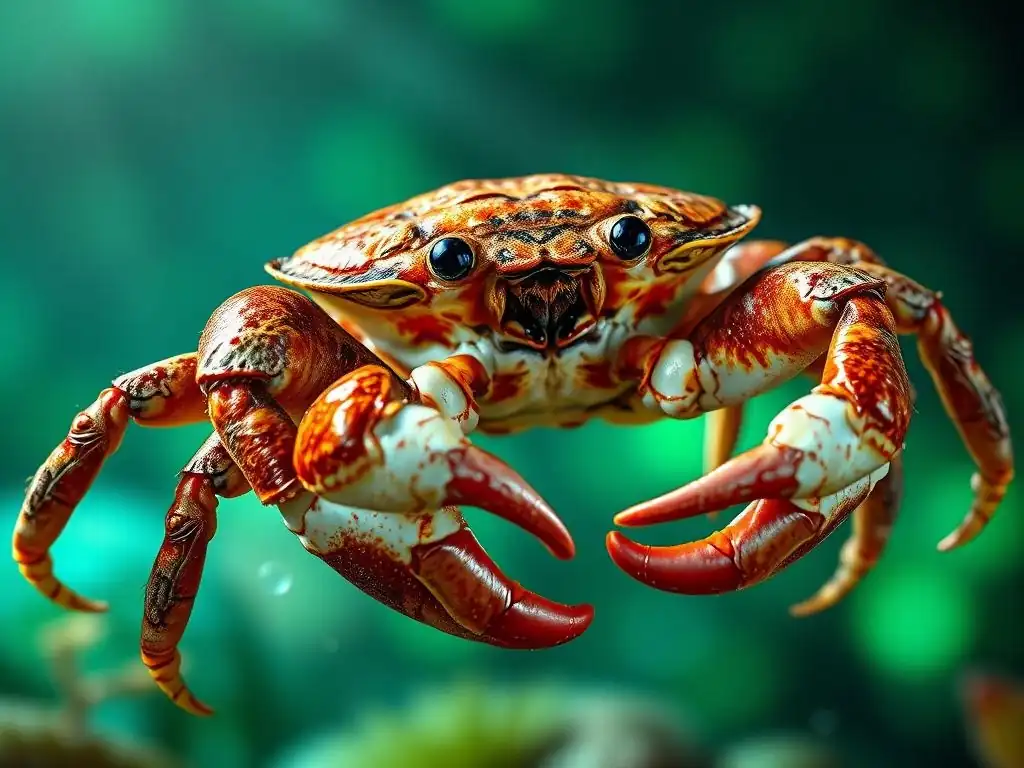
Due to their delicate nature and susceptibility to stress, Butterflyfish are prone to various diseases, and early identification of illness is critical for successful treatment. Aquarists must become adept at recognizing subtle changes in behavior or appearance. Common indicators of distress or disease include clamped fins, rapid or labored breathing, scratching against rocks (flashing), refusal to eat, cloudy eyes, faded coloration, or the appearance of white spots (Ich), velvet, or cottony growths.
Daily, meticulous observation of your Butterflyfish is non-negotiable. Spend at least 10-15 minutes each day watching their swimming patterns, interactions with tank mates, and overall demeanor. Any deviation from normal behavior warrants immediate investigation. Given the rapid progression of many marine diseases, particularly in stressed fish, prompt action can often mean the difference between recovery and loss, highlighting a significant aspect of the Butterflyfish keeping difficulty level.
Quarantine Procedures and Treatment Options
A dedicated quarantine tank (QT) is absolutely essential for any new Butterflyfish before introduction to the main display aquarium. A QT, typically 20-40 gallons, allows for observation, acclimation, and prophylactic treatment without risking the health of existing tank inhabitants. A standard quarantine period of 4-6 weeks is recommended, during which new fish can be monitored for signs of disease and treated for common parasites like Ich or Brooklynella, often with copper-based medications or hyposalinity.
Treatment options for sick Butterflyfish include a range of medications, from copper sulfate for parasitic infections to antibiotics for bacterial ailments. However, it's crucial to note that many Butterflyfish are sensitive to certain medications, and incorrect dosing can be fatal. Stress from handling and medication can further weaken their immune systems. Therefore, prevention through excellent water quality and a robust quarantine process is always the preferred strategy for managing the Butterflyfish keeping difficulty level related to disease.
Maintaining Optimal Water Quality to Prevent Disease
The single most effective measure in preventing disease in Butterflyfish is the unwavering maintenance of optimal water quality. Pristine water conditions minimize stress on the fish's immune system, making them far more resilient to pathogens. This means consistently maintaining zero levels of ammonia and nitrite, and keeping nitrates below 10-20 ppm through regular water changes and efficient filtration.
Beyond chemical parameters, temperature and salinity stability are equally important. Sudden fluctuations can cause osmotic shock, directly impacting the fish's health. Regular tank maintenance, including cleaning the protein skimmer, servicing filter media, and siphoning detritus from the substrate, contributes significantly to overall water quality. A clean, stable, and low-stress environment is the best defense against the common ailments that contribute to the high Butterflyfish keeping difficulty level.
Butterflyfish Compatibility: Choosing the Right Tank Mates
Aggression Levels and Territorial Behavior: Understanding Butterflyfish Temperament
Understanding the temperament and potential aggression levels of Butterflyfish is crucial for successful community tank setups. While many Butterflyfish species are generally peaceful, they can exhibit territorial behavior, especially towards conspecifics (other Butterflyfish) or fish with similar body shapes and colorations. Some species, like the Latticed Butterflyfish ( Chaetodon rafflesi), may become more aggressive as they mature, particularly in smaller tanks where space is limited.
It is rare to successfully keep multiple Butterflyfish of the same species unless the tank is exceptionally large (e.g., 200+ gallons) and they are introduced simultaneously as juveniles. Even then, success is not guaranteed. Fin nipping or chasing behavior can stress other tank inhabitants, leading to weakened immune systems and susceptibility to disease. Careful observation of individual fish temperament is essential to avoid conflicts that contribute to the overall Butterflyfish keeping difficulty level.
Selecting Compatible Fish Species for a Peaceful Community
When selecting tank mates for Butterflyfish, the goal is to choose species that are similarly sized, relatively peaceful, and occupy different ecological niches within the aquarium. Good compatibility reduces stress and competition for food. Suitable companions often include certain types of gobies, blennies, smaller tangs (provided the tank size is adequate for the tang's adult size), and some peaceful wrasse species.
It is imperative to avoid overly aggressive or boisterous fish that might harass or outcompete the more delicate Butterflyfish for food. Large triggerfish, lionfish, or certain angelfish can be problematic tank mates. Similarly, extremely timid or slow-moving fish might be intimidated by the active nature of Butterflyfish and struggle to get enough food. Thorough research into the specific temperament of your chosen Butterflyfish species and potential tank mates is vital to ensure a harmonious environment, directly impacting the Butterflyfish keeping difficulty level.
Avoiding Problematic Invertebrates and Corals
A critical consideration when housing Butterflyfish is their compatibility with invertebrates and corals. Many, if not most, Butterflyfish species are not considered reef-safe. Corallivorous species will actively graze on and damage stony and soft corals, sometimes decimating an entire reef tank. Even omnivorous Butterflyfish may nip at coral polyps, anemones, or ornamental shrimp, causing significant harm.
Therefore, for aquarists intending to keep corals or prized invertebrates, careful species selection is paramount. Species like the Copperband Butterflyfish are often kept in reef tanks to control Aiptasia, but they may still nip at other corals. The safest approach for most Butterflyfish is a fish-only (FO) or fish-only-with-live-rock (FOWLR) setup, where the presence of corals is not a concern. Ignoring this compatibility factor can lead to significant financial losses and ethical dilemmas, adding another layer to the Butterflyfish keeping difficulty level.
The Long-Term Commitment of Butterflyfish Keeping
Butterflyfish Lifespan and Care Over Time
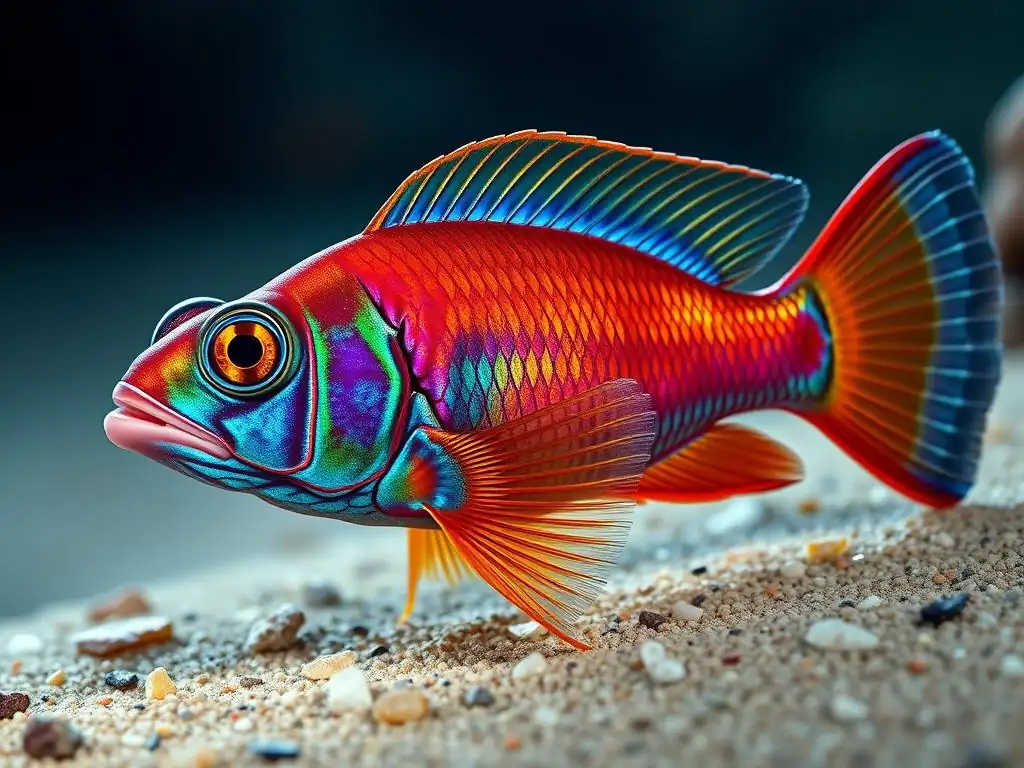
The decision to keep Butterflyfish represents a significant long-term commitment, often spanning many years. In optimal aquarium conditions, many Butterflyfish species can live for 5 to 10 years, with some robust individuals potentially exceeding 15 years. This extended lifespan means that the aquarist must be prepared to provide consistent, high-quality care for a substantial period, far beyond the initial excitement of setting up the tank.
This long-term care entails continuous dedication to maintaining pristine water quality, adhering to a nutritious and varied feeding regimen, and vigilant observation for any signs of illness or stress. It is not a hobby that can be neglected for extended periods. The commitment required for their lifespan is a core component of the overall Butterflyfish keeping difficulty level, demanding sustained effort and passion from the aquarist.
Adapting to Changing Needs as Butterflyfish Mature
As Butterflyfish mature and grow, their needs within the aquarium can evolve, requiring the aquarist to adapt. A juvenile fish that thrives in a 75-gallon tank might eventually outgrow it, necessitating an upgrade to a larger system (e.g., 125 gallons or more) to prevent stunting, aggression, or chronic stress. Larger fish also produce more waste, potentially requiring more frequent or larger water changes to maintain optimal parameters.
Dietary preferences might also subtly shift, or a previously docile fish could develop territorial tendencies as it reaches adulthood. The aquarist must remain observant and flexible, prepared to adjust feeding schedules, filtration capacity, or even tank mate configurations to accommodate these changes. This dynamic aspect of care underscores that the Butterflyfish keeping difficulty level is not static but evolves with the fish.
The Financial Investment of Butterflyfish Keeping
Beyond the time and effort, Butterflyfish keeping also represents a substantial financial investment. The initial setup cost for a suitable saltwater aquarium (100+ gallons with proper filtration, lighting, and heating) can range from $1,000 to $5,000 or more, depending on the complexity and chosen equipment quality. Butterflyfish themselves can be moderately expensive, with individual specimens typically costing between $40 and $200+, depending on species and rarity.
Ongoing operational costs are also significant. This includes regular purchases of high-quality salt mix (e.g., $30-50 per month for a 100-gallon tank), specialized frozen and prepared foods ($20-40 per month), replacement filter media, and test kits. Unexpected expenses, such as medications for disease treatment or replacement equipment, can also arise. Understanding and being prepared for this considerable financial outlay is a crucial aspect of assessing the true Butterflyfish keeping difficulty level.
Is Butterflyfish Keeping Right for You? A Self-Assessment
Evaluating Your Skills and Resources
Before embarking on the journey of Butterflyfish keeping, an honest and thorough self-assessment of your skills and available resources is imperative. Ask yourself: Do I possess at least 2-3 years of successful saltwater aquarium experience, demonstrating consistent water parameter stability and disease recognition? Can I commit to daily observation and feeding, along with weekly water changes and maintenance that may take 1-2 hours? Do I have the financial capacity for a substantial initial setup (potentially $1,000-$5,000+) and ongoing monthly expenses ($50-$100+) for food, salt, and supplies?
Consider your access to a reliable local fish store with knowledgeable staff or a robust online community for support and advice. Do you have a dedicated space for a quarantine tank? Successfully managing the Butterflyfish keeping difficulty level requires not just passion, but also practical skills, available time, and financial stability. If any of these areas are lacking, it may be prudent to gain more experience with less demanding species first.
Considering the Ethical Implications of Keeping Butterflyfish
Beyond the practicalities, it is crucial to consider the ethical implications of keeping Butterflyfish. Many species are wild-caught, and the journey from their natural habitat to a home aquarium can be incredibly stressful, leading to high mortality rates during collection, shipping, and acclimation. Responsible aquarists prioritize the well-being of the animals they keep. Failure to provide appropriate care, leading to chronic stress, disease, or premature death, is an ethical concern.
Before purchasing, inquire about the source of the fish. While aquaculture-bred Butterflyfish are rare, supporting sustainable collection practices for wild-caught specimens is important. Ultimately, the decision to keep these delicate creatures carries a significant responsibility to provide an environment that allows them to thrive and live out their full, natural lifespan. This ethical dimension adds another layer to the Butterflyfish keeping difficulty level.
Resources for Further Learning and Support
For those committed to taking on the challenge of Butterflyfish keeping, continuous learning and access to reliable support resources are invaluable. Reputable online forums and communities dedicated to marine aquaria, such as Reef2Reef or Humblefish, offer a wealth of knowledge and experienced hobbyists willing to share advice. Well-established aquarium books and scientific papers on marine fish husbandry provide foundational knowledge.
Developing a relationship with a knowledgeable local fish store (LFS) can also be highly beneficial, as they often have firsthand experience with specific species and can offer tailored advice. The field of marine aquaculture is constantly evolving, and staying informed about new techniques, dietary advancements, and disease treatments is key to long-term success. Embracing a mindset of continuous learning is essential for navigating the inherent Butterflyfish keeping difficulty level and ensuring the health of these magnificent fish.
Frequently Asked Questions
What makes butterflyfish keeping generally considered challenging?
Butterflyfish often have specific dietary needs and can be sensitive to water quality. Some species are also not reef-safe, potentially harming corals.
What are some key water parameters that are critical for butterflyfish health?
Maintaining stable water parameters is crucial. Key parameters include ammonia, nitrite, and nitrate levels at zero, appropriate salinity, and a consistent pH level.
Do all butterflyfish species require the same level of care and experience?
No, some butterflyfish species are more hardy than others. However, even the "easier" species still require experienced aquarists familiar with saltwater tank maintenance.
What are some common dietary challenges associated with butterflyfish?
Many butterflyfish are finicky eaters and may require a varied diet of live or frozen foods. Getting them to accept prepared foods can be a significant hurdle.
Are butterflyfish compatible with all types of aquarium setups?
Butterflyfish are not always compatible with reef tanks, as some species will consume corals and invertebrates. Researching species-specific compatibility is essential before introducing them to a tank.
Final Reflection: Embracing the Butterflyfish's Delicate Dance
The journey into butterflyfish keeping, as we've explored, is not for the faint of heart. The true allure lies in the challenge itself, a testament to our dedication and understanding of delicate ecosystems. It's a pursuit that demands meticulous planning, unwavering commitment, and a deep respect for the intricate balance of marine life. Ignoring the inherent difficulties can lead to heartbreak, but embracing them with knowledge and preparation unlocks a truly rewarding experience.
The impact of responsible butterflyfish keeping extends far beyond the confines of our aquariums. It serves as a microcosm of our relationship with the natural world, highlighting the importance of conservation and sustainable practices. The choices we make as aquarists directly influence the health and longevity of these magnificent creatures and their coral reef habitats. In the end, we will conserve only what we love; we will love only what we understand; and we will understand only what we are taught.
- Baba Dioum
So, as you contemplate the alluring challenge of butterflyfish keeping, I urge you to reflect on the responsibility that comes with it. Are you truly prepared to dedicate the time, resources, and unwavering attention required to provide these delicate creatures with a thriving environment? Let this article serve as a catalyst for informed decision-making, ensuring that your pursuit of beauty contributes to the preservation of these magnificent fish and the fragile ecosystems they call home. Embrace the challenge, but do so with knowledge, respect, and a commitment to the well-being of these underwater wonders.
Dive Deeper: Begin Your Butterflyfish Journey!
Thank you for exploring the fascinating world of butterflyfish! We hope you found valuable insights to guide your considerations. Ready to take the plunge and see if these beauties are a fit for your aquarium?
Here are a few steps you can take right now:
- Commit to in-depth research on your preferred species of butterflyfish, focusing on their specific dietary needs and tank mate compatibility. Don't underestimate this step!
- Share this article with fellow reefing enthusiasts. Maybe a friend has experience that could benefit you (or vice-versa! ).
- Visit a local aquarium store and observe butterflyfish firsthand. Pay attention to their behavior and interact with experienced staff.
What’s the most exciting thing you learned about butterflyfish that makes you consider keeping them, and what’s the biggest hurdle you foresee in making it a reality? Share your thoughts below!