
Are Your Shrimp Berried? A Guide to Pregnant Shrimp and Egg Development

Welcome to Aquarium Mastery!
Ever wondered if those tiny dots you see on your shrimp are a sign of something amazing? Dive in and discover everything you need to know about pregnant shrimp egg development! This comprehensive guide will walk you through identifying berried shrimp, understanding the egg development process, and ensuring the best possible outcome for your future generations of aquarium inhabitants. Curious to know what comes next? Let's explore the fascinating world of shrimp reproduction!
- Understanding Berried Shrimp: The Basics of Shrimp Reproduction
- The Pregnancy Process: From Mating to Hatching
- Caring for Berried Shrimp: Creating an Optimal Environment
- Hatching and Raising Shrimp Fry: Post-Hatch Care
- Troubleshooting Common Issues with Berried Shrimp
- Identifying Shrimp Species and Their Egg Characteristics
- Frequently Asked Questions About Pregnant Shrimp and Egg Development
- Conclusion: Successfully Breeding Shrimp and Understanding Egg Development
- Frequently Asked Questions
- Final Reflection: The Delicate Dance of Life
- Embark on Your Shrimp Breeding Journey!
Understanding Berried Shrimp: The Basics of Shrimp Reproduction
What Does "Berried" Mean? Identifying a Pregnant Shrimp
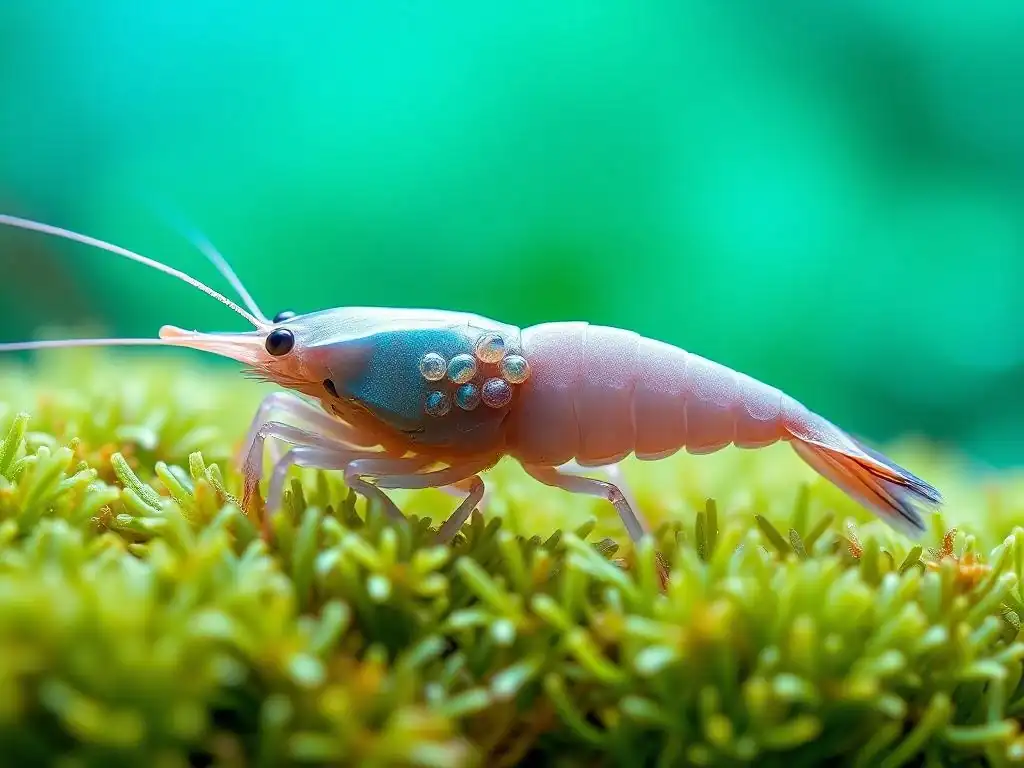
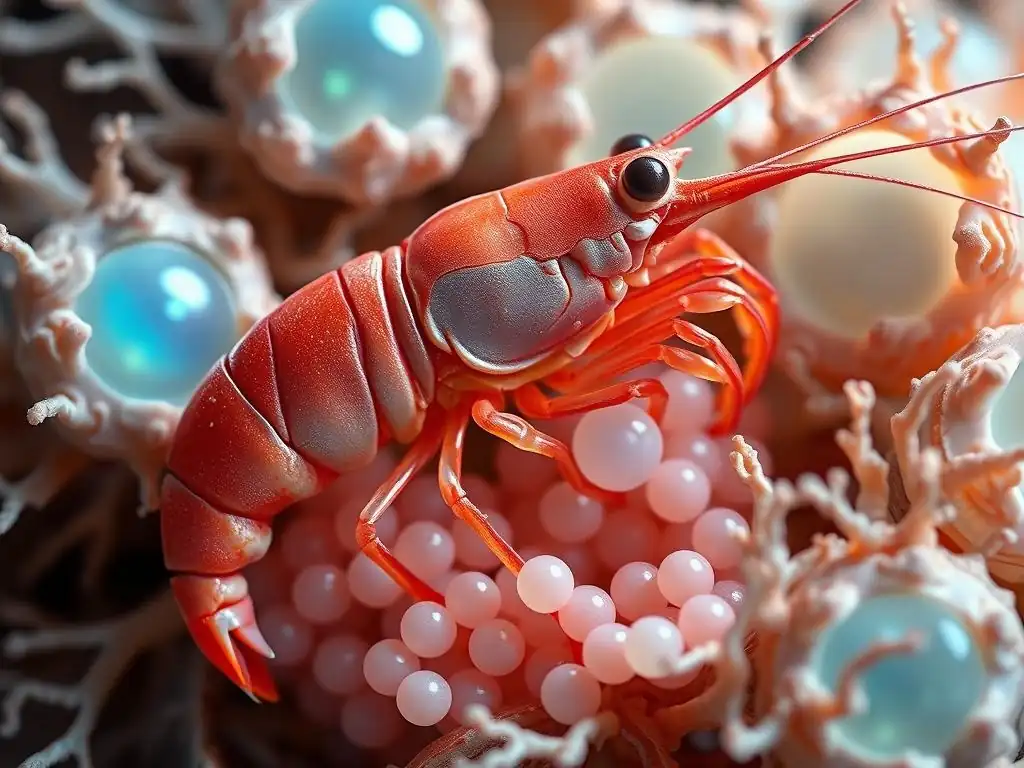
The term "berried" is used by aquarists to describe a female shrimp that is carrying fertilized eggs under her abdomen, specifically attached to her pleopods (swimmerets). These eggs, which are typically round and can range in color from yellow, green, or even brownish depending on the shrimp species and stage of development, resemble tiny berries, hence the descriptive term. A berried female will often be seen meticulously fanning these eggs with her pleopods, a crucial behavior that provides essential oxygenation and helps prevent fungal growth, indicating active and healthy pregnant shrimp egg development.
Observing a female shrimp in this state is a clear sign of successful breeding within your aquarium. Beyond the visible egg cluster, a berried shrimp might exhibit slightly more reclusive behavior, often seeking out quieter, sheltered areas within the tank. This protective instinct is natural as she safeguards her future offspring, ensuring the eggs remain undisturbed and properly aerated throughout their incubation period.
Distinguishing Berried Shrimp from Other Shrimp Conditions
It is important for aquarists to accurately identify a berried shrimp and differentiate it from other conditions that might appear similar at first glance. Healthy shrimp eggs are typically uniform in shape, firmly attached to the pleopods, and the female will actively fan them. In contrast, fungal infections on a shrimp's abdomen or eggs often appear as fuzzy, cotton-like growths that are irregular in shape and texture, and may not be actively fanned.
Another common misidentification can occur when food particles or debris get temporarily caught in a shrimp's pleopods. Unlike eggs, these particles will be inconsistently shaped, easily dislodged, and the shrimp will not exhibit the deliberate fanning behavior characteristic of pregnant shrimp egg development. Learning these subtle distinctions ensures proper care and avoids unnecessary interventions.
The Pregnancy Process: From Mating to Hatching
Shrimp Mating Rituals: Courtship and Fertilization
The shrimp mating ritual begins with the female. After molting, a sexually mature female shrimp releases pheromones into the water, signaling her readiness to breed. This chemical signal acts as a powerful attractant for male shrimp in the vicinity, often triggering what aquarists refer to as "shrimp zoomies," where males dart frantically around the tank in search of the receptive female.
Once a male locates the female, the actual fertilization process is remarkably swift and often goes unnoticed by the casual observer. The male will quickly transfer a spermatophore (a packet of sperm) to the female. Shortly after, the female will extrude her eggs from the saddle (ovaries) and pass them through the spermatophore, where they become fertilized before being attached to her pleopods. This marks the commencement of the visible pregnant shrimp egg development.
Observing the Saddle: Pre-Berried Shrimp Signs
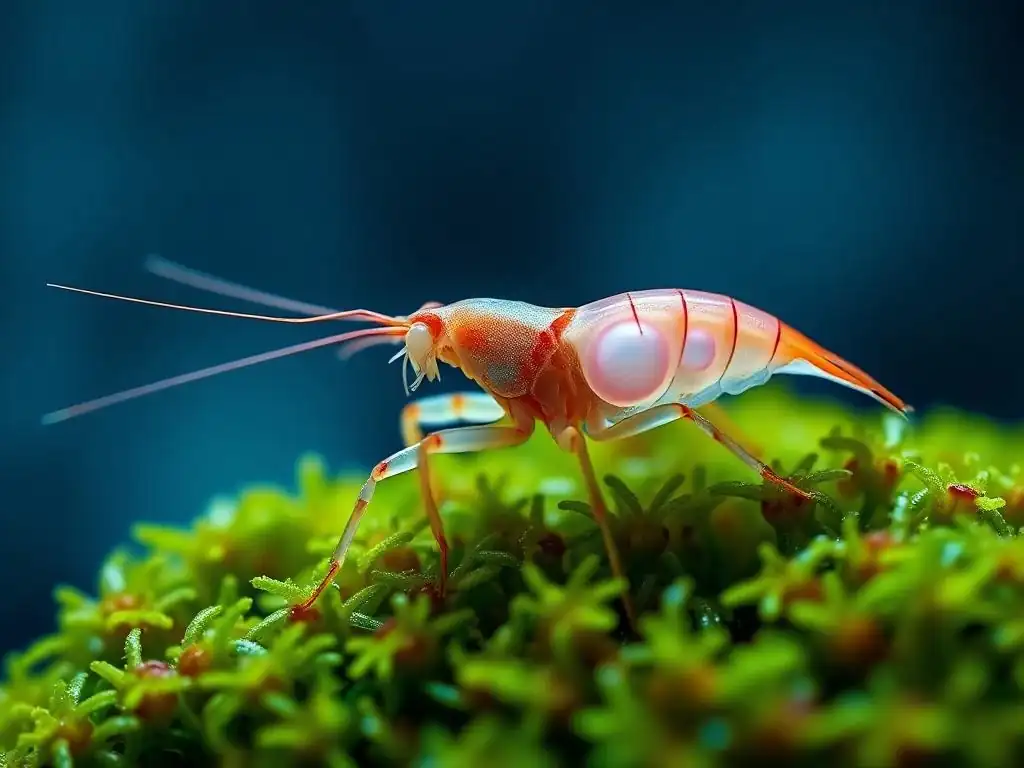
Before a female shrimp becomes "berried," she often displays a visible "saddle." The saddle is essentially the shrimp's ovaries, located in the cephalothorax (the area behind her head and before her abdomen). It appears as a distinct, often yellowish, greenish, or brownish patch, depending on the shrimp's coloration and species. This saddle contains unfertilized eggs that are developing internally.
The presence of a saddle indicates that a female shrimp is mature and has the potential to become berried after her next molt. Once she molts, she releases pheromones, attracts a male, and if fertilization occurs, the eggs will then be transferred from the saddle to her pleopods, officially initiating the external phase of pregnant shrimp egg development. Monitoring for the saddle is a key step for aquarists anticipating a breeding cycle.
Egg Development Stages in Berried Shrimp: A Visual Guide
The journey of pregnant shrimp egg development is a fascinating visual progression. When eggs are first laid, they are typically opaque and vibrant in color, such as bright yellow for many Neocaridina species like Cherry Shrimp, or a greenish hue for some Caridina species. At this initial stage, the eggs are tightly packed and firm, diligently fanned by the mother.
As the gestation period advances, subtle changes occur within the eggs. They may become slightly more translucent, and their color can deepen or shift. The most exciting and definitive sign of advanced development is the appearance of tiny black "eyespots" within each egg. These are the developing eyes of the shrimp fry, and their visibility indicates that hatching is imminent, usually within a few days to a week.
Changes in Egg Color and Size: Monitoring Development
Throughout the period of pregnant shrimp egg development, aquarists can observe subtle shifts in the eggs' appearance. While significant changes in individual egg size are minimal, the overall clutch might appear slightly larger due to the embryos absorbing water. More noticeably, the color of the eggs can change. For instance, what started as a bright yellow cluster might become a darker, more muted yellow or even a brownish-red as the embryos mature and consume the yolk.
The most reliable visual cue for monitoring development, beyond color shifts, is the increasing transparency of the egg casing itself and the distinct appearance of the fry's eyes. As the embryos near hatching, the eyespots become clearer and more pronounced, sometimes appearing as twin black dots within each egg. This visual progression is a reliable indicator of the health and progression of the pregnant shrimp egg development cycle.
Caring for Berried Shrimp: Creating an Optimal Environment
Water Parameter Considerations for Pregnant Shrimp
Maintaining stable and appropriate water parameters is paramount for the successful pregnant shrimp egg development. Sudden fluctuations in pH, temperature, or hardness can cause significant stress to a berried female, potentially leading her to drop her eggs prematurely. For popular Neocaridina species like Cherry Shrimp, ideal parameters typically fall within a pH range of 6.8-7.8, GH (General Hardness) of 6-8 dGH, and KH (Carbonate Hardness) of 3-5 dKH.
Conversely, Caridina species, such as Crystal Red Shrimp, thrive in softer, more acidic water. Their preferred parameters are generally a pH between 5.5-6.5, GH 3-6 dGH, and KH 0-1 dKH. Consistent water temperature, ideally maintained between 72-76°F (22-24°C), also plays a crucial role in ensuring a steady and healthy incubation period for the eggs. Regular, small water changes are preferable to large, infrequent ones to minimize environmental shock.
Feeding Berried Shrimp: Nutritional Needs During Pregnancy
During pregnancy, female shrimp require enhanced nutrition to support both their own health and the demanding process of pregnant shrimp egg development. Providing a diet rich in high-quality protein and essential minerals, particularly calcium, is crucial. Protein aids in the development of the embryos, while calcium is vital for the formation of the fry's exoskeletons.
Supplementing their regular diet of high-quality shrimp pellets with blanched vegetables like spinach or kale, and specialized mineral supplements such as mineral stones or cuttlebone, can significantly benefit the berried female. Offer small, frequent feedings to ensure consistent nutrient availability without overfeeding, which can lead to water quality issues. A well-nourished mother is better equipped to carry her clutch to term and produce healthy fry.
Protecting Berried Shrimp from Stress and Predators
Minimizing stress is critical for a berried shrimp to successfully carry her eggs to term. Avoid any sudden, large disturbances in the tank, such as massive water changes, aggressive substrate vacuuming, or unnecessary redecorating. Moving a berried shrimp to a different tank should also be avoided unless absolutely necessary, as the change in environment and parameters can induce severe stress and cause egg loss.
Furthermore, protecting berried shrimp from potential predators or harassment from other tank inhabitants is essential. In a community tank, small, peaceful nano fish like Otocinclus catfish or small Rasboras are generally considered safe tank mates. However, an exclusive shrimp-only tank offers the best environment for a berried female, as it completely eliminates the risk of predation on the vulnerable eggs and newly hatched fry, ensuring optimal conditions for pregnant shrimp egg development.
Hatching and Raising Shrimp Fry: Post-Hatch Care
Recognizing Hatching Signs: When to Expect Shrimp Fry
The most definitive sign that shrimp eggs have successfully hatched is the sudden absence of eggs under the female's pleopods. This usually occurs after an incubation period of approximately 21 to 30 days, though this can vary slightly depending on the species and ambient water temperature. The female will typically be seen resuming her normal foraging behavior, free of her egg clutch.
Soon after, tiny, almost translucent shrimp fry will become visible within the aquarium. These miniature versions of adult shrimp, typically only 1-2 millimeters in size, can often be spotted clinging to live plants, decorations, or grazing on the substrate. Their immediate appearance and ability to forage for themselves signify the successful completion of the pregnant shrimp egg development cycle and the beginning of a new generation.
Setting Up a Nursery Tank for Baby Shrimp
While not always strictly necessary for hardy species like Neocaridina in a well-established shrimp-only tank, a dedicated nursery tank can significantly boost the survival rate of shrimp fry, particularly for more delicate Caridina species or in community tank setups. A separate nursery allows for precise control over water parameters, targeted feeding, and protection from potential predators or strong currents.
A suitable nursery tank should be equipped with a gentle sponge filter to prevent the tiny fry from being sucked up, and abundant live plants such as Java moss, Christmas moss, or guppy grass. These plants provide extensive surface area for biofilm to grow, which is a primary food source for newborn fry, and offer crucial hiding spots. Ensuring the nursery tank is fully cycled and stable before introducing fry is paramount for their delicate initial growth phase following pregnant shrimp egg development.
Feeding Shrimp Fry: First Foods and Long-Term Diet
Newly hatched shrimp fry are incredibly small and primarily feed on biofilm and micro-organisms that naturally grow on surfaces within a mature aquarium. To supplement this natural food source and ensure optimal growth, it is essential to provide specialized, finely powdered fry food. Products containing spirulina, chlorella, or other algae-based ingredients are highly beneficial.
As the fry grow over the first few weeks, they can gradually transition to finely crushed adult shrimp pellets or specialized powdered foods designed for juvenile shrimp. Consistent, small feedings several times a day are more effective than large, infrequent meals, as this ensures a continuous supply of nutrients for their rapid development. Maintaining pristine water quality through minimal overfeeding is key to healthy growth after successful pregnant shrimp egg development.
Troubleshooting Common Issues with Berried Shrimp
Egg Loss in Berried Shrimp: Causes and Prevention
One of the most common and disheartening issues for aquarists is when a berried shrimp drops her eggs prematurely. This often occurs due to significant stress, which can be triggered by sudden and drastic fluctuations in water parameters such as temperature, pH, or GH/KH. Other stressors include aggressive tank mates, poor water quality, or even a lack of essential nutrients. For instance, a large, sudden water change can cause enough shock to lead to egg abandonment.
To prevent egg loss, maintaining highly stable water conditions within the shrimp's preferred range is paramount. This includes consistent temperature and slow, gradual water changes. Providing a high-quality diet rich in protein and calcium, ensuring a peaceful environment free from aggressive fish, and offering ample hiding spots can significantly reduce stress levels and improve the chances of successful pregnant shrimp egg development.
Unfertilized Eggs: Identifying and Addressing the Problem
Occasionally, a female shrimp may carry eggs that are unfertilized. These eggs often appear opaque and whitish, lacking the translucent quality and distinct internal development seen in healthy, fertilized embryos. Over time, unfertilized eggs may become covered in a white, fuzzy fungal growth or simply detach from the female's pleopods and disappear.
The primary reason for unfertilized eggs is the absence of a mature male in the tank, or a male that is not effectively fertilizing the female. This could be due to a low male-to-female ratio, or if the male is too young or unhealthy to produce viable sperm. Ensuring a healthy population of both male and female shrimp (a ratio of at least 1:2 or 1:3 males to females is often recommended) and providing optimal conditions for breeding will increase the likelihood of successful fertilization and healthy pregnant shrimp egg development.
Preventing Fungal Infections in Shrimp Eggs
Fungal infections on shrimp eggs are a serious concern, manifesting as a white, fuzzy, cotton-like growth that can quickly spread and compromise the entire egg clutch. These infections typically arise in stagnant water conditions, when water flow around the eggs is insufficient, or if some eggs within the clutch have died and begun to decompose, providing a substrate for fungal growth.
Maintaining excellent water quality is the first line of defense against fungal infections. Regular, small water changes and ensuring proper filtration help keep the water pristine. The female shrimp's natural fanning behavior is crucial for providing oxygenation and preventing stagnation around the eggs, which inherently inhibits fungal growth. Prompt removal of any deceased shrimp from the tank, or any clearly unfertilized/dead eggs if possible, can also prevent the spread of fungal spores and protect the ongoing pregnant shrimp egg development.
Identifying Shrimp Species and Their Egg Characteristics
Neocaridina davidi Egg Development: Cherry Shrimp
Neocaridina davidi, famously known as Cherry Shrimp, are one of the most popular and prolific freshwater shrimp species in the aquarium hobby. Their eggs are typically quite visible and vibrant, appearing as distinct yellow to yellowish-green spheres neatly clustered under the female's pleopods. As the pregnant shrimp egg development progresses, these eggs may subtly darken in color, and the tiny black eyespots of the developing fry become increasingly apparent.
The incubation period for Cherry Shrimp eggs generally ranges from 21 to 30 days, with warmer temperatures (around 74-76°F or 23-24°C) often leading to faster hatching. The fry emerge as miniature, fully formed versions of the adult shrimp, capable of foraging for themselves almost immediately. This straightforward breeding cycle, coupled with their hardiness, makes them an excellent choice for beginners interested in observing pregnant shrimp egg development.
Caridina cantonensis Egg Development: Crystal Red Shrimp
Caridina cantonensis, which includes highly sought-after varieties like Crystal Red Shrimp and Crystal Black Shrimp, exhibit slightly different egg characteristics compared to Neocaridina. Their eggs are generally smaller and often appear in shades of greenish, brownish, or even dark grey, blending more subtly with the female's underside. The visibility of eyespots within these eggs is a crucial indicator of advanced pregnant shrimp egg development.
The gestation period for Caridina cantonensis tends to be a bit longer than Neocaridina, typically ranging from 25 to 35 days. The fry that hatch are also miniature replicas of the adults but are often considered more delicate and sensitive to water parameters. Successful raising of Caridina fry relies heavily on a mature tank with abundant biofilm and consistent, pristine water conditions, underscoring the importance of understanding their specific pregnant shrimp egg development needs.
Frequently Asked Questions About Pregnant Shrimp and Egg Development
How Long Does It Take for Shrimp Eggs to Hatch?
The incubation period for shrimp eggs, from the moment they are laid until hatching, generally ranges from 21 to 35 days. This duration is significantly influenced by the water temperature in the aquarium; warmer temperatures typically accelerate the pregnant shrimp egg development, leading to earlier hatching, while cooler temperatures can prolong the process.
For common species such as Neocaridina davidi (e.g., Cherry Shrimp), hatching usually occurs within 21-30 days at optimal temperatures around 72-76°F (22-24°C). Caridina species, including Crystal Red Shrimp, often have a slightly longer gestation period, sometimes extending to 35 days. Observing the appearance of eyespots within the eggs is the most reliable visual cue that hatching is imminent, usually within a few days.
Can I Move a Berried Shrimp to a Different Tank?
Moving a berried shrimp to a different tank is generally not recommended unless absolutely necessary, as it can cause significant stress to the female, potentially leading her to drop her eggs. Shrimp are highly sensitive to changes in water parameters, temperature, and their environment, and such disturbances can disrupt the delicate process of pregnant shrimp egg development.
If relocation is unavoidable, for instance, to a dedicated breeding tank for increased fry survival, it must be performed with extreme care. The most critical step is drip acclimation, slowly introducing water from the new tank over several hours to match parameters precisely. Minimizing physical disturbance during transfer and ensuring the destination tank is fully cycled and stable can help reduce the risk of egg loss.
What Should I Do if My Shrimp Drops Her Eggs?
If a berried shrimp drops her eggs prematurely, it is typically a strong indicator of severe stress or unsuitable water conditions within the aquarium. Unfortunately, once eggs are dropped, they rarely survive outside of the mother's care, as they require constant fanning for oxygenation and to prevent fungal growth, a crucial aspect of natural pregnant shrimp egg development.
The best course of action is to immediately assess and stabilize your aquarium's water parameters, including temperature, pH, GH, and KH, ensuring they fall within the optimal range for your shrimp species. Check for any aggressive tank mates or other sources of stress. While the current clutch may be lost, addressing the underlying issues will significantly improve the chances of successful future breeding and pregnant shrimp egg development for your shrimp colony.
Conclusion: Successfully Breeding Shrimp and Understanding Egg Development
Understanding the intricate process of pregnant shrimp egg development is a rewarding and essential aspect of successful shrimp keeping. From the initial signs of a saddle to the careful observation of eggs under the female's pleopods and the eventual appearance of tiny fry, each stage offers valuable insights into the delicate balance required for thriving shrimp reproduction. Patience and keen observation are your best tools.
By consistently maintaining stable water parameters, providing a nutrient-rich diet, and ensuring a stress-free environment free from predators, aquarists can significantly increase their chances of witnessing the complete life cycle of their beloved shrimp. This detailed understanding not only ensures the health and productivity of your shrimp colony but also brings immense satisfaction in cultivating a vibrant and self-sustaining aquatic ecosystem.
Frequently Asked Questions
How can I tell if my shrimp is berried?
A berried shrimp is visibly carrying eggs under her abdomen. Look for a cluster of small, round eggs attached to her swimmerets, located on the underside of her tail. The eggs can vary in color depending on the shrimp species.
What does "berried" actually mean in the context of shrimp?
"Berried" is the term used to describe a female shrimp carrying fertilized eggs. The eggs are held in a protective mass under her abdomen, resembling a cluster of berries.
How long does shrimp egg development usually take?
The gestation period for shrimp eggs typically ranges from 21 to 30 days. This timeframe can vary slightly depending on the specific shrimp species and the water temperature of the aquarium.
What are some key factors that influence successful shrimp egg development?
Maintaining stable water parameters such as temperature, pH, and water hardness is crucial. Also, ensure a stress-free environment with adequate hiding places for the berried shrimp.
What should I do if my berried shrimp drops her eggs?
Egg dropping can be caused by stress, poor water quality, or a lack of essential nutrients. Try to improve water quality and provide a more stable environment. Unfortunately, dropped eggs rarely survive without specialized care.
Final Reflection: The Delicate Dance of Life
The intricacies of shrimp reproduction, as explored in this guide, are more than just biological processes; they represent a microcosm of the resilience and beauty found within the natural world. Understanding the nuances of "pregnant shrimp egg development" allows us to appreciate the delicate balance of aquatic ecosystems and the vital role even the smallest creatures play within them. This knowledge empowers aquarists to become better stewards of their tanks, fostering environments where life can thrive.
The journey of a berried shrimp, from the initial fertilization to the hatching of shrimplets, is a captivating spectacle that underscores the cyclical nature of life. Witnessing this process firsthand cultivates a deeper connection with our aquariums and the creatures within them, reminding us of the interconnectedness of all living things. As the renowned naturalist John Muir once said, When we try to pick out anything by itself, we find it hitched to everything else in the Universe.
This sentiment resonates deeply when observing the complex life cycle of even a seemingly simple shrimp.
Now, armed with a greater understanding of "pregnant shrimp egg development," I invite you to look beyond the glass of your aquarium and consider the broader implications of this knowledge. How can we apply this appreciation for delicate ecosystems to our everyday lives? How can we become more mindful of the impact we have on the environment, both locally and globally? Let the miracle of the berried shrimp inspire you to cultivate a deeper respect for the natural world and to actively participate in its preservation.
Embark on Your Shrimp Breeding Journey!
Thank you for diving into the fascinating world of shrimp breeding! Now that you've learned how to identify berried shrimp and understand their egg development, it's time to put that knowledge into action. Let's make your shrimp tank a thriving nursery!
Here are a few ways to get started:
- Carefully Monitor Your Berried Shrimp: Closely observe her behavior and ensure she has a stress-free environment. Minimal disturbance is key to successful hatching!
- Experiment with Different Shrimp-Safe Foods: Try offering small amounts of high-quality foods known to support egg development and shrimplet health, like spirulina or baby shrimp food.
- Share your berried shrimp observations with fellow aquarists on online forums or social media groups. Helping others learn is a rewarding experience.
What unique setup strategies will you implement to maximize the survival rate of your shrimplets?