
Understanding Rasbora Shoaling vs. Schooling: Nuances in Group Dynamics

Welcome to Aquarium Mastery!
Ever wondered what really makes a school of Rasboras tick? Beyond the mesmerizing shimmer of a group swimming together, there's a fascinating world of social dynamics at play. Dive in to unravel the nuances of Rasbora schooling behavior tips and discover how to create the perfect, harmonious environment for these captivating fish. Keep reading to understand the difference between shoaling and schooling and unlock the secrets to a thriving Rasbora community!
- Introduction to Rasbora Social Dynamics in Aquariums
- Rasbora Shoaling Behavior: A Closer Look
- Rasbora Schooling Behavior: Precision and Coordination
- Key Differences Between Shoaling and Schooling in Rasboras
- Optimizing Your Aquarium for Natural Rasbora Behavior
- Understanding Rasbora Schooling Behavior Tips for Beginners
- Troubleshooting Common Rasbora Shoaling/Schooling Issues
- Advanced Insights into Rasbora Social Structures
- Conclusion: Promoting Healthy Rasbora Social Interactions
-
Frequently Asked Questions
- How can I tell if my Rasboras are shoaling or schooling, and why does it matter?
- What are some Rasbora schooling behavior tips to encourage a strong, healthy school?
- My Rasboras used to school tightly, but now they seem more scattered. What could be causing this change in their behavior?
- What is the ideal tank size for a group of Rasboras to display natural schooling behavior?
- Are there any specific tank decorations or environments that promote Rasbora schooling behavior tips?
- Final Reflection: The Dance of Connection
- Unlock the Secrets of Rasbora Behavior!
Why Understanding Rasbora Behavior Matters for Aquarium Keepers
Understanding the intricate social dynamics of Rasboras is paramount for any aquarium enthusiast aiming to provide a thriving environment. These small, often vibrant, cyprinids are renowned for their schooling or shoaling tendencies, which are not merely aesthetic but fundamental to their well-being. When Rasboras are kept in conditions that don't support their natural group behaviors, they can experience significant stress, leading to weakened immune systems, susceptibility to disease, and even a reduced lifespan. Observing their natural interactions provides crucial insights into their health and contentment.
Properly understanding Rasbora schooling behavior tips and implementing them can transform a tank from a mere enclosure into a vibrant ecosystem. For instance, a group of stressed Rasboras might hide constantly, exhibit faded colors, or even show aggression towards each other. Conversely, a healthy, well-adjusted group will actively swim, display vivid coloration, and engage in the coordinated movements characteristic of their species. This deep understanding allows aquarists to proactively address environmental deficiencies and ensure their Rasboras thrive.
Shoaling vs. Schooling: Defining the Key Differences
While often used interchangeably by hobbyists, "shoaling" and "schooling" describe distinct group behaviors in fish, including Rasboras. Shoaling refers to a loose aggregation of fish that simply choose to swim together, often for social benefits or increased foraging efficiency. In a shoal, individuals maintain a general proximity but do not necessarily move in a highly synchronized fashion; they can easily break away from the group.
Schooling, on the other hand, is a much more coordinated and highly synchronized form of group movement. In a true school, fish orient themselves uniformly, moving in unison with precise spacing and direction, often in a tightly packed formation. This behavior is typically a response to perceived threats, such as predators, or for enhanced hydrodynamics during migration. Understanding these fundamental differences is a cornerstone of providing optimal care and appreciating the natural Rasbora schooling behavior tips for your aquatic pets.
Rasbora Shoaling Behavior: A Closer Look
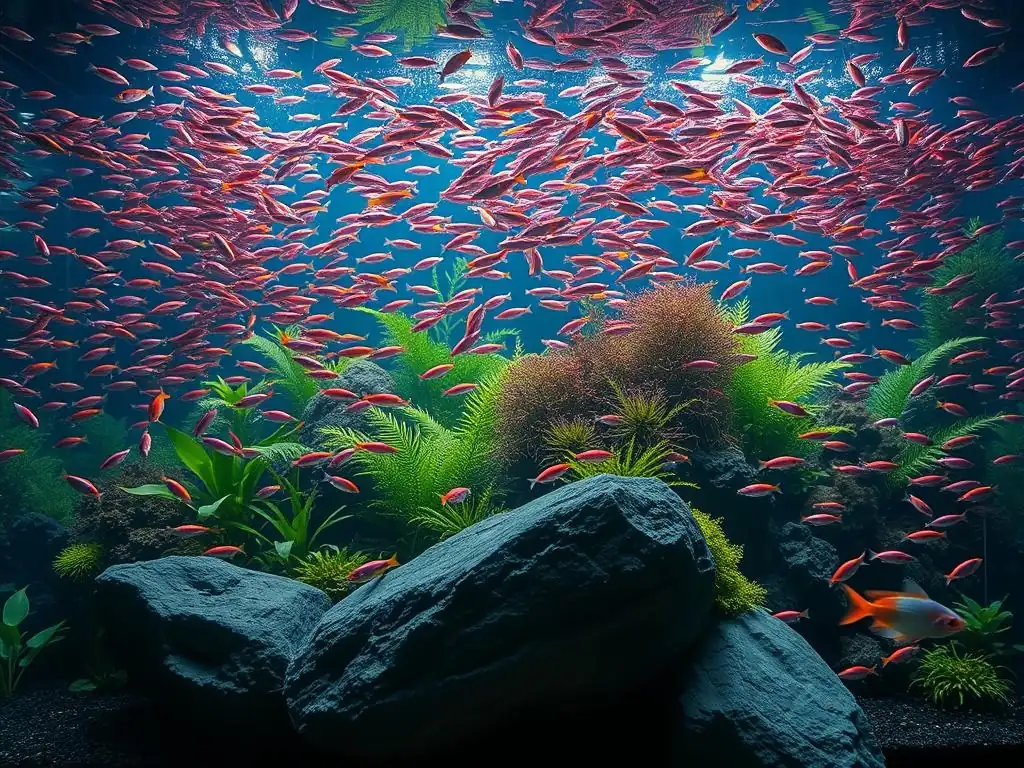
Shoaling in Rasboras is characterized by their tendency to form loose, cohesive groups where individuals swim in the same general direction but without the rigid, synchronized movements of a true school. This behavior offers several key advantages in an aquarium setting. Firstly, it provides a sense of security; a larger group makes individual fish feel less vulnerable, even in the absence of predators. This reduced stress can be seen in their relaxed swimming patterns and consistent coloration.
Furthermore, shoaling can enhance foraging efficiency. When a group of Rasboras explores an area for food, the collective effort increases the likelihood of finding sustenance. While one individual might miss a small food particle, another in the shoal is likely to spot it, benefiting the entire group. This communal approach to daily activities contributes significantly to the overall well-being and natural Rasbora behavior within the tank.
Factors Influencing Shoaling Behavior in Rasboras
Several environmental and biological factors significantly influence how Rasboras exhibit their shoaling tendencies, impacting the effectiveness of various Rasbora schooling behavior tips.
Tank Size and Shoaling Patterns
The size of the aquarium plays a critical role in facilitating natural shoaling patterns. In a tank that is too small, Rasboras may feel cramped and stressed, leading to erratic swimming or constant hiding rather than cohesive group movement. For instance, a group of six to eight Harlequin Rasboras (Trigonostigma heteromorpha) typically requires a minimum of a 10-gallon tank, but a 20-gallon long tank provides ample swimming space, allowing them to spread out and exhibit more natural shoaling behaviors. Larger tanks reduce perceived territorial disputes and give fish the freedom to form and dissolve shoals as they naturally would.
The Role of Decorations and Hiding Places
Aquarium decorations, including live plants, driftwood, and rocks, are crucial for encouraging healthy shoaling. Dense planting, particularly with species like Java Fern or Anubias, provides vital hiding spots and visual barriers. These elements create a sense of security, allowing Rasboras to feel safe enough to explore the open water in groups rather than scattering individually in fear. Floating plants, such as Dwarf Water Lettuce or Salvinia Natans, can also diffuse overhead lighting, making the fish feel less exposed and more inclined to shoal openly.
How Rasbora Species Impact Shoaling Tendencies
Different species of Rasboras exhibit varying degrees of shoaling tendencies. For example, the Harlequin Rasbora is well-known for its prominent shoaling behavior, often forming tight groups that explore the mid-water column. In contrast, smaller species like the Chili Rasbora (Boraras brigittae) or Phoenix Rasbora (Boraras merah) might form smaller, more intimate shoals, often preferring the heavily planted areas of the tank. While they still benefit from being in groups of six or more, their shoals may appear less expansive than those of their larger cousins. Understanding these species-specific nuances is a key component of effective Rasbora schooling behavior tips.
Rasbora Schooling Behavior: Precision and Coordination
Defining Schooling: Synchronized Movement and Predatory Defense
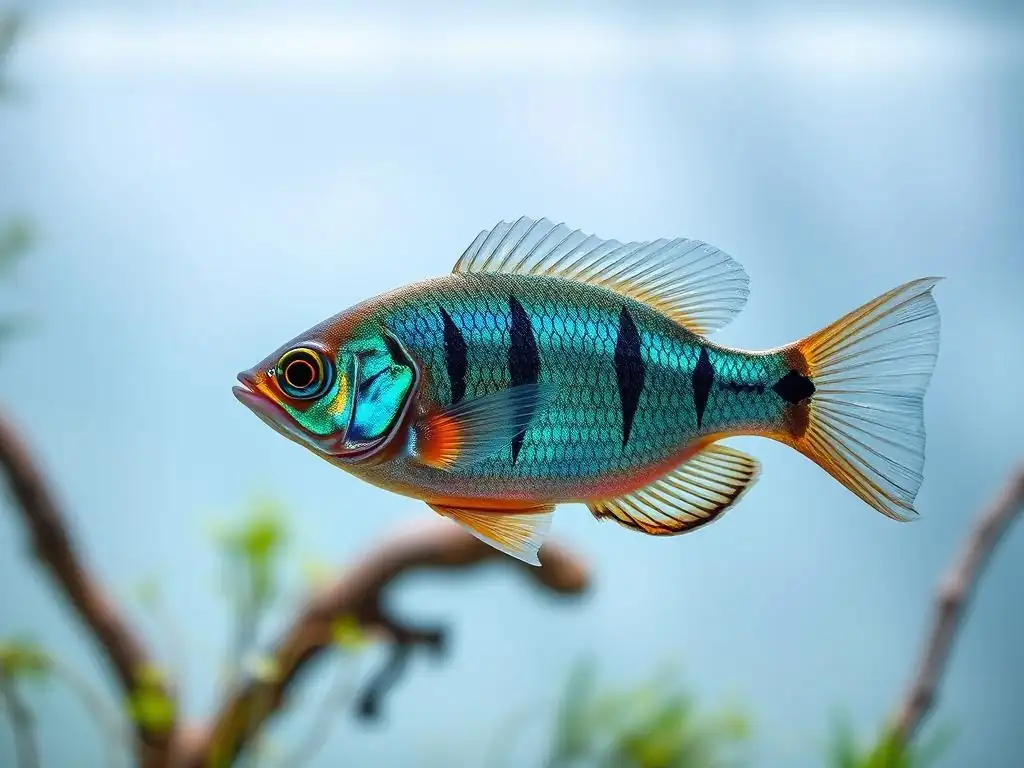
True schooling is a remarkable display of synchronized movement, where fish orient themselves in a precise, often geometric, formation and move as a single, cohesive unit. This behavior is far more coordinated than shoaling, with individuals maintaining very specific distances and directions relative to their neighbors. The primary evolutionary driver for such precise organization is anti-predator defense. The sheer number of individuals moving in unison creates a "confusion effect," making it difficult for a predator to target a single fish.
Moreover, schooling provides a "dilution effect," where the probability of any one individual being eaten is significantly reduced within a large group. The collective vigilance of a school also allows for earlier detection of threats. While highly energy-intensive, this coordinated behavior is a survival strategy that has allowed many fish species, including some Rasboras, to thrive in environments with high predation pressure.
When Do Rasboras Exhibit Schooling Behavior?
While Rasboras are primarily shoalers in a peaceful aquarium setting, specific circumstances can trigger their more synchronized schooling instincts.
Schooling as a Response to Perceived Threats
The most common trigger for true schooling behavior in Rasboras is the perception of a threat. This could be the sudden movement of a large object outside the tank, the presence of a larger, potentially predatory fish (even if harmless) within the tank, or even a rapid change in lighting conditions. In such situations, Rasboras will instantly tighten their formation, move with heightened synchronicity, and often dart rapidly across the tank in unison. This sudden, coordinated burst of movement is their innate defense mechanism, aiming to confuse and evade any perceived danger.
Schooling During Feeding Time
Interestingly, some Rasbora species may also exhibit temporary, tighter schooling patterns during feeding time. As food is introduced, the excitement and competition can cause the group to converge and move more synchronously as they vie for sustenance. While not as rigidly structured as predator-induced schooling, this feeding-related aggregation demonstrates a temporary shift towards more coordinated group dynamics, driven by a shared resource. Observing these subtle shifts in Rasbora behavior provides valuable insight into their overall well-being.
Harlequin Rasbora: A Species Known for Schooling
Among the various Rasbora species, the Harlequin Rasbora (Trigonostigma heteromorpha) is perhaps the most well-known for its propensity to exhibit schooling behavior, making them a prime subject for those interested in Rasbora schooling behavior tips. While they primarily shoal in a calm aquarium, their response to perceived threats is a textbook example of schooling. When startled, a group of Harlequin Rasboras will instantly form a tight, fast-moving school, weaving through the tank with remarkable precision.
Their distinctive copper-orange bodies and triangular black mark make their coordinated movements particularly striking. This species' natural inclination towards forming cohesive groups makes them an excellent choice for aquarists who wish to observe dynamic group behaviors. Keeping them in groups of at least 8-12 individuals is crucial to seeing their most natural and impressive schooling displays, as smaller groups may feel less secure and thus less inclined to school openly.
Key Differences Between Shoaling and Schooling in Rasboras
Speed and Synchronicity of Movement
The most apparent distinction between shoaling and schooling in Rasboras lies in the speed and synchronicity of their movements. Shoaling Rasboras move at a more leisurely pace, maintaining a general proximity but allowing individual fish to swim slightly ahead, behind, or to the side of the main group. Their movements are fluid but not necessarily coordinated down to the millisecond. Think of it as a casual stroll through a park with friends.
In contrast, schooling Rasboras exhibit rapid, highly synchronized movements. Every fish in the school turns, stops, and accelerates in unison, often maintaining precise distances from one another. This is akin to a perfectly choreographed dance or a military formation, where every member acts as part of a single, larger entity. This difference in movement is a clear visual cue for aquarists observing their Rasbora schooling behavior.
In a shoal, there is generally no strict social hierarchy or designated leader. While one fish might temporarily lead the group in a particular direction, others are free to follow or diverge. Decisions about movement are often decentralized, based on individual responses to environmental cues, and there is a constant ebb and flow of individuals joining or leaving the periphery of the group.
True schooling, especially when triggered by a threat, also tends to be decentralized in terms of leadership. The synchronized movement often arises from simple rules of interaction between nearest neighbors rather than a single leader dictating the entire school's direction. Each fish reacts to the movements of those immediately around it, resulting in a complex, emergent pattern. This lack of a fixed leader ensures rapid, flexible responses to unpredictable threats, highlighting an interesting aspect of Rasbora behavior.
The Impact of Tank Mates on Group Dynamics
The presence of compatible or incompatible tank mates significantly influences whether Rasboras exhibit natural shoaling or forced schooling behaviors. Peaceful, appropriately sized tank mates, such as Corydoras catfish or small, non-aggressive tetras like Neon Tetras, allow Rasboras to feel secure enough to engage in relaxed shoaling. They will explore the tank openly, displaying their natural colors and interactions.
However, if Rasboras are housed with larger, boisterous, or fin-nipping species, they may be constantly stressed. This stress can manifest as perpetual schooling, where the Rasboras remain in a tight, defensive formation, or even complete isolation and hiding. For example, keeping Harlequin Rasboras with aggressive cichlids or larger barbs can force them into a constant state of fear-induced schooling, which is detrimental to their long-term health and is certainly not among the recommended Rasbora schooling behavior tips.
Optimizing Your Aquarium for Natural Rasbora Behavior
Creating a Stress-Free Environment for Shoaling/Schooling
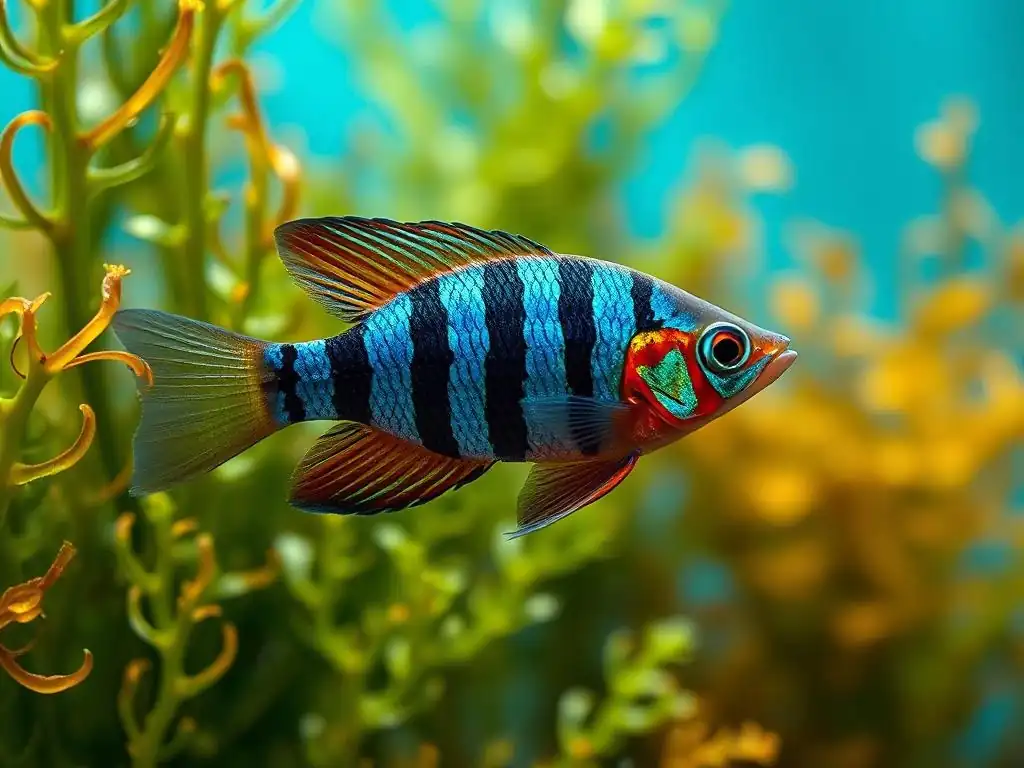
A fundamental aspect of promoting healthy Rasbora behavior is maintaining a stable, stress-free aquarium environment. This involves consistent water parameters, which means regular water changes (e.g., 25% weekly for a moderately stocked tank) and diligent monitoring of temperature, pH, and ammonia/nitrite/nitrate levels. Sudden fluctuations in water chemistry are a major source of stress. Additionally, providing appropriate lighting—not too bright, with shaded areas—and minimizing sudden external disturbances (loud noises, rapid movements near the tank) helps Rasboras feel secure enough to express their natural shoaling and schooling tendencies.
A calm environment also includes ensuring a balanced diet of high-quality flake or micro-pellet food, supplemented with occasional live or frozen foods like daphnia or brine shrimp. Proper nutrition contributes to their overall vitality, which in turn supports active and natural group dynamics. These elements combine to reduce ambient stress, allowing Rasboras to display their full range of natural Rasbora schooling behavior tips.
Choosing the Right Tank Size for Your Rasbora School or Shoal
Selecting an appropriately sized aquarium is paramount for the well-being and natural behavior of Rasboras. For a small group of 6-8 Harlequin Rasboras, a 10-gallon tank is often considered a minimum, but a 20-gallon long tank (approx. 30 inches in length) is significantly better. The increased length provides ample horizontal swimming space, which is crucial for their shoaling and schooling movements. For smaller species like Chili Rasboras, a 5-10 gallon tank can house a group of 8-12 individuals comfortably, but they too benefit from longer tanks.
Overcrowding, even with peaceful species, can lead to stress and inhibited natural behavior. A general rule of thumb is to provide at least 1-2 gallons per adult Rasbora, ensuring they have enough personal space within the group. The more space available, the more dynamic and natural their Rasbora schooling behavior will appear, as they have the freedom to form and dissolve shoals without feeling confined.
Plant Selection and Aquascaping for Enhanced Rasbora Wellbeing
Thoughtful aquascaping, particularly with live plants, is vital for creating an environment that enhances Rasbora wellbeing and encourages natural behavior. Dense planting, especially in the background and along the sides, provides crucial hiding spots and visual barriers. Plants like Java Moss, Anubias, and Cryptocorynes offer shelter, allowing Rasboras to retreat when they feel threatened, which paradoxically makes them more confident to explore open areas in groups.
Floating plants, such as Amazon Frogbit or Dwarf Water Lettuce, are also highly beneficial. They diffuse overhead light, creating dappled shadows that mimic their natural habitat and make Rasboras feel more secure. Incorporating driftwood and smooth rocks can further enhance the natural feel of the aquarium, providing additional visual interest and break lines that reduce stress. A well-designed aquascape encourages a dynamic display of Rasbora schooling behavior, as the fish navigate through varied terrains.
Understanding Rasbora Schooling Behavior Tips for Beginners
Selecting Compatible Tank Mates for Rasboras
For beginners looking to keep Rasboras, choosing compatible tank mates is one of the most critical Rasbora schooling behavior tips. Rasboras are generally peaceful fish, and they thrive best with other small, non-aggressive species that won't outcompete them for food or nip their fins. Excellent choices include other small schooling fish like Neon Tetras (Paracheirodon innesi), Cardinal Tetras (Paracheirodon axelrodi), or small peaceful Danios.
Bottom dwellers such as Corydoras catfish (Corydoras sp.) are also ideal, as they occupy a different water column and do not interfere with the Rasboras. Dwarf Gouramis (Trichopsis pumila) or Honey Gouramis (Trichogaster chuna) can also make good companions, provided they are not overly aggressive. Avoid large, predatory fish, fin-nippers like Tiger Barbs, or overly boisterous species that could stress your Rasboras and prevent them from exhibiting natural shoaling or schooling.
Maintaining Optimal Water Parameters for Rasbora Health
Maintaining stable and optimal water parameters is fundamental for the health and natural behavior of Rasboras. Most Rasbora species, including popular ones like Harlequin and Chili Rasboras, prefer slightly acidic to neutral water with a pH range of 6.0 to 7.5. The ideal temperature range is typically between 73-82°F (23-28°C). They generally thrive in soft to moderately hard water, with a general hardness (dGH) between 5 and 12.
Regular testing of your aquarium water for ammonia, nitrite, and nitrate is crucial. Ammonia and nitrite should always be at 0 ppm, while nitrates should be kept below 20 ppm through consistent weekly water changes of about 25%. Providing these stable conditions significantly reduces stress, allowing Rasboras to display their natural Rasbora schooling behavior and vibrant colors.
Observing Your Rasboras: Identifying Signs of Stress or Illness
Diligent observation of your Rasboras is one of the most proactive Rasbora schooling behavior tips for beginners. Healthy Rasboras should be active, display vibrant coloration, and engage in their typical shoaling or schooling patterns. Signs of stress or illness often manifest as changes in their social behavior. A Rasbora that consistently isolates itself from the group, hides excessively, or exhibits erratic, jerky movements may be stressed or ill.
Other indicators include clamped fins, faded colors, labored breathing, or visible spots/lesions. If you notice a change in their typical group dynamics—for instance, if a previously cohesive shoal suddenly disperses and individuals hide—it's a strong signal to check water parameters, look for aggressive tank mates, or consider potential diseases. Early identification of these signs allows for prompt intervention, improving the chances of recovery and maintaining the health of your entire group.
Troubleshooting Common Rasbora Shoaling/Schooling Issues
Dealing with Aggression Within the Group
While Rasboras are generally peaceful, occasional aggression within the group can occur, particularly if conditions are suboptimal. This might manifest as nipping, chasing, or one individual constantly harassing others. Common causes include insufficient group size (too few Rasboras can make individuals feel exposed and stressed), overcrowding (not enough space for each fish), or an imbalanced male-to-female ratio. For instance, too many males in a confined space might lead to competition.
To mitigate aggression, ensure your Rasbora group consists of at least 8-12 individuals, which helps dilute aggression and spread out any dominant behaviors. Increase tank size if possible to provide more territory. Adding more hiding spots and visual barriers with plants and decorations can also help break lines of sight and reduce confrontations. A healthy group size and ample space are key Rasbora schooling behavior tips to prevent internal strife.
Addressing Lone Rasbora Behavior
A Rasbora that consistently stays away from the group, appearing isolated or withdrawn, is a common concern. This behavior often indicates stress, illness, or that the group size is too small for the fish to feel secure. Rasboras are social creatures; a group of fewer than six individuals often leads to shyness and a reluctance to shoal or school naturally.
If you observe a lone Rasbora, first check your water parameters for any irregularities. Then, consider if your group size is adequate; adding more Rasboras (aim for 8-12 or more, depending on species and tank size) can often resolve this issue by increasing their sense of security. If the fish also shows physical signs of illness, it should be quarantined for observation and treatment. Addressing loneliness is crucial for promoting natural Rasbora schooling behavior.
Diseases can significantly impact the social behavior of Rasboras. A sick fish will often withdraw from the group, lose its vibrant coloration, and exhibit lethargy or erratic swimming. Common diseases like Ich (white spot disease), fin rot, or bacterial infections can cause these behavioral changes. For example, a Rasbora with Ich might rub against tank decorations and become isolated due to discomfort.
Early recognition is key. Observe your Rasboras daily for any changes in their typical Rasbora schooling behavior, appetite, or physical appearance. If disease is suspected, promptly identify the specific ailment and begin appropriate treatment, often involving medication, increased water changes, and sometimes raising the water temperature (for Ich). Maintaining pristine water quality is the best preventative measure against most diseases that could disrupt their social dynamics.
The Role of Genetics in Rasbora Behavior
The intricate social behaviors observed in Rasboras, such as their propensity to shoal or school, are deeply rooted in their genetics. These behaviors are not merely learned responses but are innate, hardwired traits that have evolved over millennia to enhance survival. For instance, the instinct to react to a sudden movement by tightening into a school is a genetically programmed survival mechanism. Different Rasbora species may possess varying genetic predispositions for the intensity and frequency of these group behaviors, explaining why Harlequins are more avid schoolers than some of their smaller cousins.
While environmental factors can influence the expression of these behaviors, the underlying capacity for complex social interaction is biological. Selective breeding in captivity, if not carefully managed, could potentially alter these natural instincts, though most common aquarium Rasboras still retain their strong group tendencies. Understanding this genetic foundation provides a deeper appreciation for the nuanced Rasbora schooling behavior tips.
Studies on the Benefits of Shoaling in Fish
Scientific studies on fish behavior consistently highlight the multifaceted benefits of shoaling and schooling. Beyond anti-predator defense, research indicates that group living can significantly improve foraging success. A larger number of eyes and fins searching for food increases the likelihood of discovering food sources. Studies have shown that shoaling fish often have higher feeding rates compared to solitary individuals in similar environments.
Furthermore, shoaling provides hydrodynamic advantages, allowing fish to swim more efficiently by drafting off their neighbors, reducing the energy expenditure for individual members, particularly over long distances. Group living also offers reproductive advantages, making it easier for individuals to find mates. These collective benefits underscore why shooraing and schooling are such pervasive and vital behaviors across numerous fish species, including Rasboras.
Future Directions in Understanding Rasbora Group Dynamics
The study of Rasbora group dynamics is an evolving field, with future research likely to delve deeper into the subtleties of their social interactions. Advances in technology, such as high-speed cameras and sophisticated tracking software, could allow ethologists to analyze the precise micro-movements within a shoal or school, revealing complex communication patterns that are currently imperceptible to the human eye. This could lead to new insights into leadership, decision-making, and information transfer within these groups.
Furthermore, combining behavioral observations with genetic and neurological studies could help pinpoint the specific genes and neural pathways responsible for these complex social behaviors. This interdisciplinary approach would not only deepen our scientific understanding but could also inform better husbandry practices, allowing aquarists to create even more ideal environments that perfectly cater to the natural Rasbora schooling behavior and social needs of these fascinating fish.
The Importance of Observation and Adjustment
The journey of keeping Rasboras healthy and thriving in an aquarium is a continuous cycle of observation and adjustment. Their social behaviors—shoaling and, under certain circumstances, schooling—are powerful indicators of their well-being. A vigilant aquarist will pay close attention to how their Rasboras interact: Are they forming cohesive groups? Are they exploring the tank openly? Are their colors vibrant? Any deviation from these healthy Rasbora schooling behavior tips should prompt an investigation into water parameters, tank mate compatibility, or environmental stressors.
By consistently observing their natural tendencies and responding to their needs, hobbyists can fine-tune their aquarium setup and care routines. This proactive approach ensures that the environment remains optimal, fostering not just survival but true thriving, where these small cyprinids can display their full, captivating range of social interactions.
Providing a Thriving Environment for Your Rasboras
Ultimately, promoting healthy Rasbora social interactions boils down to providing an environment that closely mimics their natural habitat and caters to their specific needs. This encompasses several key elements: an appropriately sized aquarium (e.g., 20 gallons long for a group of Harlequins) that offers ample swimming space; stable and pristine water parameters within their preferred ranges (pH 6.0-7.5, temp 73-82°F); a suitable group size of at least 8-12 individuals to foster security and group dynamics; and a well-aquascaped tank with plenty of live plants and hiding spots.
When these conditions are met, Rasboras will reward the aquarist with dynamic displays of their natural shoaling and schooling behaviors, showcasing their vibrant colors and active personalities. Providing such a thriving environment is not just about keeping fish alive; it's about enabling them to live rich, fulfilling lives within the confines of the aquarium, making them a true joy to observe and a testament to effective Rasbora schooling behavior tips.
Frequently Asked Questions
How can I tell if my Rasboras are shoaling or schooling, and why does it matter?
Rasboras exhibit both shoaling and schooling behavior. Shoaling is looser, more casual grouping, while schooling is a tighter, more synchronized formation often seen when threatened. Recognizing the difference helps you gauge their stress levels and overall well-being.
What are some Rasbora schooling behavior tips to encourage a strong, healthy school?
To encourage a strong school, ensure you have a sufficient number of Rasboras (at least 6, ideally more), a spacious tank to allow for movement, and provide plenty of hiding places to reduce stress.
My Rasboras used to school tightly, but now they seem more scattered. What could be causing this change in their behavior?
Several factors can disrupt schooling behavior. These include stress from poor water quality, introduction of new tank mates, or illness. Check your water parameters and observe your fish for signs of disease.
What is the ideal tank size for a group of Rasboras to display natural schooling behavior?
The ideal tank size depends on the specific Rasbora species, but generally, a minimum of a 20-gallon long tank is recommended for a school of 6-8 smaller Rasboras. Larger species will require more space. Adequate swimming room is crucial.
Are there any specific tank decorations or environments that promote Rasbora schooling behavior tips?
Yes! Providing a heavily planted tank with areas of open swimming space will make Rasboras feel secure and encourage natural schooling. Darker substrates and backgrounds can also help to reduce stress and promote tighter schooling.
Final Reflection: The Dance of Connection
The exploration of Rasbora shoaling and schooling, as we've seen, isn't just about fish; it's a microcosm of the intricate social dynamics present in all life. Understanding these nuances, the subtle shifts between loose association and coordinated movement, offers a powerful lens through which to view our own interactions and the societies we build. The principles of observation, adaptation, and responsiveness that govern a Rasbora's world are surprisingly relevant to our own.
The delicate balance between individual autonomy and collective action, so clearly demonstrated in the aquarium, resonates deeply with our human experience. Observing these tiny creatures navigate their social landscape has underscored the importance of empathy and understanding in fostering harmonious communities, both in our tanks and in our world. The strength of the pack is the wolf, and the strength of the wolf is the pack.
- Rudyard Kipling's words, though about wolves, perfectly capture the essence of interdependence that Rasboras, and indeed all social creatures, embody.
Now, as you observe your own Rasboras, or even simply reflect on your own social interactions, consider the lessons learned. Are you fostering an environment that encourages both individual expression and collective cohesion? Are you attuned to the subtle cues that indicate a shift in group dynamics? Let the dance of the Rasboras inspire you to cultivate deeper connections, build stronger communities, and appreciate the beauty of interconnectedness in all its forms.
Unlock the Secrets of Rasbora Behavior!
Thanks for diving deep into the fascinating world of Rasbora social dynamics. We hope you now have a clearer understanding of shoaling and schooling behaviors. Ready to put that knowledge to the test?
Here are a few things you can do right now:
- Evaluate your own Rasbora tank! Carefully observe your Rasboras for the next week and document their behavior. Are they shoaling or schooling? What triggers changes in their group dynamic?
- Share your newfound knowledge! Discuss these nuances with fellow aquarium enthusiasts on forums or social media, enriching the aquarium community's understanding.
- Try enriching your Rasbora's environment by adding new plants or decorations and observe how it influences their shoaling/schooling behavior.
What specific environmental change will you implement to best observe Rasbora social behavior in your aquarium this week?