
Acropora Species Spotlight: From Millepora to Tenuis Unlocking Their Unique Care Nuances

Welcome to Aquarium Mastery!
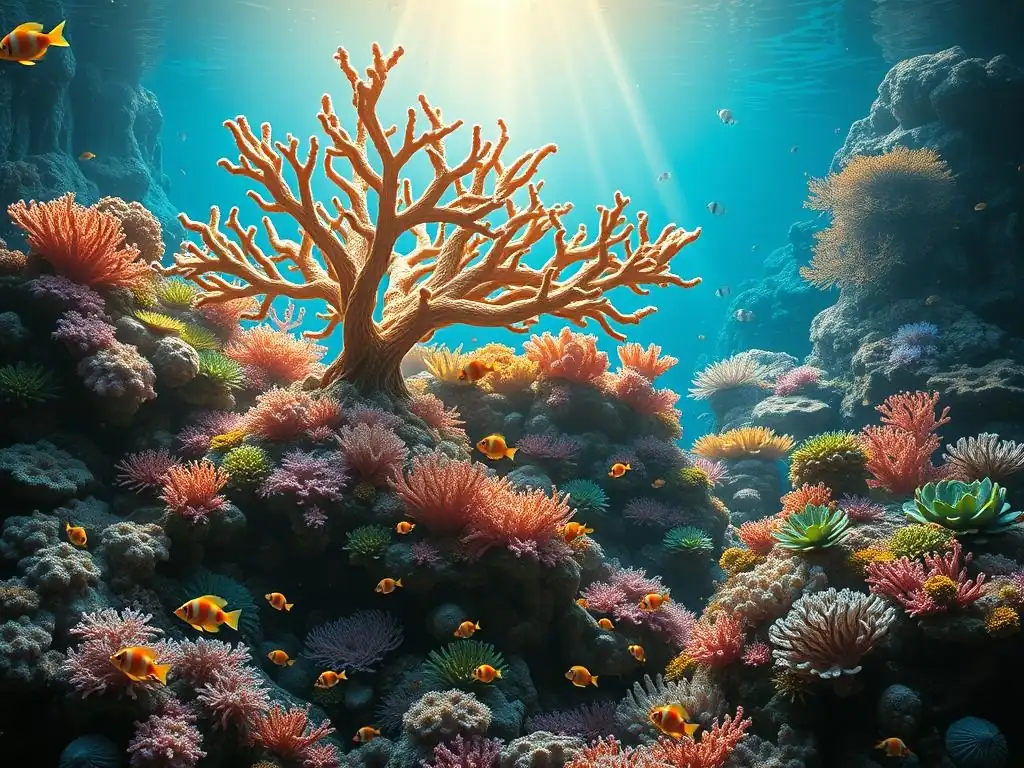
Ever wondered about the secret to keeping those vibrant, captivating Acropora corals thriving in your reef tank? Dive in! Our Acropora care tips guide unveils the nuances of these stunning SPS corals, from the delicate Millepora to the resilient Tenuis. Unlock the key to their unique needs and discover how to cultivate a flourishing Acropora reef. Ready to master the art of Acropora care? Let's begin!
- Acropora Species Spotlight: From Staghorn to Rainbow - Unlocking Their Unique Care Nuances
- Introduction to Acropora Corals: A Guide for Reef Tank Enthusiasts
- Essential Acropora Care Tips Guide for a Thriving Reef
- Acropora Species Profiles: Care Nuances and Specific Requirements
- Advanced Acropora Care: Beyond the Basics
- Troubleshooting Common Acropora Care Issues
- Conclusion: Mastering Acropora Care for a Vibrant Reef Aquarium
-
Frequently Asked Questions
- What are some key differences in care between different Acropora species?
- What water parameters are most critical for successful Acropora care?
- How important is lighting intensity and spectrum for Acropora corals?
- What flow rates are generally recommended for Acropora corals and why?
- What are some common signs of stress in Acropora corals and how can I address them?
- Final Reflection: Navigating the Acropora Reefscape
- Ignite Your Reef Tank: Become an Acropora Ace!
Acropora Species Spotlight: From Staghorn to Rainbow - Unlocking Their Unique Care Nuances
Introduction to Acropora Corals: A Guide for Reef Tank Enthusiasts
Understanding the Appeal of Acropora in Reef Aquariums
Acropora corals, often considered the pinnacle of reef aquarium keeping, captivate enthusiasts with their intricate branching structures and dazzling array of colors. These small polyp stony (SPS) corals are a cornerstone of natural coral reefs, contributing significantly to biodiversity and structural complexity. In a home aquarium, a thriving Acropora colony can transform a tank into a vibrant, dynamic ecosystem, mirroring the beauty of wild reefs. Their rapid growth rates, under optimal conditions, allow aquarists to witness significant changes over relatively short periods, fostering a deep sense of accomplishment.
The allure of Acropora also stems from the challenge they present. Successfully cultivating these demanding corals signifies a high level of mastery in reef husbandry, pushing aquarists to fine-tune every aspect of their system, from water chemistry to lighting and flow. The satisfaction of seeing a drab frag transform into a robust, colorful colony, perhaps exhibiting hues of electric blue, vibrant green, or fiery red, is unparalleled. This pursuit of perfection and the aesthetic reward it brings are key drivers for many who embark on the journey of keeping Acropora.
The Importance of Species-Specific Acropora Care
While all Acropora share general requirements as SPS corals, their vast diversity—with over 150 known species—necessitates a nuanced, species-specific approach to care. Factors such as growth form, polyp extension, and natural habitat influence their optimal lighting, flow, and nutrient preferences. For instance, a delicate, highly branched Acropora tenuis might thrive under different flow patterns than a robust, plating Acropora hyacinthus. Understanding these subtle differences is paramount for long-term success and vibrant coloration.
Ignoring species-specific needs often leads to common issues like bleaching, tissue necrosis, or stunted growth, even when general parameters appear stable. A comprehensive Acropora care tips guide must emphasize that a "one-size-fits-all" mentality is insufficient for these sensitive organisms. By delving into the unique requirements of individual species, aquarists can tailor their tank environment more precisely, ensuring each colony receives the specific conditions it needs to flourish. This detailed understanding is what separates good Acropora keepers from truly exceptional ones.
Essential Acropora Care Tips Guide for a Thriving Reef
Key Water Parameters for Optimal Acropora Health
Maintaining Alkalinity, Calcium, and Magnesium Balance
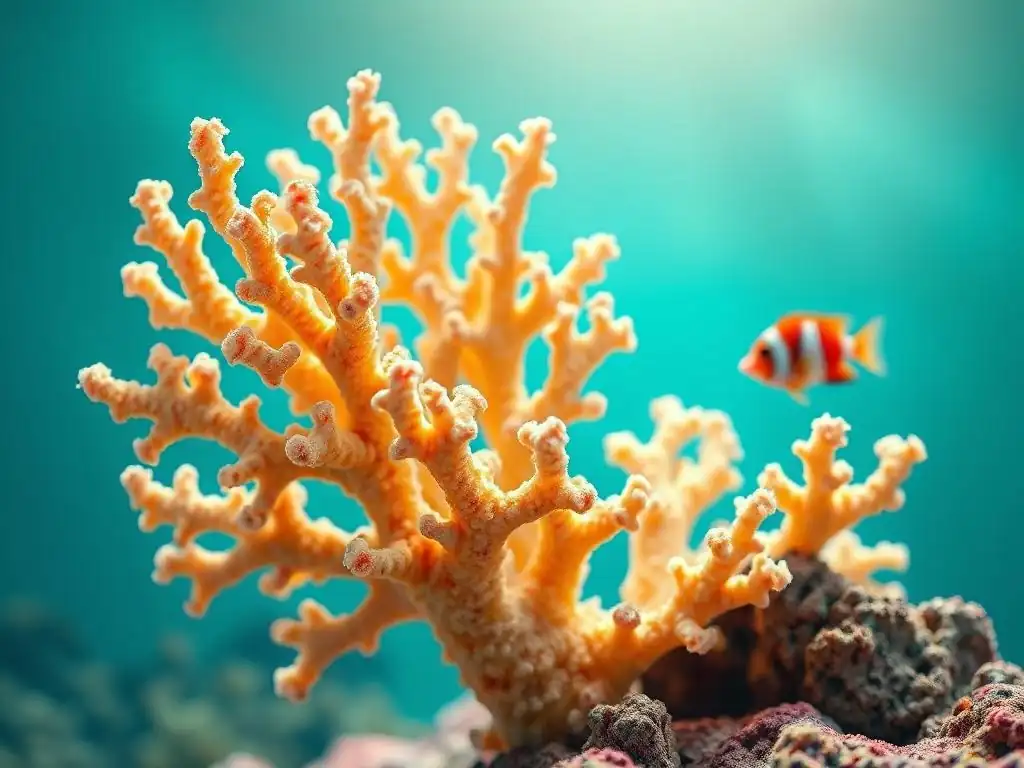
Maintaining stable water parameters is the bedrock of successful Acropora husbandry. Alkalinity, calcium, and magnesium are critical for calcification, the process by which corals build their stony skeletons. For Acropora, target ranges are typically: Alkalinity (dKH): 7.5-8.5, Calcium (ppm): 400-450, and Magnesium (ppm): 1300-1400. Fluctuations, even minor ones, can stress corals and inhibit growth. For example, a sudden drop in alkalinity from 8.0 to 6.5 dKH within 24 hours can trigger stony coral tissue loss (SCTS) or even rapid tissue necrosis (RTN) in sensitive Acropora species.
Regular testing, ideally daily for alkalinity and every few days for calcium and magnesium, is essential. Many experienced aquarists utilize dosing pumps to replenish these elements automatically, based on their tank's consumption rate. For a typical 100-gallon reef tank with moderate Acropora growth, calcium consumption might be around 10-20 ppm per day, while alkalinity could drop by 0.5-1.0 dKH daily. Consistent replenishment, often through two-part solutions or a calcium reactor, helps maintain the stable environment Acropora demand, making it a vital part of any Acropora care tips guide.
The Role of Trace Elements in Acropora Growth and Coloration
Beyond the major elements, trace elements play a crucial, albeit often overlooked, role in Acropora health and vibrant coloration. Elements like Strontium, Iodine, Potassium, Boron, and various heavy metals are incorporated into the coral's skeleton and soft tissue, or facilitate enzymatic reactions. For instance, Iodine and Potassium are frequently cited for their role in enhancing blue and green pigments in certain Acropora species. While exact consumption rates are harder to measure, these elements are depleted through coral growth, protein skimming, and activated carbon use.
Supplementation of trace elements is generally recommended, often through commercially available solutions. However, caution is advised, as overdosing can be detrimental. It is often best to start with a lower dose and observe coral response, or to use a high-quality salt mix that provides a balanced array of trace elements. Some aquarists opt for regular small water changes (e.g., 10% weekly) with a good quality salt mix to naturally replenish trace elements, avoiding the complexities of individual dosing. This holistic approach to water chemistry is fundamental for a successful Acropora care tips guide.
Lighting Requirements for Acropora: Intensity and Spectrum
Understanding PAR (Photosynthetically Active Radiation) for Acropora
Lighting is arguably the most critical factor for Acropora, as these corals derive a significant portion of their energy from photosynthesis by their symbiotic zooxanthellae. The intensity of light is measured in PAR (Photosynthetically Active Radiation), which quantifies the amount of light available for photosynthesis.
Acropora generally thrive in high PAR environments, typically ranging from 250 to 500 PAR at the coral's surface. A common mistake is placing them too low in the tank where PAR levels might drop significantly; for example, a light fixture producing 600 PAR at the surface might only deliver 150 PAR at 24 inches deep.
Accurate PAR measurement using a dedicated PAR meter is the most reliable way to ensure optimal light intensity. Without a meter, aquarists often rely on general guidelines or observation of coral response. Too little PAR results in pale colors, poor growth, and potential browning, while excessive PAR can lead to bleaching. Gradual acclimation to new lighting is crucial; for example, if upgrading from T5s to powerful LEDs, start with a lower intensity (e.g., 50% power) and slowly increase it over several weeks (e.g., 5-10% increase per week) to prevent shock.
Choosing the Right Lighting System: LEDs, T5s, and Metal Halides
The choice of lighting system significantly impacts Acropora growth and coloration. LEDs (Light Emitting Diodes) are popular for their energy efficiency, customizable spectrums, and long lifespan. Modern LED fixtures often include a range of blue, violet, and UV diodes, which are particularly beneficial for enhancing fluorescent proteins in Acropora. For instance, a fixture with a strong peak around 420-450nm (royal blue) can truly make Acropora "pop." However, LEDs can create "hot spots" of intense light, requiring careful placement.
T5 fluorescent lights, known for their even light spread and excellent color rendition, remain a favorite among many Acropora enthusiasts. A common setup might include a mix of ATI Blue Plus, Coral Plus, and Purple Plus bulbs for a balanced spectrum.
Metal Halides, while less common now due to heat and energy consumption, still offer unparalleled intensity and shimmer, often favored by those seeking maximum growth. Many successful reefers combine systems, such as LEDs for customizable spectrum and T5s for even spread, to provide a comprehensive light environment for their Acropora, forming a cornerstone of effective Acropora care tips guide strategies.
Flow and Circulation: Providing the Right Current for Acropora
The Importance of Random, Turbulent Flow
Acropora corals originate from high-energy reef environments, where they are constantly bathed in strong, turbulent water flow. This dynamic movement is crucial for several reasons: it delivers food particles and dissolved nutrients to the coral polyps, removes metabolic waste products (like oxygen from photosynthesis and mucus), and prevents detritus from settling on the coral tissue, which can lead to infection or tissue loss. Stagnant or laminar (one-directional) flow is detrimental; Acropora thrive on chaotic, multi-directional turbulence that mimics natural wave action.
Achieving this turbulent flow often involves multiple powerheads strategically placed throughout the aquarium. Oscillating powerheads, wavemakers, or gyre-style pumps are excellent tools for creating the necessary random flow patterns. For a 100-gallon Acropora-dominated tank, a total flow turnover of 20-30 times the tank volume per hour is a good starting point, meaning 2,000-3,000 gallons per hour (GPH) of circulation. This ensures that every part of the coral, from the base to the tips, receives adequate water movement.
Avoiding Dead Spots and Promoting Gas Exchange
Dead spots—areas in the aquarium with little to no water movement—are detrimental to Acropora. These areas accumulate detritus, allow nuisance algae to flourish, and prevent proper gas exchange, leading to localized low oxygen levels and nutrient buildup. Regularly observing the tank to identify and eliminate these dead spots is a critical component of maintaining a healthy Acropora environment. This often involves adjusting powerhead angles or adding supplementary smaller pumps.
Proper flow also facilitates gas exchange at the water's surface, ensuring sufficient oxygen saturation and carbon dioxide removal. Acropora, especially when photosynthesizing actively, produce oxygen, which needs to dissipate. Conversely, they consume oxygen during respiration, particularly at night. Robust surface agitation helps maintain stable pH and overall water quality. Implementing a strong, varied flow regime is a non-negotiable element in any effective Acropora care tips guide, promoting not just coral health but overall reef stability.
Acropora Species Profiles: Care Nuances and Specific Requirements
Acropora Staghorn: Care Considerations and Identification
Unique Characteristics of Acropora Staghorn
Acropora staghorn corals, encompassing numerous species such as Acropora cervicornis and Acropora formosa, are characterized by their distinctive, elongated, and often widely spaced branches, resembling deer antlers. These corals are typically fast-growing, especially in comparison to more compact or plating Acropora species. Their growth can be incredibly impressive, with some colonies adding several inches in length per month under ideal conditions. This rapid growth also means they can quickly consume calcium and alkalinity, necessitating robust dosing regimens.
Staghorns are often found in shallower, high-energy zones of natural reefs, reflecting their need for intense light and strong, turbulent flow. Their branches provide significant surface area for photosynthesis and nutrient uptake. While often seen in shades of brown or tan, well-cared-for staghorns can exhibit beautiful green, blue, or even pink tips. Their relatively open structure makes them somewhat less prone to detritus accumulation compared to denser plating or bushy forms, but still requires good flow to prevent issues.
Specific Lighting and Flow Preferences for Staghorn
Given their natural habitat, Acropora staghorn species generally prefer high PAR levels, often thriving in the 350-500 PAR range. When placing them in the aquarium, aim for the upper regions of the rockwork or higher up in the water column to ensure they receive sufficient light intensity. For instance, in a 24-inch deep tank, a staghorn placed within the top 6-8 inches is likely to fare better than one near the substrate. They can also be more forgiving of slight PAR variations than some of the more delicate, intensely colored Acropora species.
In terms of flow, staghorns demand vigorous, multi-directional water movement. Imagine them swaying gently but constantly in strong currents. The wide spacing of their branches allows water to flow freely through the colony, preventing dead spots within their structure. Aim for a flow rate that visibly causes the polyps to retract and extend rhythmically, without causing the branches themselves to visibly vibrate or stress. A good Acropora care tips guide for staghorns emphasizes providing enough flow to keep their extensive branching clean and facilitate efficient nutrient exchange.
Acropora Rainbow: A Delicate Beauty Requiring Specialized Care
Identifying Acropora Rainbow and Its Color Variations
The term "Acropora Rainbow" typically refers to several highly sought-after species or morphs known for their stunning polychromatic coloration, often displaying vibrant shades of green, blue, pink, orange, and yellow simultaneously. Acropora tenuis and Acropora microclados are common species found in "rainbow" morphs. These corals often have a more compact, bushy, or tabling growth form compared to staghorns, with smaller, more delicate polyps. Their intense coloration is a result of specific fluorescent proteins, which are highly sensitive to environmental conditions.
Identifying a true "Rainbow" Acropora involves looking for a distinct blend of at least three or more contrasting colors, often with different colors present in the base, branches, and growth tips. For example, a common Acropora tenuis morph might have a green base, blue branches, and pink or yellow growing tips. These colors are not static; they can intensify or fade based on light spectrum, nutrient levels, and overall water quality, making them a true benchmark of an aquarist's skill in providing specialized Acropora care tips guide.
Optimizing Water Quality for Acropora Rainbow Success
Acropora Rainbow varieties are notoriously sensitive to water quality fluctuations and demand pristine conditions. While all Acropora require stable parameters, Rainbows benefit immensely from even tighter control. Target alkalinity should be kept consistently within 7.8-8.2 dKH, calcium at 420-440 ppm, and magnesium at 1350-1400 ppm. Even minor swings, such as a 0.5 dKH drop over a few hours, can lead to stress and color loss. Nutrient levels (nitrate and phosphate) must be kept extremely low, ideally near undetectable levels for nitrate (e.g., <0.5 ppm) and phosphate (e.g., <0.02 ppm), as higher levels can cause browning and dull coloration.
Beyond the core parameters, trace element supplementation becomes even more critical for Rainbow Acropora to express their full color potential. Regular, small doses of targeted amino acids and specific trace elements (like potassium and iodine) can significantly enhance their vibrancy. Furthermore, these corals often benefit from slightly lower, but still strong, PAR levels compared to some staghorns, typically in the 250-400 PAR range, with a strong emphasis on blue and violet spectrums to bring out their fluorescence. Over-lighting can quickly lead to bleaching and dullness in these delicate beauties.
Comparing Acropora Staghorn and Rainbow: Key Differences in Care
Understanding Growth Patterns and Color Potential
The fundamental difference between Acropora Staghorn and Rainbow varieties lies in their growth patterns and the factors influencing their color potential. Staghorns, with their open, branching structures, are generally rapid growers, often adding 1-2 inches of growth per month under optimal conditions. Their color is more dependent on overall health, strong lighting, and moderate nutrient levels, often presenting as solid colors or subtle tip coloration. They are somewhat more forgiving of minor parameter fluctuations due to their robust structure.
Rainbow Acropora, on the other hand, typically exhibit slower, more compact growth (e.g., 0.5-1 inch per month) and derive their spectacular multi-coloration from a complex interplay of light spectrum, ultra-low nutrient levels, and specific trace element availability. Their colors are far more sensitive to environmental nuances; a slight increase in phosphate, for instance, can quickly cause a Rainbow A. tenuis to lose its vibrant blues and purples, shifting to a muted brown or green. This makes them a true test of an aquarist's ability to provide an intricate Acropora care tips guide tailored to their needs.
Addressing Common Challenges with Each Species
Common challenges for Staghorn Acropora often revolve around managing their rapid growth and ensuring consistent nutrient delivery. Their fast calcification rates mean calcium and alkalinity depletion can be significant, requiring diligent dosing and monitoring. They are also prone to shading out other corals or even themselves if not fragged or pruned regularly. Overly aggressive flow can sometimes damage their tips, while insufficient flow can lead to detritus buildup within their branches.
Rainbow Acropora present different hurdles. Their extreme sensitivity to nutrients means constant vigilance is required to keep nitrates and phosphates near zero, often necessitating robust filtration like GFO reactors, biopellets, or refugiums. They are also more susceptible to bleaching from sudden changes in light intensity or spectrum. Furthermore, their delicate tissue makes them more vulnerable to pests like Acropora Eating Flatworms (AEFW) or spider mites, demanding rigorous quarantine protocols. Mastering the care for both types requires understanding these distinct challenges and adapting your Acropora care tips guide accordingly.
Advanced Acropora Care: Beyond the Basics
Coral Nutrition: Feeding Acropora for Enhanced Growth and Color
Exploring Different Feeding Methods: Direct Feeding and Amino Acids
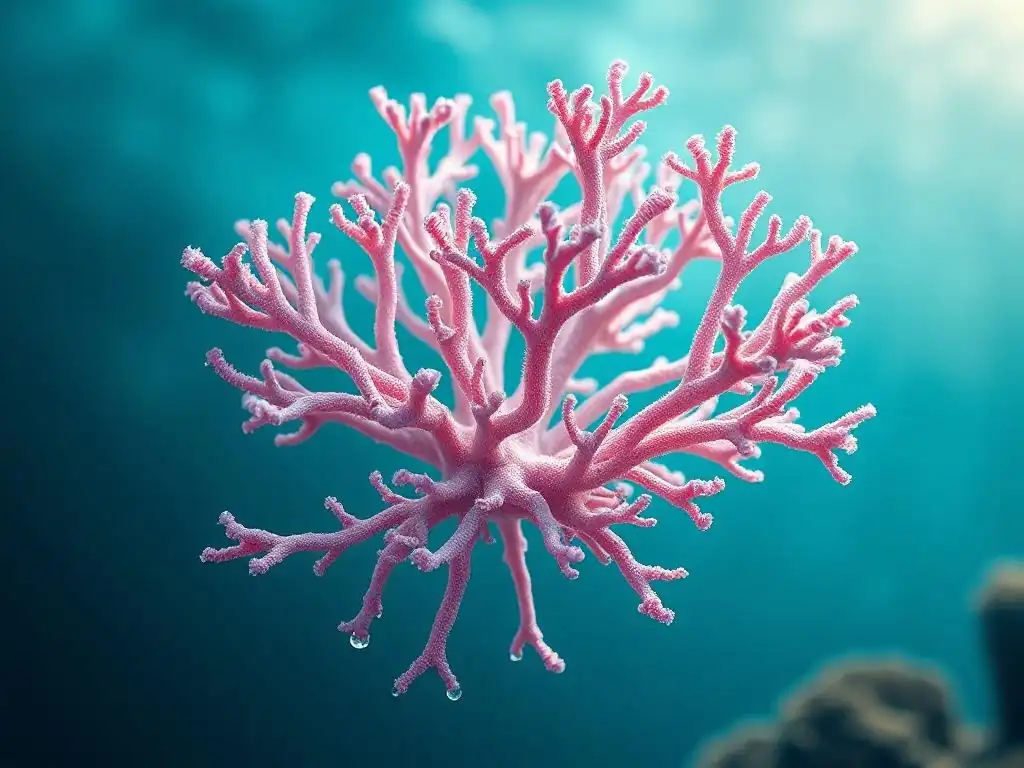
While Acropora derive most of their energy from photosynthesis, supplemental feeding can significantly enhance their growth rates, coloration, and overall vitality. There are two primary approaches: direct feeding of particulate matter and dosing with dissolved nutrients like amino acids. Direct feeding involves offering very fine, planktonic foods (e.g., reef roids, marine snow, phytoplankton blends) that their small polyps can capture.
This is often done with pumps off for 15-30 minutes to allow the food to settle and be consumed. For example, dosing 1/4 teaspoon of a high-quality coral food mix twice a week in a 100-gallon tank can lead to noticeable improvements in polyp extension and growth.
Amino acids, on the other hand, are absorbed directly from the water column. These are the building blocks of proteins and can be particularly beneficial for corals that are not strong feeders or when aiming to enhance specific fluorescent pigments. Many aquarists report enhanced coloration, especially brighter blues and pinks, after consistent amino acid dosing. A typical dosage might be 1-2 ml per 25 gallons of water, 2-3 times per week. However, caution is advised as excessive feeding of either type can lead to nutrient spikes, fueling nuisance algae.
Selecting the Right Food for Acropora
Choosing the right food for Acropora involves considering particle size, nutritional profile, and purity. Acropora polyps are tiny, so foods must be micronized (typically less than 100 microns) to be effectively captured and ingested. Look for products specifically formulated for SPS corals, which often contain a blend of marine proteins, lipids, carbohydrates, and vitamins. For instance, commercially available products like "Reef Roids" or "Fauna Marin LPS & SPS Grow" are popular choices known for their fine particle size and comprehensive nutritional content.
Beyond dry foods, live phytoplankton can be beneficial, providing a natural food source for the coral's zooxanthellae and other beneficial microorganisms in the tank. Some aquarists also use liquid coral foods that combine amino acids with other dissolved organic compounds. Regardless of the choice, it's crucial to start with small amounts and gradually increase, observing the corals' response and monitoring nutrient levels. A well-rounded feeding strategy is a key component of an advanced Acropora care tips guide, moving beyond just light and flow to truly unlock their potential.
Preventing and Treating Acropora Diseases and Pests
Identifying Common Acropora Ailments: RTN, STN, and AEFW
Acropora are susceptible to a range of ailments, with Rapid Tissue Necrosis (RTN), Slow Tissue Necrosis (STN), and Acropora Eating Flatworms (AEFW) being among the most devastating. RTN is characterized by a rapid, often overnight, loss of coral tissue, leaving behind a bare white skeleton. It's usually triggered by severe stress, such as sudden parameter swings, extreme temperature shifts (e.g., a heater failure causing a 5°F spike), or bacterial infections. STN is a slower progression of tissue loss, often starting from the base, and can be caused by chronic stress, poor water quality, or parasitic infections.
AEFW ( Amakusaplana acroporae) are tiny, camouflaged flatworms that exclusively feed on Acropora tissue, causing characteristic bite marks and eventual tissue loss, often starting from the tips or base. Identifying them early is crucial: look for small, oval, tan-colored worms on the coral, or their distinctive white egg spirals on the coral skeleton. Other common issues include red bug mites (Tegastes acroporanus), which are tiny crustaceans that irritate polyps and inhibit growth, often appearing as small red dots on the coral.
Effective Treatment Strategies for Acropora Coral Diseases
Treatment for Acropora ailments varies based on the specific issue. For RTN, immediate fragging of healthy tissue above the necrosis line is often the only hope, along with identifying and rectifying the underlying stressor. For STN, improving water quality, optimizing flow, and dipping the coral in an iodine-based solution (e.g., 10 ml of Lugol's solution per gallon of tank water for 10-15 minutes) can sometimes halt its progression.
For pests like AEFW and red bugs, a multi-pronged approach is necessary. Dipping corals in a specialized pesticide solution (e.g., Bayer's Complete Insect Killer, often at 0.5 ml per gallon for 10 minutes) is effective for killing adult worms and mites. However, dips do not kill eggs, so a series of dips (e.g., every 5-7 days for 4-6 weeks) is required to break the life cycle.
Strict quarantine of all new Acropora frags for at least 6-8 weeks, with multiple preventative dips, is the most effective way to prevent these pests from entering the display tank. This proactive approach is a critical part of any comprehensive Acropora care tips guide.
Maintaining Long-Term Acropora Health: A Proactive Approach
Regular Observation and Parameter Monitoring
Long-term success with Acropora hinges on a proactive rather than reactive approach. Regular, almost daily, observation of your corals is paramount. Look for subtle changes in polyp extension, color intensity, growth patterns, or any signs of tissue recession. For example, reduced polyp extension in a normally "fuzzy" Acropora could indicate a problem with flow or water quality before visible tissue loss occurs. Noticing a slight browning on a blue Acropora might signal rising nutrient levels or insufficient blue light.
Concurrent with observation, diligent parameter monitoring is non-negotiable. Establish a consistent testing schedule: alkalinity daily, calcium and magnesium every 2-3 days, and nitrates/phosphates weekly. Keep a log of your readings and any actions taken (e.g., dosing adjustments, water changes). This data allows you to identify trends, fine-tune your dosing, and catch potential issues before they become critical. For instance, if alkalinity consistently drops by 0.2 dKH more than usual, it might indicate increased coral growth or a dosing pump malfunction.
Implementing a Consistent Maintenance Routine
A consistent maintenance routine forms the backbone of sustained Acropora health. This includes regular water changes, typically 10-20% bi-weekly or 5-10% weekly, to replenish trace elements and dilute accumulated wastes. Cleaning protein skimmers regularly (e.g., emptying the collection cup daily and cleaning the neck weekly) ensures efficient nutrient export. Replacing carbon and GFO (granular ferric oxide) media on a schedule (e.g., every 2-4 weeks) prevents organic buildup and phosphate accumulation.
Beyond these staples, consider periodic deep cleaning of powerheads to maintain optimal flow, and siphoning detritus from sumps or refugiums. For tanks with very high Acropora density, manual removal of nuisance algae or pruning of faster-growing SPS can also be part of the routine. The goal is to create a stable, clean environment with minimal fluctuations. This disciplined approach to maintenance, combined with vigilant observation, makes an effective Acropora care tips guide a living document, constantly adapting to the needs of your thriving reef.
Troubleshooting Common Acropora Care Issues
Addressing Acropora Color Loss and Fading
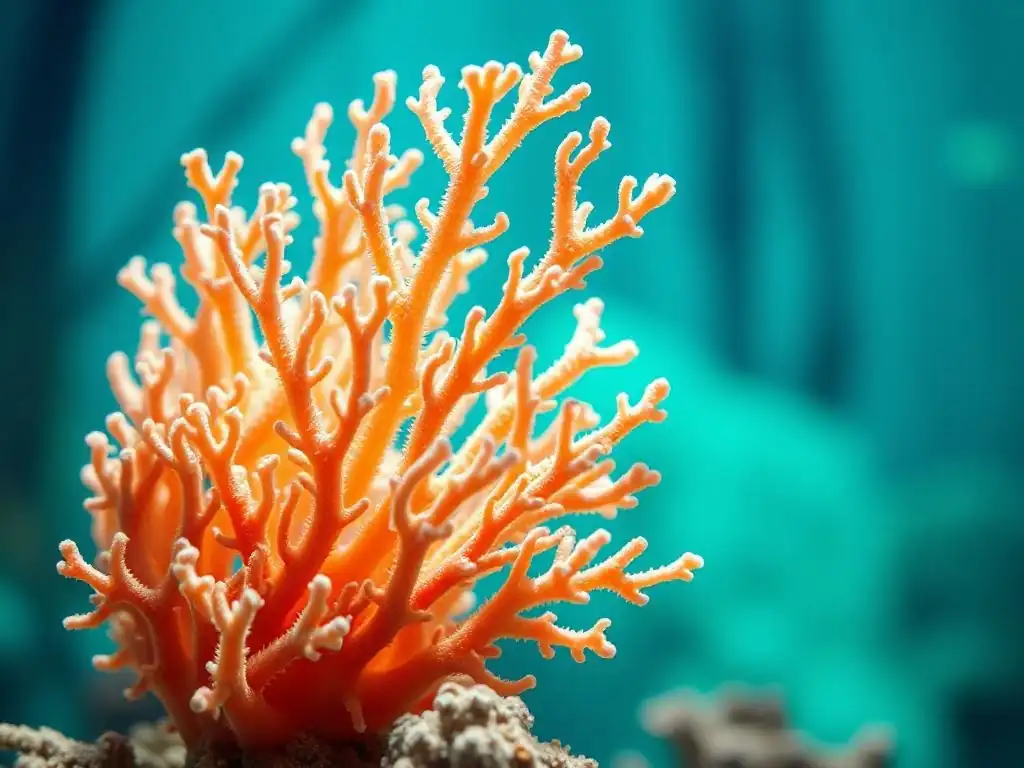
Acropora color loss or fading is a common and often frustrating issue for reef aquarists. It can manifest as a vibrant coral turning pale, dull, or even a uniform brown (often called "browning out"). The primary culprits are usually one or a combination of:
- Insufficient or Incorrect Lighting: Too little PAR, or a spectrum lacking in blue/violet wavelengths, can cause zooxanthellae to produce less pigment, leading to paleness. Conversely, too much light can cause bleaching, where the coral expels its zooxanthellae entirely, turning stark white.
- High Nutrients (Nitrate/Phosphate): Elevated levels of nitrate (e.g., above 5 ppm) or phosphate (e.g., above 0.05 ppm) can lead to a proliferation of zooxanthellae within the coral tissue, causing it to appear brown or muted as the brown algae pigments overshadow the coral's natural fluorescent proteins.
- Lack of Trace Elements/Amino Acids: Specific trace elements (like Potassium for blues/pinks, Iron for greens) and amino acids are vital for the production of vibrant colors. Deficiencies can lead to dullness.
- Stress: Any form of prolonged stress—unstable parameters, aggressive fish, or pests—can cause colors to recede.
To address color loss, first re-evaluate your lighting. Use a PAR meter if possible, or adjust intensity/spectrum based on observation. Aim for blue-heavy spectrums (e.g., 420-470nm) which are crucial for coloration. Next, meticulously test your nitrate and phosphate levels.
If high, increase water changes, reduce feeding, or consider implementing nutrient export methods like GFO, biopellets, or a refugium. Finally, consider dosing high-quality trace element solutions and amino acids according to manufacturer guidelines, starting with lower doses and observing coral response. Sometimes, simply moving a pale coral to a slightly lower PAR spot can help it regain color, or moving a browned coral to a higher PAR spot might help.
Resolving Slow Growth and Stunted Development
Slow growth or stunted development in Acropora, where a frag shows minimal or no noticeable growth over weeks or months, is a clear indicator that something is amiss. Unlike color loss, which can be purely aesthetic, stunted growth points to fundamental issues preventing the coral from calcifying and thriving. Common causes include:
- Unstable or Low Alkalinity/Calcium/Magnesium: These are the building blocks for the coral skeleton. If they are too low or fluctuate wildly (e.g., daily alkalinity swings of 1.0 dKH or more), calcification is severely hampered.
- Insufficient Lighting: While Acropora can survive in lower light, they will not grow optimally. Growth tips might appear rounded rather than pointed, and overall mass increase will be minimal.
- Inadequate Flow: Poor flow prevents nutrient delivery and waste removal, directly inhibiting growth. Polyps may appear retracted or stressed.
- Nutrient Starvation: While high nutrients cause browning, excessively low nutrients can also stunt growth, as the coral needs some level of nitrogen and phosphorus for soft tissue development. This is a fine balance to achieve.
- Pests or Disease: Even if not visibly consuming tissue, pests like red bugs or bacterial infections can chronically stress the coral, diverting energy from growth to defense.
To resolve slow growth, the first step is to rigorously test and stabilize alkalinity, calcium, and magnesium within their optimal ranges. Ensure your dosing system is accurately replenishing consumed elements. Next, verify your lighting PAR and spectrum are appropriate for Acropora; consider increasing intensity or adjusting spectrum towards growth-promoting wavelengths if necessary.
Evaluate your flow patterns to ensure robust, turbulent movement around the coral, checking for dead spots. If all physical parameters are dialed in, consider a balanced feeding regimen, including amino acids, to ensure adequate nutrition. Finally, conduct a thorough inspection for subtle signs of pests or disease, and implement appropriate treatment if found.
Preventing and Managing Algae Overgrowth on Acropora
Algae overgrowth on Acropora is a serious issue, as algae can smother coral tissue, block light, and compete for resources, often leading to STN or complete coral loss. This problem is almost always a symptom of elevated nutrient levels (nitrate and phosphate) in the water column, combined with insufficient flow or an imbalance in the tank's ecosystem. Common culprits include:
- High Nitrates and Phosphates: These act as fertilizers for nuisance algae. Levels above 10 ppm for nitrate and 0.05 ppm for phosphate are often problematic.
- Insufficient Herbivores: A lack of algae-eating snails, crabs, or fish (like tangs) allows algae to proliferate unchecked.
- Poor Flow/Detritus Accumulation: Areas of low flow allow detritus to settle on coral branches, providing a nutrient source for localized algae growth.
- Overfeeding: Excess food not consumed by fish or corals breaks down, releasing nutrients into the water.
- Insufficient Water Changes: Infrequent water changes allow nutrients to accumulate.
To prevent and manage algae overgrowth on Acropora, the primary focus must be on nutrient control. Start by reducing feeding, ensuring all food is consumed promptly. Increase the frequency and volume of water changes (e.g., 20% weekly). Implement or increase the use of robust nutrient export methods like a larger protein skimmer, GFO reactor, biopellets, or a dedicated refugium with macroalgae.
Ensure robust, turbulent flow around all Acropora colonies to prevent detritus from settling. Introduce or supplement your clean-up crew with appropriate herbivores; for example, Trochus snails or Nassarius snails can help with detritus, while Tangs or Emerald Crabs can target film algae. For severe cases, manual removal of algae from the coral or a targeted dip (e.g., with hydrogen peroxide, very carefully applied) might be necessary as a last resort, but addressing the underlying nutrient issue is critical for long-term success.
Conclusion: Mastering Acropora Care for a Vibrant Reef Aquarium
The Rewards of Successful Acropora Keeping
Mastering Acropora care is undeniably one of the most challenging yet profoundly rewarding aspects of reef aquarium keeping. The journey from a small, often unassuming frag to a sprawling, vibrant colony is a testament to an aquarist's dedication, patience, and scientific understanding. Witnessing the intricate details of their growth, the daily polyp extension, and the breathtaking shifts in coloration under optimal conditions provides an unparalleled sense of accomplishment. A thriving Acropora-dominated tank is not just a collection of corals; it's a dynamic, miniature ecosystem that mirrors the breathtaking beauty and complexity of natural reefs.
Beyond the visual spectacle, successful Acropora keeping also signifies a deep connection to the marine environment. It fosters an acute awareness of water chemistry, light dynamics, and biological interactions, transforming the aquarist into a skilled steward of a delicate ecosystem. The satisfaction derived from maintaining such a demanding and beautiful organism makes the effort, the learning, and the occasional setbacks entirely worthwhile, culminating in a living work of art that continuously evolves and inspires.
Further Resources for Acropora Enthusiasts
For those looking to delve deeper into the intricate world of Acropora, Aquarium Mastery offers a wealth of additional information. Explore our detailed guides on advanced water chemistry management, including specific articles on alkalinity titration and calcium reactor setup. Discover comprehensive profiles on other SPS species, offering insights into their unique needs. Our troubleshooting section provides in-depth solutions for common reef tank issues, while our lighting and flow guides offer practical advice for optimizing your system. Continue your journey with us to unlock the full potential of your reef aquarium.
Frequently Asked Questions
What are some key differences in care between different Acropora species?
Different Acropora species have varying requirements. Some, like Millepora, prefer higher light and stronger flow, while others, such as Tenuis, may thrive with moderate conditions. Understanding these nuances is crucial for their health.
What water parameters are most critical for successful Acropora care?
Maintaining stable water parameters is paramount. Key parameters include alkalinity (8-11 dKH), calcium (400-450 ppm), and magnesium (1250-1350 ppm). Consistent monitoring and adjustment are essential to prevent stress.
How important is lighting intensity and spectrum for Acropora corals?
Lighting is absolutely crucial. Acropora species require intense lighting, typically provided by metal halides or high-quality LEDs, with a spectrum that supports photosynthesis by their symbiotic zooxanthellae.
What flow rates are generally recommended for Acropora corals and why?
Acropora corals thrive with strong, turbulent flow. This ensures adequate nutrient delivery and waste removal, preventing dead spots and promoting healthy growth.
What are some common signs of stress in Acropora corals and how can I address them?
Signs of stress include tissue necrosis (STN/RTN), color fading, and polyp retraction. Addressing the underlying cause, such as poor water quality or inadequate lighting, is critical for recovery.
The intricate world of Acropora corals, once shrouded in mystery for many reef aquarists, is now becoming increasingly accessible thanks to dedicated research and shared knowledge. This democratization of Acropora care, fueled by resources like this guide, is vital for ensuring the long-term health and sustainability of these magnificent reef inhabitants in our home aquariums. The ability to differentiate between species like Millepora and Tenuis, and to understand their specific needs, is no longer a luxury, but a necessity for responsible reef keeping.
The journey of understanding Acropora is a continuous learning process, one that deeply connects us to the delicate balance of the natural reef environment. My own experiences with these corals have instilled in me a profound respect for their resilience and vulnerability. In the end, we will conserve only what we love; we will love only what we understand; and we will understand only what we are taught.
- Baba Dioum. This quote resonates deeply, reminding us that education and understanding are the cornerstones of conservation, both in the ocean and within our own glass boxes.
As you embark on your own Acropora journey, remember that success lies not just in following a set of rules, but in cultivating a deep understanding of these complex organisms. Take the time to observe, to learn, and to adapt your approach to the unique needs of your corals. Let this guide serve as a starting point, a foundation upon which you build your own expertise and contribute to the collective knowledge of the reef keeping community. The future of Acropora in our aquariums, and perhaps even in the wild, depends on our commitment to responsible and informed care.
Ignite Your Reef Tank: Become an Acropora Ace!
Thank you for diving into the Acropora world with us! We hope you've gained valuable insights into the nuances of these captivating corals. Now, it's time to put that knowledge into action and truly elevate your reef keeping experience.
Here are a few steps you can take to continue your journey:
- Immediately assess your current tank parameters against the specific needs of the Acropora species you're interested in. Pay close attention to alkalinity, calcium, and magnesium levels.
- Share your favorite Acropora care tip on social media, using #AquariumMasteryAcropora. Let's build a community of successful reef keepers!
- Delve deeper: Research the impact of trace elements like strontium and iodine on Acropora coloration and growth. The results might surprise you!
What small change will you implement this week to create a thriving Acropora environment in your reef tank?