
Ember Tetra Tank Mates: Gentle Companions for These Peaceful, Fiery Minis

Welcome to Aquarium Mastery!
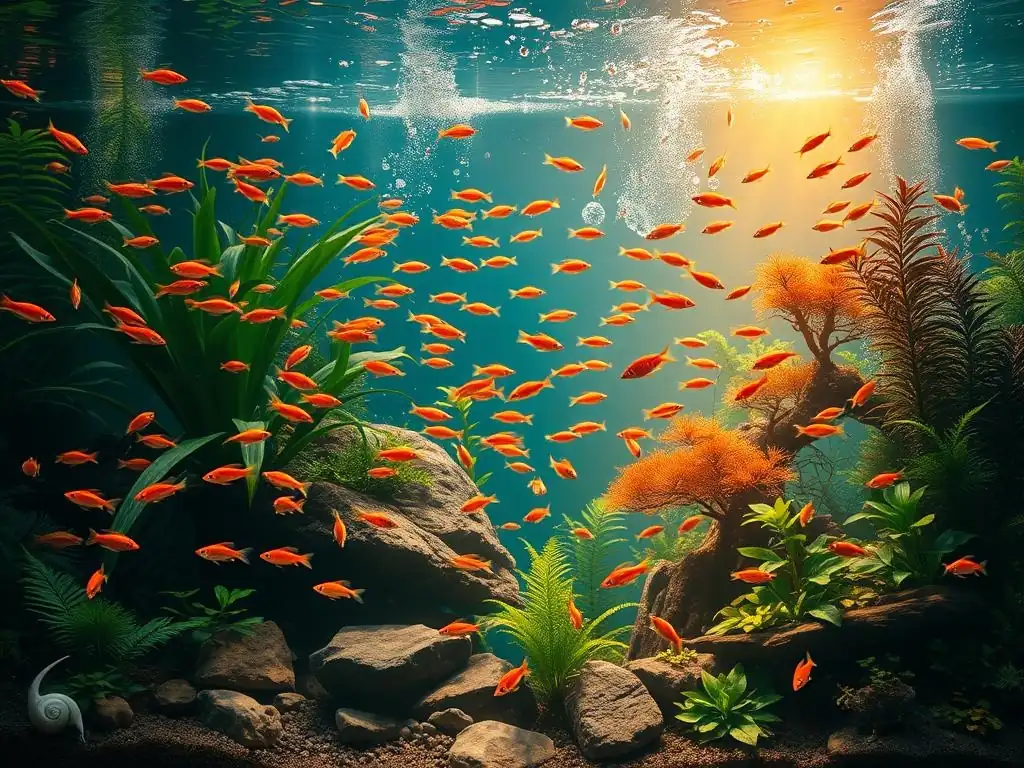
Ever wondered if your Ember Tetras could live in harmony with other species? Discover the secret to creating a thriving community tank with these gentle, fiery minis. Dive into our comprehensive guide on Ember tetra tank compatibility and unlock the perfect companions for your peaceful aquarium. Ready to build a vibrant and balanced underwater world? Let's get started!
- Understanding Ember Tetra Temperament and Tank Mate Needs
-
Top 10 Ember Tetra Tank Mates: Safe and Suitable Options
- 1. Corydoras Catfish: Peaceful Bottom Dwellers for a Clean Aquarium
- 2. Otocinclus Catfish: Algae Eaters That Won't Bother Your Tetras
- 3. Harlequin Rasboras: Similarly Sized and Tempered Schooling Fish
- 4. Chili Rasboras (Mosquito Rasboras): Tiny Tank Mates for a Nano Aquarium
- 5. Kuhli Loaches: Peaceful and Unique Bottom Dwellers
- 6. Nerite Snails: Peaceful Algae Eaters That Coexist Well
- 7. Mystery Snails: Adding Color and Interest to Your Aquarium
- 8. Amano Shrimp: Effective Algae Eaters and Peaceful Invertebrates
- 9. Celestial Pearl Danios (Galaxy Rasboras): Beautiful and Peaceful Companions
- 10. White Cloud Mountain Minnows: Cold Water Companions With Similar Temperaments
- Fish to Avoid as Ember Tetra Tank Mates: Aggressive or Predatory Species
- Setting Up a Thriving Community Tank for Ember Tetras
- Maintaining a Healthy Aquarium with Ember Tetras and Tank Mates
- Conclusion: Achieving Ember Tetra Tank Compatibility for a Peaceful Aquarium
- Frequently Asked Questions
- Final Reflection: A Symphony of Peaceful Coexistence
- Ignite Your Aquarium: Plan Your Tetra Community!
Understanding Ember Tetra Temperament and Tank Mate Needs
The Peaceful Nature of Ember Tetras: A Foundation for Tank Mate Selection
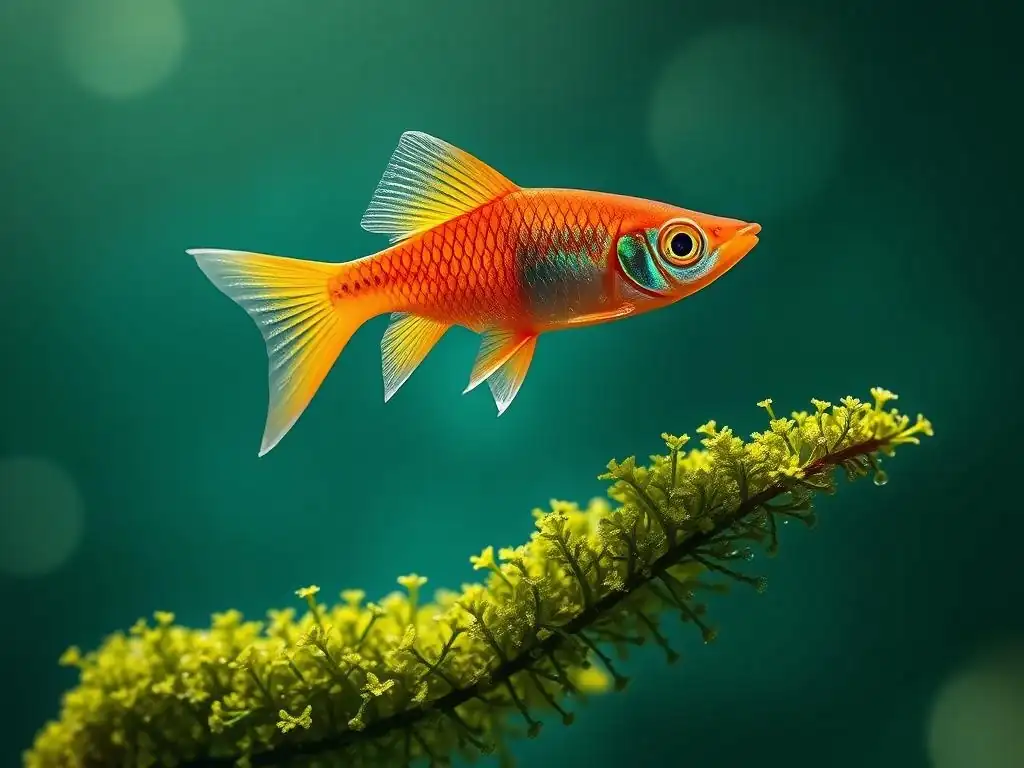
Ember Tetras (Hyphessobrycon amandae) are renowned for their remarkably peaceful and non-aggressive demeanor, making them a cornerstone for harmonious community aquariums. These diminutive fish typically reach a maximum size of about 0.8 inches (approximately 2 centimeters), a factor that significantly influences their vulnerability in a shared habitat. Their small stature and shy disposition mean they are easily intimidated or outcompeted for food by larger, more boisterous species, necessitating careful selection of tank mates to ensure optimal Ember tetra tank compatibility.
Their inherent docility is a double-edged sword; while it makes them ideal for community settings, it also means they require companions that mirror their calm temperament. Introducing aggressive or even semi-aggressive fish can lead to chronic stress for Ember Tetras, resulting in clamped fins, faded coloration, reduced activity, and increased susceptibility to disease. Therefore, prioritizing equally gentle and non-territorial species is paramount for the well-being and longevity of these fiery minis, laying a solid foundation for successful Ember tetra tank compatibility.
Ember Tetras are quintessential schooling fish, thriving not just in numbers but truly depending on the presence of their own kind for security and confidence. A healthy school typically consists of at least 6-10 individuals, though a larger group of 15 or more will allow their vibrant colors to truly shine and their natural schooling behaviors to be more pronounced. When kept in insufficient numbers, Ember Tetras often become shy, withdrawn, and stressed, leading to a duller appearance and a higher likelihood of illness.
This strong schooling instinct is a critical consideration when assessing Ember tetra tank compatibility. Tank mates should not be species that would disrupt their schooling patterns, such as fin-nippers or overly active fish that constantly dart through the group. Instead, compatible companions should either be similarly peaceful schooling fish or non-aggressive bottom-dwellers or top-dwellers that occupy different areas of the water column, allowing the Ember Tetras to maintain their cohesive group without undue disturbance. A well-established school provides a sense of safety, enabling them to explore the tank more confidently.
Ideal Tank Size for Ember Tetras and Their Companions: Ensuring Adequate Space
While a minimum tank size of 10 gallons (approximately 38 liters) is often cited for a small school of 6-8 Ember Tetras, this recommendation primarily applies to a species-only tank. For a thriving community setup that allows for proper Ember tetra tank compatibility, a larger aquarium is almost always preferable. A 15-gallon (57-liter) tank can comfortably house a solid school of 10-12 Ember Tetras, while a 20-gallon (75-liter) or larger tank provides ample space for their primary school along with a small group of compatible tank mates.
The importance of adequate space cannot be overstated in a community aquarium. Overcrowding not only leads to increased stress levels for all inhabitants but also rapidly degrades water quality, causing spikes in ammonia and nitrite, and a faster accumulation of nitrates. A larger tank volume offers greater stability in water parameters, more swimming room for active species, and sufficient territory for shy fish to retreat, all of which contribute significantly to the overall health and harmony of the aquarium and enhance long-term Ember tetra tank compatibility.
Top 10 Ember Tetra Tank Mates: Safe and Suitable Options
1. Corydoras Catfish: Peaceful Bottom Dwellers for a Clean Aquarium
Benefits of Corydoras as Ember Tetra Tank Mates
Corydoras catfish are among the most popular and beneficial choices for Ember tetra tank compatibility due due to their exceptionally peaceful nature and their role as diligent bottom scavengers. These hardy little catfish typically range from 1 to 3 inches (2.5 to 7.5 cm) depending on the species, and spend their days sifting through the substrate for leftover food, thus contributing to the cleanliness of the tank. Their non-aggressive temperament ensures they will never bother the mid-water dwelling Ember Tetras, and their distinct habitat preference means they won't compete for swimming space.
Furthermore, Corydoras are schooling fish themselves, thriving in groups of at least six individuals. Witnessing a school of Corydoras forage together on the tank floor while Ember Tetras shimmer in the mid-water column creates a dynamic and visually appealing multi-level display. Their general hardiness and similar water parameter preferences (neutral to slightly acidic pH, 72-78°F / 22-26°C) make them an excellent, low-stress addition to an Ember Tetra community.
Choosing the Right Corydoras Species for Your Ember Tetra Tank
When selecting Corydoras for an Ember Tetra tank, opting for smaller species is generally advisable to maintain a harmonious scale within the aquarium. Excellent choices include the Pygmy Corydoras (Corydoras pygmaeus), which reaches only about 1 inch (2.5 cm) and often schools in the mid-water as well as the bottom; the Dwarf Corydoras (Corydoras hastatus), similar in size and behavior; or the popular Panda Corydoras (Corydoras panda), which grows to about 2 inches (5 cm) and is known for its distinctive markings.
Avoid larger, more active Corydoras species if your tank is on the smaller side, as they might inadvertently stress the tiny Ember Tetras by their sheer size or rapid movements. Ensuring a soft, sandy substrate is also crucial for all Corydoras species, as their delicate barbels can be damaged by sharp gravel, impacting their ability to forage effectively and thrive alongside their Ember tetra tank mates.
2. Otocinclus Catfish: Algae Eaters That Won't Bother Your Tetras
Otocinclus and Ember Tetras: A Symbiotic Relationship
Otocinclus catfish, often affectionately called "Ottos," are small, peaceful, and highly efficient algae eaters, making them superb companions for Ember Tetras. These diminutive catfish typically grow to about 1.5 to 2 inches (3.8 to 5 cm) and spend their time diligently cleaning algae from tank surfaces, including leaves, glass, and decor. Their suction-cup mouths are designed for grazing, and they pose absolutely no threat to the Ember Tetras, creating a truly symbiotic relationship where the Otocinclus helps maintain a cleaner environment.
They are schooling fish and should be kept in groups of at least three, though five or more is ideal for their well-being. Their quiet nature and constant grazing activity add a valuable functional element to the tank without disturbing the calm demeanor of the Ember Tetras. This makes them a strong contender for ideal Ember tetra tank compatibility, especially in planted setups where algae can be a persistent issue.
Maintaining Water Quality for Otocinclus and Ember Tetras
Otocinclus catfish are somewhat more sensitive to water quality fluctuations than some other species, thriving in mature, well-established aquariums with stable parameters. They prefer soft to moderately hard water with a pH between 6.0 and 7.5 and temperatures ranging from 72-78°F (22-26°C), which aligns perfectly with the needs of Ember Tetras. Regular water changes and a robust filtration system are essential to maintain the pristine conditions they require.
While they are excellent algae eaters, it is crucial to ensure they have a consistent food source, especially in tanks with minimal algae growth. Supplementing their diet with blanched vegetables like zucchini or cucumber slices, or high-quality algae wafers, will keep them healthy and prevent them from starving. A well-fed Otocinclus is a happy and active member of the community, contributing positively to Ember tetra tank compatibility.
3. Harlequin Rasboras: Similarly Sized and Tempered Schooling Fish
Harlequin Rasboras and Ember Tetras: A Visually Appealing Combination
Harlequin Rasboras (Trigonostigma heteromorpha) are another excellent choice for Ember tetra tank compatibility, sharing many desirable traits with the fiery tetras. They are similarly sized, typically reaching about 1.5 to 2 inches (3.8 to 5 cm), and possess a strikingly beautiful, coppery-orange body with a distinctive black wedge-shaped mark. Like Ember Tetras, they are peaceful schooling fish that prefer to be in groups of at least six, ideally ten or more.
When kept together, the vibrant orange of the Ember Tetras contrasts beautifully with the richer copper tones of the Harlequins, creating a dynamic and visually stunning display in the mid-water column. Their calm and non-aggressive nature ensures that neither species will stress the other, promoting a tranquil and harmonious community environment.
Comparing Harlequin Rasboras and Ember Tetras' Care Requirements
One of the primary reasons Harlequin Rasboras are such suitable Ember tetra tank mates is their remarkably similar care requirements. Both species thrive in soft to moderately hard, slightly acidic to neutral water (pH 6.0-7.5) and prefer temperatures between 72-78°F (22-26°C). They also benefit from a well-planted aquarium with open swimming spaces, which mimics their natural blackwater habitats.
Their dietary needs are also comparable, both being omnivores that readily accept high-quality flake foods, micro pellets, and occasional live or frozen treats like daphnia or brine shrimp. This congruence in environmental and dietary needs simplifies tank maintenance and helps ensure that all inhabitants are thriving, solidifying their position as highly compatible species for a mixed aquarium.
4. Chili Rasboras (Mosquito Rasboras): Tiny Tank Mates for a Nano Aquarium
Chili Rasboras and Ember Tetras: A Vibrant Nano Tank Setup
Chili Rasboras (Boraras brigittae), also known as Mosquito Rasboras, are among the smallest fish available in the aquarium hobby, typically growing to a mere 0.7 inches (1.8 cm). Their intensely vibrant red coloration, often with distinct black spots, makes them incredibly striking despite their minuscule size. When paired with Ember Tetras, they create a breathtakingly colorful and active nano aquarium setup, as both species are perfectly suited for smaller tanks due to their modest size.
Their peaceful temperament is identical to that of Ember Tetras, ensuring no aggression or competition. Both species are schooling fish and benefit from being kept in groups of 8-10 or more, bringing out their best colors and most natural behaviors. This pairing is ideal for aquarists looking to create a densely planted, intricate miniature ecosystem.
Special Considerations for Maintaining a Nano Aquarium with Small Fish
Maintaining a nano aquarium with tiny fish like Chili Rasboras and Ember Tetras requires particular attention to detail. Due to their small water volume, nano tanks are more susceptible to rapid fluctuations in water parameters, including temperature and chemistry. Therefore, consistent monitoring and small, frequent water changes (e.g., 10-15% twice a week) are crucial to maintain stability.
Feeding also requires precision; only micro-pellets or crushed flakes should be offered, in very small quantities, to prevent overfeeding and water fouling. A mature filter and live plants are highly recommended to help maintain water quality and provide a sense of security for these delicate fish. Successfully managed, a nano tank with these two species exemplifies peak small-scale Ember tetra tank compatibility.
5. Kuhli Loaches: Peaceful and Unique Bottom Dwellers
Kuhli Loaches and Ember Tetras: Adding Diversity to Your Tank
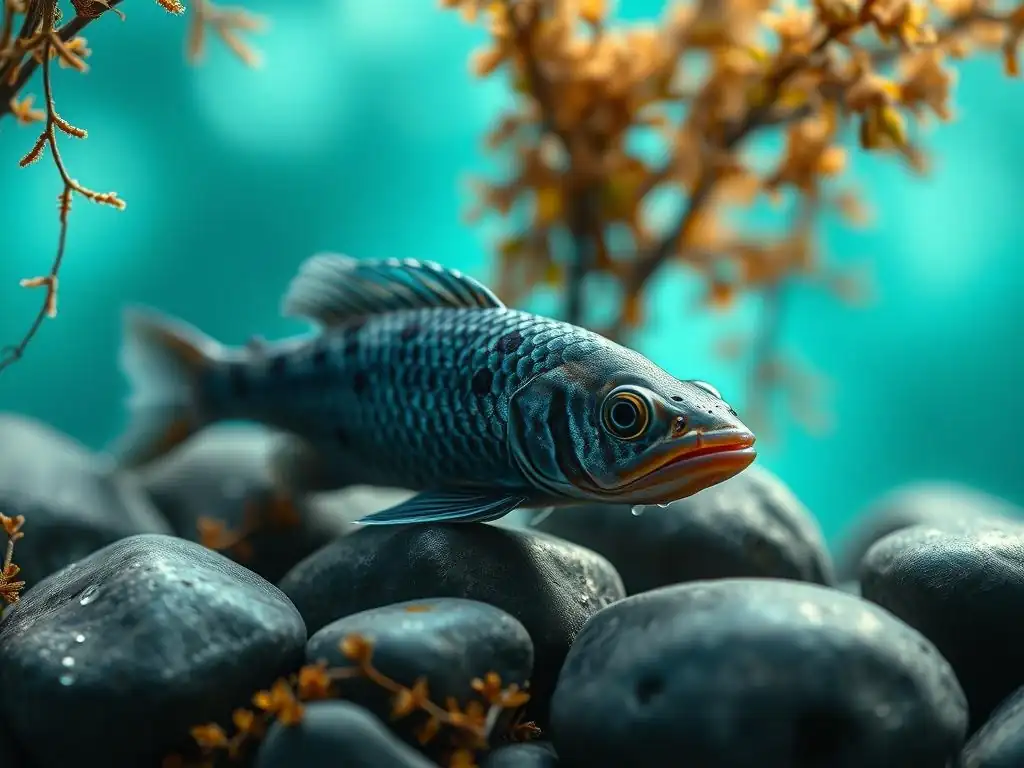
Kuhli Loaches (Pangio kuhlii) are truly unique and fascinating additions to an Ember Tetra community tank. These eel-like fish, typically growing to 2-4 inches (5-10 cm), are incredibly peaceful, nocturnal, and primarily bottom-dwelling, making them completely non-threatening to the mid-water Ember Tetras. Their distinctive striped or solid coloration and wiggly movements add a different texture and dynamic to the lower levels of the aquarium, enhancing overall biodiversity.
While they are shy and often hide during the day, they become more active at night, sifting through the substrate for food particles. Keeping them in groups of at least three, but ideally five or more, encourages them to be bolder and more visible. Their presence helps clean up any uneaten food that settles to the bottom, contributing to the tank's cleanliness and stability.
Providing Hiding Places for Kuhli Loaches
Kuhli Loaches are naturally reclusive and require plenty of hiding places to feel secure. Providing a dense network of driftwood, rock caves, PVC pipes, and thick plant cover is essential for their well-being. They also prefer a soft, sandy substrate, as they enjoy burrowing into it, which can be difficult or even harmful on sharp gravel.
Without adequate hiding spots, Kuhli Loaches can become stressed and rarely seen, defeating the purpose of adding them to the tank. A well-decorated tank that caters to their need for shelter will result in healthier, more active loaches who occasionally venture out during the day, adding an intriguing element to the peaceful community and ensuring good Ember tetra tank compatibility from the substrate up.
6. Nerite Snails: Peaceful Algae Eaters That Coexist Well
Nerite Snails and Ember Tetras: A Low-Maintenance Combination
Nerite Snails are one of the most effective and low-maintenance algae eaters available for the freshwater aquarium, making them an excellent choice for Ember tetra tank compatibility. These snails, typically growing up to 1 inch (2.5 cm) in diameter, spend their days diligently scraping algae from glass, rocks, and plant leaves without harming any live plants. Crucially, they do not reproduce in freshwater, meaning you won't face an overpopulation issue, unlike with some other snail species.
Their peaceful nature ensures they will never bother the Ember Tetras, nor will the Tetras bother them. They simply go about their business, contributing to the tank's aesthetic by keeping it clean and adding a quiet, interesting element to the bottom and surface of the decor. This makes them a perfect, hassle-free addition for maintaining tank hygiene.
Choosing the Right Number of Nerite Snails for Your Tank
The number of Nerite Snails to introduce depends largely on the size of your tank and the extent of your algae problem. A general guideline is to add one Nerite Snail per 5 gallons (19 liters) for moderate algae, or up to one per 2-3 gallons (7.5-11 liters) for a more significant algae issue. It's important not to overstock, as they primarily rely on algae as their food source.
If algae levels are low, you may need to supplement their diet with algae wafers or blanched vegetables to ensure they receive adequate nutrition. Always ensure the tank lid is secure, as Nerite Snails are known for their adventurous escape attempts, especially if water quality is poor or food is scarce.
7. Mystery Snails: Adding Color and Interest to Your Aquarium
Mystery Snails and Ember Tetras: A Compatible Pairing
Mystery Snails (Pomacea bridgesii), also known as Apple Snails, are another popular and compatible invertebrate choice for an Ember Tetra community. These snails can grow quite large, up to 2 inches (5 cm) in shell diameter, and come in a wide array of vibrant colors including yellow, blue, ivory, and purple, adding a striking visual element to the tank. They are peaceful and non-aggressive, posing no threat to the Ember Tetras or live plants.
Mystery Snails are active scavengers, helping to clean up leftover food and decaying plant matter from the substrate and surfaces. Their relatively large size compared to other snails makes them an interesting focal point, and their slow, deliberate movements offer a calming presence in the aquarium, complementing the quick darting of Ember Tetras.
Ensuring Adequate Food for Mystery Snails
While Mystery Snails will consume some algae and detritus, they require more substantial feeding than just what they scavenge, especially in a clean tank. Their diet should be supplemented with high-quality sinking pellets, algae wafers, and blanched vegetables such as zucchini, spinach, or kale. Calcium-rich foods or supplements are also important for healthy shell growth.
Ensure that the food reaches the snails and isn't entirely consumed by the fish. Dropping a wafer or vegetable piece near them after the lights are off can be an effective strategy. Proper feeding ensures they remain healthy and active, contributing positively to the tank environment and maintaining excellent Ember tetra tank compatibility.
8. Amano Shrimp: Effective Algae Eaters and Peaceful Invertebrates
Amano Shrimp and Ember Tetras: A Beneficial Symbiosis
Amano Shrimp (Caridina multidentata) are highly prized in the aquarium hobby for their exceptional algae-eating capabilities, making them a fantastic, peaceful invertebrate for Ember tetra tank compatibility. These shrimp can grow up to 2 inches (5 cm) long and are particularly effective at consuming various types of algae, including stubborn hair algae, which many other algae eaters ignore. Their constant grazing activity helps keep the tank pristine without any risk of aggression towards the tiny Ember Tetras.
They are incredibly docile and spend their time sifting through substrate, cleaning plants, and grazing on hard surfaces. Their transparent to light brown bodies with dotted or dashed patterns allow them to blend into the environment, adding a subtle, natural element to the tank.
Protecting Amano Shrimp During Molting
Amano Shrimp, like all crustaceans, periodically molt their exoskeletons as they grow. During this process, they are temporarily vulnerable and require plenty of hiding places to retreat until their new shell hardens. Providing dense plant cover, driftwood, and small caves is crucial for their safety during this sensitive period.
It is also important to ensure stable water parameters, particularly adequate calcium levels, for successful molting. Avoid using copper-based medications in a tank with Amano Shrimp, as copper is highly toxic to invertebrates. A well-cared-for Amano Shrimp population will actively contribute to the cleanliness of the tank, enhancing the overall health and Ember tetra tank compatibility.
9. Celestial Pearl Danios (Galaxy Rasboras): Beautiful and Peaceful Companions
Celestial Pearl Danios and Ember Tetras: A Stunning Combination
Celestial Pearl Danios (Danio margaritatus), often called Galaxy Rasboras, are exquisite nano fish that are perfect for Ember tetra tank compatibility. Reaching only about 1 inch (2.5 cm) in length, they boast a stunning iridescent blue body adorned with pearly spots and vibrant orange fins, making them incredibly eye-catching. Their peaceful temperament and schooling behavior mirror that of Ember Tetras, creating a visually harmonious and active mid-water display.
When kept together, the contrasting colors and patterns of these two species create a truly captivating miniature aquatic landscape. Both species thrive in a well-planted environment, which accentuates their natural beauty and provides them with a sense of security, encouraging them to display their best colors and behaviors.
Maintaining Water Parameters for Celestial Pearl Danios and Ember Tetras
Celestial Pearl Danios prefer slightly cooler water temperatures than some tropical fish, ideally ranging from 72-76°F (22-24°C), which falls well within the comfortable range for Ember Tetras. They also thrive in soft to moderately hard water with a pH between 6.5 and 7.5. Consistent water parameters are key for both species to prevent stress and maintain their vibrant coloration.
Like Ember Tetras, Celestial Pearl Danios are omnivores and will readily accept high-quality micro pellets, crushed flakes, and small live or frozen foods such as daphnia or baby brine shrimp. Providing a varied diet ensures optimal health and coloration for both species, making them a highly compatible and rewarding pairing for any aquarist focused on Ember tetra tank compatibility.
10. White Cloud Mountain Minnows: Cold Water Companions With Similar Temperaments
White Cloud Mountain Minnows and Ember Tetras: A Temperature Compatibility Check
White Cloud Mountain Minnows (Tanichthys albonubes) are often touted as "cold water fish," but their adaptability allows them to thrive in a temperature range that overlaps with Ember Tetras, making them surprisingly suitable Ember tetra tank mates. While they can tolerate temperatures as low as 60°F (15°C), they are comfortable up to 74-76°F (23-24°C), which aligns well with the lower end of the Ember Tetra's preferred range. These minnows grow to about 1.5-2 inches (3.8-5 cm) and are known for their peaceful, schooling nature and active swimming.
Their silvery bodies with iridescent fins provide a lovely contrast to the fiery red of the Ember Tetras. Both species are non-aggressive, ensuring a calm environment where neither will outcompete or stress the other. This pairing is particularly appealing for aquarists who prefer slightly cooler tank temperatures.
Providing a Suitable Environment for White Cloud Mountain Minnows
White Cloud Mountain Minnows are schooling fish and should be kept in groups of at least six, preferably ten or more, to showcase their natural behaviors and reduce stress. They appreciate a well-planted tank with some open swimming areas, mimicking their native mountain streams. Good water flow is also beneficial for these active swimmers.
Their diet is unfussy, consisting of high-quality flakes, micro pellets, and occasional live or frozen foods. Ensuring stable water parameters, including a pH between 6.0-8.0 and soft to moderately hard water, will keep both White Clouds and Ember Tetras healthy. By carefully managing the temperature within their overlapping range, successful Ember tetra tank compatibility with White Cloud Mountain Minnows is entirely achievable.
Fish to Avoid as Ember Tetra Tank Mates: Aggressive or Predatory Species
Identifying Aggressive Fish That May Bully Ember Tetras
When planning for Ember tetra tank compatibility, it is crucial to identify and avoid fish species known for their aggressive or territorial behaviors. Even seemingly minor aggression can lead to severe stress, fin nipping, and ultimately, a compromised immune system for the delicate Ember Tetras. Species to steer clear of include most Cichlids, such as Jack Dempseys, Convict Cichlids, or even some smaller, more territorial Dwarf Cichlids if the tank size is insufficient.
Certain types of Barbs, particularly the popular Tiger Barbs, are notorious fin-nippers and will relentlessly harass slow-moving or long-finned fish, making them completely unsuitable. Large Gouramis, like the Pearl or Blue Gourami, can also become territorial and bully smaller fish, especially in confined spaces. Even if these fish don't directly kill an Ember Tetra, the constant stress of being chased or nipped will significantly shorten their lifespan and diminish their vibrant coloration.
Avoiding Fish That May Eat Ember Tetras
A fundamental rule for Ember tetra tank compatibility is to avoid any fish large enough to consider them a meal. Ember Tetras are tiny, and many common aquarium fish, even those not typically considered "predatory," will readily consume them if they fit into their mouths. Adult Angelfish, for instance, despite their generally peaceful reputation, will view Ember Tetras as food once they reach a certain size.
Other definite no-gos include larger predatory species such as Oscars, Arowanas, or even larger Tetras like Buenos Aires Tetras, which can be surprisingly nippy and large enough to swallow an Ember Tetra whole. The general guideline is simple: if a fish's mouth is wide enough to ingest an Ember Tetra, it poses a significant threat, and should be excluded from the community tank to ensure the safety and longevity of your fiery minis.
Fish With Conflicting Water Parameter Requirements
Beyond temperament and size, conflicting water parameter requirements can also make certain fish incompatible tank mates for Ember Tetras. Ember Tetras thrive in soft to moderately hard water (GH 5-10 dGH) with a slightly acidic to neutral pH (6.0-7.0) and temperatures between 72-80°F (22-26°C). Introducing fish that require vastly different conditions can lead to chronic stress and health issues for all inhabitants.
For example, African Cichlids from the Rift Valley lakes (e.g., Mbunas, Peacocks) demand very hard, alkaline water (pH 7.8-8.5, GH 10-20 dGH), which is completely opposite to what Ember Tetras need. Similarly, some specialized species might require very specific temperatures or highly oxygenated, fast-flowing water that could stress the more docile tetras. Attempting to compromise on water parameters typically results in suboptimal health for all fish, making long-term Ember tetra tank compatibility impossible in such scenarios.
Setting Up a Thriving Community Tank for Ember Tetras
Water Parameters: Maintaining Optimal Conditions for All Tank Inhabitants
Establishing and consistently maintaining optimal water parameters is the cornerstone of a thriving community tank, especially for delicate species like Ember Tetras. These fish flourish in soft to moderately hard water with a general hardness (GH) between 5-10 dGH, a carbonate hardness (KH) of 3-8 dKH, and a slightly acidic to neutral pH ranging from 6.0 to 7.0. The ideal temperature range for Ember Tetras and most compatible tank mates is 72-80°F (22-26°C), with stability being more crucial than hitting an exact number.
Regular testing using a reliable liquid test kit for ammonia, nitrite, and nitrate is indispensable. Ammonia and nitrite should always read zero, while nitrates should be kept below 20 ppm through consistent water changes. Maintaining these specific parameters ensures low stress levels, boosts immune systems, and brings out the most vibrant coloration in Ember Tetras, directly contributing to their successful Ember tetra tank compatibility with other species that share similar needs.
Tank Decorations: Creating a Safe and Enriching Environment
The physical environment of the aquarium plays a significant role in the well-being of Ember Tetras and their tank mates. Ember Tetras, being naturally shy, thrive in densely planted tanks that mimic their natural blackwater habitats. Live plants like Java Moss, Anubias, Hornwort, and various stem plants provide essential hiding spots, break up lines of sight, and offer a sense of security, reducing stress. Aim for at least 50-70% plant coverage, ensuring both open swimming areas and sheltered retreats.
In addition to plants, incorporating natural décor such as driftwood and smooth river stones can further enrich the environment. Driftwood not only releases beneficial tannins that slightly lower pH and tint the water, mimicking blackwater conditions, but also provides additional hiding spots and surfaces for biofilm growth, which is a food source for many bottom dwellers and invertebrates. A well-decorated tank minimizes aggression between tank mates and maximizes the comfort of the Ember Tetras, enhancing overall Ember tetra tank compatibility.
Feeding Your Ember Tetras and Their Tank Mates: A Balanced Diet
A varied and balanced diet is crucial for the health, vitality, and vibrant coloration of Ember Tetras and their community tank mates. Ember Tetras are omnivores with small mouths, requiring high-quality flake food or micro pellets as their staple diet. Supplementing this with occasional live or frozen foods such as daphnia, brine shrimp, or finely chopped bloodworms provides essential proteins and nutrients, mimicking their natural diet of small invertebrates.
When feeding a community tank, it's important to ensure all inhabitants receive adequate nutrition. Fast-moving mid-water fish like Ember Tetras will quickly consume flakes, so consider offering sinking pellets or wafers for bottom-dwellers like Corydoras or Kuhli Loaches, perhaps after the main feeding or just before lights out. Overfeeding should be avoided as it leads to poor water quality and health issues; feed small amounts 2-3 times a day that can be consumed within 2-3 minutes.
Maintaining a Healthy Aquarium with Ember Tetras and Tank Mates
Regular Water Changes: Essential for Water Quality
Regular water changes are the single most important maintenance practice for ensuring the long-term health and stability of an aquarium with Ember Tetras and their tank mates. Over time, nitrates accumulate, and essential minerals become depleted, leading to compromised water quality. A common recommendation is to perform a 25% water change weekly, or 50% bi-weekly, depending on tank size, stocking density, and filtration efficiency.
When performing water changes, always use a reliable dechlorinator to neutralize chlorine and chloramines present in tap water, which are highly toxic to fish. It is also crucial to match the temperature of the new water as closely as possible to the tank water to prevent temperature shock, which can severely stress fish and compromise their immune systems. Consistent water changes contribute significantly to maintaining optimal parameters and bolstering Ember tetra tank compatibility.
Monitoring for Signs of Illness: Early Detection is Key
Vigilant daily observation of your Ember Tetras and their tank mates is critical for early detection of illness or stress, which can prevent widespread disease in a community tank. Look for subtle changes in behavior, such as lethargy, hiding more than usual, rubbing against decor, or unusual swimming patterns. Physical signs of distress include clamped fins, faded or patchy coloration, white spots (Ich), fuzzy growths (fungus), red streaks, or labored breathing.
If any signs of illness are observed, prompt action is necessary. First, test your water parameters to rule out environmental stress as the cause. If parameters are stable, consider isolating the affected fish in a quarantine tank for observation and treatment to prevent the spread of disease to the entire community. Early intervention significantly increases the chances of recovery and safeguards the overall health of your Ember tetra tank compatibility.
Quarantine New Fish Before Introducing Them to the Main Tank
Quarantining new fish is an indispensable practice for any responsible aquarist, particularly when adding new inhabitants to an established community tank with delicate species like Ember Tetras. A separate, bare-bones quarantine tank (typically 10-20 gallons) should be set up with a heater, filter, and air stone. New fish should reside in this tank for a minimum of 2-4 weeks before being introduced to the main display tank.
During the quarantine period, observe the new arrivals closely for any signs of disease, parasites, or unusual behavior. This isolation period allows any latent diseases to manifest and be treated without risking the health of your existing fish. It also gives the new fish time to de-stress from transport and acclimate to your water parameters. This simple, preventative measure drastically reduces the risk of introducing pathogens into your main aquarium, ensuring the long-term success and Ember tetra tank compatibility of your community.
Conclusion: Achieving Ember Tetra Tank Compatibility for a Peaceful Aquarium
Achieving optimal Ember tetra tank compatibility is a rewarding endeavor that culminates in a vibrant, peaceful, and visually stunning aquatic display. The journey begins with a deep understanding of the Ember Tetra's inherently docile nature and strong schooling instinct, which dictates the selection of equally calm and appropriately sized companions. By prioritizing species that share similar water parameter requirements and temperaments, such as Corydoras catfish, Otocinclus, Harlequin Rasboras, and various peaceful invertebrates, aquarists can create a harmonious multi-level ecosystem.
Equally important is the knowledge of which species to avoid – any fish that is aggressive, predatory, or has conflicting environmental needs will inevitably lead to stress, disease, and potential loss for these delicate fiery minis. Beyond careful selection, the foundation of a thriving Ember Tetra community lies in meticulous tank setup, including ample space, dense planting for security, and consistent adherence to ideal water parameters.
Finally, diligent maintenance, encompassing regular water changes, vigilant health monitoring, and the crucial practice of quarantining new arrivals, ensures the long-term well-being and stability of the entire aquarium. By following these guidelines, aquarists can confidently cultivate a peaceful and enduring home for their Ember Tetras and their gentle companions.
Frequently Asked Questions
What makes Ember Tetras good community fish?
Ember Tetras are known for their peaceful temperament and small size, making them ideal tank mates for other non-aggressive fish. Their calm nature ensures they won't bully or harass other species.
What are some ideal tank mates for Ember Tetras?
Good tank mates include other small, peaceful fish like Rasboras, Corydoras Catfish, and small Danios. Avoid large or aggressive fish that might intimidate or prey on the Ember Tetras.
What size tank is recommended for an Ember Tetra community?
A minimum of 10 gallons is recommended for a small group of Ember Tetras and their tank mates. Larger tanks offer more space and stability for the aquarium ecosystem.
Are there any fish species that should not be kept with Ember Tetras?
Avoid keeping Ember Tetras with aggressive or predatory fish, such as larger Cichlids or certain types of Barbs. These fish can stress or even eat the small and peaceful Ember Tetras.
How can I ensure a healthy and harmonious community tank with Ember Tetras?
Maintain stable water parameters, provide plenty of hiding places with plants and decorations, and ensure adequate filtration. Regular water changes are crucial to minimize stress and maintain water quality.
Final Reflection: A Symphony of Peaceful Coexistence
The delicate dance of life within an aquarium, particularly when considering Ember tetra tank compatibility, mirrors the intricate relationships we strive for in our own communities. Understanding the nuances of species interaction, as explored throughout this article, is not merely about maintaining a healthy ecosystem within glass walls; it's about fostering harmony and preventing unnecessary stress for these vibrant, little lives.
The pursuit of a balanced aquarium, where Ember tetras thrive alongside their chosen companions, reflects a deeper yearning for peaceful coexistence in a world often marked by conflict. This quest for harmony, for understanding the needs of others and creating an environment where everyone can flourish, is a lesson that extends far beyond the confines of a fish tank. The measure of a society is how it treats its weakest members.
- Mahatma Gandhi. This quote resonates deeply when considering the vulnerability of these small fish and our responsibility to ensure their well-being.
As you consider the lessons learned about Ember tetra tank compatibility, I invite you to reflect on the broader implications of creating harmonious environments. How can you apply the principles of understanding, empathy, and careful consideration to your own relationships and communities? Let the vibrant glow of these peaceful, fiery minis inspire you to cultivate a world where everyone can thrive, just as they do in a well-balanced aquarium.
Ignite Your Aquarium: Plan Your Tetra Community!
Thank you for exploring the fascinating world of Ember Tetra tank mates! We hope you've gained valuable insights into creating a harmonious aquatic environment. Now, it's time to take action and bring your vision to life!
- Start with Observation: Spend at least an hour observing your current tank inhabitants to understand their behaviors. This is crucial before introducing any new species.
- Research ONE of the compatible species mentioned in this article further. Dive deep into their specific needs and ensure they perfectly align with your tank parameters.
- Share your ideal Ember Tetra community setup on social media, using #AquariumMastery to connect with fellow enthusiasts.
What specific challenges do you anticipate encountering when introducing a new species into your established tank, and how will you address them?