
The Moray Eel's Incredible Sense of Smell: A Key to Their Survival & Feeding

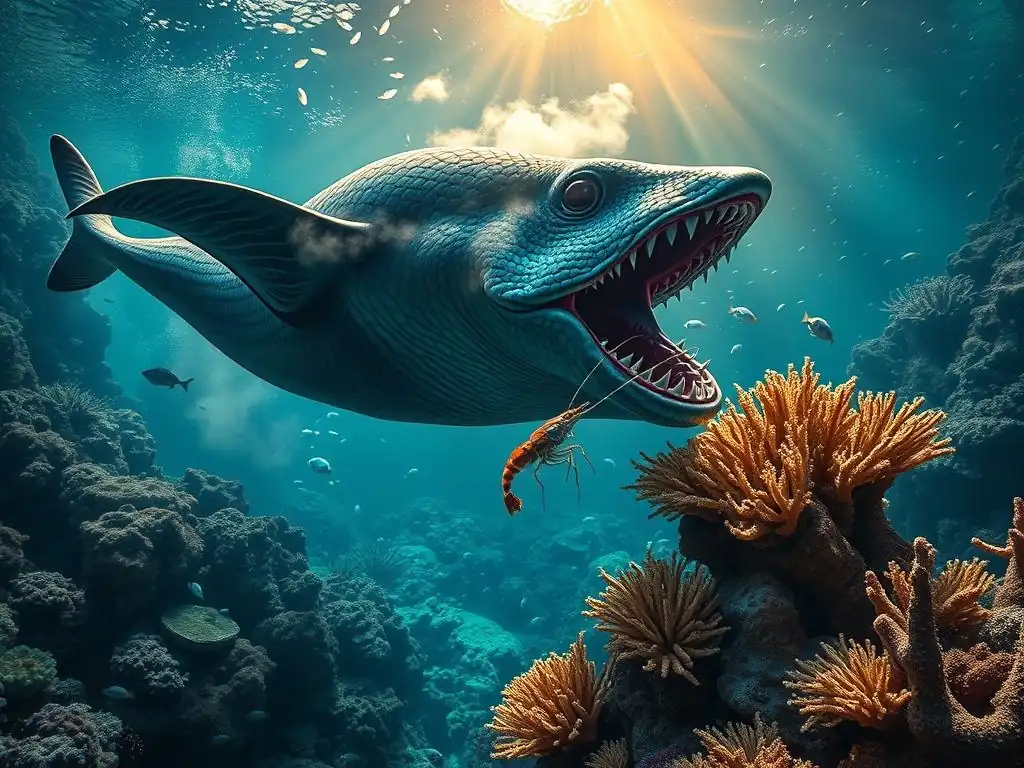
Welcome to Aquarium Mastery, where we dive deep into the fascinating world of aquariums!
Ever wondered how a creature with such poor eyesight can be such a formidable predator? Get ready to unravel the mystery! This article explores the incredible sense of smell that drives the Moray eel feeding habits. Prepare to be amazed by the secrets these serpentine hunters hold, and how understanding them can enhance your own saltwater aquarium experience. Ready to discover how these fascinating creatures find their next meal? Let's explore!
- Understanding the Moray Eel's Sensory World
- The Moray Eel's Olfactory System: A Deep Dive
- Moray Eel Feeding Habits: The Role of Smell in Predation
- Smell vs. Other Senses in Moray Eel Hunting
- Moray Eel Feeding Behavior in the Aquarium: Optimizing for Success
- Common Problems with Moray Eel Feeding and Solutions
- Optimizing Your Aquarium to Enhance Moray Eel Feeding Habits
- The Future of Research on Moray Eel Senses
- Frequently Asked Questions
- Final Reflection: The Unseen World of Scent
- Ignite Your Aquarium Adventure: Unearth Moray Magic!
Understanding the Moray Eel's Sensory World
The Importance of Olfaction for Moray Eel Survival
The sense of smell, or olfaction, is profoundly important for the survival of moray eels, acting as their primary navigational and hunting tool in the complex reef environments they inhabit. Unlike many diurnal fish that rely heavily on keen eyesight, morays are often crepuscular or nocturnal hunters, making their ability to detect chemical cues in the water absolutely critical. This sophisticated sense allows them to locate hidden prey, navigate intricate rockwork, identify potential mates, and even avoid predators, all essential aspects of their daily existence.
Furthermore, olfaction plays a pivotal role in the moray eel's ability to thrive in their natural habitats, which frequently involve dark crevices, caves, and murky waters where visibility is severely limited. Their reliance on scent ensures they can efficiently find food sources, contributing directly to their unique moray eel feeding habits. Without this highly developed olfactory system, morays would struggle to secure the sustenance needed for growth and reproduction, rendering them vulnerable in their competitive marine ecosystem.
Limited Vision and the Reliance on Smell for Moray Eels
Moray eels generally possess relatively small eyes that offer limited visual acuity, especially when compared to many other predatory fish. Their vision is often adapted more for detecting changes in light and shadow rather than discerning fine details or colors. This inherent visual limitation is a key reason why their other senses, particularly their powerful sense of smell, have evolved to become so exceptionally developed and crucial for their survival and moray eel feeding habits.
In the low-light conditions of their preferred habitats—deep reef crevices, beneath overhangs, or during nighttime foraging—vision provides minimal advantage. Consequently, moray eels have evolved to depend almost entirely on their sense of smell to perceive their surroundings and locate prey. Scientific observations suggest that while they can perceive movement within close proximity, their ability to pinpoint a stationary or camouflaged target from a distance relies almost exclusively on their ability to detect subtle chemical signals in the water.
The Moray Eel's Olfactory System: A Deep Dive
Anatomy of the Moray Eel's Nose and Olfactory Receptors
The moray eel's olfactory system is remarkably specialized for detecting scents in a fluid medium. Unlike the single nostril openings found in some fish, morays typically possess two pairs of distinct, tubular nostrils on their snout: an anterior pair and a posterior pair. The anterior nostrils are often elongated and protrude forward, acting like tiny snorkels that actively sample the surrounding water. Water is drawn into these anterior tubes and then flows over the highly sensitive olfactory rosettes before exiting through the posterior nostrils.
Within these nasal passages lie the olfactory rosettes, which are intricate structures composed of numerous lamellae or folds of tissue. These lamellae are densely packed with millions of specialized chemoreceptor cells. The folded structure significantly increases the surface area available for scent detection, allowing the moray eel to capture and process an impressive array of dissolved chemical molecules from the water. This complex anatomical arrangement is key to their acute sense of smell, enabling the precise moray eel feeding habits observed in both the wild and captivity.
How Moray Eels Detect Scents in Saltwater Environments
The process by which moray eels detect scents is a continuous and highly efficient one. As water flows through their tubular nostrils and over the olfactory rosettes, dissolved chemical cues—such as amino acids, nitrogenous compounds, or specific pheromones released by prey or other eels—bind to the specialized chemoreceptors. Each receptor is designed to recognize and respond to particular chemical profiles, triggering electrical signals that are then transmitted directly to the eel's highly developed olfactory bulb in the brain.
This continuous sampling of water allows moray eels to create a detailed "scent map" of their environment. Their ability to detect extremely dilute concentrations of these chemical cues—often in parts per trillion—enables them to follow faint scent trails over considerable distances. This remarkable sensitivity is paramount for their predatory lifestyle, allowing them to pinpoint hidden prey even when the visual conditions are poor or the prey itself is expertly camouflaged, fundamentally shaping their moray eel feeding habits.
Moray Eel Feeding Habits: The Role of Smell in Predation
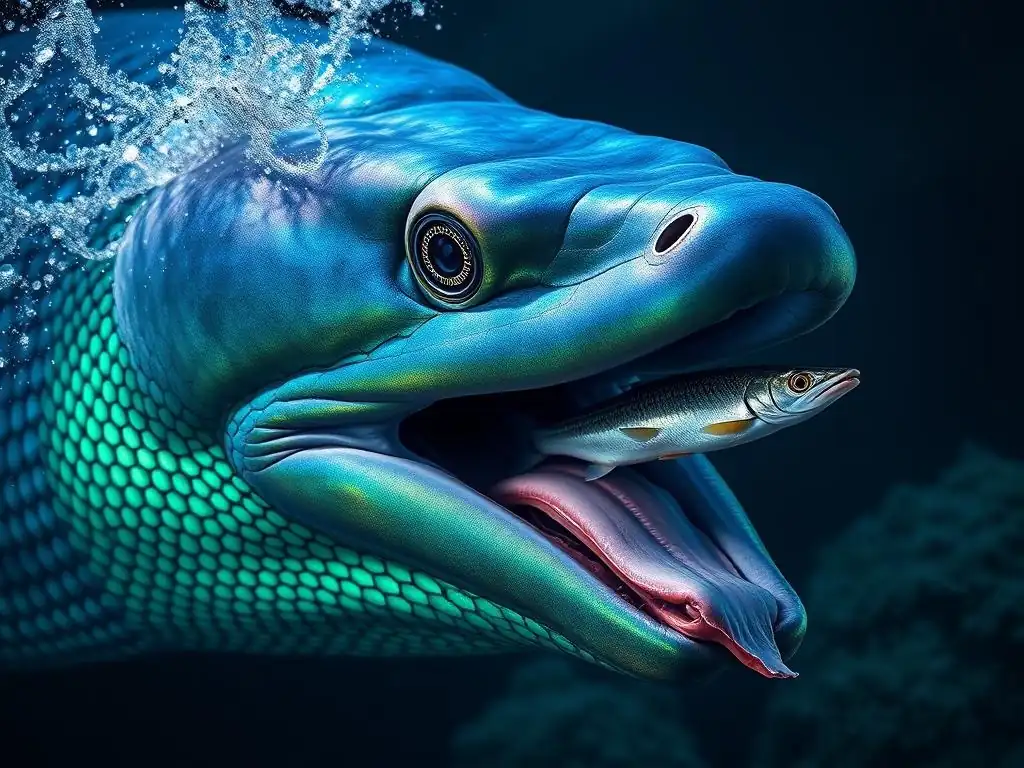
Using Scent to Locate Prey: A Moray Eel's Hunting Strategy
For moray eels, scent is the primary compass guiding their hunting expeditions. When a moray detects the faint chemical signature of a potential meal, it often begins a characteristic head-weaving motion, moving its head from side to side. This behavior allows the eel to effectively "stereo-sniff," comparing the strength of the scent signal received by each nostril to determine the direction of the source. By following the gradient of the scent, the moray can accurately track down prey, even if it's hidden deep within rock crevices or under sand.
This olfactory-driven hunting strategy is a hallmark of moray eel feeding habits. Instead of actively pursuing prey by sight, they meticulously follow these invisible chemical trails, often navigating through complex reef structures with remarkable precision. This method is particularly effective for targeting cryptic or sedentary prey that might otherwise go unnoticed, such as sleeping fish, crabs, or octopuses concealed in their lairs.
Specific Scents that Attract Moray Eels: Crustacean, Fish, and Cephalopod Odors
Moray eels exhibit a strong attraction to the chemical signatures released by their natural prey items. Among the most potent attractants are the odors associated with crustaceans, such as shrimp and crabs. The molting process of crustaceans, or the release of their bodily fluids when injured, emits specific amino acids and other organic compounds that morays are highly adept at detecting. These cues signal a readily available and nutritious meal.
Similarly, the mucus and bodily fluids released by fish, particularly when stressed or injured, are powerful attractants. Morays can detect these subtle chemical distress signals from a significant distance, guiding them towards vulnerable targets. Cephalopod odors, such as those from squid and octopuses, also serve as strong lures. The unique chemical profile of these soft-bodied invertebrates, including their ink or general body emanations, is highly appealing to morays, making them a significant part of many moray eel feeding habits in the wild.
How Moray Eels Differentiate Between Scents
The moray eel's olfactory system is not merely capable of detecting the presence of a scent but also of differentiating between a vast array of chemical compounds. Their highly complex olfactory bulb, the part of the brain responsible for processing smell, allows them to discern subtle variations in chemical profiles. This sophisticated discrimination enables them to distinguish between the scent of a specific prey item, such as a rock crab, versus a non-food item or even a different species of fish.
This ability to differentiate scents is crucial for efficient foraging and optimizing moray eel feeding habits. It allows them to prioritize certain food sources, avoid potentially toxic or unpalatable items, and effectively navigate a chemically rich underwater environment. For instance, an eel might be able to tell the difference between the scent of a healthy, fast-moving fish and that of an injured or dying one, guiding it towards the easier target.
Smell vs. Other Senses in Moray Eel Hunting
Comparing the Effectiveness of Smell and Vision in Different Environments
When comparing the effectiveness of smell and vision in moray eel hunting, it becomes clear that olfaction holds a distinct advantage in the environments morays typically inhabit. In the low-light conditions of deep crevices, caves, or during nocturnal foraging, vision is severely limited. A moray's eyes might allow it to perceive general shapes or sudden movements at close range, but they are largely ineffective for identifying and tracking prey from a distance or within complex, dark structures.
Conversely, the sense of smell thrives in these same environments. Chemical cues disperse through water regardless of light levels, allowing morays to detect prey hidden from sight, even in murky or turbid conditions. While a moray might visually react to a fish swimming directly past its lair, its primary method for actively seeking out a concealed crab or octopus relies almost entirely on following the invisible chemical trail, underscoring the critical role of smell in their moray eel feeding habits.
The Interplay Between Smell and Touch in Moray Eel Prey Capture
While smell is paramount for locating prey, the moray eel's sense of touch plays a vital complementary role, particularly in the final stages of prey capture. Once the moray has followed a scent trail to within striking distance of its target, its sensitive skin, especially around the head and mouth, provides crucial tactile information. As the eel lunges or probes into a crevice, it uses touch to confirm the presence, size, and orientation of the prey.
This interplay between senses ensures efficiency in their moray eel feeding habits. The initial detection and tracking are scent-driven, but the precise, often rapid, final strike is often guided by tactile feedback. For example, an eel might detect the scent of a crab, enter a narrow crevice, and then use the sensation of the crab's shell against its body or jaws to precisely orient its bite. This combined sensory approach maximizes their hunting success in challenging environments.
Moray Eel Feeding Behavior in the Aquarium: Optimizing for Success
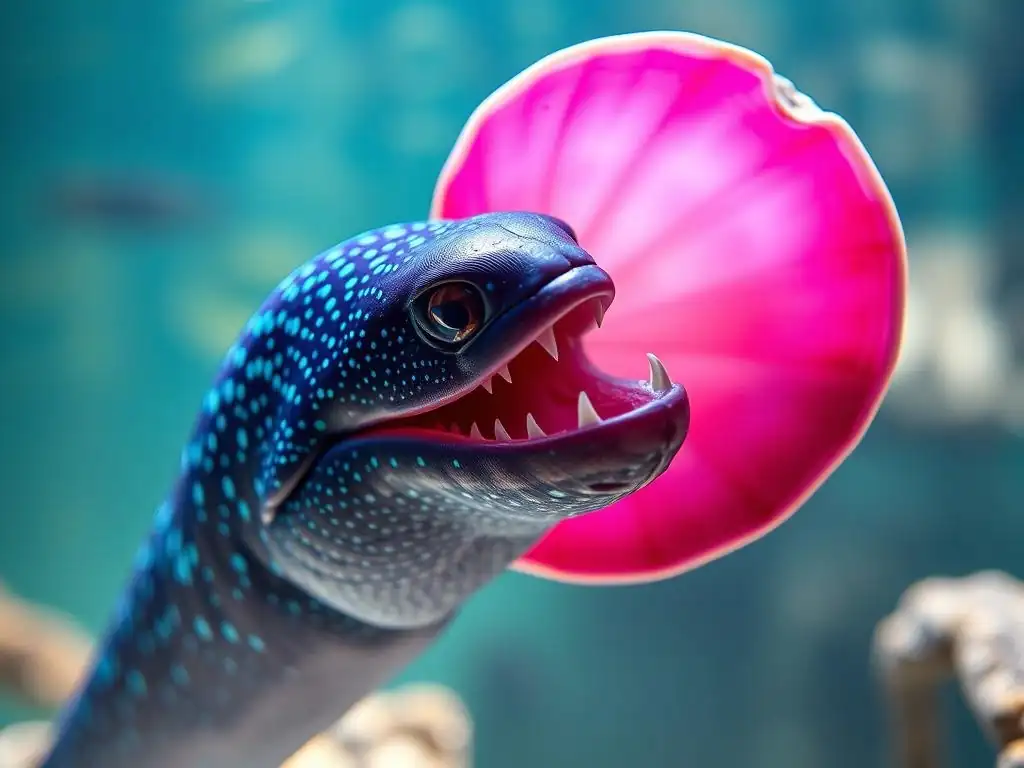
Understanding Moray Eel Diet and Nutritional Needs
In captivity, understanding and meeting the moray eel's diet and nutritional needs is crucial for their long-term health. Most captive moray eel feeding habits revolve around a varied diet of high-quality frozen seafood. Common food items include silversides, krill, shrimp, squid, and pieces of various marine fish. It's important to offer a diverse range of foods to ensure a complete nutritional profile, and many aquarists supplement these foods with a quality vitamin additive, especially for young or newly acquired specimens.
Adult morays typically require feeding two to three times per week, while juveniles may need more frequent meals, perhaps every other day. Overfeeding can lead to obesity and compromised water quality, both of which are detrimental to the eel's health. Observing the eel's body condition and adjusting feeding frequency and portion size accordingly is a key aspect of responsible moray eel feeding habits in an aquarium setting.
Stimulating Natural Feeding Behavior with Scent-Based Enrichment
To encourage natural moray eel feeding habits in the aquarium, aquarists can leverage the eel's powerful sense of smell through scent-based enrichment. Thawing frozen food in a small amount of tank water and then pouring this "scent-infused" water into the eel's vicinity can effectively stimulate their hunting instincts. The dispersed scent molecules act as a strong attractant, mimicking the natural chemical cues they would follow in the wild.
Furthermore, using a long feeding stick or tongs to present food can enhance this natural behavior. Waving the food item gently near the eel's hiding spot allows the scent to diffuse, prompting the moray to emerge and investigate. This method not only encourages the eel to feed but also provides a safer way for the aquarist to deliver food, reducing the risk of accidental bites and promoting natural moray eel feeding behavior.
Avoiding Overfeeding and Maintaining Water Quality in Moray Eel Tanks
Avoiding overfeeding is paramount when caring for moray eels in captivity, not only to prevent obesity but also to maintain pristine water quality. Morays are carnivorous and produce significant waste. Excess food left uneaten or large amounts of waste from overfeeding rapidly degrade water parameters, leading to elevated ammonia, nitrite, and nitrate levels. Poor water quality directly stresses the eel and can compromise its immune system, making it susceptible to disease.
Moreover, degraded water quality can directly impact the eel's sensitive olfactory system. Irritants in the water can reduce the efficiency of their chemoreceptors, making it harder for them to detect food and impacting their moray eel feeding habits. Regular water changes (e.g., 20-25% bi-weekly) and robust filtration (sump, protein skimmer, live rock) are essential to keep the water clean and stable, ensuring the eel's sensory organs remain healthy and fully functional.
Common Problems with Moray Eel Feeding and Solutions
Moray Eel Refusal to Eat: Potential Causes and Troubleshooting
Moray eel refusal to eat is a common concern for aquarists and can stem from several factors. Newly introduced eels often take a few days to adjust to their new environment and may not feed immediately due to stress. Poor water quality, indicated by elevated ammonia or nitrite, can also suppress appetite. Illness, such as bacterial infections, internal parasites, or even physical injury, will significantly impact their desire to eat.
Troubleshooting involves systematically checking these potential causes. First, test water parameters immediately to rule out water quality issues. Ensure the tank provides ample hiding spots to reduce stress. Offer a variety of foods, trying different types and sizes to entice them. If the eel continues to refuse food after a week or shows other signs of illness (e.g., lethargy, lesions), further investigation and potentially veterinary consultation are warranted to address their moray eel feeding habits.
Poor water quality has a direct and detrimental effect on a moray eel's sense of smell. High levels of nitrates, ammonia, or nitrites, as well as extreme pH fluctuations, can irritate and damage the delicate olfactory membranes and receptor cells within their nostrils. This irritation reduces their sensitivity to chemical cues, making it difficult for them to detect food, thus severely impacting their moray eel feeding habits.
To address this, immediate action is required. Perform a significant water change (e.g., 50%) to rapidly dilute pollutants. Increase the frequency of water testing and regular water changes going forward. Ensure that the filtration system is adequate for the tank's bioload and that protein skimming is efficient. Restoring pristine water conditions is crucial for the recovery of the eel's olfactory function and their subsequent willingness to feed.
Bacterial and Parasitic Infections Affecting Moray Eel Olfactory Function
Bacterial and parasitic infections can also compromise a moray eel's olfactory function and overall health, leading to a refusal to eat. External bacterial infections, such as fin rot or skin lesions, can spread to the head region and affect the nasal passages, causing inflammation or blockage. Internal parasites, while less directly affecting the nose, can lead to general debilitation, lethargy, and a loss of appetite, indirectly impacting their moray eel feeding habits.
Identifying and treating such infections is critical. Look for symptoms like cloudy eyes, frayed fins, unusual spots, or abnormal behavior. If an infection is suspected, it's advisable to isolate the affected eel in a quarantine tank if possible. Consult with an experienced marine aquarist or an aquatic veterinarian for proper diagnosis and treatment with appropriate medications. A healthy eel with uncompromised senses is far more likely to exhibit robust moray eel feeding habits.
Optimizing Your Aquarium to Enhance Moray Eel Feeding Habits
Creating a Natural Environment for Moray Eels to Thrive
Creating a natural and stimulating environment is fundamental to promoting optimal moray eel feeding habits and overall well-being in captivity. This involves providing ample rockwork, caves, and crevices that mimic their natural reef habitats. Morays are ambush predators that spend much of their time concealed, emerging only to hunt or investigate. Sufficient hiding spots reduce stress, making the eel feel secure and more likely to exhibit natural behaviors, including feeding.
The tank size should also be appropriate for the species of moray. While smaller species like the Dwarf Golden Moray (Gymnothorax melatremus) might thrive in a 50-gallon tank, larger species such as the Snowflake Moray (Echidna nebulosa) require 100 gallons or more. Adequate space and a complex aquascape allow the eel to establish territories and forage naturally, which directly contributes to their comfort and willingness to engage in regular moray eel feeding habits.
Choosing the Right Tank Mates to Avoid Competition for Food
Careful selection of tank mates is essential to avoid competition for food and ensure the moray eel receives adequate nutrition. Fast-eating, aggressive, or highly active fish can easily outcompete a moray, especially if the moray is slow to emerge or hesitant to feed in the presence of other tank inhabitants. Morays often feed by scent and may take time to locate and consume food, making them vulnerable to quicker feeders.
Ideal tank mates are generally peaceful, larger fish that are not considered prey and will not directly compete for the same food sources at the exact moment. Examples might include tangs, larger angelfish, or triggerfish (with caution, as some can be aggressive). Avoiding small, bite-sized fish is also crucial, as even well-fed morays are opportunistic predators. Selecting compatible tank mates helps to ensure a stress-free environment where natural moray eel feeding habits can flourish.
Maintaining Ideal Water Parameters for Optimal Olfactory Function
Maintaining stable and ideal water parameters is paramount for the overall health of a moray eel and directly impacts the efficiency of its olfactory function. Consistent salinity (typically 1.023-1.025 specific gravity), temperature (around 72-78°F or 22-26°C), and pH (8.1-8.4) are critical. Fluctuations in these parameters can cause stress and compromise the delicate tissues, including those in the nasal passages.
Pristine water quality, characterized by undetectable levels of ammonia and nitrite, and low nitrates, is also vital. Any accumulation of pollutants can irritate or damage the olfactory epithelium, reducing the eel's ability to detect chemical cues. Regular testing, consistent water changes, and robust biological and mechanical filtration are not just general good practice; they are foundational to ensuring the moray's incredible sense of smell remains sharp, which is indispensable for healthy moray eel feeding habits.
The Future of Research on Moray Eel Senses
Ongoing Studies on Moray Eel Olfaction and Behavior
Ongoing scientific studies continue to unravel the complexities of moray eel olfaction and its profound impact on their behavior. Researchers are employing advanced techniques, including molecular biology and neurophysiology, to better understand the specific chemoreceptors involved in scent detection and how the moray brain processes these intricate chemical signals. One area of focus is how different moray species, which often occupy distinct ecological niches, might have specialized olfactory sensitivities tailored to their specific prey or environments.
These studies also aim to elucidate how moray eels use scent for navigation, social interactions (like finding mates), and predator avoidance, beyond just their well-documented moray eel feeding habits. Understanding the neural pathways and genetic underpinnings of their olfactory prowess could provide deeper insights into the evolution of sensory systems in marine predators and offer new perspectives on their survival strategies in diverse reef ecosystems.
Potential Use of Artificial Scent Trails to Encourage Feeding in Captivity
Looking ahead, research into moray eel olfaction may lead to innovative applications for their care in captivity, particularly concerning their feeding behavior. The development of artificial scent trails or synthetic chemical attractants could revolutionize how aquarists encourage moray eel feeding habits, especially for finicky eaters or newly acquired specimens that are reluctant to feed. Imagine a targeted "scent pellet" that mimics the precise chemical signature of a moray's preferred prey, stimulating a strong feeding response.
Such advancements could significantly improve the welfare of captive morays by reducing stress during feeding times and ensuring they receive adequate nutrition. This technology could also be valuable in rehabilitation efforts for injured or sick eels, or for training them for specific behaviors in public aquariums. By harnessing a deeper understanding of their incredible sense of smell, aquarists could create more natural and effective feeding strategies that align perfectly with the moray eel's innate sensory world.
Frequently Asked Questions
How do moray eels primarily locate their prey?
Moray eels rely heavily on their sense of smell to find food, as their eyesight is relatively poor. They use their nostrils to detect chemical cues in the water, leading them to potential meals.
What is the typical diet of a moray eel in the wild?
Moray eels are carnivorous and opportunistic predators. Their diet generally consists of fish, crustaceans, and cephalopods like squid and octopus, depending on their size and habitat.
How often should I feed a moray eel in a home aquarium?
Moray eels in captivity should be fed 2-3 times per week, offering appropriately sized portions of meaty foods. Overfeeding can lead to health problems, so moderation is key.
What types of food are suitable for moray eels in aquariums?
Suitable food options include frozen or fresh seafood, such as shrimp, squid, and fish. It's important to offer a varied diet to ensure they receive all the necessary nutrients.
Are moray eels aggressive feeders, and what precautions should I take?
Yes, moray eels can be aggressive feeders and may bite. Always use feeding tongs to offer food, keeping your hands safely away from their mouths.
Final Reflection: The Unseen World of Scent
The exploration of the moray eel's olfactory prowess, as detailed throughout this article, reveals a world hidden beneath the waves, one governed by scent and instinct. Understanding the moray eel's feeding habits, driven by its exceptional sense of smell, is not just an academic exercise; it's crucial for comprehending the delicate balance of marine ecosystems and the impact of environmental changes on these fascinating creatures. This knowledge empowers us to better protect their habitats and ensure their continued survival.
The moray eel's reliance on scent highlights the often-overlooked sensory worlds of marine life. This deep dive into their feeding habits has personally reinforced the importance of considering the unseen forces that shape our planet's biodiversity. In the sea, as in life, the subtle currents often dictate the grandest outcomes.
This quote, though not directly about moray eels, encapsulates the essence of their existence, where the faintest scent trail can mean the difference between survival and starvation.
Now, consider the implications of this knowledge. How can we, as informed individuals, contribute to the preservation of these scent-driven ecosystems? Let us reflect on our own actions and strive to minimize our impact on the ocean's delicate balance. By understanding the moray eel's incredible sense of smell and its vital role in their feeding habits, we can all become stewards of the sea, ensuring that future generations can marvel at the wonders of these elusive predators.
Ignite Your Aquarium Adventure: Unearth Moray Magic!
Thank you for diving deep into the fascinating world of moray eels and their incredible sense of smell. Now that you understand how crucial this adaptation is for their survival, it's time to translate that knowledge into action!
Here are some ways you can continue your journey and become a true aquarium aficionado:
- Research suitable tank mates for a moray eel in a home aquarium. Understanding compatibility is key to a thriving aquatic environment. **
- Share this article with a fellow aquarium enthusiast and spark a conversation about the unique sensory adaptations of marine creatures.
- Consider volunteering at a local aquarium or marine rescue center to gain hands-on experience and further your understanding of these amazing animals.
What specific sensory adaptation in another marine animal has recently captivated your interest? Share your thoughts in the comments below!