
Tang Temperaments: Unlocking the Behavior of Your Surgeonfish

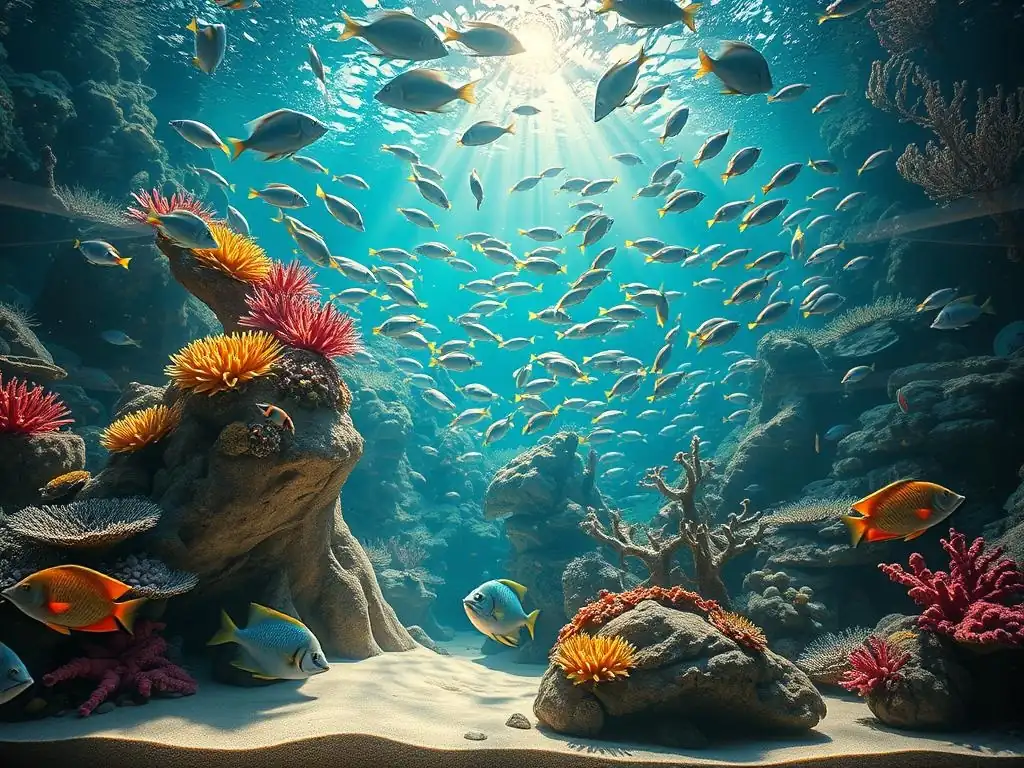
Welcome to Aquarium Mastery! Ever wondered why your vibrant Surgeonfish seems more frenemy than friend in your saltwater tank? Dive into "Tang Temperaments: Unlocking the Behavior of Your Surgeonfish" to uncover the secrets behind their sometimes challenging personalities and learn how to create a harmonious aquatic environment. Curious about common Surgeonfish behavior and how to address tank temperament issues? Read on to discover everything you need to know!
- Surgeonfish Behavior: Understanding and Managing Temperament in Aquariums
- Understanding Surgeonfish Behavior in the Aquarium
- Factors Influencing Surgeonfish Temperament in Aquariums
- Recognizing Signs of Stress and Aggression in Surgeonfish
- Managing Surgeonfish Aggression: Strategies for a Peaceful Tank
- Dietary Needs and Their Influence on Surgeonfish Temperament
- Preventing and Treating Surgeonfish Diseases Related to Stress
- Species-Specific Temperaments: Choosing the Right Surgeonfish
- Creating a Harmonious Saltwater Aquarium with Surgeonfish
- Advanced Surgeonfish Care
-
Frequently Asked Questions
- How aggressive are Surgeonfish, and what should I expect in my aquarium?
- What size tank is recommended to minimize aggression among Surgeonfish?
- Can I keep multiple Surgeonfish together, and if so, which species are most compatible?
- What are the signs of stress or aggression in Surgeonfish, and how can I address them?
- What other fish species are generally safe to keep with Surgeonfish to avoid aggression issues?
- Final Reflection: Navigating the Reef of Surgeonfish Behavior
- Unleash Your Inner Surgeonfish Whisperer!
Surgeonfish Behavior: Understanding and Managing Temperament in Aquariums
Understanding Surgeonfish Behavior in the Aquarium
Surgeonfish, widely known as tangs, exhibit a fascinating array of social behaviors that are crucial to understand for successful aquarium keeping. In their natural coral reef habitats, many species, such as the Convict Tang ( Acanthurus triostegus), form large schools, sometimes numbering in the hundreds, to forage for algae and overwhelm the territorial defenses of smaller fish.
This schooling surgeonfish behavior is primarily a feeding strategy and a defense mechanism against predators. However, in the confined space of an aquarium, these natural schooling instincts often translate into complex social hierarchies and territorial displays, especially when multiple tangs are housed together.
Within an aquarium setting, the social dynamics of surgeonfish can vary significantly by species and tank size. While some species might tolerate conspecifics (members of the same species) or even form loose aggregations in very large systems (e.g., over 300 gallons), most individual tangs will establish and fiercely defend a territory. This often leads to a "pecking order" where a dominant individual asserts control over others through chasing, fin nipping, or displaying. This inherent territoriality is a key aspect of surgeonfish behavior that directly impacts tank temperament issues and overall tank harmony.
Identifying Common Surgeonfish Temperament Issues in Tanks
One of the most frequently encountered tank temperament issues with surgeonfish is aggression, particularly towards new tank inhabitants or fish with similar body shapes and colors. This aggression can range from mild chasing and fin nipping to severe attacks that can injure or even kill other fish. For instance, a well-established Yellow Tang ( Zebrasoma flavescens) might relentlessly harass a newly introduced Flame Angelfish, perceiving it as a competitor for resources or territory due to its similar size and active swimming style. This territorial aggression is a direct manifestation of their natural instincts in a confined environment.
Beyond overt aggression, other common temperament issues include chronic stress, which can lead to lethargy, hiding, refusal to eat, and a general loss of vibrancy. A stressed Powder Blue Tang ( Acanthurus leucosternon), for example, might become pale and withdrawn, spending most of its time hidden behind rockwork rather than actively swimming. These behavioral changes are often symptomatic of underlying problems such as inadequate tank size, incompatible tank mates, or poor water quality. Understanding these subtle and overt signs of problematic surgeonfish behavior is vital for proactive management.
Factors Influencing Surgeonfish Temperament in Aquariums
Tank Size and Its Impact on Surgeonfish Aggression
The size of the aquarium is arguably the single most critical factor influencing surgeonfish behavior and aggression levels. Surgeonfish are highly active swimmers and prolific grazers, covering vast distances in the wild. When confined to a tank that is too small, their natural need for space and territory is severely restricted, leading to heightened stress and aggression. A common recommendation for a single medium-sized tang (e.g., a 4-inch Yellow Tang) is a minimum of 75-100 gallons, while larger species like a Blue Tang ( Paracanthurus hepatus) require 180 gallons or more as adults to thrive.
Inadequate tank size directly exacerbates tank temperament issues. When space is limited, fish are in constant close proximity, increasing the likelihood of territorial disputes. A submissive fish has fewer places to retreat, leading to chronic harassment and stress, which can compromise its immune system and make it susceptible to disease. For example, an Achilles Tang ( Acanthurus achilles), known for its aggressive surgeonfish behavior, will almost certainly become highly belligerent in a 90-gallon tank, whereas in a 250-gallon system with ample swimming room, its aggression might be significantly reduced.
Water Quality Parameters Affecting Surgeonfish Behavior
Pristine and stable water quality is paramount for maintaining healthy and peaceful surgeonfish behavior. Surgeonfish are particularly sensitive to fluctuations in water parameters and elevated levels of pollutants. Poor water quality, characterized by high nitrates (above 20 ppm), detectable ammonia or nitrites, or unstable pH (outside the optimal range of 8.1-8.4), acts as a significant stressor. This chronic stress weakens their immune system, making them more susceptible to diseases, and can also directly alter their temperament, leading to erratic swimming, lethargy, or increased aggression.
Physiologically, suboptimal water conditions can lead to gill irritation, respiratory distress, and a compromised immune response, all of which contribute to agitated or withdrawn surgeonfish behavior. For instance, a sudden drop in salinity (e.g., below 1.023 specific gravity) can cause a tang to become listless, hide, and lose its vibrant coloration. Similarly, persistent high nitrates can lead to increased fin nipping or general irritability. Regular water changes (e.g., 10-20% weekly or bi-weekly) and robust filtration are essential to maintain the stable, clean environment necessary for preventing these tank temperament issues.
Incompatible Tank Mates: Triggering Surgeonfish Aggression
The selection of tank mates is a critical determinant of surgeonfish behavior. Introducing fish with similar body shapes, coloration, or dietary requirements often triggers aggression, as tangs perceive them as direct competitors for territory and food. For example, attempting to house two Zebrasoma species, such as a Yellow Tang and a Purple Tang ( Zebrasoma xanthurum), in the same average-sized home aquarium (under 200 gallons) almost invariably results in intense, often fatal, territorial battles. Their similar body plan and grazing habits make them direct rivals.
Even non-tang species can trigger surgeonfish aggression if they are too passive, too aggressive, or possess features that mimic a rival. A delicate Mandarinfish, for instance, might be constantly harassed and outcompeted for food by an active tang, leading to its eventual demise. Conversely, a large, boisterous triggerfish could injure a tang. The key to preventing these tank temperament issues is thorough research into the adult size, temperament, and dietary needs of all potential inhabitants, prioritizing species that are either significantly different from the tang or robust enough to coexist without direct conflict.
Recognizing Signs of Stress and Aggression in Surgeonfish
Physical Indicators of Stress in Surgeonfish
Observing physical changes in your surgeonfish is often the first clue to identifying stress or underlying tank temperament issues. One of the most common indicators is a noticeable fading or dulling of their natural coloration. For example, a vibrant blue Powder Blue Tang might turn pale or develop dark stress bars across its body when under duress. Clamped fins, particularly the dorsal and anal fins held tightly against the body, are another clear sign of discomfort or illness. Rapid gill movement, indicating labored breathing, can also signal poor water quality or disease.
Beyond these immediate signs, chronic stress can manifest in more subtle physical ways. A surgeonfish that appears thin or emaciated, even if it seems to be eating, may be experiencing chronic stress that prevents proper nutrient absorption. Physical damage such as torn fins, missing scales, or lesions can directly result from aggressive encounters with tank mates or from repeatedly bumping into decor while trying to escape harassment. The presence of common diseases like Marine Ich ( Cryptocaryon irritans) or Marine Velvet ( Amyloodinium ocellatum) often indicates a compromised immune system, which is frequently a consequence of prolonged stress.
Behavioral Cues: Identifying Aggressive Surgeonfish
Aggressive surgeonfish behavior is typically characterized by overt actions directed towards other tank inhabitants. The most common behavioral cues include persistent chasing, where one tang relentlessly pursues another fish around the tank. Fin nipping, where the aggressor bites at the fins or body of a target fish, is also a clear sign of aggression, often leading to visible damage. Other aggressive displays include flaring fins (making themselves appear larger), rapid darting movements, and head-butting, particularly during feeding times or when defending a specific territory.
This aggressive surgeonfish behavior can escalate quickly, turning a seemingly minor skirmish into constant harassment. The targeted fish may be prevented from accessing food, hiding spots, or adequate swimming space, leading to severe stress, injury, and even death. It's crucial to distinguish between occasional, brief territorial displays, which are somewhat normal, and sustained, relentless bullying that disrupts the entire tank's harmony. For instance, a Yellow Tang might occasionally chase a new blenny, but if it does so for hours on end, preventing the blenny from eating, it signifies a serious tank temperament issue.
Understanding Surgeonfish Body Language
Surgeonfish communicate through a sophisticated array of body language, which, when understood, can provide crucial insights into their mood and intentions. One common display is "tail flagging," where a tang rapidly flicks its tail from side to side, often accompanied by a stiff-bodied posture, signaling dominance or a warning. Gill flaring, where a fish extends its gill covers to appear larger and more intimidating, is another clear sign of aggression or territorial defense. These visual displays are often precursors to physical altercations.
Subtle changes in coloration and patterning can also convey significant information about surgeonfish behavior. Many tangs, such as the Powder Blue Tang, can dramatically darken or lighten their body color based on their mood; a deep, vibrant color often indicates health and confidence, while a pale or mottled appearance can signal fear, stress, or illness. The presence of stress stripes or blotches, particularly in Acanthurus species, is a clear indicator of distress. Learning to interpret these nuances of surgeonfish body language allows aquarists to anticipate and mitigate tank temperament issues before they escalate.
Managing Surgeonfish Aggression: Strategies for a Peaceful Tank
Introducing New Surgeonfish to the Aquarium
Introducing new surgeonfish to an established aquarium requires careful planning to minimize tank temperament issues. Acclimation is crucial, but so is the timing of the introduction. It is often recommended to introduce new fish when the tank lights are off or significantly dimmed, allowing the newcomer to explore and find hiding spots without immediate harassment from established residents. Using an acclimation box, a clear, perforated container placed within the main tank, for a few days can allow existing fish to get used to the new arrival's presence without direct interaction, reducing initial aggression.
Another effective strategy to manage surgeonfish behavior during introduction is to add multiple fish simultaneously, if the tank size permits and the species are compatible. This can dilute aggression, as the established tang's focus is spread across several new targets rather than concentrated on one. Alternatively, if adding a new tang to a tank with an existing, highly territorial tang, consider removing the established fish to a separate holding tank for a few days before reintroducing it.
This "resets" its territory, making it less aggressive upon return. Always quarantine new fish for at least 3-4 weeks to prevent disease introduction, regardless of introduction method.
Re-arranging Tank Decor to Reduce Territoriality
Re-arranging the existing tank decor is a highly effective, yet often overlooked, strategy for mitigating surgeonfish aggression and tank temperament issues. Surgeonfish are inherently territorial, establishing specific patrol routes and hiding spots within the aquascape. By significantly altering the rockwork, caves, and coral placement, you can effectively "reset" these established territories. This forces all fish, including the aggressive tang, to re-evaluate and re-establish their boundaries, often reducing initial aggression towards new or bullied tank mates.
When undertaking a significant re-arrangement, aim to create new swimming lanes, additional hiding spots, and break up existing sightlines that might contribute to territorial disputes. For example, if a Yellow Tang is constantly harassing a Kole Tang, moving a large section of live rock to create a new barrier or a complex cave system can disrupt the Yellow Tang's established patrol route and provide the Kole Tang with new, safe zones. This simple act can dramatically alter surgeonfish behavior dynamics and promote a more peaceful environment.
The Importance of Adequate Hiding Places
Providing an abundance of adequate hiding places is fundamental to mitigating stress and aggression in a surgeonfish aquarium. Despite their active swimming nature, surgeonfish, like all fish, need safe retreats where they can escape when feeling threatened, stressed, or when resting. A lack of sufficient hiding spots exacerbates tank temperament issues because submissive or targeted fish have no means of escape from constant harassment, leading to chronic stress, injury, and even death.
Ample live rock aquascaping that forms numerous caves, overhangs, and crevices is ideal for providing these essential retreats. Ensure that there are more hiding spots than fish, allowing for choice and preventing competition for these safe havens. For instance, a timid Purple Tang might thrive if it has a specific cave to retreat into when a more dominant Emperor Angelfish approaches, whereas without it, it might constantly be on edge. These retreats reduce overall stress levels in the tank, allowing for more natural and less aggressive surgeonfish behavior.
Dietary Needs and Their Influence on Surgeonfish Temperament
Providing a Balanced Diet for Surgeonfish
A balanced and appropriate diet is fundamental not only for the physical health but also for the temperament and overall surgeonfish behavior. Surgeonfish are primarily herbivores, and a diet lacking sufficient vegetable matter can lead to nutritional deficiencies, weakened immune systems, and increased stress, which can manifest as aggression or lethargy. It is crucial to offer a diverse diet, primarily consisting of high-quality marine-based flake or pellet foods, supplemented daily with fresh or dried seaweed (Nori).
The bulk of their diet, ideally 60-70%, should be plant-based. While they are herbivores, occasional supplementation with vitamin-enriched meaty foods like Mysis shrimp or brine shrimp can provide essential proteins and fatty acids. For example, offering a sheet of Nori on a veggie clip 2-3 times per day, alongside a spirulina-enriched flake food once daily, ensures a robust nutritional intake. This varied diet helps prevent specific deficiencies that could contribute to tank temperament issues and ensures the fish receive vital nutrients like Vitamin C, crucial for immune function and stress reduction.
Algae Grazing and Its Role in Reducing Stress
One of the most natural and essential aspects of surgeonfish behavior is their continuous grazing on algae. In the wild, tangs spend the majority of their day actively scraping and consuming various forms of algae from rocks and coral. Replicating this natural behavior in the aquarium by providing ample algae growth on live rock or offering Nori frequently on a clip not only fulfills their dietary needs but also serves as a critical stress reliever.
This constant grazing activity keeps surgeonfish occupied and engaged, reducing boredom and the likelihood of stress-induced aggression. When tangs are busy grazing, they are less likely to focus on territorial disputes or harassing tank mates. A tank with insufficient natural algae growth or infrequent supplemental seaweed offerings can lead to more agitated surgeonfish behavior, as they become restless and potentially direct their energy towards tank temperament issues with other fish. Providing this natural outlet for their instincts is key to their well-being.
Preventing Nutritional Deficiencies That Can Affect Behavior
Specific nutritional deficiencies can directly impact surgeonfish behavior and overall health, sometimes leading to increased irritability or, conversely, lethargy. For instance, a lack of essential fatty acids (EFAs) or certain vitamins, particularly Vitamin A and C, can compromise the immune system, dull coloration, and even affect neurological function. A tang deficient in Vitamin A might exhibit poor vision, impacting its ability to navigate or interact, leading to stress. Similarly, chronic Vitamin C deficiency can contribute to Lateral Line Erosion (LLE), a stress-related disease.
To prevent these behavioral-impacting deficiencies, it's advisable to soak frozen foods in a high-quality vitamin supplement (e.g., Selcon) a few times a week. Ensuring a diverse diet, rather than relying on a single food source, is also crucial. Observing your surgeonfish for vibrant coloration, active swimming, and consistent grazing is a good indicator of nutritional well-being. A well-fed, nutritionally balanced tang is less likely to exhibit erratic or aggressive surgeonfish behavior and is better equipped to handle any minor tank temperament issues that may arise.
Recognizing Common Surgeonfish Diseases
Surgeonfish, despite their hardiness once established, are notoriously susceptible to certain diseases, particularly when stressed. The most prevalent external parasites are Marine Ich ( Cryptocaryon irritans), appearing as small white spots resembling salt grains, and Marine Velvet ( Amyloodinium ocellatum), which presents as a dusty, golden-brown film. Both are highly contagious and often emerge when a tang's immune system is compromised due to poor water quality, incompatible tank mates, or other tank temperament issues.
Beyond parasites, stress can also trigger other health problems. Lateral Line Erosion (LLE), characterized by pitting or erosion along the lateral line and head, is frequently linked to chronic stress, poor water quality, and nutritional deficiencies. Fin rot, bacterial infections, and internal parasites can also manifest when a surgeonfish is under duress, leading to lethargy, loss of appetite, and abnormal surgeonfish behavior. Early recognition of these symptoms is crucial for effective treatment and preventing further outbreaks in the aquarium.
Quarantine Procedures for Sick or Aggressive Fish
Implementing strict quarantine procedures is the most effective proactive measure against disease outbreaks and for managing severe surgeonfish behavior issues. A separate, dedicated quarantine tank (QT), typically 20-40 gallons for a single tang, is essential. All new fish, regardless of their apparent health, should be quarantined for a minimum of 4-6 weeks before introduction to the main display tank. This allows for observation, deworming, and treatment for common parasites like Ich without risking the established inhabitants.
For an overly aggressive tang creating significant tank temperament issues, temporary removal to a quarantine tank can often "reset" its dominance in the main display. This allows other fish to establish or reclaim territories without harassment. For sick fish, a QT enables precise medication dosing (e.g., copper sulfate for Ich) without affecting sensitive invertebrates or beneficial bacteria in the main tank. This isolated environment significantly reduces stress on the sick fish, aiding recovery and preventing the spread of disease to healthy tank mates.
Maintaining Optimal Water Quality for Disease Prevention
Maintaining optimal and stable water quality is the single most important factor in preventing diseases in surgeonfish and ensuring peaceful surgeonfish behavior. Consistent parameters—salinity at 1.025 specific gravity, temperature between 76-78°F, pH between 8.1-8.4, and undetectable levels of ammonia and nitrite—are paramount. Any significant fluctuations or degradation in these parameters directly stresses fish, weakening their immune systems and making them highly vulnerable to pathogens.
Regular water changes (e.g., 10-15% weekly or bi-weekly for a well-stocked tank) are crucial for diluting nitrates (keeping them below 10-20 ppm) and replenishing essential trace elements. Robust filtration, including a properly sized protein skimmer, ample live rock for biological filtration, and potentially chemical media like activated carbon or GFO, helps maintain pristine conditions. A well-maintained, stable environment minimizes environmental stressors that could lead to abnormal surgeonfish behavior or outbreaks of stress-related diseases.
Species-Specific Temperaments: Choosing the Right Surgeonfish
Understanding the Temperament of the Yellow Tang (Zebrasoma flavescens)
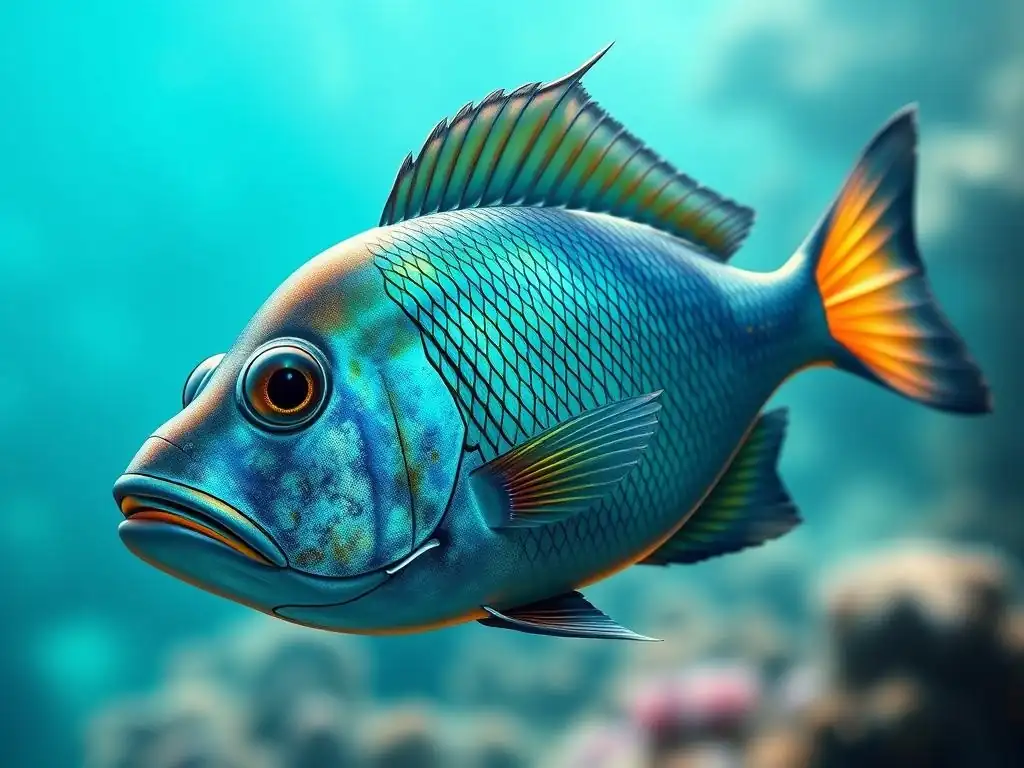
The Yellow Tang ( Zebrasoma flavescens) is one of the most popular and recognizable surgeonfish in the hobby, largely due to its vibrant coloration and graceful swimming. In terms of surgeonfish behavior, they are generally considered moderately aggressive, primarily towards other tangs, especially those of similar shape or color (e.g., other Zebrasoma species like Purple Tangs). They are highly territorial, particularly in smaller aquariums (below 75 gallons), often establishing clear patrol routes and aggressively defending their perceived space.
While a single Yellow Tang often coexists peacefully with non-tang species, introducing a second Yellow Tang or a Purple Tang into the same tank can lead to intense and prolonged fighting, often resulting in severe injury or death, unless the aquarium is exceptionally large (200+ gallons) and both fish are introduced simultaneously as juveniles. They are excellent algae grazers, which contributes to their active and inquisitive surgeonfish behavior. Proper tank size and careful tank mate selection are crucial for managing their tank temperament issues.
Understanding the Temperament of the Hippo Tang (Paracanthurus hepatus)
The Hippo Tang, also widely known as the Blue Tang or Dory, ( Paracanthurus hepatus) is generally considered one of the more peaceful surgeonfish species, making it a popular choice for community reef tanks. Their aggression is typically limited to minor chasing or fin nipping, rarely causing serious injury. However, they can be shy and prone to stress when first introduced to a new environment or if housed with overly aggressive tank mates. Their surgeonfish behavior often involves hiding or becoming withdrawn if they feel threatened.
Despite their generally peaceful nature, Hippo Tangs still require significant space due to their potential adult size (up to 12 inches) and active swimming habits. A minimum of 180 gallons is recommended for a single adult. While they are often kept individually, they can be housed in small groups if introduced simultaneously into a very large system (300+ gallons), though single specimens are more common in typical home aquariums. Monitoring for signs of stress or bullying is important, as their natural shyness can lead to tank temperament issues if not properly managed.
Understanding the Temperament of the Kole Tang (Ctenochaetus strigosus)
The Kole Tang ( Ctenochaetus strigosus), also known as the Yellow Eye Kole Tang or Gold Ring Bristletooth Tang, stands out as one of the most peaceful and docile surgeonfish species available to hobbyists. Their surgeonfish behavior is characterized by a generally non-aggressive demeanor towards other fish, including most other tangs, making them an excellent choice for community reef aquariums. While they might display minor territoriality towards other Ctenochaetus species, their interactions are rarely harmful.
What further contributes to their amicable tank temperament issues is their unique feeding habit. Kole Tangs are primarily detritivores and micro-algae grazers, using their specialized bristle-like teeth to scrape biofilm, diatoms, and detritus from live rock. This specialized diet means they compete less directly for macro-algae with other tang species, reducing potential conflicts over food resources. They are also relatively smaller than many other tangs, typically reaching 6-7 inches, and are often recommended for tanks as small as 70 gallons, making them one of the most adaptable and peaceful surgeonfish for home aquarists.
Creating a Harmonious Saltwater Aquarium with Surgeonfish
Selecting Compatible Tank Mates for Surgeonfish
Creating a harmonious saltwater aquarium with surgeonfish hinges significantly on selecting compatible tank mates. It's crucial to choose fish that are either distinctly different in shape, color, and size from your chosen tang, or robust enough to withstand potential aggression without becoming overly stressed or aggressive themselves. Avoid fish that are too small, too delicate, or too similar in appearance to your surgeonfish, as these are often targets for surgeonfish aggression. For instance, a tang might completely ignore a Clownfish but relentlessly pursue another tang species.
Good tank mates for surgeonfish often include robust angelfish (e.g., Emperor or Queen Angelfish in very large tanks), certain wrasses (e.g., Cleaner Wrasses), and larger, more assertive clownfish. Conversely, delicate species like seahorses, pipefish, or very small gobies are generally poor choices as they can be easily stressed or injured by an active tang. Always thoroughly research the adult size, temperament, and specific needs of all potential inhabitants to prevent future tank temperament issues and ensure a peaceful community.
Maintaining a Stable and Stress-Free Environment
Maintaining a stable and stress-free environment is paramount for fostering positive surgeonfish behavior and preventing tank temperament issues. Consistency in water parameters is key: stable temperature (76-78°F), salinity (1.025 specific gravity), and pH (8.1-8.4) are crucial. Sudden fluctuations in these parameters can cause significant stress, leading to a weakened immune system and erratic behavior. Utilize reliable equipment such as heaters, auto top-off systems, and high-quality testing kits to monitor and maintain stability.
Beyond water chemistry, minimizing external stressors is equally important. Avoid sudden loud noises, rapid changes in lighting, or excessive human activity directly in front of the tank, which can startle and stress fish. Provide a consistent feeding schedule and ensure adequate flow and oxygenation. A calm, predictable, and well-maintained environment significantly contributes to the overall well-being of your surgeonfish, allowing them to exhibit their natural, less aggressive surgeonfish behavior.
Long-Term Observation and Proactive Problem Solving
Long-term observation is an indispensable aspect of responsible surgeonfish care and effective management of tank temperament issues. Regularly dedicating time to observe your surgeonfish behavior for any subtle changes in coloration, swimming patterns, appetite, or interactions with tank mates can provide early warning signs of stress, illness, or escalating aggression. For example, if a tang consistently hides, exhibits faded colors, or relentlessly chases a specific tank mate for more than a day, it warrants immediate attention.
Being proactive in problem-solving is crucial. If a tank temperament issue arises, be prepared to act swiftly. This might involve simple measures like rearranging tank decor to disrupt territories, adding more hiding spots, or, in more severe cases, temporarily removing the aggressor or the victim to a quarantine tank.
Do not wait for severe injury, chronic stress, or disease to occur. For instance, if a Yellow Tang begins to relentlessly bully a new Royal Gramma, immediate intervention such as providing additional rock caves for the Gramma or temporarily isolating the tang can prevent further escalation and ensure the long-term health of all inhabitants.
Advanced Surgeonfish Care
Specialized Filtration and Water Chemistry for Sensitive Species
For highly sensitive surgeonfish species, such as the Powder Blue Tang ( Acanthurus leucosternon) or Achilles Tang ( Acanthurus achilles), advanced filtration and precise water chemistry management are often necessary to prevent tank temperament issues and maintain optimal health. These species demand exceptionally clean water with ultra-low nitrates and phosphates. This often necessitates oversized protein skimmers (rated for 2-3 times the actual tank volume), robust biological filtration (ample live rock, bio-pellets), and consistent use of chemical filtration media like activated carbon and GFO (Granular Ferric Oxide) to export dissolved organic compounds.
Beyond basic parameters, maintaining stable alkalinity (8-12 dKH) and calcium (400-450 ppm) is beneficial for overall reef health and indirectly supports the fish's well-being. While regular water changes typically replenish trace elements, some advanced aquarists might consider targeted supplementation for very sensitive species or heavily stocked systems. These specialized measures contribute significantly to reducing environmental stressors, thereby minimizing the likelihood of stress-related surgeonfish behavior problems and disease outbreaks.
Understanding Surgeonfish Color Changes and Their Significance
Understanding the nuanced color changes exhibited by surgeonfish is an advanced aspect of interpreting their surgeonfish behavior and health. Many species, particularly those in the Acanthurus and Zebrasoma genera, can display dramatic shifts in coloration based on mood, stress levels, time of day (sleeping coloration), or health status. For example, a healthy, vibrant Yellow Tang might turn pale or develop subtle horizontal stripes when sleeping or when highly stressed, while a Powder Blue Tang can intensify its blue coloration when agitated or displaying dominance.
These color changes are not merely aesthetic; they are vital indicators of the fish's physiological and psychological state. A sudden, persistent dulling of color, the appearance of prominent stress stripes, or a mottled pattern often signals significant distress due to poor water quality, disease, or severe tank temperament issues. Conversely, consistent, vibrant coloration suggests a healthy, well-adjusted fish that is thriving in its environment. Learning to interpret these subtle cues in surgeonfish body language allows for more precise and proactive care, enabling aquarists to intervene before minor issues escalate into major problems.
Frequently Asked Questions
How aggressive are Surgeonfish, and what should I expect in my aquarium?
Surgeonfish, also known as tangs, can exhibit aggressive behavior, especially towards other tangs. Expect territorial disputes and potential fin nipping, particularly in smaller tanks.
What size tank is recommended to minimize aggression among Surgeonfish?
A larger tank is crucial. A minimum of 125 gallons is recommended for most tangs, with larger species needing 300 gallons or more. This provides ample space to reduce territorial disputes.
Can I keep multiple Surgeonfish together, and if so, which species are most compatible?
It's generally risky, but some species can coexist. Introduce them simultaneously as juveniles into a large tank. Avoid keeping similar-looking or closely related species together to minimize aggression issues.
What are the signs of stress or aggression in Surgeonfish, and how can I address them?
Signs include hiding, rapid breathing, clamped fins, and chasing. Address this by increasing tank size, improving water quality, or adding more hiding places and visual barriers.
What other fish species are generally safe to keep with Surgeonfish to avoid aggression issues?
Generally, peaceful, non-territorial fish are best. Examples include clownfish, gobies, and firefish. Avoid housing Surgeonfish with aggressive or territorial species that will compete for resources.
The insights shared throughout this article highlight the crucial link between understanding surgeonfish behavior and responsible aquarium keeping. As the popularity of these vibrant reef inhabitants continues to grow, so too does the need for aquarists to be informed and proactive in creating environments that cater to their complex needs. Ignoring these temperamental nuances can lead to stress, aggression, and ultimately, a diminished quality of life for these magnificent creatures.
This exploration of surgeonfish behavior has underscored the profound impact our choices have on the delicate balance of the aquarium ecosystem. My own journey into reef keeping has taught me that observation and adaptation are paramount to success, and that understanding the natural behaviors of our aquatic companions is not just a hobby, but a responsibility. In the end, we will conserve only what we love; we will love only what we understand; and we will understand only what we are taught.
- Baba Dioum. This quote perfectly encapsulates the importance of continued learning and sharing of knowledge within the aquarium community.
Now, armed with a deeper understanding of surgeonfish behavior, I encourage you to reflect on your own aquarium practices. Are you providing adequate space, appropriate tank mates, and a stimulating environment for your surgeonfish to thrive? Take the time to observe, learn, and adapt. By embracing a proactive and informed approach, we can ensure that these "tang temperaments" are not a source of frustration, but rather a fascinating aspect of the vibrant reef ecosystems we strive to recreate in our homes.
Unleash Your Inner Surgeonfish Whisperer!
Thank you for diving deep into the fascinating world of surgeonfish! We hope you’ve gained a new appreciation for their complex behaviors and the vital role you play in their well-being. Now, let's put that knowledge into action!
- Observe your surgeonfish closely for signs of stress or aggression, and make adjustments to their environment to ensure their comfort.
- Share your newfound understanding with other aquarists by posting your surgeonfish care tips on social media using #AquariumMastery.
- Consider adding a quirky, unexpected element to your tank, like a colorful rock or a novel decoration, to stimulate their curiosity.
What unique personality trait have you noticed in your own surgeonfish, and how do you cater to their individual needs?