
Melanurus Wrasse (Halichoeres melanurus): Rainbow Hues and Unmatched Pest Control Power

Welcome to Aquarium Mastery!
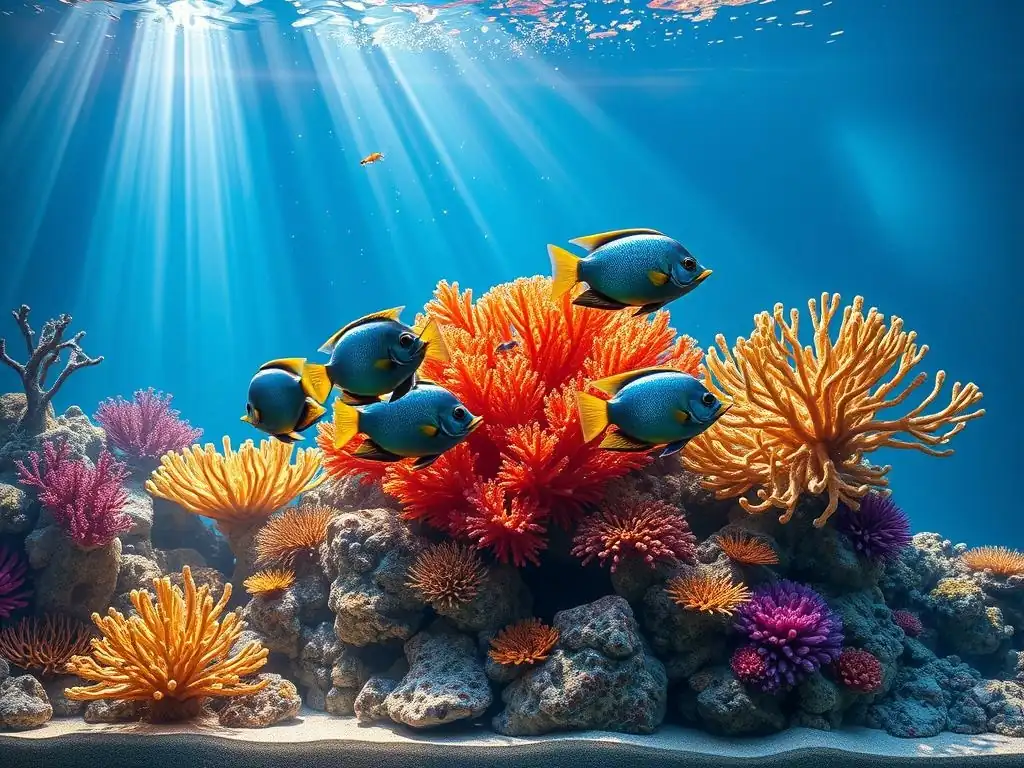
Ever wondered how to add a splash of dazzling color and a natural pest control solution to your saltwater aquarium? Dive into our comprehensive Melanurus Wrasse care guide and uncover the secrets to successfully keeping this vibrant and beneficial fish. Prepare to be amazed by its rainbow hues and its uncanny ability to rid your tank of unwanted hitchhikers! Let's explore everything you need to know about the Halichoeres melanurus, from proper tank setup to compatible tank mates. Ready to unlock the secrets to a thriving reef environment?
- Introduction to the Melanurus Wrasse: A Reef Aquarium Gem
-
Melanurus Wrasse Care Guide: Essential Information for Aquarists
- Optimal Tank Parameters for Melanurus Wrasses: Water Quality and Temperature
- Melanurus Wrasse Diet and Feeding Habits: Ensuring a Healthy and Balanced Diet
- Tank Size and Setup for Melanurus Wrasses: Creating a Suitable Habitat
- Acclimation Process for Melanurus Wrasses: Introducing Your New Wrasse Safely
- Identifying the Melanurus Wrasse: Distinguishing Features and Characteristics
- Melanurus Wrasse Behavior and Compatibility: Tank Mate Selection
- Melanurus Wrasse and Pest Control: A Natural Solution for Reef Aquariums
- Melanurus Wrasse Health and Disease: Prevention and Treatment
- Melanurus Wrasse Breeding and Reproduction: Challenges in Captivity
- Purchasing a Melanurus Wrasse: Selecting a Healthy Specimen
- Troubleshooting Common Melanurus Wrasse Problems
- Conclusion: The Allure and Responsibility of Keeping Melanurus Wrasses
-
Frequently Asked Questions
- What is the typical lifespan of a Melanurus Wrasse in a home aquarium?
- What size aquarium is recommended for keeping a Melanurus Wrasse?
- What types of pests do Melanurus Wrasses typically eat in an aquarium?
- What are the ideal water parameters for a Melanurus Wrasse aquarium?
- What should I feed my Melanurus Wrasse to ensure proper nutrition?
- Final Reflection: Embracing Nature's Tiny Guardians
- Unleash the Rainbow: Transform Your Tank Today!
Introduction to the Melanurus Wrasse: A Reef Aquarium Gem
Unveiling the Beauty of the Melanurus Wrasse: A Colorful Addition to Your Saltwater Tank
The Melanurus Wrasse, scientifically known as Halichoeres melanurus, is a captivating and highly sought-after inhabitant for saltwater aquariums, cherished for its vibrant coloration and dynamic presence. This species displays a stunning array of hues, primarily featuring a base color of green or blue-green adorned with striking orange or pink stripes that run horizontally across its body.
Juveniles often exhibit more pronounced black spots and less defined stripes, while mature individuals, particularly males, develop more intricate patterns and a brilliant blue-green sheen, making them a truly eye-catching centerpiece in a well-maintained reef tank. Their active swimming style and constant exploration add lively movement to the aquatic landscape.
Originating from the Indo-Pacific region, spanning from the Maldives to the Solomon Islands, the Melanurus Wrasse is also commonly known by names such as Hoeven's Wrasse or Pinstripe Wrasse, reflecting its distinctive appearance. Its popularity in the marine aquarium hobby stems not only from its aesthetic appeal but also from its relative hardiness and engaging behavior. As a diurnal species, it is actively foraging and swimming during daylight hours, often darting between rockwork, and then burrows into the sand at night or when startled, a natural behavior that needs to be accommodated in its habitat.
Why Choose a Melanurus Wrasse? Benefits for Your Reef Ecosystem
Opting for a Melanurus Wrasse offers significant advantages beyond just visual appeal, particularly for the health and balance of a reef ecosystem. One of its most celebrated attributes is its natural inclination to consume nuisance pests that commonly plague reef aquariums. These wrasses are diligent hunters, constantly patrolling live rock and substrate for small invertebrates, including problematic flatworms (such as Convolutriloba retrogemma) and parasitic pyramidellid snails, which are notorious for preying on clams and other sessile invertebrates. Their consistent foraging helps keep pest populations in check, reducing the need for chemical treatments.
Beyond pest control, the Melanurus Wrasse contributes positively to the overall vitality of the aquarium. Its active nature provides constant visual interest, and its relatively peaceful temperament, when housed with appropriate tank mates, makes it a harmonious addition. They are generally hardy fish that adapt well to captive environments, provided their specific care requirements are met, making them a suitable choice for intermediate to advanced aquarists looking for an effective and beautiful Melanurus Wrasse care guide inhabitant.
Melanurus Wrasse Care Guide: Essential Information for Aquarists
Optimal Tank Parameters for Melanurus Wrasses: Water Quality and Temperature
Maintaining precise and stable water parameters is paramount for the health and longevity of the Melanurus Wrasse. These fish thrive in conditions that mimic their natural tropical marine environment. The ideal salinity range should be kept between 1.023 and 1.026 specific gravity (SG), with a consistent temperature range of 74-82°F (23-28°C). A stable pH level between 8.1 and 8.4 is also crucial, as sudden fluctuations can cause significant stress to the fish. Regular monitoring with reliable test kits is essential to ensure these parameters remain within the optimal range.
Furthermore, excellent water quality, characterized by low levels of nitrates (ideally below 10 ppm) and phosphates, is critical for preventing stress and disease in the Melanurus Wrasse. Efficient filtration, including mechanical, biological, and chemical filtration (such as activated carbon), should be employed. Performing consistent water changes, typically 10-20% bi-weekly, helps replenish essential trace elements and remove accumulated toxins, contributing significantly to a successful Melanurus Wrasse care guide. Adequate water flow is also beneficial, simulating natural currents and aiding in oxygenation.
Melanurus Wrasse Diet and Feeding Habits: Ensuring a Healthy and Balanced Diet
In their natural habitat, Melanurus Wrasses are carnivorous micro-predators, primarily feeding on small benthic invertebrates, crustaceans, and worms found within the substrate and live rock. To replicate this varied diet in captivity, a diverse feeding regimen is essential. High-quality frozen foods should form the cornerstone of their diet, including enriched mysis shrimp, brine shrimp, finely chopped seafood (such as clams, scallops, or silversides), and copepods. These foods provide the necessary proteins, fats, and essential nutrients for their vibrant coloration and overall health.
It is recommended to feed Melanurus Wrasses two to three times per day, offering small portions that can be consumed within a few minutes. Their active metabolism requires frequent feeding to maintain energy levels. While they may occasionally accept high-quality marine flakes or pellets, these should only supplement their primary frozen food diet. Ensuring they receive adequate nutrition is especially important in tanks with multiple inhabitants, as their quick movements and constant foraging can sometimes lead to competition for food.
Tank Size and Setup for Melanurus Wrasses: Creating a Suitable Habitat
The active and free-ranging nature of the Melanurus Wrasse necessitates a sufficiently sized aquarium to allow for ample swimming space and exploration. A minimum tank size of 75 gallons (approximately 280 liters) is generally recommended for a single adult specimen. Larger tanks, upwards of 90-120 gallons, are even better, especially if planning to keep them with other active tank mates or if considering multiple wrasses (though this requires careful planning). Adequate space helps prevent territorial disputes and reduces stress.
A critical component of the Melanurus Wrasse's habitat setup is a deep, fine sand bed. These wrasses are known for their burrowing behavior, where they dive into the sand at night or when threatened to sleep or hide. The sand bed should be at least 2-3 inches (5-7.5 cm) deep, composed of fine-grained sand that will not scratch their delicate skin. Live rock aquascaping should provide plenty of crevices and caves for additional hiding spots and exploration, mimicking their natural reef environment. Securely placed rockwork is also important, as their occasional burrowing could dislodge unstable structures.
Acclimation Process for Melanurus Wrasses: Introducing Your New Wrasse Safely
The successful introduction of a new Melanurus Wrasse into an established aquarium largely depends on a slow and careful acclimation process. These fish can be sensitive to sudden changes in water parameters, making a drip acclimation method highly recommended. This involves slowly dripping water from the display tank into the bag or container holding the wrasse over a period of 1 to 2 hours, gradually equalizing temperature, salinity, and pH. This gradual adjustment significantly reduces stress and the risk of osmotic shock.
Upon introduction to the main display tank, it is advisable to dim the aquarium lights for the first few hours or even the entire day to further minimize stress and allow the wrasse to explore its new surroundings without feeling exposed. Observing the fish for signs of stress, such as clamped fins, rapid breathing, or unusual hiding, is crucial.
If possible, a dedicated quarantine tank for 3-4 weeks is highly beneficial to monitor the new Melanurus Wrasse for any signs of disease and to ensure it is eating well before adding it to the main display, thus protecting existing inhabitants.
Identifying the Melanurus Wrasse: Distinguishing Features and Characteristics
Melanurus Wrasse Coloration: A Visual Guide to Different Life Stages
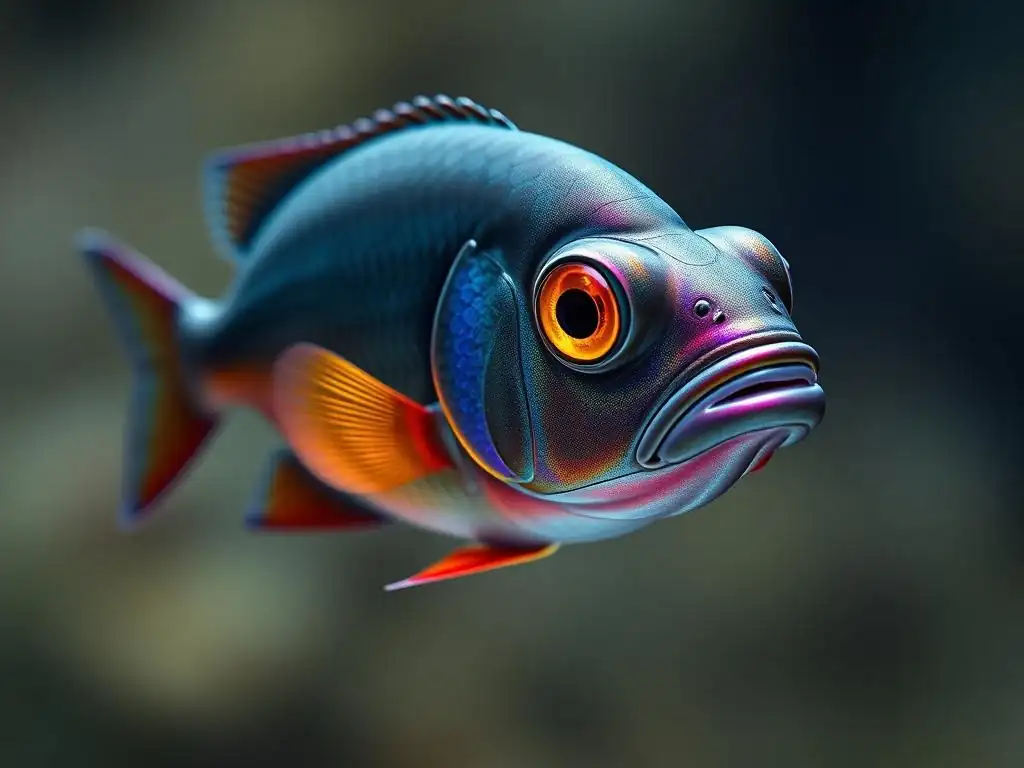
The Melanurus Wrasse exhibits remarkable color transformations throughout its life stages, making its identification both fascinating and sometimes a bit challenging for those not familiar with its development. Juveniles typically display a more subdued greenish-brown body with one or two prominent black spots along the dorsal fin and sometimes on the caudal peduncle, accompanied by less defined orange stripes. These early patterns serve as camouflage in their natural habitats and gradually evolve as the fish matures.
As the Melanurus Wrasse reaches adulthood, its coloration becomes significantly more vivid and complex. Adult males, in particular, showcase brilliant blue-green bodies adorned with striking orange, pink, or red horizontal stripes that extend from head to tail. They may also develop a distinctive black spot or "eyespots" on the dorsal fin, which can sometimes be edged in blue.
Females typically retain a more greenish hue with clear orange stripes and often possess the characteristic black spots on the dorsal fin, though their overall coloration may be less intense than that of a dominant male. These gender-specific color variations are part of their protogynous hermaphroditic nature, where females can transition into males.
Size and Morphology of the Melanurus Wrasse: What to Expect as They Mature
The Melanurus Wrasse is a moderately sized species, reaching an average adult length of approximately 5 to 6 inches (12 to 15 cm) in a mature aquarium environment. Its body shape is characteristically slender and elongated, resembling a torpedo, which allows for swift and agile movements through the water column and among rockwork. This streamlined morphology is typical of many wrasse species, facilitating their active hunting and evasion of predators.
Beyond its impressive coloration and size, the Melanurus Wrasse possesses several key morphological features. Its mouth is relatively small and pointed, perfectly adapted for picking small invertebrates from crevices and the sand bed. It has strong, well-developed pectoral fins that allow for precise hovering and maneuvering, while its caudal (tail) fin provides the burst of speed needed for quick darting movements. The dorsal and anal fins are continuous and elongated, contributing to its graceful swimming profile. Understanding these physical characteristics is integral to providing proper Melanurus Wrasse care guide and identifying a healthy specimen.
Melanurus Wrasse Behavior and Compatibility: Tank Mate Selection
Typical Melanurus Wrasse Behavior: Understanding Their Active Nature
Melanurus Wrasses are highly active and engaging fish, making them a constant source of interest in a saltwater aquarium. They are diurnal, meaning they are most active during daylight hours, constantly swimming, exploring, and meticulously inspecting live rock and substrate for food. Their natural instinct to forage for small invertebrates means they spend much of their time picking at surfaces, which is beneficial for controlling nuisance pests. At night, or if startled or stressed, they exhibit their characteristic behavior of burrowing into the sand bed, where they remain hidden until morning.
While generally considered peaceful, their energetic nature can sometimes be misinterpreted. They are not typically aggressive towards other fish species, but their constant activity and foraging can sometimes stress very timid or slow-moving tank mates. They are also known to be jumpers, necessitating a tight-fitting lid on the aquarium. Understanding their natural behaviors, such as their need for a sand bed and ample swimming space, is crucial for a successful Melanurus Wrasse care guide.
Suitable Tank Mates for Melanurus Wrasses: Avoiding Aggression and Competition
Choosing appropriate tank mates is vital for the long-term well-being of a Melanurus Wrasse. Due to their active nature and moderate size, they generally do well with other similarly sized, semi-aggressive to peaceful fish that can hold their own without being overly dominant. Good candidates include many species of Tangs (e.g., Yellow Tangs, Blue Tangs), larger Angelfish, Clownfish, certain species of Damselfish (those not known for extreme aggression), and some Gobies. Fish that occupy different parts of the water column or have different feeding habits also make excellent companions, reducing direct competition for food and space.
When selecting tank mates, consider the wrasse's propensity to eat small invertebrates. While beneficial for pest control, this means very small, delicate ornamental shrimp (like Peppermint Shrimp or Cleaner Shrimp) or snails might occasionally be at risk, especially if the wrasse is hungry. However, most larger, established shrimp and snails are generally safe. The key is to introduce the wrasse into a tank with established tank mates, or introduce it simultaneously with new fish, to minimize territorial disputes.
Fish to Avoid: Incompatible Tank Mates for Melanurus Wrasses
While Melanurus Wrasses are generally peaceful, certain tank mates should be avoided to prevent stress, aggression, or predation. Extremely aggressive or predatory fish, such as large Groupers, Lionfish, or certain Moray Eels, pose a significant threat as they may view the Melanurus Wrasse as prey. Similarly, very small, timid, or slow-moving species might be stressed by the wrasse's constant activity or outcompeted for food, leading to starvation or chronic stress.
It is also generally advised to avoid housing multiple wrasses of very similar body shapes or species (especially other Halichoeres wrasses) in tanks smaller than 150 gallons, as this can lead to territorial aggression, particularly between males. While some aquarists successfully keep multiple wrasses in very large systems, it requires careful observation and ample space for each to establish its own territory. Very delicate invertebrates, such as small ornamental shrimp or certain types of fan worms, might also be at risk of being picked at by a foraging Melanurus Wrasse.
Melanurus Wrasse and Pest Control: A Natural Solution for Reef Aquariums
Melanurus Wrasse as a Natural Predator of Common Aquarium Pests
The Melanurus Wrasse is highly regarded in the reef aquarium community for its exceptional ability to act as a natural form of pest control. This species possesses an inherent inclination to actively hunt and consume various small, unwanted invertebrates that commonly infest reef tanks. Their continuous patrolling of live rock and sand, combined with their sharp eyesight and agile movements, makes them incredibly efficient at spotting and dispatching these nuisance organisms. This biological approach to pest management is often preferred over chemical treatments, which can sometimes harm beneficial invertebrates or the overall reef ecosystem.
Their effectiveness stems from their natural diet, which primarily consists of small benthic invertebrates. In a captive environment, where these pests can proliferate rapidly, the Melanurus Wrasse's constant foraging behavior helps to keep their populations in check. This makes them a valuable addition for aquarists seeking a proactive and environmentally friendly solution to common reef tank problems, contributing to a healthier and more balanced ecosystem.
Controlling Flatworms, Pyramidellid Snails, and Other Pests with Melanurus Wrasses
The Melanurus Wrasse is particularly effective against two of the most notorious reef aquarium pests: flatworms and pyramidellid snails. They are known to actively consume various species of flatworms, including the problematic red planaria ( Convolutriloba retrogemma), which can quickly blanket corals and rockwork, inhibiting light and flow. Aquarists frequently report significant reductions in flatworm populations after introducing a Melanurus Wrasse.
Furthermore, these wrasses are excellent predators of pyramidellid snails, which are parasitic snails that feed on clams and other bivalves, often leading to their demise. The wrasse's ability to pick these tiny snails off their hosts provides a crucial line of defense for clams in a reef tank. Beyond these specific pests, Melanurus Wrasses will also forage for and consume other small, unwanted worms or crustaceans, contributing to the overall cleanliness and health of the substrate and live rock. This makes the Melanurus Wrasse care guide a must-read for pest-conscious aquarists.
Understanding the Limits: What Pests Melanurus Wrasses Don't Eat
While the Melanurus Wrasse is an invaluable asset for pest control, it's crucial to understand its limitations. They are not a universal solution for all aquarium pests. Importantly, Melanurus Wrasses generally do not eat problematic anemones such as Aiptasia or Majano anemones. These pests often require other biological controls (like Peppermint Shrimp for Aiptasia) or chemical/physical removal methods. Similarly, they typically do not consume larger, more robust predatory worms or bristle worms, although they might pick at very small ones.
Moreover, the Melanurus Wrasse will not graze on nuisance algae, such as bryopsis, hair algae, or cyanobacteria. Algae control requires different strategies, including nutrient export, proper lighting, and dedicated herbivorous grazers. It's important to view the Melanurus Wrasse as a targeted pest controller for specific invertebrate pests rather than a broad-spectrum solution for all aquarium nuisances. Relying solely on the wrasse for pest eradication in severe infestations may lead to disappointment; an integrated pest management strategy is often the most effective approach.
Melanurus Wrasse Health and Disease: Prevention and Treatment
Common Diseases Affecting Melanurus Wrasses: Recognizing Symptoms Early
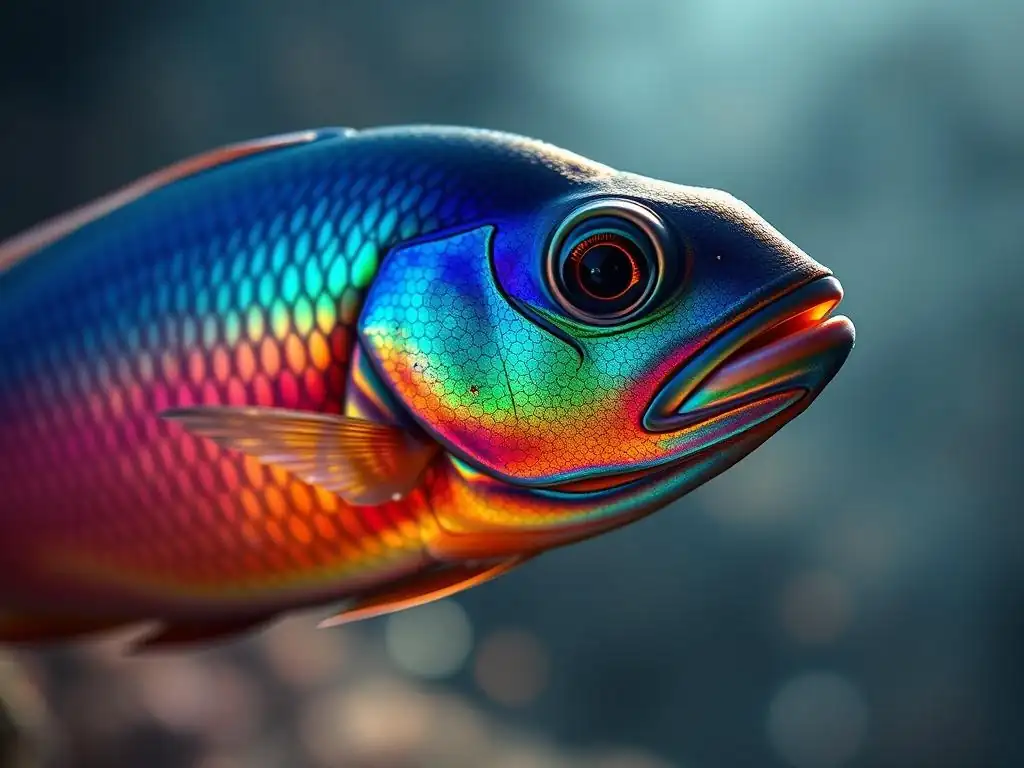
Like all marine fish, Melanurus Wrasses are susceptible to common saltwater diseases, especially if they are stressed, introduced into unstable environments, or housed in tanks with poor water quality. Marine Ich ( Cryptocaryon irritans) and Marine Velvet ( Amyloodinium ocellatum) are two of the most prevalent parasitic diseases. Symptoms of Ich typically include white spots resembling grains of salt on the body and fins, while Velvet often presents as a dusty, yellowish-brown film. Both can cause rapid breathing, flashing (rubbing against tank decor), and lethargy.
Bacterial infections, often manifesting as fin rot (frayed or discolored fins), cloudy eyes, or skin lesions, can also affect Melanurus Wrasses, particularly if there are open wounds or compromised immune systems. Internal parasites, though less visible, can lead to weight loss despite regular feeding, listlessness, and unusual fecal matter. Early recognition of these symptoms is crucial for successful treatment and forms a key part of any comprehensive Melanurus Wrasse care guide.
Preventing Diseases in Melanurus Wrasses: Maintaining Optimal Water Quality and Nutrition
Prevention is always the best approach to maintaining the health of your Melanurus Wrasse. The cornerstone of disease prevention lies in consistently providing optimal water quality and a balanced, nutritious diet. Stable parameters (salinity, temperature, pH) within the recommended ranges, coupled with low levels of nitrates and phosphates, significantly reduce stress on the fish's immune system. Regular water changes and efficient filtration are indispensable for achieving this stability.
Furthermore, feeding a varied diet of high-quality frozen foods, enriched with vitamins, helps bolster the wrasse's immune response, making it more resilient to pathogens. Quarantining all new fish for a minimum of 3-4 weeks in a separate observation tank is also a critical preventative measure. This allows for monitoring, pre-emptive treatment if necessary, and prevents the introduction of diseases to your main display tank, protecting your existing fish and invertebrates.
Treating Sick Melanurus Wrasses: Medications and Quarantine Procedures
If a Melanurus Wrasse shows signs of disease, prompt action is essential for a positive outcome. The first step should be to transfer the affected fish to a dedicated hospital tank. This allows for targeted treatment without harming sensitive invertebrates in the main display and facilitates closer observation. For parasitic infections like Ich or Velvet, copper-based medications are often effective, but should always be used strictly according to the manufacturer's instructions and monitored with a copper test kit. Alternative treatments like Chloroquine Phosphate can also be considered.
For suspected bacterial infections, broad-spectrum antibiotics may be required, often administered in food or directly to the water in the hospital tank. It's crucial to correctly diagnose the ailment or consult with an experienced marine aquarist or veterinarian to ensure the appropriate medication is used. During treatment, maintaining pristine water quality in the hospital tank is paramount, as is ensuring the fish continues to eat. Post-treatment, the wrasse should be observed for several days before being slowly re-acclimated to the main display tank.
Melanurus Wrasse Breeding and Reproduction: Challenges in Captivity
The Difficulty of Breeding Melanurus Wrasses in Home Aquariums
Breeding the Melanurus Wrasse ( Halichoeres melanurus) in a home aquarium setting is exceptionally rare and largely undocumented within the marine hobby. Unlike some other aquarium fish that readily spawn in captivity, the complex reproductive requirements of this species make successful breeding a significant challenge, if not practically impossible, for the average aquarist. The specific environmental cues, large volumes of water, and precise feeding necessary for larval development are incredibly difficult to replicate outside of highly specialized aquaculture facilities.
Even in large public aquariums or research institutions, documented captive breeding of Halichoeres melanurus is not common. This difficulty primarily stems from the pelagic nature of their eggs and larvae, which drift in the open ocean and require a specific food source of microscopic plankton during their early developmental stages. The intricacies of their life cycle mean that sustained breeding efforts in a typical home aquarium are not a realistic goal for a Melanurus Wrasse care guide.
Understanding Melanurus Wrasse Reproduction in the Wild
In their natural Indo-Pacific habitats, Melanurus Wrasses are believed to be pelagic spawners. This means that during reproduction, adult male and female wrasses release their eggs and sperm directly into the water column, where fertilization occurs. The fertilized eggs then become part of the plankton, drifting with ocean currents. This reproductive strategy is common among many reef fish species, allowing for wide dispersal of their offspring.
Melanurus Wrasses are also protogynous hermaphrodites, meaning they are typically born as females and have the ability to change sex to male later in life, usually in response to social cues or the absence of a dominant male. The larval stage, which develops from these pelagic eggs, requires specific environmental conditions and an abundance of microscopic food sources that are readily available in the vastness of the ocean but are nearly impossible to provide in a closed system like a home aquarium. This complex life cycle in the wild highlights why breeding efforts in captivity remain largely unsuccessful.
Purchasing a Melanurus Wrasse: Selecting a Healthy Specimen
Choosing a Healthy Melanurus Wrasse: What to Look For at Your Local Fish Store
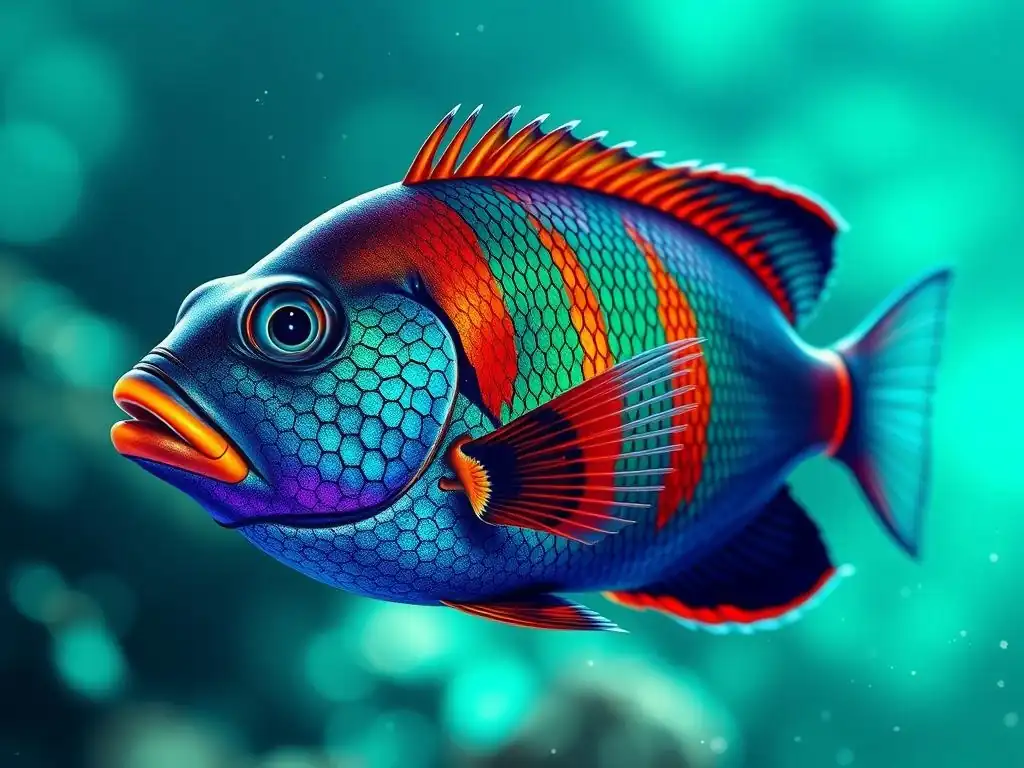
When purchasing a Melanurus Wrasse, selecting a healthy specimen is crucial for its long-term success in your aquarium. Begin by observing the fish's behavior in the dealer's tank. A healthy Melanurus Wrasse should be active, alert, and constantly swimming or foraging among the rockwork. Avoid fish that are listless, sitting on the bottom, or constantly hiding, unless it's their normal burrowing behavior at closing time. Its eyes should be clear and bright, not cloudy or sunken.
Visually inspect the wrasse for any signs of disease or physical trauma. Look for clear fins that are not clamped, frayed, or torn. The body should be free of any white spots (Ich), velvet-like film, unusual growths, or open sores. The fish should appear plump with a full belly, indicating it has been eating well; avoid specimens that appear emaciated or have a pinched abdomen. Asking the store staff about the fish's diet and how long it has been in their care can also provide valuable insights into its health and acclimatization.
Ethical Considerations When Buying Melanurus Wrasses: Supporting Sustainable Practices
Beyond selecting a healthy individual, considering the ethical implications of your purchase is an important aspect of responsible aquarium keeping. The vast majority of Melanurus Wrasses available in the hobby are wild-caught from their natural Indo-Pacific habitats. Supporting reputable dealers who source their fish responsibly and adhere to sustainable collection practices helps minimize the environmental impact on wild reef populations. Inquiry about their sourcing practices can contribute to more ethical trade.
Furthermore, choosing a fish store that practices good husbandry and quarantines its incoming marine livestock is beneficial for both the fish and the hobby. Stores that take the time to properly acclimate and observe their fish before sale are more likely to offer robust, healthy specimens, reducing the likelihood of disease introduction to your home aquarium. By making informed choices, you contribute to a healthier hobby and support practices that are less detrimental to marine ecosystems, which is a key tenet of a comprehensive Melanurus Wrasse care guide.
Troubleshooting Common Melanurus Wrasse Problems
My Melanurus Wrasse Isn't Eating: Possible Causes and Solutions
If your Melanurus Wrasse isn't eating, it's a significant cause for concern and requires prompt investigation. One common reason is stress, often induced by a new environment, aggressive tank mates, or poor water quality. Newly introduced wrasses may take a few days to adjust and start eating. Solutions include checking all water parameters for stability and optimal levels, observing tank mates for bullying, and ensuring the tank provides adequate hiding spots and sand for burrowing.
Another potential cause for lack of appetite is internal parasites or disease. If the wrasse appears lethargic, has a pinched stomach despite being offered food, or exhibits other disease symptoms, consider moving it to a quarantine tank for closer observation and potential treatment. Offering a variety of highly palatable foods, such as live brine shrimp, enriched mysis shrimp, or finely chopped seafood, can often entice a reluctant eater. Sometimes, it's simply a matter of the fish not recognizing prepared foods, in which case persistence with varied offerings is key.
Melanurus Wrasse Hiding: Understanding Their Behavior and Addressing Stress
Melanurus Wrasses are known for their burrowing behavior, diving into the sand at night or when startled. This is a completely normal and healthy behavior. However, if your Melanurus Wrasse is constantly hiding during daylight hours, appears lethargic, or has clamped fins while hiding, it suggests stress or illness. Possible causes include a new environment where it hasn't yet felt secure, bullying from more aggressive tank mates, inadequate hiding spots in the rockwork, or poor water quality.
To address excessive hiding, first ensure your tank has a sufficiently deep (2-3 inches) bed of fine sand for safe burrowing. Provide ample live rock with crevices and caves where the wrasse can feel secure. Re-evaluate tank mate compatibility; if there's an overly aggressive fish, consider rearranging the rockwork to break up territories or, in severe cases, rehoming the bully. Check all water parameters to rule out environmental stressors. Patience is also important; new wrasses may take several days to a week to fully acclimate and become confident.
Aggression Issues: Dealing with a Territorial Melanurus Wrasse
While generally peaceful, some individual Melanurus Wrasses can exhibit territorial aggression, particularly in smaller tanks or towards very passive or similarly shaped fish. This is more common with other wrasse species, especially those from the Halichoeres genus, or towards fish that compete for the same food sources or territory. Aggression might manifest as chasing, nipping, or preventing other fish from accessing food or hiding spots.
If aggression becomes a persistent problem, several steps can be taken. First, ensure the tank size is adequate (75 gallons minimum) and provides enough space for all inhabitants to establish territories without constant conflict. Rearranging the live rockwork can sometimes disrupt established territories and alleviate tension. Introducing new fish after the wrasse, or simultaneously, can also help. If the aggression is severe and causing harm to other tank mates, it may be necessary to re-evaluate the compatibility of your fish list or consider rehoming the aggressive Melanurus Wrasse to a larger system or one with more suitable tank mates.
Conclusion: The Allure and Responsibility of Keeping Melanurus Wrasses
The Melanurus Wrasse ( Halichoeres melanurus) stands out as a truly remarkable addition to the saltwater aquarium. Its kaleidoscope of colors, active and engaging personality, and invaluable natural pest control abilities make it a highly desirable inhabitant for reef aquarists. From its vibrant rainbow hues that add dynamic visual appeal to its diligent foraging that helps keep nuisance flatworms and pyramidellid snails at bay, this species offers a unique blend of beauty and utility.
However, owning a Melanurus Wrasse is also a significant responsibility. Providing optimal water quality, a diverse and nutritious diet, a sufficiently sized tank with a deep sand bed, and carefully selected tank mates are all critical components of a successful Melanurus Wrasse care guide. Understanding their natural behaviors, such as burrowing, and being vigilant for signs of stress or disease, ensures their long-term health and well-being. By embracing these responsibilities, aquarists can enjoy the full allure of the Melanurus Wrasse, contributing to a thriving and balanced reef ecosystem within their home.
Frequently Asked Questions
What is the typical lifespan of a Melanurus Wrasse in a home aquarium?
The lifespan of a Melanurus Wrasse in a well-maintained aquarium is typically 5 to 7 years. Factors like water quality and diet significantly impact their longevity.
What size aquarium is recommended for keeping a Melanurus Wrasse?
A minimum tank size of 75 gallons is recommended for a single Melanurus Wrasse. This allows for adequate swimming space and sufficient hiding places for the wrasse to feel secure.
What types of pests do Melanurus Wrasses typically eat in an aquarium?
Melanurus Wrasses are known for their appetite for common aquarium pests like flatworms, pyramid snails, and parasites. They are a natural and effective form of pest control.
What are the ideal water parameters for a Melanurus Wrasse aquarium?
Ideal water parameters include a temperature of 72-78°F, a salinity of 1.023-1.025 specific gravity, and a pH of 8.1-8.4. Maintaining stable water conditions is crucial for their health.
What should I feed my Melanurus Wrasse to ensure proper nutrition?
Melanurus Wrasses are carnivores and require a varied diet of high-quality frozen foods, flake food, and small invertebrates. Supplementing with live food can also be beneficial.
Final Reflection: Embracing Nature's Tiny Guardians
The vibrant colors and fascinating behavior of the Melanurus Wrasse, as explored in this care guide, are not just aesthetically pleasing; they represent a powerful example of nature's inherent balance and the crucial role even the smallest creatures play in maintaining healthy ecosystems. Understanding the intricacies of their care is not merely about keeping a pet alive, but about appreciating the delicate web of life within our aquariums and, by extension, the world around us.
This journey into the world of the Melanurus Wrasse has undoubtedly deepened our appreciation for the often-overlooked heroes of the reef. The dedication required to properly care for these fish mirrors the responsibility we all share in protecting our planet's biodiversity. As Jacques Cousteau so eloquently stated, The sea, once it casts its spell, holds one in its net of wonder forever.
This wonder, this spell, compels us to act as stewards of the environment, ensuring that future generations can marvel at the beauty and functionality of creatures like the Melanurus Wrasse.
Now, armed with the knowledge from this guide, I invite you to reflect on your own connection to the natural world. Consider how you can contribute, even in small ways, to preserving the delicate balance of our ecosystems. Whether it's through responsible aquarium keeping, supporting conservation efforts, or simply educating others about the importance of biodiversity, every action counts. Let the vibrant spirit of the Melanurus Wrasse inspire you to become a champion for the health and beauty of our planet.
Unleash the Rainbow: Transform Your Tank Today!
Thank you for diving into the captivating world of the Melanurus Wrasse! We hope you've discovered the secrets to keeping this vibrant fish happy and healthy. Now, it's time to bring that knowledge to life!
Here are some ways you can take action and deepen your understanding:
- Embark on your quest to acquire a Melanurus Wrasse for your reef tank and witness its pest-control prowess firsthand.
- Share this article with fellow reefing enthusiasts and spark a conversation about the benefits and care of the Melanurus Wrasse.
- Research compatible tankmates and uncover the hidden gems that can thrive alongside your Melanurus Wrasse, creating a dynamic and harmonious ecosystem.
What innovative approach will you take to ensure your Melanurus Wrasse thrives in your unique reef environment?