
Midas Blenny: Golden Grace and Surprising Antics in Your Nano Aquarium

Welcome to Aquarium Mastery!
Ever dreamt of a splash of sunshine darting through your nano reef? The Midas blenny is more than just a pretty face – it's a personality powerhouse! Dive into our comprehensive guide to Midas blenny care nano, and discover everything you need to know to keep this golden charmer thriving in your miniature saltwater world. But be warned, their antics might just steal your heart (and maybe a few algae wafers!). Ready to unlock the secrets to a happy and healthy Midas blenny? Let's get started!
- Introduction to the Golden Midas Blenny for Nano Reef Tanks
- Midas Blenny Care: Essential Guidelines for a Thriving Fish
- Feeding Your Midas Blenny: Diet and Nutritional Needs
- Midas Blenny Behavior and Tank Mates: Understanding Their Social Dynamics
- Common Health Issues and Disease Prevention in Midas Blennies
- Breeding Midas Blennies: Challenges and Opportunities
- The Midas Blenny: A Stunning Addition to Your Nano Reef
- Conclusion: Mastering Midas Blenny Care in Your Nano Aquarium
-
Frequently Asked Questions
- What makes the Midas Blenny a good choice for a nano aquarium?
- What are the key water parameters to maintain for a healthy Midas Blenny in a nano tank?
- What type of food does a Midas Blenny need in a nano aquarium?
- How can I prevent aggression from a Midas Blenny towards other inhabitants in my nano aquarium?
- What are common health issues to watch out for in a Midas Blenny kept in a nano aquarium?
- Final Reflection: Embracing the Golden Spark
- Unleash the Golden Wonder in Your Nano Tank!
Introduction to the Golden Midas Blenny for Nano Reef Tanks
Discovering the Allure of Ecsenius midas
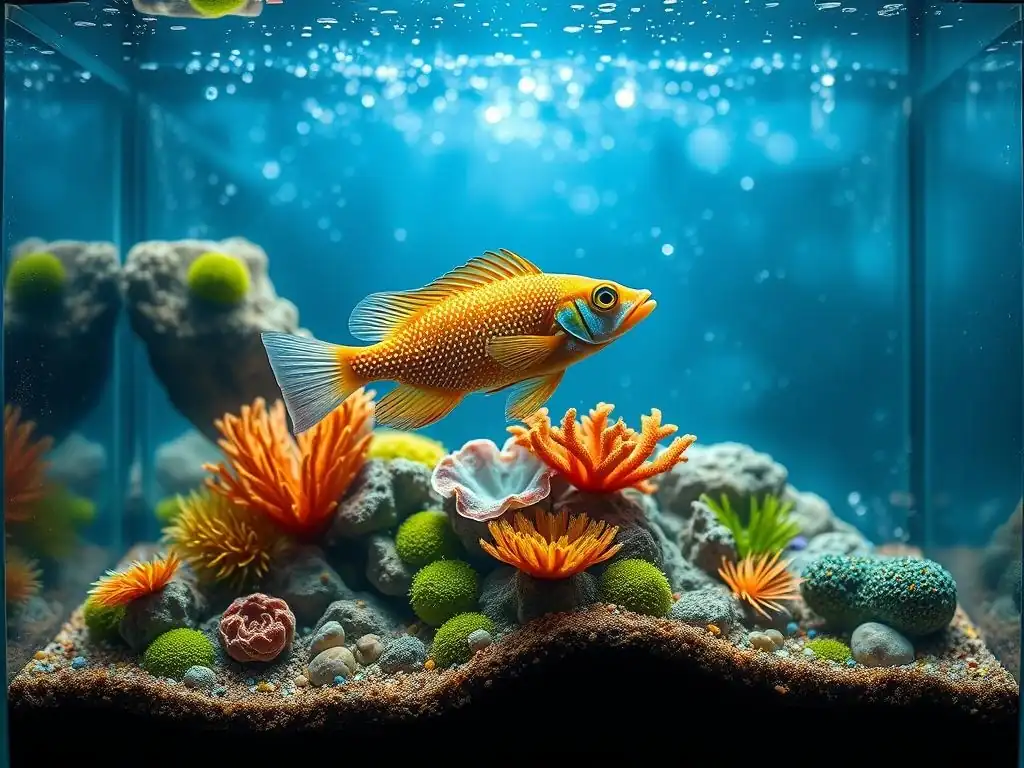
The Midas Blenny, scientifically known as Ecsenius midas, is a captivating inhabitant of saltwater aquariums, highly prized for its vibrant coloration and engaging personality. Typically displaying a brilliant golden yellow to orange hue, some specimens may exhibit striking blue or purplish tints, especially when stressed or during territorial displays. Their large, expressive eyes and distinctive perching behavior on live rock make them an immediate focal point in any marine setup.
Beyond their stunning appearance, Midas Blennies possess a unique charm. They are often observed darting swiftly from one rock crevice to another, only to pause and curiously observe their surroundings, occasionally nipping at the water column for food. This combination of striking aesthetics and fascinating antics contributes significantly to the dynamic appeal of a home aquarium, making Midas blenny care nano a rewarding endeavor for aquarists.
Why the Midas Blenny is Perfect for Smaller Aquariums
The Midas Blenny's moderate size makes it an excellent candidate for nano reef tanks, a key consideration for effective Midas blenny care nano. Reaching an average adult length of about 4 to 5 inches (approximately 10-13 cm), they are large enough to be easily observed and appreciated, yet small enough to thrive without requiring a colossal tank. Their relatively low bioload means they won't quickly overwhelm the filtration system of a smaller setup, which is often a challenge in nano aquariums.
Furthermore, their active yet contained swimming patterns mean they utilize the available space efficiently without appearing cramped. Unlike some larger, more boisterous fish that require vast open swimming areas, the Midas Blenny prefers to navigate through rockwork and perch, making a well-structured nano tank an ideal habitat. This inherent suitability for compact environments underscores why so many hobbyists focus on optimizing Midas blenny care nano.
Midas Blenny Care: Essential Guidelines for a Thriving Fish
Understanding the Midas Blenny Natural Habitat
The Midas Blenny originates from the expansive Indo-Pacific region, with its natural range extending from the Red Sea and East Africa across to the Western Pacific. In the wild, these blennies are primarily found inhabiting the vibrant ecosystems of rocky reefs and coral rubble zones. They prefer areas with abundant crevices, caves, and overhangs, which provide them with essential shelter and perching locations.
These fascinating fish typically reside at depths ranging from 10 to 30 meters (approximately 33 to 98 feet), where they are often observed hovering just above the substrate or darting between coral formations. Their natural diet consists mainly of zooplankton, small crustaceans, and some algal matter, which they actively pick from the water column or off surfaces. Understanding these natural inclinations is fundamental to replicating an optimal environment for Midas blenny care nano in a captive setting.
Setting Up the Ideal Nano Tank Environment for Midas Blennies
Creating a suitable environment is paramount for successful Midas blenny care nano, ensuring the fish remains healthy, vibrant, and exhibits its natural behaviors. The tank setup should mimic their natural reef habitat as closely as possible, focusing on stable water parameters and appropriate structural elements.
Tank Size Requirements for Midas Blennies
For a single Midas Blenny, a minimum tank size of 20 to 30 gallons (approximately 75 to 115 liters) is recommended. While some sources might suggest slightly smaller volumes, a 20-gallon tank provides adequate swimming space and, more importantly, a larger water volume which contributes significantly to water parameter stability. This stability is crucial for a species that can be sensitive to fluctuations, making it a cornerstone of effective Midas blenny care nano.
A larger tank, such as a 30-gallon, offers even greater stability and more space for aquascaping, which can reduce potential territorial issues if other peaceful tank mates are introduced. Providing enough space ensures the Midas Blenny can establish its territory comfortably and reduce stress, leading to a healthier, longer life in your nano aquarium.
Water Parameters: Maintaining Optimal Conditions
Maintaining precise and stable water parameters is non-negotiable for exemplary Midas blenny care nano. The ideal temperature range for Midas Blennies is between 74-82°F (23-28°C), with a specific gravity of 1.023-1.026. The pH should be maintained between 8.1 and 8.4. Ammonia and nitrite levels must consistently remain at 0 ppm, while nitrates should be kept below 10-20 ppm to prevent stress and disease.
Beyond these basic parameters, it's beneficial to monitor alkalinity (8-12 dKH), calcium (400-450 ppm), and magnesium (1200-1350 ppm) to support overall reef health, especially if keeping corals. Regular testing with reliable kits, coupled with consistent partial water changes of 10-20% weekly or bi-weekly using RO/DI water, will help maintain these crucial conditions for your Midas Blenny.
Substrate and Rockwork for a Happy Blenny
While Midas Blennies do not typically burrow, a substrate of fine sand or aragonite gravel is beneficial for overall tank aesthetics and for supporting beneficial bacteria. However, the most critical element for a happy Midas Blenny is abundant live rockwork. This rockwork should be arranged to create numerous caves, crevices, and perching spots that mimic their natural reef environment.
Providing ample hiding places gives the Midas Blenny a sense of security and allows it to establish a territory. They will spend a significant amount of time perching on the rocks, darting out to snatch food, or retreating into a crevice when startled. A well-structured aquascape with at least 1 pound of live rock per gallon of water in a nano tank creates an enriching environment, directly contributing to successful Midas blenny care nano.
Feeding Your Midas Blenny: Diet and Nutritional Needs
What Do Midas Blennies Eat in the Wild?
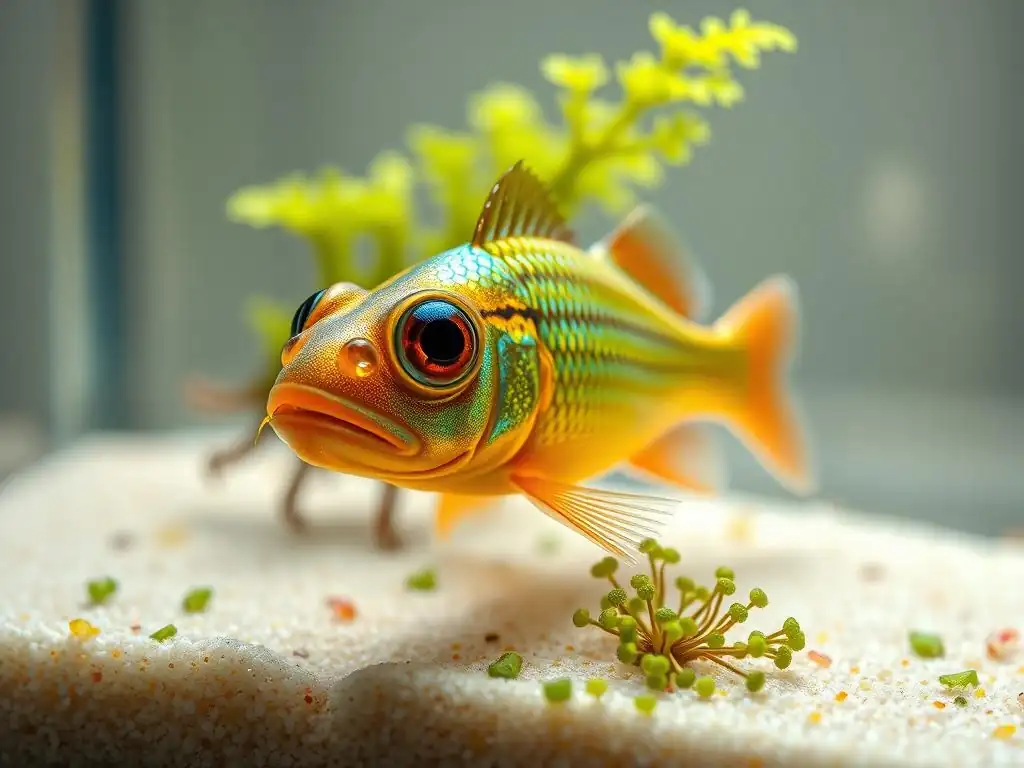
In their natural habitat, Midas Blennies are primarily planktivores, meaning their diet consists mainly of zooplankton. They are often observed hovering just above the reef, darting out to snatch tiny organisms from the water column. Their diet includes a variety of small crustaceans such as copepods, amphipods, and other microscopic invertebrates.
While zooplankton forms the bulk of their diet, they may also graze on filamentous algae or detritus occasionally. This opportunistic feeding behavior in the wild highlights their need for a varied diet in captivity, which is a key aspect of comprehensive Midas blenny care nano. Replicating this diverse intake is vital for their long-term health and vibrant coloration.
Recommended Foods for Captive Midas Blennies
Providing a varied and nutritious diet is crucial for maintaining the health and vitality of your Midas Blenny in a nano aquarium. A balanced diet contributes significantly to their vibrant coloration and overall well-being.
Prepared Foods: Pellets and Flakes
High-quality marine pellets and flakes should form a staple part of a captive Midas Blenny's diet. Look for products specifically formulated for omnivorous or planktivorous marine fish, rich in marine proteins and spirulina. Examples include Ocean Nutrition Formula One flakes or New Life Spectrum Thera-A pellets. Due to their relatively small mouths, ensure the pellets are micro-sized or the flakes are finely crushed to facilitate easy consumption.
These prepared foods offer a convenient and nutritionally complete base, providing essential vitamins and minerals. Regularly offering these ensures your Midas Blenny receives consistent daily nutrition, which is fundamental for effective Midas blenny care nano.
Frozen Foods: A Varied Diet
Supplementing prepared foods with frozen options significantly enhances the Midas Blenny's diet, providing essential fatty acids and a wider range of nutrients. Excellent choices include frozen mysis shrimp, cyclop-eeze, and finely chopped krill. Brine shrimp can also be offered, though they are less nutritionally dense and are better used as an appetite stimulant or a treat.
Always thaw frozen foods in a small amount of tank water before feeding to avoid introducing cold water or excess nutrients into the aquarium. Offering a variety of frozen foods 3-4 times a week helps to boost color, improve overall health, and cater to their natural foraging instincts, thereby optimizing Midas blenny care nano.
Live Foods: Enrichment and Stimulation
Live foods provide unparalleled nutritional value and behavioral enrichment for Midas Blennies. Live copepods and amphipods, which can be cultured or purchased, are particularly beneficial as they closely mimic their natural diet. These tiny crustaceans not only provide excellent nutrition but also encourage natural hunting behaviors, keeping the blenny active and engaged.
Enriched live brine shrimp can also be offered periodically. While live foods are not always practical for daily feeding, incorporating them into the diet once or twice a week, or as a treat, can significantly improve the Midas Blenny's conditioning, especially for new or finicky eaters. This active pursuit of live prey is a vital component of holistic Midas blenny care nano.
Feeding Frequency and Portion Control
For juvenile Midas Blennies, it is advisable to feed 2-3 times a day, as they are actively growing and have higher metabolic rates. Adult Midas Blennies generally thrive on 1-2 feedings per day. The key is to offer small portions that can be consumed entirely within 2-3 minutes. Overfeeding is a common mistake that can rapidly degrade water quality, leading to elevated nitrates and phosphates, which in turn stress the fish and promote nuisance algae growth.
Observe your Midas Blenny during feeding times to ensure it is actively consuming the food and not being outcompeted by tank mates. If food remains uneaten after a few minutes, reduce the portion size for subsequent feedings. Consistent, controlled feeding is a vital part of maintaining pristine water conditions and ensuring long-term success with Midas blenny care nano.
Typical Midas Blenny Behavior in a Reef Tank
Midas Blennies are known for their distinctive and engaging personalities within a reef tank setting. They are often seen perching on various points of the live rockwork, observing their surroundings with curious, swiveling eyes. From these vantage points, they will frequently dart out into the water column to snatch passing food particles or investigate new additions to the tank. This "hover-and-dart" behavior is characteristic of their planktivorous nature.
While generally peaceful, Midas Blennies can exhibit territoriality, particularly towards other blennies or fish with similar body shapes and dietary needs. They may display a slight color change, becoming more vibrant or showing a deeper blue hue, when asserting dominance or feeling stressed. Despite this, they typically do not harass corals or invertebrates, making them excellent reef-safe inhabitants. Their active yet non-destructive nature adds a dynamic element to any nano reef, making Midas blenny care nano a joy to observe.
Choosing Compatible Tank Mates for Your Midas Blenny
Selecting appropriate tank mates is crucial for the peaceful coexistence of your Midas Blenny and the overall harmony of your nano aquarium. Incompatible tank mates can lead to stress, aggression, and health issues for your Midas Blenny.
Ideal Tank Mates: Peaceful Fish and Invertebrates
The best companions for a Midas Blenny are small, peaceful fish that occupy different niches within the aquarium and do not compete directly for food or territory. Excellent choices include:
- Clownfish: Percula or Ocellaris clownfish are generally peaceful and occupy the upper water column.
- Gobies: Small, bottom-dwelling gobies like Yasha or Watchman gobies, which are not blennies, typically coexist well.
- Firefish: These peaceful, darting fish usually stay in the mid-to-upper water column.
- Royal Grammas: Known for their vibrant colors and peaceful demeanor, they often hide in caves.
- Small Wrasses: Certain peaceful wrasses like the Six-Line Wrasse (though monitor for aggression towards inverts) or Possum Wrasse can be suitable.
For invertebrates, cleaner shrimp (e.g., Peppermint or Skunk Cleaner Shrimp), various snails (e.g., Nassarius, Trochus), and hermit crabs are excellent additions. Corals of all types are also generally safe with Midas Blennies, as they typically do not nip at polyps. Ensuring a low bioload with these compatible species is vital for effective Midas blenny care nano.
Fish to Avoid: Aggressive or Bullying Species
To prevent stress and potential injury to your Midas Blenny, certain types of fish should be avoided in a nano tank:
- Large Angelfish and Triggers: These fish are often aggressive, territorial, and can outcompete or harass the smaller Midas Blenny.
- Aggressive Damselfish: While some damselfish are small, many species are highly territorial and can relentlessly bully other tank inhabitants.
- Large Wrasses or Lionfish: These predatory fish pose a direct threat to smaller species like the Midas Blenny.
- Other Blennies or Similar-Looking Fish: Introducing another blenny, especially of the Ecsenius genus, into a nano tank will almost certainly lead to territorial disputes and aggression, often resulting in the death of the weaker fish. Even fish with similar body shapes or feeding habits might trigger aggression.
When in doubt, err on the side of caution and opt for known peaceful species to ensure a harmonious environment for your Midas Blenny.
Preventing Aggression and Territorial Disputes
Even with carefully chosen tank mates, proactive measures can help prevent aggression and territorial disputes in your nano aquarium. Firstly, provide ample live rockwork with numerous caves, crevices, and hiding spots. This allows each fish to establish its own territory and retreat when feeling threatened. A general guideline is to have at least 1 pound of live rock per gallon of water in a nano tank.
Secondly, introduce tank mates simultaneously if possible, or introduce the Midas Blenny last, allowing existing inhabitants to establish their territories first. When adding new fish, consider rearranging some of the rockwork to disrupt existing territories and reduce initial aggression. Finally, ensure there is sufficient food for all inhabitants during feeding times to minimize competition. Observing interactions closely, especially during the first few days after introducing new fish, is crucial for successful Midas blenny care nano.
Common Health Issues and Disease Prevention in Midas Blennies
Recognizing Signs of Illness in Your Midas Blenny
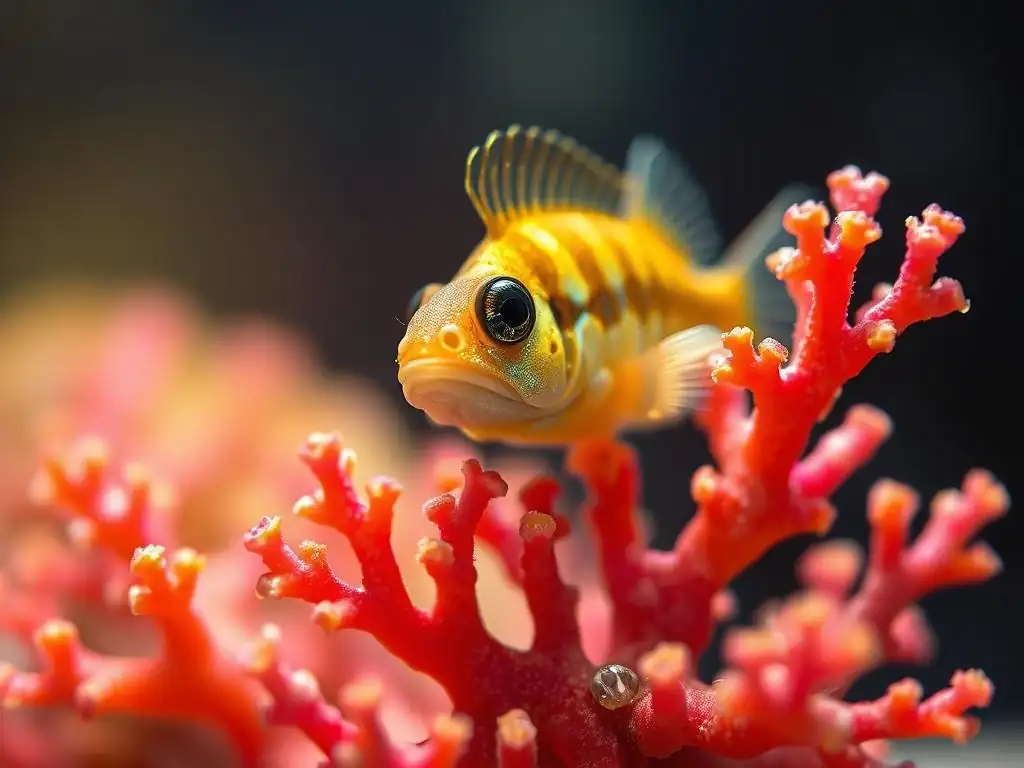
Early detection of illness is crucial for successful treatment and preventing the spread of disease in your nano aquarium. Regularly observe your Midas Blenny for any changes in its appearance, behavior, or appetite. Signs of illness can include:
- Coloration changes: Dullness, fading, or the appearance of unusual spots or patches.
- Behavioral changes: Lethargy, listlessness, erratic swimming, flashing (rubbing against rocks), or hiding excessively.
- Physical symptoms: Clamped fins, rapid breathing (gilling), cloudy eyes, visible parasites (white spots, velvet-like coating), fin rot, or lesions on the body.
- Appetite loss: Refusal to eat, or spitting out food.
Any deviation from their normal vibrant appearance and active behavior warrants immediate investigation. Prompt action is a cornerstone of effective Midas blenny care nano.
Common Diseases Affecting Midas Blennies
Midas Blennies, like all marine fish, can be susceptible to common saltwater aquarium diseases, particularly if stressed by poor water quality or aggressive tank mates.
Ich (White Spot Disease)
Marine Ich, caused by the parasite Cryptocaryon irritans, is one of the most prevalent diseases in saltwater aquariums. It manifests as small, white spots resembling grains of salt on the fish's body and fins. Infected fish may also exhibit flashing, rapid breathing, and lethargy. The parasite has a complex life cycle, with free-swimming stages that can infect other fish.
Treatment options include hyposalinity (gradually lowering the specific gravity to 1.009-1.010 for several weeks in a quarantine tank), copper-based medications, or certain non-copper treatments. Raising the temperature slightly (to 80-82°F) can accelerate the parasite's life cycle, making it more susceptible to treatment, but this must be done cautiously.
Marine Velvet Disease
Marine Velvet, caused by the dinoflagellate Amyloodinium ocellatum, is highly contagious and often more lethal than Ich. Symptoms include a fine, dusty, yellowish-brown coating on the fish's body, rapid breathing, and a general dullness of color. Infected fish may also scratch against tank decorations. The disease progresses rapidly, and fish can succumb within a few days if not treated promptly.
Treatment typically involves copper-based medications in a dedicated quarantine tank. Freshwater dips for 3-5 minutes can offer temporary relief by dislodging some parasites, but they are not a cure. UV sterilizers can help reduce the number of free-swimming parasites in the water column, but direct treatment of the infected fish is essential.
Bacterial Infections
Bacterial infections can manifest as red streaks, fin rot, cloudy eyes, ulcers, or open sores on the fish's body. These infections are often secondary to stress, poor water quality, or external parasitic infestations that create entry points for bacteria. Common bacterial pathogens include Vibrio and Aeromonas species.
Treatment usually involves broad-spectrum antibiotics administered in a separate quarantine tank, as these medications can harm beneficial bacteria in the main display tank. Maintaining pristine water conditions and a stable environment is the best preventative measure against bacterial infections.
Quarantine Procedures for New Fish
Implementing a strict quarantine procedure for all new fish, including Midas Blennies, is perhaps the most effective way to prevent the introduction of diseases into your established nano aquarium. A separate quarantine tank (QT) of at least 10-20 gallons is recommended. New fish should reside in the QT for a minimum of 4-6 weeks.
During this period, observe the fish closely for any signs of illness. Prophylactic treatments for common parasites like Ich and Velvet can be administered, even if no symptoms are visible, to ensure the fish is disease-free before being introduced to the main display. This critical step significantly reduces the risk of wiping out an entire tank due to a new, infected arrival, making it indispensable for long-term Midas blenny care nano.
Maintaining Optimal Water Quality for Disease Prevention
The single most important factor in preventing disease in Midas Blennies, and indeed any marine fish, is maintaining consistently optimal water quality. Poor water conditions are a primary source of stress, which suppresses the fish's immune system and makes it highly susceptible to pathogens.
Regular partial water changes (10-20% weekly or bi-weekly) using high-quality RO/DI water and a reputable marine salt mix are essential to dilute nitrates and replenish trace elements. Consistent monitoring of temperature, salinity, pH, ammonia, nitrite, and nitrate levels allows for early detection of any deviations. Proper filtration, including a protein skimmer, adequate live rock for biological filtration, and potentially a refugium, will help process waste effectively. Avoiding overfeeding and overcrowding also significantly contributes to stable, healthy water parameters, underpinning all successful Midas blenny care nano efforts.
Breeding Midas Blennies: Challenges and Opportunities
Midas Blenny Breeding Behavior in the Wild
In their natural reef habitat, Midas Blennies are known to be egg layers. While detailed observations of their wild breeding behavior are somewhat limited, it is understood that the male typically prepares a nesting site, often within a crevice, under an overhang, or inside a discarded shell. The female then deposits her eggs within this protected area.
Following egg deposition, the male Midas Blenny assumes the primary role of guarding and fanning the eggs until they hatch. The larvae are pelagic, meaning they drift in the open ocean currents for a period before settling into a benthic (bottom-dwelling) existence as juveniles. This pelagic larval stage presents a significant challenge for captive breeding efforts.
Creating a Breeding Environment in Captivity
Attempting to breed Midas Blennies in captivity is a challenging but potentially rewarding endeavor, primarily undertaken by advanced hobbyists or aquaculture facilities. A dedicated breeding tank, separate from the main display, is almost a necessity. This tank should be kept pristine, with stable water parameters mirroring those of their natural habitat (74-82°F, SG 1.023-1.026, pH 8.1-8.4).
The breeding tank should provide ample hiding spots and potential nesting sites, such as small PVC pipes, ceramic caves, or carefully arranged live rock with crevices. Conditioning the adult pair with a highly nutritious and varied diet, including plenty of live and frozen foods, is crucial to encourage spawning. Sexing Midas Blennies visually is difficult, as there are no obvious external differences between males and females, making it necessary to acquire multiple individuals in hopes of forming a pair.
Raising Midas Blenny Fry: A Complex Undertaking
The most significant hurdle in breeding Midas Blennies in captivity lies in raising the fry. Once the eggs hatch, the larvae are incredibly small and delicate, requiring very specific and microscopic food sources. They typically require rotifers for their initial feeding, followed by progressively larger live foods such as newly hatched brine shrimp nauplii and copepod nauplii as they grow.
Maintaining the water quality in a fry rearing tank is also extremely challenging, as the tiny larvae are highly sensitive to even minute fluctuations in parameters and the presence of waste. Specialized techniques, such as green water cultures (phytoplankton to feed rotifers and provide infusoria), and rigorous water changes with precise temperature and salinity matching, are often required. Due to these complexities, successful Midas Blenny breeding and fry rearing are not commonly achieved by the average hobbyist, but represent a significant accomplishment in marine aquaculture.
The Midas Blenny: A Stunning Addition to Your Nano Reef
Benefits of Keeping a Midas Blenny
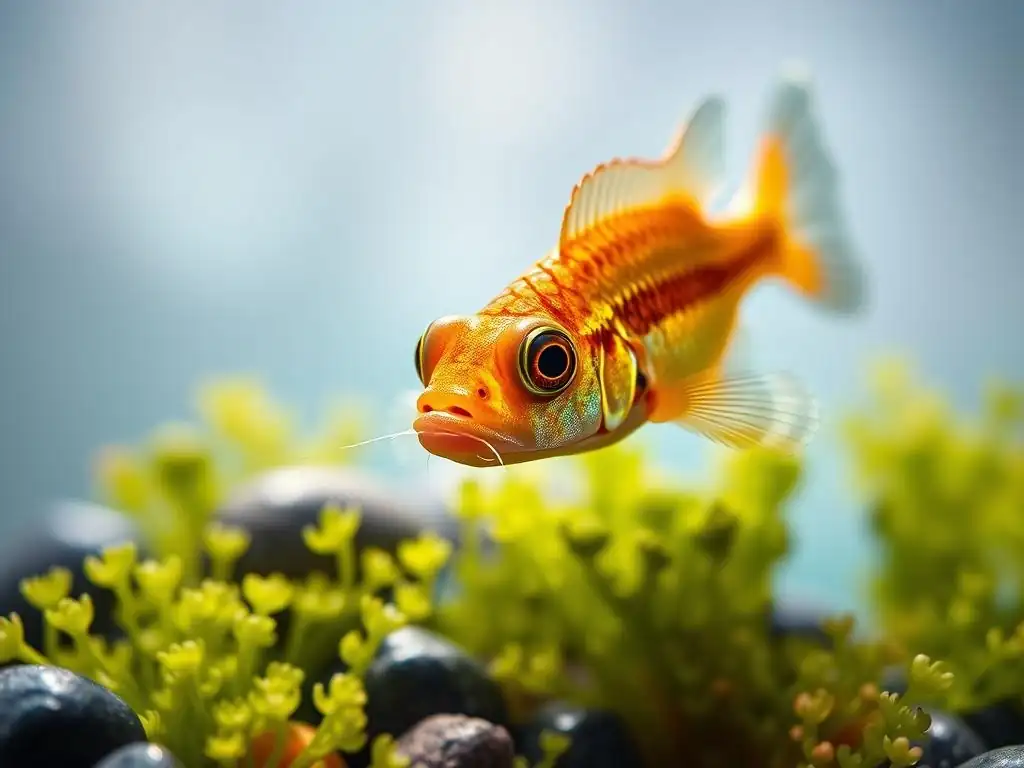
The Midas Blenny offers numerous compelling reasons for its inclusion in a nano reef aquarium, making Midas blenny care nano a highly sought-after skill. Firstly, its striking golden-yellow to orange coloration, often with hints of blue, provides an immediate burst of vibrant color that can instantly elevate the aesthetic appeal of any tank. This visual appeal is consistent and captivating.
Secondly, their engaging personality and unique behaviors, such as perching on rocks and darting out to snatch food, offer endless entertainment for the observer. They are active fish without being overly boisterous, perfectly suited to the confines of a nano tank. Furthermore, their relatively small adult size (4-5 inches) and generally peaceful temperament with appropriate tank mates make them an ideal choice for smaller reef setups, contributing minimal bioload while maximizing visual impact.
Potential Challenges and How to Overcome Them
While Midas Blennies are generally hardy and rewarding, there are a few potential challenges in Midas blenny care nano that hobbyists should be aware of and prepared to address.
- Territoriality: Midas Blennies can be territorial, especially towards other blennies or fish with similar body shapes and feeding habits. To overcome this, ensure ample rockwork with many hiding spots to allow each fish to establish its own space. Avoid housing them with other Ecsenius species in a nano tank.
- Finicky Eating (Initially): Some Midas Blennies may be hesitant to eat prepared foods immediately after introduction. This can be overcome by offering a varied diet that includes live foods (like copepods) initially, gradually transitioning them to frozen and then high-quality pellets or flakes. Consistency and patience are key.
- Jumping: Like many blennies, Midas Blennies are known jumpers, especially when startled or new to an environment. A secure, tight-fitting lid is an absolute necessity to prevent them from leaping out of the aquarium.
- Disease Susceptibility: While generally robust, poor water quality or stress can compromise their immune system. Maintaining pristine water parameters through regular testing, consistent water changes, and proper filtration is paramount to prevent common marine diseases like Ich or Velvet.
By proactively addressing these challenges, aquarists can ensure a long, healthy, and vibrant life for their Midas Blenny in a nano reef environment.
Conclusion: Mastering Midas Blenny Care in Your Nano Aquarium
Ensuring a Long and Healthy Life for Your Midas Blenny
Mastering Midas blenny care nano is a rewarding journey that culminates in a vibrant, engaging, and long-lived inhabitant for your saltwater aquarium. The foundation of their well-being rests on a few critical pillars: providing an appropriately sized tank (minimum 20-30 gallons for a single specimen) with abundant, well-structured live rockwork that offers numerous hiding and perching spots. Crucially, maintaining stable and pristine water parameters through diligent testing and regular water changes is paramount, as is offering a diverse and nutritious diet of high-quality prepared, frozen, and occasional live foods.
Selecting peaceful and compatible tank mates that do not compete for resources or territory is also vital for reducing stress and promoting harmonious coexistence. Vigilant observation for any signs of illness, coupled with the implementation of strict quarantine procedures for all new additions, will significantly reduce the risk of disease. By adhering to these guidelines, you create an environment where your Midas Blenny can thrive, displaying its full golden grace and surprising antics for years to come.
Resources for Further Learning about Midas Blennies
To further deepen your understanding of Midas blenny care nano and marine aquarium husbandry, several excellent resources are available. Reputable online forums and communities dedicated to saltwater aquariums offer a wealth of collective experience and can provide answers to specific challenges. Local fish stores (LFS) with knowledgeable staff specializing in marine life can offer personalized advice and often have access to a wider variety of specialized foods or treatments.
Additionally, comprehensive marine aquarium literature, including scientific publications and detailed species profiles from trusted sources, can provide in-depth information on their natural history, behavior, and specific care requirements. Exploring other sections of Aquarium Mastery, particularly those on water chemistry, disease prevention, and invertebrate care, will also enhance your overall ability to provide optimal care for your Midas Blenny and its entire nano reef ecosystem.
Frequently Asked Questions
What makes the Midas Blenny a good choice for a nano aquarium?
Midas Blennies are well-suited for nano aquariums because of their small size and relatively peaceful temperament. They also add a splash of color and personality to a smaller tank environment.
What are the key water parameters to maintain for a healthy Midas Blenny in a nano tank?
Maintaining stable water parameters is crucial. Key factors include a salinity of 1.024-1.026, a temperature range of 72-78°F, and ensuring proper filtration to keep ammonia and nitrite levels at zero.
What type of food does a Midas Blenny need in a nano aquarium?
Midas Blennies are omnivores and need a varied diet. Offer them high-quality flake food, frozen foods like mysis shrimp, and provide opportunities for them to graze on algae growing in the tank.
How can I prevent aggression from a Midas Blenny towards other inhabitants in my nano aquarium?
While generally peaceful, Midas Blennies can become territorial. Ensure the tank has plenty of rockwork and hiding places to reduce aggression and choose tank mates carefully, avoiding similar-looking fish.
What are common health issues to watch out for in a Midas Blenny kept in a nano aquarium?
Like all fish, Midas Blennies can be susceptible to diseases like ich and velvet. Quarantine new fish before adding them to the main tank and maintain excellent water quality to prevent outbreaks.
Final Reflection: Embracing the Golden Spark
The journey into the world of the Midas Blenny, as we've explored, reveals more than just the practicalities of nano aquarium care; it unveils the captivating beauty and surprising personality that even the smallest creatures can bring to our lives. These golden gems, perfectly suited for the intimate setting of a nano tank, remind us that wonder and complexity exist in the most unexpected places, waiting to be discovered by those who take the time to observe and appreciate them.
The Midas Blenny's enduring appeal lies not only in its vibrant color but also in its quirky behavior and adaptability. This tiny fish, a symbol of resilience and charm, has profoundly impacted the nano aquarium hobby, inspiring countless enthusiasts to create thriving miniature ecosystems. The best things come in small packages,
a sentiment that perfectly encapsulates the Midas Blenny's impact on the hearts of aquarists worldwide. Its presence encourages a deeper understanding of marine life and the delicate balance required to maintain a healthy aquarium environment.
As we conclude this exploration of Midas Blenny care, I invite you to reflect on the lessons learned. Consider how the principles of responsible aquarium keeping, the appreciation for biodiversity, and the joy of observation can extend beyond the glass walls of your nano tank. Let the Midas Blenny's golden grace inspire you to seek out the beauty and wonder in the everyday, and to cultivate a deeper connection with the natural world around you.
Unleash the Golden Wonder in Your Nano Tank!
Thank you for diving into the fascinating world of Midas Blennies! We hope you've discovered the joy and potential these vibrant personalities can bring to your nano aquarium. Now, it's time to bring that knowledge to life!
Here are a few things you can do to continue your journey:
- Take the plunge and research reputable breeders or local fish stores where you can find a healthy Midas Blenny. Prioritize ethical sourcing and ensure the fish is acclimated properly to its new home.
- Share your newfound knowledge! Educate a fellow aquarium enthusiast about the Midas Blenny's unique needs and benefits.
- Start a journal or online thread documenting your journey in setting up a Midas Blenny-friendly nano tank! Share your experiences and learn from others.
What unique decoration or feature will you incorporate to create the perfect Midas Blenny haven in your aquarium?