
Kole Tangs: The Unsung Heroes of Algae Control & Their Specific Dietary Needs

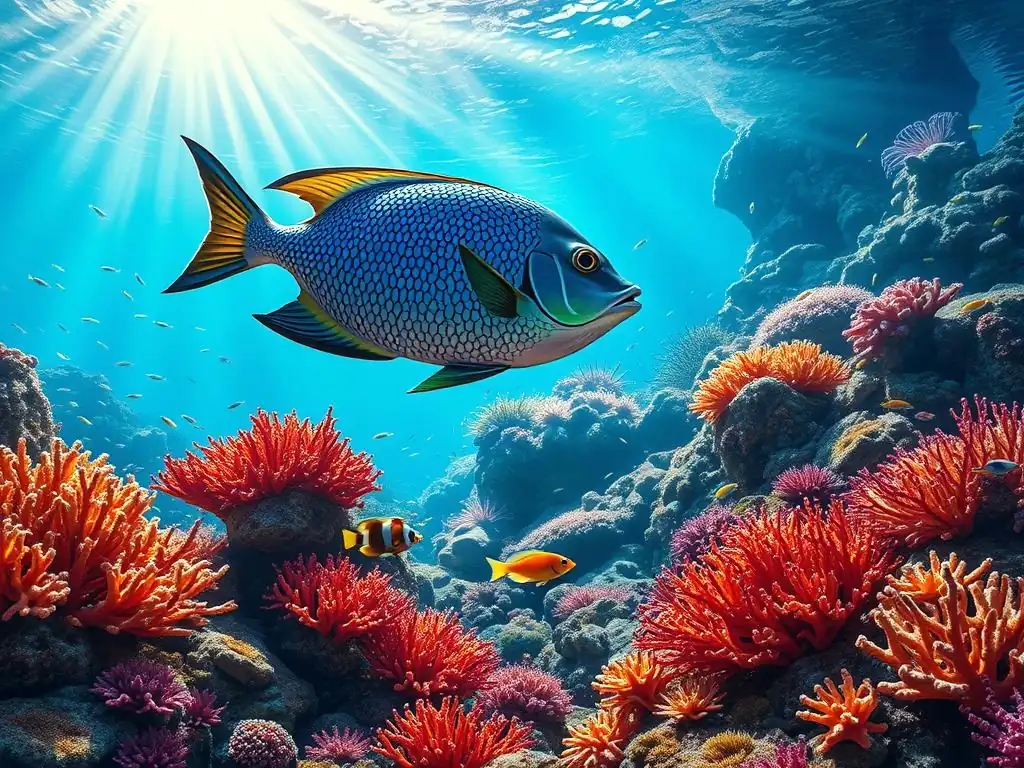
Welcome to Aquarium Mastery!
Ever wondered how to keep your saltwater aquarium pristine and thriving? The Kole Tang is a true algae-eating champion, but understanding its specific diet requirements is key to its health and happiness. Dive into this comprehensive guide to discover how to properly nourish your Kole Tang, ensuring a vibrant, algae-free environment for all your aquatic inhabitants. Ready to unlock the secrets to a thriving reef tank? Let's begin!
- Understanding the Kole Tang: An Introduction to Ctenochaetus strigosus
- The Vital Role of Algae Control: Why Kole Tangs are Beneficial
- Kole Tang Diet Requirements: A Comprehensive Guide to Optimal Nutrition
- Beyond Algae: Nutritional Needs and Dietary Supplements for Kole Tangs
- Maintaining a Healthy Kole Tang: Feeding Schedule and Monitoring
- Creating the Ideal Environment: Tank Size, Water Parameters, and Compatibility
- Common Dietary Challenges and Solutions for Kole Tangs
- Ensuring Long-Term Health: The Link Between Diet and Disease Prevention
- Conclusion: Mastering the Art of Kole Tang Nutrition for a Thriving Aquarium
- Frequently Asked Questions
- Final Reflection: The Enduring Importance of Reef Ecosystem Balance
- Unlock the Secrets to a Thriving Reef Aquarium!
Understanding the Kole Tang: An Introduction to Ctenochaetus strigosus
Why Kole Tangs Are Popular Algae Eaters in Saltwater Aquariums
Kole Tangs, scientifically known as Ctenochaetus strigosus, have garnered significant popularity among saltwater aquarists due to their exceptional efficiency in algae control. Unlike some other tang species that might primarily graze on larger, more visible algae, Kole Tangs possess unique brush-like teeth (setae) perfectly adapted for scraping microalgae and diatoms from various surfaces. This continuous grazing behavior makes them invaluable members of a reef or fish-only aquarium clean-up crew.
Their effectiveness stems from their relentless, methodical approach to foraging. While a Yellow Tang might consume larger strands of hair algae, a Kole Tang excels at maintaining pristine rockwork and glass by constantly "polishing" surfaces. This specialized feeding habit means they tackle the unsightly film and hair algae that often plague tanks, providing a consistent, natural method of algae removal that many aquarists find superior to mechanical or chemical solutions.
Distinguishing Features of the Kole Tang: Size, Coloration, and Behavior
Kole Tangs typically reach an adult size of about 5 to 7 inches (approximately 13-18 cm) in captivity, making them a manageable size for many home aquariums. They possess a distinctive oval-shaped body, characteristic of the Ctenochaetus genus, and are renowned for their striking coloration. While their base color is usually a deep brown or black, they are adorned with numerous bright blue or yellow dots, which can vary in intensity. A prominent, vibrant yellow ring encircles their eye, giving them the common name "Yellow Eye Kole Tang" for the Hawaiian variant, C. strigosus.
Behaviorally, Kole Tangs are generally peaceful towards most other fish species, making them excellent community tank inhabitants. However, they can exhibit territorial aggression towards other tangs, especially those of similar shape or belonging to the Ctenochaetus genus. They are highly active, constantly darting around the tank, meticulously picking at rocks, substrate, and glass, a testament to their natural grazing instincts. Their constant activity and unique appearance add both functional and aesthetic value to a marine aquarium.
The Vital Role of Algae Control: Why Kole Tangs are Beneficial
Natural Algae Grazing Habits of Kole Tangs in the Wild
In their natural habitats across the Indo-Pacific, Kole Tangs are found grazing on detritus-covered rocky substrates and live coral formations. Their specialized dentition, consisting of numerous fine, brush-like teeth, allows them to efficiently scrape off diatoms, cyanobacteria, and microalgae films that grow on these surfaces. This continuous, low-level grazing is a fundamental aspect of their survival in the wild, enabling them to derive essential nutrients from these pervasive algal growths.
This inherent grazing behavior translates directly to their utility in a home aquarium. Unlike fish that consume large meals sporadically, Kole Tangs are constant foragers, mimicking their wild patterns by picking at surfaces throughout the day. This consistent consumption of nascent algal growth is key to preventing larger, more problematic algae blooms from establishing themselves, thereby maintaining a cleaner and healthier tank environment.
Preventing Algae Blooms: How Kole Tangs Contribute to a Healthy Aquarium Ecosystem
The continuous grazing activity of Kole Tangs plays a crucial role in preventing unsightly and potentially harmful algae blooms within an aquarium. By consuming microalgae and diatoms as they appear, Kole Tangs effectively remove these nutrient sinks from the water column before they can proliferate into dense mats of hair algae, cyanobacteria, or even dinoflagellates. This proactive approach significantly reduces the overall nutrient load in the system, contributing to more stable water parameters.
Furthermore, their diligent grazing helps maintain the aesthetic appeal of the tank by keeping rockwork, substrate, and glass surfaces free from excessive algal films. A tank with a thriving Kole Tang often requires less manual scraping and cleaning, which in turn minimizes disturbance to the ecosystem. Their contribution goes beyond just aesthetics; by keeping nuisance algae in check, they help ensure that corals and other sessile invertebrates are not overgrown or shaded, promoting a balanced and robust aquarium ecosystem.
Kole Tang Diet Requirements: A Comprehensive Guide to Optimal Nutrition
The Importance of a Varied Diet for Kole Tang Health and Longevity
While Kole Tangs are renowned for their algae-eating prowess, relying solely on natural algae growth within an aquarium is insufficient to meet their complete Kole tang diet requirements. A diverse and varied diet is paramount for their long-term health, vibrant coloration, and robust immune system. Without a comprehensive nutritional intake, Kole Tangs can develop deficiencies that lead to serious health issues, including faded colors, emaciation, and susceptibility to diseases.
A balanced diet, rich in marine-based vegetable matter, ensures they receive all necessary vitamins, minerals, and trace elements. Neglecting proper Kole tang diet requirements can result in conditions such as Lateral Line Erosion (LLE) or Head and Lateral Line Erosion (HLLE), which are often linked to nutritional deficiencies, particularly a lack of Vitamin C and certain essential fatty acids. Therefore, understanding and implementing a varied feeding regimen is crucial for the longevity and well-being of your Kole Tang.
Primary Food Sources: Algae and the Kole Tang
Types of Algae Kole Tangs Consume: Hair Algae, Film Algae, and More
Kole Tangs are highly effective at consuming a range of common nuisance algae found in home aquariums. Their specialized mouths are particularly adept at scraping off diatom algae, which often appears as a brown film on surfaces, and various types of green film algae that coat rocks and glass. They are also known to graze on certain types of short, soft hair algae, although their effectiveness diminishes with longer, tougher strands. Their continuous grazing helps keep these pervasive, unsightly algal growths in check.
It is important to note that while they are excellent grazers, Kole Tangs are generally less effective against tougher, calcified algae like coralline algae (which they may pick at but not consume significantly) or problematic forms like bubble algae or turf algae. Their primary value lies in their consistent consumption of the thinner, softer algal films and detritus that accumulate on surfaces, making them specialized cleaners rather than general algae eradicators.
Supplementing Natural Algae Growth in the Aquarium
Even in a well-established marine aquarium, the natural algae growth may not be sufficient to meet the full Kole tang diet requirements, especially for a mature, active fish. As such, aquarists often need to actively supplement their diet with additional algal sources. One common method is to allow certain areas of the tank, particularly less visible spots or sumps, to grow a healthy film of algae which can then be occasionally rotated into the main display for the tang to graze upon.
Another effective strategy involves "cultivating" algae on small rocks or frag plugs in a separate container under strong lighting. These algae-covered pieces can then be introduced into the main tank for short periods, providing a fresh, natural food source that encourages the Kole Tang's instinctive grazing behavior. This ensures a consistent supply of their primary food source, complementing other dietary supplements and fulfilling critical Kole tang diet requirements.
Beyond Algae: Nutritional Needs and Dietary Supplements for Kole Tangs
Prepared Foods for Kole Tangs: Flakes, Pellets, and Frozen Options
Selecting High-Quality Foods with Essential Vitamins and Minerals
While natural algae form the cornerstone of the Kole tang diet requirements, prepared foods are essential for providing a balanced nutritional profile. High-quality marine-specific flake and pellet foods, particularly those with a high vegetable content like spirulina, kelp, and other marine algae, are excellent choices. Look for brands renowned for their quality, such as Hikari Marine Algae Wafers, Ocean Nutrition Formula Two, or New Life Spectrum AlgaeMax, which are formulated to meet the specific needs of herbivorous marine fish.
When selecting prepared foods, carefully review the ingredient list and nutritional analysis. Ensure that the food contains a balanced protein-to-fat ratio and is fortified with essential vitamins and minerals. Vitamin C, in particular, is crucial for tangs as it supports their immune system and helps prevent conditions like Lateral Line Erosion (LLE). Foods rich in Omega-3 fatty acids, often derived from marine oils, also contribute significantly to overall health and vitality.
The Role of Vegetable Matter: Providing a Balanced Diet for Your Kole Tang
Beyond the natural algae in the tank and algae-based prepared foods, providing additional vegetable matter is paramount to meeting the Kole tang diet requirements and ensuring their long-term health. These fish are primarily herbivorous, and a consistent supply of fibrous plant material is essential for their digestive system and overall well-being. Without adequate vegetable matter, tangs can suffer from digestive issues and nutritional deficiencies, impacting their immune response.
Fibrous vegetable matter acts as roughage, aiding in the proper functioning of their digestive tract and preventing issues like bloat or internal parasites. It also provides a broad spectrum of nutrients that may not be fully available in processed foods or the limited natural algae in an aquarium. Therefore, making vegetable supplements a regular part of their feeding regimen is crucial for maintaining a robust and healthy Kole Tang.
Seaweed Sheets: Nori and Other Suitable Options
Dried seaweed sheets, commonly known as nori, are an indispensable part of a Kole tang's diet. It is crucial to use unseasoned, human-grade nori, available in most Asian grocery stores, or specialized marine algae sheets from aquarium suppliers. Both green and purple varieties are readily accepted and provide an excellent source of essential vitamins, minerals, and dietary fiber. These sheets mimic the broad-leaf macroalgae that tangs would graze on in the wild, making them a highly natural and beneficial food source.
While nori is the most popular choice, other suitable options include marine algae pellets or sheets specifically designed for herbivorous marine fish, such as Two Little Fishies Sea Veggies. It is important to avoid terrestrial vegetables like lettuce, spinach, or zucchini, as these lack the specific marine nutrients and are not easily digestible for saltwater fish. Stick to marine-based algae products to fulfill the specific Kole tang diet requirements.
Preparing and Offering Vegetable Supplements
Preparing nori for your Kole Tang is straightforward. Simply tear off a piece, typically about 2x2 inches (5x5 cm) for an adult fish, and secure it to the side of the aquarium using an algae clip or a rubber band around a rock. This allows the tang to graze on it naturally throughout the day. For tanks with multiple herbivorous fish, consider offering several pieces in different locations to minimize competition.
The frequency of offering vegetable supplements depends on the amount of natural algae available in the tank and the other foods being provided. Generally, offering nori daily or every other day is recommended to ensure their Kole tang diet requirements are consistently met. Always remove any uneaten portions after a few hours to prevent them from decaying and negatively impacting water quality.
Maintaining a Healthy Kole Tang: Feeding Schedule and Monitoring
Recommended Feeding Frequency and Portion Sizes for Kole Tangs
Given their natural continuous grazing habits, it is best to feed Kole Tangs small amounts of prepared foods multiple times a day, ideally 2-3 times. This mimics their wild feeding patterns and prevents large fluctuations in gut fill. For dry foods like flakes or pellets, offer a portion that can be consumed within 2-3 minutes. Overfeeding should be avoided as it leads to excess nutrients in the water, contributing to poor water quality and algae problems.
For seaweed sheets like nori, a single piece (e.g., 2x2 inches) can be offered daily or every other day, allowing the Kole Tang to graze on it for several hours. Monitor how quickly it is consumed; if it disappears too fast, increase the size or frequency. Conversely, if large portions remain uneaten, reduce the amount. Adjust the feeding schedule and portion sizes based on the tang's activity level, visible girth, and the overall bioload of your aquarium.
Observing Your Kole Tang's Eating Habits: Identifying Potential Issues
Close observation of your Kole Tang's eating habits is a critical component of its care and an indicator of its health. A healthy Kole Tang should be actively grazing on tank surfaces and eagerly approaching any offered foods, whether it's nori, flakes, or pellets. Any sudden change in appetite, such as a refusal to eat familiar foods, spitting out food, or general lethargy during feeding times, can be an early sign of stress, illness, or an underlying environmental issue.
Pay attention to how your Kole Tang interacts with other tank inhabitants during feeding. If it appears timid, is constantly chased away from food, or struggles to compete, it may not be getting adequate nutrition despite food being available. Such observations are crucial for making timely adjustments to the feeding strategy or addressing potential social dynamics within the aquarium, ensuring all Kole tang diet requirements are met.
Recognizing Signs of Malnutrition or Dietary Deficiencies in Kole Tangs
Recognizing the signs of malnutrition or dietary deficiencies early is vital for the health of your Kole Tang. One of the most common and visible signs is faded coloration; a healthy Kole Tang should exhibit vibrant blues and yellows. Emaciation, characterized by a sunken belly or a noticeably thin body profile, is another clear indicator of insufficient food intake. Lethargy and reduced activity levels are also general signs of poor health often linked to inadequate nutrition.
More specific to tangs, Lateral Line Erosion (LLE) or Head and Lateral Line Erosion (HLLE) is a severe condition characterized by pitting, lesions, or erosion along the lateral line and around the head and face. While the exact causes are multifactorial, poor water quality and, crucially, a lack of essential vitamins (especially Vitamin C and Vitamin A) and a balanced Kole tang diet are strongly implicated. Addressing these Kole tang diet requirements promptly can often halt and sometimes reverse the progression of LLE/HLLE.
Creating the Ideal Environment: Tank Size, Water Parameters, and Compatibility
Tank Size Considerations for Kole Tangs: Space for Swimming and Grazing
Providing an appropriately sized aquarium is fundamental to meeting the Kole tang diet requirements and ensuring their overall well-being. While they are not the largest tang species, their active, grazing nature necessitates ample swimming room and significant rockwork for foraging. A minimum tank size of 70 gallons (approximately 265 liters) is recommended for a single adult Kole Tang, with 90-100 gallons (approximately 340-378 liters) being ideal to provide sufficient space and stability.
A larger tank not only offers more room for swimming and reduces stress but also provides a greater surface area for natural algae growth, which is a vital component of their diet. Sufficient rockwork and live rock aquascaping are essential, as these provide the surfaces on which microalgae can grow, allowing the Kole Tang to engage in its natural grazing behavior throughout the day. This directly supports their Kole tang diet requirements by offering continuous access to their preferred food source.
Maintaining Optimal Water Parameters for Kole Tang Health
Maintaining stable and optimal water parameters is crucial for the health of Kole Tangs, directly impacting their appetite, immune system, and ability to absorb nutrients from their diet. Ideal parameters include a specific gravity of 1.023-1.026, a temperature range of 74-78°F (23-26°C), and a pH between 8.1-8.4. Ammonia and nitrite levels must always be zero, and nitrates should be kept below 10-20 ppm through regular water changes and efficient filtration.
Poor water quality, fluctuating parameters, or high levels of pollutants can induce stress in Kole Tangs, leading to a suppressed appetite and a weakened immune system, making them more susceptible to disease. Even if all Kole tang diet requirements are met with high-quality foods, a compromised environment will undermine their health. Therefore, consistent monitoring and maintenance of water quality are as important as the diet itself.
Choosing Compatible Tank Mates for Kole Tangs: Avoiding Aggression and Competition
Kole Tangs are generally considered peaceful community fish, but careful consideration of tank mates is essential to prevent aggression and minimize competition for food. They can be territorial towards other tangs, particularly those of similar body shape or from the Ctenochaetus genus. Housing multiple tangs, especially in tanks under 180 gallons, can lead to stress and fighting. Ideal tank mates include peaceful gobies, blennies, clownfish, and various wrasses, which typically do not compete for the same food sources or territory.
Competition for food is a significant concern, particularly when meeting Kole tang diet requirements. Faster or more aggressive feeders, such as some wrasses or other tang species, can outcompete the more methodical Kole Tang for prepared foods. Ensure that the Kole Tang has ample opportunity to feed without intimidation. Using an algae clip for nori allows the Kole Tang to graze at its own pace, reducing direct competition during feeding times.
Common Dietary Challenges and Solutions for Kole Tangs
Addressing Picky Eating Habits in Kole Tangs
Some newly introduced Kole Tangs may initially exhibit picky eating habits, refusing prepared foods despite their natural inclination to graze. This can be a result of stress from transport or unfamiliarity with captive diets. To address this, begin by offering foods that closely mimic their natural diet, such as high-quality dried seaweed (nori) secured to a rock or algae clip. The sight of other tank mates eating can also encourage them to try new foods.
If a Kole Tang remains reluctant to eat, soaking prepared foods in an appetite stimulant like garlic extract (e.g., Seachem GarlicGuard) can often entice them. Ensure the tank environment is stable and stress-free, with optimal water parameters and plenty of hiding spots, as a stressed fish is less likely to eat. Persistence, patience, and a varied offering of foods are key to overcoming picky eating and ensuring all Kole tang diet requirements are met.
Managing Competition for Food in a Community Aquarium
In a community aquarium, faster or more aggressive fish can often outcompete the more deliberate Kole Tang for food, leading to undernourishment. To manage this, consider feeding smaller amounts more frequently throughout the day, allowing the Kole Tang more opportunities to feed without being overwhelmed. Target feeding, where food is directly delivered near the Kole Tang using a feeding stick or turkey baster, can also ensure it receives its share.
Utilizing an algae clip for nori is particularly effective in mitigating competition. By providing a continuous grazing source, the Kole Tang can leisurely pick at the seaweed throughout the day, undisturbed by faster eaters that consume flakes or pellets more quickly. Spreading food across different areas of the tank can also help, as it disperses the feeding frenzy and gives the Kole Tang a better chance to access its food without direct confrontation.
Preventing and Treating Nutritional Deficiencies in Kole Tangs
The most effective strategy for nutritional deficiencies in Kole Tangs is prevention through a consistently varied and balanced diet. Regular offerings of high-quality marine algae (nori, spirulina-based foods) fortified with essential vitamins, especially Vitamin C, are crucial. Routinely observe your fish for any early signs of deficiency, such as faded coloration, lethargy, or the onset of Lateral Line Erosion (LLE).
If deficiencies are suspected, immediately review and enhance the Kole tang diet requirements. Increase the frequency and variety of marine algae offerings, and ensure all prepared foods are vitamin-fortified. In some severe cases, vitamin supplements can be added to the water or directly to food (e.g., by soaking flakes in liquid vitamins), but a long-term dietary solution is paramount. Addressing the root cause through proper nutrition is key to recovery and preventing recurrence.
Ensuring Long-Term Health: The Link Between Diet and Disease Prevention
How Proper Nutrition Supports the Immune System of Kole Tangs
Proper nutrition is the cornerstone of a robust immune system in Kole Tangs. A well-balanced Kole tang diet, rich in marine algae, essential vitamins, and beneficial fatty acids, provides the necessary building blocks for immune cell production and function. For instance, Vitamin C acts as a powerful antioxidant, protecting cells from damage and supporting the production of white blood cells crucial for fighting off infections. Omega-3 fatty acids, commonly found in marine ingredients, help reduce inflammation and enhance overall immune response.
Fish that receive optimal nutrition are inherently more resilient to environmental stressors and less susceptible to common pathogens. A strong immune system allows Kole Tangs to effectively combat parasitic infections like Ich (white spot disease) or bacterial ailments, often preventing minor exposures from escalating into full-blown outbreaks. This direct link underscores why meeting Kole tang diet requirements is not just about feeding, but about fostering long-term health and vitality.
Minimizing the Risk of Disease Through a Balanced Diet
A balanced and appropriate Kole tang diet significantly minimizes the risk of various diseases. Poor nutrition, particularly a lack of essential marine-based vegetable matter and crucial vitamins, places immense stress on a tang's system, making it highly vulnerable to opportunistic infections and chronic conditions. For example, a diet lacking in Vitamin C is a well-documented contributing factor to Lateral Line Erosion (LLE) in tangs, a debilitating condition.
Furthermore, a healthy gut microbiome, supported by a fibrous and varied diet, contributes to overall fish health and disease resistance. When the digestive system functions optimally, the fish can efficiently absorb nutrients, leading to better energy levels and a more robust defense against pathogens. Therefore, by meticulously adhering to the Kole tang diet requirements, aquarists are actively investing in the preventative health care of their fish, ensuring a thriving and disease-resistant aquarium environment.
Conclusion: Mastering the Art of Kole Tang Nutrition for a Thriving Aquarium
Key Takeaways for Providing Optimal Care for Your Kole Tang
Kole Tangs are undeniably valuable assets in marine aquariums, revered for their diligent algae-grazing habits that contribute significantly to tank cleanliness and ecosystem balance. However, their role as "algae eaters" often overshadows the critical need for a comprehensive and varied diet beyond just the natural algae present in the tank. Mastering the Kole tang diet requirements is paramount for their long-term health, vibrant coloration, and disease resistance.
Providing optimal care for your Kole Tang involves a multi-faceted approach: consistently offering high-quality, marine-based prepared foods rich in spirulina and other algae, supplementing frequently with dried seaweed (nori), and ensuring the tank environment meets their specific needs for space, water quality, and compatible tank mates. Regular observation of their eating habits and prompt attention to any signs of dietary deficiency are essential. By prioritizing these Kole tang diet requirements, aquarists can ensure these unsung heroes of algae control thrive for many years, enhancing the beauty and stability of their saltwater aquariums.
Frequently Asked Questions
What is the primary food source for Kole Tangs in a reef aquarium?
Kole Tangs are primarily herbivores, meaning their diet mainly consists of algae. They play a crucial role in controlling algae growth in the aquarium.
How often should I feed my Kole Tang?
Kole Tangs should be fed multiple times a day, ideally with small portions. This mimics their natural grazing behavior and ensures they get enough nutrition.
What type of algae is best for Kole Tangs?
They prefer hair algae and diatoms, but will also consume other types. Offering a variety ensures a balanced diet and satisfies their nutritional needs.
Can I supplement my Kole Tang's diet with anything besides algae?
Yes, you can supplement their diet with seaweed sheets (nori), vegetable-based flakes, and frozen foods formulated for herbivores. This provides essential vitamins and minerals.
What are the signs of an unhealthy or malnourished Kole Tang?
Signs include weight loss, lack of energy, and paleness. Ensuring a proper diet and addressing any underlying health issues promptly is critical for their survival.
Final Reflection: The Enduring Importance of Reef Ecosystem Balance
The preceding exploration of Kole Tangs and their dietary requirements underscores a critical point: sustainable reef keeping hinges on understanding and respecting the intricate balance of marine ecosystems. The health and well-being of these vibrant creatures, and indeed the entire reef environment, are inextricably linked to our commitment to providing appropriate care and nutrition. Ignoring these fundamental needs jeopardizes not only individual fish but also the delicate web of life that sustains the entire reef.
This understanding extends far beyond the confines of our aquariums. The plight of Kole Tangs, and the challenges of meeting their specific dietary needs, serves as a microcosm of the broader environmental challenges facing our oceans. We must recognize that our actions, both large and small, have a profound impact on the health of these vital ecosystems. We are tied to the ocean. And when we go back to the sea, whether it is to sail or to watch it, we are going back from whence we came.
- John F. Kennedy. This quote reminds us of our inherent connection to the ocean and our responsibility to protect it.
Therefore, I urge you to reflect on the lessons learned here. Consider how you can apply this knowledge, not just to the care of Kole Tangs, but to your broader understanding of environmental stewardship. Let us all strive to be more conscious consumers, more responsible reef keepers, and more dedicated advocates for the health and preservation of our precious marine environments. The future of our reefs, and the vibrant life they support, depends on our collective commitment to understanding and respecting the delicate balance of nature.
Unlock the Secrets to a Thriving Reef Aquarium!
Thank you for diving into the world of Kole Tangs with us! We hope this article has shed light on their crucial role in algae control and how to meet their specific dietary needs. Now, let's put that knowledge into action and create a healthier environment for your underwater friends.
Here are some things you can do right now:
- Craft a Custom Algae-Grazing Strategy: Based on what you've learned, design a plan that incorporates nori, spirulina flakes, and plenty of live rock to simulate a natural foraging environment for your Kole Tang.
- Explore alternative algae control methods. Research other natural solutions, such as introducing a variety of snails or urchins, to diversify your reef's ecosystem.
- Share your Kole Tang success story! Inspire other reef keepers by posting a picture of your healthy Kole Tang on social media, highlighting your feeding strategy and algae control success.
What innovative approach are you taking to ensure your Kole Tang thrives, and how can we learn from your experience?