
Caridina Shrimp Mastery: An InDepth Guide for Dedicated Aquarists

Welcome to Aquarium Mastery!
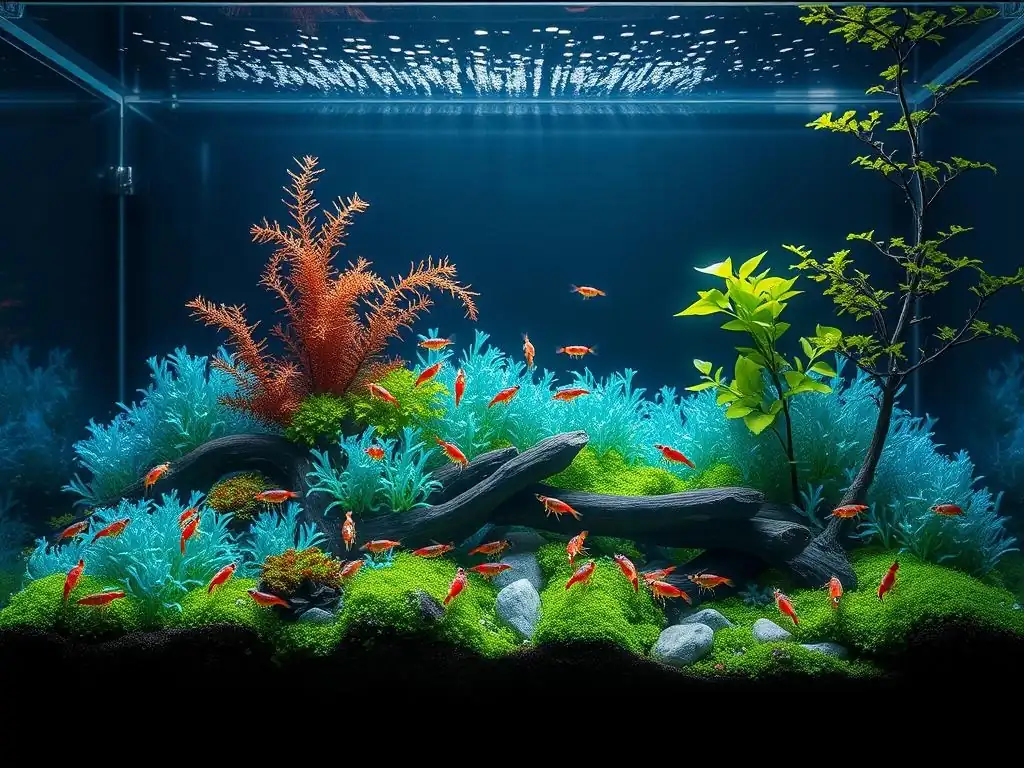
Ever wondered how to unlock the secrets to thriving Caridina shrimp colonies? These delicate jewels of the freshwater aquarium can be challenging, but incredibly rewarding. Dive into our in-depth guide for Caridina shrimp care tips and discover the keys to creating a flourishing environment where they can truly thrive. Ready to transform your aquarium into a Caridina paradise? Let's get started!
- Understanding Caridina Shrimp: An Introduction for Aquarium Enthusiasts
- Essential Caridina Shrimp Care Tips for a Thriving Aquarium
- Caridina Shrimp Breeding: Encouraging Reproduction in Your Aquarium
- Troubleshooting Common Caridina Shrimp Problems
- Advanced Caridina Shrimp Keeping Techniques
- Caridina Shrimp Care Tips Checklist: A Quick Reference Guide
-
Frequently Asked Questions
- How difficult is it to care for Caridina shrimp compared to other aquarium inhabitants?
- What are the most critical water parameters to monitor for Caridina shrimp?
- What type of substrate is best suited for a Caridina shrimp tank?
- What are some common signs that Caridina shrimp are stressed or unhealthy?
- What kind of food should I feed my Caridina shrimp to ensure their health and vibrancy?
- Final Reflection: Cultivating Aquatic Harmony
- Unlock Your Caridina Shrimp Paradise!
Understanding Caridina Shrimp: An Introduction for Aquarium Enthusiasts
What are Caridina Shrimp and Why Keep Them?
Caridina shrimp encompass a fascinating group of freshwater dwarf shrimp, primarily originating from the diverse aquatic ecosystems of East Asia. Unlike many common aquarium inhabitants, these invertebrates are not merely bottom feeders; they are active, intricate creatures known for their vibrant colors and captivating patterns.
Aquarists are drawn to Caridina shrimp for their aesthetic appeal, adding a dynamic splash of color to planted tanks, and for their diligent scavenging habits, which contribute to a cleaner aquarium by consuming algae and detritus. Their relatively small size, typically ranging from 0.8 to 1.5 inches (2 to 4 cm), makes them ideal for smaller "nano" aquariums, though they thrive best in stable, mature environments.
Keeping Caridina shrimp offers a unique challenge and reward for dedicated aquarists, moving beyond the basics of fishkeeping into the nuanced world of invertebrate husbandry. Their delicate nature means that mastering Caridina shrimp care tips is essential, as they require very specific and stable water parameters to truly flourish and display their best colors. The satisfaction of maintaining a thriving colony, observing their intricate social behaviors, and potentially breeding these miniature jewels is a significant draw, making them a popular choice for hobbyists seeking a more specialized and rewarding aquarium experience.
Distinguishing Caridina from Neocaridina Shrimp: Key Differences
While both Caridina and Neocaridina shrimp are popular choices for freshwater aquariums, they possess distinct biological and care requirements that are crucial for aquarists to understand. The most significant difference lies in their water parameter preferences. Neocaridina shrimp, such as the widely popular Cherry Shrimp, are generally more tolerant and adaptable to a broader range of tap water conditions, often thriving in pH levels between 6.5 and 8.0, and a wider spectrum of GH and KH values. Their robustness makes them an excellent choice for beginners.
In contrast, Caridina shrimp demand much softer, more acidic water with very specific mineral content. They typically require a pH range of 5.5 to 6.8, a General Hardness (GH) of 4-6 dGH, and often a Carbonate Hardness (KH) of 0-1 dKH. This usually necessitates the use of reverse osmosis (RO) water remineralized with specific products like Salty Shrimp GH+.
Their sensitivity means that fluctuations in water parameters can quickly lead to stress, illness, or even death. Furthermore, while both can breed in home aquariums, Caridina shrimp generally require more precise conditions for successful reproduction, making their breeding a more advanced aspect of Caridina shrimp care tips.
Popular Caridina Shrimp Species for Aquariums
The world of Caridina shrimp is vast, thanks to extensive selective breeding efforts that have resulted in an astonishing array of colors and patterns. While many species exist, a few have become particularly iconic within the aquarium hobby due to their striking beauty and the dedicated community of breeders. These popular varieties often represent the pinnacle of Caridina aesthetics and require diligent application of Caridina shrimp care tips to maintain their health and vibrancy.
Crystal Red Shrimp (CRS): A Caridina Icon
The Crystal Red Shrimp (CRS), scientifically known as Caridina cantonensis 'Crystal Red', stands as one of the most recognizable and beloved Caridina varieties. Developed through selective breeding from the wild Bee Shrimp in Japan during the 1990s, CRS are celebrated for their striking white and red coloration, arranged in intricate patterns across their bodies. Their popularity stems from their vibrant appearance, which truly pops against a green, planted background.
Caring for Crystal Red Shrimp requires meticulous attention to water parameters. They thrive in soft, slightly acidic water, typically with a pH between 5.8 and 6.8, a GH of 4-6 dGH, and an almost undetectable KH (0-1 dKH). A stable temperature between 68-74°F (20-23°C) is also crucial. These specific requirements mean that many aquarists use RO water remineralized with specialized salts to achieve the ideal conditions, making precise water management a cornerstone of Caridina shrimp care tips for CRS. Their sensitivity to nitrates also means that pristine water quality is non-negotiable for their long-term health and successful breeding.
Black Bee Shrimp: Another Popular Caridina Variety
Closely related to the Crystal Red Shrimp, the Black Bee Shrimp ( Caridina cantonensis 'Black Bee') presents an equally captivating, albeit monochromatic, alternative. These shrimp display stunning patterns of solid black and pure white bands or patches, often with subtle variations in pattern density and coverage. Like their red counterparts, Black Bee Shrimp were developed through selective breeding from the wild Bee Shrimp, and they share many of the same desirable characteristics, including their peaceful nature and diligent scavenging.
The Caridina shrimp care tips for Black Bee Shrimp mirror those for Crystal Red Shrimp, emphasizing soft, acidic water with minimal carbonate hardness. They generally prefer a pH in the range of 5.8-6.8, a GH of 4-6 dGH, and a KH close to 0-1 dKH.
Maintaining consistent parameters is vital to prevent stress and encourage their striking coloration. Black Bee Shrimp are often used in breeding programs to create new color forms and patterns, and their robust nature (compared to some higher-grade Caridina) makes them a good choice for aquarists looking to delve deeper into Caridina keeping after mastering the basics.
Taiwan Bee Shrimp: High-Grade Caridina Options
Taiwan Bee Shrimp represent a pinnacle of Caridina breeding, encompassing several highly prized and often expensive varieties such as King Kong, Panda, Red Wine, and Blue Bolt shrimp. These strains are believed to have originated from spontaneous mutations or crosses involving standard Bee Shrimp and their derivatives, with their unique solid colors, intense pigmentation, and distinctive patterns setting them apart. For instance, a King Kong shrimp might be entirely black or red with only a small white area, while a Blue Bolt displays a vibrant, almost iridescent blue.
The care requirements for Taiwan Bee Shrimp are even more stringent than for CRS or Black Bee varieties, demanding exceptional precision in water parameters. They typically thrive in slightly lower pH levels, often between 5.5 and 6.5, with a GH of 4-5 dGH and a KH of 0 dKH. Maintaining such specific conditions often involves dedicated setups using active buffering substrates and precisely remineralized RO water.
Due to their higher sensitivity and value, advanced Caridina shrimp care tips focusing on extreme water stability, low TDS (Total Dissolved Solids), and pristine water quality are paramount for success with Taiwan Bee Shrimp. These varieties are often considered a goal for experienced aquarists looking to test their skills and enjoy some of the most exquisite freshwater shrimp available.
Essential Caridina Shrimp Care Tips for a Thriving Aquarium
Setting Up the Ideal Caridina Shrimp Tank Environment
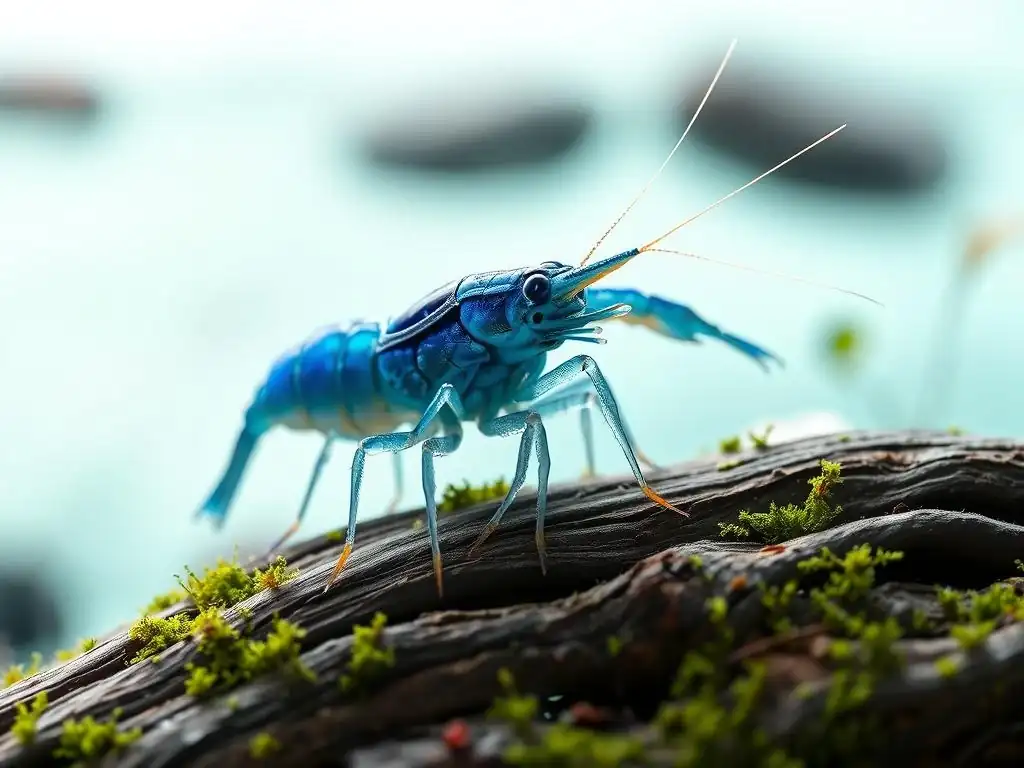
Establishing the correct environmental foundation is arguably the most critical aspect of successful Caridina shrimp care tips. Unlike more forgiving species, Caridina shrimp are highly sensitive to their surroundings, and even minor inconsistencies can lead to stress, illness, or death. A well-planned setup ensures stability, which is paramount for their delicate physiology and long-term well-being. This includes careful consideration of tank size, substrate, and the precise manipulation of water parameters.
The ideal Caridina shrimp tank is not just a container of water; it is a meticulously crafted ecosystem designed to mimic their preferred natural habitats. This involves creating a stable, low-stress environment where water chemistry is carefully controlled and fluctuations are minimized. Attention to detail in these initial setup phases will significantly reduce the need for reactive troubleshooting later on, paving the way for a thriving and self-sustaining Caridina colony.
Choosing the Right Aquarium Size for Caridina Shrimp
While Caridina shrimp are small, ranging from 0.8 to 1.5 inches (2 to 4 cm) in length, selecting an appropriately sized aquarium is a crucial Caridina shrimp care tip often overlooked. A 5-gallon (approximately 19-liter) tank can house a small starter colony of 10-15 shrimp, providing enough space for initial observations and growth. However, for long-term stability and the potential for a larger, healthier colony, a 10-gallon (approximately 38-liter) or even a 20-gallon (approximately 76-liter) tank is highly recommended.
Larger tanks offer significantly more stable water parameters, which is vital for the sensitive Caridina shrimp. The greater volume of water dilutes pollutants more effectively, reduces the impact of minor temperature fluctuations, and makes it easier to maintain consistent pH, GH, and KH levels.
In a smaller tank, even a slight change, such as a small water top-off or a slight increase in ambient room temperature, can cause rapid and dangerous shifts in water chemistry, stressing the shrimp. A larger water volume provides a buffer, allowing for minor errors without immediate severe consequences, thereby promoting a more stable and less stressful environment for these delicate invertebrates.
Substrate Selection: Optimizing for Caridina Health
The choice of substrate is a cornerstone of effective Caridina shrimp care tips, particularly for species that thrive in soft, acidic water. Active, buffering substrates, commonly known as "aquasoil" or "shrimp soil," are highly recommended for Caridina shrimp tanks. Brands such as ADA Amazonia, Fluval Stratum, or Brightwell Aquatics FlorinGourmet are popular choices. These specialized substrates are designed to gradually lower the pH and soften the water by absorbing carbonates, effectively buffering the water to the ideal acidic range (typically pH 5.5-6.8) preferred by most Caridina species.
Beyond their chemical benefits, buffering substrates also provide an excellent surface area for beneficial bacteria to colonize, contributing to biological filtration and a stable nitrogen cycle. They also contain essential trace minerals that can be beneficial for shrimp health.
In contrast, inert substrates like gravel or sand, while aesthetically pleasing, do not offer these crucial buffering properties and can make it exceedingly difficult to maintain the specific water parameters Caridina shrimp require without constant chemical intervention, which can be unstable and stressful for the shrimp. Using an active substrate from the outset establishes a fundamental advantage for Caridina shrimp health and longevity.
The Importance of Water Parameters for Caridina Shrimp
Maintaining precise and stable water parameters is the single most critical aspect of Caridina shrimp care tips. Unlike hardier fish or Neocaridina shrimp, Caridina species are exquisitely sensitive to fluctuations in pH, GH, KH, and temperature. Any significant deviation or rapid change can induce severe stress, lead to molting issues, compromise their immune system, and ultimately result in illness or death. Consistent monitoring and proactive management of these parameters are non-negotiable for a thriving Caridina colony.
The delicate balance required for Caridina shrimp means that tap water, which often contains varying levels of minerals and chlorine, is usually unsuitable without extensive modification. Most successful Caridina keepers rely on reverse osmosis (RO) or deionized (DI) water, which is essentially pure water stripped of all minerals and contaminants. This blank slate is then remineralized with specific products, such as Salty Shrimp GH+, to achieve the exact GH (General Hardness) levels required, while keeping KH (Carbonate Hardness) at minimal levels. This approach provides complete control over the shrimp's aquatic environment, minimizing the risk of harmful parameter swings.
KH and GH Levels: Maintaining Stability
For Caridina shrimp, managing KH (carbonate hardness) and GH (general hardness) levels is paramount for their survival and well-being. KH, which measures the concentration of carbonates and bicarbonates, acts as a buffer against pH swings. However, for most Caridina species, a very low KH, ideally 0-1 dKH, is preferred. This low KH allows the active buffering substrates to effectively lower the pH into the acidic range (5.5-6.8) that these shrimp require. A higher KH would resist these pH-lowering efforts, making it challenging to achieve the desired acidity.
GH, on the other hand, measures the total concentration of calcium and magnesium ions, which are vital for shrimp to form and harden their exoskeleton during the molting process. An ideal GH range for most Caridina shrimp is 4-6 dGH. Insufficient GH can lead to molting problems, such as the dreaded "white ring of death" where the shrimp gets stuck in its old shell, often resulting in fatality.
Conversely, excessively high GH can also be detrimental. Therefore, using RO water remineralized with a GH-only product (e.g., Salty Shrimp GH+) allows aquarists to precisely control these critical mineral levels, ensuring proper molting and overall health, making it a key Caridina shrimp care tip.
Temperature Considerations for Caridina Shrimp
Temperature plays a significant role in the health and metabolism of Caridina shrimp, making its consistent management a vital Caridina shrimp care tip. The ideal temperature range for most popular Caridina species, such as Crystal Red and Black Bee shrimp, falls between 68-74°F (20-23°C). Maintaining a stable temperature within this range is crucial, as sudden or drastic fluctuations can cause significant stress, leading to weakened immune systems and susceptibility to diseases.
While Caridina shrimp can tolerate temperatures slightly outside this range for short periods, sustained exposure to higher temperatures, above 76°F (24°C), can increase their metabolism, shorten their lifespan, and reduce oxygen levels in the water, which can be particularly detrimental. Conversely, temperatures consistently below 68°F (20°C) can slow down their metabolism, reduce activity levels, and inhibit breeding.
Using a reliable aquarium heater with a thermostat is highly recommended to ensure temperature stability, especially in environments with fluctuating room temperatures. For specialized high-grade Taiwan Bee shrimp, a slightly cooler and more consistent temperature, often around 70-72°F (21-22°C), is sometimes preferred to maximize breeding and coloration.
pH Levels: Achieving the Perfect Balance
Achieving and maintaining the correct pH level is a cornerstone of effective Caridina shrimp care tips. Most popular Caridina species, including Crystal Red, Black Bee, and Taiwan Bee shrimp, thrive in soft, acidic water with a pH range typically between 5.5 and 6.8. The specific ideal pH can vary slightly depending on the exact species or grade; for instance, some high-grade Taiwan Bee shrimp prefer pH closer to 5.5-6.0, while standard Crystal Red Shrimp are comfortable up to 6.8. This acidic environment is crucial for their physiological processes, including osmoregulation and overall stress reduction.
Active buffering substrates (aquasoil) are the most effective and stable method for achieving and maintaining these lower pH levels. These substrates naturally absorb carbonates and release humic acids, gradually lowering the pH and keeping it stable.
Relying on chemical pH adjusters is generally discouraged for Caridina tanks because they can cause rapid and dangerous pH swings, which are far more detrimental to sensitive shrimp than a slightly suboptimal but stable pH. Regular monitoring with a reliable liquid test kit or a digital pH meter is essential to ensure the pH remains within the desired range, allowing for gradual, proactive adjustments if needed, rather than reactive, potentially harmful interventions.
Water Quality Management: Crucial for Caridina Shrimp Survival
Beyond specific water parameters, the overall quality of the water in a Caridina shrimp tank is paramount for their survival and thriving. These invertebrates are incredibly sensitive to pollutants, and even trace amounts of ammonia, nitrite, or high nitrates can severely impact their health. Therefore, diligent water quality management, including consistent water changes, careful monitoring of the nitrogen cycle, and appropriate filtration, forms a critical pillar of Caridina shrimp care tips.
Pristine water quality not only prevents disease but also promotes vibrant coloration, healthy molting, and successful breeding. A proactive approach, focusing on prevention rather than cure, is always the best strategy. This means establishing a robust biological filter from the outset and adhering to a strict maintenance schedule that prioritizes the removal of waste products before they accumulate to harmful levels.
Regular Water Changes: How Often and How Much?
Regular water changes are an indispensable Caridina shrimp care tip for maintaining pristine water quality and preventing the buildup of harmful nitrates and other dissolved organic compounds. However, the approach to water changes for sensitive Caridina shrimp differs from that for many fish tanks. Instead of large, infrequent changes, small, frequent water changes are highly recommended to minimize stress from sudden parameter shifts. A typical regimen involves replacing 10-20% of the tank's water weekly or bi-weekly.
Crucially, the replacement water must be prepared meticulously. This means using reverse osmosis (RO) water that has been remineralized to match the existing tank parameters as closely as possible, particularly in terms of GH and temperature. Drastic differences in pH, GH, or temperature between the old and new water can shock the shrimp, leading to molting issues or even death. Many experienced aquarists employ a "drip acclimation" method for adding new water, slowly introducing it over several hours to allow the shrimp to gradually adjust, further reducing stress and making water changes a safe, beneficial practice.
Ammonia, Nitrite, and Nitrate: Keeping Them in Check
The nitrogen cycle is fundamental to any aquarium, and for Caridina shrimp, maintaining strict control over its byproducts is a non-negotiable Caridina shrimp care tip. Ammonia (NH3) and nitrite (NO2) are highly toxic to shrimp, even at very low concentrations. In a properly cycled tank, beneficial bacteria convert ammonia into nitrite, and then nitrite into nitrate (NO3). Therefore, ammonia and nitrite levels must always be 0 ppm. Any detectable amount indicates a problem with the biological filtration or overfeeding and requires immediate action, such as a small water change and investigation into the cause.
While nitrate is less toxic than ammonia or nitrite, Caridina shrimp are still quite sensitive to it. Levels should ideally be kept below 10-20 ppm. High nitrates can stress shrimp, reduce their lifespan, inhibit breeding, and contribute to molting difficulties. Regular testing with a reliable liquid test kit (e.g., API Freshwater Master Test Kit) is essential to monitor these levels. Consistent small water changes, adequate plant mass to absorb nitrates, and avoiding overfeeding are the primary strategies to keep nitrates in check and ensure a healthy environment for your Caridina colony.
The Role of Filtration in a Caridina Shrimp Tank
Proper filtration is essential in a Caridina shrimp tank to maintain water clarity, remove particulate matter, and support beneficial bacteria for the nitrogen cycle. However, the type of filtration and its flow rate are critical considerations for these delicate invertebrates. Strong currents can stress shrimp, making it difficult for them to feed, move, and even reproduce. Therefore, gentle yet effective filtration is a key component of successful Caridina shrimp care tips.
Biological filtration, which houses the beneficial bacteria that convert toxic ammonia and nitrite into less harmful nitrate, is the most important aspect. Mechanical filtration removes physical debris, and chemical filtration (e.g., activated carbon) can remove impurities but should be used sparingly and carefully, as some chemicals can strip beneficial minerals or alter water parameters. The goal is to provide consistent, gentle water circulation that supports a healthy bacterial colony without creating a turbulent environment that could harm the shrimp or their tiny shrimplets.
Sponge Filters: A Gentle Option for Shrimp
Sponge filters are widely regarded as the best and safest filtration option for Caridina shrimp tanks, making them a cornerstone of effective Caridina shrimp care tips. These filters operate by drawing water through a porous sponge, which provides a massive surface area for beneficial nitrifying bacteria to colonize. This allows for excellent biological filtration, essential for breaking down harmful ammonia and nitrite. Simultaneously, the sponge acts as a mechanical filter, trapping particulate matter and keeping the water clear.
Their primary advantage for shrimp lies in their gentle operation. Powered by an air pump, sponge filters create a soft, diffused water flow that does not stress the shrimp or suck in fragile shrimplets. In fact, shrimp often graze on the biofilm and trapped detritus on the sponge itself, turning the filter into an additional food source. Sponge filters are also simple to maintain, requiring only periodic rinsing in old tank water to prevent clogging, ensuring long-term, reliable filtration without posing a threat to the delicate inhabitants.
Avoiding Strong Currents: Caridina Shrimp Preferences
One of the often-underestimated Caridina shrimp care tips is the importance of minimizing strong water currents in their aquarium. Unlike some fish species that thrive in turbulent waters, Caridina shrimp prefer calm, stable environments. Excessive flow can stress them significantly, making it difficult for them to navigate the tank, forage for food, and even hold onto surfaces. Strong currents can also impede their molting process, which is a critical and vulnerable stage in their life cycle.
When choosing filtration, avoid powerful hang-on-back (HOB) filters or canister filters with high flow rates unless the output is significantly baffled or diffused. If using a canister filter, consider adding a spray bar to disperse the flow evenly across the tank, reducing direct current. Positioning filter outlets to direct water towards the tank walls rather than directly into the swimming area can also help. The goal is to provide just enough circulation to move water through the filter and distribute oxygen and nutrients, without creating a washing machine effect that exhausts or injures the shrimp.
Caridina Shrimp Feeding Guide: Nutrition for Vibrant Colors and Health
Proper nutrition is a vital component of Caridina shrimp care tips, influencing not only their growth and health but also the vibrancy of their colors and their reproductive success. While Caridina shrimp are natural scavengers and will graze on biofilm and algae, a balanced diet supplemented with high-quality commercial foods is essential to ensure they receive all necessary nutrients, minerals, and vitamins. Overfeeding, however, is a common pitfall that can quickly lead to poor water quality and other issues.
A well-rounded feeding strategy involves understanding their natural diet and then complementing it with specialized foods designed to meet their specific needs. This approach supports strong exoskeletons, rich pigmentation, and robust overall health, contributing to a thriving and aesthetically pleasing Caridina colony.
What Do Caridina Shrimp Eat? Natural Food Sources
In their natural habitats and a well-established aquarium, Caridina shrimp primarily feed on biofilm, algae, and detritus. Biofilm is a complex matrix of microorganisms, including bacteria, fungi, and protozoa, that grows on all surfaces within the aquarium (substrate, plants, decor, glass). This microscopic layer is a constant and crucial food source, providing essential proteins, fats, and carbohydrates that are easily digestible for shrimp. A mature tank, typically cycled for several months, will have a robust biofilm layer, which is why patience in setting up a Caridina tank is often emphasized.
Additionally, Caridina shrimp will graze on various forms of algae, such as green spot algae and brown diatom algae, helping to keep the tank clean. They also consume decaying plant matter and other organic detritus, acting as efficient clean-up crew members. These natural food sources provide a baseline diet, and their presence is indicative of a healthy, balanced ecosystem. However, relying solely on these sources in an aquarium setting is generally insufficient for optimal health, especially for breeding colonies, necessitating supplementary feeding as a key Caridina shrimp care tip.
Supplementing with Commercial Shrimp Food
While natural food sources like biofilm and algae are important, supplementing with high-quality commercial shrimp food is a crucial Caridina shrimp care tip for ensuring Caridina shrimp receive a complete and balanced diet. These specialized foods are formulated to provide essential vitamins, minerals, and nutrients that might be lacking in the tank's natural offerings. Look for foods specifically designed for dwarf shrimp, often containing ingredients like spirulina, various vegetables (e.g., kale, spinach), nettle leaves, and mineral supplements (e.g., montmorillonite clay).
Popular brands that cater to Caridina shrimp include Shirakura, GlasGarten, and Benibachi, which offer a range of pellets, wafers, and powders. Varying the type of food offered can also provide a broader spectrum of nutrients; for instance, offering blanched spinach or nettle leaves occasionally can be a good supplement. Some specialized foods also contain growth enhancers or color boosters. It's important to choose products that sink quickly and are small enough for shrimp to handle, ensuring they can access and consume the food efficiently.
Avoiding Overfeeding: A Common Mistake
One of the most critical Caridina shrimp care tips is to absolutely avoid overfeeding. Overfeeding is a rampant problem in the aquarium hobby and is particularly detrimental in a sensitive Caridina shrimp tank. When too much food is offered, uneaten portions quickly decompose, leading to a rapid deterioration of water quality. This decomposition releases ammonia and nitrites, which are highly toxic to shrimp, and also contributes to a dangerous buildup of nitrates. Even small increases in these compounds can stress Caridina shrimp, leading to illness, molting problems, and even death.
Beyond water quality issues, overfeeding can also lead to outbreaks of pests like planaria (flatworms) or hydra, which can compete for food or even predate on tiny shrimplets. The general rule of thumb for feeding Caridina shrimp is to offer only what they can consume within 2-3 hours. For a small colony, this might be just a single small pellet or a tiny pinch of powder every other day. It is always better to underfeed slightly than to overfeed. Promptly remove any uneaten food to maintain pristine water conditions and prevent these common problems.
Plant Selection for Caridina Shrimp Aquariums
Strategic plant selection is an integral part of effective Caridina shrimp care tips, contributing significantly to the overall health and well-being of the colony. Live plants offer multiple benefits: they provide shelter, act as a natural food source (biofilm and decaying matter), and actively help maintain excellent water quality by absorbing harmful nitrates. The right plants can transform a simple tank into a thriving ecosystem for Caridina shrimp.
When choosing plants, consider their growth habits, light requirements, and their ability to thrive in the soft, acidic water conditions preferred by Caridina shrimp. Plants that are easy to maintain and do not require intense fertilization (which could alter water parameters) are generally the best choice. Always ensure any new plants are quarantine-safe and free of pesticides or copper, which are highly toxic to shrimp.
Plants That Provide Shelter and Food
For Caridina shrimp, plants that offer dense foliage and intricate structures are invaluable for providing both shelter and natural food sources. Mosses, such as Java Moss ( Taxiphyllum barbieri), Christmas Moss ( Vesicularia montagnei), and Fissidens species, are perhaps the best choices. Their dense, tangled growth creates myriad hiding spots for vulnerable shrimplets, protecting them from potential predators (even peaceful fish tank mates) and allowing them to grow safely. Additionally, the extensive surface area of mosses is an ideal substrate for the growth of biofilm, which is a primary food source for all shrimp, especially newly hatched shrimplets.
Other excellent choices include fine-leaved stem plants like Guppy Grass ( Najas guadalupensis) or Hornwort ( Ceratophyllum demersum), which can be floated or loosely planted to create bushy thickets. Anubias and Bucephalandra species, which can be attached to driftwood or rocks, also offer broad leaves for grazing and hiding. The decaying leaves of certain plants, like Indian Almond leaves (catappa leaves), also release beneficial tannins and provide a natural food source once they begin to decompose, further enhancing the shrimp's environment.
Plants That Help Maintain Water Quality
Beyond providing shelter and food, certain plants play a crucial role in maintaining optimal water quality for Caridina shrimp, making their inclusion a smart Caridina shrimp care tip. Fast-growing plants are particularly effective at absorbing excess nitrates, phosphates, and other dissolved organic compounds from the water column. This biological filtration helps to keep harmful waste products in check, reducing the frequency of large water changes and contributing to a more stable and healthier environment.
Examples of excellent nitrate-absorbing plants include Hornwort, Guppy Grass, and floating plants such as Frogbit ( Limnobium laevigatum) or Dwarf Water Lettuce ( Pistia stratiotes). These plants grow rapidly and can consume significant amounts of nutrients, outcompeting algae for resources and thus helping to prevent algae blooms. Substrate-rooted plants like Cryptocorynes and Swords also contribute to nutrient absorption once established. By actively removing undesirable compounds, these plants help maintain the pristine water conditions that Caridina shrimp absolutely require for their long-term health and successful reproduction.
Caridina Shrimp Tank Mates: Choosing Compatible Species
Selecting compatible tank mates is a critical consideration in Caridina shrimp care tips. While Caridina shrimp are peaceful and non-aggressive, their small size, delicate nature, and specific water parameter requirements make them vulnerable to predation and stress from other aquarium inhabitants. The safest and most recommended approach is often a species-only tank, where Caridina shrimp can thrive without competition or threat.
If tank mates are desired, extreme caution and careful research are necessary. The primary rule is to avoid any fish that could potentially view the shrimp, especially tiny shrimplets, as a food source. Even seemingly peaceful fish can prey on shrimp if they are small enough to fit into their mouths. The goal is to choose inhabitants that are equally peaceful, share similar water parameter preferences, and pose no threat to the shrimp's delicate ecosystem.
Fish That Are Safe with Caridina Shrimp
When considering tank mates for Caridina shrimp, the list of truly "safe" fish is very short, and even then, there's always a slight risk, especially to shrimplets. The general rule of thumb is: if a fish's mouth is large enough to eat a shrimplet, it will. However, some very small, peaceful, and non-predatory fish can sometimes coexist, provided the tank is heavily planted and offers ample hiding spots. This is an advanced Caridina shrimp care tip and should be approached with caution.
Examples of fish sometimes kept with Caridina shrimp include:
- Otocinclus Catfish: These small, peaceful algae eaters are generally considered safe as they are strictly herbivorous and have very small mouths. A group of 3-5 can help manage algae.
- Micro Rasboras (e.g., Chili Rasboras, Boraras brigittae): These are among the tiniest schooling fish available, rarely exceeding 0.8 inches (2 cm). While they might occasionally pick at a newborn shrimplet, they are generally too small to consume adult or even juvenile shrimp.
- Ember Tetras (Hyphessobrycon amandae): Another very small, peaceful schooling tetra. Similar to micro rasboras, they pose minimal threat to adult shrimp but might occasionally predate on the smallest shrimplets.
Even with these "safe" options, a heavily planted tank with plenty of mosses and hiding places is essential to maximize shrimplet survival rates.
Avoiding Predatory Fish: A Must
A fundamental and non-negotiable Caridina shrimp care tip is to absolutely avoid any fish that could potentially predate on Caridina shrimp. This includes a vast majority of common aquarium fish, even those often considered "peaceful" in a general community tank. Any fish with a mouth large enough to consume an adult shrimp or, more commonly, a tiny shrimplet, poses a significant threat and will drastically reduce or eliminate your shrimp population.
Examples of fish to strictly avoid include:
- Guppies, Mollies, Platies, Swordtails: While often peaceful with other fish, their inquisitive nature and mouth size make them notorious for preying on shrimplets.
- Bettas (Siamese Fighting Fish): Highly predatory and territorial, Bettas will actively hunt and eat shrimp.
- Gouramis (Dwarf Gourami, Honey Gourami, etc.): These fish are often slow-moving but will readily consume shrimp.
- Most Tetras (e.g., Neon Tetras, Cardinal Tetras, Black Skirt Tetras): While small, their schooling and often nippy nature, combined with a mouth size capable of eating shrimplets, makes them unsuitable.
- Cichlids (even dwarf cichlids like Apistogramma): Highly predatory and not suitable for a shrimp tank.
- Loaches (e.g., Kuhli Loaches, Clown Loaches): Many loach species are known to eat snails and shrimp.
For the best success and peace of mind, a species-only Caridina shrimp tank remains the optimal environment, ensuring their safety and allowing them to thrive and breed without threat.
Caridina Shrimp Breeding: Encouraging Reproduction in Your Aquarium
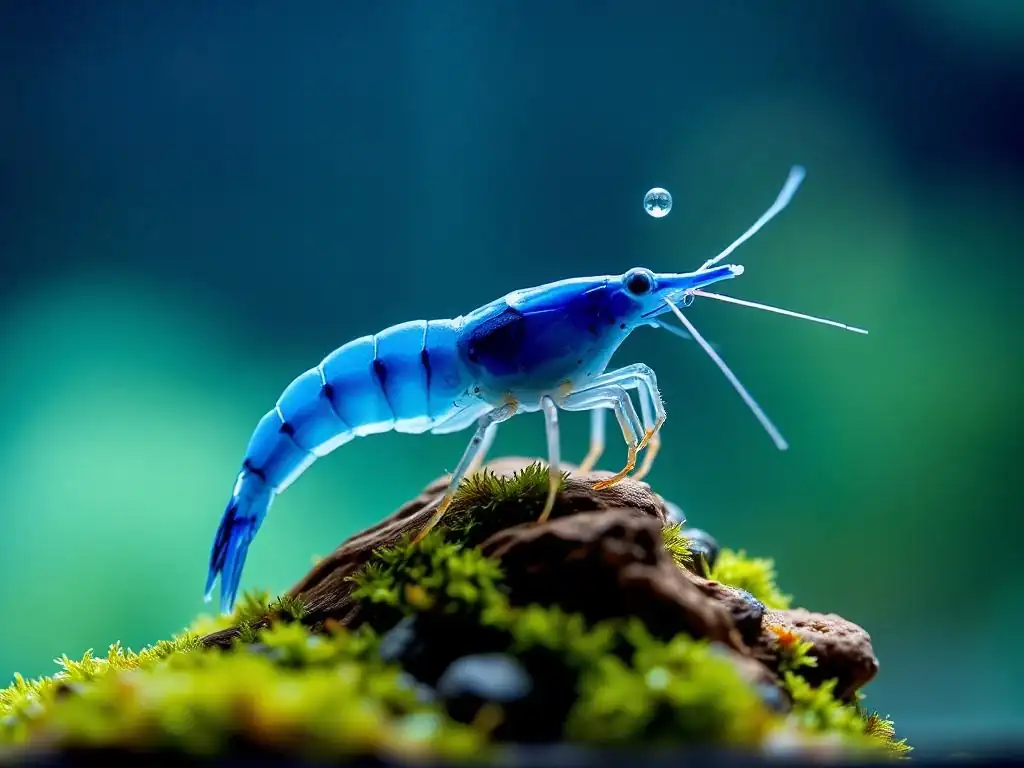
Breeding Caridina shrimp can be one of the most rewarding aspects of the hobby, allowing aquarists to expand their colonies and observe the full life cycle of these fascinating invertebrates. However, unlike the prolific Neocaridina shrimp, encouraging Caridina shrimp to breed successfully requires an even more meticulous application of Caridina shrimp care tips. The key lies in providing an exceptionally stable and pristine environment that mimics their ideal natural conditions, minimizing any potential stressors.
Successful breeding hinges on consistent water parameters, abundant food sources (especially biofilm), and ample hiding places for vulnerable shrimplets. When these conditions are met, healthy adult shrimp will begin to reproduce, leading to the exciting appearance of miniature versions of their parents. Patience and unwavering attention to detail are paramount throughout the breeding process.
Creating the Ideal Breeding Conditions for Caridina Shrimp
For Caridina shrimp to breed successfully, the aquarium environment must be meticulously optimized to minimize stress and maximize comfort. Beyond just survival, breeding requires a state of thriving, which means consistent, pristine water parameters and a secure, mature habitat. This involves not only providing the correct chemical environment but also ensuring physical safety and ample resources for both adults and their offspring.
A well-established tank, typically running for several months, is crucial for breeding. This allows for the development of a robust biofilm layer, which serves as the primary food source for newly hatched shrimplets, and ensures the biological filter is fully mature and stable. Any shortcuts in setting up the initial environment will likely hinder breeding efforts, underscoring the importance of foundational Caridina shrimp care tips for reproductive success.
Stable Water Parameters for Breeding Success
Stability in water parameters is perhaps the single most critical Caridina shrimp care tip for encouraging successful breeding. While specific target ranges for pH (5.5-6.8), GH (4-6 dGH), and temperature (68-74°F / 20-23°C) are important, preventing fluctuations is even more vital. Rapid or significant changes in any of these parameters can stress the shrimp, leading to failed molts, dropped eggs, or a complete cessation of breeding activity.
To achieve this stability, aquarists typically rely on RO water remineralized precisely, combined with buffering substrates that maintain pH and KH consistently. Small, frequent water changes (e.g., 10% weekly) with perfectly matched water are preferred over large, infrequent ones. Monitoring parameters with reliable test kits or digital meters multiple times a week allows for subtle, gradual adjustments rather than reactive, potentially harmful interventions. Consistent GH levels are particularly important for female shrimp, as adequate minerals are essential for egg development and successful molting before and after carrying eggs.
Providing Hiding Places for Shrimplets
Providing ample hiding places is a crucial Caridina shrimp care tip for increasing the survival rate of newly hatched shrimplets. Caridina shrimplets are incredibly tiny, often measuring only a millimeter or two upon hatching, making them highly vulnerable to predation from even the smallest fish or accidental consumption by tank filters. Without adequate cover, their chances of survival are significantly reduced.
Dense mosses, such as Java Moss, Christmas Moss, or Fissidens, are ideal for this purpose. Their intricate, tangled structures create countless nooks and crannies where shrimplets can shelter from potential threats and graze on the abundant biofilm that grows within the moss. Other beneficial hiding spots include leaf litter (e.g., Indian Almond leaves), which also provides a supplemental food source as it decomposes, and specialized ceramic shrimp caves or tubes.
Heavily planted tanks with fine-leaved plants also offer excellent cover. These hiding places not only protect the shrimplets but also create a sense of security for the adult shrimp, encouraging them to breed more readily.
Identifying and Caring for Pregnant Caridina Shrimp
Observing a pregnant Caridina shrimp, often referred to as a "berried" female, is an exciting milestone for any aquarist. Identifying these females and understanding their needs is an important part of comprehensive Caridina shrimp care tips for successful breeding. Recognizing the signs of pregnancy allows aquarists to ensure the environment remains optimal for the developing eggs and the subsequent hatching of shrimplets.
The care provided during this gestation period directly impacts the health and viability of the offspring. While the female shrimp primarily handles the incubation, ensuring stable water parameters and a stress-free environment will significantly increase the chances of a successful hatch and the survival of the tiny newborns.
Gestation Period and Shrimplet Development
The gestation period for Caridina shrimp typically ranges from 25 to 35 days, though this can vary slightly depending on the specific species and the ambient water temperature. Warmer temperatures (within the ideal range of 70-74°F / 21-23°C) can slightly shorten the incubation period, while cooler temperatures may extend it. During this time, the female shrimp carries her clutch of eggs (typically 20-50, though sometimes more) securely tucked under her tail, attached to her pleopods.
Initially, the eggs may appear yellowish or greenish. As they develop, their color will often darken, and if observed closely, tiny dark spots (which are the developing eyes of the shrimplets) may become visible, indicating that hatching is imminent. The female will constantly fan her pleopods, circulating oxygenated water over the eggs and keeping them clean.
Once hatched, Caridina shrimplets emerge as miniature, fully formed versions of the adult shrimp, not as larval stages, and are immediately capable of fending for themselves by grazing on biofilm and detritus in the tank. This direct development simplifies their care compared to species with complex larval stages.
Feeding Baby Caridina Shrimp
Feeding baby Caridina shrimp, or shrimplets, is a unique aspect of Caridina shrimp care tips because they do not require specialized larval foods like some other aquatic invertebrates. Upon hatching, Caridina shrimplets are miniature replicas of their parents and immediately begin to graze on biofilm, algae, and micro-detritus present throughout the aquarium. This is why a mature, well-established tank with abundant biofilm is crucial for their survival.
However, to support rapid growth and ensure all shrimplets receive adequate nutrition, especially in tanks with a high density of shrimp, supplementing their diet is beneficial. Specialized powdered shrimp foods designed for shrimplets (e.g., GlasGarten Bacter AE, Benibachi Baby Food) are ideal. These foods are finely ground, allowing them to disperse widely and settle on surfaces where shrimplets can easily access them.
Offer very tiny amounts, perhaps a small pinch, distributed evenly around the tank every other day, ensuring not to overfeed, which could foul the water. The presence of dense mosses and leaf litter also provides ample surfaces for biofilm growth, further supporting the shrimplets' natural feeding habits.
Troubleshooting Common Caridina Shrimp Problems
Even with the most diligent application of Caridina shrimp care tips, aquarists may occasionally encounter common problems in their Caridina tanks. These issues can range from signs of illness and molting difficulties to unwanted algae blooms. Recognizing these problems early and understanding how to address them effectively is crucial for the health and survival of your shrimp colony. Proactive observation and a methodical approach to troubleshooting can often prevent minor issues from escalating into major crises.
Many common problems in Caridina tanks are directly linked to water quality fluctuations or improper nutrition. Therefore, maintaining stable parameters and a consistent feeding regimen often serves as the first line of defense. However, specific interventions may be necessary when issues arise, demanding a targeted application of knowledge to restore the tank's balance and the shrimp's well-being.
Recognizing Signs of Illness in Caridina Shrimp
Recognizing the early signs of illness in Caridina shrimp is a vital Caridina shrimp care tip that can make the difference between recovery and loss. Due to their small size and delicate nature, shrimp can succumb to illness quickly if symptoms are ignored. Daily observation of your colony's behavior and appearance is essential for early detection.
Common signs of distress or illness include:
- Lethargy or inactivity: Healthy shrimp are usually active, constantly foraging and moving around the tank. A shrimp that is sitting still for prolonged periods, especially if it's not molting, may be ill.
- Loss of color or faded appearance: Vibrant colors are a sign of health. Fading colors can indicate stress, poor water quality, or an underlying illness.
- Erratic swimming or twitching: Uncoordinated movements can suggest neurological issues or severe stress.
- White ring of death: This specific sign indicates a failed molt, where a white, opaque band appears around the shrimp's body, usually just behind the head. The shrimp gets stuck in its old exoskeleton and cannot shed it, often leading to death within hours. This is typically due to insufficient minerals (GH) or rapid water parameter changes.
- Fungal or bacterial growths: Cottony patches (fungus) or discolored areas/lesions (bacterial) on the body are clear signs of infection.
- Parasites: Small, worm-like creatures attached to the shrimp's body (e.g., Scutariella Japonica) or internal parasites causing abnormal behavior.
Prompt identification allows for immediate action, often starting with a thorough check of water parameters.
Dealing with Diseases and Parasites
Dealing with diseases and parasites in Caridina shrimp requires a cautious and informed approach, as many common fish medications are toxic to invertebrates. Prevention, therefore, remains the best Caridina shrimp care tip: quarantine all new shrimp for several weeks in a separate tank and maintain pristine water quality to boost their natural immunity.
If a disease or parasite is suspected, accurate identification is the first step.
- Fungal Infections: Often appear as cottony growths. Some specific shrimp-safe anti-fungal treatments exist, but many general aquarium medications are harmful. In some cases, improving water quality can help the shrimp fight off mild infections.
- Bacterial Infections: Can manifest as discolored patches, lethargy, or rapid death. Again, shrimp-safe antibiotics are limited. Focus on pristine water and stable parameters.
- Planaria (flatworms): These often appear due to overfeeding. While they typically don't directly harm adult shrimp, they can outcompete them for food and may predate on shrimplets. Specific planaria traps or very low doses of Fenbendazole (e.g., No Planaria) can be used, but extreme caution is advised with any medication.
- Scutariella Japonica: Small, white, worm-like parasites usually found around the shrimp's rostrum (nose). They are often harmless but can be unsightly. Careful salt dips (short durations, precise salinity) can sometimes dislodge them, but this is a stressful procedure.
- Vorticella: Appears as fuzzy white growths, often on the head or antennae. Can be a sign of poor water quality. Improving water conditions is usually the first line of treatment.
Always research any medication thoroughly for shrimp safety before use, and consider consulting with experienced shrimp keepers.
Addressing Molting Issues in Caridina Shrimp
Molting, the process by which shrimp shed their old exoskeleton to grow, is a critical and vulnerable stage in their life cycle. Molting issues are among the most common problems faced by Caridina shrimp keepers and often indicate underlying environmental deficiencies. Addressing these issues promptly is a vital Caridina shrimp care tip for preventing fatalities.
The most recognized sign of a failed molt is the "white ring of death," where a distinct opaque white band forms around the shrimp's body, usually just behind the head, indicating that the old shell is stuck and the shrimp cannot escape. This typically leads to death within hours. Common causes for molting problems include:
- Insufficient GH/Minerals: Calcium and magnesium (measured by GH) are essential for building a strong new exoskeleton and for the molting process itself. If GH is too low, the shrimp may struggle to form a new shell or get stuck in the old one. Remineralizing RO water with a GH-only product like Salty Shrimp GH+ is crucial.
- Rapid Water Parameter Changes: Sudden shifts in pH, GH, KH, or temperature can shock the shrimp's system, disrupting the delicate molting process. This underscores the need for small, frequent, and perfectly matched water changes.
- High Nitrates: While less directly impactful than GH, consistently high nitrate levels can stress shrimp and contribute to molting difficulties.
- Lack of Proper Nutrition: A diet deficient in essential minerals and vitamins can weaken the shrimp, making molting more challenging.
Ensuring stable water parameters, especially GH, and providing a balanced diet are the primary preventative measures against molting issues.
Preventing and Treating Algae Blooms
Algae blooms, while often unsightly, can also be indicative of an imbalance in the aquarium ecosystem, and their prevention and treatment are important Caridina shrimp care tips. While Caridina shrimp do graze on some types of algae, excessive growth can signal underlying issues that might stress the shrimp or lead to other problems like oxygen depletion at night.
Common causes of algae blooms include:
- Excessive Light: Too many hours of light (more than 8-10 hours daily) or excessively high light intensity can fuel algae growth.
- Excess Nutrients: High levels of nitrates and phosphates, often resulting from overfeeding, infrequent water changes, or decaying organic matter, provide ample food for algae.
- Lack of Competition: Insufficient live plants to outcompete algae for nutrients can lead to an imbalance.
Prevention is always easier than treatment:
- Control Lighting: Stick to a consistent lighting schedule of 6-8 hours per day.
- Manage Nutrients: Avoid overfeeding, perform regular small water changes to export nitrates, and ensure adequate plant mass.
- Manual Removal: Physically remove algae from glass and decor during tank maintenance.
- Introduce Algae Eaters: While Caridina shrimp graze on some algae, Nerite snails are excellent, shrimp-safe algae eaters that can help keep surfaces clean without competing for shrimp food.
For existing blooms, reducing light, increasing water changes, and manual removal are the safest initial steps. Chemical algaecides are generally not recommended in shrimp tanks as they can be harmful to invertebrates.
Advanced Caridina Shrimp Keeping Techniques
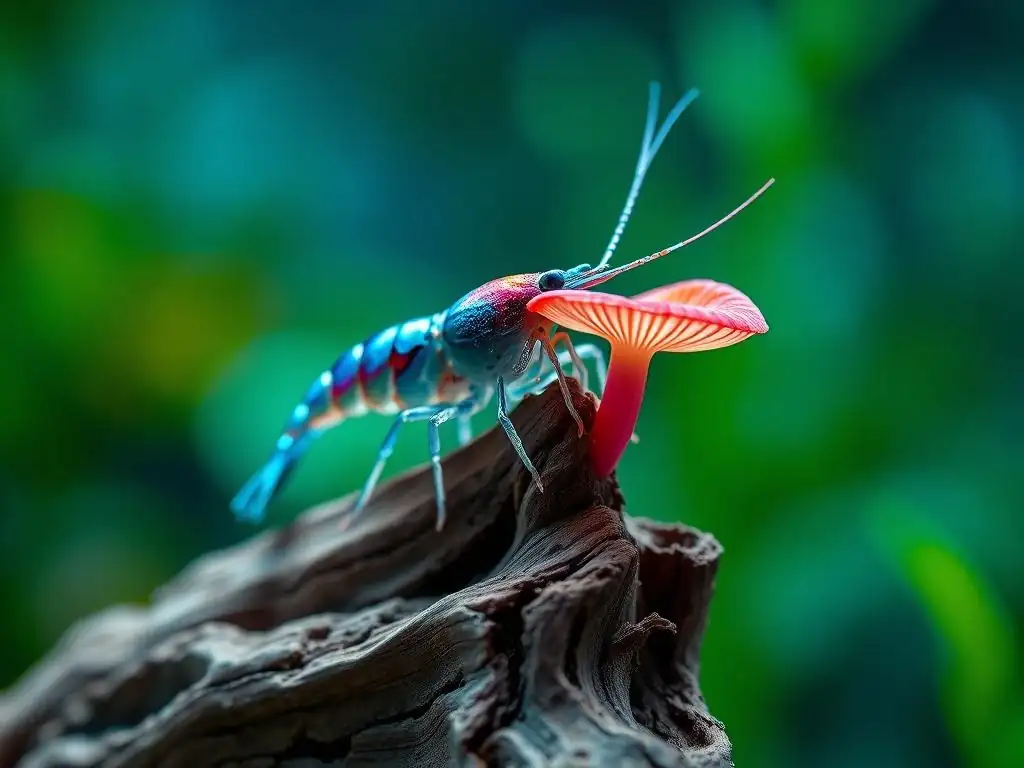
For the dedicated aquarist, Caridina shrimp keeping offers a path to advanced techniques that go beyond basic maintenance. These methods focus on optimizing conditions for peak health, vibrant coloration, and the successful selective breeding of high-grade varieties. Mastering these advanced Caridina shrimp care tips requires a deeper understanding of water chemistry, genetics, and meticulous attention to detail.
These techniques are often employed by breeders aiming to produce specific color forms or to enhance the genetic robustness of their lines. They involve precise control over the environment and a proactive approach to monitoring, allowing for subtle adjustments that can make a significant difference in the long-term success and progression of a Caridina colony.
Selective Breeding for Color and Pattern Enhancement
Selective breeding is an advanced Caridina shrimp care tip practiced by hobbyists aiming to enhance specific color traits, patterns, or grades within their shrimp colonies. This meticulous process involves intentionally pairing shrimp with desirable characteristics and isolating them to control their offspring. For example, a breeder might select Crystal Red Shrimp with exceptionally opaque white and deep red coloration to produce higher-grade CRS offspring (e.g., SSS or SSSS grade). Similarly, specific patterns on Taiwan Bees like the "no-entry" sign or "hino maru" are developed through generations of selective breeding.
This technique requires a significant commitment, often involving multiple tanks to separate different grades or genetic lines. It also necessitates careful observation and "culling," which is the practice of removing shrimp that do not meet the desired traits or exhibit undesirable characteristics. These culled shrimp are typically moved to a separate tank to prevent them from breeding and diluting the desired genetic line. Maintaining detailed breeding records is also crucial to track lineage and identify successful pairings, allowing for the propagation of the most desirable traits over generations.
Using Specialized Substrates for Optimal Growth
Beyond their initial buffering capacity, specialized active substrates play a continuous role in optimal growth and health for Caridina shrimp, making their informed use an advanced Caridina shrimp care tip. Brands like ADA Aqua Soil Amazonia, Fluval Stratum, and Brightwell Aquatics FlorinGourmet are not merely inert media; they are carefully engineered to maintain the soft, acidic water conditions Caridina shrimp thrive in. Their unique composition allows them to absorb carbonates from the water, thus lowering KH and pH, and keeping these parameters stable over time.
Furthermore, these substrates often have a high cation exchange capacity (CEC), meaning they can absorb and release essential nutrients and trace minerals that are beneficial for shrimp health, especially during molting. They also provide an ideal porous surface for beneficial bacteria to colonize, contributing significantly to biological filtration. For advanced keepers, understanding when the buffering capacity of these substrates begins to deplete (typically after 1-2 years) and planning for their replacement or rejuvenation is key to maintaining long-term stability and ensuring continuous optimal growth conditions for their sensitive Caridina colonies.
Monitoring and Adjusting Water Parameters with Precision
For advanced Caridina shrimp keeping, monitoring and adjusting water parameters moves beyond basic test kits to a level of precision that is a definitive Caridina shrimp care tip. While liquid test kits (e.g., API Freshwater Master Test Kit) are good for general monitoring, advanced hobbyists often employ more accurate tools for critical parameters.
- TDS Meter: A Total Dissolved Solids (TDS) meter is indispensable for Caridina shrimp, especially when using remineralized RO water. It measures the total concentration of dissolved inorganic and organic substances in the water. For most Caridina, a TDS range of 90-200 ppm is ideal, depending on the species. Monitoring TDS allows for precise control of mineral additions when remineralizing RO water and helps detect unwanted buildup of dissolved solids.
- Digital pH Meter: While liquid pH tests offer a general range, a calibrated digital pH meter provides much more accurate and real-time readings, crucial for sensitive Caridina that require stable, specific pH ranges (e.g., 5.5-6.8).
- GH/KH Drop Test Kits: High-quality drop test kits (e.g., Salifert) provide more precise readings for GH and KH than multi-parameter strips.
The goal of this precise monitoring is to enable subtle, gradual adjustments. Instead of reacting to large swings, advanced keepers make tiny, proactive changes to maintain parameters within a very narrow, ideal range, preventing stress and promoting peak health and breeding success. This constant vigilance and subtle intervention are hallmarks of truly advanced Caridina shrimp care tips.
Caridina Shrimp Care Tips Checklist: A Quick Reference Guide
Key Considerations for Healthy and Happy Caridina Shrimp
- Water Source: Exclusively use reverse osmosis (RO) or deionized (DI) water, remineralized with a GH-only product (e.g., Salty Shrimp GH+) to a target GH of 4-6 dGH.
- Substrate: Utilize an active, buffering substrate (aquasoil) to maintain a stable, acidic pH (5.5-6.8) and a very low KH (0-1 dKH).
- Temperature: Maintain a stable temperature between 68-74°F (20-23°C), avoiding rapid fluctuations.
- Filtration: Employ gentle filtration, with sponge filters being the preferred choice, to prevent strong currents and protect shrimplets.
- Water Quality: Ensure ammonia and nitrite are always 0 ppm. Keep nitrates below 10-20 ppm through regular small water changes and adequate plant mass.
- Water Changes: Perform small (10-20%), frequent (weekly or bi-weekly) water changes using perfectly matched, remineralized RO water.
- Feeding: Offer high-quality, specialized shrimp food in tiny amounts, only what can be consumed within 2-3 hours. Avoid overfeeding to prevent water quality issues.
- Natural Food Sources: Ensure the tank is mature and has established biofilm for continuous grazing.
- Tank Environment: Provide ample live plants, especially mosses, and leaf litter for shelter, particularly for shrimplets.
- Tank Mates: Ideally, keep Caridina shrimp in a species-only tank. If tank mates are chosen, select only very small, peaceful, non-predatory fish (e.g., Otocinclus, micro rasboras) with extreme caution.
- Monitoring: Regularly test water parameters (pH, GH, KH, Ammonia, Nitrite, Nitrate) with reliable test kits. Consider a TDS meter for precise mineral management.
- Patience: Allow the tank to fully cycle and mature before introducing shrimp, and exercise patience with breeding efforts.
Frequently Asked Questions
How difficult is it to care for Caridina shrimp compared to other aquarium inhabitants?
Caridina shrimp are generally considered more sensitive than other common aquarium inhabitants like Neocaridina shrimp. They require strict water parameters and a stable environment to thrive.
What are the most critical water parameters to monitor for Caridina shrimp?
The most critical parameters are temperature, pH, GH (general hardness), and KH (carbonate hardness). Maintaining stable and appropriate levels is essential for their survival and breeding.
What type of substrate is best suited for a Caridina shrimp tank?
An inert substrate designed for shrimp, such as active soil, is often recommended. These substrates help maintain the desired water parameters for Caridina shrimp.
What are some common signs that Caridina shrimp are stressed or unhealthy?
Signs of stress include lethargy, loss of color, and failure to molt properly. Sudden deaths within the tank can also indicate a problem with water quality.
What kind of food should I feed my Caridina shrimp to ensure their health and vibrancy?
A varied diet is crucial, including specialized shrimp food, algae wafers, and blanched vegetables. This ensures they receive all the necessary nutrients for proper growth and coloration.
Final Reflection: Cultivating Aquatic Harmony
The journey into Caridina shrimp care is more than just maintaining an aquarium; it's about fostering a miniature ecosystem, a delicate balance where understanding and patience bloom into vibrant displays of life. Today, as our understanding of these captivating creatures deepens, the commitment to responsible and informed aquascaping becomes ever more crucial, ensuring their well-being and the longevity of their captivating beauty.
This exploration has underscored the profound impact of informed care on the lives of these tiny invertebrates. Witnessing the thriving colonies of Caridina shrimp, a direct result of dedicated aquarists applying these principles, is a testament to the power of knowledge and mindful practice. In every walk with nature, one receives far more than he seeks.
- John Muir. This quote resonates deeply, reminding us that the rewards of nurturing these ecosystems extend far beyond the visual appeal, enriching our understanding of the interconnectedness of life itself.
Now, armed with these insights and practical tips, I invite you to reflect on your own aquascaping journey. Consider how you can further refine your approach, embracing the principles of sustainable and ethical Caridina shrimp care. Let's continue to learn, share, and cultivate aquatic harmony, creating thriving environments where these miniature marvels can truly flourish.
Unlock Your Caridina Shrimp Paradise!
Thank you for diving into the world of Caridina shrimp with us! We hope this guide has empowered you with the knowledge to create a thriving shrimp ecosystem. Now, it's time to translate that knowledge into action.
Here's how you can continue your Caridina journey:
- Immediately assess your current tank conditions against the parameters discussed. Are your water parameters ideal?
- Explore unique aquascaping techniques to create a visually stunning and shrimp-friendly environment.
- Share your Caridina shrimp journey and pictures on our community forum and help others learn and grow.
What's the first small change you'll make to your tank this week to better support your Caridina shrimp colony?