
Pom Pom Crabs (Ptychognathus barbatus): Truly Freshwater Cheerleaders for Your Tank

Welcome to Aquarium Mastery!
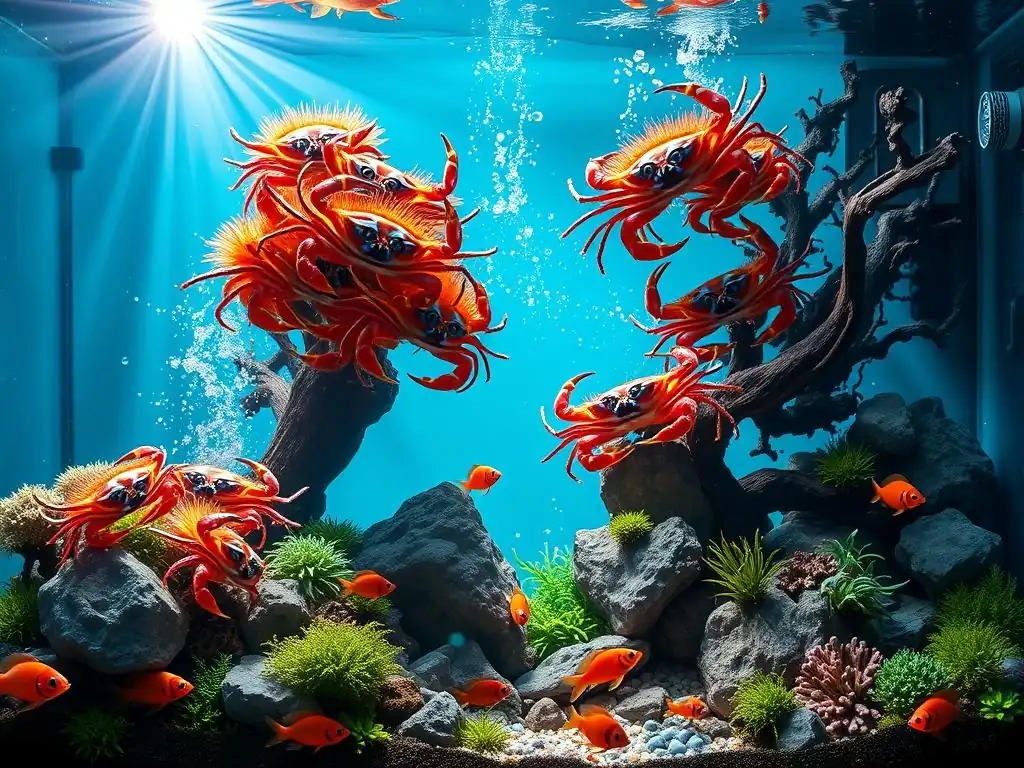
Ever seen a tiny cheerleader waving pom-poms in your aquarium? Get ready to meet the fascinating Pom Pom Crab! These captivating crustaceans are a unique addition to any freshwater or saltwater tank, but understanding their specific needs is key. Dive into our comprehensive guide and unlock the secrets to thriving Pom Pom Crab care tips, ensuring these little aquatic athletes live a long and happy life in your care. Ready to learn how to keep these intriguing invertebrates happy and healthy? Let's get started!
- Understanding the Allure of Pom Pom Crabs
- Pom Pom Crab Care Tips: Essential Guide for Aquarium Keepers
- Maintaining a Healthy Pom Pom Crab Aquarium: Water Quality and Tank Maintenance
- Pom Pom Crab Behavior and Interesting Facts
- Common Pom Pom Crab Health Issues and Prevention
- Breeding Pom Pom Crabs: Is it Possible in a Home Aquarium?
- Where to Buy Pom Pom Crabs and Selecting Healthy Specimens
- Enhancing Your Aquarium with Pom Pom Crabs: A Rewarding Experience
-
Frequently Asked Questions
- What are Pom Pom crabs and why are they called that?
- Are Pom Pom crabs difficult to care for in a freshwater aquarium?
- What are the ideal water parameters for Pom Pom crabs in an aquarium?
- What do Pom Pom crabs eat and how often should they be fed?
- How do I ensure the anemones on my Pom Pom crab's claws are healthy?
- Final Reflection: Embracing the Delicate Dance of Life
- Embrace the Dance: Cultivate Your Own Pom Pom Paradise!
Understanding the Allure of Pom Pom Crabs
Why Choose Pom Pom Crabs for Your Freshwater Aquarium?
Pom Pom Crabs, scientifically known as Ptychognathus barbatus, are captivating additions to any freshwater aquarium due to their diminutive size, unique appearance, and fascinating behaviors. Growing typically to a maximum of 1 inch (2.5 cm) in carapace width, they are ideal inhabitants for nano tanks or peaceful community setups, adding a touch of whimsical charm without overwhelming the bioload. Their most distinctive feature, the "pom-poms" they constantly wave, are actually symbiotic anemones or polyp-like organisms, making them a truly unique invertebrate.
Beyond their visual appeal, these crabs are remarkably peaceful and largely non-aggressive, posing minimal threat to other tank inhabitants. They are primarily scavengers and filter feeders, constantly sifting through the substrate or water column for detritus and microscopic food particles, which can assist in tank cleanliness. Their active yet gentle demeanor, coupled with their relatively straightforward Pom pom crab care tips, makes them an excellent choice for aquarists seeking an unusual and engaging addition to their aquatic ecosystem.
Identifying the Ptychognathus barbatus Species
The Pom Pom Crab, Ptychognathus barbatus, is easily identifiable by its small stature and the characteristic "pom-poms" it carries. These are typically small, white or translucent anemones (often from the genus Bassarachis) or a clump of hydroid polyps, held firmly in each of the crab's chelipeds (claws). The crab itself usually exhibits a mottled brown, grey, or tan coloration, allowing it to blend seamlessly with various substrates and decorations.
Their body shape is typical of a small freshwater crab, with a somewhat flattened carapace and eight walking legs. When observing them closely, one can often see the tiny, delicate structures of the "poms" as the crab constantly manipulates them, either to filter feed or as a display. It's important to note that while other freshwater crabs exist, the Ptychognathus barbatus is specifically recognized by its size and the symbiotic relationship with its "pom-poms," which it uses for both defense and food collection.
Pom Pom Crab Care Tips: Essential Guide for Aquarium Keepers
Creating the Ideal Habitat for Your Pom Pom Crab
Establishing a suitable habitat is paramount for the health and longevity of your Pom Pom Crabs. These small crustaceans thrive in well-established tanks that offer a sense of security and opportunities for exploration. A stable environment with consistent water parameters is far more crucial than complex setups.
The tank should replicate their natural environment, which often includes slow-moving water bodies with plenty of cover. Providing numerous hiding spots is essential for these shy creatures, especially after molting when they are most vulnerable. This comprehensive section will cover crucial Pom pom crab care tips to ensure a thriving environment.
Tank Size Recommendations for Pom Pom Crabs
- Minimum Tank Size: A single Pom Pom Crab can comfortably inhabit a 5-gallon (approximately 19 liters) aquarium.
- Small Group: For a small group of 2-3 crabs, a 10-gallon (approximately 38 liters) tank is recommended to provide adequate space and reduce potential territorial disputes, although these are rare.
- Larger Community Tanks: In a community tank, ensure the overall volume allows for stable parameters and sufficient individual space for all inhabitants, generally 15 gallons (57 liters) or more.
Water Parameters for Optimal Pom Pom Crab Health
Maintaining stable and appropriate water parameters is one of the most critical Pom pom crab care tips. Fluctuations can cause significant stress and lead to health issues.
- Temperature: Ideal range is 72-78°F (22-26°C). Consistency is key, so a reliable heater is often necessary.
- pH Level: A neutral to slightly alkaline pH between 6.5 and 7.5 is generally preferred. Avoid acidic or highly alkaline conditions.
- Hardness (GH/KH): Moderate water hardness is beneficial, with a general hardness (GH) of 5-15 dGH and carbonate hardness (KH) of 3-10 dKH. This provides essential minerals for their exoskeleton.
- Ammonia & Nitrite: Should always be 0 ppm. These are highly toxic to all aquatic life, including crabs.
- Nitrate: Keep nitrate levels below 20 ppm. Regular water changes are crucial for managing nitrates.
Substrate and Decoration Considerations for Pom Pom Crabs
The choice of substrate plays a significant role in a Pom Pom Crab's comfort and feeding habits. Fine sand or very smooth, small gravel is highly recommended as it allows them to sift through easily for food particles without damaging their delicate legs or "poms." Coarse, sharp gravel should be avoided.
Decorations should include plenty of natural hiding spots such as small caves, driftwood, and rocks with crevices. Live plants, like Java Moss, Anubias, or Bucephalandra, are excellent choices as they provide cover, grazing surfaces, and contribute to water quality. Pom Pom Crabs enjoy climbing and exploring, so varied textures and elevations will enrich their environment.
Pom Pom Crab Diet and Feeding Habits: What to Feed Your Omnivores
Pom Pom Crabs are opportunistic omnivores and scavengers, constantly sifting through the substrate or water column for microscopic food particles and detritus. Their "pom-poms" are actively used to capture suspended food. While they will scavenge, supplemental feeding is crucial to ensure they receive adequate nutrition, especially in very clean tanks or those with many competitors.
A varied diet will contribute significantly to their overall health and vitality. Observing their feeding behavior will help you determine if they are getting enough food and if the food type is suitable for their unique filtering method.
Recommended Foods for Pom Pom Crabs
- Sinking Pellets/Granules: Small, high-quality sinking pellets formulated for omnivores or invertebrates are a good staple.
- Flake Food: Finely crushed spirulina flakes or general tropical flakes can be added, as they will settle and become accessible.
- Frozen Foods: Thawed bloodworms, brine shrimp, or daphnia are excellent protein sources. Offer these sparingly to avoid overfeeding.
- Algae Wafers: Small pieces of algae wafers can be offered, as they will graze on the surface.
- Blanched Vegetables: Occasionally, offer small pieces of blanched zucchini, cucumber, or spinach.
Feeding Schedule for Pom Pom Crabs
Due to their continuous sifting nature, Pom Pom Crabs benefit from small, frequent feedings rather than large, infrequent ones. A general guideline is to feed small amounts once a day or every other day.
Monitor how quickly the food is consumed. If there is significant leftover food after a few hours, reduce the quantity. In a community tank, ensure that the food reaches the bottom where the crabs can access it, as faster-moving fish can often outcompete them. Adjust the schedule based on the number of crabs and other tank inhabitants.
Pom Pom Crab Tank Mates: Choosing Compatible Species
Selecting appropriate tank mates is a vital aspect of Pom pom crab care tips to ensure a peaceful and thriving aquarium. Pom Pom Crabs are generally very docile and vulnerable due to their small size, so aggressive or large tank mates can easily stress or prey upon them.
The key is to choose species that are equally peaceful, do not occupy the same bottom niche aggressively, and are not large enough to view the crabs as food. Care must be taken to provide enough hiding spots for the crabs, even with peaceful tank mates, as they are naturally reclusive.
Suitable Fish Companions for Pom Pom Crabs
- Small Tetras: Species like Neon Tetras ( Paracheirodon innesi), Ember Tetras ( Hyphessobrycon amandae), or Cardinal Tetras ( Paracheirodon axelrodi) are excellent choices due to their peaceful nature and mid-water dwelling habits.
- Rasboras: Harlequin Rasboras ( Trigonostigma heteromorpha) or Chili Rasboras ( Boraras brigittae) are small, gentle, and compatible.
- Livebearers: Guppies ( Poecilia reticulata) and Endler's Livebearers ( Poecilia wingei) are generally peaceful, though their rapid breeding may sometimes lead to overcrowding.
- Bottom Dwellers (Non-Aggressive): Otocinclus Catfish ( Otocinclus affinis) are peaceful algae eaters that won't bother the crabs.
Invertebrates that Coexist Well with Pom Pom Crabs
- Dwarf Shrimp: Amano Shrimp ( Caridina multidentata) and various Neocaridina shrimp species (e.g., Cherry Shrimp, Blue Dream Shrimp) can coexist peacefully, provided there are ample hiding spots and food for everyone.
- Peaceful Snails: Nerite Snails ( Neritina spp.), Mystery Snails ( Pomacea bridgesii), and Ramshorn Snails are excellent choices as they are non-aggressive and contribute to tank cleaning.
Species to Avoid Housing with Pom Pom Crabs
- Large or Aggressive Fish: Cichlids (e.g., Oscars, Jack Dempseys), large Gouramis, most Barbs (e.g., Tiger Barbs), and predatory fish will see Pom Pom Crabs as food.
- Large or Aggressive Invertebrates: Crayfish ( Procambarus spp.), larger freshwater crabs (e.g., Thai Micro Crabs can be territorial towards them if space is limited, though usually fine), or predatory snails can pose a threat.
- Fin Nippers: Certain fish known for nipping fins, even if small, might harass the crabs.
Maintaining a Healthy Pom Pom Crab Aquarium: Water Quality and Tank Maintenance
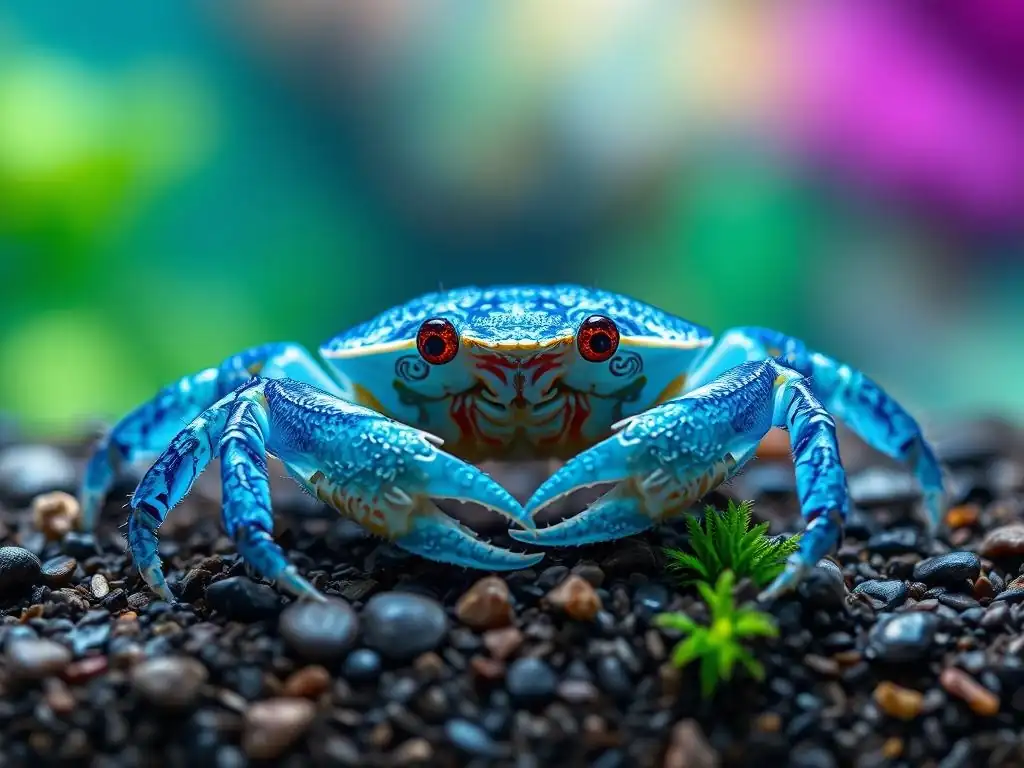
Maintaining pristine water quality is a cornerstone of successful Pom pom crab care tips. These invertebrates are sensitive to pollutants and thrive in stable, clean conditions. A consistent maintenance routine will prevent the buildup of harmful substances and ensure the long-term health of your crabs.
Regular monitoring of water parameters and appropriate filtration are not just recommendations but necessities for their well-being. Proactive maintenance is always more effective than attempting to remedy issues after they arise.
Regular Water Changes: A Must for Pom Pom Crab Health
Regular water changes are arguably the most crucial aspect of maintaining water quality for Pom Pom Crabs. They help to remove accumulated nitrates, phosphates, and other dissolved organic compounds that can become toxic over time. A weekly water change of 15-20% of the tank volume is generally recommended.
When performing water changes, always use a dechlorinator to treat tap water, as chlorine and chloramines are highly toxic to aquatic life. Ensure the temperature of the new water matches the tank water closely to avoid temperature shock. Gently siphon water from the bottom to remove detritus, being careful not to suck up any small crabs.
Filtration Requirements for Pom Pom Crab Tanks
Proper filtration is essential for maintaining clear and healthy water, but the type of filter needs careful consideration for Pom Pom Crabs. Strong currents can stress these small crabs, so gentle filtration is preferred. Sponge filters are an excellent choice as they provide both mechanical and biological filtration without creating excessive flow.
If using a hang-on-back (HOB) or canister filter, ensure the intake tube has a pre-filter sponge to prevent the tiny crabs from being sucked in. Biological filtration, provided by beneficial bacteria colonizing filter media, is vital for breaking down ammonia and nitrite into less harmful nitrates. Adequate filtration contributes significantly to effective Pom pom crab care tips.
Monitoring Water Parameters: Ammonia, Nitrite, and Nitrate Levels
Regular testing of water parameters is non-negotiable for responsible Pom Pom Crab husbandry. Ammonia and nitrite should always be at 0 parts per million (ppm). Even small traces can be lethal. Nitrate levels should ideally be kept below 20 ppm.
Invest in a reliable liquid test kit to monitor these parameters weekly. An increase in ammonia or nitrite indicates a problem with the biological filter or overfeeding. High nitrates signal the need for more frequent or larger water changes. Consistent monitoring allows for early detection of issues, preventing stress and illness in your crabs.
Pom Pom Crab Behavior and Interesting Facts
The Unique Anemone Symbiosis: How Pom Pom Crabs Carry Their "Poms"
One of the most captivating aspects of Pom Pom Crabs is their unique symbiotic relationship with the anemones or hydroid polyps they carry. Unlike other crabs that might pick up objects for camouflage, these crabs actively grasp and hold these organisms with their specialized claws, hence the "pom-pom" appearance. The crab benefits from the anemone's stinging cells for defense against predators and possibly for trapping small food particles that float by.
In return, the anemone benefits from the crab's mobility, gaining access to new feeding grounds and a constant supply of food scraps stirred up by the crab's activities. This mutualistic relationship is a fascinating example of co-evolution in the aquatic world. The crabs meticulously maintain their "poms," sometimes even trading them between claws or picking up new ones if lost.
Pom Pom Crabs are generally peaceful and shy creatures. In a well-sized tank with ample hiding spots, they can be kept in small groups without significant aggression. They are not highly social in the way some schooling fish are, but they tolerate each other's presence. You might observe them interacting during feeding times, though rarely aggressively.
Their primary interactions are with their environment, constantly sifting through substrate or perched on decorations, waving their "poms" to filter feed. They are largely solitary explorers, preferring to seek out their own nooks and crannies. Observing them quietly can reveal subtle behaviors, such as their careful manipulation of their "poms" or their cautious movements when exploring.
Understanding Pom Pom Crab Molting Process
Like all crustaceans, Pom Pom Crabs grow by molting, shedding their old, rigid exoskeleton to allow for new growth. This process is critical but also a period of extreme vulnerability for the crab. Signs that a molt is approaching include increased hiding, decreased activity, and sometimes a slightly faded coloration.
During molting, the crab will typically find a secluded spot and shed its entire outer shell, leaving behind a perfect, translucent replica of itself. It's crucial not to remove this shed exoskeleton from the tank immediately. The crab will often consume parts of it to reabsorb vital calcium and other minerals needed to harden its new shell. The new shell is soft and pliable, making the crab susceptible to predation or injury, so providing ample hiding spots is a crucial Pom pom crab care tip during this time.
Common Pom Pom Crab Health Issues and Prevention
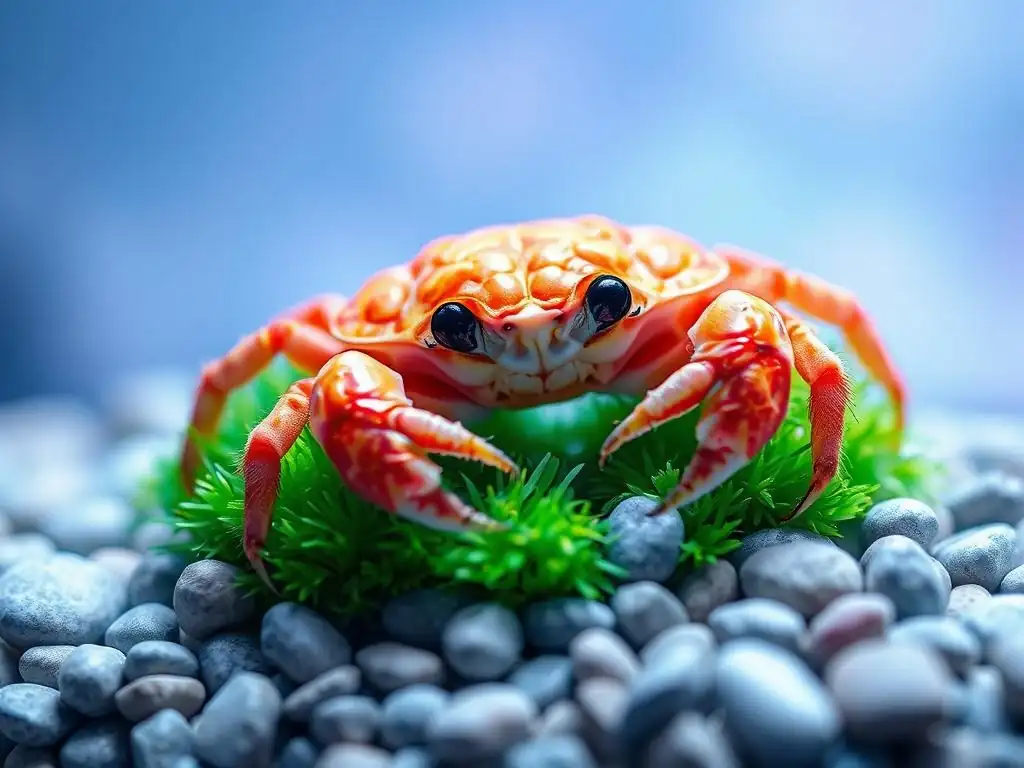
While relatively hardy given proper care, Pom Pom Crabs are not immune to health issues. The vast majority of problems stem from poor water quality or inadequate diet. Understanding common signs of stress or illness and implementing preventive measures are key Pom pom crab care tips.
Early detection and intervention can often prevent minor issues from escalating into serious health problems. A proactive approach to aquarium maintenance and observation is the best defense against disease.
Recognizing Signs of Stress or Illness in Pom Pom Crabs
Observing your Pom Pom Crabs regularly can help you identify signs of stress or illness early. A healthy crab is active, constantly sifting or exploring, and has intact "poms" and all its legs (though they can regenerate lost limbs over molts).
Signs of distress include:
- Lethargy or Inactivity: Spending an unusual amount of time motionless or hidden.
- Loss of Appetite: Not actively sifting for food or refusing offered foods.
- Discoloration: Paler than usual or unusual dark spots.
- Missing "Poms": While they can regrow, sudden loss or damage may indicate stress.
- Erratic Movement: Uncoordinated or jerky movements.
- Difficulty Molting: Getting stuck in the old shell, leading to death.
- Fungal/Bacterial Growths: Visible fuzzy patches or lesions on the body.
Addressing Common Diseases Affecting Pom Pom Crabs
Pom Pom Crabs are generally resistant to specific diseases if their environment is optimal. Most "diseases" are secondary infections or complications arising from poor water quality, stress, or injury. Fungal or bacterial infections can manifest as white, fuzzy growths or lesions, often due to compromised immune systems from high nitrates or ammonia.
The best treatment is prevention: maintain pristine water parameters, provide a balanced diet, and ensure a stress-free environment. If an infection occurs, isolating the affected crab (if possible) and performing small, frequent water changes in its temporary tank can help. Avoid using harsh medications designed for fish, as many are toxic to invertebrates. Consult an aquatic veterinarian or experienced aquarist for severe cases.
Preventing Health Problems Through Proper Care
Prevention is paramount in Pom pom crab care tips. Adhering to fundamental husbandry practices significantly reduces the risk of health issues. This includes:
- Stable Water Parameters: Consistent temperature, pH, and hardness, with 0 ppm ammonia/nitrite and low nitrates.
- Regular Maintenance: Weekly water changes (15-20%) and filter cleaning to prevent nutrient buildup.
- Balanced Diet: Offering a variety of high-quality foods to ensure complete nutrition.
- Appropriate Tank Mates: Avoiding aggressive fish or invertebrates that could stress or harm the crabs.
- Ample Hiding Spots: Crucial for security, especially during molting.
- Quarantine New Additions: Always quarantine new fish or invertebrates before adding them to your main tank to prevent introducing diseases.
Breeding Pom Pom Crabs: Is it Possible in a Home Aquarium?
Challenges of Breeding Pom Pom Crabs in Captivity
Breeding Pom Pom Crabs ( Ptychognathus barbatus) in a home freshwater aquarium is exceptionally challenging, bordering on impossible for the average hobbyist. While females will readily become "berried" (carrying eggs under their abdomen), the subsequent larval stages are complex and require specific conditions that are difficult to replicate outside of their natural environment.
Typically, the eggs hatch into tiny, free-swimming zoea larvae. These larvae are planktonic, requiring brackish water (a mix of fresh and saltwater) or even full marine conditions for development, and a specific diet of microscopic organisms. They undergo multiple larval stages before metamorphosing into miniature crabs. Reaching this stage, let alone providing the necessary food and water parameters for survival, is extremely difficult in a standard freshwater setup, which is why captive breeding successes are rarely reported among hobbyists.
Where to Buy Pom Pom Crabs and Selecting Healthy Specimens
Finding Reputable Sources for Pom Pom Crabs
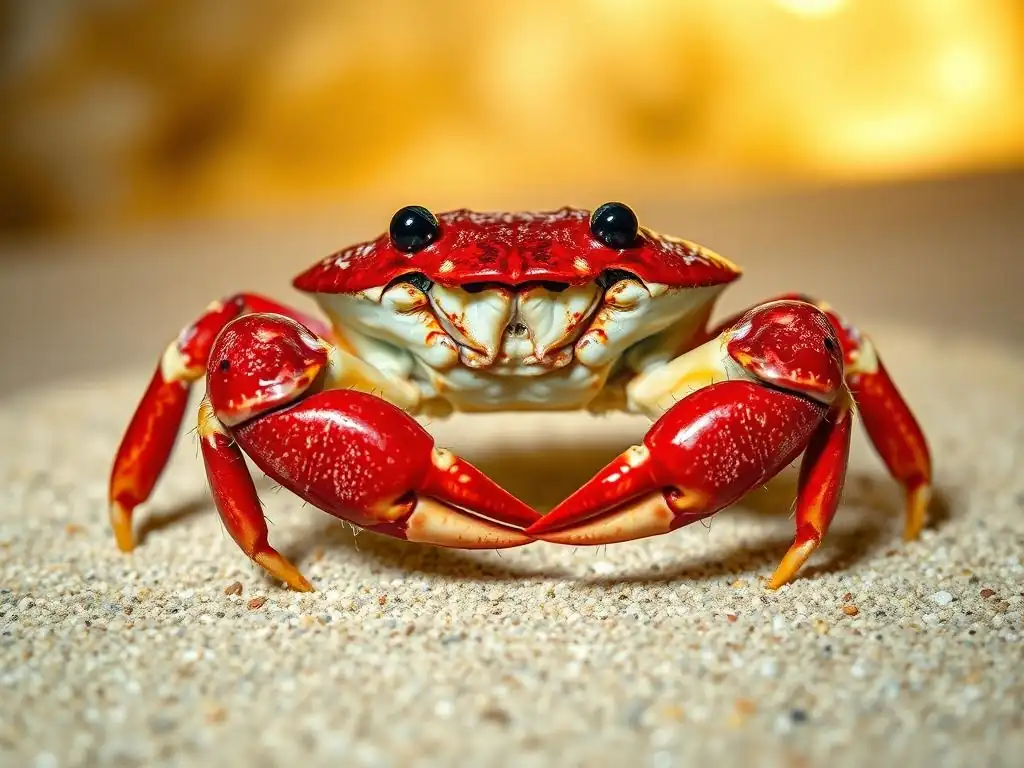
When looking to acquire Pom Pom Crabs, it's crucial to source them from reputable suppliers to ensure you are getting healthy specimens that have been properly cared for. Local fish stores can be a good option if they have a dedicated invertebrate section and knowledgeable staff. Ask about their source and the conditions the crabs were kept in.
Online specialized invertebrate retailers are often another excellent choice. These vendors typically have a deeper understanding of invertebrate care and better shipping practices to minimize stress. Check reviews and look for companies that offer live arrival guarantees. Ethical sourcing is important, as these crabs are often wild-caught.
Identifying Healthy Pom Pom Crabs Before Purchase
Before purchasing a Pom Pom Crab, take the time to observe the specimens carefully. A healthy Pom Pom Crab should be:
- Active: Actively moving around the tank, sifting the substrate, or perched on decorations. Avoid crabs that are motionless for long periods or appear lethargic.
- Intact: All legs should be present, and the "pom-poms" on their claws should be visible and relatively intact. While they can regenerate lost limbs over molts, a crab missing multiple limbs might be severely stressed or ill.
- Clear Coloration: Their natural mottled brown/grey coloration should be distinct, without any unusual white patches (fungus) or discolored areas.
- No Visible Damage: Check for any signs of injury, torn shells, or fuzzy growths.
- Alert: They should react to movement outside the tank by either freezing or attempting to hide.
Enhancing Your Aquarium with Pom Pom Crabs: A Rewarding Experience
The Unique Charm and Benefits of Keeping Pom Pom Crabs
Keeping Pom Pom Crabs is a truly rewarding experience for any freshwater aquarist. Their unique appearance, characterized by the fascinating symbiotic "pom-poms," adds an unparalleled visual interest to the aquarium. Unlike many other bottom dwellers, their constant sifting and gentle movements create a dynamic yet peaceful atmosphere.
Beyond their aesthetic appeal, their role as detritus feeders and scavengers contributes to the overall cleanliness of the tank, albeit on a small scale. Their peaceful nature makes them excellent candidates for nano tanks and community setups with small, non-aggressive fish. The subtle, intriguing behaviors of these tiny crustaceans offer endless opportunities for observation, making them a captivating focal point in any aquatic display.
Mastering Pom Pom Crab Care: A Summary of Key Considerations
Mastering Pom pom crab care tips revolves around a few key principles: providing a stable, clean environment, offering a varied diet, and ensuring compatible tank mates. Prioritizing consistent water parameters—temperature between 72-78°F (22-26°C), pH 6.5-7.5, 0 ppm ammonia/nitrite, and low nitrates—is paramount. Regular water changes and gentle filtration are essential for maintaining these conditions.
A varied diet of small sinking foods, supplemented with frozen options, will keep them well-nourished. Offering plenty of hiding spots through plants, rocks, and driftwood will help them feel secure, especially during vulnerable molting periods. By following these comprehensive Pom pom crab care tips, aquarists can enjoy the unique charm and active presence of these freshwater cheerleaders for many years.
Frequently Asked Questions
What are Pom Pom crabs and why are they called that?
Pom Pom crabs (Ptychognathus barbatus) are small, freshwater crabs known for carrying anemones on their claws. They get their name from the anemones, which resemble cheerleading pom-poms. These anemones provide the crab with protection and assist in filter feeding.
Are Pom Pom crabs difficult to care for in a freshwater aquarium?
Pom Pom crabs are considered moderately challenging to care for. They require a stable environment with good water quality and specific dietary needs. Research and preparation are crucial for their survival.
What are the ideal water parameters for Pom Pom crabs in an aquarium?
They thrive in stable freshwater conditions. Specifically, aim for a temperature of 72-78°F, a pH between 6.5 and 7.5, and minimal ammonia and nitrite. Regular water changes are important to maintain water quality.
What do Pom Pom crabs eat and how often should they be fed?
Pom Pom crabs are omnivores and scavengers. They eat small bits of food, algae, and detritus. Supplement their diet with small amounts of high-quality flake food or frozen foods 2-3 times per week.
How do I ensure the anemones on my Pom Pom crab's claws are healthy?
The health of the anemones is directly linked to the crab's well-being. Provide a well-established tank with good water flow and ensure the crab has access to food particles. The anemones benefit from the crab's foraging activity.
Final Reflection: Embracing the Delicate Dance of Life
The journey into understanding the intricacies of Pom Pom Crab care illuminates a larger truth: even the smallest creatures in our aquariums reflect the delicate balance of life itself. These tiny, freshwater cheerleaders, with their symbiotic anemones, remind us that responsible stewardship extends to every corner of our world, even the miniature ecosystems we create within our homes.
This exploration of Ptychognathus barbatus has not only provided practical care tips, but also fostered a deeper appreciation for the interconnectedness of nature. The success of these crabs in our tanks hinges on our ability to mimic their natural environment and understand their unique needs. In nature, nothing exists alone.
- Rachel Carson. This quote resonates deeply when considering the Pom Pom Crab's reliance on its anemones, highlighting the importance of symbiotic relationships and the broader ecological web.
Now, consider the lessons learned from these miniature marvels. How can we apply the principles of careful observation, responsible stewardship, and appreciation for delicate ecosystems to our own lives and the larger world around us? Let the Pom Pom Crab serve as a constant reminder to embrace the beauty of complexity and to actively participate in preserving the fragile balance of our planet.
Embrace the Dance: Cultivate Your Own Pom Pom Paradise!
Thank you for diving into the delightful world of Pom Pom Crabs! Now that you've discovered the secrets to keeping these tiny cheerleaders happy and healthy, it's time to bring the magic home.
Here’s how you can take your newfound knowledge and turn it into action:
- Transform your aquarium into a Pom Pom haven: Prioritize creating a stress-free environment and observe your crabs closely.
- Delve Deeper: Research compatible tank mates to create a harmonious aquatic community that complements your Pom Pom Crabs.
- Share the Joy: Post a picture of your Pom Pom Crab setup on your social media using #AquariumMasteryPomPoms and inspire others to explore the world of freshwater invertebrates!
What unique decoration will you add to your Pom Pom Crab's tank to make it their ultimate playground?