
Choosing Your Critter: Matching Invertebrates to Your Tank's Size & Temperament

Welcome to Aquarium Mastery!
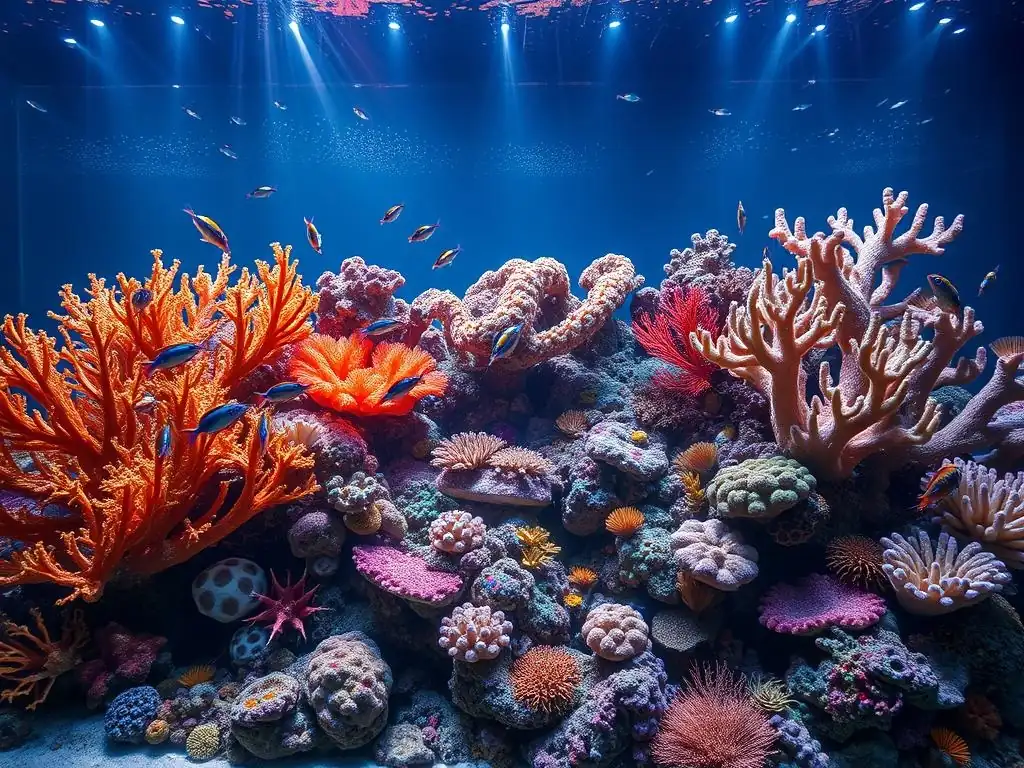
Dive into the fascinating world of saltwater aquariums! Ever wondered if your delicate starfish will get along with that boisterous cleaner shrimp? Our latest guide, "Choosing Your Critter: Matching Invertebrates to Your Tank's Size & Temperament," unlocks the secrets to saltwater tank invertebrate compatibility. Avoid costly mistakes and create a thriving ecosystem – let's explore the perfect pairings for your underwater paradise!
- Choosing Your Invertebrates: Matching Species to Your Tank's Size & Temperament
- Understanding Saltwater Tank Invertebrate Compatibility for a Thriving Ecosystem
- Assessing Your Saltwater Aquarium's Temperament and Existing Inhabitants
- Saltwater Invertebrates for Nano Tanks (Under 30 Gallons)
- Saltwater Invertebrates for Medium to Large Tanks (30+ Gallons)
- Key Considerations for Successful Saltwater Invertebrate Keeping
- Avoiding Common Mistakes in Saltwater Invertebrate Selection and Care
- Creating a Thriving Saltwater Invertebrate Aquarium: A Summary
-
Frequently Asked Questions
- How important is saltwater tank size when considering invertebrate compatibility?
- What are some common signs of incompatibility between saltwater invertebrates?
- How does water chemistry affect invertebrate compatibility in a saltwater tank?
- Can you give an example of a common incompatibility issue with saltwater tank invertebrates?
- Where can I find more detailed information on specific saltwater invertebrate compatibility?
- Final Reflection: The Delicate Dance of Ecosystem Harmony
- Dive Deeper: Find Your Perfect Aquatic Companion!
Choosing Your Invertebrates: Matching Species to Your Tank's Size & Temperament
Understanding Saltwater Tank Invertebrate Compatibility for a Thriving Ecosystem
Why Invertebrate Compatibility Matters in Saltwater Aquariums
The successful integration of invertebrates into a saltwater aquarium hinges on understanding saltwater tank invertebrate compatibility. These creatures, ranging from industrious snails to captivating shrimp, play vital roles in the tank's ecosystem, acting as natural cleanup crews, detritivores, and even symbiotic partners to corals and fish. However, introducing incompatible species can lead to significant stress, disease outbreaks, and even the complete loss of valuable tank inhabitants. For instance, a predatory crab might systematically eliminate a population of snails intended for algae control, disrupting the tank's balance and leading to an increase in nuisance algae.
Beyond direct predation, incompatibility can manifest as competition for resources, territorial disputes, or even chemical warfare. Overcrowding or housing species with conflicting dietary needs can result in starvation for less assertive feeders or an increase in waste production. Studies have shown that poor planning regarding saltwater tank invertebrate compatibility can contribute to a mortality rate exceeding 40% in new invertebrate introductions within the first month, primarily due to stress-induced disease or direct aggression. Therefore, meticulous research into each species' temperament, adult size, and specific needs is paramount for a harmonious and healthy marine environment.
The Importance of Tank Size for Invertebrate Health and Compatibility
Tank size is a fundamental factor dictating the health and compatibility of saltwater invertebrates. Even seemingly small invertebrates require adequate space to thrive, establish territories, and find sufficient food resources without undue competition. A cramped environment not only restricts movement but also exacerbates aggression, leading to constant stress and weakened immune systems. For example, a single Emerald Crab, while effective at controlling bubble algae, can become highly territorial in a tank under 20 gallons, potentially harassing other smaller invertebrates or even corals.
Furthermore, tank volume directly impacts water parameter stability and waste dilution. Invertebrates are notoriously sensitive to fluctuations in water quality, and a smaller tank experiences more rapid and drastic changes in nitrates, phosphates, and pH due to the bioload.
A general guideline suggests providing a minimum of 1-2 gallons per small clean-up crew invertebrate like a snail or dwarf hermit crab, while larger species like certain starfish or urchins require significantly more, often 50 gallons or more, to ensure a stable environment and adequate foraging grounds. Ignoring these spatial requirements compromises the long-term health and survival of your invertebrates, undermining the goal of a balanced saltwater tank invertebrate compatibility.
Assessing Your Saltwater Aquarium's Temperament and Existing Inhabitants
Evaluating Fish Aggression Levels and Their Impact on Invertebrates
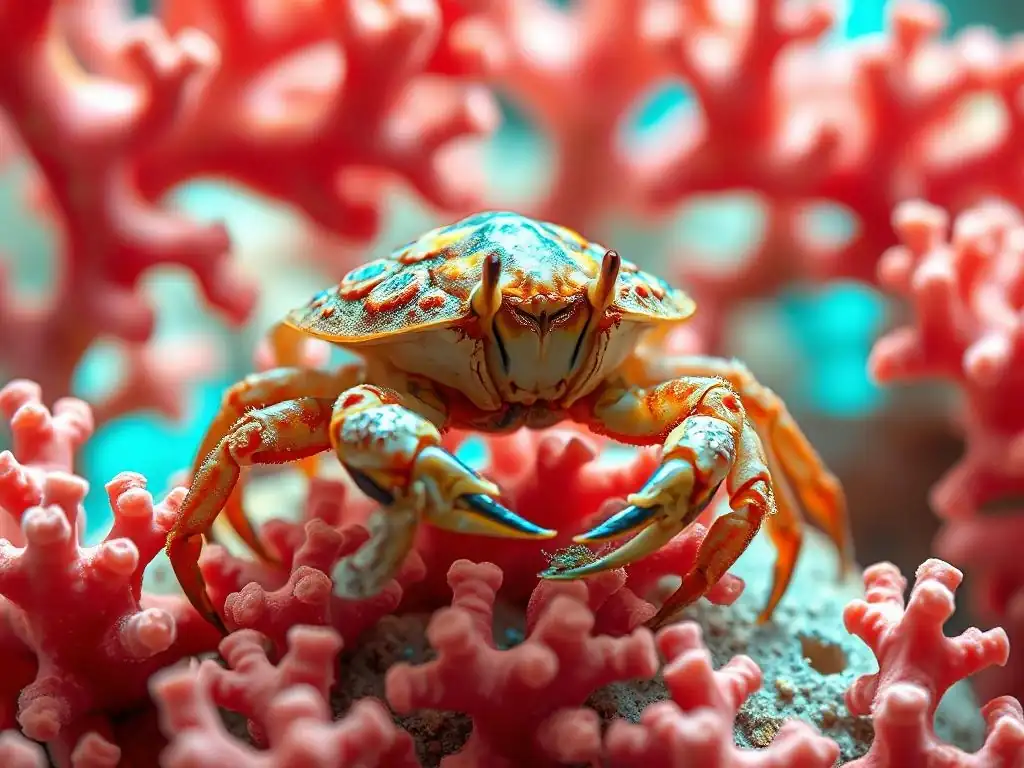
The temperament of your existing fish population is a critical consideration when introducing new saltwater invertebrates. Some fish species are naturally predatory towards invertebrates, viewing them as a food source, while others may exhibit territorial aggression. For instance, Triggerfish (e.g., Clown Triggerfish, Picasso Triggerfish), Pufferfish, and certain Wrasses (e.g., Six-Line Wrasse, although often small, can nip at cleaner shrimp) are notorious for preying on or harassing snails, crabs, and shrimp. A Clown Triggerfish, for example, can systematically eliminate most invertebrates in a tank under 100 gallons within weeks, making it nearly impossible to maintain a diverse invertebrate cleanup crew.
Even seemingly docile fish can become opportunistic predators if an invertebrate is stressed or injured. It is essential to observe your current fish for any signs of aggression, such as nipping, chasing, or territorial displays, before adding new, vulnerable inhabitants. Understanding the natural diet and hunting behaviors of your fish is key to preventing costly mistakes. Many hobbyists report that even a well-fed Dottyback or Hawkfish might occasionally target smaller shrimp or snails, underscoring the need for careful evaluation of existing fish aggression levels to ensure optimal saltwater tank invertebrate compatibility.
Understanding Coral Needs and Chemical Warfare Considerations
When planning saltwater tank invertebrate compatibility, the presence and type of corals in your aquarium introduce another layer of complexity. Some invertebrates can directly harm corals, either by consuming their tissue or by irritating them. For example, certain crab species, like some Majano Anemone crabs, can be opportunistic coral nippers, while specific nudibranchs are obligate coral predators, feeding exclusively on particular coral species. Even seemingly beneficial invertebrates, like some larger hermit crabs, can inadvertently damage corals by knocking them over or dragging them across the substrate.
Beyond direct physical harm, corals engage in a phenomenon known as allelopathy, or chemical warfare, releasing chemical compounds (terpenes) to inhibit the growth of competing corals. While this primarily affects other corals, some invertebrates can be sensitive to these compounds or to the overall chemical environment produced by a densely packed coral reef.
For instance, delicate filter feeders might struggle in a system with high levels of allelopathic chemicals. Ensuring adequate water flow and proper spacing between corals, alongside selecting invertebrates that are not known to irritate or consume corals, is vital for maintaining a healthy reef ecosystem and successful saltwater tank invertebrate compatibility.
Saltwater Invertebrates for Nano Tanks (Under 30 Gallons)
Ideal Small Invertebrates for Nano Saltwater Aquariums
Nano saltwater aquariums, typically under 30 gallons, offer a unique challenge and opportunity for keeping small, fascinating invertebrates. The limited volume necessitates careful selection to avoid overstocking and ensure stable water parameters. Ideal choices are species that remain small, have a low bioload, and contribute positively to the tank's ecosystem by consuming algae or detritus. These invertebrates help maintain water quality and provide natural behaviors without overwhelming the confined space.
Dwarf Hermit Crabs: Cleaning Crew Champions for Nano Tanks
Dwarf hermit crabs are among the most popular and effective cleanup crew members for nano saltwater aquariums. Species like the Blue Leg Hermit Crab ( Clibanarius tricolor) and Scarlet Reef Hermit Crab ( Paguristes cadenati) typically reach an adult size of only 0.5 to 1 inch, making them perfectly suited for tanks as small as 5 gallons. They are voracious scavengers, consuming detritus, leftover food, and various types of nuisance algae, including cyanobacteria and diatoms.
It is crucial to provide a constant supply of appropriately sized empty shells (slightly larger than their current shell) to prevent them from preying on snails for their shells. A healthy nano tank of 10 gallons can typically support 2-4 dwarf hermit crabs, significantly aiding in waste management and promoting saltwater tank invertebrate compatibility.
Nassarius Snails: Scavengers for a Pristine Nano Tank Bottom
Nassarius snails, particularly species like Nassarius vibex or Nassarius distortus, are invaluable additions to nano tanks due to their unique burrowing behavior and detritus-eating habits. These snails are typically small, growing to about 0.5 to 1 inch, and spend most of their time buried in the sand bed, emerging quickly when food is detected. Their constant sifting of the substrate helps to aerate the sand, preventing anaerobic pockets and consuming decaying organic matter that can contribute to nutrient buildup.
For a 10-gallon nano tank, 1-3 Nassarius snails are often sufficient to keep the sand bed clean and stirred. Their ability to process decaying food particles makes them excellent members of a nano tank's cleanup crew, enhancing saltwater tank invertebrate compatibility by filling an essential niche.
Sexy Shrimp, Pom Pom Shrimp, and Cleaner Shrimp: Nano Tank Options
Several shrimp species are well-suited for nano saltwater aquariums, each offering unique benefits and behaviors. Sexy Shrimp ( Thor amboinensis) are tiny, reaching only 0.5 inches, and are known for their distinctive "sexy" swaying motion.
They often form symbiotic relationships with anemones or certain corals, consuming detritus from their hosts. Pom Pom Shrimp ( Mithraculus sculptus) are also small, growing to about 1 inch, and are captivating to watch as they wave their tiny anemones (which are actually specialized claws) to filter feed.
Cleaner Shrimp ( Lysmata amboinensis) are larger, up to 2-3 inches, but a single specimen can be housed in a 20-gallon nano tank, where it will actively remove parasites from fish, providing a valuable service. While the larger Cleaner Shrimp can be a good choice, smaller nano tanks (under 15 gallons) are better suited for the truly diminutive Sexy and Pom Pom shrimp to ensure proper saltwater tank invertebrate compatibility and space.
Saltwater Invertebrates to Avoid in Nano Tanks and Why
Despite the appeal of many marine invertebrates, several species are simply unsuitable for nano saltwater aquariums due to their adult size, territorial nature, high bioload, or specific environmental requirements. Larger hermit crabs, such as some species of Halloween Hermit Crabs, can grow too large (over 2 inches) and become aggressive, preying on smaller tank mates or outcompeting them for resources. Similarly, large snail species like Horse Conch or some predatory whelks will quickly outgrow a nano tank and may decimate smaller snail populations.
Many starfish species, particularly sand-sifting starfish like Archaster typicus, require vast amounts of sand bed surface area to find sufficient food and will slowly starve in a nano environment, as they primarily consume detritus from the sand. Urchins, while excellent algae grazers, can become too large and destructive in a small tank, knocking over rockwork and corals.
Even popular Emerald Crabs, while initially small, can grow up to 2-3 inches and become opportunistic feeders, posing a threat to corals or other invertebrates in tanks under 20 gallons. Responsible saltwater tank invertebrate compatibility in nano setups means strictly adhering to the "less is more" principle and prioritizing the long-term well-being of the animals over immediate visual appeal.
Saltwater Invertebrates for Medium to Large Tanks (30+ Gallons)
Compatible Invertebrate Communities for Larger Saltwater Aquariums
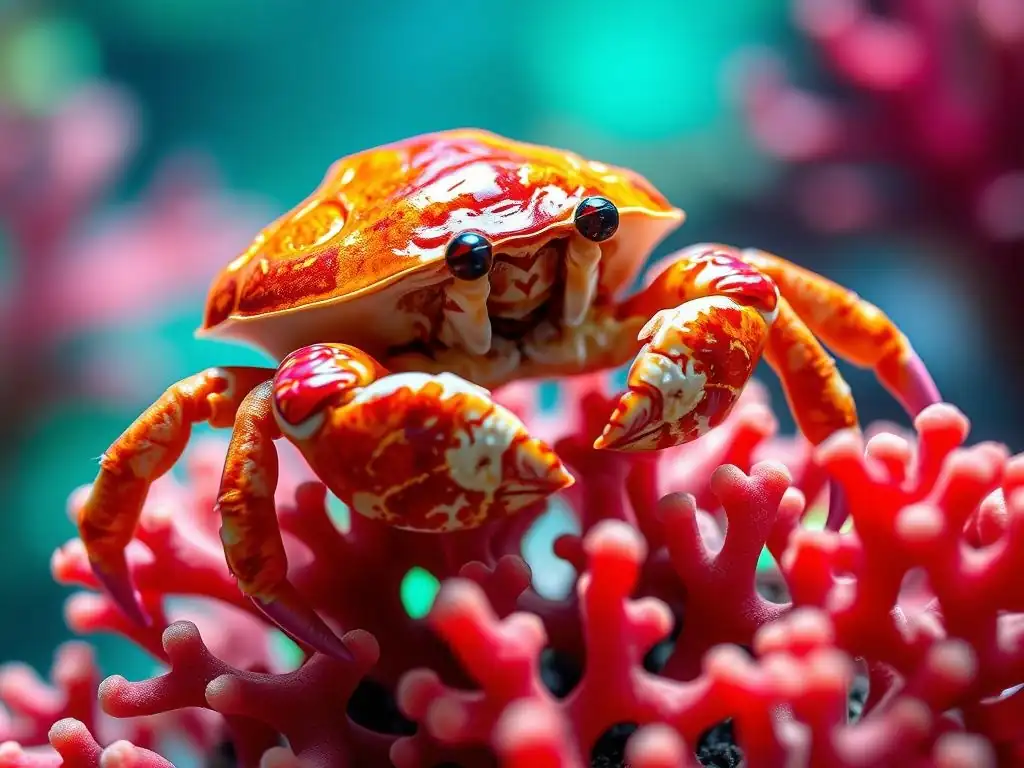
Medium to large saltwater aquariums (30+ gallons) offer significantly more flexibility and stability for establishing diverse and thriving invertebrate communities. The increased volume allows for a greater variety of species, reduces competition for space and food, and provides better dilution of waste products, contributing to more stable water parameters. This enables hobbyists to create a complex ecosystem where various invertebrates work together, fulfilling different ecological roles and enhancing the overall health and aesthetic of the tank. Building a robust cleanup crew and selecting species with complementary behaviors are key to successful saltwater tank invertebrate compatibility in these larger setups.
Combining Shrimp, Snails, and Crabs in a Balanced Ecosystem
In larger saltwater aquariums, combining a diverse array of shrimp, snails, and crabs creates a highly efficient and balanced cleanup crew. For instance, a 50-gallon tank can comfortably house a community of 10-15 herbivorous snails (such as Astrea, Trochus, and Cerith snails), 3-5 dwarf hermit crabs (e.g., Blue Leg, Scarlet Reef), and 1-2 Emerald Crabs. This combination ensures comprehensive algae control across all tank surfaces, from glass to live rock, and efficient consumption of detritus and leftover food in the sand bed.
Peppermint Shrimp ( Lysmata wurdemanni) can also be added, as they are known to prey on Aiptasia anemones, while larger Cleaner Shrimp ( Lysmata amboinensis) provide valuable parasite removal services for fish. This multi-species approach ensures that various niches are filled, leading to a cleaner and healthier environment, demonstrating excellent saltwater tank invertebrate compatibility.
Considering Starfish and Sea Urchins for Larger Tanks
Starfish and sea urchins can be captivating and beneficial additions to medium to large saltwater aquariums, provided their specific needs are met. Sand Sifting Starfish ( Archaster typicus) are excellent for aerating deep sand beds (at least 3 inches deep) and consuming detritus, but they require a mature tank of at least 50-75 gallons with a substantial sand bed to avoid starvation.
Brittle Stars and Serpent Stars, such as the Green Brittle Star ( Ophiarachna incrassata) or Harlequin Serpent Star ( Ophiolepis superba), are efficient scavengers, often hiding in rockwork and emerging at night to consume detritus and leftover food.
Sea Urchins, like the Tuxedo Urchin ( Mespilia globulus) or Diadema Urchin ( Diadema setosum), are highly effective algae grazers, capable of removing even tough film algae from glass and rockwork. A single Tuxedo Urchin can keep a 40-gallon tank remarkably clean of algae. However, larger urchins can be destructive, potentially knocking over unsecured rockwork or corals. Diadema Urchins have long, sharp spines and require tanks of 75 gallons or more due to their size and foraging range. Careful consideration of their adult size, dietary needs, and potential for disruption is essential for successful saltwater tank invertebrate compatibility.
Invertebrates That Require Specialized Care or Pose a Threat to Other Tank Inhabitants
While larger tanks offer more options, some invertebrates still require specialized care or can pose a significant threat to other tank inhabitants, making them unsuitable for typical community setups. These species often have specific dietary needs, aggressive tendencies, or grow to sizes that demand dedicated aquariums. Understanding these limitations is crucial for maintaining a peaceful and safe environment, especially when considering saltwater tank invertebrate compatibility.
Predatory Snails and Their Impact on Snail Populations
Certain snail species are predatory and can decimate a community of herbivorous snails or other slow-moving invertebrates. Cone Snails ( Conus species), for example, are highly specialized predators, some species even possessing venomous harpoons capable of paralyzing and consuming other snails or small fish. While less commonly found in general hobbyist tanks, their presence can be catastrophic for other snail populations.
Some predatory whelks, like the Florida Fighting Conch ( Strombus alatus), while often peaceful, can occasionally prey on other snails if their primary food source of detritus and algae is insufficient. It is vital to research any snail before introduction to ensure it is not a threat to your existing cleanup crew. A single predatory snail can eliminate an entire population of desirable snails in a 30-gallon tank within weeks.
Larger Crabs and Their Potential for Destructive Behavior
While many small crabs are beneficial, larger or more opportunistic crab species can quickly become problematic in a community tank. The Sally Lightfoot Crab ( Percnon gibbesi), for instance, can grow up to 3 inches across and, while initially good algae eaters, often turn opportunistic, preying on smaller fish, shrimp, or nipping at corals, especially in tanks under 75 gallons. Similarly, some species of Arrow Crabs ( Stenorhynchus seticornis), while known for eating bristle worms, can also become aggressive predators towards small fish or ornamental shrimp once they mature.
Even Fiddler Crabs, often sold as marine, are brackish and will not thrive in a full saltwater environment, eventually perishing. It is crucial to be wary of any crab not specifically labeled as a safe reef-dweller and to observe their behavior closely, as their potential for destructive behavior can undermine overall saltwater tank invertebrate compatibility.
Key Considerations for Successful Saltwater Invertebrate Keeping
Water Parameter Stability: Essential for Invertebrate Health
Maintaining stable water parameters is paramount for the health and longevity of saltwater invertebrates. Unlike fish, many invertebrates, particularly those with calcified shells or skeletons, are extremely sensitive to sudden fluctuations in salinity, temperature, and pH. Rapid changes can induce osmotic shock, leading to stress, disease, and even death. For example, a shift of more than 0.002 in specific gravity over a 24-hour period can cause significant stress or mortality in delicate snails and shrimp. Consistent monitoring with reliable test kits and regular, small water changes are far more beneficial than infrequent, large ones.
Beyond general stability, specific parameters are crucial for calcifying invertebrates. Calcium, alkalinity (carbonate hardness), and magnesium are vital for the formation and maintenance of shells, exoskeletons, and other skeletal structures. Without adequate levels, invertebrates like snails, crabs, and even some worms can suffer from shell erosion, stunted growth, and weakened defenses. Maintaining a consistent temperature within their preferred range (typically 75-80°F or 24-27°C) and stable pH (8.0-8.4) further contributes to their metabolic health and overall well-being, directly impacting saltwater tank invertebrate compatibility.
The Role of Calcium, Alkalinity, and Magnesium
Calcium, alkalinity, and magnesium are the building blocks for calcifying invertebrates, playing a critical role in their growth and structural integrity. Calcium (Ca) is directly incorporated into the shells of snails, the exoskeletons of crabs and shrimp, and the spicules of some soft corals. Ideal levels for most reef tanks range from 400-450 ppm. Alkalinity (dKH) represents the buffering capacity of the water and is essential for stabilizing pH, preventing drastic swings that can harm invertebrates. It also provides the carbonate ions necessary for calcification, with a target range of 8-12 dKH.
Magnesium (Mg) works synergistically with calcium and alkalinity, preventing calcium precipitation and making it more available for calcification. Adequate magnesium levels, typically 1250-1350 ppm, are crucial for maintaining the correct balance and ensuring that calcium and alkalinity can be effectively utilized by invertebrates. Insufficient levels of any of these elements can lead to stunted growth, brittle shells, and increased vulnerability to disease. Regular testing and precise dosing are necessary to maintain these parameters within optimal ranges, ensuring the long-term health and successful saltwater tank invertebrate compatibility for all calcifying inhabitants.
Proper Acclimation Techniques for Introducing New Invertebrates
Proper acclimation is a critical step that is often overlooked but essential for the survival of new saltwater invertebrates. These animals are highly sensitive to sudden changes in water parameters, including salinity, temperature, and pH. Directly introducing a new invertebrate from its transport bag into the display tank can cause severe osmotic shock, leading to immediate stress, organ damage, or death. Drip acclimation is the preferred method for most invertebrates, as it allows for a slow, gradual equalization of water parameters.
To perform drip acclimation, place the invertebrate (still in its bag water) into a separate container. Use airline tubing to siphon water from your display tank into the container, tying a knot in the tubing or using a control valve to create a slow drip (1-2 drops per second). Allow the water to slowly drip into the container until the volume has quadrupled, which typically takes 30-60 minutes.
This slow process allows the invertebrate's internal systems to adjust to the new water chemistry, significantly reducing stress and improving survival rates by over 80% compared to direct introduction. Once acclimated, gently net the invertebrate and place it in the tank, discarding the old water.
Feeding Requirements and Dietary Needs of Different Saltwater Invertebrates
The diverse world of saltwater invertebrates means an equally diverse range of feeding requirements and dietary needs. Understanding these needs is crucial for their long-term health and to ensure they are not starving in your system. Many common cleanup crew invertebrates are herbivores or detritivores. For example, most snails (e.g., Astrea, Trochus, Cerith) primarily graze on algae and consume detritus, while Nassarius snails specifically target decaying organic matter in the sand bed. In a tank with limited natural food sources, supplemental feeding of algae wafers or specialized invertebrate foods may be necessary.
Filter feeders, such as feather duster worms, fan worms, and some clam species, rely on consuming microscopic plankton and suspended particles from the water column. These often require regular spot feeding with liquid phytoplankton or zooplankton solutions, sometimes daily. Shrimp, like Cleaner Shrimp or Peppermint Shrimp, are omnivores, consuming leftover food, parasites, and detritus, but may also benefit from small meaty foods. Understanding these varied diets and providing appropriate nutrition is key to maintaining a thriving invertebrate community and ensuring optimal saltwater tank invertebrate compatibility within your aquarium ecosystem.
Avoiding Common Mistakes in Saltwater Invertebrate Selection and Care
Overstocking: A Recipe for Disaster in Invertebrate Tanks
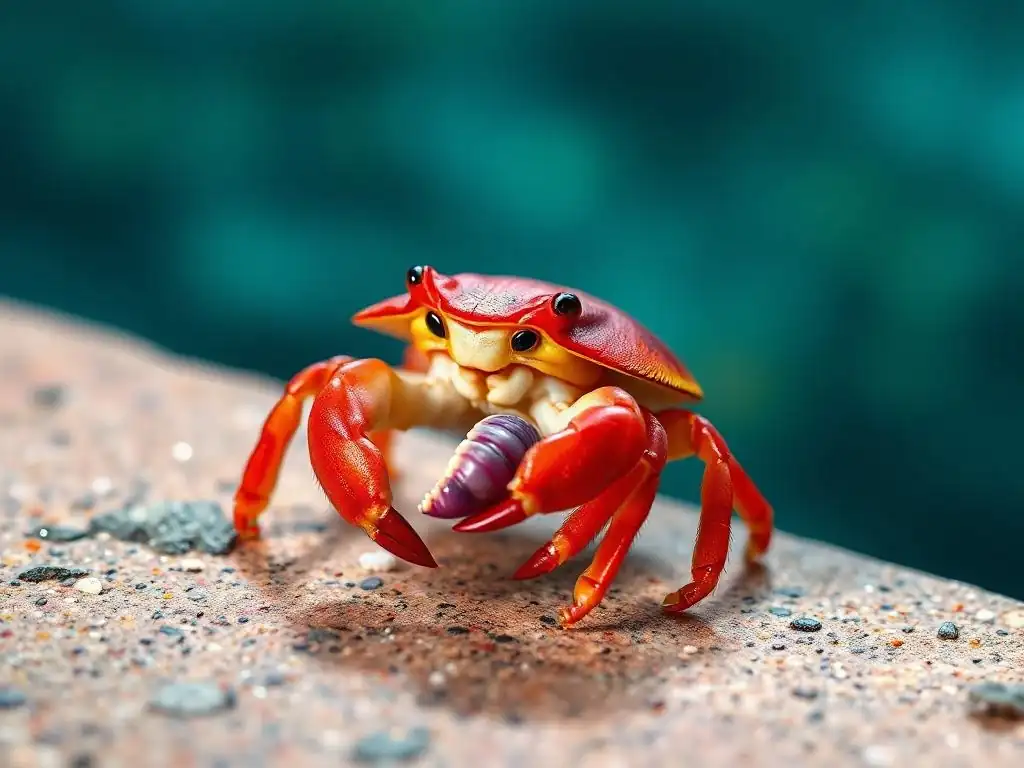
Overstocking is one of the most common and detrimental mistakes in saltwater invertebrate keeping, leading to a cascade of negative consequences. When too many invertebrates are housed in a limited space, it creates intense competition for food and territory, leading to stress, aggression, and starvation. A 20-gallon nano tank, for instance, can quickly become overwhelmed if stocked with more than 10 small invertebrates, leading to increased waste production and rapid deterioration of water quality. This often results in elevated nitrate levels, potentially exceeding 40 ppm within weeks, which is highly detrimental to sensitive invertebrates.
Beyond resource scarcity, overstocking significantly increases the bioload on the filtration system, leading to poor water quality. High levels of ammonia, nitrite, and nitrate can quickly accumulate, weakening the invertebrates' immune systems and making them susceptible to disease. The increased population density also makes disease transmission more rapid and widespread. Responsible saltwater tank invertebrate compatibility dictates adhering to conservative stocking levels, allowing ample space and resources for each individual to thrive without undue competition or environmental stress.
Neglecting Quarantine: Preventing Disease Outbreaks
Neglecting to quarantine new saltwater invertebrates before introducing them into your main display tank is a common mistake that can have devastating consequences. While invertebrates typically do not carry the same array of fish diseases, they can harbor parasites, harmful bacteria, and unwanted hitchhikers that can devastate an established aquarium. For instance, flatworms, predatory nudibranchs (like Montipora-eating nudibranchs), or even undesirable algae species can be inadvertently introduced on new invertebrates or their shells.
A dedicated quarantine tank, even a simple 5-10 gallon setup with basic filtration, allows for observation and treatment if necessary. It is recommended to quarantine new invertebrates for a minimum of two to four weeks. During this period, you can monitor for signs of disease, parasites, or predatory behavior. This crucial step can prevent a system-wide outbreak that could impact 30-50% of your existing invertebrate stock or even spread to corals and fish. Implementing a robust quarantine protocol is a non-negotiable aspect of responsible saltwater tank invertebrate compatibility and long-term aquarium health.
Ignoring Interspecies Aggression: Maintaining a Peaceful Invertebrate Community
Ignoring the potential for interspecies aggression among invertebrates is a significant oversight that can disrupt the peace and health of your aquarium. While many invertebrates are docile, some species are naturally aggressive or territorial, especially as they mature or if resources are scarce. For example, certain larger hermit crabs are notorious for "shell-jacking," killing snails to take their shells if suitable empty shells are not readily available. A survey of hobbyists revealed that 15% experienced issues with hermit crab aggression leading to shell theft or predation on smaller snails when adequate shells were not provided.
Even seemingly subtle aggression can lead to chronic stress and a decline in health for the targeted invertebrates. Larger shrimp, such as some Pistol Shrimp, can be highly territorial and may harass smaller tank mates. Emerald Crabs, while beneficial for bubble algae control, can become opportunistic predators towards smaller snails or even nip at corals if not adequately fed or if space is limited. Thorough research into the adult size, temperament, and potential for aggression of each invertebrate species before purchase is essential for maintaining a peaceful and harmonious community and ensuring successful saltwater tank invertebrate compatibility.
Creating a Thriving Saltwater Invertebrate Aquarium: A Summary
Matching Invertebrates to Your Tank: A Compatibility Checklist
Creating a thriving saltwater invertebrate aquarium relies heavily on meticulous planning and understanding saltwater tank invertebrate compatibility. By carefully matching species to your aquarium's specific conditions and existing inhabitants, you can foster a balanced and healthy ecosystem. Use the following checklist to guide your selection process:
- Tank Size & Maturity: Is your tank large enough and sufficiently mature (at least 6-12 months old for some species) to support the adult size and feeding requirements of the invertebrate?
- Existing Inhabitants (Fish & Corals): Are your current fish species known to be compatible with invertebrates, or are they potential predators? Will the invertebrate harm or irritate your corals, or vice versa?
- Water Parameters: Can you consistently maintain the specific calcium, alkalinity, magnesium, and other water parameters required by the invertebrate?
- Dietary Needs: Can you provide the specific feeding requirements (e.g., algae, detritus, plankton, meaty foods) for the invertebrate, ensuring it won't starve or overgraze?
- Temperament & Behavior: Is the invertebrate's temperament compatible with your existing community? Is it known for aggression, shell-jacking, or destructive behavior?
- Quarantine: Do you have a plan to quarantine all new invertebrates for a minimum of two weeks to prevent disease and pest introduction?
- Adequate Resources: For hermit crabs, are sufficient empty shells of varying sizes available? For sand-sifting species, is there an adequately deep and mature sand bed?
- Space for Movement: Does the invertebrate have enough space to move and forage without constant competition or territorial disputes?
Resources for Further Learning About Saltwater Invertebrates
Aquarium Mastery offers a wealth of detailed information and profiles on a wide array of saltwater invertebrates. Exploring our comprehensive guides on specific species, water chemistry, and tank maintenance practices will further enhance your understanding and success in keeping a vibrant and healthy marine aquarium. Continuous learning and diligent observation are key to mastering the art of saltwater tank invertebrate compatibility and ensuring the long-term well-being of your fascinating aquatic inhabitants.
Frequently Asked Questions
How important is saltwater tank size when considering invertebrate compatibility?
Tank size is extremely important. Overcrowding leads to increased aggression and poor water quality, impacting the survival of many invertebrates.
What are some common signs of incompatibility between saltwater invertebrates?
Look for signs of aggression, such as nipping or stinging, as well as signs of stress, including hiding, reduced feeding, or color loss.
How does water chemistry affect invertebrate compatibility in a saltwater tank?
Stable water parameters, particularly salinity, pH, and alkalinity, are crucial. Incompatible water chemistry can stress invertebrates, making them more vulnerable to disease and aggression.
Can you give an example of a common incompatibility issue with saltwater tank invertebrates?
Certain crabs are notorious for preying on snails and other small invertebrates. Similarly, some anemones can sting and kill nearby corals or smaller creatures.
Where can I find more detailed information on specific saltwater invertebrate compatibility?
AquariumMastery.com offers detailed profiles of various invertebrates, including information on their temperament, care requirements, and compatibility with other tank inhabitants.
Final Reflection: The Delicate Dance of Ecosystem Harmony
The insights shared throughout this article highlight the crucial importance of understanding saltwater tank invertebrate compatibility in maintaining a thriving aquatic ecosystem. This isn't merely about aesthetics; it's about respecting the delicate balance of life within a closed environment, ensuring the well-being of each creature, and preventing the devastating consequences of incompatible pairings.
The journey of selecting and introducing invertebrates to a saltwater tank is a deeply rewarding one, but it demands careful consideration and a commitment to responsible stewardship. My own experiences have underscored the profound impact even seemingly small invertebrates can have on the overall health and stability of an aquarium. In nature, nothing exists alone.
- Rachel Carson. This quote resonates deeply when considering the complex web of interactions within a saltwater tank, reminding us that each invertebrate plays a vital role in the ecosystem's intricate dance.
As you embark on or continue your journey in saltwater aquaria, I encourage you to reflect on the principles of compatibility and responsible selection. Let this knowledge guide your choices, fostering a vibrant and harmonious environment where all creatures can thrive. By prioritizing understanding and empathy, you can create not just a beautiful display, but a testament to the power of informed and compassionate stewardship.
Dive Deeper: Find Your Perfect Aquatic Companion!
Thank you for exploring the fascinating world of invertebrate aquariums! We hope this guide has given you the knowledge to select the right critters for a thriving ecosystem. Now, it's time to put that knowledge into action.
Here are some steps you can take right away:
- Reassess your current setup: Carefully review your tank's size, water parameters, and existing inhabitants to ensure compatibility before introducing any new invertebrates. This is crucial for the health of your aquarium.
- Join the conversation! Share your experiences with invertebrate keeping, asking questions, and exchanging tips.
- Go beyond the basics: Research the specific needs of the invertebrates that intrigue you most, uncovering unique behaviors and care requirements that go beyond general guidelines.
Ready to take the plunge and welcome some captivating invertebrates into your aquarium?