
Emperor Tetra Royalty: Majestic Fins and Striking Colors – Complete Care Guide

Welcome to Aquarium Mastery!
Ever been captivated by a fish that seems to possess an innate regality? Then you've come to the right place! Dive in and unlock the secrets to thriving with one of the freshwater world's most dazzling residents. Our Emperor Tetra care guide awaits, revealing everything you need to know about keeping these majestic beauties happy and healthy. Ready to bring a touch of royalty to your aquarium? Let's explore!
- Unveiling the Emperor Tetra: A Stunning Addition to Your Aquarium
- Emperor Tetra Care Guide: Creating the Ideal Aquarium Environment
- Emperor Tetra Diet and Feeding: Ensuring Proper Nutrition
- Emperor Tetra Tank Mates: Choosing Compatible Companions
- Emperor Tetra Behavior and Temperament: Understanding Their Social Needs
- Emperor Tetra Breeding: A Challenging but Rewarding Experience
- Common Emperor Tetra Diseases and Health Issues
- Emperor Tetra Varieties and Similar Species
- Troubleshooting Common Emperor Tetra Problems
- The Allure of the Emperor Tetra: Is This Fish Right for You?
- Frequently Asked Questions
- Final Reflection: The Enduring Majesty of the Emperor Tetra
- Unleash Your Inner Aquarist: Bring the Emperor Home!
Unveiling the Emperor Tetra: A Stunning Addition to Your Aquarium
What Makes the Emperor Tetra Stand Out? Striking Colors and Elegant Fins
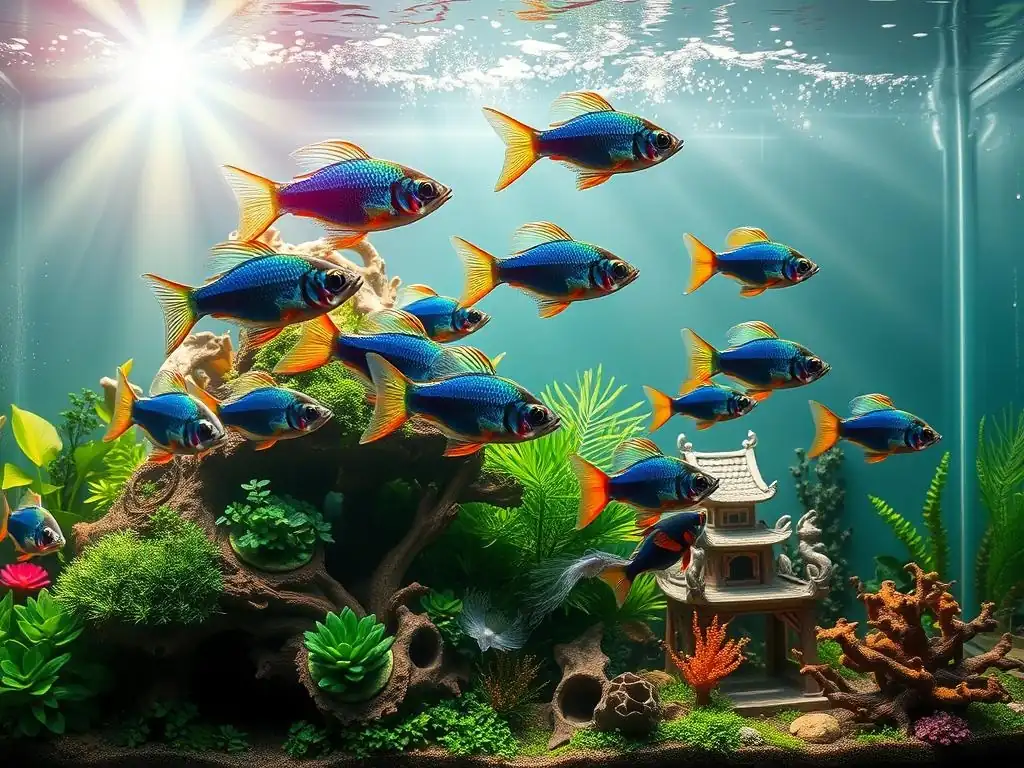
The Emperor Tetra, scientifically known as Nematobrycon palmeri, is a freshwater fish celebrated for its captivating appearance and graceful swimming. Males, in particular, exhibit a stunning palette of colors, often displaying a deep purple-blue body that shimmers under proper lighting, accented by a prominent horizontal black stripe extending from snout to tail. Their fins are typically adorned with vibrant yellow, orange, or reddish hues, creating a striking contrast against their dark bodies.
Beyond their coloration, the Emperor Tetra's most distinguishing feature is the elegant, elongated central ray of their caudal fin, which gives them a regal, trident-like appearance, especially in mature males. This unique fin structure, combined with their active yet peaceful demeanor, makes them a highly sought-after species among aquarists looking to add a touch of sophistication to their community tanks. They typically reach a modest size of about 1.5 to 2 inches (approximately 3.5 to 5 cm) in length, making them suitable for a variety of aquarium sizes.
Emperor Tetra Origins and Natural Habitat: Understanding Their Needs
Hailing from the lush river systems of Western Colombia, particularly the Atrato and San Juan river basins, the Emperor Tetra's natural habitat provides crucial insights into their ideal aquarium environment. These fish are typically found in slow-moving tributaries, clearwater streams, and even blackwater environments, which are characterized by soft, acidic water stained by tannins from decaying leaf litter and wood.
In their native homes, Emperor Tetras thrive amidst dense aquatic vegetation, submerged roots, and fallen branches, which offer ample hiding spots and areas for exploration. This preference for well-planted, dimly lit conditions with plenty of cover is essential to replicate in a home aquarium for optimal Emperor Tetra care. Understanding their wild origins helps aquarists create a truly comfortable and naturalistic setting, significantly contributing to the fish's well-being and vibrant display of colors.
Emperor Tetra Care Guide: Creating the Ideal Aquarium Environment
Setting Up the Perfect Emperor Tetra Tank: Size, Substrate, and Décor
To provide the best Emperor Tetra care, a well-planned aquarium setup is paramount. A minimum tank size of 20 gallons (approximately 75 liters) is recommended for a small school of 6-8 Emperor Tetras, as this allows sufficient swimming space and helps dilute waste products effectively. For larger schools or a more diverse community tank, a 30-gallon (113-liter) or larger aquarium would be even more beneficial.
When selecting substrate, a dark, fine-grained gravel or sand is ideal, as it not only mimics their natural environment but also helps to highlight their vibrant colors. Live plants are essential for an Emperor Tetra tank; species like Java Fern, Anubias, Cryptocoryne, and various stem plants provide necessary cover and help maintain water quality. Incorporate driftwood and smooth rocks to create additional hiding spots and a natural aesthetic, further enhancing the Emperor Tetra's sense of security and encouraging natural behaviors.
Water Parameters for Emperor Tetras: Maintaining Optimal Conditions
Maintaining stable and appropriate water parameters is a cornerstone of effective Emperor Tetra care. These fish are sensitive to fluctuating conditions, making consistent monitoring and adjustments vital for their health and longevity. Regular testing of temperature, pH, and hardness levels will ensure the environment remains within their preferred range, minimizing stress and susceptibility to disease.
Temperature, pH, and Hardness: Key Water Quality Factors
For optimal Emperor Tetra health, the water temperature should be maintained between 72-80°F (22-27°C). A stable temperature within this range promotes active metabolism and a strong immune system. The ideal pH level for Emperor Tetras is slightly acidic to neutral, ranging from 6.0 to 7.5.
While they can tolerate a slightly wider range, consistency is key; sudden shifts can be detrimental. In terms of water hardness, Emperor Tetras prefer soft to moderately hard water, with a general hardness (GH) between 5-12 dGH. Achieving these parameters often involves using reverse osmosis (RO) water mixed with tap water or employing specific water conditioners, particularly in areas with very hard tap water.
Filtration and Water Changes: Essential for Emperor Tetra Health
Effective filtration is critical for maintaining pristine water quality, which is fundamental to any comprehensive Emperor Tetra care guide. A good quality filter, such as a hang-on-back (HOB) filter with a flow baffle or a sponge filter, is recommended to provide both mechanical and biological filtration without creating excessive current. Emperor Tetras prefer calm waters, so strong currents can cause undue stress and exhaustion.
Beyond filtration, regular water changes are indispensable. A weekly water change of 25-30% of the tank's volume is generally advised to remove nitrates, phosphates, and other accumulated toxins that filtration alone cannot fully address. Always use a dechlorinator or water conditioner to treat new water before adding it to the tank, and ensure the temperature of the new water closely matches that of the aquarium to prevent temperature shock. This consistent maintenance routine is paramount for the long-term health and vibrancy of your Emperor Tetras.
Emperor Tetra Diet and Feeding: Ensuring Proper Nutrition
What Do Emperor Tetras Eat? A Balanced Diet for Vibrant Colors
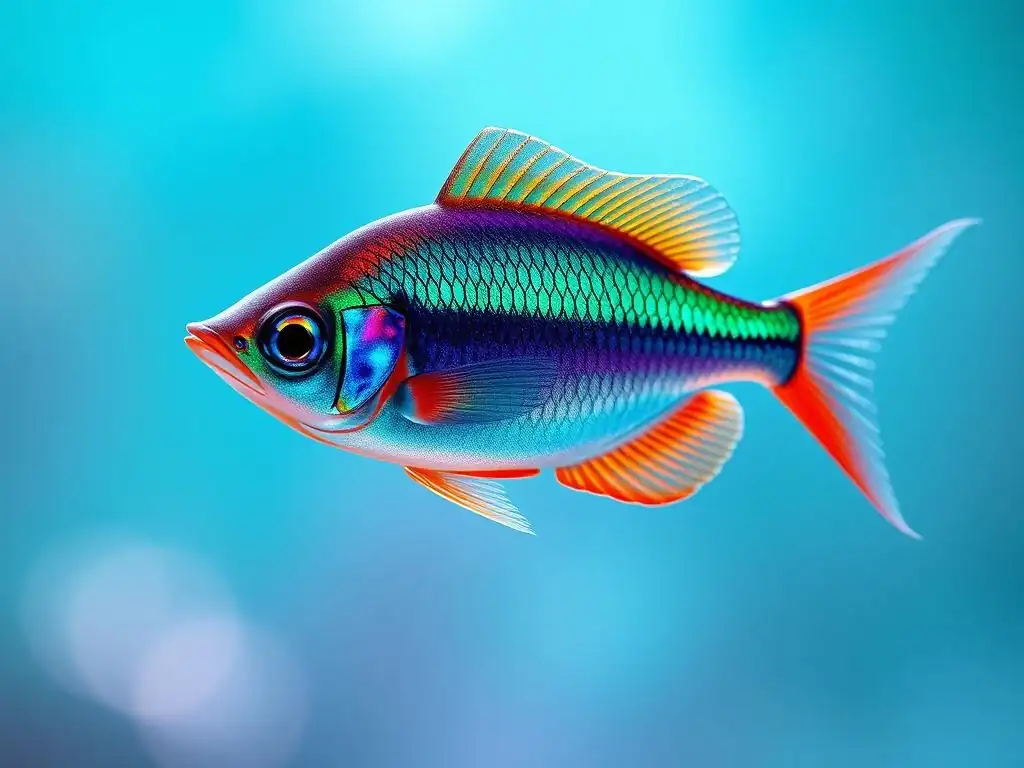
A varied and balanced diet is crucial for promoting the vibrant colors and overall health of Emperor Tetras. In their natural habitat, these omnivorous fish feed on a mix of small insects, larvae, crustaceans, and some plant matter. To replicate this diversity in the aquarium, a high-quality staple food should form the basis of their diet. This can include premium flake food or micro-pellets specifically designed for small omnivorous fish.
To truly bring out their best coloration and ensure complete nutrition, it's essential to supplement their staple diet with a variety of live or frozen foods. Excellent choices include brine shrimp, daphnia, bloodworms, and small insect larvae. These protein-rich foods provide essential nutrients and mimic their natural foraging behaviors, leading to more active and brilliantly colored Emperor Tetras. Offering a mix of these foods 3-4 times a week will significantly enhance their vitality.
Recommended Feeding Schedule and Amounts for Emperor Tetras
Establishing a consistent feeding schedule and providing appropriate amounts of food are vital components of Emperor Tetra care. It is generally recommended to feed Emperor Tetras small portions 2-3 times per day. The key is to offer only what they can consume within 2-3 minutes. Overfeeding is a common mistake that can lead to several problems, including uneaten food decaying and fouling the water, which can spike ammonia and nitrite levels, detrimental to fish health.
A good practice is to observe their eating habits closely; if food remains after a few minutes, reduce the amount at the next feeding. This approach ensures that all fish get enough to eat without compromising water quality. Consistency in feeding times also helps establish a routine for the fish, reducing stress and encouraging healthy appetites. Adhering to this feeding strategy will contribute significantly to the long-term well-being of your Emperor Tetras.
Emperor Tetra Tank Mates: Choosing Compatible Companions
Best Tank Mates for Emperor Tetras: Peaceful and Similar-Sized Fish
Selecting appropriate tank mates is a crucial aspect of providing comprehensive Emperor Tetra care, as these fish are generally peaceful but can be timid if housed with overly boisterous or aggressive species. Ideal companions are other small, peaceful, and similarly sized fish that share similar water parameter requirements. Good choices include other small tetra species like Neon Tetras, Cardinal Tetras, Rummy Nose Tetras, and Glowlight Tetras, which also benefit from schooling.
Other excellent tank mates include various species of Corydoras catfish, such as Pygmy Corydoras or Panda Corydoras, which occupy the bottom layer of the tank and are entirely non-aggressive. Otocinclus catfish are also great algae eaters and peaceful additions. Small, peaceful rasboras like Harlequin Rasboras, and certain peaceful, small livebearers such as Endler's Livebearers, can also coexist harmoniously with Emperor Tetras, contributing to a vibrant and balanced community aquarium.
Fish to Avoid: Aggressive or Fin-Nipping Species
When planning your community tank, it is equally important to identify and avoid fish that are incompatible with the peaceful nature of Emperor Tetras. Any large, aggressive, or territorial fish should be excluded, as they can intimidate or even prey upon the relatively small and delicate Emperor Tetras. This includes many cichlid species, large gouramis, and some larger barbs.
Furthermore, fish known for their fin-nipping tendencies pose a significant threat to the Emperor Tetra's distinctive, elongated caudal fin. Species like Tiger Barbs, despite their size, are notorious fin-nippers and should never be housed with Emperor Tetras, as they will undoubtedly damage their beautiful fins, leading to stress and potential infection. Maintaining a peaceful environment free from such threats is a vital part of effective Emperor Tetra care.
Schooling Behavior: The Importance of Keeping Emperor Tetras in Groups
Emperor Tetras are quintessential schooling fish, and understanding this fundamental aspect of their behavior is key to their successful care. In their natural habitat, they form cohesive groups, a strategy that offers protection from predators and reduces individual stress. When kept in insufficient numbers in an aquarium, typically fewer than 6-8 individuals, Emperor Tetras can become shy, stressed, and their vibrant colors may fade.
Keeping them in a larger school allows them to exhibit their natural shoaling behaviors, such as swimming together in a synchronized manner, which is not only fascinating to observe but also significantly contributes to their well-being. A strong school provides a sense of security, encouraging them to be more active and display their full range of colors and intricate social interactions. This social structure is a critical component of any comprehensive Emperor Tetra care guide.
Observing Emperor Tetra Behavior: Signs of a Healthy and Happy Fish
Regular observation of your Emperor Tetras' behavior provides invaluable insights into their health and happiness. A healthy and content Emperor Tetra will typically be active, swimming gracefully throughout the middle and upper levels of the tank, often in a loose school. Their colors will be vibrant and striking, and their fins, particularly the males' caudal fin, will be erect and undamaged.
Signs of stress or illness include lethargy, hiding excessively, clamped fins, faded coloration, rapid gill movement (indicating respiratory distress), or a loss of appetite. Any changes in their typical schooling patterns, such as individuals isolating themselves, could also be a red flag. Prompt identification of these behavioral cues allows for timely intervention, whether it involves checking water parameters, adjusting tank mates, or addressing potential health issues, ensuring optimal Emperor Tetra care.
Emperor Tetra Breeding: A Challenging but Rewarding Experience
Setting Up a Breeding Tank for Emperor Tetras: Creating the Right Conditions
Breeding Emperor Tetras can be a challenging yet highly rewarding endeavor for experienced aquarists committed to providing specialized Emperor Tetra care. To encourage spawning, a dedicated breeding tank, typically 5-10 gallons (19-38 liters), is highly recommended. This tank should be set up with very soft, acidic water, ideally with a pH between 6.0-6.5 and a general hardness (GH) of 2-4 dGH, mimicking their natural breeding grounds.
The breeding tank should have fine-leaved plants like Java Moss or spawning mops, which provide a substrate for the fish to lay their adhesive eggs. Dim lighting is also preferred, and a sponge filter will provide gentle filtration without disturbing the delicate eggs or fry. Condition a chosen pair or a small group of one female and two males with high-quality live and frozen foods for several days prior to introducing them to the breeding tank to maximize spawning success.
Emperor Tetra Fry Care: Raising Healthy Young Fish
Once Emperor Tetras have spawned, the parents should be removed from the breeding tank promptly, as they are known to consume their own eggs. The eggs, which are small and clear, typically hatch within 24-36 hours, depending on the temperature. The newly hatched fry are extremely tiny and will absorb their yolk sacs for the first few days, remaining largely immobile.
After their yolk sacs are absorbed, usually within 3-5 days, the fry will become free-swimming and require microscopic food. Infusoria, which can be cultured or purchased, is an ideal initial food source. As the fry grow, typically after a week or two, they can be transitioned to newly hatched brine shrimp or micro-worms. Maintaining pristine water quality through small, frequent water changes (e.g., 10% daily) and ensuring a consistent food supply are crucial for successfully raising healthy Emperor Tetra fry.
Common Emperor Tetra Diseases and Health Issues
Identifying Common Diseases: Symptoms and Treatments
Even with diligent Emperor Tetra care, fish can occasionally fall ill. Recognizing the symptoms of common freshwater diseases early is vital for effective treatment. Ich (Ichthyophthirius multifiliis), often appearing as small white spots resembling salt grains on the body and fins, is a frequent ailment, usually treatable with increased temperature and specific medications. Fin Rot, characterized by frayed, discolored, or disintegrating fins, is often caused by poor water quality or injury and requires antibiotics or antifungal treatments.
Velvet disease (Oodinium) presents as a fine, dusty, gold or brown coating on the fish's body, often accompanied by scratching against tank objects. This parasitic infection requires specialized copper-based medications. Dropsy, a symptom of internal organ failure, causes the fish's scales to protrude, giving a pinecone-like appearance, and is often difficult to treat successfully. Prompt isolation of affected fish and immediate treatment based on accurate diagnosis are crucial for recovery.
Preventing Illness: Maintaining Optimal Water Quality and Hygiene
Prevention is always better than cure, especially concerning Emperor Tetra health. The most effective preventative measure is consistently maintaining optimal water quality. This means adhering to a strict schedule of weekly 25-30% water changes, ensuring proper filtration, and regularly testing water parameters (ammonia, nitrite, nitrate, pH, temperature) to keep them within ideal ranges. Overfeeding should be avoided as it leads to decaying food and water pollution.
Beyond water quality, proper tank hygiene plays a significant role. Regularly cleaning the substrate and tank décor prevents the buildup of harmful bacteria and parasites. Quarantining all new fish for at least 2-4 weeks in a separate tank before introducing them to the main aquarium is also critical. This practice prevents the introduction of diseases to your established Emperor Tetra community, safeguarding the health of your entire tank.
Emperor Tetra Varieties and Similar Species
Exploring Different Color Variations of Emperor Tetras
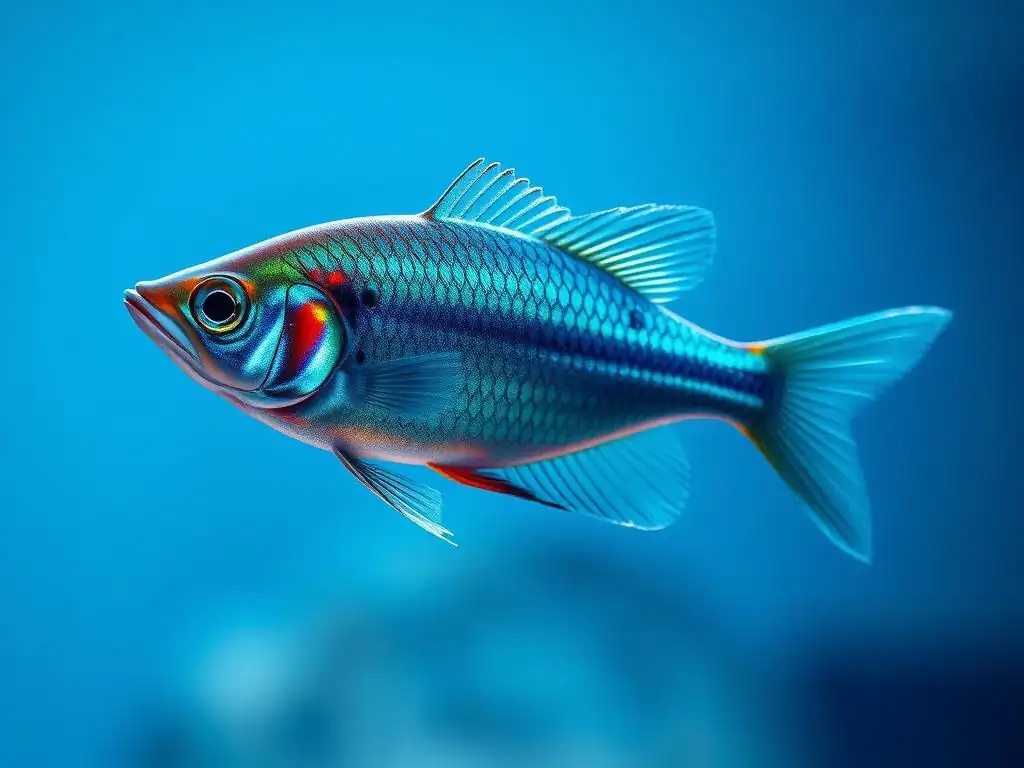
While the classic Emperor Tetra ( Nematobrycon palmeri) is renowned for its distinctive purple-blue body, black stripe, and yellow-orange fins, there are some subtle variations that aquarists might encounter. Some populations or selectively bred lines may exhibit a more pronounced "black" Emperor Tetra appearance, with a darker overall body coloration that intensifies the contrast with their vibrant finnage. These variations are typically due to locality or selective breeding for specific traits rather than distinct subspecies.
Occasionally, you might find Emperor Tetras with more reddish or even slightly green iridescence, depending on their diet and the lighting conditions of the aquarium. The male's caudal fin, with its elongated central ray, remains a consistent and defining characteristic across these variations. These slight differences add to the appeal of the Emperor Tetra, offering subtle nuances for enthusiasts who appreciate the finer details in their freshwater fish.
Similar Tetra Species: Comparison with Congo Tetras
When discussing Emperor Tetras, it's common for aquarists to compare them with other popular tetra species, particularly the Congo Tetra ( Phenacogrammus interruptus), due to their shared elegance and peaceful nature. While both are excellent choices for community aquariums, there are notable differences in their appearance and size that influence their Emperor Tetra care requirements. Congo Tetras are significantly larger, reaching lengths of up to 3 inches (7.5 cm) or more, with males developing spectacular, flowing dorsal, anal, and caudal fins that are often iridescent with blue, gold, and red hues.
In contrast, Emperor Tetras are smaller, typically maxing out at 2 inches (5 cm), and their beauty lies in their distinct black stripe, purplish body, and the male's unique trident-shaped caudal fin. Both species thrive in well-planted tanks with soft, acidic water and prefer to be kept in schools. However, due to the Congo Tetra's larger size, they require a significantly larger aquarium (minimum 30 gallons for a small school) compared to the Emperor Tetra, and their finnage makes them slightly more susceptible to fin-nipping from aggressive tank mates.
Troubleshooting Common Emperor Tetra Problems
Solving Problems with Emperor Tetra Color Loss: Addressing Stress and Diet
One of the most common concerns for Emperor Tetra owners is a noticeable loss of their typically vibrant coloration. This fading is almost always an indicator of stress or an inadequate diet. To address this, first assess the aquarium environment: are water parameters within the ideal ranges (temperature 72-80°F, pH 6.0-7.5, GH 5-12 dGH)? Poor water quality, especially high nitrates, can quickly dull their colors. Perform a significant water change (30-50%) and test parameters.
Next, consider their social environment. Are they kept in a school of at least 6-8 individuals? If not, adding more Emperor Tetras can significantly reduce stress and encourage them to display their best colors. Also, evaluate their diet. Are they receiving a varied diet of high-quality flakes/pellets supplemented with live or frozen foods like brine shrimp or bloodworms several times a week? A diet rich in carotenoids and essential nutrients is vital for maintaining their striking hues. Addressing these factors comprehensively will almost always restore their majestic coloration.
Solving Problems with Emperor Tetra Fin Nipping: Identifying Aggressors and Overcrowding
While Emperor Tetras are generally peaceful and not typically fin-nippers themselves, they can become victims of fin-nipping, especially their males with their elongated caudal fins. If you observe your Emperor Tetras' fins becoming frayed or damaged, the first step is to identify the aggressor. Carefully observe the tank during feeding times and throughout the day to spot any fish that are actively chasing or nipping at the Emperor Tetras. Common culprits include certain barbs (e.g., Tiger Barbs), some larger gouramis, or even overly aggressive male guppies or mollies.
If an aggressor is identified, it should be removed from the tank if possible, or rehomed. Another potential cause for fin-nipping, even among generally peaceful species, can be overcrowding or insufficient hiding spots. An overcrowded tank increases stress levels for all inhabitants, which can lead to uncharacteristic aggression. Ensure your tank size is adequate for your fish population and that there are plenty of plants, driftwood, and décor to provide ample hiding places and break up lines of sight, reducing territorial disputes and stress for your Emperor Tetras.
The Allure of the Emperor Tetra: Is This Fish Right for You?
Assessing Your Aquarium Setup and Experience Level
The Emperor Tetra, with its regal appearance and relatively peaceful nature, is an incredibly appealing fish for many aquarists. However, before acquiring these beautiful creatures, it's important to honestly assess your current aquarium setup and your experience level to ensure you can provide the best Emperor Tetra care. While they are not considered exceptionally difficult to keep, they do thrive best in established tanks with stable water parameters, making them a good choice for intermediate aquarists or dedicated beginners willing to learn.
Your tank size is a primary consideration; a minimum of 20 gallons (75 liters) is essential for a healthy school. Do you have a reliable filtration system that provides gentle flow? Are you committed to regular water changes and consistent water parameter monitoring? If you can confidently meet these requirements and are prepared to offer a varied diet and choose compatible tank mates, then the Emperor Tetra could be an excellent addition to your freshwater community aquarium, bringing a touch of royalty to your home.
Conclusion: Enjoying the Beauty and Majesty of Emperor Tetras
The Emperor Tetra stands out as a truly magnificent freshwater fish, captivating with its striking colors, elegant fins, and serene demeanor. Providing optimal Emperor Tetra care involves a commitment to replicating aspects of their natural Colombian habitat: a well-planted aquarium with dim lighting, stable soft to moderately hard, slightly acidic water, and a peaceful community of tank mates. Their schooling behavior is not just a visual delight but a crucial aspect of their well-being, necessitating a group of at least six to eight individuals.
While breeding them can be a rewarding challenge, their daily care is straightforward once their environmental needs are met. By adhering to this comprehensive Emperor Tetra care guide, focusing on pristine water quality, a balanced diet, and suitable companionship, you can ensure these "royalty" of the aquarium world thrive and display their full, majestic beauty for years to come. Their presence undoubtedly adds a sophisticated and dynamic element to any well-maintained freshwater setup.
Frequently Asked Questions
What are the essential water parameters for Emperor Tetras?
Emperor Tetras thrive in slightly acidic to neutral water, with a pH of 6.0-7.5. Maintain a temperature between 73-81°F (23-27°C) and ensure good water quality through regular water changes.
What is the ideal tank size for a group of Emperor Tetras?
A minimum of 20 gallons is recommended for a small school (6 or more) of Emperor Tetras. Larger tanks allow for better schooling behavior and provide more space for swimming.
What should I feed my Emperor Tetras to keep them healthy?
Offer a varied diet including high-quality flake food, small frozen foods like daphnia or bloodworms, and live foods occasionally. This will ensure they receive all the necessary nutrients for optimal health and coloration.
Are Emperor Tetras compatible with other aquarium fish?
Emperor Tetras are generally peaceful and can be housed with other similarly sized, non-aggressive fish. Avoid housing them with fin-nipping species that may stress them.
How can I encourage breeding in my Emperor Tetras?
Provide soft, slightly acidic water and a densely planted aquarium. A separate breeding tank with a spawning mop can also be used to protect the eggs from being eaten.
Final Reflection: The Enduring Majesty of the Emperor Tetra
The journey through understanding the Emperor Tetra, as detailed in this guide, highlights more than just aquarium husbandry; it underscores the enduring allure of natural beauty and the responsibility we bear as stewards of aquatic life. These fish, with their regal bearing and vibrant colors, offer a glimpse into the intricate ecosystems we strive to replicate in our own homes, reminding us of the delicate balance that sustains life both within and beyond our tanks.
The Emperor Tetra's popularity, and the need for comprehensive care guides like this one, reflects a deeper human desire to connect with nature and cultivate beauty in our lives. This connection, this responsibility, is not merely about providing food and water; it's about understanding the needs of another living being and creating an environment where they can thrive. In the end, we will conserve only what we love; we will love only what we understand; and we will understand only what we are taught.
- Baba Dioum. This quote encapsulates the essence of responsible fishkeeping and the importance of continuous learning.
Now, as you embark on, or continue, your journey with Emperor Tetras, remember that you are not just maintaining an aquarium; you are cultivating a miniature ecosystem. Let the vibrant colors and graceful movements of these majestic fish inspire you to appreciate the beauty of the natural world and to act as a responsible custodian of its wonders. Reflect on the knowledge you've gained, and let it guide you in creating a thriving environment for your Emperor Tetras, and in fostering a deeper connection with the aquatic world around us.
Unleash Your Inner Aquarist: Bring the Emperor Home!
Thank you for diving into the world of Emperor Tetras! We hope this guide has equipped you with the knowledge to truly appreciate and care for these majestic fish. Now, it's time to transform that knowledge into action.
- Take the plunge and create the perfect Emperor Tetra paradise! Carefully plan your tank setup using our recommendations.
- Share your Emperor Tetra dreams! Post your ideal tank setup ideas in the comments section and connect with fellow enthusiasts.
- Explore the Aquarium Mastery community forums to learn about unique Tetra breeding techniques and uncover new aquascaping possibilities.
What fascinating facts about Emperor Tetras will you share with your friends to spark their interest in the aquarium hobby?