
Why Won't My Barbs School? Troubleshooting Shoaling Issues in Your Tank

Welcome to Aquarium Mastery!
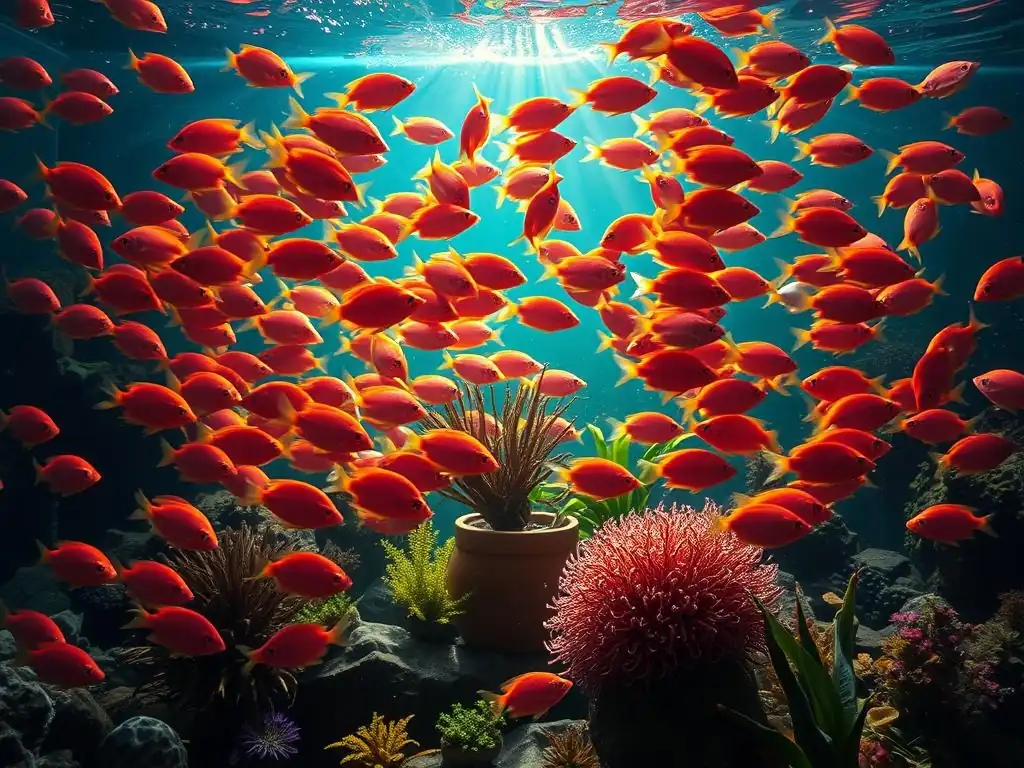
Ever wondered why your Barbs aren't exhibiting that beautiful schooling behavior you envisioned? It's a common frustration, and you're in the right place. Unravel the mysteries behind lackluster shoaling in your barb tank and discover practical solutions to create a thriving, harmonious aquatic environment. Dive in to our in-depth guide and unlock the secrets to getting your barbs to school like pros!
- Understanding Barb Schooling Behavior: An Introduction
- Common Reasons Why Barbs Stop Schooling
- Diagnosing the Root Cause: Observing Your Barbs' Behavior
- Barb Schooling Solutions: Corrective Actions You Can Take
- Specific Barb Species and Their Schooling Needs
- Preventing Future Schooling Problems: Proactive Tank Management
- Conclusion: Achieving a Thriving, Schooling Barb Community
-
Frequently Asked Questions
- Why are my barbs not schooling, even though they are supposed to be schooling fish?
- How many barbs should I have to encourage schooling behavior?
- What kind of tank mates might be preventing my barbs from schooling?
- What water parameters could be affecting my barbs' schooling behavior?
- What else can I do to encourage my barbs to school more effectively?
- Final Reflection: The Unseen Harmony of the Aquarium
- Revitalize Your Barb Schooling: Take Action Now!
Understanding Barb Schooling Behavior: An Introduction
The Natural Shoaling Instinct of Barbs
Barbs, belonging to the family Cyprinidae, are renowned for their vibrant colors and active nature, but perhaps most notably for their innate instinct to shoal. In their natural habitats, primarily fast-flowing streams and rivers across Asia and Africa, schooling is a fundamental survival mechanism. This behavior provides a collective defense against predators, as a large group can confuse an attacker and make it difficult to single out an individual. Furthermore, shoaling aids in foraging for food and increases the chances of successful reproduction by bringing individuals into close proximity.
This inherent drive to form a cohesive group is deeply embedded in their genetics, developed over millennia of evolution in dynamic aquatic environments. When barbs feel secure and are in optimal conditions, their schooling behavior is a clear manifestation of their well-being, displaying synchronized movements and a unified presence within the aquarium. Observing this natural pattern is often a key indicator of a healthy and content barb community.
Why Schooling Matters for Barb Health and Well-being
The ability to school is not just a fascinating display; it is crucial for the overall health and well-being of barbs. When barbs school effectively, they experience significantly reduced stress levels. The "safety in numbers" principle allows them to feel more secure, leading to brighter coloration, more natural behaviors, and a stronger immune system. This collective security minimizes individual stress, which can otherwise lead to a weakened immune response and increased susceptibility to common aquarium diseases like Ich or fin rot.
A thriving barb school also promotes natural social interactions, diffusing aggression among individuals within the group. Without the protective buffer of a school, individual barbs can become targets for nipping or bullying, leading to physical injury and chronic stress. This stress can manifest as lethargy, hiding, or even refusal to eat, ultimately shortening their lifespan. Therefore, maintaining conditions that encourage natural schooling is a primary objective for any aquarist seeking a long-lived and vibrant barb community.
Common Reasons Why Barbs Stop Schooling
Inadequate School Size: Number of Barbs for Optimal Schooling
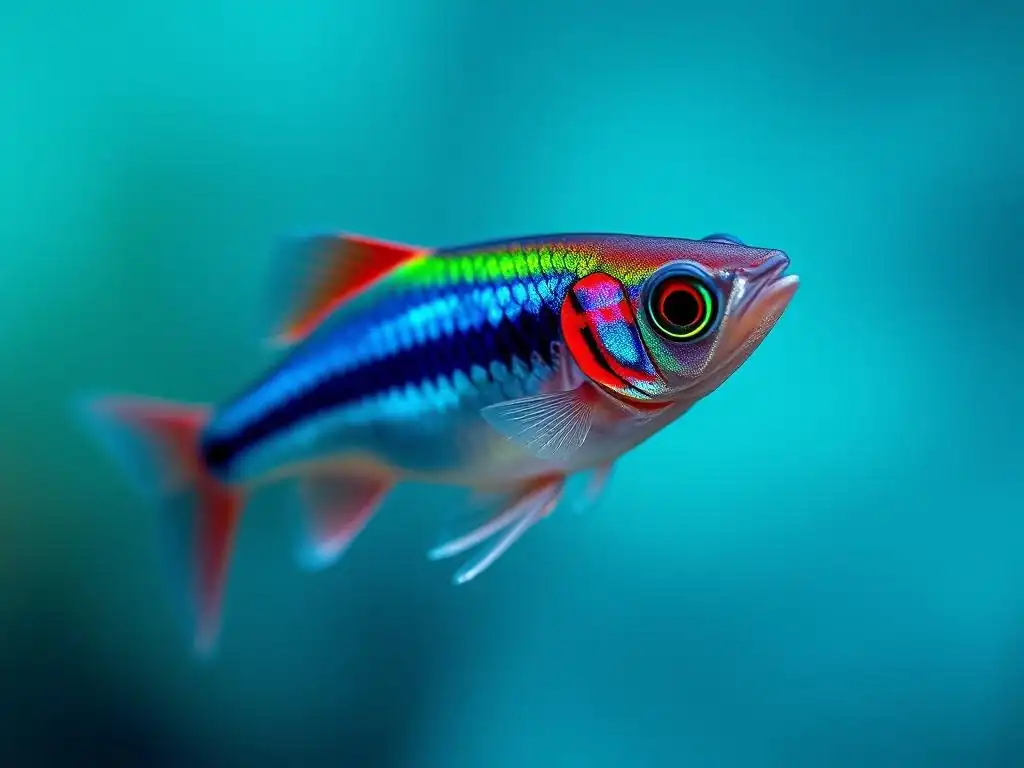
One of the most common reasons why barbs fail to school effectively is an insufficient number of individuals in their group. Barbs are social creatures that rely on the presence of multiple conspecifics to feel secure and exhibit their natural shoaling behaviors. When kept in numbers too small, typically fewer than six, they often become stressed, reclusive, or overly aggressive towards other tank inhabitants, including their own kind. This is because they lack the collective security that a larger school provides, leaving them feeling vulnerable and exposed.
A small group size also prevents the natural diffusion of aggression that occurs within a larger school. Instead of distributing nipping or territorial disputes among many individuals, the limited number means that aggression is concentrated on just a few, leading to constant stress and injury. This lack of a proper school is a significant factor in addressing why barbs are not schooling.
Recommended Barb School Size by Species (e.g., Tiger Barbs, Cherry Barbs)
The optimal school size varies slightly depending on the specific barb species, but a general rule of thumb is a minimum of six to eight individuals. For example, Tiger Barbs, notorious for their semi-aggressive, nippy tendencies, require a larger school of at least 8-10, and ideally 12 or more, to effectively dilute their aggression among themselves. In smaller groups, their nipping can become highly problematic for tank mates and even lead to stress among the barbs themselves, preventing cohesive schooling.
In contrast, Cherry Barbs, known for their peaceful disposition, will still benefit from a minimum school of 6, but thrive and display their best colors and schooling behavior in groups of 8-10 or more. Denison Barbs (Roseline Sharks), being larger and highly active, need a minimum of 5-6 individuals, but a group of 8 or more is ideal to see their impressive shoaling patterns in a suitably large tank (e.g., 75 gallons or more).
For Gold Barbs, a hardy and generally peaceful species, a school of 6-8 is recommended to ensure they feel secure and exhibit their natural shoaling. Adhering to these minimums is a critical barbs not schooling solution.
Stress Factors Affecting Barb Shoaling
Stress is a primary disruptor of natural fish behavior, and barbs are no exception. When barbs are under stress, their innate instinct to school can be overridden by their survival instincts, causing them to hide, become lethargic, or act erratically rather than form a cohesive group. Identifying and mitigating these stress factors is crucial for any barbs not schooling solution. Stress can stem from a variety of environmental or social issues within the aquarium, each requiring careful observation and intervention.
Understanding the specific stressors affecting your barbs is the first step toward restoring their natural shoaling behavior. Whether it's the invisible threat of poor water quality or the visible threat of an aggressive tank mate, these factors directly impact their sense of security and well-being, which are foundational to their ability to school.
Poor Water Quality: Impact on Barb Behavior
Suboptimal water quality is a leading cause of stress in aquarium fish, directly impacting their behavior, including schooling. High levels of ammonia, nitrite, and nitrate can poison fish, leading to gill damage, weakened immune systems, and chronic stress. Barbs in poor water conditions often display clamped fins, rapid gill movements, labored breathing, dull coloration, and a general listlessness. Instead of actively schooling, they may hide, stay at the bottom of the tank, or swim erratically.
The ideal water parameters for most barbs include:
- Ammonia:
0 ppm - Nitrite:
0 ppm - Nitrate: below
20 ppm(ideally below10 ppmfor sensitive species) - pH: 6.0-7.5 (slightly acidic to neutral)
- Water Hardness (GH/KH): 5-12 dGH (soft to moderately hard)
Consistent deviations from these parameters, particularly spikes in ammonia or nitrite, will cause significant stress, directly inhibiting their natural schooling instinct. Regular water testing is paramount to ensuring these vital parameters remain within safe and stable ranges, providing a foundational barbs not schooling solution.
Aggressive Tank Mates: Bullying and its Effect on Schooling
The presence of aggressive or incompatible tank mates can severely disrupt a barb school. Constant bullying, fin nipping, or chasing from other fish creates an environment of fear and insecurity, preventing barbs from feeling safe enough to school. Instead of forming a tight group, individual barbs may scatter, hide, or become isolated, suffering from chronic stress and potential physical injuries. Even within a barb school, if one or two individuals are particularly dominant and aggressive without enough other barbs to diffuse this, the entire school can break down.
Examples of problematic tank mates might include large, territorial cichlids, or overly boisterous fish that constantly harass the barbs. Conversely, some barbs, like Tiger Barbs, can be the aggressors themselves if not kept in a large enough school, directing their nipping behavior towards slower-moving or long-finned fish. Observing interactions carefully is key to identifying if tank mate aggression is the reason your barbs are not schooling.
Overcrowding: Limiting Space and Causing Stress
Overcrowding is another significant stressor that can cause barbs to cease schooling. When a tank is too small for the number and size of fish it houses, competition for resources like food, territory, and even oxygen increases dramatically. This constant competition leads to heightened stress levels, making fish more susceptible to disease and less likely to exhibit natural behaviors such as schooling. For instance, a small school of Tiger Barbs in a 10-gallon tank will be far more stressed and less likely to school than the same group in a 20-gallon or larger tank.
Beyond the behavioral issues, overcrowding also places an immense strain on the aquarium's filtration system, leading to a rapid accumulation of waste products like ammonia and nitrates. This degradation of water quality further compounds the stress, creating a vicious cycle. Ensuring adequate space, typically recommending a minimum of 2-3 gallons per inch of adult barb (with more for active species like Denison Barbs), is crucial for a healthy and schooling barb community. This proper stocking level is a foundational barbs not schooling solution.
Lack of Environmental Enrichment: Boredom and Reduced Schooling
A barren or monotonous tank environment can also contribute to barbs not schooling. Fish, like many animals, require environmental stimulation and a sense of security to thrive. A tank that lacks adequate hiding places, visual breaks, or varied structures can make barbs feel exposed and vulnerable, leading to stress and a breakdown of their natural shoaling instincts. Instead of schooling, they might become lethargic, hide constantly, or swim aimlessly without direction.
Providing a rich and varied environment allows barbs to express their natural behaviors, including exploring, foraging, and establishing territories within the school. This enrichment reduces boredom and provides the necessary sense of security that fosters cohesive schooling.
Insufficient Hiding Places: Making Barbs Feel Vulnerable
Barbs, despite their active nature, need ample hiding places to feel secure. In the wild, they utilize dense vegetation, roots, and rock formations to escape predators or rest. If an aquarium lacks sufficient cover, barbs may feel constantly exposed and vulnerable, leading to chronic stress. This insecurity often manifests as a reluctance to school; instead, individual fish may try to find the scant available cover or become skittish and erratic in their movements.
Providing a mix of dense plant thickets (both live and artificial, though live is preferred), driftwood, and rock caves offers the necessary refuges. For instance, a 29-gallon tank housing a school of Cherry Barbs should have at least 30-40% of its footprint covered by plants or decor that offer visual breaks and hiding spots. This strategic placement of decor is a simple yet effective barbs not schooling solution.
Monotonous Tank Layout: Lack of Stimulation
A tank with a uniform or uninspiring layout can lead to boredom and reduced activity in barbs, consequently impacting their schooling behavior. If there are no varied structures, open swimming spaces, or interesting nooks to explore, barbs may become listless and display less of their natural, dynamic movements. Their schooling instinct, while innate, is often stimulated by the environment, such as flowing around obstacles or navigating through varied terrain.
To counteract this, aquarists should design a tank that offers a mix of open swimming areas for shoaling, dense planted sections for cover, and perhaps some driftwood or rocks to create visual interest and break up lines of sight. For example, in a 40-gallon breeder tank for Gold Barbs, dedicating the central area to open swimming while planting heavily along the back and sides provides both security and room for active schooling. A dynamic and stimulating environment encourages barbs to engage with their surroundings and their school, making it a viable barbs not schooling solution.
Diagnosing the Root Cause: Observing Your Barbs' Behavior
Identifying Signs of Stress in Barbs: Beyond Lack of Schooling
While a lack of schooling is a primary indicator of stress in barbs, it is often accompanied by other behavioral and physical cues. Observing these additional signs can help pinpoint the specific underlying issue. A thorough daily inspection of your fish can provide invaluable insights into their health and well-being, guiding your troubleshooting efforts.
These indicators are often early warnings that something is amiss in the tank environment or social dynamics. Recognizing them promptly allows for timely intervention, preventing minor issues from escalating into serious health problems for your barbs.
Fin Nipping and Other Aggressive Behaviors
While some barbs, particularly Tiger Barbs, are known for their nippy nature, excessive fin nipping within the school or towards other tank mates can be a sign of stress or overcrowding. If barbs are constantly chasing or nipping each other, or if individuals have ragged fins, it indicates that the school is not functioning properly to diffuse aggression. Conversely, if your barbs are being nipped by other, larger tank mates, they will likely avoid schooling and instead hide or become solitary to escape harassment.
Observing the specific targets and instigators of aggression can help determine if the problem lies within the barb school itself (e.g., too few barbs to spread aggression, or an overly dominant individual) or with incompatible tank mates. This behavioral analysis is a crucial part of developing an effective barbs not schooling solution.
Hiding and Lethargy
Stressed barbs often exhibit increased hiding behavior or become unusually lethargic. Instead of actively swimming and schooling in the open, they may spend most of their time tucked away behind decorations, under plants, or near the filter intake. Lethargy manifests as a lack of typical activity, with fish hovering listlessly or resting on the substrate for extended periods. This behavior indicates that they feel insecure, unwell, or are struggling with poor environmental conditions.
For example, if your previously active Cherry Barbs are now constantly hiding in a corner or remaining motionless near the heater, it's a strong sign of underlying stress, signaling a need to investigate water parameters, tank mates, or school size. This shift from active schooling to reclusive behavior is a clear distress signal.
Changes in Appetite
A significant change in appetite is a critical indicator of stress or illness in barbs. Healthy barbs are typically voracious eaters, eagerly coming to the surface or scavenging the substrate during feeding times. If your barbs suddenly refuse to eat, show decreased interest in food, or spit out their food, it's a strong sign that something is wrong. This could be due to internal parasites, bacterial infections, or severe environmental stress from poor water quality or aggressive tank mates.
Monitoring their feeding response daily can provide an early warning system. If several barbs in the school collectively lose their appetite, it suggests a widespread issue affecting the entire group, often linked to systemic problems within the tank rather than an isolated illness. Addressing the cause of appetite loss is an integral part of any comprehensive barbs not schooling solution.
Water Parameter Testing: Ensuring Optimal Conditions for Schooling
Regular and accurate water parameter testing is non-negotiable for maintaining a healthy aquarium and diagnosing why barbs might not be schooling. Visual inspection alone is often insufficient, as many harmful chemicals are colorless and odorless. A reliable liquid test kit, rather than test strips, provides the most accurate readings for crucial parameters.
Consistency in water quality is paramount; even if parameters are within acceptable ranges, sudden fluctuations can be highly stressful. Testing at least once a week, or more frequently if issues are suspected, helps in proactively identifying and correcting problems before they severely impact your barbs' health and behavior.
Ammonia, Nitrite, and Nitrate Levels
These three parameters are direct indicators of the nitrogen cycle's health in your aquarium.
- Ammonia (
NH3/NH4+): Produced by fish waste and decaying organic matter. Any detectable level (>0 ppm) is toxic to fish. Even0.25 ppmcan cause severe stress and gill damage, directly inhibiting schooling behavior. - Nitrite (
NO2-): The intermediate product of ammonia conversion by beneficial bacteria. Also highly toxic,>0 ppmindicates an incomplete or crashed nitrogen cycle.0.25 ppmnitrite can cause breathing difficulties and stress. - Nitrate (
NO3-): The end product of the nitrogen cycle, less toxic than ammonia or nitrite but still harmful in high concentrations. Levels should ideally be kept below20 ppm, and certainly below40 ppm. High nitrates can cause chronic stress, suppress the immune system, and lead to lethargy, which prevents barbs from schooling.
If any of these levels are elevated, immediate corrective action, such as large water changes and investigation of the filtration system, is necessary as a primary barbs not schooling solution.
pH and Water Hardness
While not as immediately lethal as ammonia or nitrite, significant deviations or rapid fluctuations in pH and water hardness (GH/KH) can cause chronic stress.
- pH: Most barbs thrive in a slightly acidic to neutral range, typically between
6.0 and 7.5. While they can adapt to a range, stability is more important than an exact number. Rapid swings, even within the acceptable range (e.g., a drop from7.5to6.5over a few hours), can cause pH shock, leading to stress, erratic swimming, and a breakdown of schooling. - Water Hardness (GH/KH): General Hardness (GH) measures dissolved mineral content, while Carbonate Hardness (KH) measures buffering capacity, which stabilizes pH. Most barbs prefer soft to moderately hard water,
5-12 dGH. Extremely soft or hard water, or water with very low KH, can stress barbs. Low KH can also lead to dangerous pH swings.
Ensuring these parameters are stable and within their preferred range contributes significantly to the overall well-being of your barbs, helping them to feel secure enough to school naturally. This stable environment is a fundamental barbs not schooling solution.
Barb Schooling Solutions: Corrective Actions You Can Take
Increasing the Barb School Size: A Step-by-Step Guide
If your barbs are not schooling due to insufficient numbers, increasing the school size is often the most direct and effective barbs not schooling solution. A larger group provides the necessary sense of security and allows for the natural diffusion of aggression, enabling barbs to exhibit their inherent shoaling instincts. This corrective action should be approached thoughtfully to minimize stress on both existing and new fish.
Before adding new fish, ensure your tank is adequately sized to accommodate the increased bioload. For example, adding 4-6 more Tiger Barbs to an existing school of 4 will require a tank of at least 30 gallons, whereas a school of 10-12 Cherry Barbs can comfortably inhabit a 20-gallon tank.
Choosing Compatible Barb Species for Schooling
When increasing your barb school, it is generally best to stick to the same species to ensure consistent schooling behavior and minimize inter-species aggression. For instance, if you have Tiger Barbs, add more Tiger Barbs. However, if you have a community tank, ensure that the chosen barb species is compatible with existing inhabitants. Peaceful barbs like Cherry Barbs, Gold Barbs, and Rosy Barbs are generally good community fish. Tiger Barbs, on the other hand, are best kept in a species-only tank or with very robust, fast-moving fish (e.g., larger Danios, some Plecos) that can withstand their nippy tendencies.
Avoid mixing highly aggressive species with very docile ones, as this will only exacerbate stress and prevent schooling. Researching specific barb species profiles, such as those found on AquariumMastery.com, can provide detailed compatibility information, ensuring your new additions will integrate harmoniously and contribute to a cohesive school.
Safely Introducing New Barbs to the Tank
Introducing new barbs safely is crucial to prevent stress, disease, and aggression. The process should ideally involve a quarantine period and careful acclimation.
- Quarantine: Always quarantine new fish in a separate, smaller tank for a minimum of 2-4 weeks. This allows you to observe them for signs of disease or parasites, treat them if necessary, and prevent the introduction of pathogens into your main display tank. This is a vital step in any barbs not schooling solution.
- Acclimation: When ready to introduce to the main tank, float the bag containing the new barbs in the aquarium for 15-20 minutes to equalize temperature. Then, slowly drip-acclimate them using airline tubing for 30-60 minutes, gradually mixing tank water into the bag. This minimizes shock from differences in water parameters.
- Introduction: Turn off the main tank lights before adding the new fish. This reduces stress and gives them time to explore their new surroundings without being immediately targeted by existing residents. Once added, continue to keep the lights off for several hours. Monitor interactions closely over the next few days.
Improving Water Quality: Maintaining a Healthy Environment
Poor water quality is a significant stressor that directly inhibits schooling behavior. Addressing any deficiencies in water parameters is a fundamental barbs not schooling solution. Consistent maintenance and appropriate filtration are key to providing a healthy and stable environment where barbs feel secure enough to school.
Implementing a rigorous water quality management routine will not only encourage natural schooling but also significantly improve the overall health and longevity of your barb community. This proactive approach prevents many common aquarium ailments and fosters a thriving aquatic ecosystem.
Regular Water Changes: Frequency and Volume
Regular water changes are the cornerstone of good aquarium husbandry and essential for maintaining pristine water quality. For a typical barb tank, performing a 25-30% water change weekly is a good starting point. For heavily stocked tanks or those with higher bioloads, 50% bi-weekly or even 25% twice a week might be necessary. Always use a reliable dechlorinator to neutralize chlorine and chloramines in tap water, and ensure the new water is roughly the same temperature as the tank water to prevent temperature shock.
Water changes dilute nitrates, replenish essential minerals, and remove accumulated organic pollutants that filtration alone cannot handle. This fresh water environment significantly reduces stress on barbs, encouraging them to school more actively and brightly.
Upgrading Filtration: Choosing the Right Filter for Your Tank
An efficient filtration system is crucial for breaking down waste products and maintaining clear, healthy water. If your barbs are not schooling due to poor water quality, your current filter might be undersized or inefficient. Consider upgrading to a filter rated for a tank size larger than your actual aquarium volume (e.g., a filter rated for 50 gallons on a 30-gallon tank).
Types of filters to consider include:
- Hang-on-Back (HOB) filters: Good for smaller to medium tanks, providing mechanical, chemical, and biological filtration.
- Canister filters: Excellent for larger tanks, offering superior multi-stage filtration and high flow rates.
- Sponge filters: Great for biological filtration, gentle flow, and ideal for quarantine tanks or as supplemental filtration.
Ensure your filter provides adequate biological filtration, as this is where beneficial bacteria convert harmful ammonia and nitrite into less toxic nitrate. This robust filtration is a critical barbs not schooling solution.
Addressing Ammonia Spikes: Emergency Measures
Ammonia spikes are highly toxic and demand immediate action. If testing reveals any detectable ammonia ( >0 ppm), take the following emergency steps:
- Immediate Water Change: Perform a
50-75%water change to rapidly dilute the ammonia. - Ammonia Neutralizer: Use an ammonia-neutralizing product (e.g., Seachem Prime, API Ammo-Lock) as per product instructions. These temporarily detoxify ammonia while your biological filter catches up.
- Reduce Feeding: Stop feeding your fish for 24-48 hours to reduce waste production.
- Increase Aeration: Ensure good surface agitation and aeration to maximize oxygen levels, which helps fish cope with stress and supports beneficial bacteria.
- Monitor: Continue testing water parameters daily and perform smaller water changes (
25%) as needed until ammonia and nitrite levels return to0 ppm. Addressing ammonia effectively is a life-saving barbs not schooling solution.
Managing Aggression: Creating a Peaceful Tank Environment
Aggression, whether from tank mates or within the barb school itself, is a significant barrier to natural schooling. Creating a peaceful environment requires identifying the source of aggression and implementing strategies to mitigate it. A harmonious tank allows barbs to feel secure and exhibit their inherent social behaviors.
Effective aggression management involves understanding fish behavior, providing appropriate space, and sometimes making difficult decisions about tank inhabitants. This proactive approach is vital for any barbs not schooling solution.
Identifying and Removing Aggressive Tank Mates
Careful observation is key to identifying aggressive tank mates. Look for fish that are consistently chasing, nipping fins, or dominating feeding areas. Common culprits include large cichlids, certain Gouramis, or even overly boisterous fish that are simply too active for peaceful barbs. Once identified, the most effective barbs not schooling solution is often to remove the aggressor. This might involve moving them to a separate tank, rehoming them, or returning them to the fish store if they are truly incompatible.
Sometimes, aggression can be reduced by increasing the school size of the aggressive species itself, as this can diffuse aggression among them. However, for persistent bullies, removal is usually the best course of action to ensure the well-being of your barbs and encourage them to school.
Providing Ample Space and Hiding Places
Insufficient space and lack of hiding spots often exacerbate aggression. When fish feel crowded, they become more territorial and irritable. Ensuring your tank is adequately sized for your barb school and any tank mates is paramount. For example, a school of 10 Tiger Barbs needs a minimum of 29-30 gallons, while Denison Barbs require 55 gallons or more.
Additionally, introducing plenty of dense live plants (like Java Fern, Anubias, or Vallisneria), driftwood, and rock caves creates visual barriers and safe zones. These hiding places allow less dominant barbs or other fish to escape harassment, reducing stress and promoting a sense of security. This increased security is a direct barbs not schooling solution by allowing barbs to relax and school.
Re-arranging Tank Decorations to Disrupt Established Territories
If aggression persists within your barb school or among tank mates, a simple yet effective tactic is to completely re-arrange the tank decorations. Fish, especially territorial ones, establish territories based on the existing layout of rocks, plants, and driftwood. A drastic change in the aquascape can disrupt these established territories, forcing all fish to re-evaluate their surroundings and potentially reducing prior aggressive patterns.
When re-arranging, aim to create new visual breaks and hiding spots. For instance, moving a large piece of driftwood to a different side of the tank or creating a new dense plant thicket can break up old lines of sight and create fresh exploration zones. This reset can often lead to a more peaceful environment where barbs feel more comfortable schooling.
Enhancing the Tank Environment: Promoting Natural Behaviors
A well-designed and enriched aquarium environment is crucial for promoting natural behaviors, including schooling, in barbs. A tank that mimics their natural habitat provides stimulation, security, and opportunities for exploration, reducing boredom and stress. This environmental enhancement is a key component of a holistic barbs not schooling solution.
By focusing on these elements, you create a dynamic and comfortable space where your barbs can thrive, express their innate instincts, and display their vibrant colors and synchronized movements as a cohesive school.
Adding Live Plants: Creating a More Natural Habitat
Live plants offer numerous benefits that contribute to a healthy and schooling barb community. They provide vital hiding places and visual barriers, making barbs feel more secure and less exposed, which encourages them to school in the open. Plants also absorb nitrates, help oxygenate the water, and provide natural foraging opportunities. Species like Java Fern, Anubias, Amazon Swords, and Cryptocorynes are excellent choices for barb tanks, offering dense foliage.
A heavily planted tank, with approximately 50-60% of the tank volume dedicated to plant growth, creates a lush, naturalistic environment. This natural setup reduces stress, enhances water quality, and provides a rich backdrop for barbs to exhibit their best colors and schooling behavior. This is a highly effective barbs not schooling solution.
Introducing Driftwood and Rocks: Providing Hiding Places and Visual Breaks
Beyond live plants, incorporating driftwood and rocks significantly enhances the tank environment for barbs. Driftwood provides natural tannins that can lower pH slightly (beneficial for many barb species) and offers complex structures for exploration and hiding. Rocks can be arranged to create caves, crevices, and visual breaks, further increasing the sense of security and providing territories within the school.
When selecting driftwood and rocks, ensure they are aquarium-safe and do not have sharp edges that could injure fish. Arrange them to create varied depths and hideaways, allowing individual barbs to retreat if they feel stressed, but also providing open areas for the school to swim freely. For example, a large piece of Mopani wood can become a focal point, around which barbs will naturally congregate and school.
Varying the Current and Water Flow: Mimicking Natural Streams
Many barb species, particularly Denison Barbs and Tiger Barbs, originate from rivers and streams with moderate to strong currents. Providing varied water flow in the aquarium can stimulate their natural activity levels and encourage more dynamic schooling behavior. A consistent, gentle current across the tank can mimic their natural environment and promote more active swimming.
This can be achieved by positioning filter outflows strategically or by adding a small powerhead. However, ensure the current is not too strong, which could exhaust smaller or weaker barbs. A balanced flow rate provides beneficial exercise and environmental stimulation, encouraging barbs to school actively against the current, much as they would in the wild.
Specific Barb Species and Their Schooling Needs
Tiger Barbs: Understanding Their Aggressive Schooling Dynamics
Tiger Barbs (Puntigrus tetrazona) are among the most popular and recognizable barb species, known for their striking stripes and energetic, often boisterous, personalities. Their schooling dynamics are unique due to their semi-aggressive, nippy nature. To effectively diffuse this aggression among themselves and prevent them from harassing other tank mates, Tiger Barbs absolutely require a large school of at least 8-10 individuals, with 12 or more being ideal. In smaller groups, their nipping tendencies become concentrated, leading to stress, injury, and a breakdown of schooling behavior.
When kept in a robust school, Tiger Barbs tend to direct their aggression inward, establishing a pecking order within the group and largely leaving other fish alone. They thrive in tanks of at least 29-30 gallons for a small school, with larger tanks (e.g., 55 gallons) preferred for bigger groups. They are best kept in a species-only tank or with fast-moving, robust tank mates like larger Danios, some Plecos, or other active barb species.
Providing plenty of plants and decor helps break lines of sight and reduces confrontation, enhancing their ability to school naturally. This large school size is the primary barbs not schooling solution for this species.
Cherry Barbs: Creating a Calm and Peaceful Schooling Environment
Cherry Barbs (Puntius titteya) are a stark contrast to their Tiger Barb cousins, known for their peaceful disposition and beautiful, deep red coloration, especially in males. They are excellent community fish and their schooling behavior is much calmer and more cohesive. For optimal health, coloration, and consistent schooling, Cherry Barbs should be kept in a school of at least 6 individuals, with 8-10 being ideal. In these numbers, they feel secure and will display their natural synchronized swimming patterns, often weaving gracefully through plants.
A 10-gallon tank can house a small school of 6 Cherry Barbs, but a 20-gallon long or larger is better for a thriving group and a more natural display of their schooling. They appreciate a well-planted tank with plenty of hiding spots and moderate lighting. Unlike Tiger Barbs, Cherry Barbs rarely nip fins and can be kept with a wide variety of peaceful community fish, making them a popular choice for aquarists seeking a tranquil barb school.
Denison Barbs (Roseline Sharks): Providing Ample Swimming Space
Denison Barbs, also known as Roseline Sharks (Sahyadria denisonii), are stunning, active, and considerably larger barbs, reaching lengths of 4-6 inches (10-15 cm). Their impressive size and speed necessitate a much larger tank than most other barb species. To truly thrive and exhibit their magnificent schooling behavior, Denison Barbs require a minimum tank size of 55 gallons for a small school of 5-6 individuals, with 75 gallons or more highly recommended for a larger, more active school of 8+.
These barbs are known for their tightly knit schooling in open water, so a long tank with plenty of unobstructed swimming space is essential. While they are generally peaceful towards other tank mates of similar size, their high activity level can sometimes overwhelm smaller, more timid fish. Providing some dense planting along the back and sides of the tank, with a wide open front for swimming, will encourage their natural schooling behavior and allow them to feel secure. Due to their size and activity, providing adequate space is the most critical barbs not schooling solution for this species.
Gold Barbs: Providing a Well-Planted Tank
Gold Barbs (Barbodes semifasciolatus 'Schuberti') are a hardy, active, and generally peaceful species, making them an excellent choice for beginner and experienced aquarists alike. They are known for their vibrant golden-yellow coloration and active schooling behavior. To ensure they feel secure and display their best schooling patterns, Gold Barbs should be kept in a school of at least 6-8 individuals. While they are tolerant of a range of water conditions, stable parameters are key to their well-being.
A 20-gallon long tank is suitable for a school of 6-8 Gold Barbs, but a 29-gallon or larger provides more room for their active swimming. They thrive in a well-planted aquarium with a mix of open swimming areas and dense vegetation for cover. Live plants like Anubias, Java Fern, and Vallisneria provide excellent hiding spots and contribute to a natural environment that encourages their schooling. Their peaceful nature allows them to coexist well with other community fish, making them a versatile and appealing option for a schooling barb community.
Preventing Future Schooling Problems: Proactive Tank Management
Preventing barbs from ceasing to school in the future is far easier than troubleshooting existing issues. Proactive tank management involves consistent monitoring, maintaining a stable environment, and careful introduction of new inhabitants. By embedding these practices into your regular aquarium routine, you can significantly reduce the likelihood of stress-related behavioral problems and ensure your barbs continue to thrive as a cohesive, active school.
This forward-thinking approach minimizes the need for reactive barbs not schooling solutions, fostering a consistently healthy and engaging aquatic display.
Regular Monitoring of Water Parameters and Barb Behavior
Consistent vigilance is the cornerstone of preventing future schooling problems.
- Daily Behavioral Observation: Spend a few minutes each day observing your barbs. Look for any changes in their swimming patterns, coloration, appetite, or interaction with the school and other tank mates. Are they schooling tightly? Are any individuals hiding or showing signs of aggression or lethargy? Early detection of subtle behavioral shifts can alert you to potential issues before they escalate.
- Weekly Water Testing: Even in a stable, established tank, weekly testing of ammonia, nitrite, and nitrate levels is recommended. Periodic checks of pH and hardness are also beneficial. This ensures that your filtration system is coping with the bioload and that no unseen chemical imbalances are building up. Maintaining
0 ppmammonia and nitrite, and nitrates below20 ppm, is crucial for preventing stress that breaks down schooling.
This routine monitoring allows for prompt intervention at the first sign of trouble, preventing stress from accumulating and disrupting the natural schooling instinct.
Maintaining a Consistent Tank Environment
Stability is key to fish health and behavior. Barbs, like most fish, are sensitive to sudden changes in their environment.
- Temperature Stability: Use a reliable heater and thermometer to maintain a consistent water temperature (e.g.,
72-78°For22-26°Cfor most barbs). Avoid large, sudden temperature fluctuations during water changes. - pH and Hardness Stability: While specific pH and hardness levels are important, consistency is paramount. Avoid products that promise rapid changes in water chemistry. If adjustments are needed, make them very gradually over several days.
- Consistent Lighting Schedule: Use a timer to ensure a consistent photoperiod (e.g., 8-10 hours per day). Erratic lighting can stress fish.
- Regular Maintenance Schedule: Stick to a consistent schedule for water changes, filter media cleaning/replacement, and gravel vacuuming. Predictability reduces stress.
A stable environment prevents chronic stress, which is a common reason why barbs are not schooling, thereby ensuring their continued well-being and natural behaviors.
Quarantine New Fish Before Introduction
One of the most critical preventative measures is to quarantine all new fish, including new barbs, before introducing them to your main display tank.
- Purpose: A dedicated quarantine tank (a simple 10-gallon tank with a filter, heater, and perhaps a PVC pipe for hiding) allows you to observe new fish for signs of disease, parasites, or behavioral issues in isolation.
- Duration: A minimum quarantine period of 2-4 weeks is recommended. This allows enough time for latent diseases to manifest and for you to treat them without exposing your established fish.
- Acclimation: Even after quarantine, carefully acclimate new fish to the main tank's water parameters to prevent shock.
Introducing a sick fish can quickly spread disease throughout your entire aquarium, causing widespread stress, illness, and a breakdown in schooling behavior among your existing barbs. This simple step is an invaluable preventative barbs not schooling solution.
Conclusion: Achieving a Thriving, Schooling Barb Community
Observing a vibrant, active school of barbs gracefully navigating your aquarium is one of the most rewarding experiences in fishkeeping. When your barbs are not schooling, it's a clear signal that something in their environment or social structure is amiss. From insufficient school size and poor water quality to aggressive tank mates and a lack of environmental enrichment, numerous factors can contribute to this stress-induced behavior.
Fortunately, by systematically diagnosing the root cause through careful observation and water parameter testing, and then implementing targeted barbs not schooling solutions, you can restore your barbs to their natural, thriving state. Whether it involves increasing their numbers, improving water quality, managing aggression, or enhancing their habitat, each corrective action contributes to their overall well-being. Proactive measures, such as consistent monitoring and quarantining new additions, will safeguard your barb community against future problems. With dedication and attention to detail, you can cultivate a healthy, secure, and beautifully schooling barb community that brings life and dynamism to your aquatic masterpiece.
Frequently Asked Questions
Why are my barbs not schooling, even though they are supposed to be schooling fish?
There are several reasons. It could be due to insufficient number of barbs in the tank, incompatible tank mates, or the presence of stressful environmental factors.
How many barbs should I have to encourage schooling behavior?
Barbs are social creatures. Ideally, you should have at least six barbs, but eight or more is even better to promote a strong schooling instinct.
What kind of tank mates might be preventing my barbs from schooling?
Aggressive or territorial fish can stress barbs and disrupt their schooling behavior. Avoid keeping them with fin-nipping species or overly large, predatory fish.
What water parameters could be affecting my barbs' schooling behavior?
Poor water quality, such as high levels of ammonia or nitrites, can stress fish. Ensure you maintain stable and appropriate water parameters for your specific species of barbs.
What else can I do to encourage my barbs to school more effectively?
Provide a well-planted tank with plenty of hiding places. Also, ensure adequate water flow and avoid sudden changes in temperature or lighting to minimize stress.
Final Reflection: The Unseen Harmony of the Aquarium
The challenges of keeping barbs schooling, as we've explored, are more than just a matter of aquarium maintenance; they reflect a deeper understanding of the delicate balance of nature within a confined space. The solutions we've discussed, from adjusting tank parameters to understanding social dynamics, highlight the importance of observation and empathy in responsible fishkeeping. These principles, while applied to barbs, resonate far beyond the glass walls of our aquariums.
This journey into the world of barb behavior has underscored the profound connection between environment and well-being. It's a reminder that even seemingly simple ecosystems require careful consideration and a commitment to providing the right conditions for thriving. In nature, nothing exists alone.
- Rachel Carson. This quote perfectly encapsulates the interconnectedness we strive to replicate, and the responsibility we bear, when creating an artificial habitat.
Now, consider the lessons learned. How can you apply this understanding of environmental impact and social dynamics to other aspects of your life? Are there "barbs" in your own environment that aren't schooling, and what adjustments can you make to foster a greater sense of harmony and well-being? Let this exploration of aquarium dynamics inspire you to create more balanced and supportive environments, both for the creatures in your care and for yourself.
Revitalize Your Barb Schooling: Take Action Now!
Thank you for diving into the world of barb schooling! We hope you’ve gained valuable insights into why your barbs might not be displaying their natural shoaling behavior. Now it's time to put that knowledge into action and create a thriving community in your aquarium.
Here are some steps you can take to encourage better schooling behavior:
- Immediately assess your tank size and the number of barbs. Is your tank appropriately sized? Aim for at least six barbs of the same species to encourage shoaling.
- Consider rearranging your tank decor to provide more open swimming space. Barbs often prefer having a large, unobstructed area for schooling.
- Observe for fin-nipping from tankmates. Could an aggressive fish be disrupting the school? If so, consider rehoming or isolating the aggressor to restore harmony.
What's the first change you'll make to encourage your barbs to school, and how will you monitor their behavior after implementing it?