
How Many Snails Do You *Really* Need for a Clean Reef Tank?

Welcome to Aquarium Mastery!
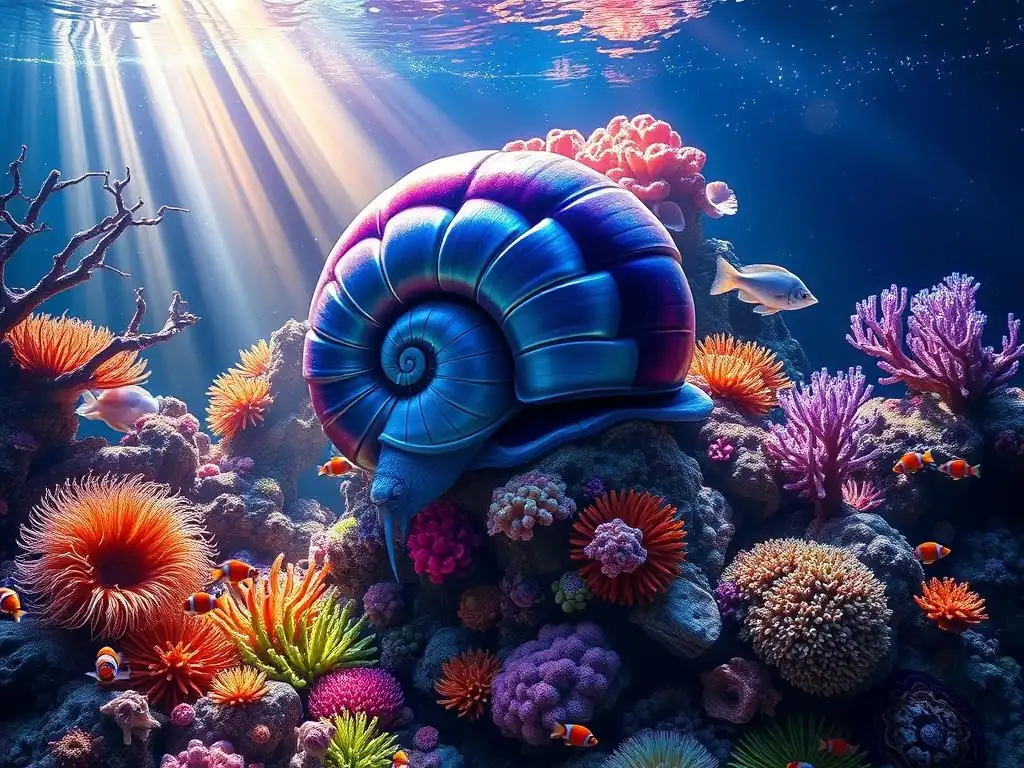
Ever wondered if you're really getting the most out of your reef tank's cleanup crew? Dive in! This article explores the often-overlooked world of reef tank snail needs, revealing the secrets to a sparkling, healthy environment. Discover how the right number of these tiny titans can revolutionize your tank's ecosystem and keep algae at bay. Intrigued? Let's unravel the mystery!
- Reef Tank Clean-Up Crew: Choosing the Right Number of Snails
- Understanding the Importance of Snails in a Reef Tank Ecosystem
- Determining Your Reef Tank Snail Needs: Key Factors
- Calculating the Ideal Number of Snails for Your Reef Aquarium
- Popular Reef Tank Snail Species and Their Specific Needs
- Monitoring and Maintaining Your Reef Tank Snail Population
- Troubleshooting Common Reef Tank Snail Problems
- Optimizing Your Reef Tank Environment for Snail Health
- Reef Tank Snail Needs: A Summary and Best Practices for a Pristine Reef
- Frequently Asked Questions
- Final Reflection: The Silent Guardians of Our Reefs
- Transform Your Reef: Invite Nature's Cleaners!
Reef Tank Clean-Up Crew: Choosing the Right Number of Snails
Understanding the Importance of Snails in a Reef Tank Ecosystem
Why Reef Tank Snails are Essential Clean-Up Crew Members
Reef tank snails are indispensable components of a healthy and balanced marine aquarium ecosystem, serving as the primary janitors of the underwater world. Their continuous grazing and scavenging activities are crucial for preventing the buildup of unsightly and potentially harmful organic matter, directly addressing the core reef tank snail needs for biological filtration and waste management. Without an adequate population of these diligent invertebrates, a reef tank can quickly become overwhelmed by algae blooms, detritus accumulation, and declining water quality, leading to stress for corals and fish.
Beyond their aesthetic contribution, the presence of snails helps maintain the delicate nutrient balance within the reef tank. They consume uneaten food, fish waste, and decaying plant matter, converting it into less harmful forms or preventing its decomposition into ammonia and nitrates. This natural process significantly reduces the workload on mechanical and biological filtration systems, contributing to a more stable and resilient environment for all inhabitants. Understanding these fundamental roles is the first step in determining your specific reef tank snail needs.
The Role of Snails in Controlling Algae and Detritus
One of the most critical functions of reef tank snails is their voracious appetite for various types of algae, from nuisance green hair algae to diatoms and cyanobacteria. Different snail species specialize in consuming specific algae types or accessing different areas of the tank, making a diverse snail clean-up crew highly effective. For instance, Turbo snails are renowned for their ability to decimate large patches of green hair algae on live rock, while Nerite snails excel at keeping aquarium glass spotless.
Furthermore, many snail species, such as Cerith and Nassarius snails, play a vital role in detritus management and sand bed health. They burrow through the substrate, consuming decaying organic matter and aerating the sand, which prevents the formation of anaerobic pockets that can release toxic hydrogen sulfide. This continuous turning of the substrate also prevents detritus from settling and becoming a persistent nutrient source for unwanted algae, directly impacting the long-term stability and cleanliness that are central to reef tank snail needs.
Different Types of Reef Safe Snails and Their Specific Functions
The world of reef-safe snails offers a diverse array of species, each with unique foraging habits and preferences, making it essential to select a varied clean-up crew to meet comprehensive reef tank snail needs. For example, the Turbo Snail ( Turbanidae family, often Tectus fenestratus or Trochus histrio) is a powerful herbivore, excellent for general algae control on rocks and glass, capable of consuming significant amounts of green hair algae. They are often active grazers, moving across various surfaces.
In contrast, Nerite Snails ( Neritina natalensis or similar species) are smaller but highly efficient grazers, particularly effective at cleaning the aquarium glass and smooth decorations without disturbing corals. Their smaller size allows them to navigate tight spaces. Then there are the Cerith Snails ( Cerithium sp.
), which are versatile, grazing on algae from rocks and glass, but also burrowing into the sand bed to consume detritus, contributing to substrate health. Finally, Nassarius Snails ( Nassarius vibex or Nassarius distortus) are primarily scavengers, excellent at consuming uneaten food and decaying matter from the sand bed, often emerging quickly when food is introduced. Understanding these specialized roles is key to fulfilling your overall reef tank snail needs.
Determining Your Reef Tank Snail Needs: Key Factors
Reef Tank Size and Snail Stocking Density: A Crucial Balance
The physical dimensions and water volume of your reef tank are paramount in determining the appropriate number of snails to introduce. A common guideline for a moderately stocked reef tank is approximately 1-2 small to medium-sized snails (like Ceriths or Nerites) per 5-10 gallons of water, or 1 large snail (like a Turbo snail) per 10-20 gallons. However, these are general starting points; the actual reef tank snail needs will vary based on other factors. Overstocking can lead to starvation if algae levels are insufficient, resulting in snail mortality, while understocking will leave the tank vulnerable to algae outbreaks.
For instance, a 50-gallon reef tank might initially benefit from a clean-up crew of 5-10 mixed small snails (e.g., 5 Nerites, 5 Ceriths) and perhaps 2-3 larger Turbo snails. A larger 100-gallon system could support double that number. It's always better to start conservatively and observe the tank's algae growth over several weeks before adding more. The goal is to establish a self-sustaining clean-up crew that efficiently manages algae and detritus without depleting their food source too quickly, directly addressing your specific reef tank snail needs.
Algae Growth Rate and Nutrient Levels: Impact on Snail Population
The inherent algae growth rate within your reef tank is a direct indicator of your nutrient levels and, consequently, a major determinant of your reef tank snail needs. Tanks with higher nutrient inputs (e.g., heavy feeding, high fish bioload, infrequent water changes) tend to experience more rapid algae growth. In such scenarios, a larger or more robust snail population will be required to keep the algae in check. Conversely, a tank with pristine water parameters and minimal algae will require fewer snails to prevent starvation and ensure their long-term survival.
It's crucial to regularly test water parameters such as nitrates and phosphates, as elevated levels directly fuel algae proliferation. For example, if your nitrate levels consistently hover around 10-20 ppm and you observe rapid growth of green hair algae, you likely need a more active clean-up crew.
If your tank is consistently clean with nitrates below 5 ppm and phosphates near zero, your existing snail population might be sufficient, or you may even need to consider supplemental feeding for your snails. Adjusting your snail population based on observed algae growth provides a practical approach to fulfilling your reef tank snail needs.
Fish Compatibility: Choosing Snails That Won't Be Eaten
The fish species housed in your reef tank significantly influence the types and numbers of snails you can successfully maintain. Certain fish are known snail predators and can decimate a clean-up crew, rendering your efforts to meet reef tank snail needs futile. Common culprits include certain Pufferfish, Triggerfish, large Wrasses (especially Coris and Halichoeres genera), and some species of Hawkfish. Even seemingly peaceful fish might occasionally nip at or consume smaller snails.
Before introducing snails, research the compatibility of your current fish inhabitants. For instance, a tank with a powerful Triggerfish like a Humu Humu is generally unsuitable for most snails, as they will quickly become expensive snacks. If you have borderline compatible fish, opting for larger, harder-shelled snails like larger Turbo snails might offer some protection, though it's not guaranteed. Always prioritize the safety of your invertebrates by selecting snail species that are less appealing or too large for your fish to consume, ensuring your clean-up crew can thrive and fulfill their reef tank snail needs.
Substrate Type and Its Influence on Snail Activity
The type of substrate in your reef tank plays a significant role in determining which snail species will thrive and how effectively they can contribute to your clean-up crew. Tanks with a deep sand bed (DSB) of 4 inches or more will greatly benefit from species that burrow and sift the sand, such as Nassarius snails and certain Cerith snails. These species are essential for preventing anaerobic pockets and consuming detritus within the substrate, fulfilling a specific aspect of reef tank snail needs. A deep sand bed without such inhabitants can become a nitrate factory.
Conversely, tanks with a bare bottom or a very shallow sand bed (less than 1 inch) will not provide suitable habitat for burrowing snails. In these setups, the focus should shift to snails that primarily graze on rocks and glass, like Turbo snails, Nerite snails, and Stomatella snails. Their primary function will be surface algae control. Understanding your substrate type is crucial for selecting the right snail species that will actively contribute to the tank's cleanliness and overall health, directly impacting your approach to meeting your reef tank snail needs.
Calculating the Ideal Number of Snails for Your Reef Aquarium
General Guidelines for Snail Stocking Levels in Reef Tanks
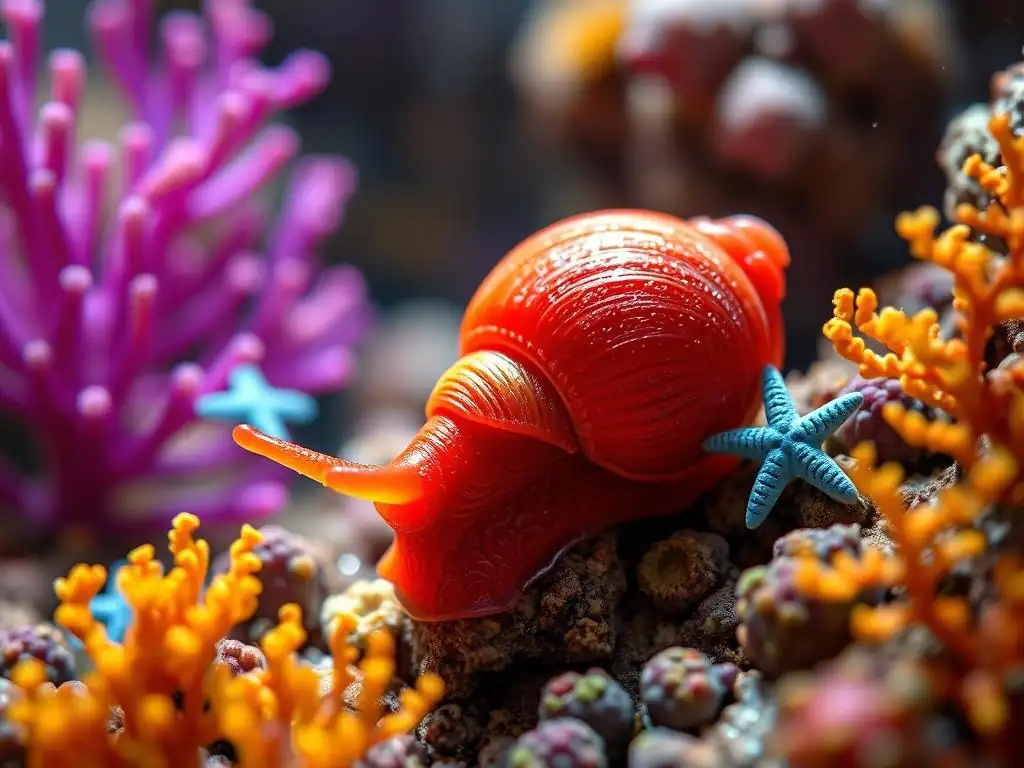
Determining the ideal number of snails for your reef aquarium is more art than precise science, but general guidelines provide an excellent starting point for meeting your reef tank snail needs. For a typical reef tank with moderate nutrient levels, a common recommendation is to start with 1-2 small to medium-sized snails (e.g., Cerith, Nerite) per 5-10 gallons of water. For larger, more robust grazers like Turbo snails, a ratio of 1 snail per 10-20 gallons is often suggested. This diversity in size and function helps cover various niches within the tank.
It's crucial to observe your tank's specific conditions over time. If you notice persistent patches of algae on rocks or glass despite your initial stocking, gradually add more snails. Conversely, if snails appear lethargic, are constantly climbing to the waterline, or die off, it might indicate a lack of food, suggesting you have too many for your tank's algae production. The key is to achieve a balance where snails have sufficient food to thrive but not so much that algae becomes a persistent problem, continuously adjusting to meet your evolving reef tank snail needs.
Accounting for Different Snail Species and Their Consumption Rates
Not all snails are created equal when it comes to their algae and detritus consumption rates; therefore, a balanced clean-up crew should account for these differences to effectively address your reef tank snail needs. For example, a single large Turbo snail can consume significantly more green hair algae than several small Nerite snails. However, Nerites excel at polishing glass surfaces, a task Turbo snails are less adept at due to their size and locomotion.
A diverse clean-up crew often includes a mix: perhaps a few large Turbo snails for heavy algae on rocks, several Nerite snails for glass and decor, a handful of Cerith snails for general grazing and light sand sifting, and a few Nassarius snails specifically for sand bed maintenance and scavenging uneaten food. When calculating your total snail population, consider the combined effect of these different species.
For instance, if you have a 50-gallon tank, a good starting mix might be 2 Turbo snails, 5 Nerite snails, 5 Cerith snails, and 3 Nassarius snails, providing a comprehensive solution for your reef tank snail needs across all areas of the aquarium.
Using Algae Levels as a Guide for Adjusting Snail Population
The most practical and effective method for fine-tuning your reef tank snail needs is to use the visible algae levels in your aquarium as a direct indicator. A healthy reef tank should have minimal nuisance algae. If you consistently observe significant growth of green hair algae on your live rock, diatoms on the glass, or a film of cyanobacteria on the sand, it's a clear sign that your current clean-up crew is insufficient or needs a different mix of species.
Conversely, if your tank is consistently spotless and your snails are spending a lot of time at the waterline or appear to be starving (e.g., retracted into their shells for extended periods), you might have an overpopulation, or your nutrient export methods are so efficient that there isn't enough food for them. In such cases, consider reducing your snail count or supplementing their diet with algae wafers (though this should be a last resort, as the goal is natural control).
Regular observation and incremental adjustments based on algae presence will lead to the optimal number of snails for your specific reef tank snail needs.
Popular Reef Tank Snail Species and Their Specific Needs
Turbo Snails: Algae Eating Powerhouses
Turbo snails, particularly species like the Mexican Turbo ( Turbo fluctuosa) or various Tectus species, are highly prized for their exceptional ability to consume large quantities of nuisance algae, making them a cornerstone for many reef tank snail needs. These robust grazers possess strong radulae, allowing them to effectively scrape off tough green hair algae and diatoms from live rock and aquarium glass. They are generally active during the day, constantly moving across surfaces, which contributes significantly to keeping the tank clean.
While incredibly efficient, Turbo snails do have specific requirements. They prefer cooler water temperatures, ideally between 72-78°F (22-25°C), and can be sensitive to rapid shifts in salinity or pH. Their large, heavy shells can sometimes knock over unsecured frags or small rockscapes, a minor consideration for aquascaping. It's important to provide ample algae for them, as starvation can lead to their demise. A common stocking guideline is 1 Turbo snail per 10-20 gallons, depending on the severity of algae growth, directly addressing the heavy-duty reef tank snail needs.
Nerite Snails: Efficient Algae Grazers for Glass and Decorations
Nerite snails ( Neritina natalensis and other marine species) are smaller, yet incredibly efficient algae grazers, particularly valued for their ability to keep aquarium glass, powerheads, and smooth decorations pristine. Unlike some larger snails, their compact size and flat profile allow them to navigate tight crevices and surfaces where other grazers cannot reach. They excel at consuming film algae, diatoms, and green spot algae, leaving behind a clear path as they graze.
These hardy snails are less prone to tipping over than Turbos and are generally more tolerant of varying water conditions once acclimated. Their small size means they have a minimal bioload, making them a safe addition to even smaller nano reef tanks.
A typical recommendation for meeting reef tank snail needs with Nerites is 1-2 snails per 5 gallons of water, though this can be adjusted based on the amount of glass surface area and observed algae growth. While they won't tackle thick hair algae on rocks as effectively as Turbos, their specialized role in keeping surfaces clean is invaluable.
Cerith Snails: Detritus Cleaners for the Substrate
Cerith snails ( Cerithium sp.) are versatile members of the reef tank clean-up crew, fulfilling a dual role as both algae grazers and detritus consumers, which is critical for comprehensive reef tank snail needs. These snails have a distinctive elongated, spiraling shell and are active both on live rock and within the sand bed. They graze on various types of algae, including diatoms and film algae, from surfaces, but their true value often lies in their burrowing behavior.
By sifting through the top layers of the sand bed, Cerith snails consume decaying organic matter and uneaten food particles, preventing the buildup of detritus that can lead to nutrient spikes and nuisance algae. This constant turning of the sand also helps to aerate the substrate, reducing the risk of anaerobic spots. They are relatively small, typically reaching about an inch in length, making them suitable for most reef tank sizes. A stocking density of 1-2 Cerith snails per 5-10 gallons is a good starting point for addressing substrate and general grazing reef tank snail needs.
Nassarius Snails: Scavengers That Keep the Sand Bed Healthy
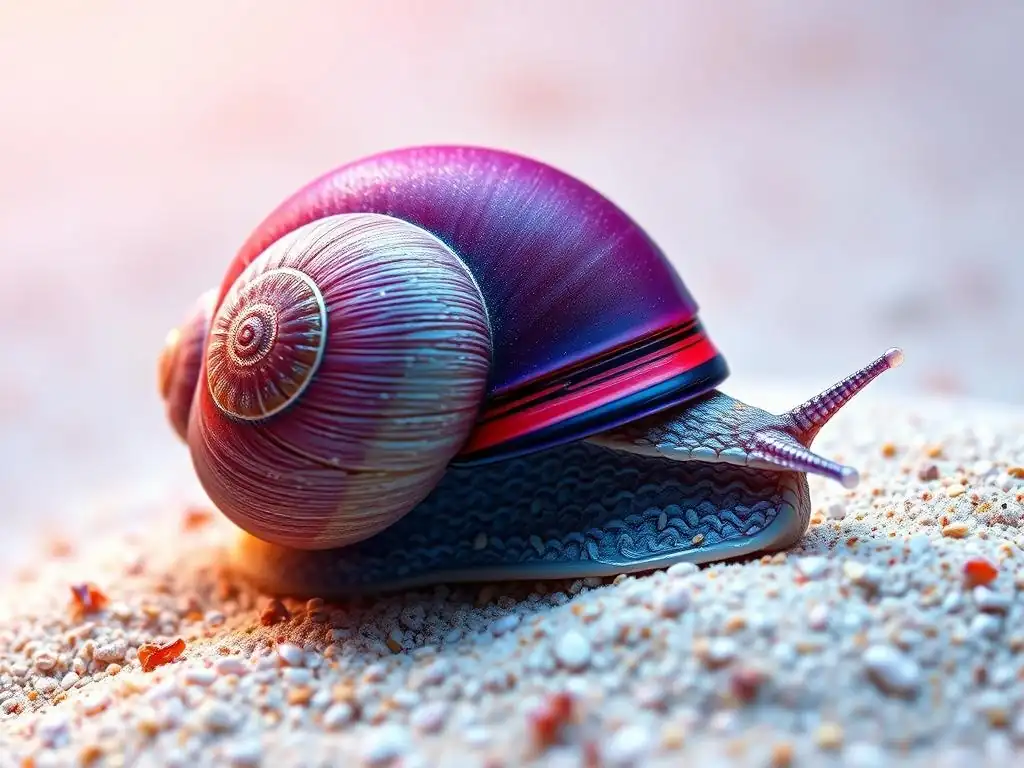
Nassarius snails ( Nassarius vibex, Nassarius distortus, Nassarius pauperus) are highly specialized scavengers, making them indispensable for maintaining a healthy and clean sand bed in a reef aquarium. These unique snails spend most of their time buried beneath the sand, emerging rapidly when they detect the presence of food, such as uneaten fish flakes, pellets, or decaying organic matter. Their keen sense of smell allows them to quickly locate and consume detritus before it can break down and pollute the water column.
Their constant burrowing activity is crucial for aerating the sand bed, which prevents the formation of harmful anaerobic zones that can release toxic hydrogen sulfide gas. This mechanical action, combined with their scavenging, significantly contributes to nutrient export and overall water quality. Nassarius snails are generally small, hardy, and reef-safe, posing no threat to corals or other invertebrates. A common recommendation for fulfilling reef tank snail needs related to sand bed health is 1 Nassarius snail per 1-2 gallons of sand bed area, or approximately 1 per 10 gallons of tank volume.
Stomatella Snails: Effective Algae Eaters in Hard-to-Reach Areas
Stomatella snails ( Stomatella varia and related species) are often considered a bonus addition to a reef tank clean-up crew, frequently hitchhiking on live rock or coral frags. Despite their small size and somewhat unusual, ear-shaped shell, they are highly effective and often overlooked grazers, particularly useful for addressing reef tank snail needs in difficult-to-reach areas. They are prolific breeders in the aquarium, and a healthy population can provide continuous, natural algae control.
These nocturnal grazers excel at consuming various film algae, diatoms, and even some types of cyanobacteria from live rock, glass, and especially within the intricate structures of coral colonies where larger snails cannot easily maneuver. Their flat profile allows them to squeeze into tight crevices, ensuring comprehensive coverage. Stomatella snails are completely reef-safe, have a minimal bioload, and are generally very hardy. While you can't typically purchase them in large quantities, allowing a natural population to establish through hitchhikers can significantly enhance your tank's overall cleanliness without requiring specific stocking calculations for your reef tank snail needs.
Monitoring and Maintaining Your Reef Tank Snail Population
Observing Snail Behavior for Signs of Health or Stress
Regular observation of your reef tank snail population is crucial for assessing their health and the overall balance of your clean-up crew. Healthy snails are typically active, moving around the tank, and constantly grazing on surfaces. For instance, Turbo snails should be seen actively scraping algae from rocks, and Nassarius snails should emerge quickly from the sand when food is introduced. If you notice snails retracted into their shells for extended periods, congregating at the waterline, or lying upside down without righting themselves, these are potential signs of stress or starvation.
Lethargy, a lack of movement, or a sudden increase in snail deaths can indicate underlying issues such as insufficient food, poor water quality (e.g., high nitrates, low alkalinity), or the presence of predators. Regularly checking the underside of rocks and in crevices for hidden snails can also give you a more accurate count of your active population. Proactive monitoring allows you to address problems before they escalate, ensuring your reef tank snail needs are consistently met.
Supplementing Snail Diet When Algae Levels Are Low
While the primary role of reef tank snails is to consume natural algae growth, there may be times when algae levels are too low to sustain your clean-up crew, particularly in very mature or ultra-low nutrient systems. In such scenarios, supplementing their diet becomes necessary to prevent starvation and ensure their long-term health, directly impacting your reef tank snail needs. Signs of insufficient food include snails becoming less active, shrinking in size, or dying off.
To supplement, you can offer small pieces of dried seaweed (nori), algae wafers, or spirulina flakes. It's best to attach the seaweed to a rock with a veggie clip or place wafers in a low-flow area where snails can easily access them. Be cautious not to overfeed, as excess food can quickly degrade water quality. Aim to provide just enough to keep your snails active and healthy without introducing unwanted nutrients into the system. This proactive approach ensures your clean-up crew remains robust and continues to fulfill its reef tank snail needs.
Identifying and Addressing Potential Threats to Snails (Predators, Poor Water Quality)
Several factors can pose threats to your reef tank snail population, leading to diminished numbers and an inability to meet your reef tank snail needs. Predation by certain fish, crabs, or even other invertebrates is a common issue. As mentioned, Triggerfish, Pufferfish, certain Wrasses, and some predatory crabs (e.g., Gorilla crabs, Arrow crabs) can actively hunt and consume snails. Regularly inspect your tank for unwanted hitchhikers that may have arrived on live rock or corals.
Poor water quality is another significant threat. Snails are sensitive to sudden changes in salinity, temperature fluctuations, and elevated levels of nitrates, nitrites, or ammonia. Copper-based medications, even in trace amounts, are highly toxic to all invertebrates, including snails, and must be avoided at all costs in a reef tank. Regularly testing your water parameters and maintaining stable conditions are paramount for snail survival. Promptly addressing any water quality issues or removing known predators will safeguard your clean-up crew and ensure they can effectively manage your reef tank snail needs.
Quarantining New Snails to Prevent Introducing Pests or Diseases
A critical step in maintaining a healthy reef tank snail population and preventing the introduction of unwanted organisms is to quarantine all new snails before adding them to your main display tank. While snails themselves are generally hardy, they can carry hitchhikers such as flatworms, parasitic copepods, or even undesirable micro-algae species that can quickly spread and cause problems in your established reef ecosystem. This preventative measure is a vital aspect of responsible reef tank snail needs management.
A simple quarantine setup can be a small 5-10 gallon tank with an air stone, a heater, and some inert substrate or PVC pipes for hiding. Keep the new snails in this separate tank for at least 2-4 weeks, observing them closely for any signs of disease or pests.
You can also perform a brief freshwater dip (using RO/DI water matched for temperature and pH) for a few seconds to dislodge common pests, although this should be done with caution as it can stress the snails. This proactive approach minimizes risks and protects your existing clean-up crew and corals, ensuring the long-term health of your reef and meeting your reef tank snail needs effectively.
Troubleshooting Common Reef Tank Snail Problems
Snails Not Moving or Eating: Potential Causes and Solutions
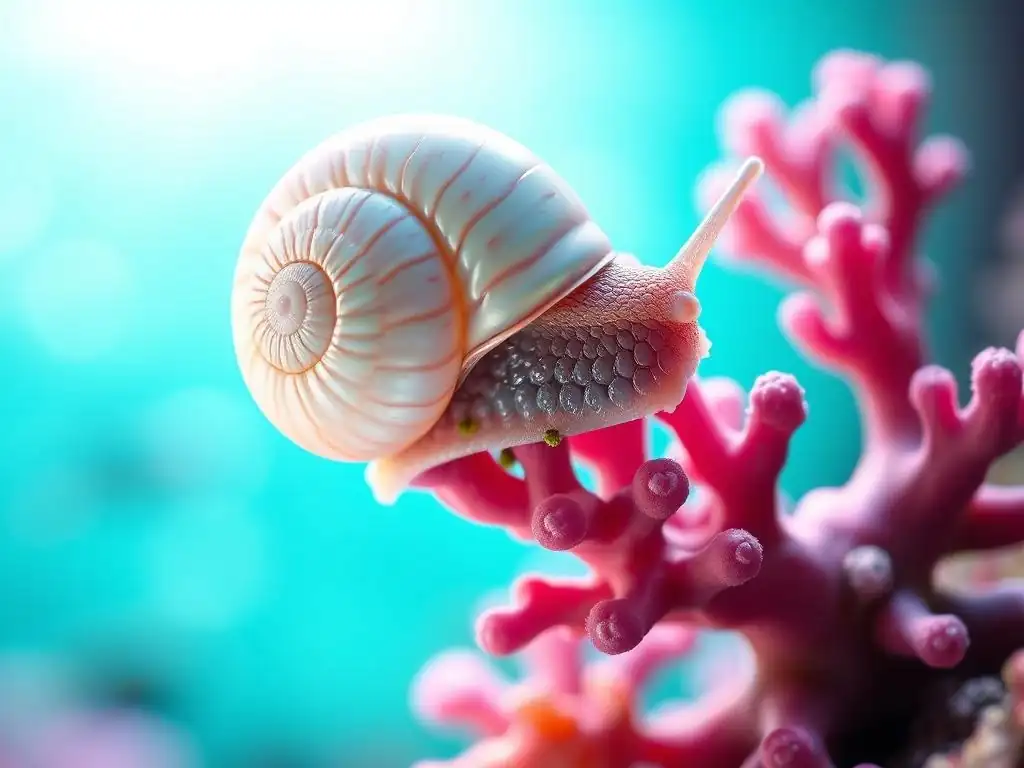
When reef tank snails become lethargic, stop moving, or cease grazing, it's a clear indicator of a problem that needs immediate attention to ensure your reef tank snail needs are still being met. The most common causes include starvation due to insufficient algae, poor water quality, or acclimation shock. If algae levels are visibly low, consider supplementing their diet with algae wafers or nori. Test your water parameters (ammonia, nitrite, nitrate, salinity, alkalinity, pH) immediately. High levels of ammonia or nitrite are particularly toxic to snails.
If water parameters are stable, consider if they were recently added and experienced poor acclimation. Snails are sensitive to rapid changes in salinity and temperature. A slow drip acclimation over several hours is highly recommended for new additions. Additionally, check for signs of predation; sometimes a snail may have been attacked but not fully consumed, leading to its inactivity. Addressing these potential causes quickly can often revive your snails and restore their activity, ensuring they continue to fulfill their crucial role in your reef tank.
Empty Snail Shells: Investigating Mortality and Predation
Discovering empty snail shells in your reef tank is a common, yet concerning, issue that directly impacts your ability to meet reef tank snail needs. The first step is to differentiate between natural mortality and predation. Snails have a finite lifespan, and occasional deaths are normal. However, a sudden or consistent increase in empty shells warrants investigation. Look closely at the shells: if they are clean and intact, it might indicate natural death or starvation. If there are drill holes, chipped edges, or signs of forced entry, it strongly suggests predation.
Common predators include predatory crabs (e.g., Gorilla crabs, Mithrax crabs that turn predatory), certain large hermit crabs (e.g., Halloween Hermits, if they grow large enough to overpower snails), and some fish species like Triggerfish or Pufferfish. If predation is suspected, observe your tank inhabitants, especially at night. You may need to trap and remove aggressive crabs or reconsider fish compatibility. If starvation is the issue, evaluate algae levels and consider supplemental feeding. Understanding the cause of mortality is essential for maintaining an effective clean-up crew and addressing your reef tank snail needs.
Overpopulation of Snails: Signs and Management Strategies
While understocking snails can lead to algae issues, an overpopulation of snails can also present its own set of challenges, impacting the long-term balance of your reef tank snail needs. The primary sign of overpopulation is a tank that is consistently spotless, with snails frequently congregating at the waterline or appearing lethargic due to a lack of food. This can lead to mass die-offs, which in turn can cause ammonia spikes and nutrient imbalances, potentially harming corals and fish.
If you find yourself with too many snails, there are several management strategies. The simplest is to stop purchasing new snails and allow the population to naturally decrease through attrition. You can also manually remove excess snails and offer them to a local fish store or another aquarist.
In some cases, introducing a compatible snail-eating fish (e.g., certain Wrasse species, though caution is advised as they may also target desirable invertebrates) can help control numbers, but this is a more aggressive approach. The key is to achieve a sustainable balance where your clean-up crew thrives without outstripping its food supply, ensuring your reef tank snail needs are met efficiently.
Optimizing Your Reef Tank Environment for Snail Health
Maintaining Proper Water Parameters for Snail Growth and Survival
The health and longevity of your reef tank snail population are intrinsically linked to the stability and quality of your aquarium's water parameters. Snails, like corals and other invertebrates, are highly sensitive to fluctuations and imbalances in their environment. Maintaining stable salinity (typically 1.024-1.026 specific gravity), temperature (72-78°F or 22-25°C), and pH (8.0-8.4) is crucial. Rapid swings in any of these parameters can cause significant stress, leading to lethargy, shell erosion, or even death, directly impacting your reef tank snail needs.
Beyond the basic parameters, keeping nitrates and phosphates at very low levels (ideally <5 ppm for nitrates and <0.03 ppm for phosphates) is essential. While snails consume algae that thrives on these nutrients, excessively high levels can indirectly harm them by contributing to overall poor water quality. Regular water changes, efficient protein skimming, and robust biological filtration are key to achieving and maintaining these optimal conditions, thereby providing an ideal environment for your clean-up crew to fulfill its reef tank snail needs.
Providing Adequate Hiding Places and Substrate for Snails
While snails are primarily grazers, providing them with adequate hiding places and appropriate substrate is important for their well-being and overall effectiveness in meeting your reef tank snail needs. Live rock, with its natural crevices and porous structure, offers numerous nooks and crannies where snails can retreat during periods of stress, rest, or when they are shedding old shell layers (though less common for marine snails, some do grow). This also protects them from potential harassment by fish or other tank inhabitants.
For burrowing species like Nassarius and Cerith snails, a sufficiently deep sand bed (at least 2-4 inches) is absolutely essential. This allows them to exhibit their natural behavior of sifting through the substrate, consuming detritus, and aerating the sand. Without a suitable sand bed, these species will not thrive and cannot perform their vital function as sand bed cleaners. Ensuring these environmental provisions are in place contributes significantly to the health and activity of your clean-up crew, allowing them to consistently address your reef tank snail needs.
Avoiding Copper-Based Medications That Are Toxic to Snails
One of the most critical considerations for anyone maintaining a reef tank clean-up crew, especially snails, is the absolute avoidance of copper-based medications. Copper, even in very minute concentrations, is highly toxic to all invertebrates, including snails, crabs, shrimp, and corals. It is commonly used to treat parasitic infections in fish, such as Ich ( Cryptocaryon irritans), but its use in a display tank containing invertebrates will invariably lead to their demise. This is a non-negotiable aspect of meeting reef tank snail needs.
If a fish in your reef tank develops a disease requiring copper treatment, the affected fish must be removed to a separate quarantine or hospital tank for treatment. Never administer copper directly into your main reef display. Even after treatment in a separate tank, residual copper can leach from rockwork and substrate, making it challenging to reintroduce invertebrates safely. Always opt for invertebrate-safe treatments or alternative methods for disease management in your main reef system to protect your valuable clean-up crew and ensure they can continue to address your reef tank snail needs.
Reef Tank Snail Needs: A Summary and Best Practices for a Pristine Reef
Achieving a pristine reef tank hinges significantly on understanding and meticulously addressing your reef tank snail needs. These diligent invertebrates form the backbone of a natural clean-up crew, playing an indispensable role in controlling nuisance algae and managing detritus. A well-chosen and appropriately stocked snail population contributes profoundly to the overall health, stability, and aesthetic appeal of your marine aquarium, transforming it from a mere display into a thriving, balanced ecosystem.
The best practices for optimizing your reef tank snail needs involve a multi-faceted approach:
- Diversity is Key: Don't rely on a single snail species. A mix of grazers like Turbo and Nerite snails, combined with sand-sifting detritivores such as Cerith and Nassarius snails, provides comprehensive coverage for all areas of your tank.
- Start Conservatively: Begin with a modest number of snails (e.g., 1-2 per 5-10 gallons, depending on species) and observe your tank's algae levels over several weeks. Gradually add more if algae persists.
- Monitor Water Parameters: Stable and optimal water quality (salinity, temperature, pH, low nitrates/phosphates) is paramount for snail health.
- Observe Behavior: Actively watch your snails for signs of stress, starvation, or predation. Lethargy or mass die-offs signal underlying issues that require immediate attention.
- Consider Tank Specifics: Account for tank size, substrate type, and the compatibility of your fish inhabitants when selecting and stocking snails. Avoid known snail predators.
- Quarantine New Additions: Always quarantine new snails to prevent the introduction of pests or diseases into your main display.
- Avoid Copper: Never use copper-based medications in a reef tank, as they are lethal to snails and other invertebrates.
By implementing these practices, you empower your reef tank's natural clean-up crew to flourish, ensuring your reef remains vibrant, healthy, and free from unsightly algae, truly fulfilling your reef tank snail needs.
Frequently Asked Questions
How do I determine the correct number of snails for my reef tank?
The optimal number of snails depends on your tank size, the amount of algae present, and the snail species you choose. A general rule is 1 snail per gallon for smaller snails like Nassarius, and fewer for larger snails like Turbos.
What types of snails are best for a reef tank, and why?
Popular reef tank snails include Turbo, Nassarius, Cerith, and Nerite snails. They each have different algae-eating preferences and substrate cleaning capabilities, contributing to a balanced ecosystem.
What happens if I have too many snails in my reef tank?
Overpopulation of snails can lead to food scarcity, causing them to starve and potentially die, impacting your water quality. It can also lead to competition with other invertebrates for resources.
What happens if I don't have enough snails in my reef tank?
Insufficient snails can result in an algae bloom and a build-up of detritus, leading to poor water quality and potential harm to your other reef inhabitants.
How often should I replace or add snails to my reef tank?
Snail populations can decline due to predation, starvation, or improper water parameters. Regularly monitor your snail population and add more as needed to maintain a healthy balance, usually a few times a year.
Final Reflection: The Silent Guardians of Our Reefs
The intricate balance of a reef tank ecosystem hinges on the often-overlooked contributions of its smallest inhabitants, and as we've explored the nuances of reef tank snail needs, it's clear that understanding their role is more crucial than ever. The health of our artificial reefs directly reflects our commitment to responsible aquarium keeping and the preservation of the natural world.
This journey into the world of reef tank snails has underscored their profound impact on maintaining a thriving aquatic environment. It's humbling to realize that these tiny creatures, often relegated to the background, are actually essential custodians of our underwater paradises. In nature, nothing exists alone.
- Rachel Carson. This quote perfectly encapsulates the interconnectedness within a reef tank, where the snails' diligent grazing directly contributes to the overall health and beauty of the ecosystem.
As you consider the information presented, I urge you to reflect on your own reef tank practices. Are you truly providing the optimal environment for these silent guardians? By understanding and meeting their needs, you're not just creating a cleaner tank; you're fostering a healthier, more vibrant, and ultimately, more sustainable reef ecosystem. Let's all strive to be more mindful stewards of these miniature underwater worlds.
Transform Your Reef: Invite Nature's Cleaners!
Thanks for diving into the world of reef tank custodians! Now that you know the right number of snails can make all the difference, it's time to take action and create a thriving, balanced ecosystem in your aquarium. What's next?
- Calculate your ideal snail population based on your tank size and the current algae situation—remember, balance is key!
- Share your newfound snail wisdom! Inspire others by discussing your tank's snail success (or challenges!) in our community forum.
- Consider an unexpected ally: Research if a specific macroalgae species could further support your snail's efforts and enhance your tank's biodiversity.
Ready to implement your reef cleaning strategy? What adjustments will you make to your snail crew this week?