
North American Biotope Tanks: Showcasing Native Beauty in Your Living Room

Welcome to Aquarium Mastery!
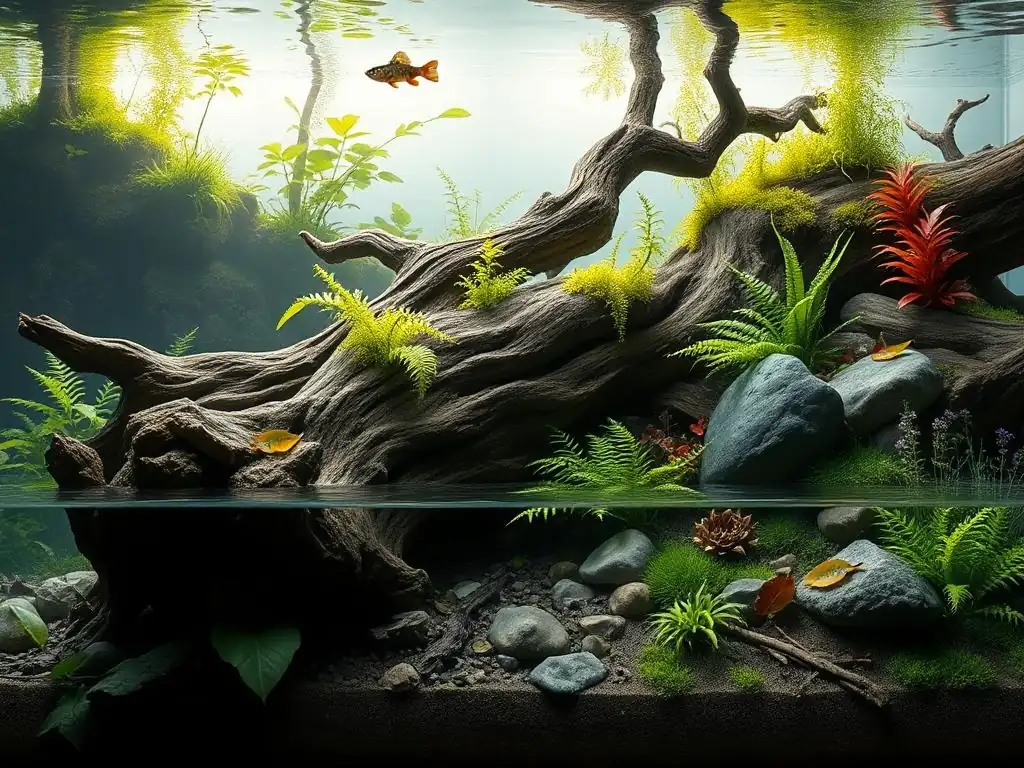
Intrigued by the idea of bringing the untamed beauty of North American waters into your home? Dive in and discover how to create a stunning North American biotope aquarium setup. We'll guide you through selecting the perfect native fish, plants, and hardscape to replicate a thriving ecosystem right in your living room. Eager to unlock the secrets? Let's get started and craft your own slice of North American paradise!
- Understanding the North American Biotope Aquarium
- Planning Your North American Biotope Aquarium Setup
- Choosing Inhabitants for Your North American Biotope
- Creating a Specific North American Biotope Environment
- Setting Up and Maintaining Your North American Biotope Aquarium
- Troubleshooting Common Issues in North American Biotope Aquariums
- Examples of Stunning North American Biotope Aquariums
- Resources for North American Biotope Aquarium Keepers
-
Frequently Asked Questions
- What exactly is a North American biotope aquarium?
- What are some popular North American biotope aquarium examples?
- What are the key considerations when planning a North American biotope aquarium setup?
- Where can I find native North American fish and plants for my aquarium?
- What are some common challenges in maintaining a North American biotope aquarium?
- Final Reflection: Embracing the Wild Within
- Craft Your Own North American Biotope Oasis!
Understanding the North American Biotope Aquarium
What is a Biotope Aquarium? Replicating Natural Habitats
A biotope aquarium is a specialized aquatic setup meticulously designed to replicate a specific natural habitat, including its geography, water parameters, substrate, flora, and fauna. The goal is to create an ecosystem that mirrors a particular slice of nature, whether it's a calm lake, a fast-flowing river, or a murky swamp. This approach goes beyond a general community tank, aiming for biological accuracy and providing the inhabitants with an environment as close to their native home as possible, which is crucial for a successful North American biotope aquarium setup.
This meticulous replication allows aquarists to observe natural behaviors that might not manifest in a general tank, such as specific spawning rituals, foraging patterns, or social interactions. For instance, a true biotope ensures that fish like darters, which are adapted to specific current and substrate types, can thrive and exhibit their unique burrowing or perching behaviors, making the display both educational and aesthetically compelling.
Why Choose a North American Biotope? Benefits and Unique Appeal
Choosing a North American biotope offers a unique and often overlooked avenue within the aquarium hobby. North America boasts an incredible diversity of aquatic environments, from the cold, clear streams of the Appalachian Mountains to the warm, tannin-stained waters of the Florida Everglades, each with its own distinct array of fish, plants, and invertebrates. This allows for a vast range of creative possibilities in a North American biotope aquarium setup, showcasing the beauty of native ecosystems.
The benefits extend beyond aesthetics; native fish and plant species are often more resilient to local water conditions, potentially simplifying maintenance once the initial setup is stable. Furthermore, replicating a local environment fosters a deeper connection to regional ecology, promoting awareness and appreciation for indigenous aquatic life. For example, a biotope based on a typical Midwestern creek might feature species like Fathead Minnows (Pimephales promelas) and Green Sunfish (Lepomis cyanellus), thriving in conditions easily replicated with tap water after proper conditioning.
The Allure of Native Fishkeeping: Conservation and Education
Native fishkeeping, particularly through the lens of a North American biotope aquarium setup, offers a powerful platform for conservation and education. Many native aquatic species face increasing threats from habitat destruction, pollution, and invasive species. By recreating and maintaining healthy native biotopes, aquarists can learn about these delicate ecosystems and indirectly contribute to their understanding and preservation. This can include responsible sourcing of fish, which often means captive-bred specimens or those collected under strict permits.
Beyond direct conservation, the educational value is immense. A well-executed North American biotope can serve as a living classroom, teaching about ecological principles, species interactions, and the importance of biodiversity. Children and adults alike can observe the intricate relationships between native shiners, darters, and sunfish within a simulated environment, fostering a sense of stewardship for local waterways. For instance, observing the territorial displays of a male Banded Killifish (Fundulus diaphanus) in a simulated pond margin helps illustrate natural reproductive behaviors.
Planning Your North American Biotope Aquarium Setup
Selecting the Right Tank Size for Your Native Biotope
The appropriate tank size for your North American biotope aquarium setup is paramount and depends heavily on the specific biotope you aim to replicate and the adult size of the species you intend to house. While smaller tanks (e.g., 10-20 gallons) can be suitable for very small species like least killifish or some darter species, larger tanks generally offer greater stability in water parameters and more space for natural behaviors. A 40-gallon breeder tank, for example, with its larger footprint, is often preferred over a taller tank of similar volume for bottom-dwelling native fish.
For larger native species such as various sunfish (e.g., Bluegill, L. macrochirus, which can reach 10-12 inches) or small bass, a tank of 75 gallons or more is highly recommended to provide adequate swimming space and reduce aggression. A small school of Rosyface Shiners (Notropis rubellus), typically growing to 3-4 inches, would thrive in a 29-gallon tank, allowing for their schooling behavior. Always research the adult size and territorial needs of your chosen inhabitants before committing to a tank size for your North American biotope aquarium setup.
Essential Equipment for a North American Biotope Tank: Filtration, Lighting, and Heating
For a robust North American biotope aquarium setup, essential equipment includes efficient filtration, appropriate lighting, and, in some cases, heating or cooling. Filtration is crucial for maintaining pristine water quality; external canister filters or powerful hang-on-back (HOB) filters are often preferred for their capacity and versatility. For a stream biotope, additional powerheads might be necessary to simulate strong currents, ensuring water turnover rates of 8-10 times the tank volume per hour. A quality canister filter like the Fluval FX4, capable of filtering up to 2500 L/h, is ideal for a 75-gallon riverine biotope.
Lighting requirements vary based on the plant species chosen for your biotope. Moderate LED lighting (e.g., 20-40 PAR at the substrate) is generally sufficient for common native plants like Anacharis (Egeria densa) or Water Wisteria (Hygrophila difformis). Heating depends entirely on the specific biotope's natural temperature range.
Many North American species are temperate; a heater might only be needed to prevent extreme temperature fluctuations or to maintain stability (e.g., 68-74°F or 20-23°C) for warm-water species like various killifish. Conversely, cold-water biotopes for species like Dace or Trout might necessitate a chiller to maintain temperatures below 65°F (18°C), especially in warmer climates.
Substrate Selection for a Natural North American Aquarium
Substrate choice is a critical element in accurately replicating a North American biotope aquarium setup. The substrate should mimic the natural environment of your chosen biotope, both in appearance and function. For river or stream biotopes, a mix of smooth river rocks, various sized pebbles, and coarse sand is ideal, reflecting the natural erosion and deposition found in flowing waters. This provides crucial hiding spots for bottom-dwelling fish like darters and madtoms, and helps anchor plants.
Conversely, for lake, pond, or wetland biotopes, a finer sand or a mix of sand and fine gravel, possibly with a layer of inert clay or aquasoil underneath for plant root development, would be more appropriate. The depth of the substrate should vary to create natural contours and allow for plant rooting; aim for 1-2 inches in open areas and deeper pockets of 3-4 inches where plants are concentrated.
For example, a biotope replicating a section of the Great Lakes might use a fine, light-colored sand mixed with smooth, rounded cobbles, reflecting glacial deposits and providing spawning sites for species like Logperch (Percina caprodes).
Choosing Inhabitants for Your North American Biotope
North American Native Fish Species: Options for Your Biotope
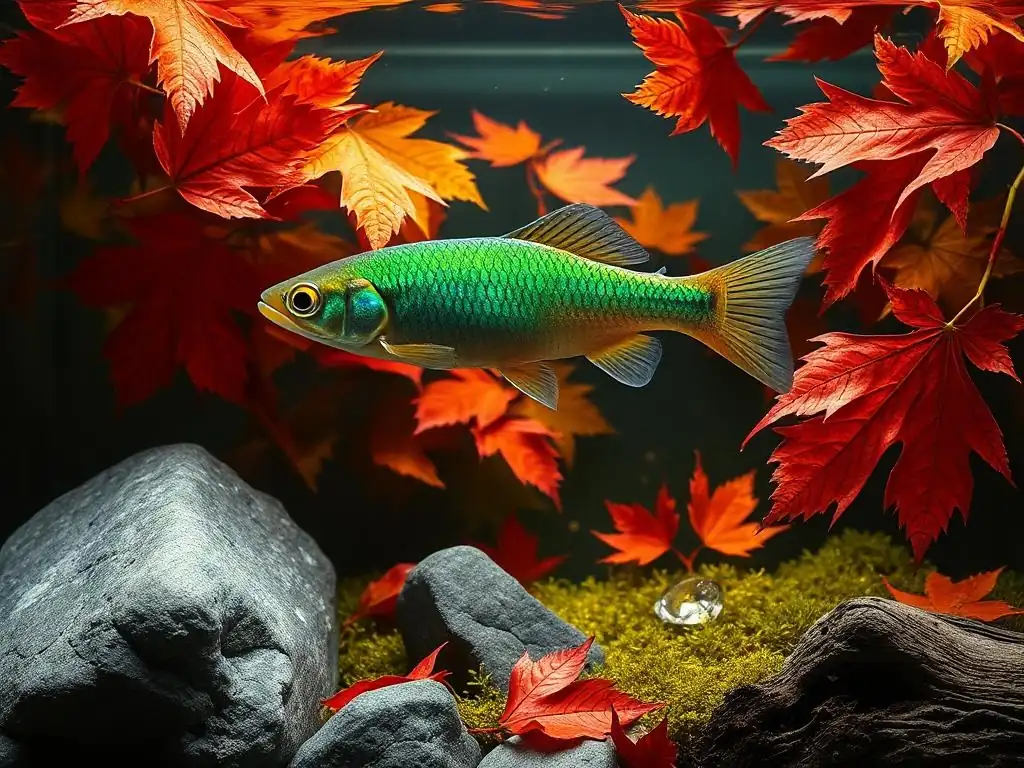
The diversity of North American native fish species provides a wealth of options for a North American biotope aquarium setup, catering to various tank sizes and water conditions. It's crucial to select species that naturally coexist in the wild and have similar environmental requirements. Researching the specific biotope you wish to emulate will guide your choices, ensuring compatibility in terms of size, temperament, and diet.
Consider factors such as adult size, schooling tendencies, and territoriality when planning your fish stocking. For instance, while some sunfish species can be kept together, larger ones like the Warmouth (Lepomis gulosus) can be quite predatory towards smaller fish. Always prioritize the well-being of the fish by avoiding overcrowding and ensuring ample hiding spots and territories.
Coldwater Species for North American Biotopes
Coldwater North American biotopes, typically replicating mountain streams or northern lakes, require stable, cooler temperatures, often below 70°F (21°C). Suitable inhabitants for such a North American biotope aquarium setup include various species of Dace, such as the Southern Redbelly Dace (Chrosomus erythrogaster), known for their vibrant colors, or the Blacknose Dace (Rhinichthys atratulus), which prefer rocky, flowing environments. These small, active fish often thrive in schools of 6-10 individuals in tanks as small as 20 gallons.
Another excellent choice for coldwater environments are certain Darter species, such as the Rainbow Darter (Etheostoma caeruleum) or the Fantail Darter (Etheostoma flabellare). These fascinating bottom-dwellers, typically reaching 2-3 inches, exhibit unique "dashing" movements and require a substrate of mixed gravel and pebbles to sift through. They are best kept in tanks of 20 gallons or larger, often in groups, provided ample hiding places are available.
Warmwater Species for North American Biotopes
Warmwater North American biotopes, common in southern states or slower-moving lowland rivers and ponds, typically maintain temperatures between 70-78°F (21-26°C). A popular choice for these setups are various species of Sunfish (Lepomis spp. ), such as the diminutive but colorful Everglades Pygmy Sunfish (Elassoma evergladei), which are ideal for smaller tanks (10 gallons+) and thrive in heavily planted environments. Larger sunfish like the Dollar Sunfish (Lepomis marginatus) or Bluegill (Lepomis macrochirus) can be kept, but require tanks of 50 gallons or more due to their adult size and potential for aggression, especially during breeding.
Other suitable warmwater species for a North American biotope aquarium setup include various Killifish, such as the Florida Flagfish (Jordanella floridae), known for their algae-eating habits and striking coloration. These fish are relatively peaceful and can be kept in pairs or small groups in tanks as small as 15-20 gallons. Minnow species like the Golden Shiner (Notemigonus crysoleucas) also make excellent additions to larger warmwater setups, providing active schooling behavior.
Native Plants for a Thriving North American Biotope Aquarium
Integrating native plants is essential for a truly authentic and thriving North American biotope aquarium setup. These plants not only enhance the aesthetic appeal but also provide vital ecological functions: oxygenation, nutrient absorption (reducing algae), and crucial hiding spots and foraging areas for fish. Many North American aquatic plants are hardy and adaptable, making them excellent choices for aquarists.
Good choices include various species of Waterweed (Elodea/Egeria densa), which are fast-growing and excellent oxygenators, often found in still or slow-moving waters across North America. Vallisneria americana (Corkscrew Vals or Jungle Vals) are common in lakes and rivers, providing tall, grassy backgrounds. For foreground or midground, Sagittaria subulata (Dwarf Sagittaria) offers a natural grass-like carpet. For a more marshy or wetland feel, species like Broadleaf Sagittaria (Sagittaria latifolia) or various native Ludwigia species can be used.
Invertebrates and Other Organisms for a Balanced Ecosystem
To truly complete a North American biotope aquarium setup and enhance its ecological balance, consider adding native invertebrates and other small organisms. These creatures play crucial roles in the ecosystem, acting as detritivores, algae eaters, and even providing a natural food source for some fish species. It's important to ensure that any invertebrates chosen are compatible with your fish inhabitants and won't be immediately consumed.
Native snail species, such as various ramshorn snails (e.g., Planorbella spp.) or bladder snails (Physa spp. ), are excellent for consuming algae and detritus, helping to keep the tank clean. Freshwater shrimp, like various species of Palaemonetes (grass shrimp), can also be added, though they might become prey for larger fish. Crayfish (Procambarus spp. or Orconectes spp.) can be fascinating additions, but choose species carefully as they can be destructive to plants and predatory towards smaller fish. A single native crayfish can be a captivating centerpiece in a dedicated 20-gallon tank or larger.
Creating a Specific North American Biotope Environment
The River Biotope: Simulating a Flowing Ecosystem
Creating a river biotope for your North American biotope aquarium setup involves simulating the dynamic conditions of a flowing waterway. Key characteristics include strong currents, rocky substrates, and often cooler, highly oxygenated water. This type of biotope is ideal for fish species adapted to swift water, such as various darters, dace, and some smaller minnows. The layout should reflect the natural flow, with open areas for swimming and sheltered zones behind rocks for resting.
To achieve an authentic riverine feel, consider a long tank (e.g., 40-gallon breeder or 75-gallon) to maximize swimming length. Filtration should be robust, with powerheads strategically placed to create unidirectional flow patterns. For example, a 75-gallon tank might use two powerheads generating a combined flow of 1000-1500 GPH, mimicking a moderate stream.
Substrate should consist of smooth river rocks, pebbles, and coarse sand, mimicking natural riverbeds. Plants should be hardy and able to withstand current, such as Anubias (though not native, can be used as a proxy for similar forms) or Java Fern (again, not native, but visually compatible if native options are scarce).
Recreating River Rocks and Current
Replicating river rocks and current is fundamental to an authentic North American biotope aquarium setup focused on a river environment. Use a variety of smooth, rounded river rocks and pebbles, ranging from small gravel to fist-sized stones. Arrange them to create natural-looking riffles and pools, mimicking the varied topography of a streambed. Ensure rocks are stable and won't collapse. For a 50-gallon river biotope, incorporating 20-30 lbs of mixed river rock can create a convincing hardscape.
To simulate current, powerful filtration is essential, often supplemented by internal powerheads. Position powerheads to create a strong, consistent flow across the tank, directing water over and around the rock formations. For example, two small powerheads (e.g., Hydor Koralia Nano 240 GPH) placed at opposite ends and angled towards the middle of a 29-gallon tank can create effective water movement. This strong flow not only mimics the natural environment but also keeps the water highly oxygenated, which is vital for many riverine fish species.
The Lake Biotope: Still Waters and Diverse Life
A lake biotope in a North American biotope aquarium setup aims to recreate the calmer, more expansive environment of a natural lake or large pond. These biotopes are characterized by slower currents, often deeper water, and a more diverse range of substrates and aquatic vegetation. This setup is suitable for a wider variety of native fish, including various sunfish, shiners, and larger minnows, as well as species that prefer more still or gently moving waters.
When designing a lake biotope, focus on creating open swimming areas alongside densely planted zones and natural hiding spots. A 55-gallon or larger tank is often ideal to provide enough space for the typically larger inhabitants. Consider species like Bluegill (Lepomis macrochirus) or Pumpkinseed Sunfish (Lepomis gibbosus) alongside schools of Golden Shiners (Notemigonus crysoleucas). The tank should reflect the stratified nature of lakes, with areas of varying light and depth if possible.
Simulating Lake Substrates and Depth
Simulating lake substrates and depth is key to a convincing North American biotope aquarium setup for a lake environment. Use a substrate of fine sand or a mix of sand and fine gravel, mimicking the silty or sandy bottoms found in lakes. You can vary the substrate depth to create gentle slopes or depressions, adding to the natural appearance. For instance, a 75-gallon lake biotope might feature a 2-inch layer of fine, dark sand, with deeper pockets (4-5 inches) in areas designated for heavy planting or bottom-dwelling fish.
To further enhance the lake feel, incorporate larger smooth stones, driftwood, or submerged branches to create natural structures and hiding places. These elements are common in lake environments, providing shelter and foraging opportunities. While true depth stratification in a typical aquarium is limited, you can create the illusion of depth by careful placement of taller plants at the back and shorter plants or open sand areas at the front, guiding the viewer's eye.
The Wetland Biotope: A Transition Zone of Flora and Fauna
The wetland biotope for a North American biotope aquarium setup focuses on recreating the unique conditions of swamps, marshes, or boggy areas. These environments are characterized by shallow, often slow-moving or stagnant water, rich organic substrates, and dense emergent and submerged vegetation. Water may be stained with tannins from decaying leaves, giving it a tea-colored appearance. This biotope is perfect for species adapted to low oxygen environments or those that prefer heavily vegetated cover.
Suitable inhabitants for a wetland biotope include various killifish (e.g., Flagfish, Least Killifish), pygmy sunfish, and certain types of darters. A tank size of 20-40 gallons is often sufficient for these smaller species. The setup should emphasize dense planting, both submerged and emergent (if possible with an open-top tank), and a substrate rich in organic matter, possibly with a layer of leaf litter.
Emulating Wetland Mud and Vegetation
Emulating wetland mud and vegetation is crucial for an authentic North American biotope aquarium setup of this type. The substrate should be soft and rich, often a mix of fine sand and inert soil or specialized aquatic planting substrate.
A layer of dried, natural leaf litter (e.g., oak, maple, or magnolia leaves, properly prepared) on top of the substrate will slowly decompose, releasing tannins and creating a natural "blackwater" effect, mimicking the water chemistry of many wetlands. For a 30-gallon wetland tank, a 2-inch layer of planting substrate topped with 1-2 inches of fine sand and a handful of leaf litter can create the desired effect.
Dense planting is paramount. Utilize native plants that thrive in shallow, often nutrient-rich waters. Good choices include various species of Ludwigia, Myriophyllum (Water Milfoil), and Utricularia (Bladderworts). For emergent growth (if your setup allows), consider native grasses or sedges that can grow with their roots submerged and leaves above water. This lush vegetation provides critical hiding places, spawning sites, and foraging grounds for the specialized fish inhabitants of a wetland biotope.
Setting Up and Maintaining Your North American Biotope Aquarium
Cycling Your North American Biotope Tank for a Healthy Environment
Cycling your North American biotope aquarium setup is the foundational step to ensuring a stable and healthy environment for your native inhabitants. This process establishes the beneficial nitrifying bacteria that convert toxic ammonia and nitrite, produced by fish waste and decaying organic matter, into less harmful nitrate. A proper cycle typically takes 4-6 weeks, though it can vary.
To initiate the cycle, introduce a source of ammonia, either through a small amount of fish food or a pure ammonia solution. Monitor ammonia, nitrite, and nitrate levels daily using a reliable liquid test kit. Ammonia and nitrite levels will spike and then gradually decline to zero, indicating the bacteria colonies are established. Only when both ammonia and nitrite consistently read 0 ppm should you begin slowly adding fish, adding only a few at a time over several weeks to allow the biological filter to adjust to the new bio-load.
Water Parameters for North American Native Fish: Achieving the Right Chemistry
Achieving the correct water parameters is vital for the health and longevity of fish in your North American biotope aquarium setup. While North America boasts diverse aquatic environments, many native species can adapt to a relatively wide range of parameters, but consistency is key. Research the specific requirements of your chosen biotope and its inhabitants, as parameters can vary significantly from a rocky mountain stream to a soft, acidic swamp.
Generally, many North American native fish from temperate regions prefer neutral to slightly alkaline pH (6.5-7.8) and moderate hardness (5-15 dGH). For coldwater species, temperatures should be kept below 70°F (21°C), ideally 60-68°F (15-20°C). Warmwater species typically thrive between 70-78°F (21-26°C). Regular testing of pH, ammonia, nitrite, nitrate, and temperature is crucial to maintain stability. For instance, a smallmouth bass biotope might aim for a pH of 7.0-7.5 and temperatures between 65-72°F (18-22°C), while a Florida Everglades biotope might target a pH of 6.0-7.0 and temperatures of 75-80°F (24-27°C) with low hardness.
Feeding Your North American Fish: A Natural Diet
Providing a natural and varied diet is paramount for the health and vitality of fish in your North American biotope aquarium setup. While many native species readily accept high-quality prepared foods, supplementing with live or frozen options that mimic their natural diet will promote better color, growth, and natural behaviors. Research the feeding habits of your specific species; some are omnivores, others insectivores, and some are primarily piscivores.
For many omnivorous or insectivorous species like various sunfish, shiners, and darters, a good quality flake or pellet food designed for freshwater omnivores can form the base of their diet. Supplement this with frozen bloodworms, brine shrimp, daphnia, or mysis shrimp. Live foods such as blackworms, small earthworms, or cultured insect larvae are excellent for encouraging natural hunting behaviors. For example, a group of Green Sunfish in a 40-gallon tank can be fed quality pellets daily, supplemented 2-3 times a week with frozen bloodworms or live earthworms cut into appropriate sizes.
Regular Maintenance for a Pristine Biotope Aquarium
Regular maintenance is crucial for the long-term success and pristine appearance of your North American biotope aquarium setup. Consistent, routine care prevents the buildup of harmful nitrates, replenishes essential trace elements, and keeps the environment stable for your native fish and plants. Skipping maintenance can quickly lead to water quality issues and stressed inhabitants.
Perform weekly water changes of 20-30% of the tank's volume, using dechlorinated water that matches the tank's temperature and parameters as closely as possible. Siphon detritus from the substrate during water changes. Clean filter media as needed, generally every 1-3 months, rinsing in old tank water to preserve beneficial bacteria. Trim plants regularly to prevent overgrowth and remove any decaying leaves. Wipe down the glass to remove algae buildup. A consistent schedule, such as Sunday water changes and Tuesday glass cleaning, helps ensure your North American biotope aquarium setup remains healthy and visually appealing.
Troubleshooting Common Issues in North American Biotope Aquariums
Algae Control in a Native Planted Tank
Algae can be a common issue in any North American biotope aquarium setup, especially those heavily planted. While some algae are natural and even beneficial, excessive growth can be unsightly and indicate an imbalance in the tank's ecosystem. Common causes include too much light, excess nutrients (nitrate and phosphate), or insufficient CO2 for plants to outcompete algae.
To control algae, first identify the type (e.g., green spot, hair, diatoms) as each points to different imbalances. Reduce photoperiod to 6-8 hours daily and consider reducing light intensity. Increase water changes to remove excess nutrients; a 30% weekly water change is a good starting point. Ensure your filter is clean and functioning optimally. Introducing native algae-eating invertebrates like certain snail species (e.g., Ramshorn snails) or fish like the Florida Flagfish (Jordanella floridae) can help, but they are not a substitute for addressing the underlying cause of the algae bloom.
Dealing with Fish Diseases and Parasites
Fish diseases and parasites can occasionally affect a North American biotope aquarium setup, even with optimal care. Stress, poor water quality, new introductions, or a weak immune system can all contribute to outbreaks. Early detection and prompt treatment are crucial for successful recovery and preventing spread to other inhabitants.
Common issues include Ich (white spots), fin rot, and fungal infections. Isolate affected fish in a quarantine tank if possible to prevent spread and facilitate treatment without harming beneficial bacteria or sensitive plants in the main biotope. Always diagnose carefully before treating, as misdiagnosis can worsen the problem. For Ich, slowly raising the temperature (if compatible with species) and using an aquarium salt bath can be effective. Maintaining stable water parameters, providing a nutritious diet, and avoiding overcrowding are the best preventative measures for any North American biotope aquarium setup.
Maintaining Water Quality and Stability
Maintaining consistent water quality and stability is paramount for the long-term health of your North American biotope aquarium setup. Fluctuations in parameters like pH, temperature, or nutrient levels can stress fish, weaken their immune systems, and lead to disease outbreaks. Native fish, while often hardy, still require a stable environment to thrive.
Regular testing is the cornerstone of water quality maintenance. Use reliable liquid test kits to monitor ammonia, nitrite, nitrate, pH, and hardness weekly. Perform consistent, scheduled water changes (e.g., 20-30% weekly) to dilute nitrates and replenish trace elements.
Ensure your filtration system is adequately sized and regularly maintained to handle the bioload. Avoid overfeeding, as uneaten food quickly decays and pollutes the water. For instance, if your biotope is mimicking a soft-water swamp, consistent use of RO water remineralized to target parameters will be necessary to prevent pH swings, unlike a hard-water stream biotope where tap water might be perfectly suitable.
Examples of Stunning North American Biotope Aquariums
The Mountain Stream Biotope: Rainbow Trout and Riffle Darters
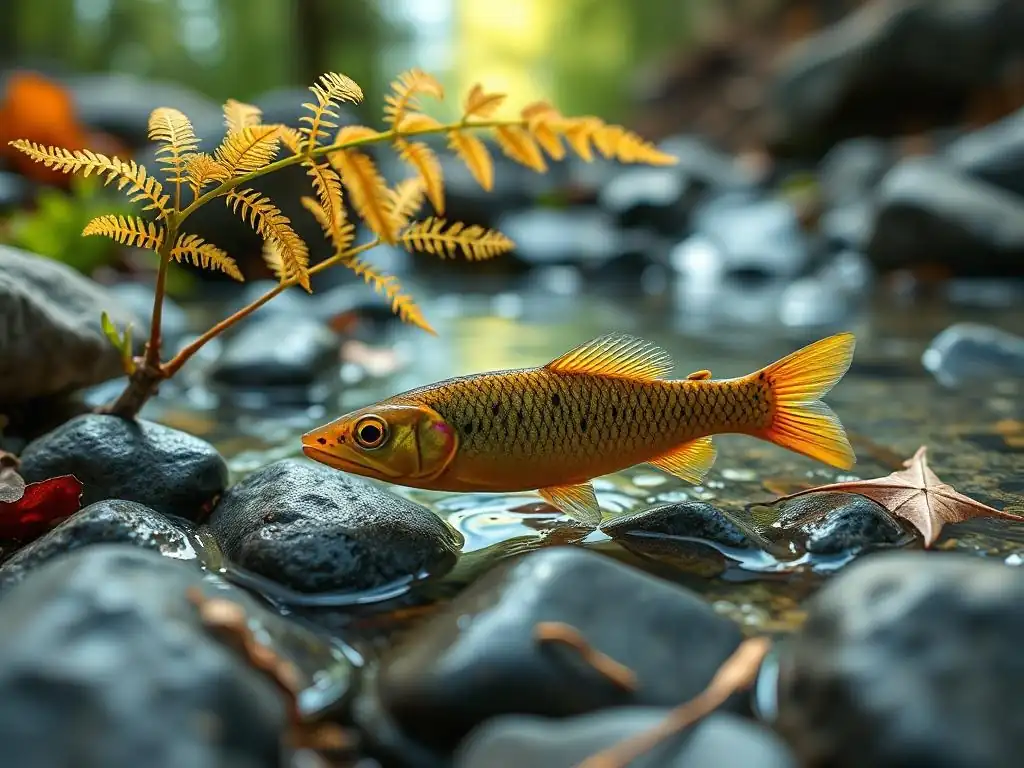
A breathtaking North American biotope aquarium setup can recreate a mountain stream, embodying the clear, cold, and highly oxygenated waters of the Appalachian or Rocky Mountains. Such a biotope typically features a substrate of smooth, rounded river rocks and gravel, with strong unidirectional current created by powerful filters and powerheads. The temperature is consistently cool, often requiring a chiller to maintain 55-65°F (13-18°C).
Ideal inhabitants include small, native trout species like the Rainbow Trout (Oncorhynchus mykiss) or Brook Trout (Salvelinus fontinalis) (though these require very large tanks, 150+ gallons, and excellent filtration), alongside smaller, more common species such as Rainbow Darters (Etheostoma caeruleum) and various Dace (e.g., Blacknose Dace, Rhinichthys atratulus). These fish thrive in the fast flow, with Darters perching on rocks and Dace schooling against the current. Sparse, hardy plants like native Anacharis or Hornwort might be present, anchored to rocks or driftwood.
The Great Lakes Biotope: Lake Sturgeon and Native Crayfish
A North American biotope aquarium setup inspired by the Great Lakes offers a unique challenge and reward, focusing on the vast, deep, and often cooler waters of these immense freshwater seas. While housing true Lake Sturgeon (Acipenser fulvescens) is generally impractical for home aquariums due to their immense size (up to 8 feet), a scaled-down representation can feature juvenile sturgeon (if ethically sourced and with plans for rehoming as they grow) or other Great Lakes native fish.
A more realistic approach for a home aquarium might focus on the benthic zone, featuring a sandy or fine gravel substrate with scattered smooth cobbles and driftwood. This provides habitat for native crayfish (e.g., Orconectes propinquus, the Northern Clearwater Crayfish) and various species of native Sculpins (e.g., Mottled Sculpin, Cottus bairdii), which are well-suited to cooler, clear waters. A 75-120 gallon tank would allow for a diverse representation of this unique ecosystem, maintaining temperatures around 60-70°F (15-21°C).
The Florida Everglades Biotope: Everglades Pygmy Sunfish and Florida Flagfish
The Florida Everglades provides a rich source of inspiration for a North American biotope aquarium setup, characterized by its warm, shallow, slow-moving, and often tannin-stained waters, dense vegetation, and sandy or mucky substrate. This biotope is excellent for smaller, colorful native fish that thrive in heavily planted, calm environments.
A 20-30 gallon tank is ideal for this biotope. The substrate should be fine sand, possibly with a layer of inert soil, and topped with dried leaf litter (e.g., oak leaves) to naturally lower pH and release tannins, mimicking the "blackwater" effect. Dense planting with native species like Ludwigia repens, Bacopa caroliniana, and various species of Utricularia (Bladderworts) is essential.
Inhabitants include the tiny, jewel-like Everglades Pygmy Sunfish (Elassoma evergladei), which are best kept in groups of 6-10, and the vibrant Florida Flagfish (Jordanella floridae), known for their algae-eating habits and striking colors. Water parameters would be soft to moderately hard, with a pH of 6.0-7.0 and temperatures ranging from 75-82°F (24-28°C).
Resources for North American Biotope Aquarium Keepers
Recommended Books and Websites
For those embarking on a North American biotope aquarium setup, a wealth of information exists to guide your journey. Several key resources provide in-depth knowledge on native fish identification, habitat requirements, and aquarium care. "Fishes of North America" by Robert E. Jenkins and Noel M. Burkhead is a comprehensive scientific resource, though more specialized. For hobbyists, books like "Native Fishes of the Northeast" by Bob Schmidt offer practical insights into keeping regional species.
Online, reputable websites and databases are invaluable. The North American Native Fishes Association (NANFA) website (nanfa.org) is an indispensable resource, featuring articles, species profiles, and forums dedicated to native fishkeeping. Websites like FishBase (fishbase.org) provide detailed scientific information on thousands of fish species, including their natural habitats and distributions. Exploring these resources will greatly enhance your understanding and success in creating an authentic North American biotope aquarium setup.
Local Native Fish and Plant Suppliers
Sourcing native fish and plants for your North American biotope aquarium setup requires careful consideration to ensure ethical practices and healthy specimens. While some common native species like Rosy Red Minnows (a domesticated Fathead Minnow variety) are readily available at local fish stores, rarer or more specific native species often require specialized suppliers. Always inquire about the origin of the fish; captive-bred specimens are generally preferred to wild-caught to minimize environmental impact.
Look for reputable online suppliers that specialize in native fish and plants, or attend local aquarium club meetings and conventions where breeders might sell their stock. Some state fish and wildlife agencies may also have programs for native fish. For plants, check with local aquatic nurseries or online vendors specializing in native aquatic flora. Always verify the legality of collecting native species in your area, as permits are often required, and many species are protected.
Online Communities and Forums
Engaging with online communities and forums is an excellent way to gain practical advice, share experiences, and troubleshoot issues related to your North American biotope aquarium setup. These platforms connect you with experienced native fishkeepers who can offer insights into specific species, setup challenges, and maintenance tips. The collective knowledge of these communities can be incredibly valuable, especially when dealing with less common native species or complex biotope designs.
The North American Native Fishes Association (NANFA) hosts an active online forum that is a primary hub for native fish enthusiasts. Other general aquarium forums often have dedicated sections for biotope aquariums or native fish. Participation in these communities allows you to ask questions, share photos of your setup, and learn from others' successes and challenges. This collaborative environment fosters continuous learning and helps refine your North American biotope aquarium setup over time.
Frequently Asked Questions
What exactly is a North American biotope aquarium?
It's an aquarium designed to replicate a specific aquatic environment found in North America. This means using native fish, plants, and hardscape (rocks, wood) to accurately represent that ecosystem.
What are some popular North American biotope aquarium examples?
Think about Appalachian stream tanks with darters and native plants, or Great Lakes tanks featuring native minnows and rock formations. Another option is a Pacific Northwest biotope with salmonid fish and appropriate vegetation.
What are the key considerations when planning a North American biotope aquarium setup?
Research is crucial! You need to understand the water parameters, temperature requirements, and dietary needs of the species you choose. Replicating the natural habitat as closely as possible is key.
Where can I find native North American fish and plants for my aquarium?
Ethical sourcing is important. Contact reputable local breeders or specialty aquarium stores that focus on native species. Avoid collecting from the wild unless you have the proper permits and knowledge.
What are some common challenges in maintaining a North American biotope aquarium?
Maintaining stable water parameters that match the native environment can be challenging. Ensuring the fish receive the correct diet and avoiding the introduction of non-native species are also important.
Final Reflection: Embracing the Wild Within
The journey into creating a North American biotope aquarium is more than just setting up a tank; it's about reconnecting with the natural world that surrounds us. By carefully replicating a specific ecosystem, we bring a piece of the wild into our homes, fostering a deeper appreciation for the delicate balance and intrinsic beauty of North American landscapes.
This endeavor extends beyond mere aesthetics. It's about cultivating a mindful connection to our local environment and understanding the interconnectedness of all living things. In wilderness is the preservation of the world.
- Henry David Thoreau. This quote resonates deeply when we consider the impact of recreating a small piece of that wilderness within our own spaces, reminding us of the importance of conservation and responsible stewardship.
Now, as you consider your own "North American biotope aquarium setup," I encourage you to look beyond the glass. Let it be a constant reminder of the natural wonders that exist just outside your door, a catalyst for learning, and a source of inspiration to protect and preserve the wild beauty that defines our continent. Let's cultivate not only thriving ecosystems within our tanks, but also a thriving commitment to the environment around us.
Craft Your Own North American Biotope Oasis!
Thank you for diving into the world of North American biotope aquariums! We hope this glimpse into recreating natural aquatic habitats has sparked your imagination. Now, let's bring that inspiration to life!
Here's how you can take the next step:
- Plan your dream biotope: Research a specific region or species of North American aquatic life and design your tank around its natural habitat.
- Share your vision: Post your biotope plans on social media using #AquariumMasteryBiotope and connect with fellow enthusiasts.
- Explore local resources: Visit your local fish stores and native plant nurseries to source the perfect elements for your biotope.
What specific North American ecosystem are you most excited to replicate in your aquarium?