
The Evolution of Easy: What's Next for Aquarium Starter Kits & Integrated AllInOne Systems?

Welcome to Aquarium Mastery!
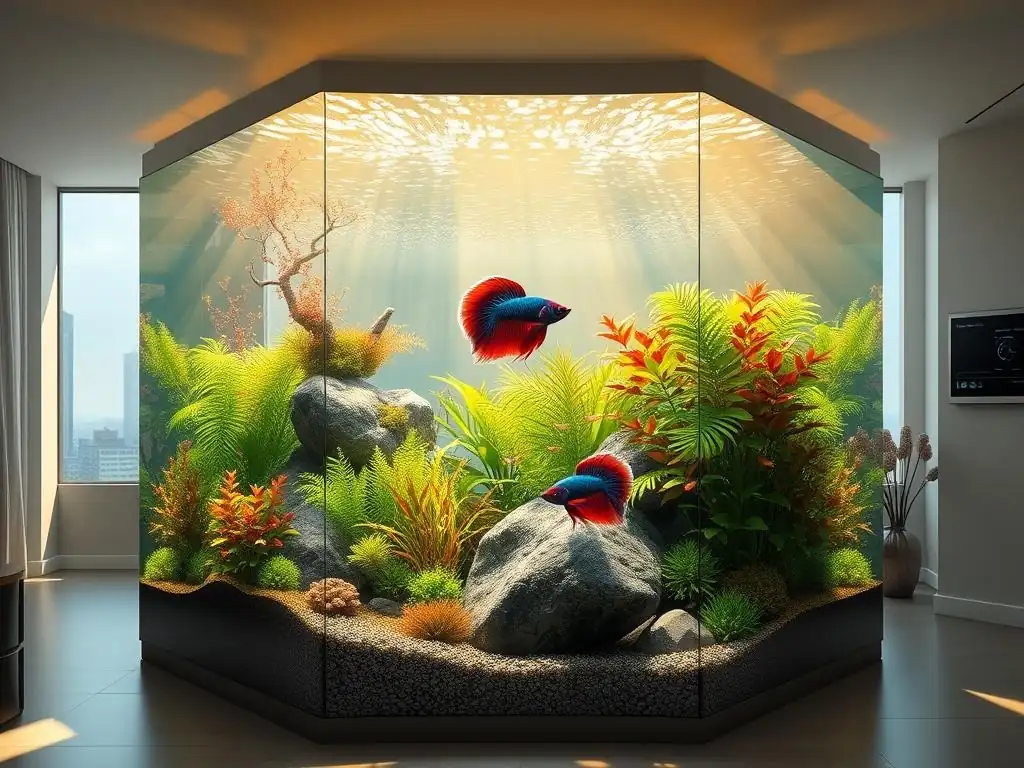
Thinking about diving into the fascinating world of aquariums? You're in the right place. Forget the daunting task of piecing everything together – easy aquarium starter kits have revolutionized the way we begin our aquatic adventures. But what's next? Join us as we explore the exciting evolution of these kits and the innovative integrated all-in-one systems that are making aquarium keeping more accessible and enjoyable than ever before. Discover the future of easy setup and find out how you can create a thriving underwater paradise with minimal fuss!
- Understanding the Appeal of Easy Aquarium Starter Kits
- The Current Landscape of Aquarium Starter Kits: A Comparison
- Key Features to Consider When Choosing an Easy Aquarium Starter Kit
- The Rise of Smart Aquarium Technology in Starter Kits
- Saltwater vs. Freshwater Easy Aquarium Starter Kits: Key Differences
- Maximizing Success with Your Easy Aquarium Starter Kit: Tips and Tricks
- Future Trends in Easy Aquarium Starter Kits and AIO Systems
-
Frequently Asked Questions
- What are the key benefits of using an easy aquarium starter kit for beginners?
- How have aquarium starter kits evolved over time, and what are some recent innovations?
- What factors should I consider when choosing an easy aquarium starter kit?
- Are integrated all-in-one aquarium systems suitable for experienced aquarists, or are they strictly for beginners?
- What are some common issues that can arise with easy aquarium starter kits, and how can they be prevented?
- Final Reflection: Embracing the Future of Aquatic Simplicity
- Dive Deeper: Cultivate Your Aquarium Adventure!
Understanding the Appeal of Easy Aquarium Starter Kits
Why Beginners Choose Simple Aquarium Setups
For many aspiring aquarists, the initial plunge into the hobby can seem daunting. The sheer volume of information regarding water parameters, filtration types, lighting needs, and species compatibility often acts as a significant barrier. Easy aquarium starter kits directly address this intimidation factor by consolidating essential components into a single, cohesive package. This "everything you need in one box" approach significantly reduces the time and effort spent researching individual parts, allowing beginners to focus on the immediate gratification of setting up and enjoying their new aquatic environment rather than wrestling with complex technical decisions.
Furthermore, the simplicity offered by these setups minimizes the chances of common beginner mistakes. By providing pre-matched components like appropriately sized filters and heaters for a given tank volume, easy aquarium starter kits help ensure that the basic environmental needs of fish are met from day one. This foundational stability is crucial for the successful establishment of a new aquarium, leading to a more positive initial experience and fostering long-term engagement with the hobby, rather than frustration and early abandonment.
The Demand for Plug-and-Play Aquarium Solutions
The modern consumer values convenience and efficiency, and the aquarium hobby is no exception. The demand for plug-and-play aquarium solutions stems from a desire for immediate functionality with minimal assembly and troubleshooting. These systems are designed to be intuitive, often requiring just a few simple steps to go from unboxing to operational. This streamlines the setup process, making it accessible even for those with limited technical expertise or time.
This trend towards integrated, user-friendly products reflects a broader shift in consumer electronics and home goods. Just as smart devices simplify household tasks, plug-and-play easy aquarium starter kits aim to simplify the complex world of aquatics. By providing clear instructions and pre-configured settings, these solutions empower new hobbyists to successfully cycle their tanks and introduce fish with confidence, significantly lowering the barrier to entry and expanding the appeal of aquarium keeping to a wider audience.
The Current Landscape of Aquarium Starter Kits: A Comparison
All-In-One (AIO) Aquarium Systems: Convenience and Design
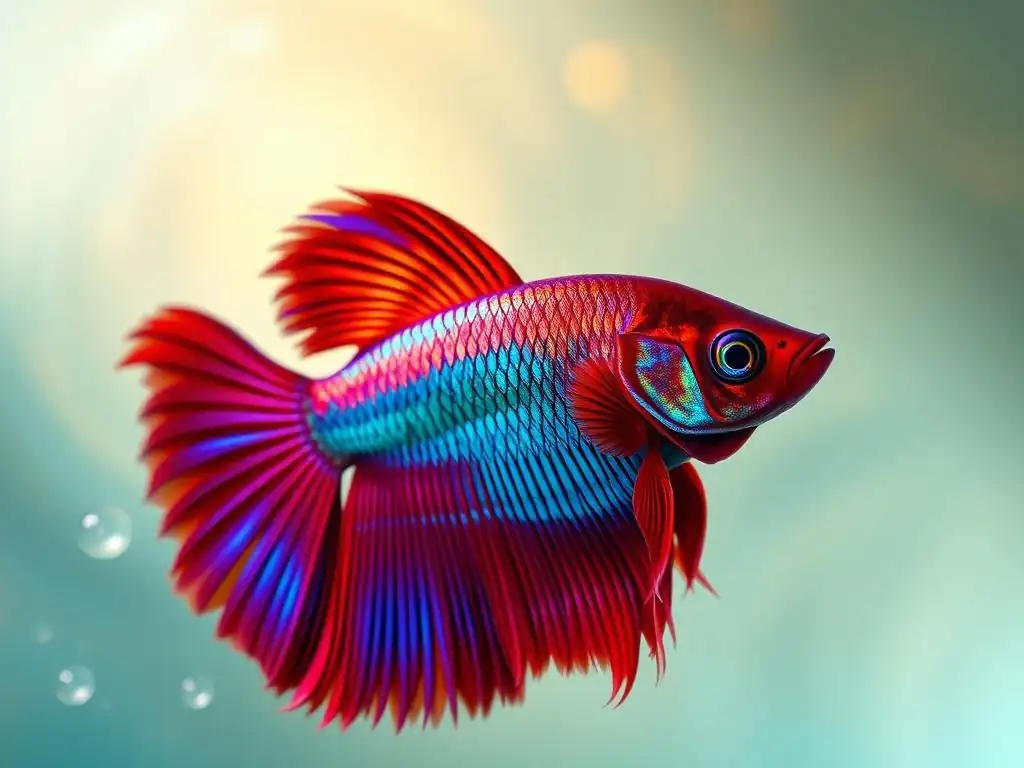
All-In-One (AIO) aquarium systems represent a significant leap in convenience and aesthetic integration. Characterized by their built-in filtration compartments, and often integrated lighting and heating elements, AIOs offer a sleek, streamlined look that minimizes external clutter. The filtration systems are typically hidden behind a false back wall or within a dedicated rear chamber, enhancing the visual appeal of the display tank. These systems are particularly popular for smaller desktop or counter-top setups, ranging from 5 to 30 gallons, due to their compact footprint and modern design.
The primary advantage of an AIO is the seamless integration of critical components, which not only looks tidy but also ensures optimal performance as all parts are designed to work together efficiently. While the initial cost for a quality AIO might be slightly higher than a traditional kit of similar size, the value lies in the reduced hassle of component selection and the often superior, quiet operation of the integrated systems. They are ideal for those prioritizing aesthetics and minimal setup effort right out of the box, making them a top choice among easy aquarium starter kits.
Fluval Flex Aquarium Series: A Modern AIO Option
The Fluval Flex Aquarium Series exemplifies modern AIO design, offering both functionality and aesthetic appeal. Available in popular sizes such as 9-gallon (34 liters) and 15-gallon (57 liters), these tanks feature a distinctive curved front and a powerful multi-stage filtration system cleverly hidden in the back compartment. This integrated system includes mechanical (foam block), chemical (carbon), and biological (BioMax media) filtration, ensuring crystal-clear water with minimal effort.
Beyond its efficient filtration, the Fluval Flex stands out with its integrated LED lighting system. Controlled by a convenient remote, the lighting offers a wide spectrum of colors and dynamic effects, allowing users to customize the ambiance and support various plant types. This combination of effective filtration, vibrant lighting, and a sleek, space-saving design makes the Fluval Flex an exceptionally popular choice for those seeking an easy aquarium starter kit that doesn't compromise on modern features or visual impact.
Waterbox AIO Aquariums: Premium Features for the Discerning Aquarist
Waterbox AIO Aquariums cater to aquarists seeking a premium experience, blending high-quality craftsmanship with advanced integrated features. Brands like the Waterbox Cube and Peninsula Mini series are renowned for their ultra-clear Starphire glass, which provides unparalleled viewing clarity compared to standard glass. These tanks typically feature a modular filtration system within a rear sump, allowing for greater customization of filter media and often accommodating a small protein skimmer in saltwater versions.
The design philosophy of Waterbox AIOs focuses on providing robust and efficient systems that can support more demanding aquatic environments, including reef setups in their saltwater lines. While their price point is generally higher, reflecting the superior materials and engineering, they offer exceptional durability and performance. For the discerning aquarist who values high-end aesthetics and a solid foundation for a thriving tank, a Waterbox AIO represents a sophisticated and reliable easy aquarium starter kit solution, particularly for those considering a nano reef.
Traditional Aquarium Starter Kits: Affordability and Customization
Traditional aquarium starter kits typically consist of a glass tank, a hood with basic lighting, and an external hang-on-back (HOB) filter. These kits are often the most budget-friendly entry point into the hobby, making them highly accessible for beginners. They commonly range from 5 to 55 gallons, with 10-gallon and 20-gallon kits being particularly popular due to their manageable size and affordability, often priced under $100 for a complete setup.
While they may lack the integrated sleekness of AIOs, traditional kits offer greater flexibility for customization and upgrades down the line. Hobbyists can easily swap out the HOB filter for a canister filter, upgrade the lighting for plant growth, or replace the heater with a more advanced model. This modularity allows beginners to learn about individual components and gradually enhance their setup as their knowledge and passion for the hobby grow, providing a practical pathway for evolving one's aquarium skills.
Aqueon Aquarium Starter Kits: A Budget-Friendly Entry Point
Aqueon Aquarium Starter Kits are widely recognized as a go-to option for new aquarists due to their widespread availability and competitive pricing. A typical Aqueon kit, such as their popular 10-gallon or 20-gallon offerings, includes a glass tank, a versatile LED hood, an Aqueon QuietFlow power filter, a submersible heater, a net, and samples of fish food and water conditioner. This comprehensive package ensures that a beginner has virtually everything needed to begin the cycling process immediately.
The appeal of Aqueon kits lies in their straightforward design and reliability. The QuietFlow HOB filters are known for their quiet operation and ease of maintenance, making routine water changes and filter cartridge replacements simple tasks. Their cost-effectiveness, combined with the inclusion of essential accessories, positions Aqueon as an excellent gateway for individuals looking for an easy aquarium starter kit that provides a complete, no-frills entry into the fascinating world of fish keeping.
Tetra Aquarium Kit: Reliable and Widely Available
Tetra Aquarium Kits are another cornerstone in the realm of easy aquarium starter kits, known for their reliability and broad distribution in major retail outlets. Often available in sizes from 10 to 20 gallons, these kits typically feature a sturdy glass tank, a low-profile hood with integrated LED lighting, and a Tetra Whisper power filter. The Whisper filter, a staple in the hobby, is celebrated for its quiet operation and effective mechanical and biological filtration, utilizing bio-bag cartridges that are simple to replace.
What sets Tetra kits apart is their emphasis on providing a truly "ready-to-go" experience. Beyond the core equipment, many Tetra starter kits include essentials like TetraMin fish food samples, AquaSafe water conditioner, and a basic heater, ensuring beginners have the necessary supplies for the crucial initial weeks. This all-inclusive approach, coupled with Tetra's long-standing reputation in aquatic products, makes their kits a dependable and convenient choice for those embarking on their first aquarium journey.
Key Features to Consider When Choosing an Easy Aquarium Starter Kit
Filtration Systems: Ensuring Water Clarity and Health
The filtration system is the lifeblood of any aquarium, regardless of its size or complexity. It plays a critical role in maintaining water clarity and, more importantly, ensuring the health and well-being of aquatic inhabitants. An effective filter performs three main types of filtration: mechanical, which removes physical debris like uneaten food and waste; chemical, which uses activated carbon or other media to remove dissolved impurities and odors; and biological, which provides surface area for beneficial bacteria to convert toxic ammonia and nitrite into less harmful nitrate.
In the context of easy aquarium starter kits, understanding the filtration system's capabilities is paramount. A robust filtration system minimizes the frequency of large water changes and helps prevent common water quality issues that can plague new aquarists. While many starter kits come with pre-selected filters, evaluating their capacity relative to the tank size and the intended bioload (number and type of fish) is essential to ensure long-term success and a healthy aquatic environment.
Integrated Filtration vs. Hang-On-Back Filters: Pros and Cons
Integrated filtration, commonly found in All-In-One (AIO) easy aquarium starter kits, offers several advantages. Pros: They are aesthetically pleasing, as the filtration components are hidden within the tank's design, reducing clutter. They are often quieter and can be highly efficient, utilizing multiple media chambers for comprehensive mechanical, chemical, and biological filtration. They are also space-saving, ideal for desktops or small apartments. Cons: Integrated systems can be less customizable, making it difficult to upgrade specific components (e.g., pump, media baskets) without modifying the entire unit. Maintenance can sometimes be trickier due to limited access to internal chambers.
Hang-On-Back (HOB) filters, prevalent in traditional easy aquarium starter kits, also have their distinct set of pros and cons. Pros: HOBs are very easy to install, clean, and replace, making maintenance straightforward for beginners. They are highly versatile and can be upgraded or swapped out for different models as needed.
They are also generally more affordable. Cons: HOBs are external, which can detract from the tank's aesthetics and take up space behind or beside the aquarium. They can also be noisier than integrated systems due to their external pump and water flow, and their filtration capacity might be less robust for heavily stocked tanks compared to a well-designed AIO.
Lighting: Supporting Plant Growth and Fish Health
Lighting in an aquarium serves a dual purpose: it enhances the aesthetic appeal of the tank, showcasing the vibrant colors of fish and plants, and it plays a crucial biological role. For planted aquariums, adequate lighting is essential for photosynthesis, the process by which plants convert light energy into growth. For fish, a proper light cycle mimics their natural environment, influencing their behavior, breeding patterns, and overall well-being. Insufficient or inappropriate lighting can lead to issues like excessive algae growth or stunted plant development, even in an easy aquarium starter kit.
When selecting an easy aquarium starter kit, evaluating the included lighting system is important, especially if you plan to keep live plants. Basic kits often come with simple LED lights that are sufficient for viewing and very low-light plants. More advanced kits or AIO systems may offer full-spectrum LEDs with adjustable brightness and color temperatures, providing the flexibility needed to support a wider variety of plant species and truly bring out the natural beauty of your aquatic inhabitants.
LED Lighting in Starter Kits: Efficiency and Color Spectrum
LED lighting has become the standard in modern easy aquarium starter kits due to its exceptional efficiency, longevity, and versatility. Compared to traditional fluorescent bulbs, LEDs consume significantly less energy, often reducing electricity costs by 70-80% over their lifespan, which can exceed 50,000 operating hours. This means less frequent bulb replacements and a smaller carbon footprint for the aquarist.
Furthermore, LED technology allows for precise control over the color spectrum. Many starter kits now feature LEDs that offer a full spectrum of white light, enhancing the natural colors of fish and promoting healthy plant growth. More advanced kits might include RGB (red, green, blue) LEDs, providing customizable color options and dynamic effects like moonlights or sunrise/sunset simulations, enriching the visual experience and allowing for tailored lighting schedules to suit different aquatic setups.
Heating and Temperature Control: Maintaining a Stable Environment
Maintaining a stable and appropriate water temperature is absolutely vital for the health and comfort of most aquarium inhabitants, particularly tropical fish. Fluctuations in temperature can cause stress, weaken fish immune systems, and make them more susceptible to diseases like Ich. Most tropical freshwater fish thrive in temperatures between 74°F and 82°F (23°C to 28°C), while saltwater species have their own specific ranges, often slightly warmer.
Many easy aquarium starter kits now include a submersible heater that is pre-set or adjustable, simplifying the process of establishing the correct temperature. These heaters are typically sized appropriately for the tank volume, ensuring efficient and accurate temperature maintenance. For beginners, this inclusion eliminates the guesswork and additional purchase of a separate heating unit, contributing significantly to the overall "easy" aspect of these kits and promoting a healthy environment from the outset.
The Rise of Smart Aquarium Technology in Starter Kits
Automated Water Changes and Monitoring Systems
The integration of smart technology into easy aquarium starter kits is poised to revolutionize aquarium maintenance, significantly reducing manual labor and enhancing stability. While fully automated water change systems are still largely a high-end addition for custom setups, the concept is slowly trickling down. More commonly seen are automated top-off (ATO) systems that replenish evaporated water, maintaining consistent salinity in saltwater tanks and water levels in freshwater. These systems can prevent significant water parameter swings, which are detrimental to aquatic life.
Furthermore, smart monitoring systems are becoming more accessible. These devices can track critical parameters such as temperature, pH, and even conductivity or ammonia levels in real-time. Paired with smartphone applications, they can send instant alerts if parameters deviate from the desired range, allowing aquarists to intervene before a crisis occurs. This proactive approach to water quality management provides immense peace of mind, transforming the traditionally labor-intensive aspects of aquarium care into a more automated and manageable process for easy aquarium starter kits.
Smart Lighting and Temperature Control
Smart lighting in easy aquarium starter kits has advanced beyond simple on/off timers. Modern systems, often controlled via Wi-Fi and smartphone apps, allow for precise scheduling of light cycles that mimic natural sunrise and sunset, gradually increasing and decreasing intensity. Users can adjust color spectrums to enhance fish coloration or optimize plant growth, and even create custom lighting scenarios. For example, some systems offer a "cloudy day" or "storm" effect, adding dynamic visual interest.
Similarly, smart temperature control units offer remote monitoring and adjustment of aquarium heaters. These devices can maintain a highly stable temperature, often within a fraction of a degree, and can alert the user if the temperature falls outside a pre-set range. This level of control and remote accessibility ensures optimal conditions for fish and plants, reduces energy consumption through precise regulation, and provides an unparalleled level of convenience and peace of mind for the aquarist utilizing an easy aquarium starter kit.
Saltwater vs. Freshwater Easy Aquarium Starter Kits: Key Differences
Specific Needs of Saltwater Aquariums
Setting up a saltwater aquarium, even with an "easy" starter kit, presents a significantly higher degree of complexity compared to freshwater. The primary difference lies in the necessity of maintaining precise salinity levels, requiring a hydrometer or refractometer for accurate measurement. Furthermore, saltwater systems often demand more specialized equipment beyond basic filtration, such as protein skimmers to remove organic waste, powerheads for strong water circulation to mimic ocean currents, and sometimes sumps or refugiums for additional filtration and biological stability.
The chemical balance in saltwater is also more delicate, particularly for reef tanks containing corals, which require specific calcium, alkalinity, and magnesium levels. Lighting for corals is far more powerful and spectrally precise than for freshwater plants. While saltwater AIO (All-In-One) easy aquarium starter kits do exist to simplify the process, they are inherently more expensive and require a deeper understanding of marine biology and water chemistry than their freshwater counterparts, making "easy" a relative term in this context.
Red Sea MAX Nano: A Complete Saltwater AIO Solution
The Red Sea MAX Nano stands as a prime example of a complete and high-quality saltwater AIO (All-In-One) easy aquarium starter kit, designed to make nano reef keeping more accessible. This 20-gallon (75-liter) system integrates all the necessary components for a successful reef aquarium within its sleek design. It features a sophisticated rear sump filtration system, including a professional protein skimmer (MSK 90), a media rack for chemical filtration, and a dedicated chamber for a return pump.
Crucially, the MAX Nano also comes equipped with Red Sea's powerful ReefLED 50 lighting, which provides a full spectrum of light optimized for coral growth and coloration, controllable via a smart app. This comprehensive integration of filtration, circulation, and lighting, along with an automatic top-off unit, significantly reduces the complexity of sourcing individual components. While a substantial investment, it offers a truly plug-and-play experience for those venturing into the vibrant world of saltwater nano reefs, making it an advanced easy aquarium starter kit.
Simplified Freshwater Setups for Beginners
Freshwater aquarium setups are generally far more forgiving and less complex than saltwater systems, making them the ideal choice for most beginners seeking an easy aquarium starter kit. The fundamental difference lies in the water chemistry; freshwater tanks do not require the precise salinity control or the specialized equipment like protein skimmers that are essential for marine environments. This simplification significantly lowers both the initial cost and the ongoing maintenance demands.
Most easy aquarium starter kits on the market are specifically designed for freshwater applications, providing just the essentials: a tank, a basic filter, a heater, and often an LED light. This streamlined approach minimizes decision fatigue for new hobbyists and allows them to focus on learning the fundamentals of the nitrogen cycle, water testing, and basic fish care without being overwhelmed by advanced equipment or intricate water parameters. The wider selection of hardy, adaptable freshwater fish further enhances the beginner-friendly nature of these setups.
Maximizing Success with Your Easy Aquarium Starter Kit: Tips and Tricks
Water Chemistry Basics for Beginners
Even with an easy aquarium starter kit, understanding basic water chemistry is fundamental to long-term success. The most critical concept is the nitrogen cycle: fish waste and uneaten food break down into highly toxic ammonia, which is then converted by beneficial bacteria into nitrite (also toxic), and finally into less harmful nitrate. Before adding fish, it's crucial to "cycle" the tank, allowing these beneficial bacteria to establish themselves, a process that can take 2-6 weeks. Regular testing for ammonia, nitrite, and nitrate using a liquid test kit is essential during this phase and periodically thereafter.
Beyond cycling, consistent partial water changes are vital. For most freshwater tanks, a 25% water change every one to two weeks helps to remove accumulated nitrates and replenish essential minerals. Always use a dechlorinator to neutralize chlorine and chloramines from tap water, as these chemicals are highly toxic to fish. Avoid overfeeding, as excess food quickly decomposes, leading to ammonia spikes and cloudy water. By mastering these basic principles, even a simple easy aquarium starter kit can become a thriving ecosystem.
Choosing the Right Fish for Your Starter Kit
Selecting the appropriate fish for your easy aquarium starter kit is paramount for their health and your enjoyment. The most common mistake beginners make is overstocking or choosing fish that are incompatible or grow too large for the tank. Always research the adult size of a fish, its temperament (peaceful vs. aggressive), and its specific water parameter requirements before purchase. A general rule of thumb for stocking is "one inch of fish per gallon" for small, slender species, but this should be used cautiously and is often too generous for larger or active fish.
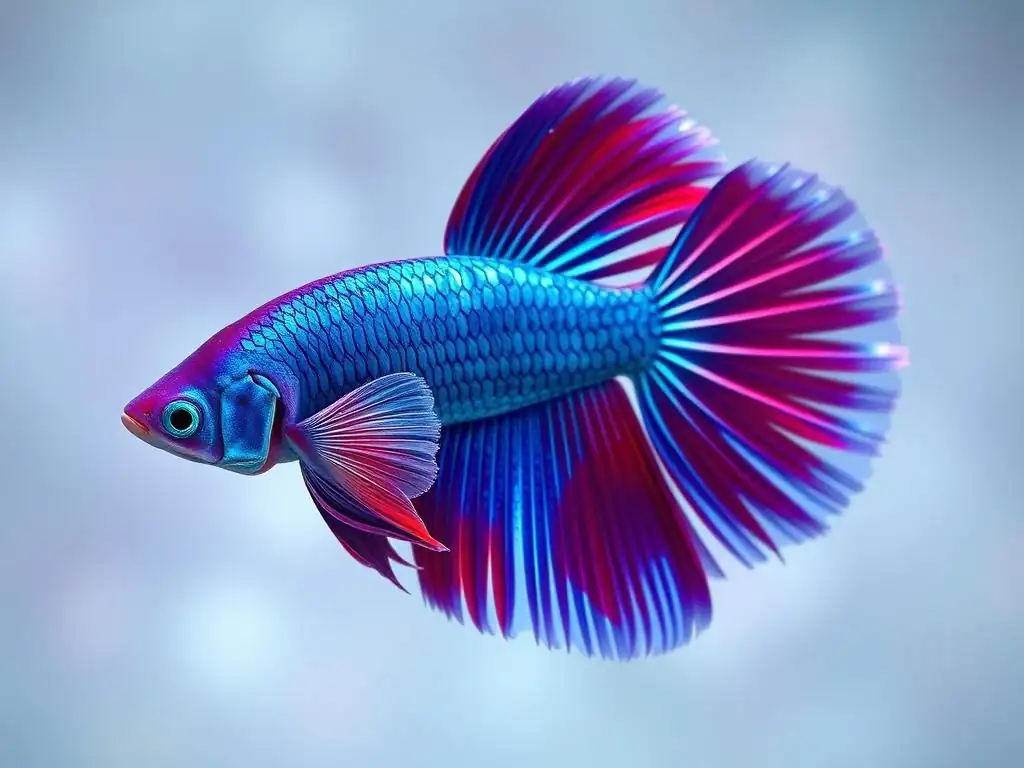
For a typical 10-gallon easy aquarium starter kit, hardy and small freshwater species are ideal. Good choices include a single Betta fish, a small school of Neon Tetras (6-8 individuals), Guppies, or Dwarf Gouramis. Avoid species like Common Plecos, Bala Sharks, or Oscar Cichlids, as they grow very large, often exceeding 12-24 inches, and require tanks of 50 gallons or more. For saltwater nano AIOs, a single Clownfish or a small Goby are often suitable. Prioritizing compatibility and appropriate tank size will significantly reduce stress and ensure a vibrant, healthy community in your easy aquarium starter kit.
Plant Selection for Easy Maintenance
Incorporating live plants into your easy aquarium starter kit offers numerous benefits beyond aesthetics. Plants naturally absorb nitrates, helping to keep water clean and reducing the frequency of water changes. They also oxygenate the water, provide hiding places for fish, and contribute to a more natural and stable ecosystem. However, not all plants are created equal in terms of care requirements, especially with the basic lighting often found in starter kits.
For easy maintenance and success, opt for low-light, hardy plant species that do not require CO2 injection or specialized substrates. Excellent choices include Anubias species (e.g., Anubias barteri, Anubias nana), Java Fern (Microsorum pteropus), and Cryptocoryne species (e.g., Cryptocoryne wendtii). Other beginner-friendly options include Vallisneria and various mosses like Java Moss. These plants can thrive with the standard LED lighting found in most easy aquarium starter kits and will significantly enhance the beauty and ecological balance of your aquarium with minimal effort.
Future Trends in Easy Aquarium Starter Kits and AIO Systems
Sustainable and Eco-Friendly Aquarium Solutions
The future of easy aquarium starter kits is increasingly leaning towards sustainability and eco-friendliness, reflecting broader consumer and industry trends. Manufacturers are exploring the use of recycled and sustainably sourced materials for tank components, such as recycled glass for the tank itself or plastics for hoods and filters. The focus will also be on reducing the environmental footprint of production, including energy-efficient manufacturing processes and minimized packaging waste.
Beyond materials, innovations in filtration media are aiming for longer lifespans and biodegradability. There's a growing interest in closed-loop systems and highly efficient pumps that reduce overall water and energy consumption, further lessening the environmental impact of maintaining an aquarium. These advancements will make the hobby not only easier but also more responsible, appealing to a generation of aquarists who prioritize ecological consciousness alongside convenience in their easy aquarium starter kits.
Enhanced Customization and Personalization Options
While easy aquarium starter kits currently prioritize simplicity, future trends suggest a move towards enhanced customization and personalization without sacrificing ease of use. This could manifest as modular AIO systems where users can easily swap out or upgrade specific components like pumps, skimmers, or light fixtures without needing to replace the entire tank. Imagine a "snap-in" filtration module that can be upgraded from basic mechanical to advanced biological filtration as the hobbyist's needs evolve.
Aesthetic personalization will also become more prominent, with a wider array of tank shapes, sizes, and finishes available, allowing the easy aquarium starter kit to seamlessly integrate into diverse home decor styles. Furthermore, smart technology integration will offer deeper levels of personalization, allowing users to fine-tune environmental parameters, lighting schedules, and feeding routines through intuitive interfaces, creating a truly bespoke yet easy-to-manage aquatic experience.
Integration with Smart Home Devices
The seamless integration of easy aquarium starter kits with existing smart home ecosystems is a significant future trend. Imagine controlling your aquarium's lighting, temperature, and even feeding schedules through voice commands via Amazon Alexa or Google Home. This level of connectivity would allow aquarists to monitor and manage their tanks from anywhere, receiving real-time alerts on their smartphones or smart home displays if parameters deviate or if maintenance is due.
Beyond basic control, future integration could include advanced diagnostics. Smart sensors could detect subtle changes in water chemistry or fish behavior, alerting the smart home system to potential issues before they become critical. Automated dosing pumps for fertilizers or trace elements, controlled via a central smart home hub, could further simplify the maintenance of planted or reef tanks. This comprehensive smart home integration will transform the easy aquarium starter kit into a truly intelligent, low-maintenance aquatic centerpiece, redefining convenience for the modern aquarist.
Frequently Asked Questions
What are the key benefits of using an easy aquarium starter kit for beginners?
Easy aquarium starter kits offer a simplified entry point into the hobby, providing all the essential equipment in one package. This helps to avoid compatibility issues and reduces the initial learning curve for new aquarists.
How have aquarium starter kits evolved over time, and what are some recent innovations?
Historically, starter kits were basic. Recent innovations include integrated all-in-one systems with advanced filtration, LED lighting, and even built-in heaters offering greater convenience and efficiency.
What factors should I consider when choosing an easy aquarium starter kit?
Consider the tank size, the type of fish you want to keep (freshwater or saltwater), and the quality of the included equipment. Also, look for kits with good reviews and readily available support.
Are integrated all-in-one aquarium systems suitable for experienced aquarists, or are they strictly for beginners?
While excellent for beginners, all-in-one systems can also appeal to experienced aquarists seeking a simplified and aesthetically pleasing setup. They provide a controlled environment for specific species.
What are some common issues that can arise with easy aquarium starter kits, and how can they be prevented?
Common issues include overstocking, poor water quality, and improper cycling. Prevention involves thoroughly researching fish needs, following the kit's instructions carefully, and regular water testing.
Final Reflection: Embracing the Future of Aquatic Simplicity
The journey through the evolution of easy aquarium starter kits reveals a compelling truth: accessibility is paramount in fostering a deeper connection with the natural world. From rudimentary setups to sophisticated all-in-one systems, the relentless pursuit of simplicity has democratized the aquarium hobby, inviting a broader audience to experience the tranquility and wonder of underwater ecosystems. This evolution isn't merely about convenience; it's about empowering individuals to become responsible stewards of aquatic life.
This pursuit of "easy" has profoundly shaped the aquarium landscape, moving it from a niche interest to a mainstream passion. The ease of setting up and maintaining a thriving aquarium has undeniably lowered the barrier to entry, allowing more people to appreciate the delicate balance of these miniature ecosystems. In the end, we will conserve only what we love; we will love only what we understand; and we will understand only what we are taught.
- Baba Dioum. This quote perfectly encapsulates the importance of accessible entry points like easy aquarium starter kits in fostering a love and understanding of aquatic environments, ultimately driving conservation efforts.
As we look toward the future, let us not only embrace the technological advancements that promise even greater simplicity, but also remember the underlying purpose: to cultivate a deeper appreciation for the beauty and fragility of aquatic life. Consider how you can contribute to this evolution, whether by sharing your knowledge with newcomers, advocating for sustainable practices, or simply marveling at the intricate dance of life within your own aquarium. The future of the aquarium hobby, and indeed the health of our planet's aquatic ecosystems, rests on our collective commitment to understanding and protecting these precious resources.
Dive Deeper: Cultivate Your Aquarium Adventure!
Thank you for exploring the evolution of aquarium starter kits and all-in-one systems with us! We hope you found valuable insights into selecting the perfect setup for your underwater journey. Now, let’s turn that knowledge into action.
- Embark on your aquarium adventure by creating a detailed list of the fish species you're most excited to keep. Research their specific needs to ensure you choose an aquarium system that will allow them to thrive!
- Dare to experiment! Research uncommon aquatic plants that can add unique beauty and biological benefits to your aquarium. Consider incorporating a rare species to set your tank apart.
- Share your passion! Create a post on social media about your dream aquarium setup, tagging fellow aquarists and using #AquariumMastery to spark a conversation and find inspiration from others!
What unique fish or plant combination are you envisioning for your first (or next) aquarium, and how will your chosen all-in-one system help you bring that vision to life?